Professional Screw Insertion Machine Solutions - Automated Fastening Equipment for Enhanced Manufacturing Efficiency

Get a Free Quote

Our representative will contact you soon.
Email
Name
Company Name
Message
0/1000

screw insertion machine

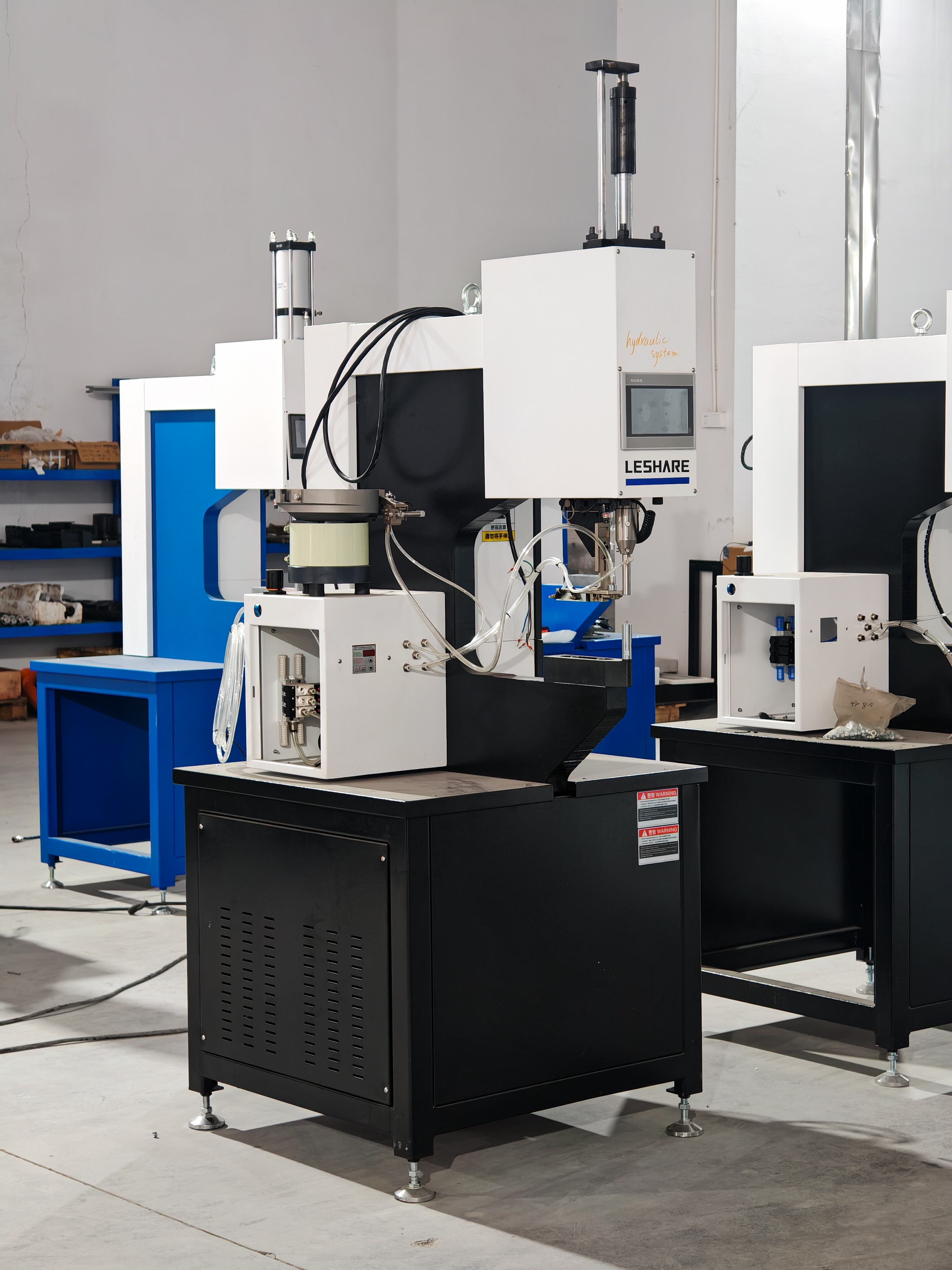
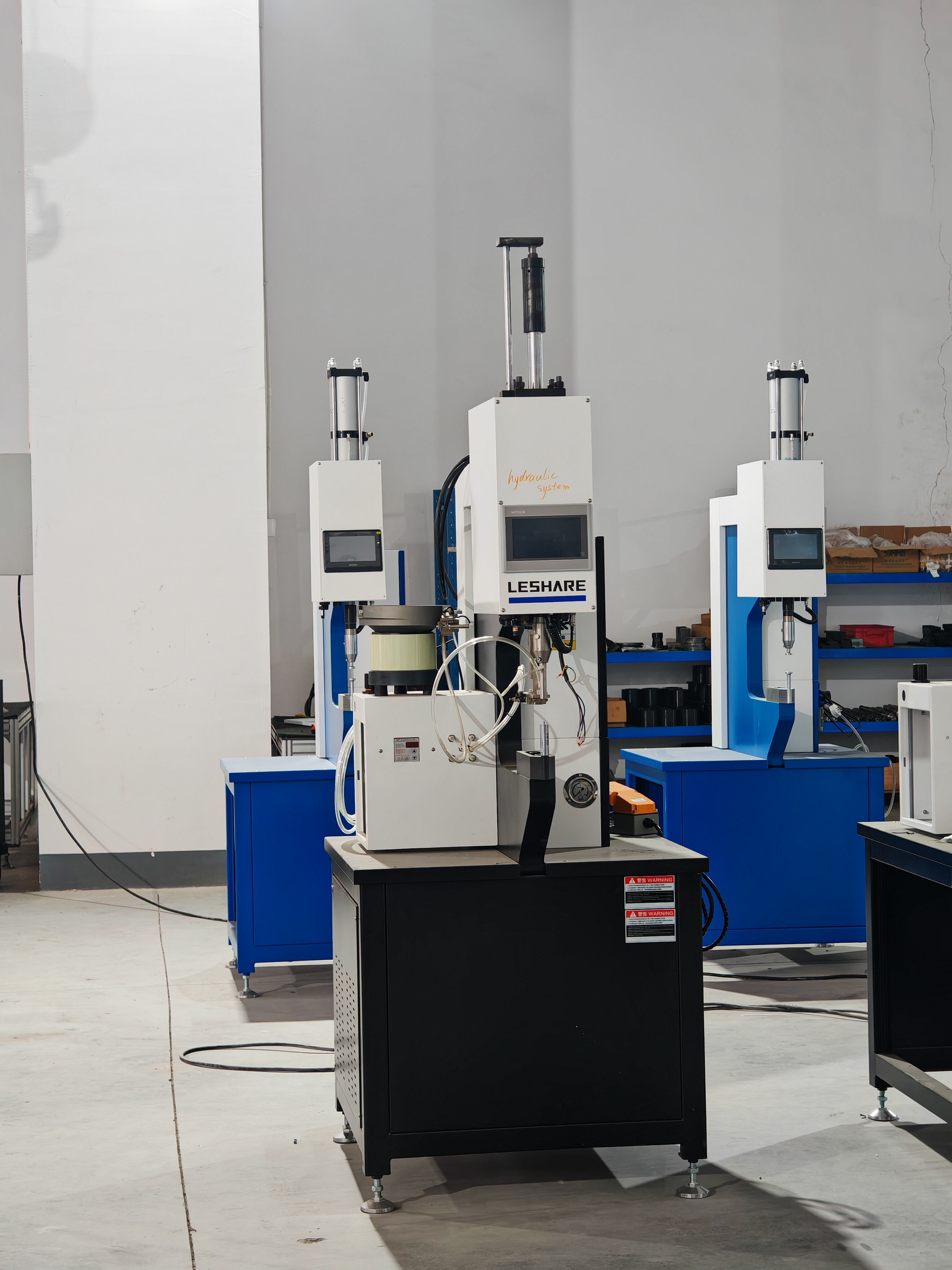
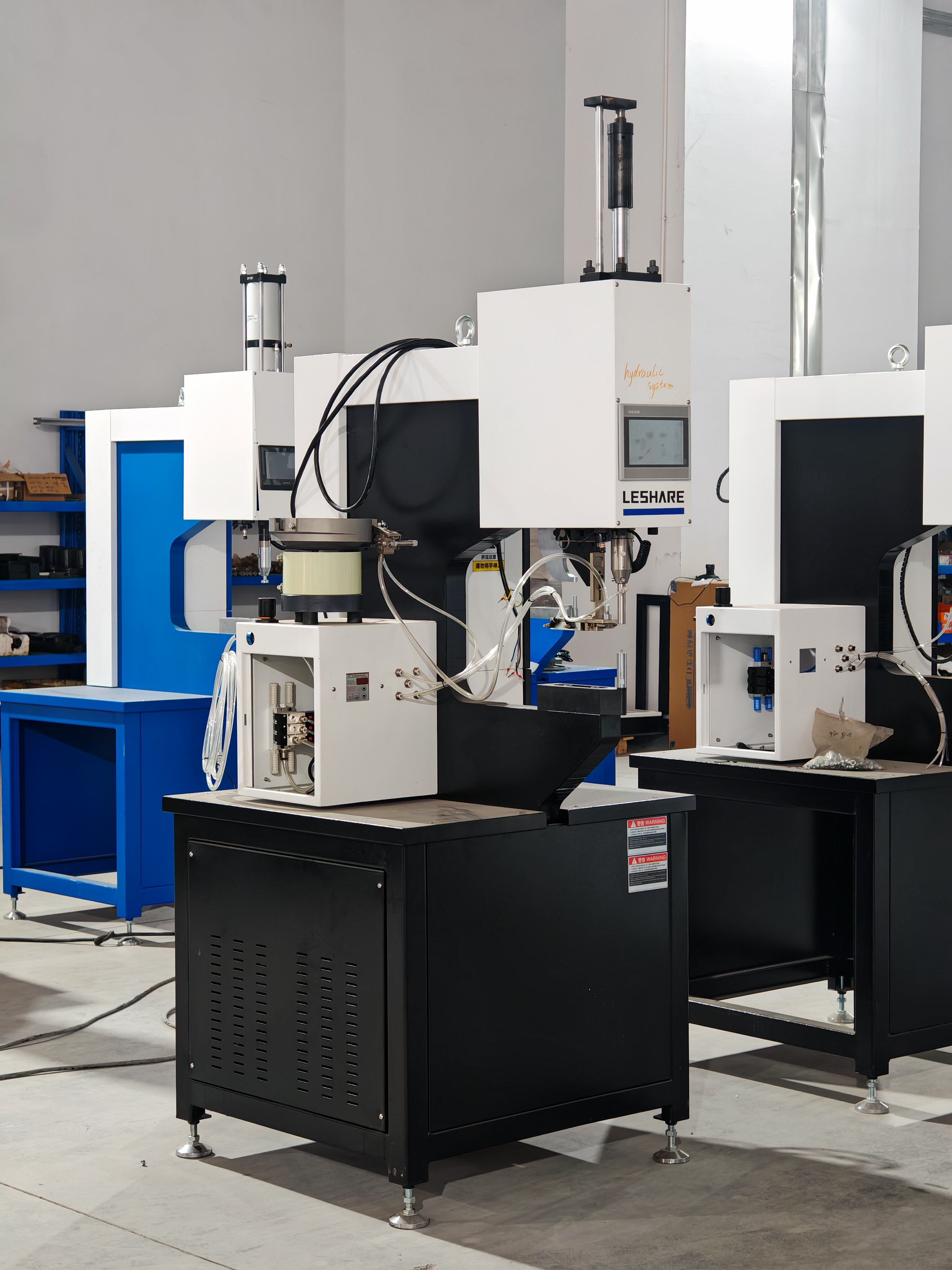
A screw insertion machine represents a sophisticated piece of industrial automation equipment designed to streamline and enhance the fastening process across various manufacturing applications. This advanced machinery operates by automatically feeding, positioning, and driving screws into predetermined locations with remarkable precision and consistency. The primary function of a screw insertion machine centers on eliminating manual screw driving operations, thereby reducing labor costs while significantly improving production efficiency and quality control standards. Modern screw insertion machines incorporate cutting-edge technological features including programmable logic controllers, servo motor systems, and advanced torque monitoring capabilities. These systems enable operators to configure specific insertion parameters such as depth control, torque specifications, and positioning accuracy according to individual project requirements. The machines typically feature multiple feeding mechanisms, including vibratory bowl feeders, linear feeders, and vacuum pickup systems, ensuring continuous screw supply during operation. Quality assurance represents another crucial aspect of screw insertion machine functionality, with integrated sensors monitoring insertion force, depth measurement, and cross-threading detection throughout the fastening process. Industrial applications for screw insertion machines span numerous sectors including electronics manufacturing, automotive assembly, appliance production, and medical device fabrication. In electronics manufacturing, these machines excel at installing miniature screws into circuit boards, smartphone assemblies, and computer components where precision becomes paramount. Automotive applications involve securing dashboard components, interior trim pieces, and electronic control modules with consistent torque specifications. The versatility of modern screw insertion machines allows manufacturers to handle various screw types including Phillips head, flathead, Torx, and hex socket configurations across different material combinations such as steel, stainless steel, brass, and specialized coated fasteners. Advanced models incorporate vision systems for precise positioning verification and adaptive control algorithms that automatically adjust insertion parameters based on material feedback, ensuring optimal performance across diverse manufacturing environments.

New Products

The implementation of a screw insertion machine delivers substantial operational advantages that directly impact manufacturing productivity and bottom-line performance. First and foremost, these automated systems dramatically increase production speed compared to manual assembly processes. While human operators typically install screws at rates of 10-15 fasteners per minute, modern screw insertion machines consistently achieve speeds of 60-120 screws per minute, representing a four to eight-fold improvement in throughput capacity. This enhanced speed translates into reduced cycle times and increased daily production volumes without requiring additional labor resources. Quality consistency emerges as another significant advantage, as screw insertion machines eliminate human error variables that commonly affect manual assembly operations. The machines apply precise torque specifications repeatedly, preventing both under-tightening that leads to loose connections and over-tightening that damages components or strips threads. Built-in quality monitoring systems detect insertion anomalies immediately, allowing for real-time correction and preventing defective products from advancing through production lines. Cost reduction represents a compelling financial benefit, particularly in high-volume manufacturing environments. Although initial equipment investment requires capital expenditure, the rapid return on investment typically occurs within 12-18 months through reduced labor costs, decreased rework expenses, and improved production efficiency. Labor cost savings become especially pronounced in regions with high wage rates, where automation provides sustained competitive advantages. Ergonomic improvements constitute an often-overlooked benefit that enhances workplace safety and employee satisfaction. Manual screw driving operations frequently cause repetitive strain injuries, carpal tunnel syndrome, and general fatigue among workers. Screw insertion machines eliminate these physical demands while redirecting human operators toward higher-value tasks requiring problem-solving skills and technical expertise. Flexibility in production scheduling represents another practical advantage, as automated systems operate continuously during extended shifts without performance degradation. This capability enables manufacturers to meet tight delivery schedules and respond quickly to sudden demand fluctuations. Additionally, modern screw insertion machines integrate seamlessly with existing production management systems, providing real-time data collection for process optimization and quality tracking purposes.

Tips And Tricks

What to consider when sourcing nonrotating shaft radial riveter systems?

26

Feb

What to consider when sourcing nonrotating shaft radial riveter systems?

Manufacturing precision and assembly efficiency depend heavily on selecting the right fastening equipment for your production line. When evaluating nonrotating shaft radial riveter systems, understanding the critical factors that influence performanc...
View More
How do radial riveting machines integrate with modern production systems?

26

Feb

How do radial riveting machines integrate with modern production systems?

Modern manufacturing environments demand precision, efficiency, and seamless integration across all production processes. Radial riveting machines have emerged as essential equipment for achieving reliable fastening solutions in industries ranging fr...
View More
Why choose lowspeed radial riveting for precision industrial assembly?

26

Feb

Why choose lowspeed radial riveting for precision industrial assembly?

Manufacturing precision and assembly quality have become critical differentiators in today's competitive industrial landscape. When it comes to joining metal components, lowspeed radial riveting stands out as a superior methodology that delivers cons...
View More
How Does an Orbital Riveting Machine Improve Assembly Efficiency?

26

Feb

How Does an Orbital Riveting Machine Improve Assembly Efficiency?

Manufacturing industries constantly seek innovative solutions to enhance assembly efficiency while maintaining superior product quality. An orbital riveting machine represents a breakthrough technology that revolutionizes traditional fastening method...
View More

Get a Free Quote

Our representative will contact you soon.
Email
Name
Company Name
Message
0/1000

screw insertion machine

Advanced Precision Control Technology

Advanced Precision Control Technology

The cornerstone of modern screw insertion machine effectiveness lies in sophisticated precision control technology that revolutionizes fastening accuracy across manufacturing operations. This advanced system incorporates servo-driven positioning mechanisms capable of achieving positional repeatability within ±0.05mm, ensuring consistent screw placement regardless of production volume or operational duration. The precision control framework utilizes high-resolution encoders and feedback systems that continuously monitor spindle position, insertion depth, and rotational speed throughout each fastening cycle. These monitoring capabilities enable the screw insertion machine to detect and compensate for material variations, component tolerances, and environmental factors that might otherwise compromise assembly quality. Furthermore, the integrated torque monitoring system provides real-time feedback during screw insertion, automatically adjusting drive parameters to achieve optimal fastening results across different material combinations and screw specifications. The technology includes adaptive learning algorithms that analyze insertion patterns and automatically optimize performance parameters based on historical data and current operating conditions. This intelligent adaptation ensures that the screw insertion machine maintains peak performance efficiency while minimizing waste and rework requirements. Vision integration represents another crucial aspect of precision control technology, enabling automated verification of screw head orientation, thread engagement, and final positioning accuracy. The system captures high-resolution images during each insertion cycle, comparing results against predetermined quality standards and immediately flagging any deviations for operator attention. Advanced models feature multi-axis positioning capabilities that accommodate complex geometries and angled insertions, expanding application possibilities across diverse manufacturing environments. The precision control technology also incorporates predictive maintenance algorithms that monitor system performance metrics and component wear patterns, providing advance warning of potential maintenance requirements before they impact production schedules. This proactive approach minimizes unplanned downtime while ensuring consistent performance throughout the equipment lifecycle. Additionally, the user-friendly interface allows operators to configure complex insertion sequences through intuitive programming methods, reducing setup time and enabling quick changeovers between different product configurations without requiring extensive technical expertise.
Exceptional Versatility and Adaptability

Exceptional Versatility and Adaptability

The exceptional versatility and adaptability of modern screw insertion machines establish them as indispensable assets across diverse manufacturing environments and applications. These sophisticated systems accommodate an extensive range of screw types, sizes, and materials, from miniature electronics fasteners measuring just 1mm in diameter to heavy-duty industrial screws exceeding 10mm in size. The adaptability extends beyond basic screw variations to encompass different head configurations including Phillips, flathead, Torx, hex socket, and specialized proprietary designs commonly found in automotive and aerospace applications. Material compatibility represents another dimension of versatility, as screw insertion machines effectively handle steel, stainless steel, brass, aluminum, and exotic alloy fasteners while automatically adjusting insertion parameters to accommodate varying hardness and threading characteristics. The feeding system versatility enables seamless integration of multiple supply methods including vibratory bowl feeders for high-volume operations, stick feeders for organized presentation, and bulk hoppers for cost-effective material handling. Advanced models incorporate quick-change tooling systems that enable rapid transitions between different screw specifications without requiring extensive retooling or calibration procedures. This feature proves particularly valuable in manufacturing environments producing multiple product variants or seasonal items requiring different fastening configurations. The programmable nature of modern screw insertion machines allows operators to store unlimited insertion programs, each containing specific parameters for torque, speed, depth, and quality verification criteria. This programming flexibility enables manufacturers to optimize insertion parameters for each unique application while maintaining consistent quality standards across production runs. Workspace adaptability represents another crucial advantage, as these machines integrate effectively into existing production lines regardless of layout constraints or space limitations. Modular design concepts allow manufacturers to configure systems according to specific requirements, adding or removing components as production needs evolve. The screw insertion machine adapts to various production volumes, from prototype development requiring precise single-unit assembly to high-volume production demanding continuous operation capabilities. Integration compatibility with existing manufacturing execution systems enables seamless data exchange and production tracking, ensuring that automated fastening operations align perfectly with broader manufacturing objectives and quality management requirements.
Superior ROI and Long-term Value

Superior ROI and Long-term Value

The superior return on investment and long-term value proposition of screw insertion machines make them compelling investments for manufacturers seeking sustainable competitive advantages and operational excellence. Financial analysis consistently demonstrates payback periods ranging from 12 to 24 months depending on production volume and labor cost structures, with ongoing savings continuing for many years beyond initial cost recovery. The primary value driver stems from dramatic labor cost reduction, as a single screw insertion machine typically replaces 2-4 manual assembly operators while delivering significantly higher production rates and improved quality consistency. This labor efficiency becomes increasingly valuable as wage rates continue rising and skilled assembly workers become more difficult to recruit and retain. Beyond immediate labor savings, the machines deliver substantial indirect cost benefits through reduced rework expenses, warranty claims, and quality-related production delays. The consistent torque application and precise positioning capabilities virtually eliminate assembly defects related to improper fastening, translating into measurable improvements in customer satisfaction and brand reputation. Energy efficiency represents an often-overlooked component of long-term value, as modern screw insertion machines utilize advanced motor control technology and optimized operating cycles that minimize power consumption compared to alternative automation approaches. Maintenance cost advantages emerge through robust construction and intelligent monitoring systems that extend component lifecycles while providing predictive maintenance capabilities that prevent costly unplanned downtime. The modular design philosophy ensures that equipment investments remain relevant as production requirements evolve, allowing manufacturers to upgrade specific components or add new capabilities without replacing entire systems. Technology compatibility represents another dimension of long-term value, as leading screw insertion machine manufacturers provide regular software updates and hardware enhancement options that extend equipment capabilities throughout operational lifecycles. Production flexibility benefits become increasingly valuable in dynamic manufacturing environments where product mix changes and volume fluctuations require adaptable assembly solutions. The ability to quickly reconfigure insertion parameters and accommodate new fastener specifications without significant investment enables manufacturers to respond rapidly to market opportunities and customer requirements. Training and operational simplicity contribute to sustained value by reducing the skill level required for effective operation and maintenance, expanding the available workforce pool while minimizing training costs and operational complexity. These combined factors establish screw insertion machines as strategic assets that continue delivering measurable value long after initial implementation, making them essential components of modern manufacturing operations focused on efficiency, quality, and sustainable profitability.

Get a Free Quote

Our representative will contact you soon.
Email
Name
Company Name
Message
0/1000