Professional Nut Insertion Machine Solutions - Automated Fastening Technology

Get a Free Quote

Our representative will contact you soon.
Email
Name
Company Name
Message
0/1000

nut insertion machine

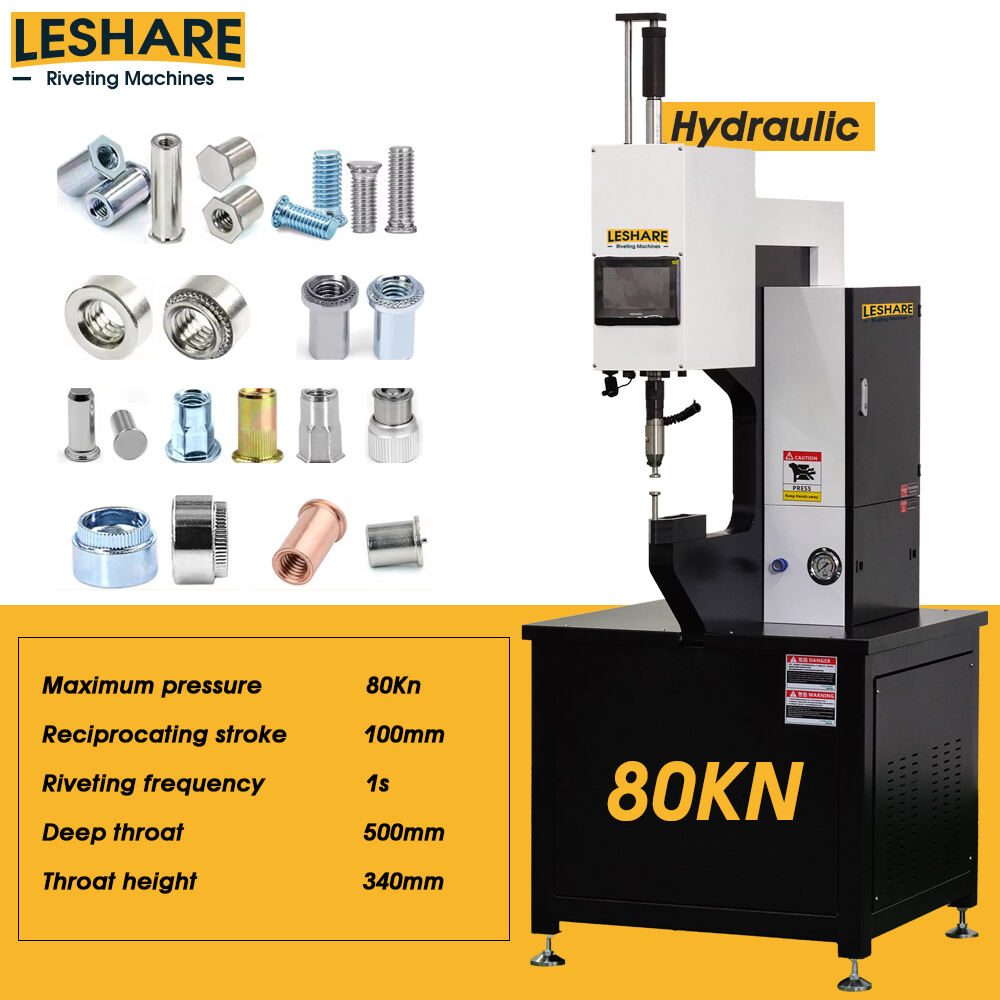
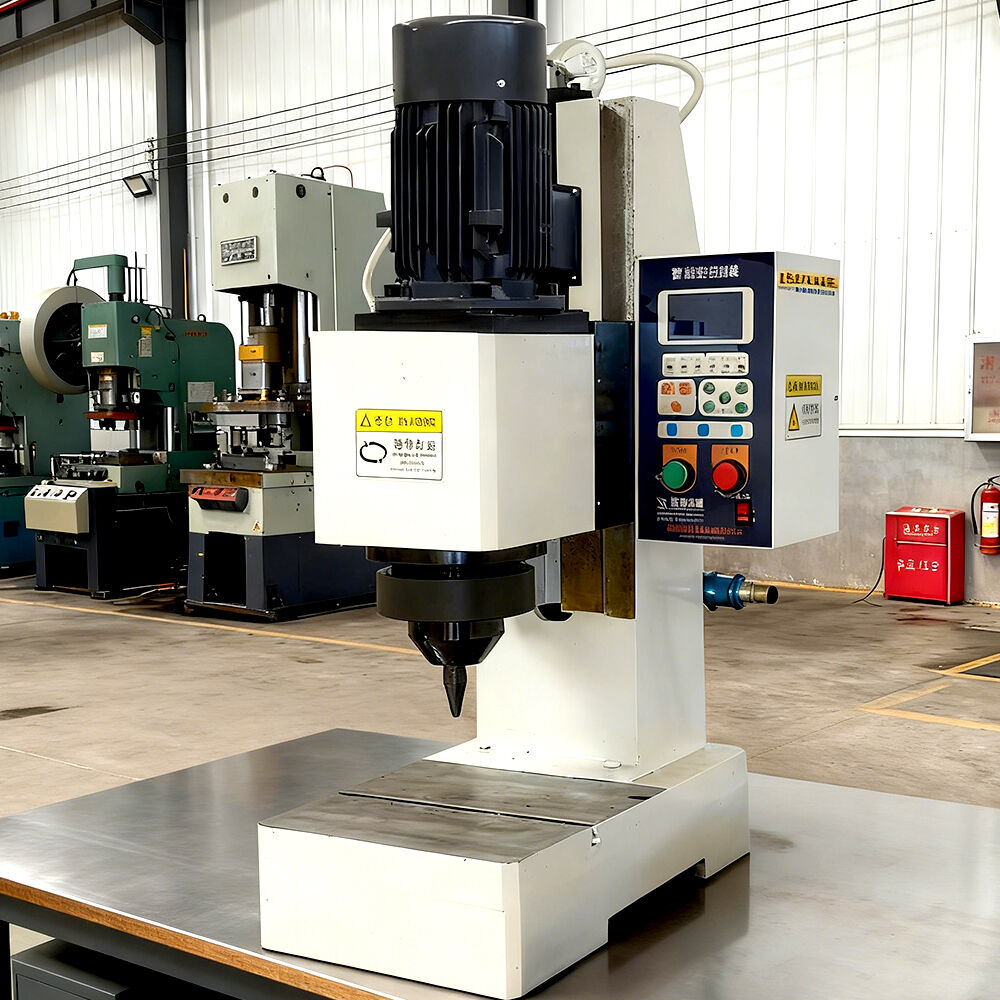
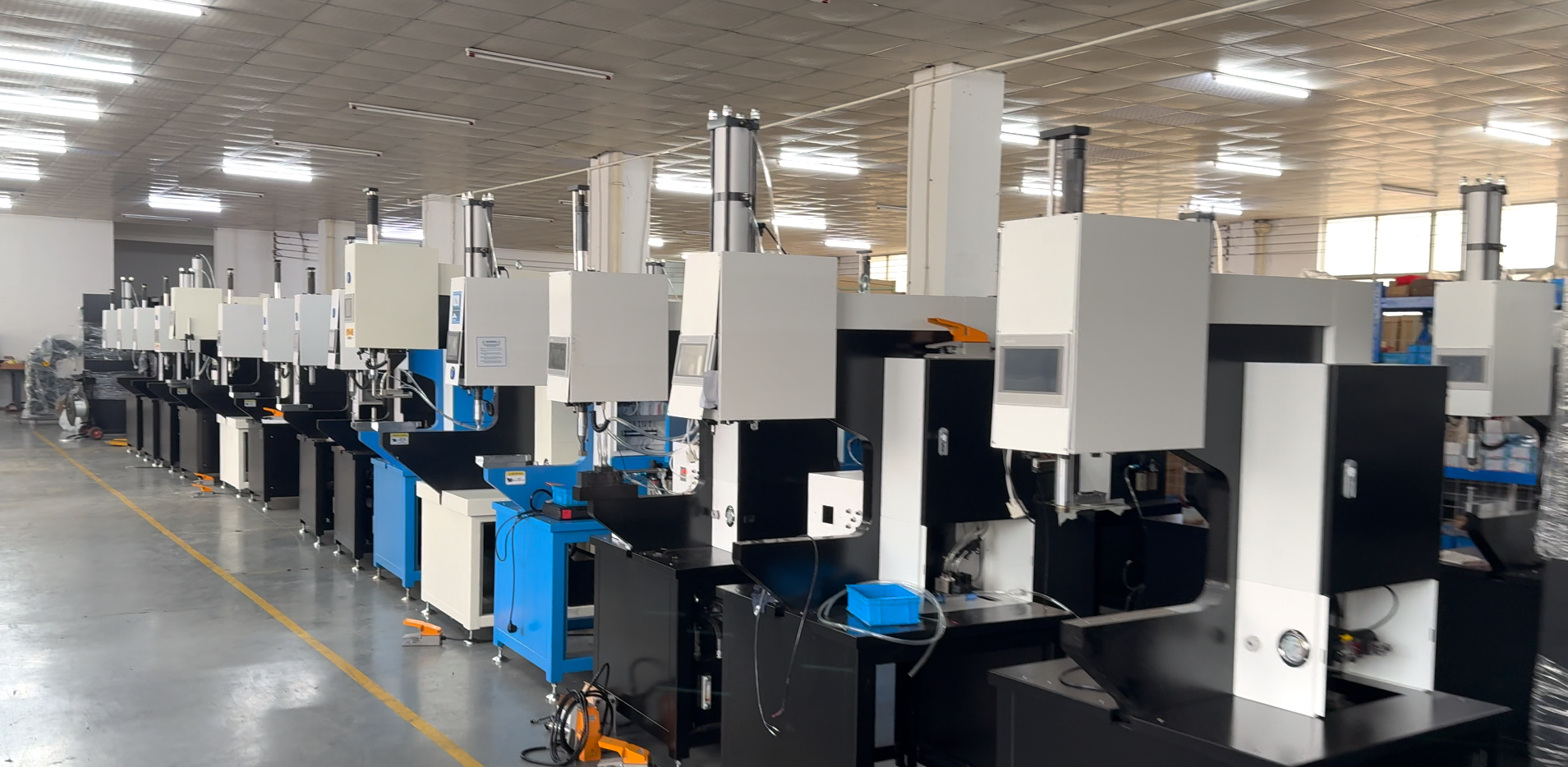
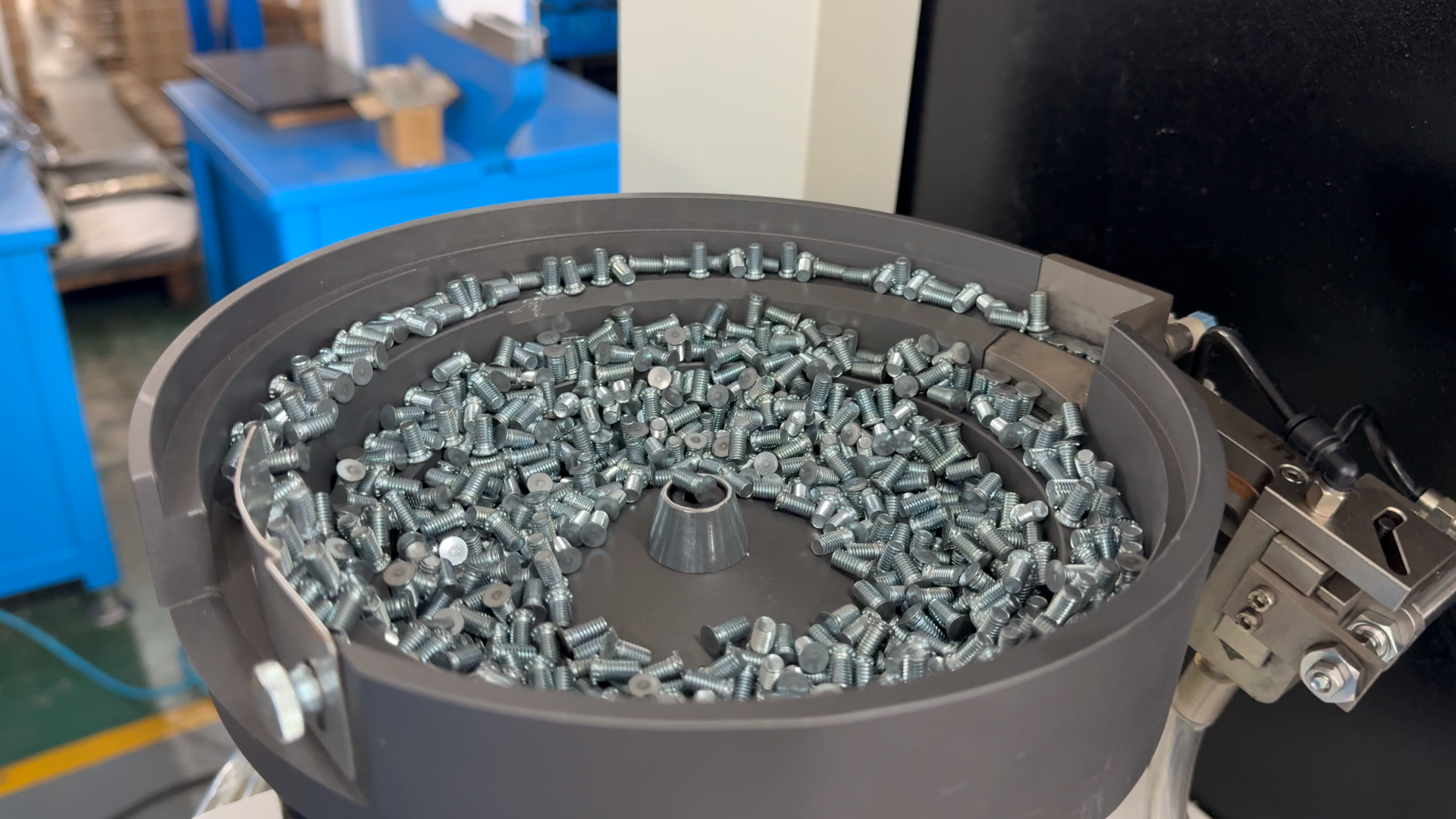
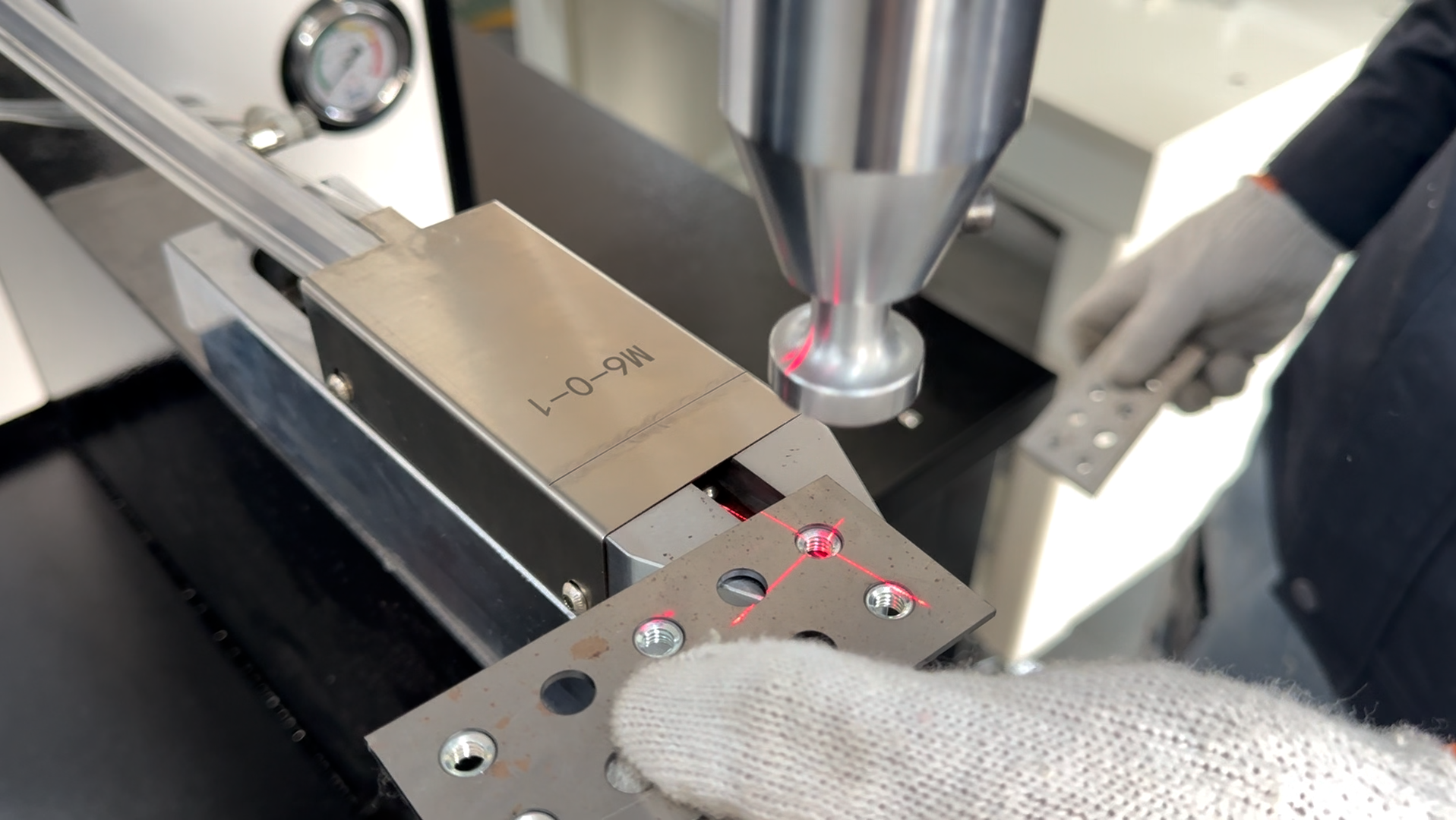
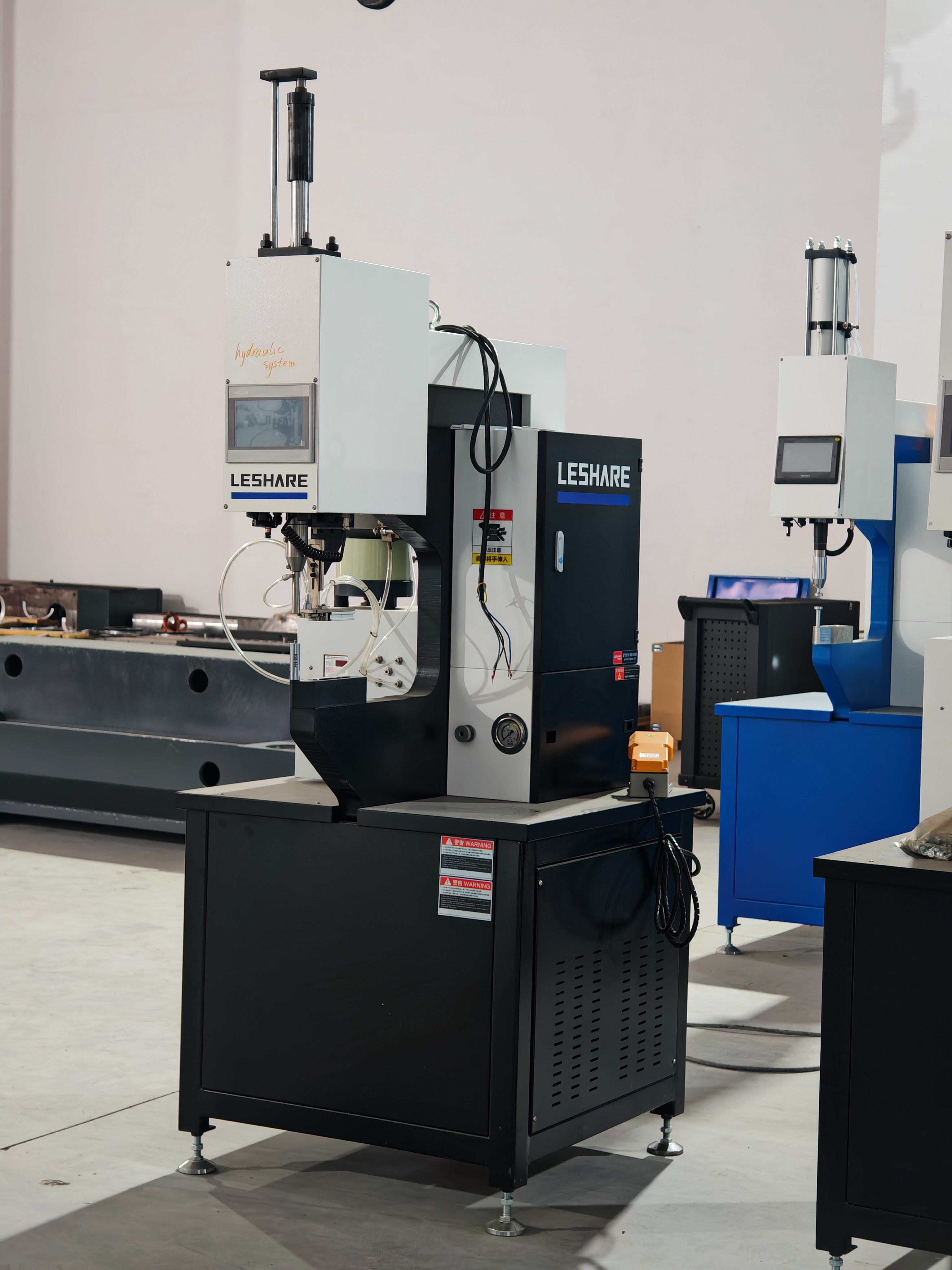
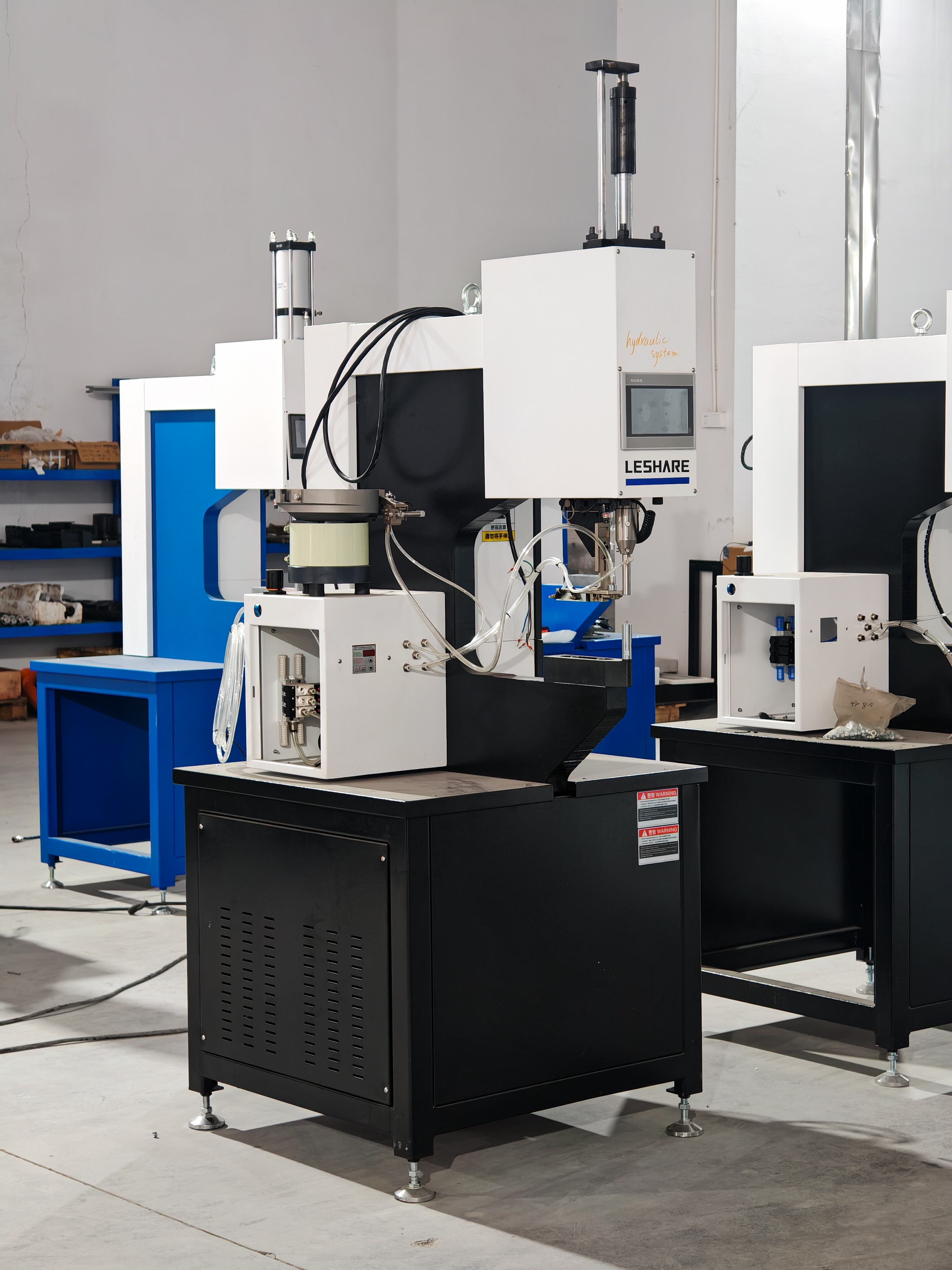
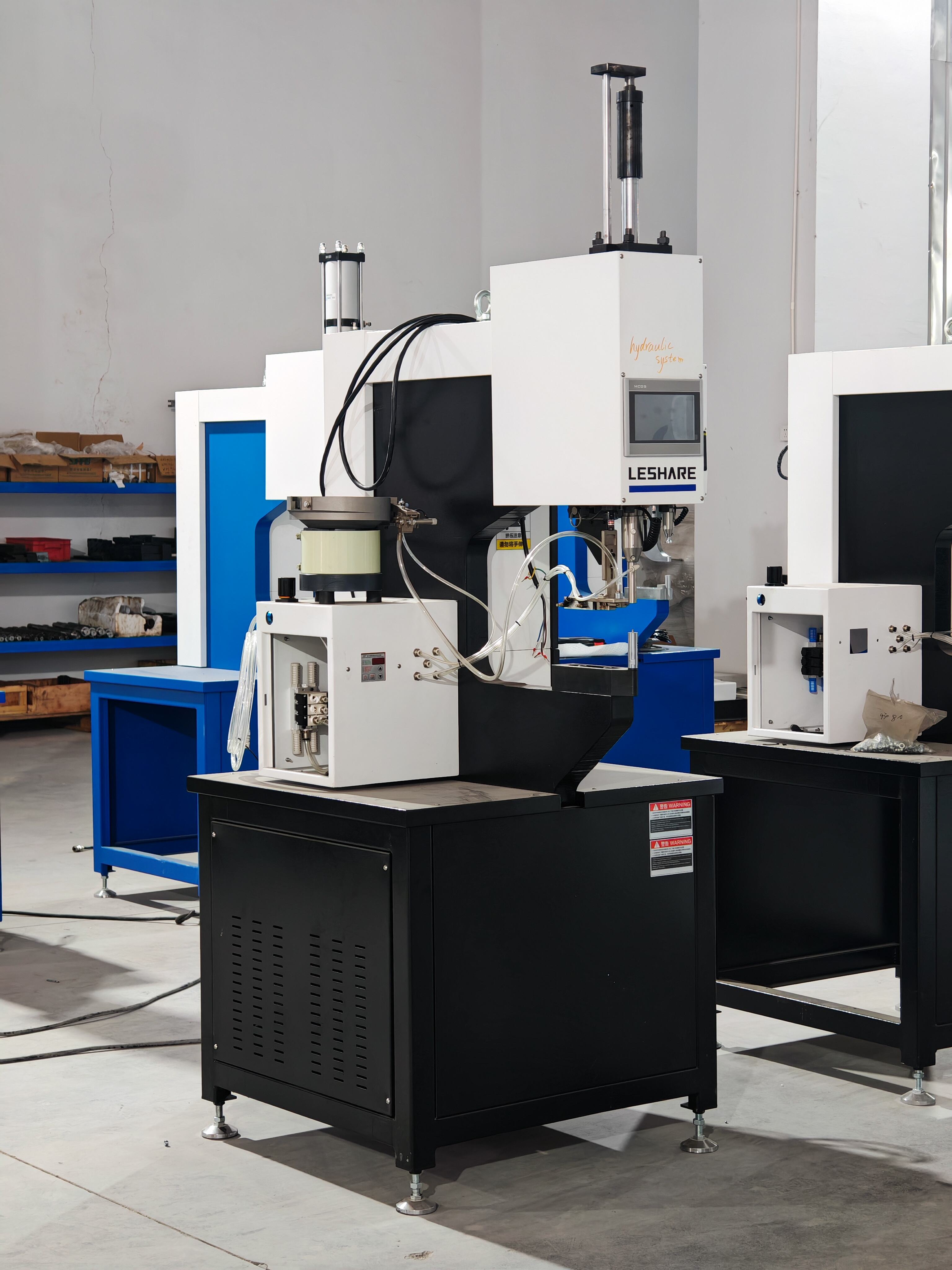
The nut insertion machine represents a revolutionary advancement in automated fastening technology, designed to streamline the process of installing threaded inserts into various materials with exceptional precision and efficiency. This sophisticated equipment serves as an essential component in modern manufacturing environments where consistent, reliable fastening solutions are paramount. The primary function of a nut insertion machine centers on automatically placing and securing threaded inserts, nuts, or rivets into pre-drilled holes within workpieces, eliminating the need for manual installation while ensuring uniform quality across production runs. The machine operates through a carefully orchestrated sequence of mechanical actions, beginning with the automatic feeding of fasteners from bulk storage systems into precise positioning mechanisms. Advanced sensor technology guides the insertion process, detecting hole locations and ensuring proper alignment before the insertion cycle begins. The technological features of modern nut insertion machines include programmable logic controllers that allow operators to customize insertion parameters such as force application, insertion depth, and cycle timing based on specific material requirements and fastener types. Servo-driven actuators provide precise control over insertion forces, preventing damage to delicate materials while ensuring secure fastener installation. Vision systems integrated into premium models offer real-time quality inspection, verifying proper fastener placement and detecting potential installation defects before products proceed to subsequent manufacturing stages. The versatility of nut insertion machines extends across numerous industrial applications, from automotive component assembly where they install threaded inserts into plastic panels and metal brackets, to electronics manufacturing where they secure nuts into circuit boards and enclosures. Aerospace applications benefit from the machines precision capabilities when installing critical fasteners in lightweight composite materials. The equipment proves invaluable in appliance manufacturing, furniture assembly, and construction hardware production, where consistent fastener installation directly impacts product reliability and customer satisfaction.

Popular Products

The nut insertion machine delivers substantial operational advantages that transform manufacturing efficiency and product quality across diverse industrial sectors. Speed enhancement represents one of the most significant benefits, with modern machines capable of completing insertion cycles in mere seconds compared to minutes required for manual installation. This dramatic time reduction enables manufacturers to increase production throughput without compromising quality standards, directly translating to improved profitability and shorter delivery schedules. Labor cost reduction emerges as another compelling advantage, as the automated system eliminates the need for skilled technicians to perform repetitive insertion tasks, allowing human resources to focus on higher-value activities such as quality control and process optimization. The consistency achieved through automated insertion surpasses human capabilities, ensuring uniform fastener placement, insertion depth, and torque application across thousands of production cycles. This reliability eliminates variations that typically occur with manual installation, resulting in products that meet stringent quality specifications without exception. Quality improvements extend beyond consistency to encompass damage prevention, as the machine applies precisely controlled forces that prevent over-insertion, thread stripping, or material deformation that commonly occurs with manual installation methods. The ergonomic benefits cannot be overlooked, as workers no longer endure repetitive stress injuries associated with manual fastener installation, leading to reduced workers compensation claims and improved employee satisfaction. Flexibility in production planning becomes possible through programmable features that allow rapid changeover between different fastener types and installation parameters, enabling manufacturers to respond quickly to varying customer requirements without extensive setup procedures. Cost savings accumulate through reduced material waste, as the machines precision eliminates fasteners damaged during installation attempts, while improved cycle times reduce energy consumption per unit produced. Documentation capabilities built into modern systems provide traceability records for quality assurance purposes, essential for industries requiring compliance with strict regulatory standards. The machines ability to work continuously without fatigue ensures consistent performance throughout extended production shifts, maximizing equipment utilization and return on investment.

Latest News

Why choose lowspeed radial riveting for precision industrial assembly?

26

Feb

Why choose lowspeed radial riveting for precision industrial assembly?

Manufacturing precision and assembly quality have become critical differentiators in today's competitive industrial landscape. When it comes to joining metal components, lowspeed radial riveting stands out as a superior methodology that delivers cons...
View More
What Industries Benefit from Automatic Riveting Machines?

18

Mar

What Industries Benefit from Automatic Riveting Machines?

Modern manufacturing demands precision, speed, and reliability in every assembly process. Automatic riveting machines have emerged as essential tools across numerous industries, revolutionizing how manufacturers approach fastening operations. These s...
View More
How to Choose the Right Automatic Riveting Machine for Your Line?

18

Mar

How to Choose the Right Automatic Riveting Machine for Your Line?

Manufacturing efficiency depends heavily on selecting the right equipment for your production line. An automatic riveting machine represents a critical investment that can significantly impact your operational productivity, product quality, and overa...
View More
What Types of Fasteners Work with Insertion Machines?

18

Mar

What Types of Fasteners Work with Insertion Machines?

Insertion Machines play a critical role in today’s automated manufacturing environments, enabling precise, efficient, and repeatable installation of a wide range of fasteners. From sheet metal fabrication to automotive assembly lines, these mac...
View More

Get a Free Quote

Our representative will contact you soon.
Email
Name
Company Name
Message
0/1000

nut insertion machine

Advanced Servo-Controlled Precision Technology

Advanced Servo-Controlled Precision Technology

The servo-controlled precision technology embedded within modern nut insertion machines represents a quantum leap in fastening automation, delivering unparalleled accuracy and reliability that transforms manufacturing operations. This sophisticated control system utilizes high-resolution servo motors coupled with precision feedback sensors to monitor and adjust insertion parameters in real-time, ensuring every fastener achieves optimal placement with microscopic precision. The servo control architecture enables the machine to adapt insertion force and speed dynamically based on material resistance, preventing damage to delicate substrates while guaranteeing secure fastener installation. Advanced algorithms process sensor feedback instantaneously, making thousands of micro-adjustments during each insertion cycle to maintain consistent depth and alignment regardless of material variations or environmental conditions. The precision capabilities extend to force monitoring, where the system can detect and compensate for variations in hole preparation, material density, or fastener specifications, automatically adjusting parameters to maintain installation quality. This technology proves particularly valuable when working with diverse materials such as plastics, composites, aluminum, and steel, each requiring specific insertion characteristics for optimal results. The programmable nature of servo control allows operators to store multiple installation profiles, enabling rapid changeover between different product configurations without manual recalibration. Quality control benefits significantly from this precision technology, as the system generates detailed installation reports documenting force curves, insertion depths, and cycle times for every fastener, providing comprehensive traceability for regulatory compliance and process improvement initiatives. The servo-controlled system also incorporates predictive maintenance capabilities, monitoring component wear patterns and alerting operators before potential failures occur, minimizing unexpected downtime and maintaining consistent production schedules. Energy efficiency improvements result from the precise control algorithms that optimize power consumption during each insertion cycle, reducing operational costs while maintaining superior performance standards.
Intelligent Vision-Based Quality Assurance System

Intelligent Vision-Based Quality Assurance System

The intelligent vision-based quality assurance system integrated into premium nut insertion machines revolutionizes manufacturing quality control by providing real-time inspection capabilities that surpass human visual inspection accuracy and consistency. This advanced system employs high-resolution cameras equipped with specialized lighting arrays to capture detailed images of each fastener installation, analyzing critical parameters such as proper seating, alignment, and surface finish quality. Machine learning algorithms trained on thousands of acceptable and defective installations enable the system to identify subtle quality variations that might escape human detection, ensuring only products meeting stringent specifications proceed through the manufacturing process. The vision system operates at production speeds, inspecting every installation without impacting cycle times, thereby maintaining manufacturing efficiency while enhancing quality assurance protocols. Real-time data processing capabilities allow immediate feedback to the insertion control system, enabling automatic adjustments when deviations are detected, preventing defective products from advancing to subsequent assembly stages. The system maintains comprehensive image databases that serve as valuable resources for process improvement initiatives, quality trend analysis, and operator training programs. Statistical process control integration provides manufacturers with detailed quality metrics, identifying patterns that may indicate tooling wear, material inconsistencies, or process drift before they impact product quality. The vision system adapts to various fastener types and installation configurations through programmable inspection routines, accommodating diverse product lines without requiring extensive reconfiguration procedures. Rejection handling capabilities automatically divert non-conforming parts to designated areas while flagging them for manual inspection or rework, maintaining production flow integrity. The system generates detailed quality reports that support regulatory compliance requirements and customer quality audits, providing documented evidence of consistent manufacturing standards. Advanced analytics capabilities identify optimization opportunities by correlating installation parameters with quality outcomes, enabling continuous improvement initiatives that enhance both product quality and manufacturing efficiency.
Flexible Multi-Fastener Compatibility Platform

Flexible Multi-Fastener Compatibility Platform

The flexible multi-fastener compatibility platform represents a cornerstone feature that distinguishes advanced nut insertion machines from conventional single-purpose equipment, providing manufacturers with unprecedented versatility to handle diverse fastening requirements within a single automated system. This innovative platform accommodates an extensive range of fastener types including threaded inserts, press-fit nuts, rivet nuts, captive fasteners, and specialty hardware across various sizes and materials without requiring separate dedicated machines. The modular feeding system design enables rapid changeover between different fastener types through quickly interchangeable feeding mechanisms, reducing setup times from hours to minutes and maximizing equipment utilization across multiple product lines. Intelligent fastener recognition technology automatically identifies loaded fastener types and retrieves appropriate installation parameters from the machine database, eliminating manual programming requirements and reducing operator training needs. The platform supports simultaneous multi-fastener operations through parallel insertion heads, enabling the installation of different fastener types during single production cycles, dramatically improving manufacturing efficiency for complex assemblies. Material compatibility extends across metals, plastics, composites, and hybrid materials, with adaptive insertion parameters that automatically adjust based on substrate characteristics detected through integrated sensors. Size flexibility ranges from miniature electronic fasteners measuring fractions of millimeters to large automotive fasteners exceeding several centimeters, accommodating diverse industry requirements within a single platform. The system maintains separate inventory tracking for each fastener type, providing real-time consumption monitoring and automatic reorder notifications to prevent production interruptions. Quality parameters remain consistent across all supported fastener types through individual calibration profiles that optimize insertion forces, speeds, and depths for each specific application. This compatibility platform reduces capital equipment requirements significantly, as manufacturers can consolidate multiple single-purpose machines into one versatile system, lowering facility footprint requirements and maintenance complexity. The economic benefits extend beyond initial cost savings to include reduced spare parts inventory, simplified operator training programs, and enhanced production scheduling flexibility that responds quickly to changing market demands and customer specifications.

Get a Free Quote

Our representative will contact you soon.
Email
Name
Company Name
Message
0/1000