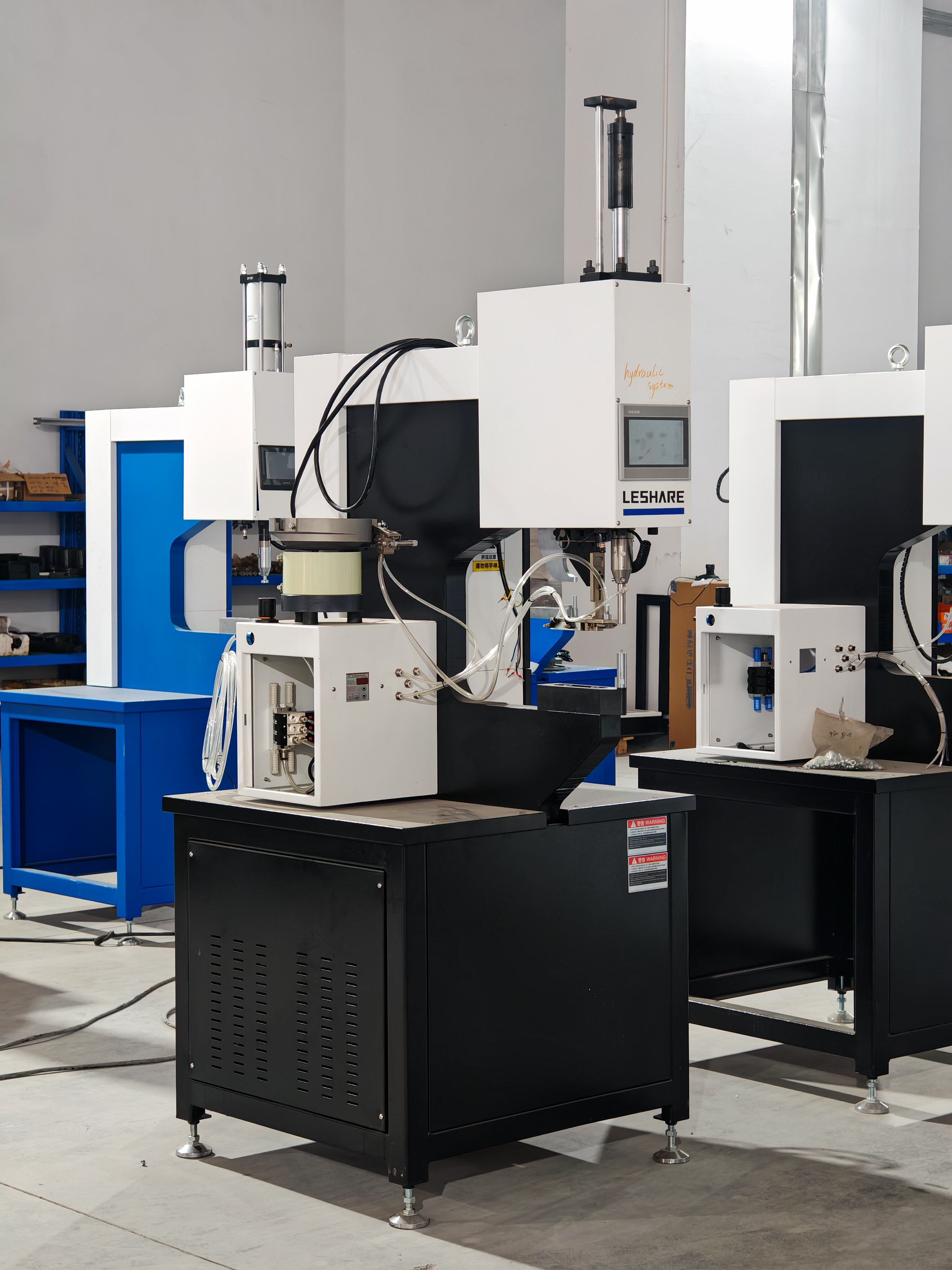
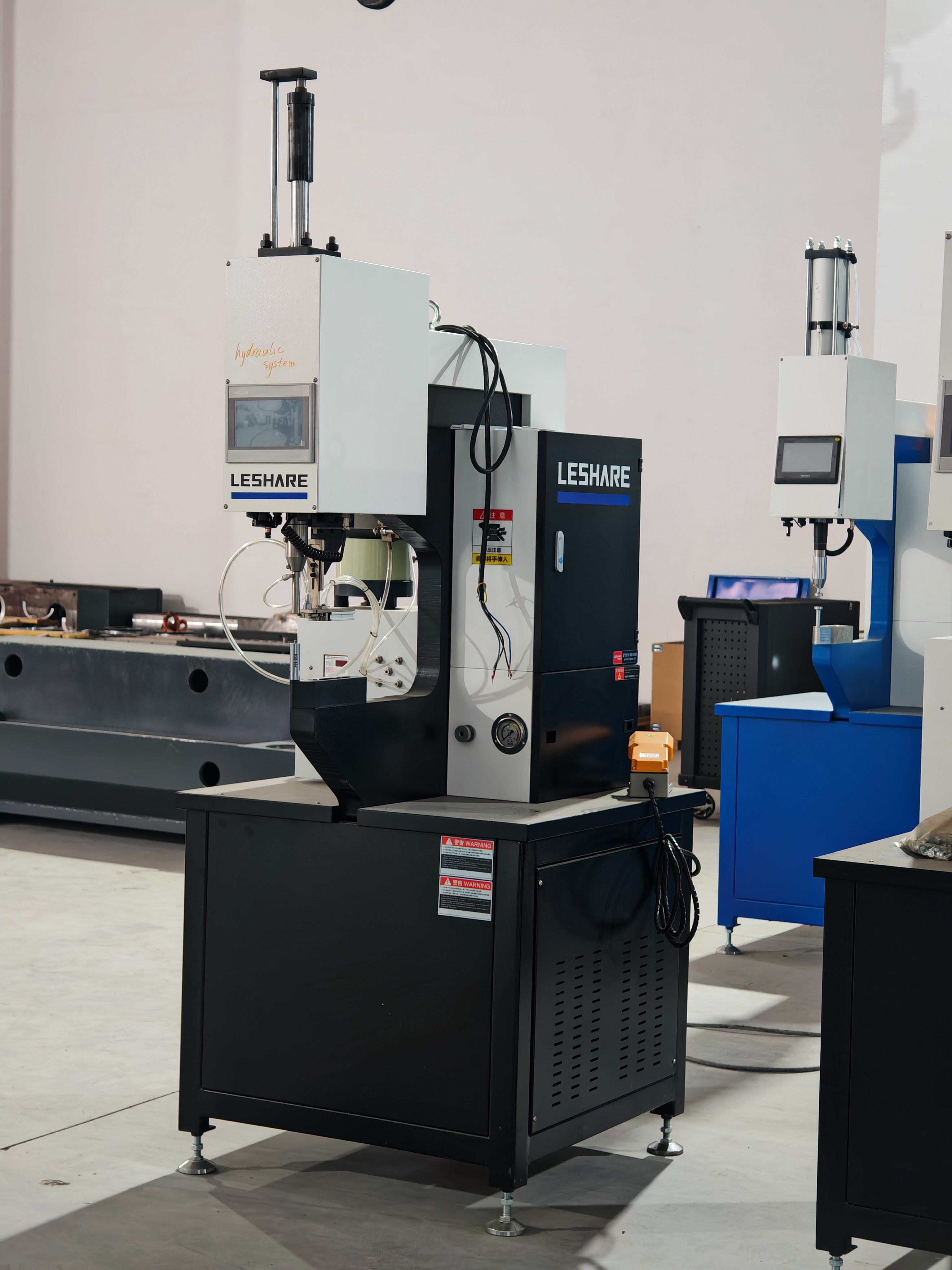
Professional Pneumatic Fastener Insertion Machine - Advanced Automated Assembly Solutions

Get a Free Quote

Our representative will contact you soon.
Email
Name
Company Name
Message
0/1000

pneumatic fastener insertion machine

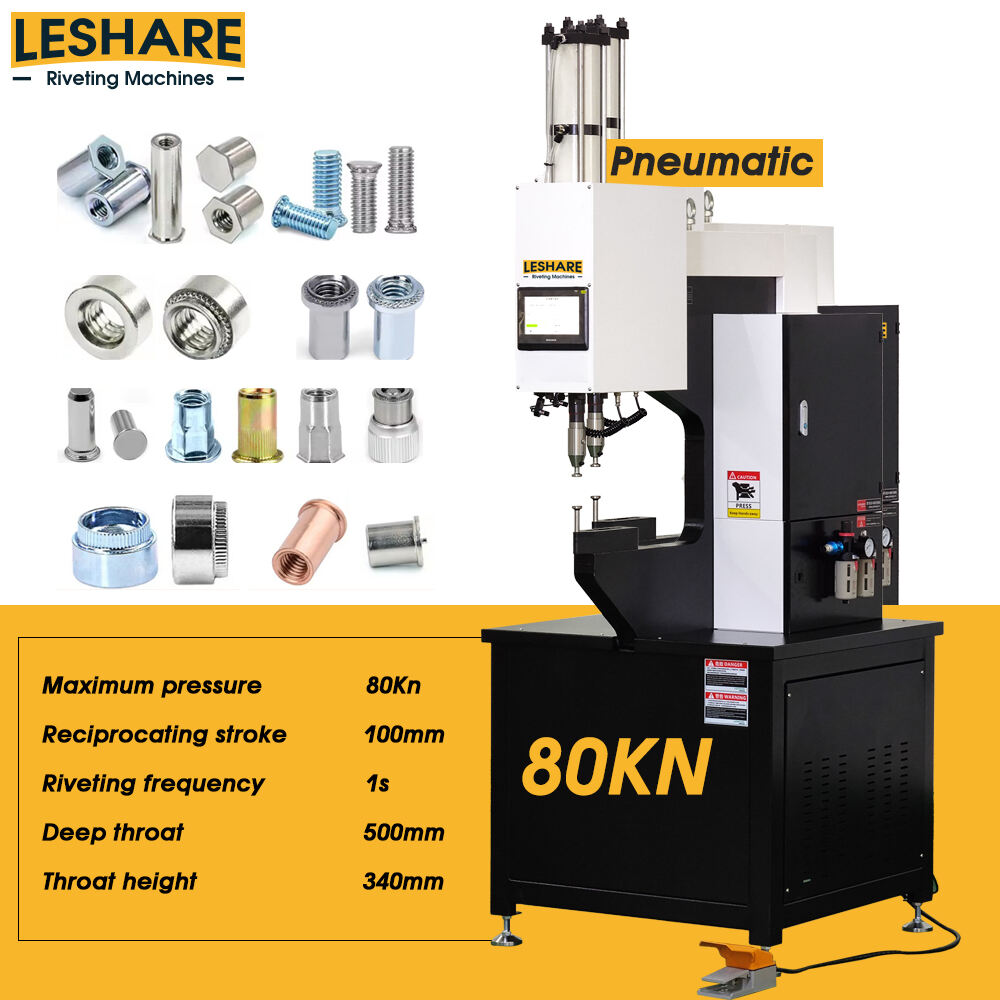
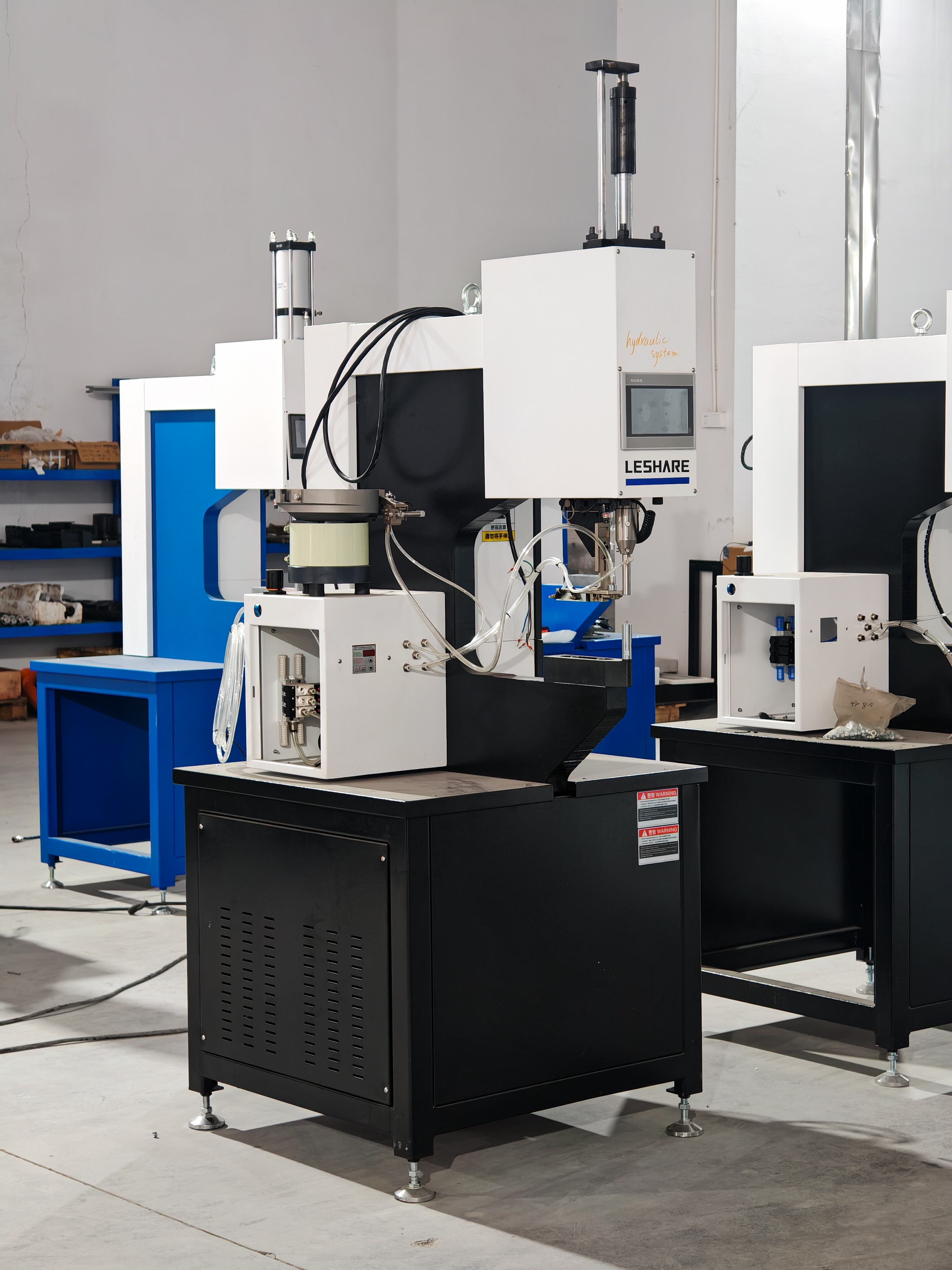
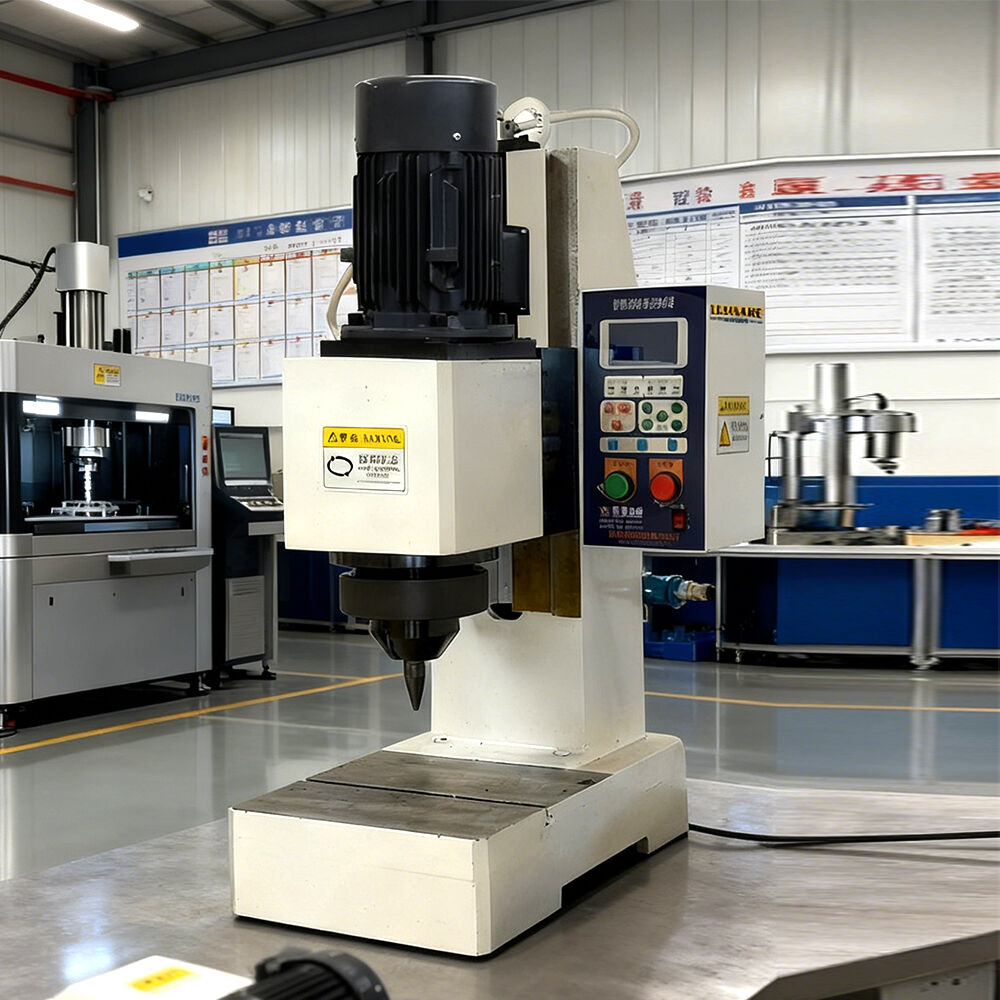
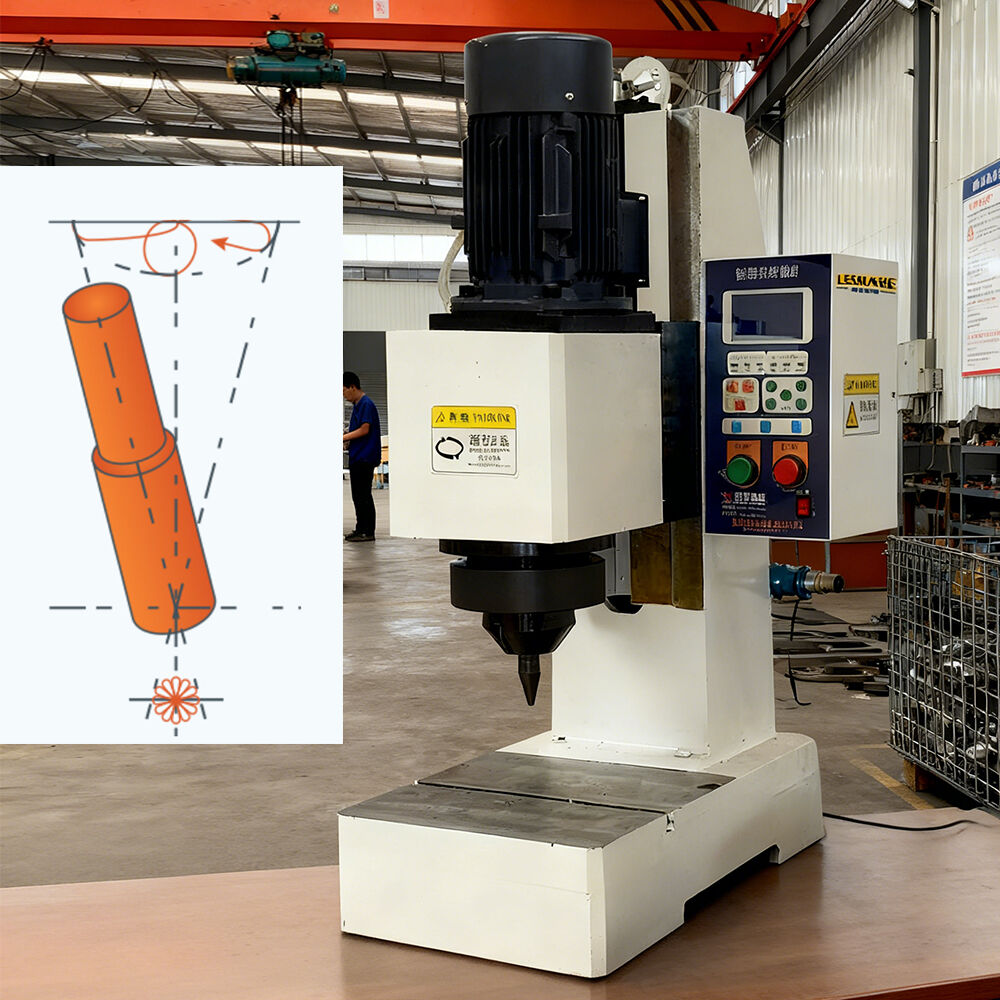
The pneumatic fastener insertion machine represents a cutting-edge solution for automated assembly processes across various manufacturing industries. This sophisticated equipment utilizes compressed air technology to deliver precise and consistent fastener installation, transforming traditional manual assembly methods into streamlined automated operations. The pneumatic fastener insertion machine operates through a carefully engineered system that combines pneumatic cylinders, precision tooling, and advanced control mechanisms to ensure optimal performance in high-volume production environments. The primary function of this equipment centers on inserting various types of fasteners including screws, bolts, rivets, and specialized automotive components into predetermined locations with exceptional accuracy. The machine's technological framework incorporates programmable logic controllers that enable operators to customize insertion parameters such as force application, positioning accuracy, and cycle timing. Advanced sensors integrated within the pneumatic fastener insertion machine provide real-time feedback on insertion quality, detecting potential issues such as cross-threading, insufficient insertion depth, or component misalignment. The equipment features modular design architecture, allowing manufacturers to configure multiple insertion stations according to their specific production requirements. Modern pneumatic fastener insertion machines incorporate sophisticated safety systems including emergency stop mechanisms, pressure monitoring devices, and operator protection shields. The technology behind these machines leverages precise air pressure regulation systems that maintain consistent force application regardless of production volume fluctuations. Industrial applications for the pneumatic fastener insertion machine span across automotive manufacturing, electronics assembly, appliance production, and aerospace component manufacturing. The equipment demonstrates exceptional versatility in handling diverse fastener types and substrate materials, from lightweight plastics to heavy-duty metal assemblies. Quality control capabilities embedded within the pneumatic fastener insertion machine include torque monitoring, insertion depth verification, and automated reject mechanisms for non-conforming parts. These technological features position the pneumatic fastener insertion machine as an essential component in modern manufacturing operations seeking to enhance productivity while maintaining stringent quality standards.

New Product Releases

The pneumatic fastener insertion machine delivers significant operational benefits that directly impact manufacturing efficiency and product quality. Cost reduction represents one of the most compelling advantages, as this equipment eliminates the need for extensive manual labor while reducing error rates that lead to expensive rework and material waste. Companies implementing pneumatic fastener insertion machines typically experience labor cost savings of thirty to fifty percent compared to manual assembly processes. The consistent performance of these machines ensures uniform fastener installation quality, eliminating variations that commonly occur with human operators. Speed advantages become immediately apparent when comparing pneumatic fastener insertion machines to traditional methods, with cycle times often reduced by sixty percent or more depending on application complexity. The equipment operates continuously without fatigue-related performance degradation, maintaining peak productivity throughout extended production runs. Quality improvements achieved through pneumatic fastener insertion machines include precise torque control, consistent insertion depth, and elimination of human error factors such as cross-threading or incomplete installations. These machines provide real-time monitoring capabilities that alert operators to potential issues before they result in defective products. Flexibility represents another crucial advantage, as pneumatic fastener insertion machines can be quickly reprogrammed to accommodate different fastener types, insertion patterns, and production specifications without extensive retooling. The modular design of modern units allows manufacturers to expand capacity by adding additional insertion stations as production demands increase. Safety benefits include reduced worker exposure to repetitive motion injuries and elimination of hazardous manual operations involving heavy components or awkward positioning. The pneumatic fastener insertion machine creates a safer work environment by containing potentially dangerous operations within automated systems equipped with comprehensive safety features. Maintenance requirements for these machines remain minimal due to robust construction and simplified pneumatic systems that utilize readily available compressed air. The reliability of pneumatic fastener insertion machines translates to reduced downtime and lower overall operational costs. Environmental advantages include reduced material waste through improved insertion accuracy and lower energy consumption compared to alternative automation technologies. Data collection capabilities built into modern pneumatic fastener insertion machines provide valuable production metrics that enable continuous process improvement and quality optimization initiatives.

Tips And Tricks

Why Is a Fastener Insertion Machine Essential for Consistent Hardware Placement?

18

Dec

Why Is a Fastener Insertion Machine Essential for Consistent Hardware Placement?

Manufacturing precision has become the cornerstone of modern industrial production, where even the smallest components must be installed with exact accuracy and consistent quality. In today's competitive manufacturing landscape, companies are increas...
View More
What factors affect radial riveting machines performance and stability?

28

Jan

What factors affect radial riveting machines performance and stability?

Manufacturing precision and operational reliability in industrial assembly processes depend heavily on the performance characteristics of radial riveting machines. These sophisticated pieces of equipment have become indispensable in automotive, aeros...
View More
How Does an Orbital Riveting Machine Improve Assembly Efficiency?

26

Feb

How Does an Orbital Riveting Machine Improve Assembly Efficiency?

Manufacturing industries constantly seek innovative solutions to enhance assembly efficiency while maintaining superior product quality. An orbital riveting machine represents a breakthrough technology that revolutionizes traditional fastening method...
View More
What Are the Key Benefits of Using a Fastener Insertion Machine?

18

Mar

What Are the Key Benefits of Using a Fastener Insertion Machine?

Manufacturing efficiency has become a critical factor for businesses seeking competitive advantages in today's industrial landscape. A fastener insertion machine represents a transformative solution that automates the precise placement of threaded in...
View More

Get a Free Quote

Our representative will contact you soon.
Email
Name
Company Name
Message
0/1000

pneumatic fastener insertion machine

Advanced Precision Control System

Advanced Precision Control System

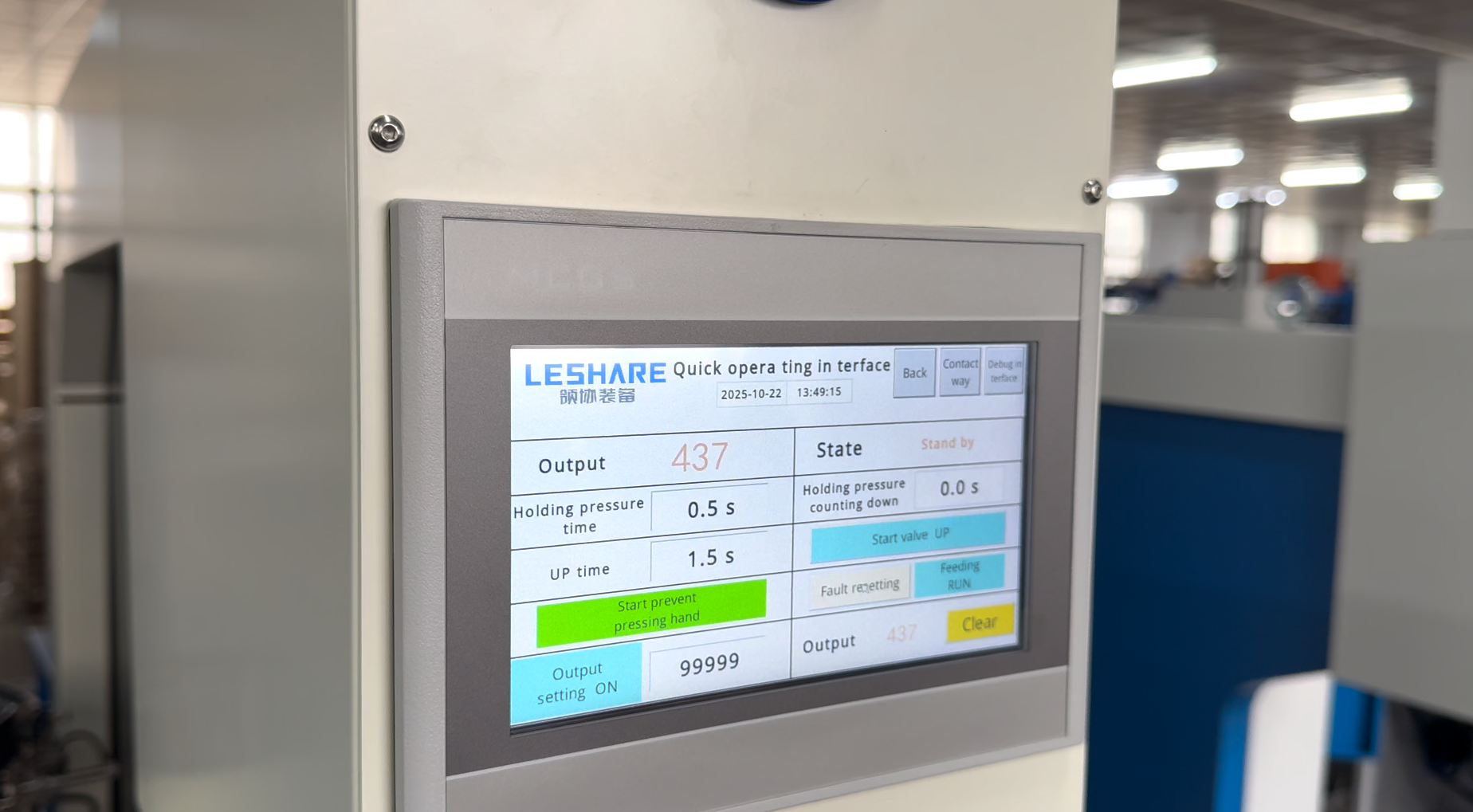
The precision control system integrated within the pneumatic fastener insertion machine represents a revolutionary advancement in automated assembly technology. This sophisticated system combines multiple sensors, programmable logic controllers, and real-time feedback mechanisms to achieve insertion accuracy levels previously unattainable in manual operations. The control system continuously monitors critical parameters including insertion force, fastener position, and substrate conditions throughout each cycle. Advanced algorithms process this data instantaneously, making micro-adjustments to ensure optimal fastener placement regardless of material variations or environmental conditions. The pneumatic fastener insertion machine utilizes high-resolution encoders that track positioning with sub-millimeter accuracy, guaranteeing consistent results across thousands of insertion cycles. Force feedback sensors detect resistance changes during insertion, automatically adjusting pneumatic pressure to prevent over-insertion or incomplete fastener seating. The system's adaptive capabilities enable it to compensate for normal manufacturing tolerances in both fasteners and receiving materials. Programmable insertion profiles allow operators to define specific parameters for different fastener types, ensuring optimal performance across diverse applications. The control system maintains detailed logs of every insertion operation, providing comprehensive traceability for quality assurance purposes. Real-time monitoring displays provide operators with instant feedback on machine performance, enabling proactive maintenance scheduling and immediate detection of potential issues. The precision control system of the pneumatic fastener insertion machine incorporates fail-safe mechanisms that prevent defective installations by automatically rejecting parts that do not meet specified criteria. Integration capabilities allow the control system to communicate with upstream and downstream equipment, creating seamless production line coordination. The user-friendly interface enables operators to quickly modify insertion parameters without extensive technical training, reducing setup time and increasing operational flexibility. Quality validation features within the control system include torque verification, insertion depth confirmation, and fastener orientation checking. These comprehensive monitoring capabilities ensure that every fastener installed by the pneumatic fastener insertion machine meets stringent quality standards, reducing downstream quality issues and customer complaints.
Modular Design Architecture

Modular Design Architecture

The modular design architecture of the pneumatic fastener insertion machine provides manufacturers with unprecedented flexibility in configuring assembly systems to meet specific production requirements. This innovative approach allows companies to start with basic configurations and expand capabilities as production demands grow, making the pneumatic fastener insertion machine a scalable solution for businesses of all sizes. Each module within the system operates independently while maintaining seamless integration with adjacent components, enabling partial system operation during maintenance or reconfiguration activities. The modular framework supports various insertion station configurations, from single-head units suitable for low-volume applications to multi-station systems capable of handling complex assembly sequences. Standardized interfaces between modules ensure compatibility across different components, allowing manufacturers to mix and match elements according to their unique requirements. The pneumatic fastener insertion machine benefits from this modularity through reduced inventory costs, as common components can be shared across multiple configurations. Maintenance advantages include the ability to service individual modules without disrupting entire production lines, minimizing downtime and maintaining productivity. The modular design facilitates rapid reconfiguration for different product lines, enabling manufacturers to respond quickly to changing market demands. Custom tooling modules can be integrated seamlessly into existing pneumatic fastener insertion machine configurations, accommodating specialized fastener types or unique application requirements. Quality control modules provide optional inspection capabilities that can be added to basic insertion systems as quality requirements evolve. The standardized mounting systems used throughout the modular architecture enable quick installation and removal of components, reducing setup time between production runs. Power distribution and control signal routing within the modular design utilize standardized connections that eliminate complex wiring modifications during system reconfiguration. The pneumatic fastener insertion machine modularity extends to software control systems, allowing operators to activate or deactivate specific functions based on current production needs. This flexibility reduces operating costs by eliminating unnecessary system complexity during simple operations. Training requirements are minimized through the standardized operation procedures common across all modules, enabling operators to work effectively with various configurations of the pneumatic fastener insertion machine.
Comprehensive Safety Integration

Comprehensive Safety Integration

Safety integration within the pneumatic fastener insertion machine encompasses multiple layers of protection designed to ensure operator security while maintaining optimal production efficiency. The comprehensive safety system addresses potential hazards associated with high-pressure pneumatic operations, moving mechanical components, and automated insertion processes. Emergency stop mechanisms are strategically positioned throughout the pneumatic fastener insertion machine, providing operators with immediate access to system shutdown capabilities from any working position. Light curtain technology creates invisible barriers around hazardous areas, automatically stopping machine operation when personnel enter restricted zones while maintaining production flow during normal operations. Pressure monitoring systems continuously track pneumatic pressure levels, preventing dangerous over-pressurization while alerting operators to potential system malfunctions before they create safety risks. The pneumatic fastener insertion machine incorporates redundant safety circuits that ensure fail-safe operation even if individual components experience failures. Protective enclosures surround moving parts and insertion zones, preventing accidental contact while providing clear visibility of operations through safety-rated transparent materials. Lockout-tagout procedures are built into the machine design, enabling safe maintenance activities through systematic isolation of energy sources. Safety interlocks prevent machine operation unless all protective devices are properly positioned and functional, eliminating the possibility of bypassing critical safety features. The pneumatic fastener insertion machine includes audible and visual warning systems that alert personnel to operational status changes and potential hazards. Ergonomic considerations in safety design reduce operator fatigue and repetitive stress injuries through optimized control placement and comfortable working positions. Safety training protocols integrated into machine documentation ensure proper operator education on all safety features and emergency procedures. Regular safety system diagnostics automatically verify the functionality of all protective devices, alerting maintenance personnel to any degradation in safety performance. The comprehensive safety integration extends to electrical systems, incorporating proper grounding, circuit protection, and isolation measures that prevent electrical hazards. Risk assessment methodologies built into the pneumatic fastener insertion machine design process identify and mitigate potential safety concerns before they impact operations. Compliance with international safety standards ensures that the pneumatic fastener insertion machine meets or exceeds regulatory requirements across different markets and applications, providing peace of mind for safety-conscious manufacturers.

Get a Free Quote

Our representative will contact you soon.
Email
Name
Company Name
Message
0/1000