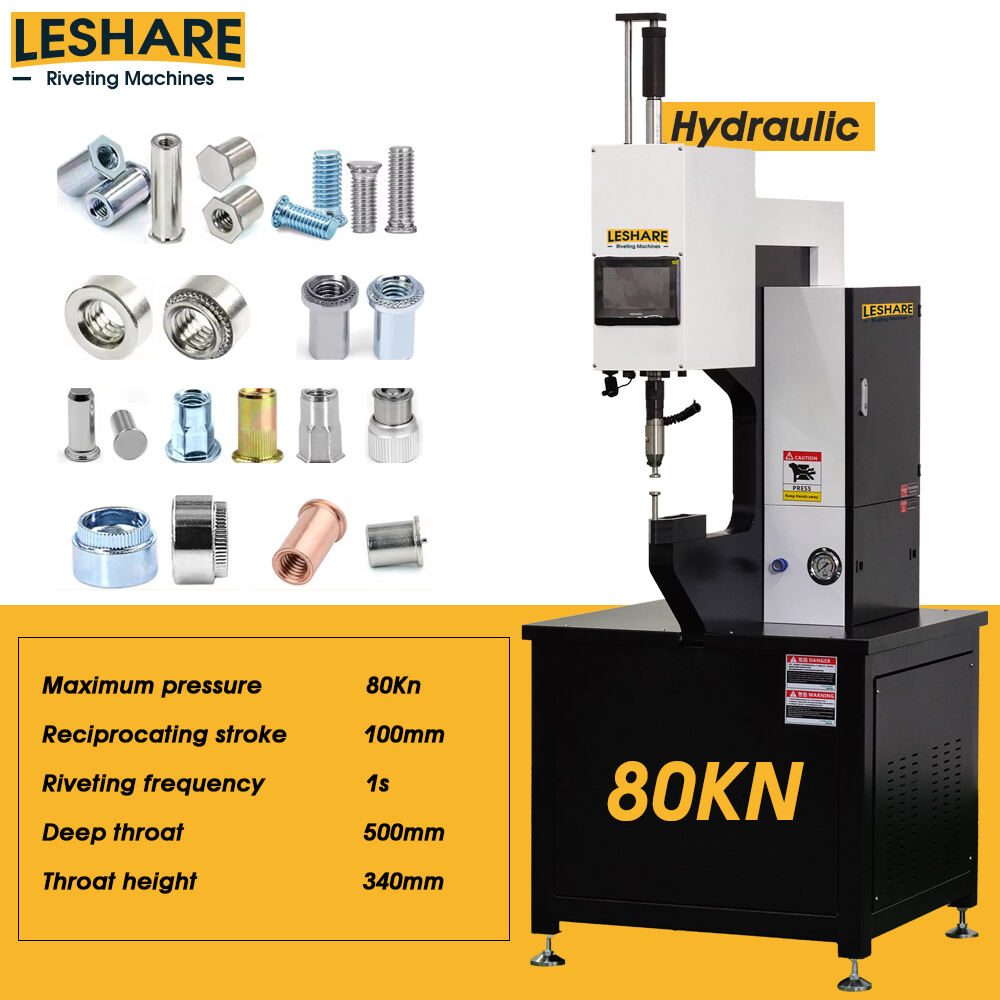
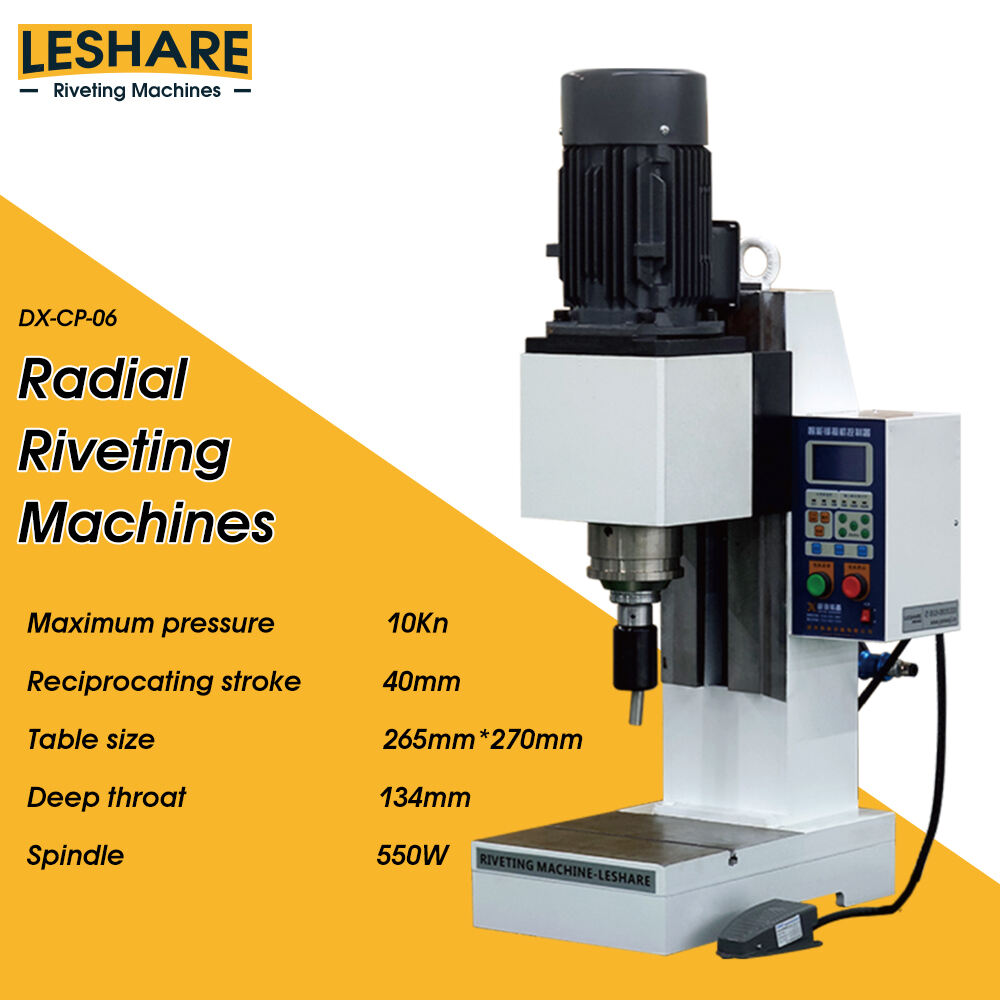
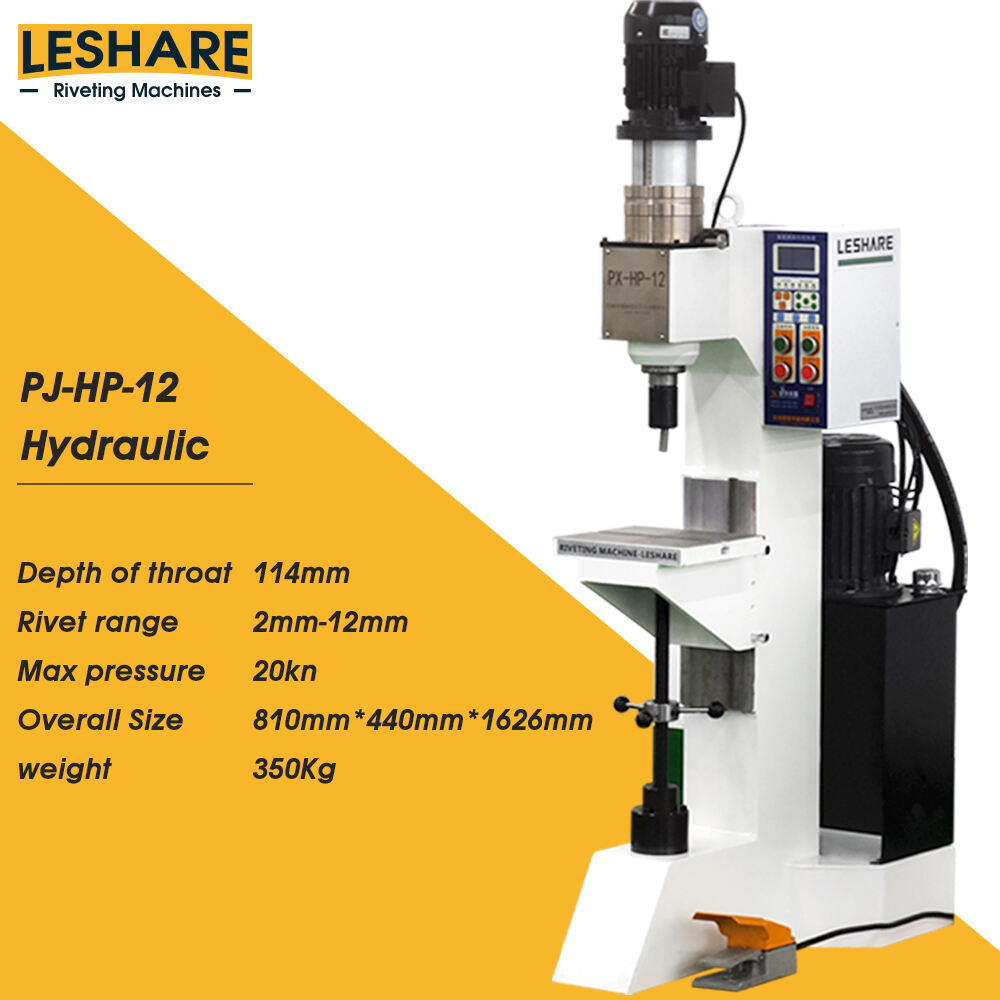
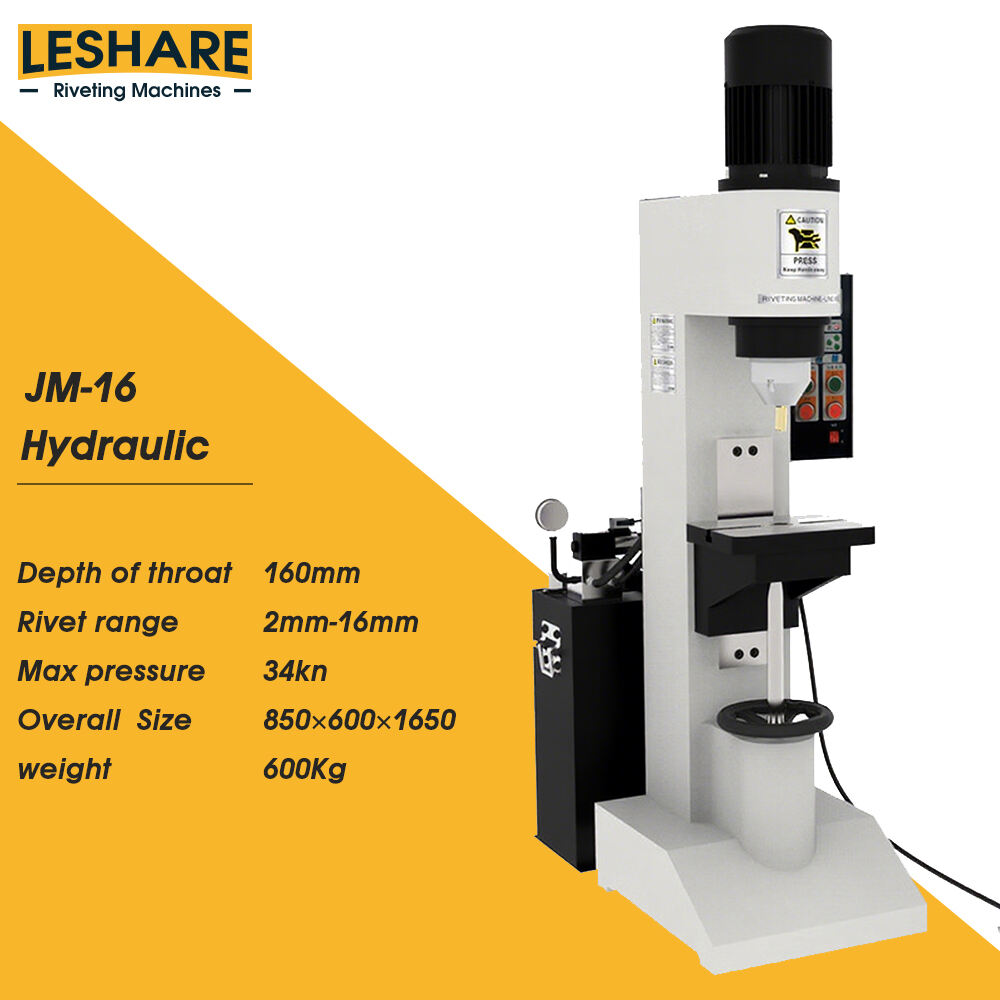
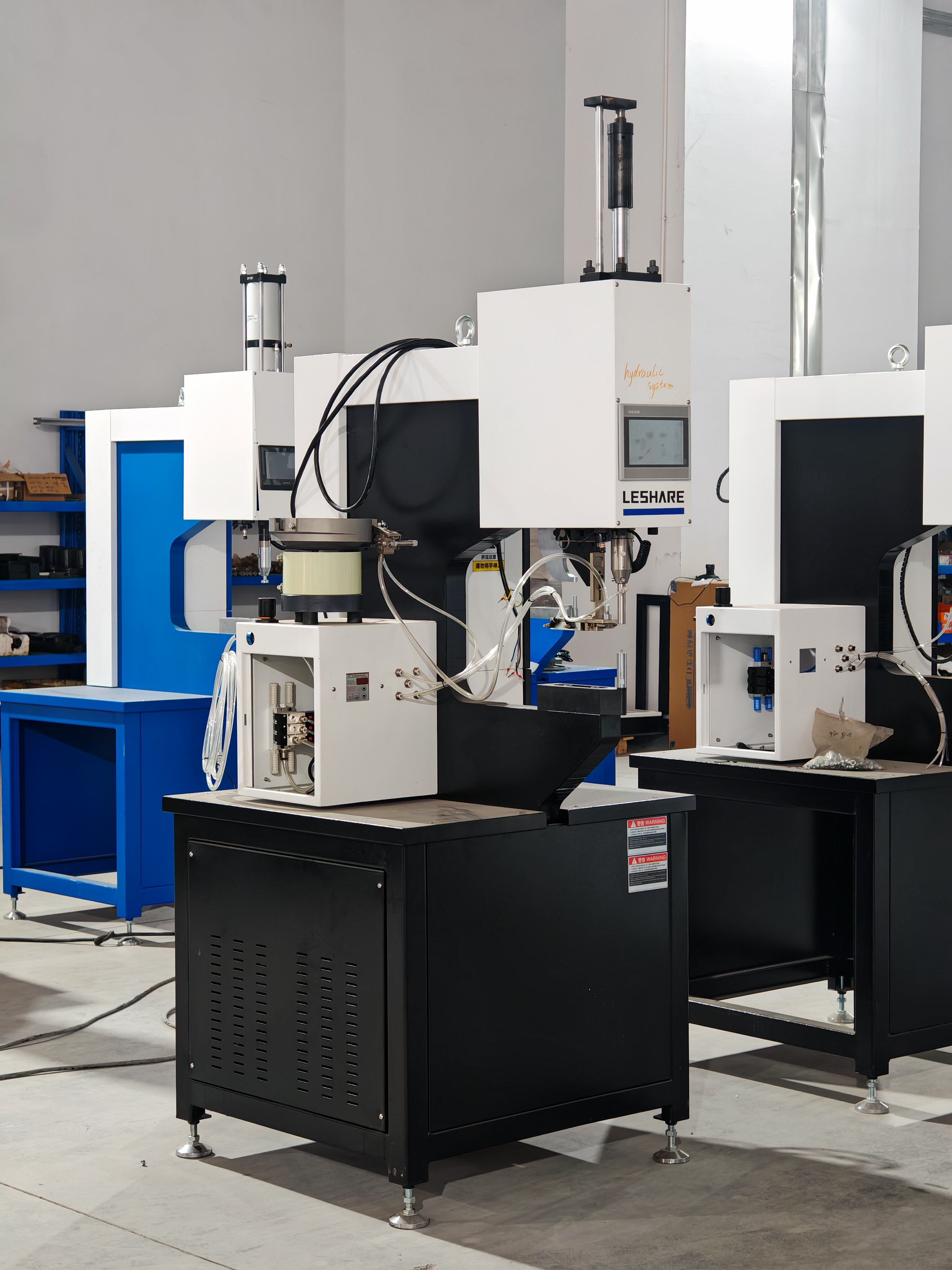
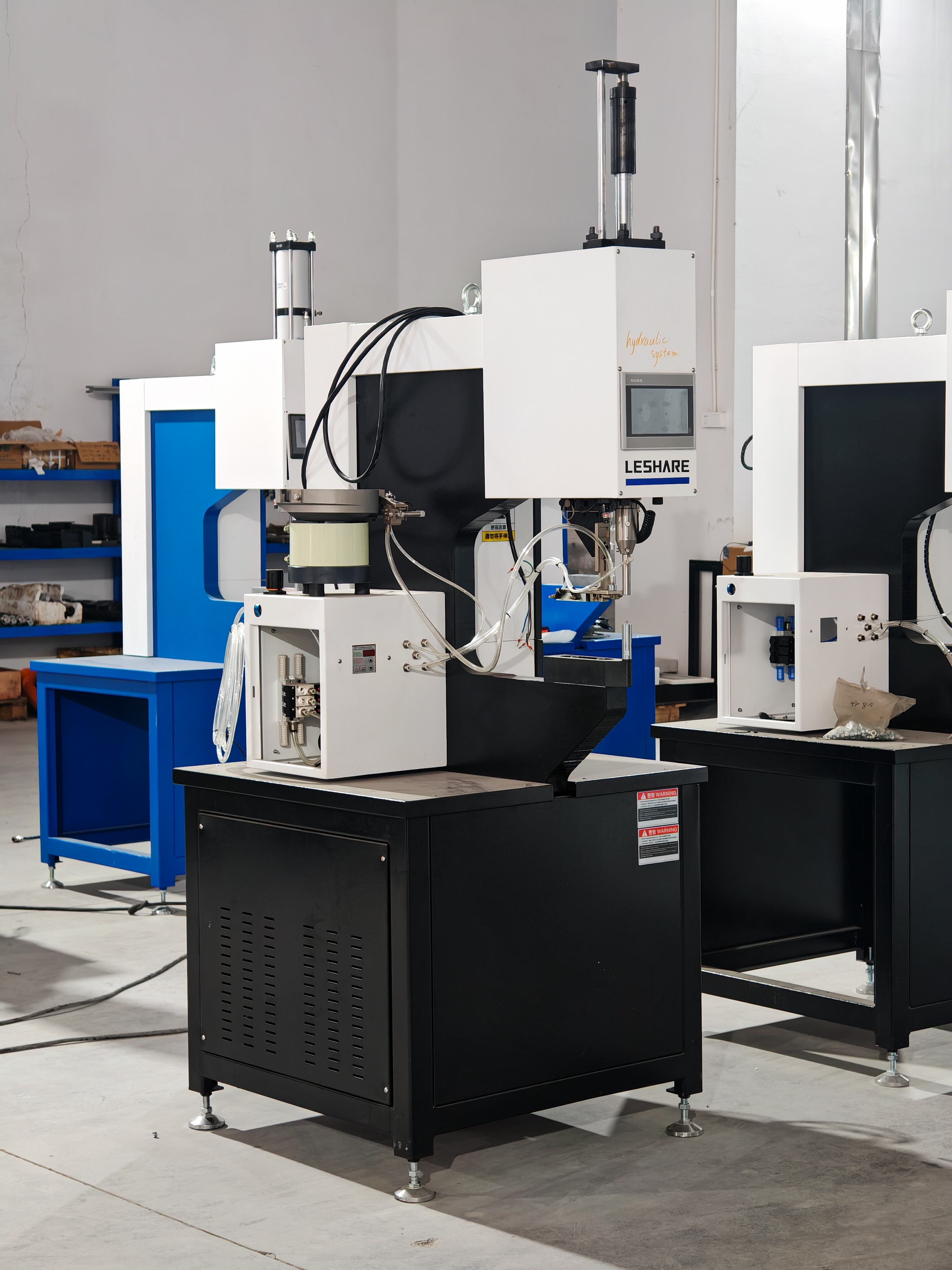
fastener insertion machine
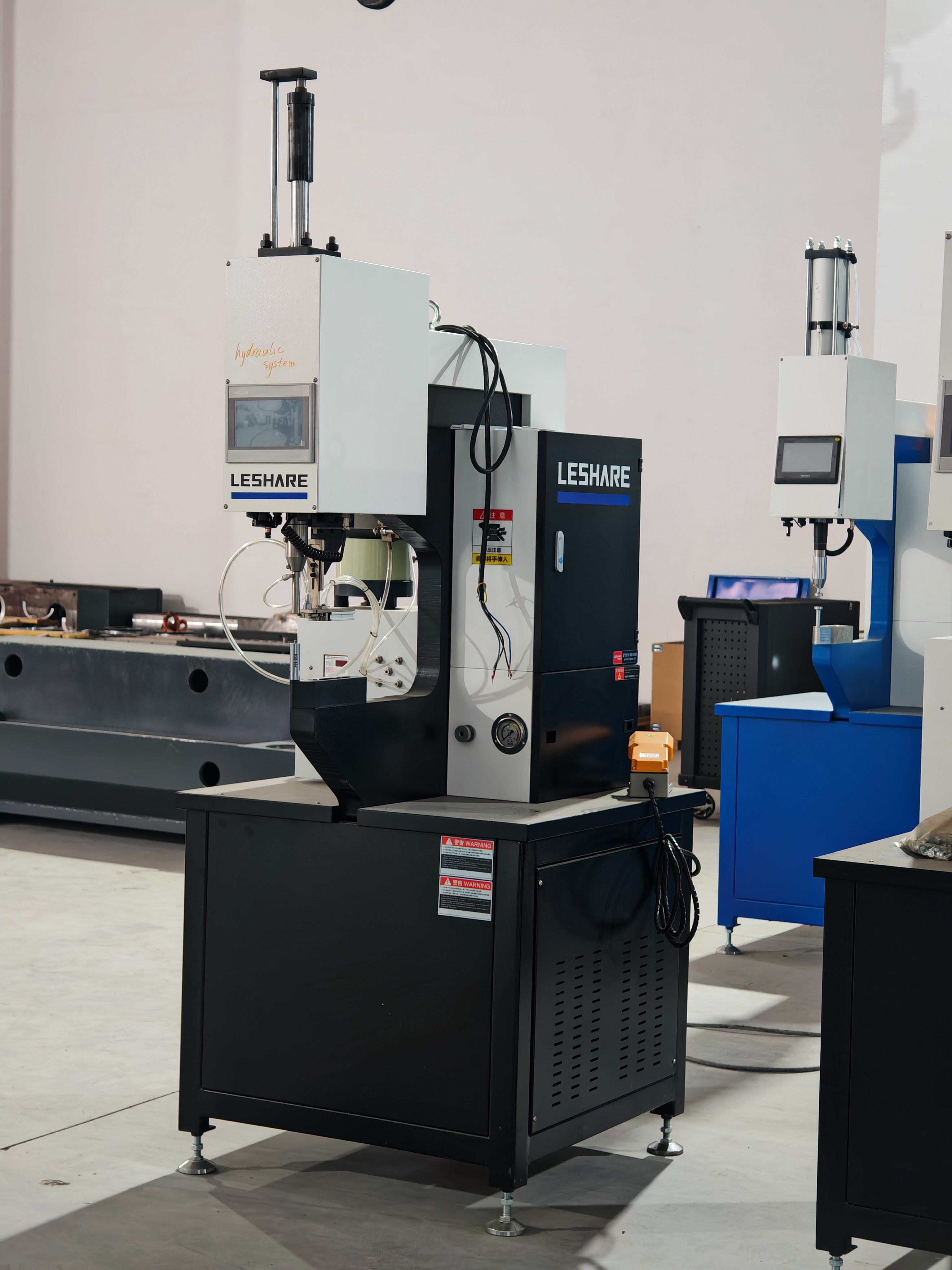
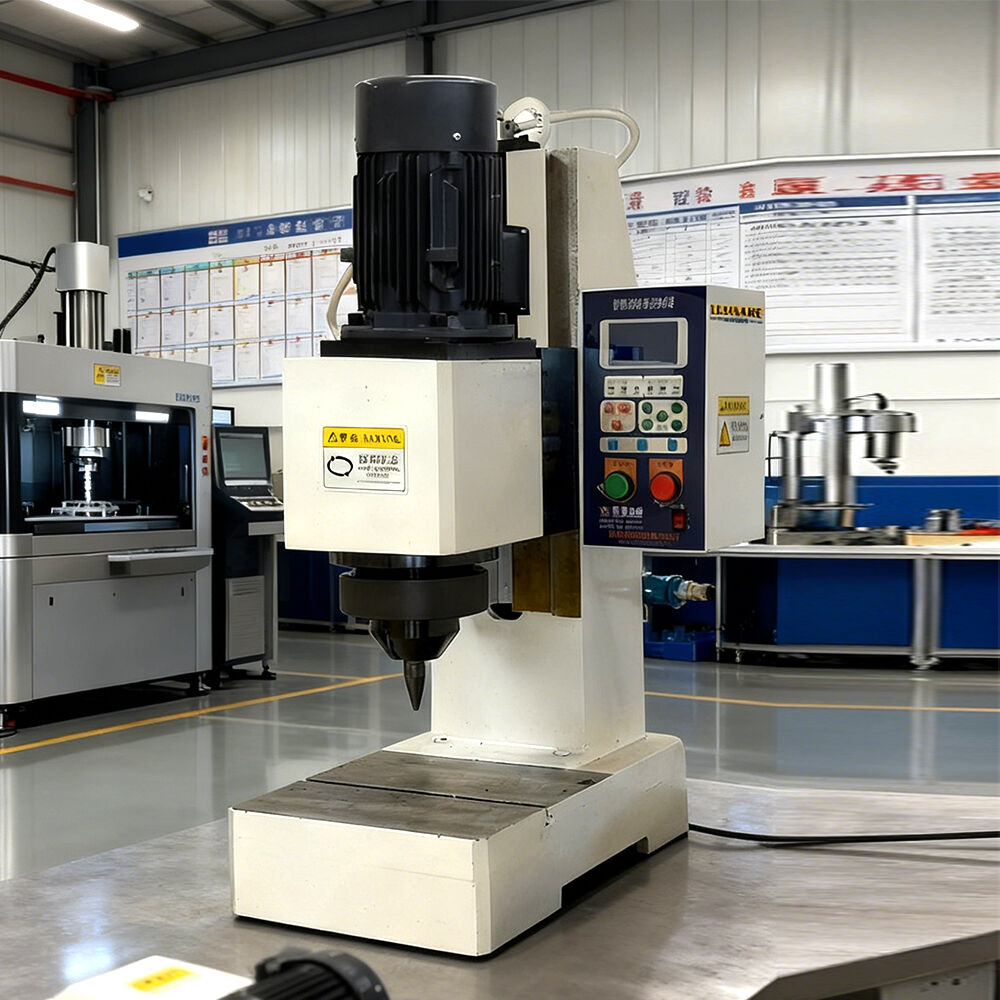
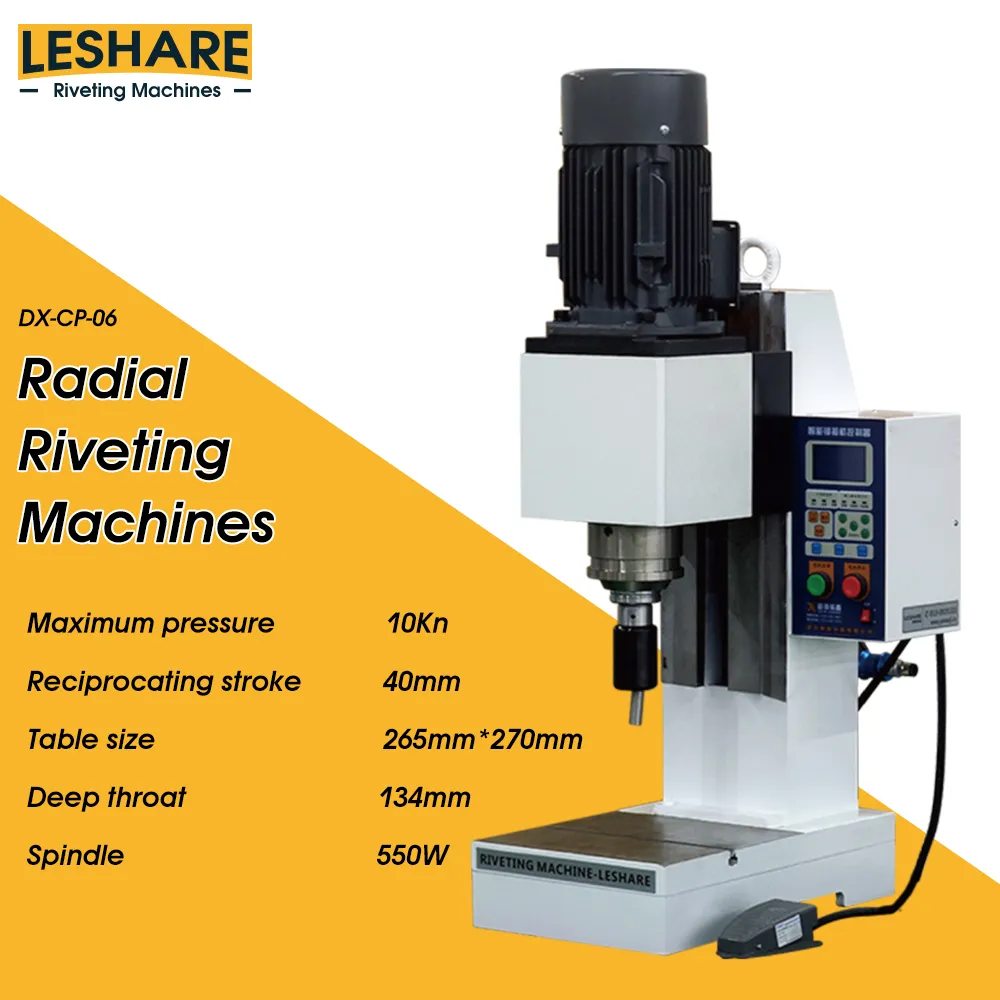
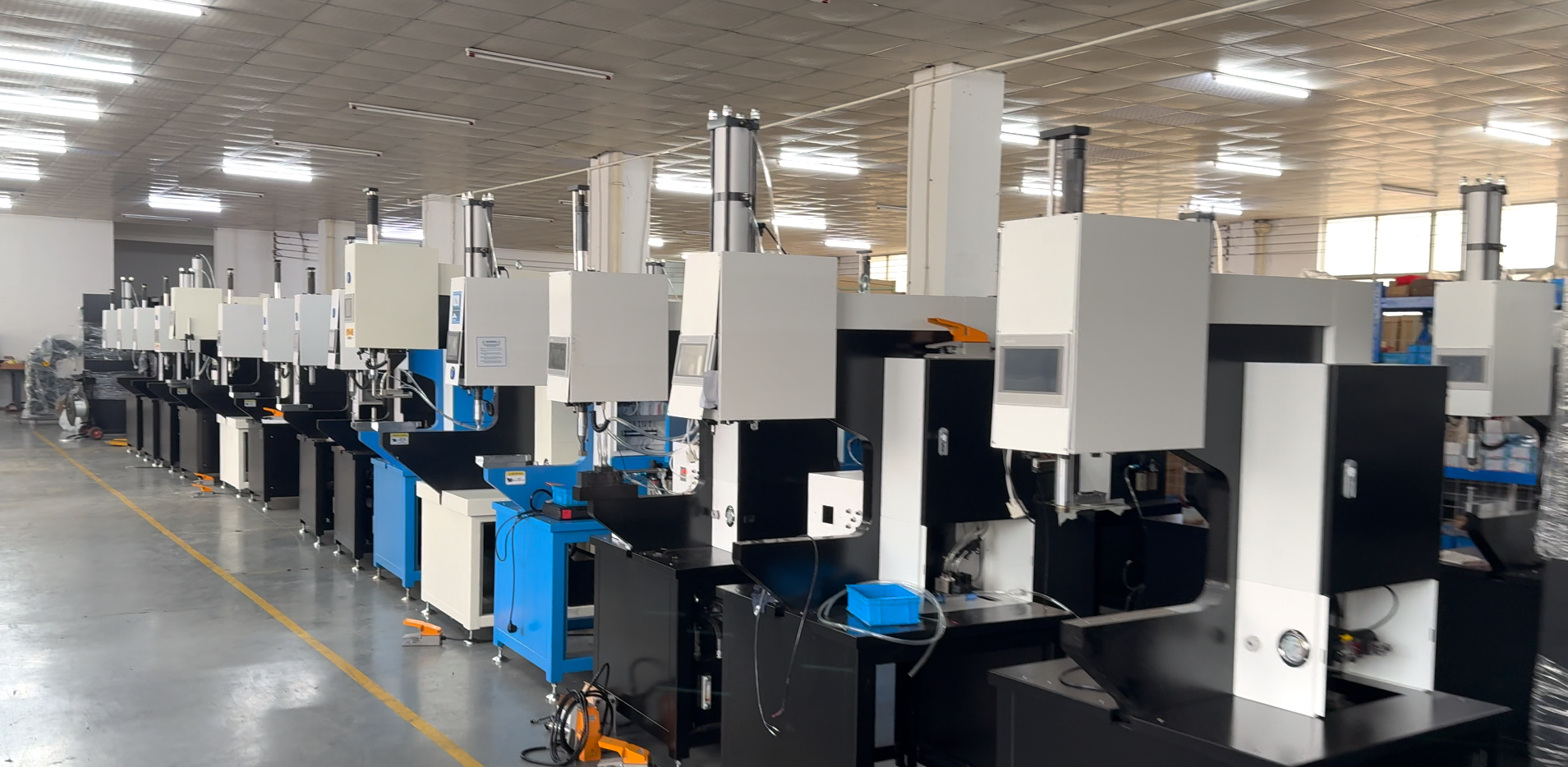
A fastener insertion machine represents a sophisticated piece of industrial equipment designed to automate the precise placement and installation of various fastening components into manufactured products. This specialized machinery serves as a cornerstone in modern production environments, where efficiency and accuracy determine competitive advantage. The fastener insertion machine operates through a combination of mechanical precision and electronic control systems, ensuring consistent results across high-volume production runs. At its core, this equipment functions by feeding fasteners from bulk storage systems, positioning them accurately using advanced guidance mechanisms, and inserting them into predetermined locations with controlled force parameters. The technological architecture of these machines incorporates servo-driven actuators, vision systems for quality verification, and programmable logic controllers that manage the entire insertion process. Modern fastener insertion machine units feature modular designs that accommodate different fastener types, including screws, rivets, clips, and specialized automotive components. The integration capabilities allow seamless connection with existing production lines, creating a unified manufacturing ecosystem. Quality control mechanisms built into these systems include torque monitoring, depth measurement, and real-time defect detection, ensuring every inserted fastener meets specified standards. The versatility of fastener insertion machine technology extends across multiple industries, from electronics manufacturing where miniature components require micro-precision, to heavy machinery assembly where robust fastening solutions are essential. Advanced models incorporate artificial intelligence algorithms that optimize insertion parameters based on material properties and environmental conditions. The user interface typically features intuitive touchscreen controls, enabling operators to adjust settings, monitor performance metrics, and access diagnostic information. Safety features include emergency stop systems, protective barriers, and automatic fault detection protocols that prevent damage to both equipment and workpieces.
 EN
EN