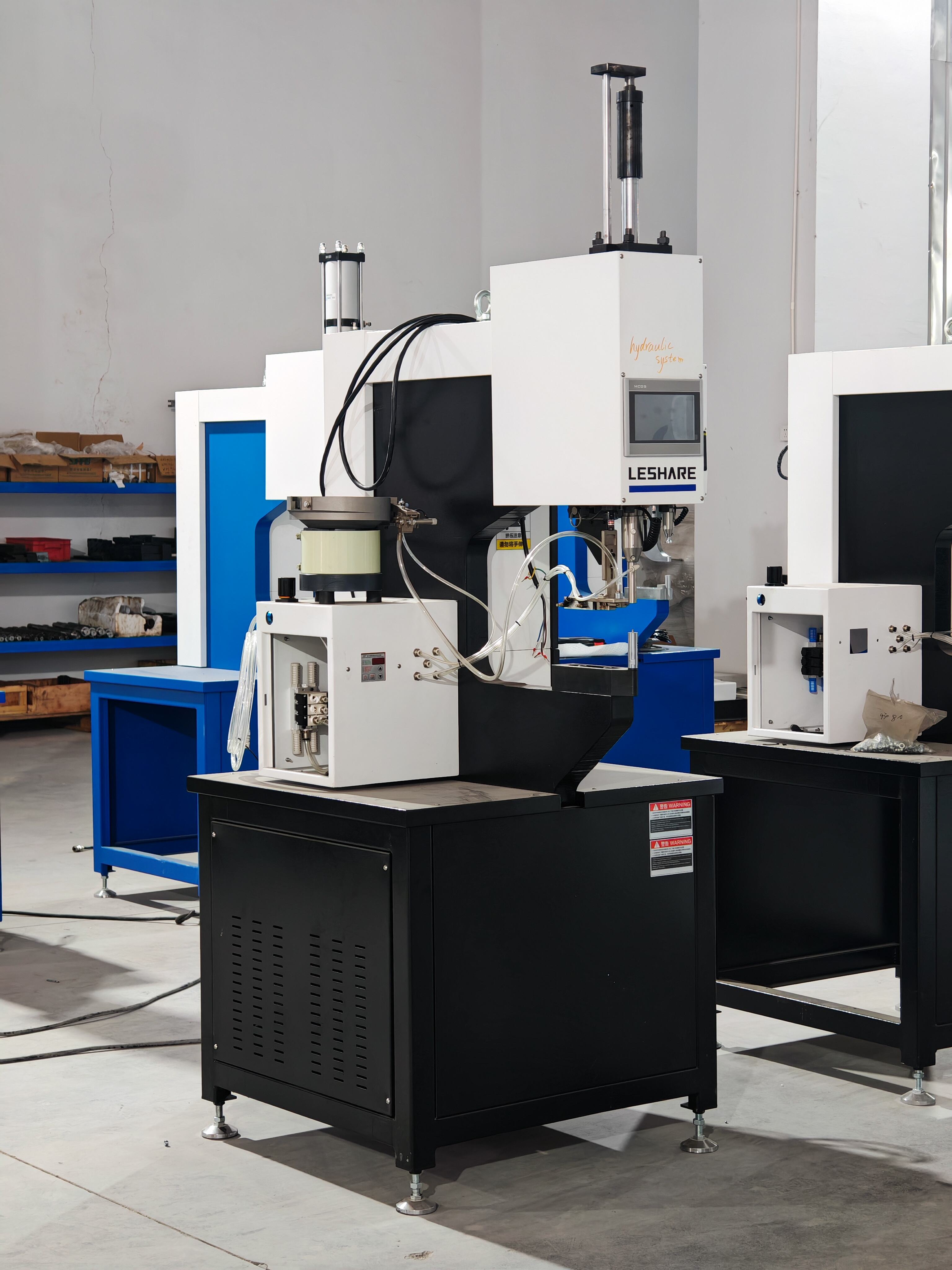
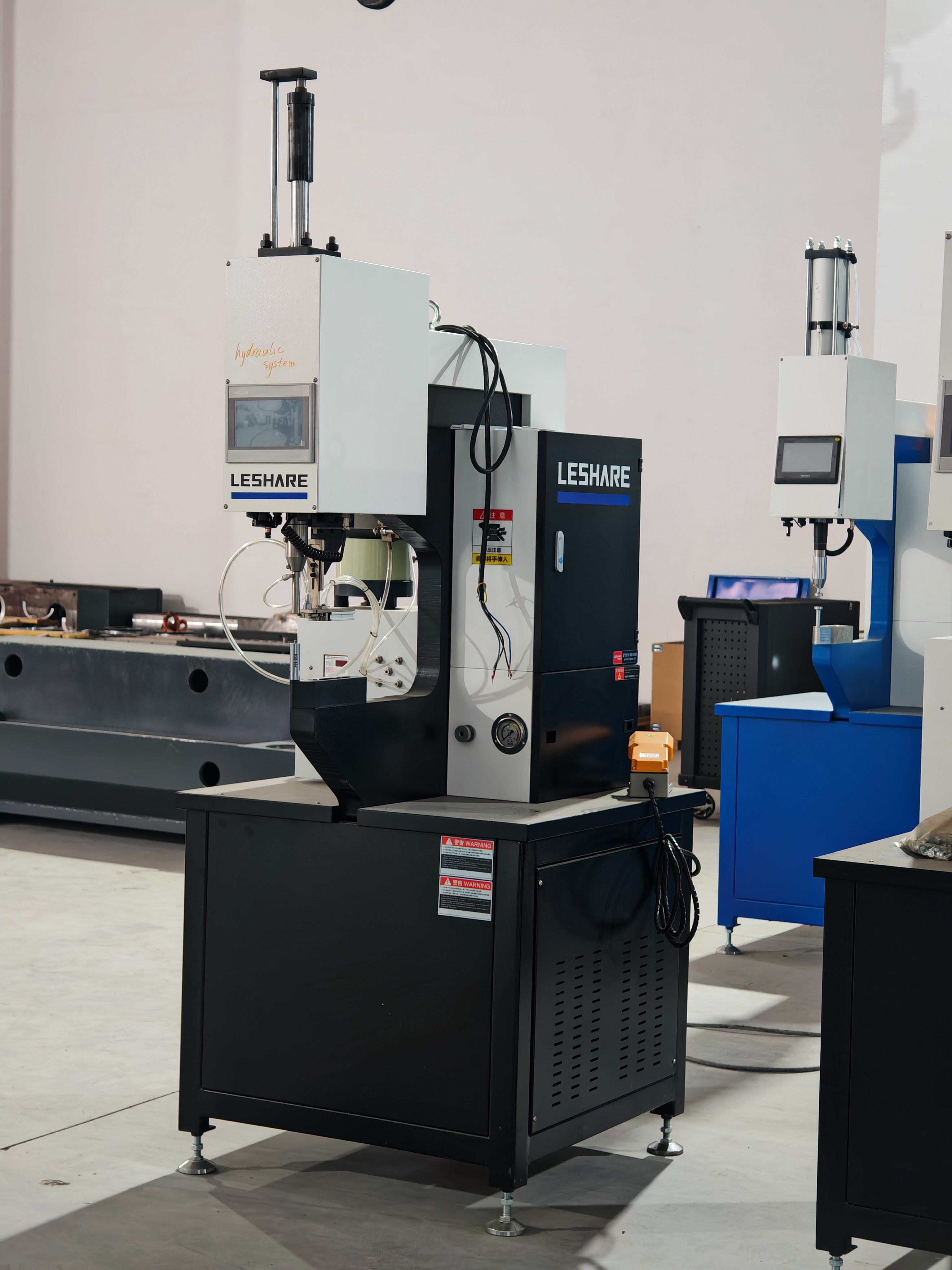
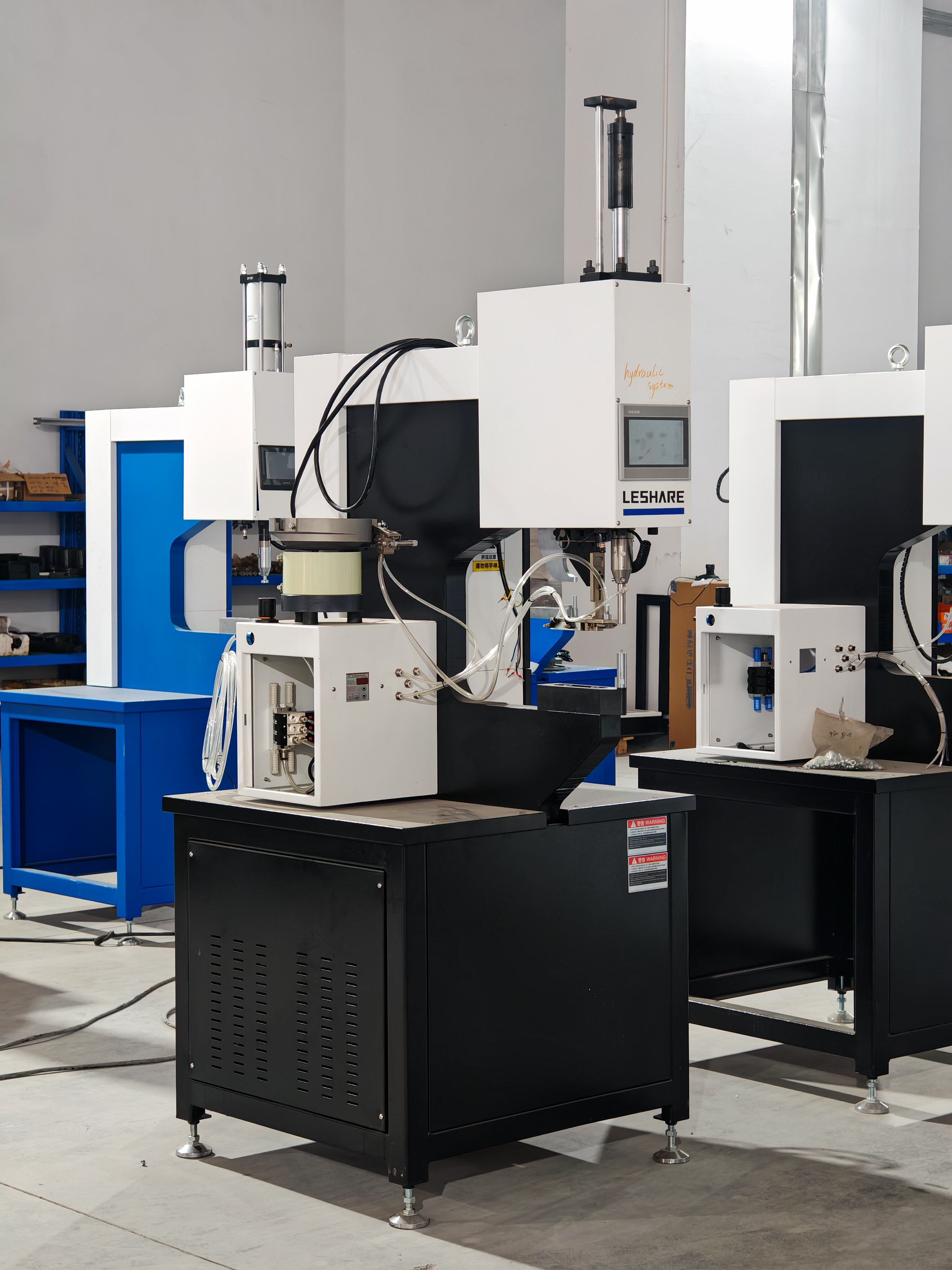
hydraulic fastener insertion press
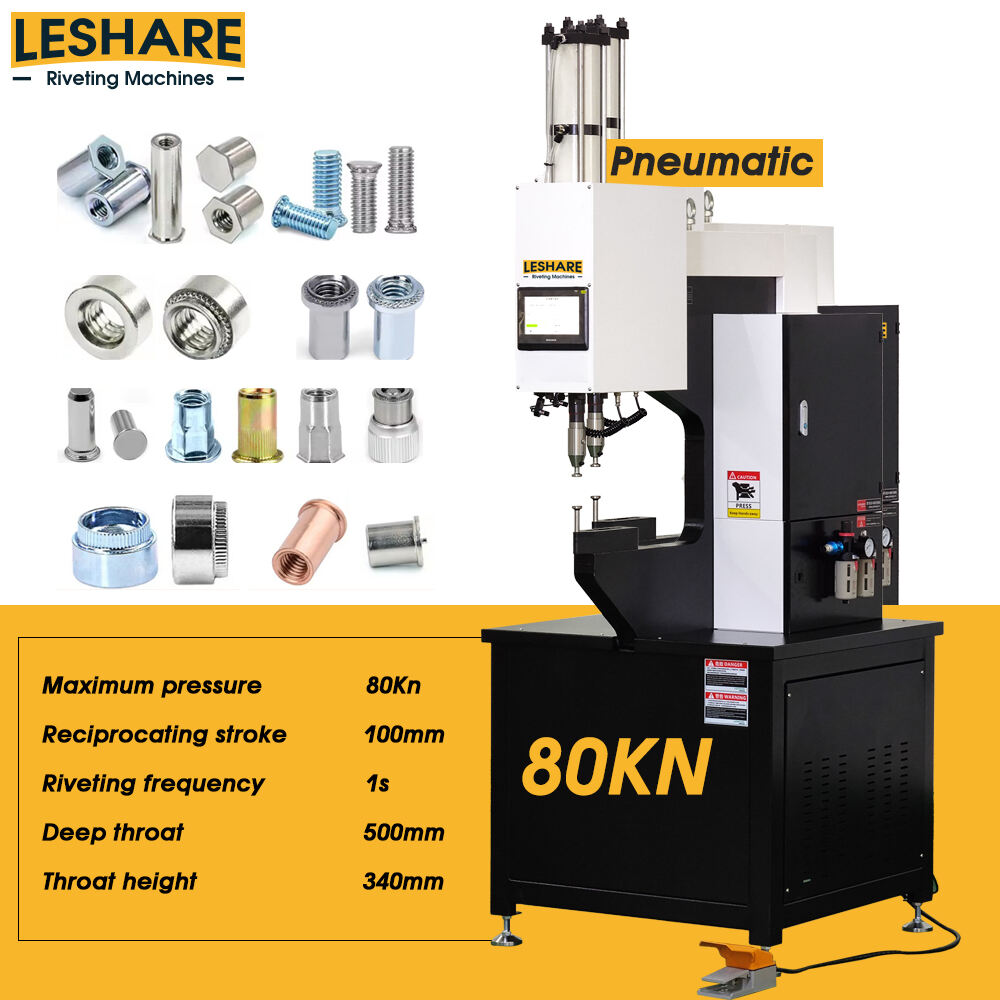
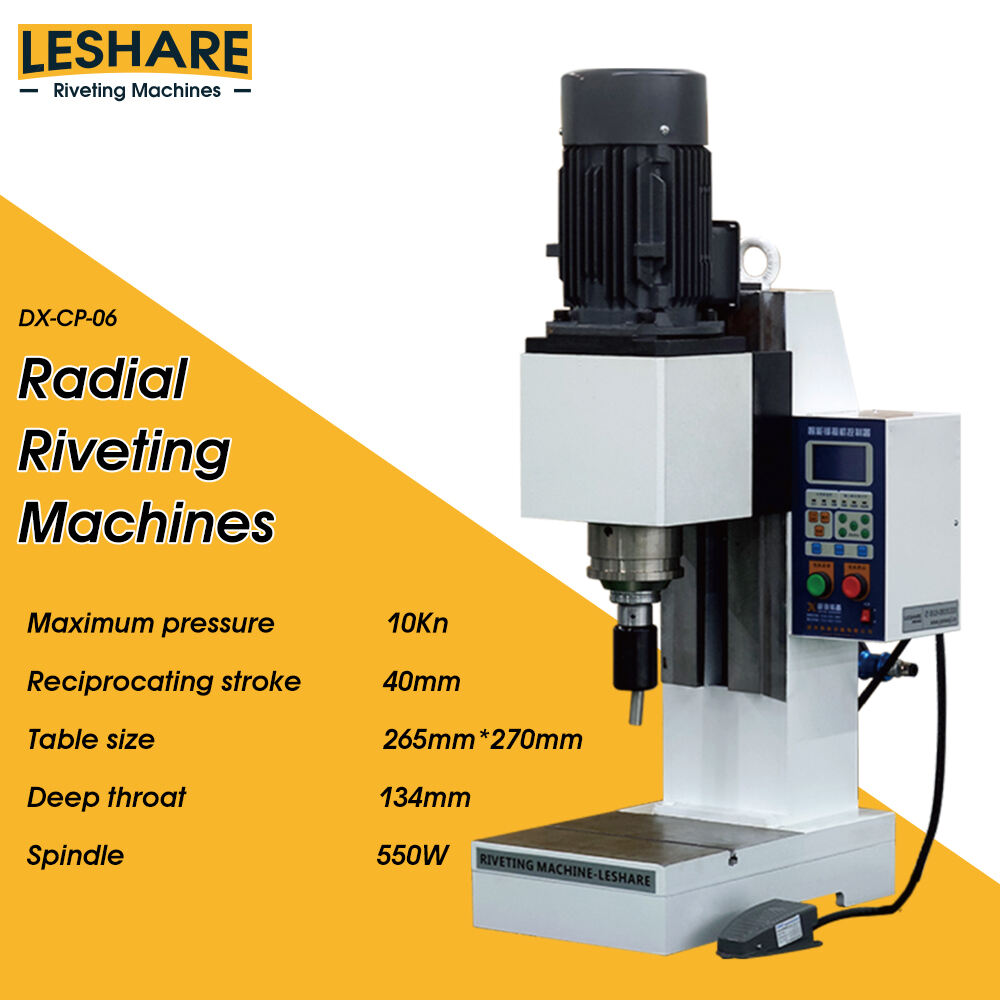
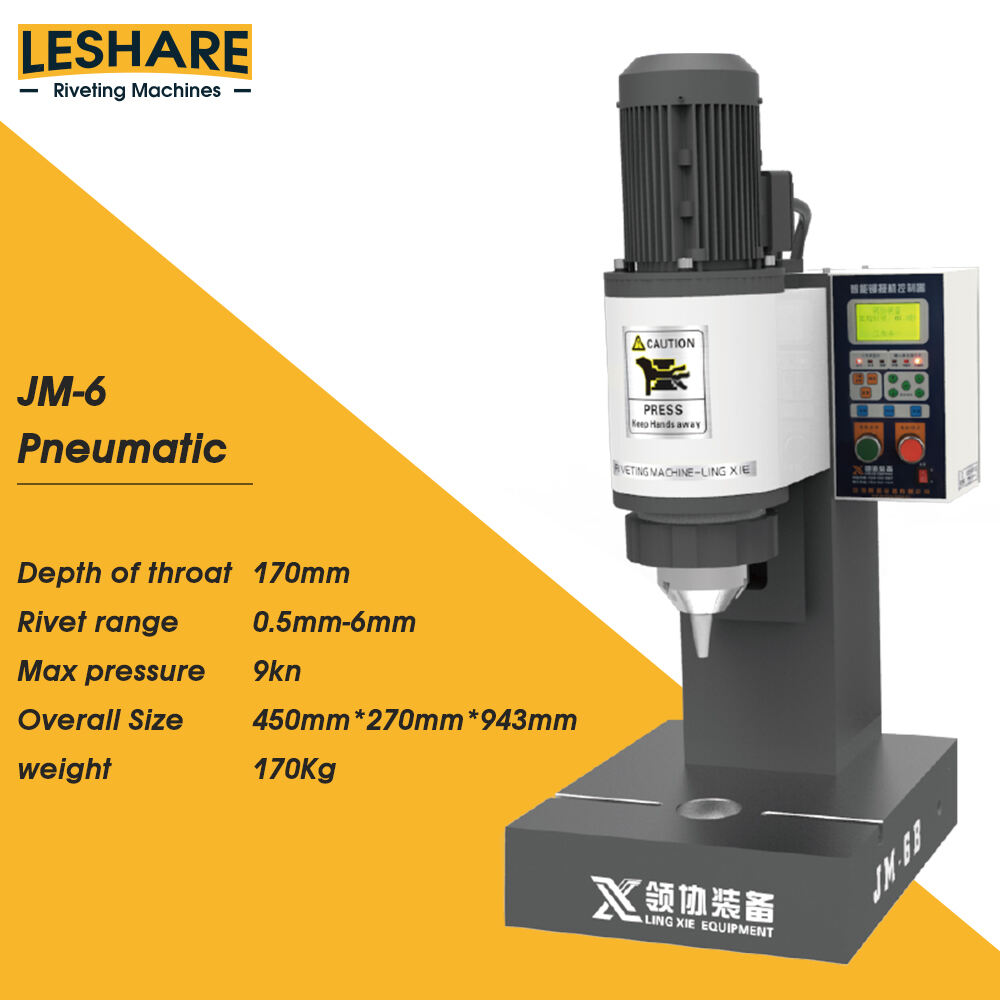
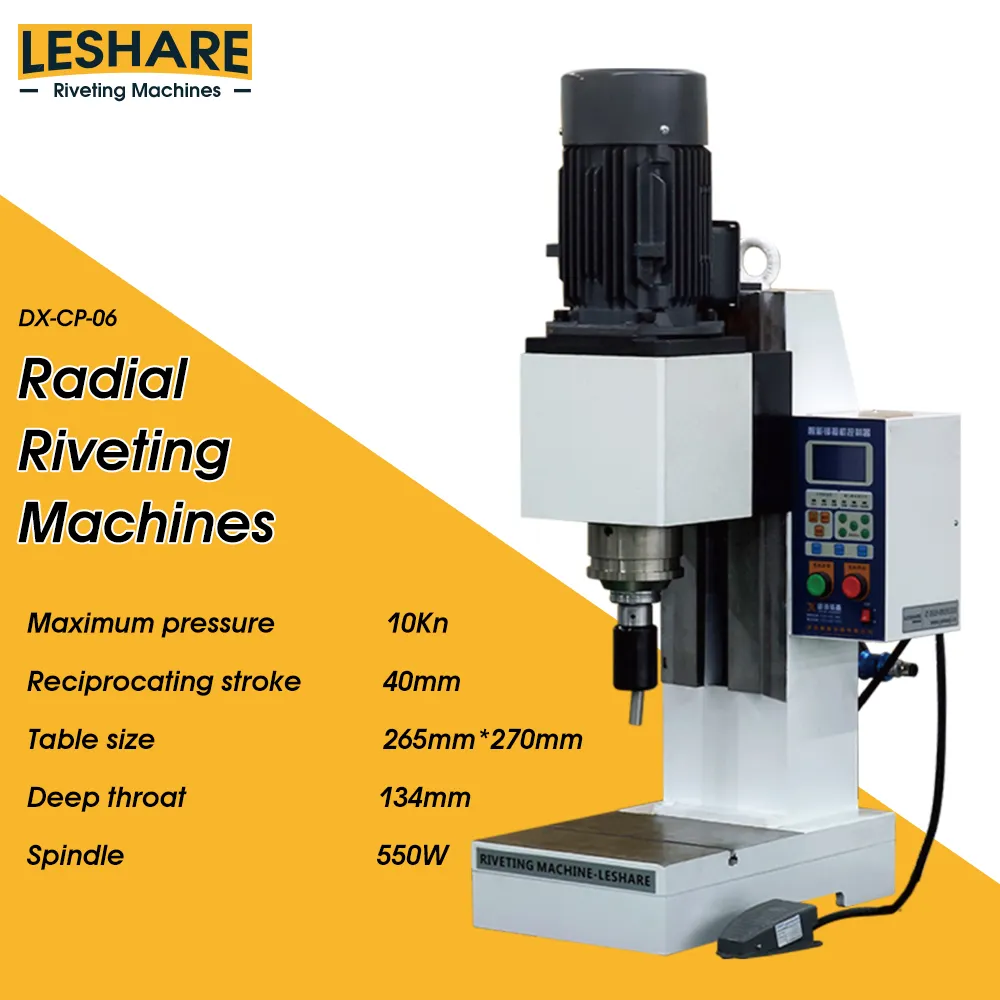
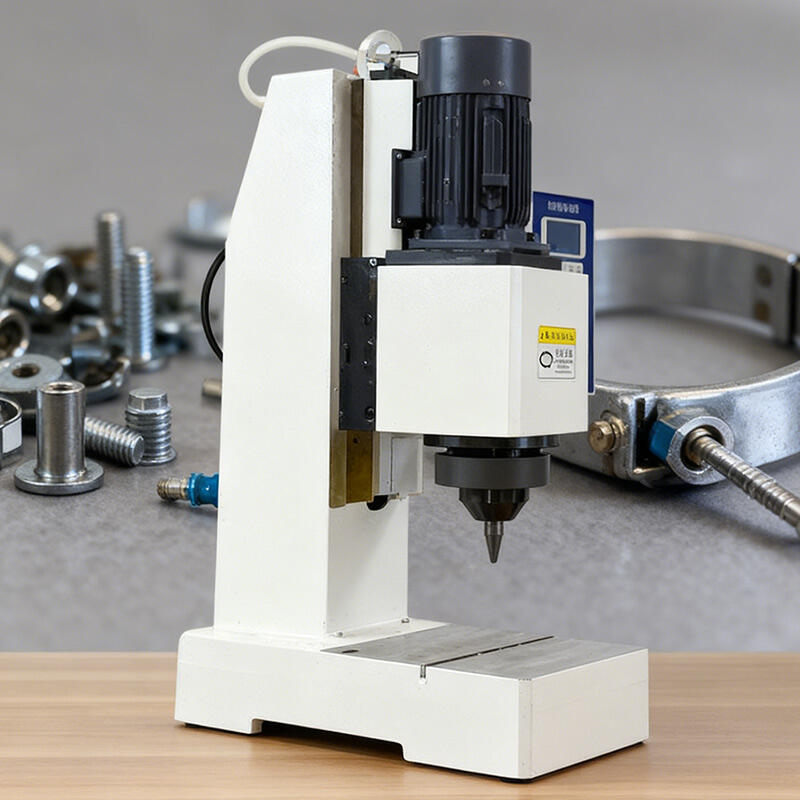
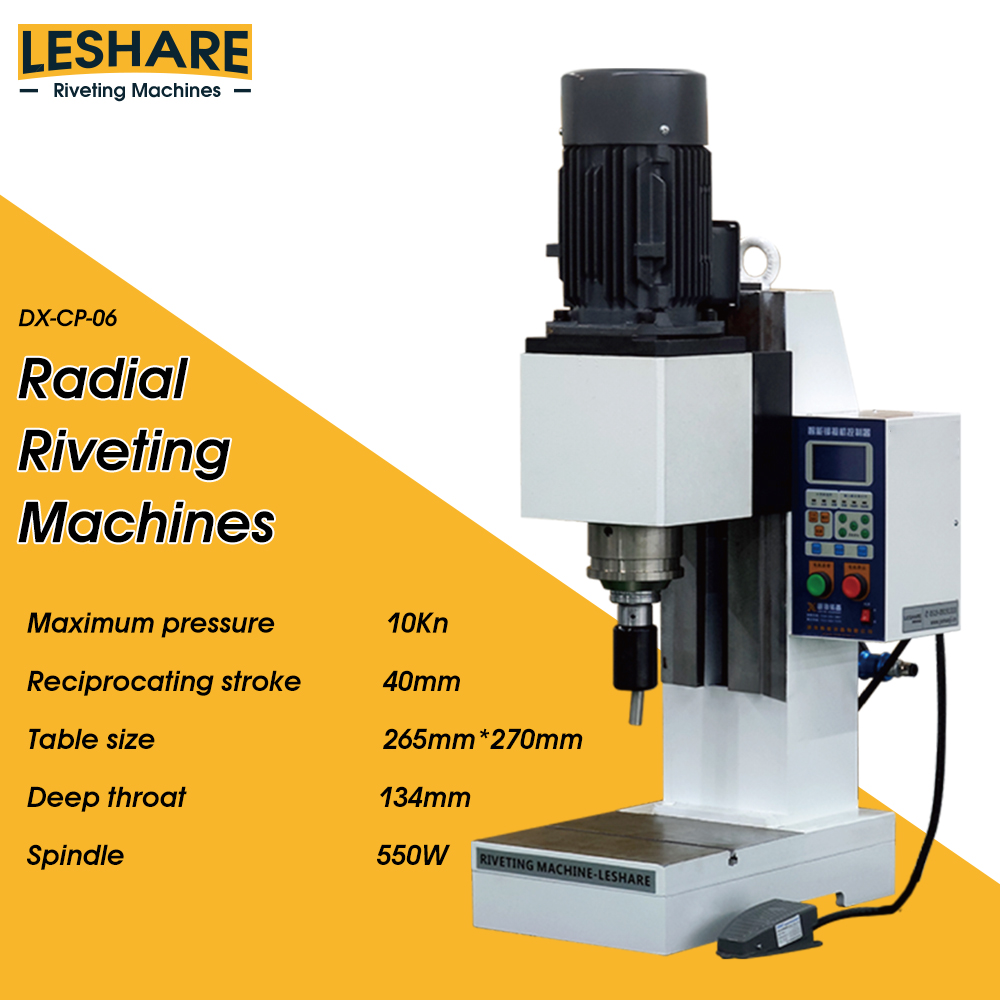
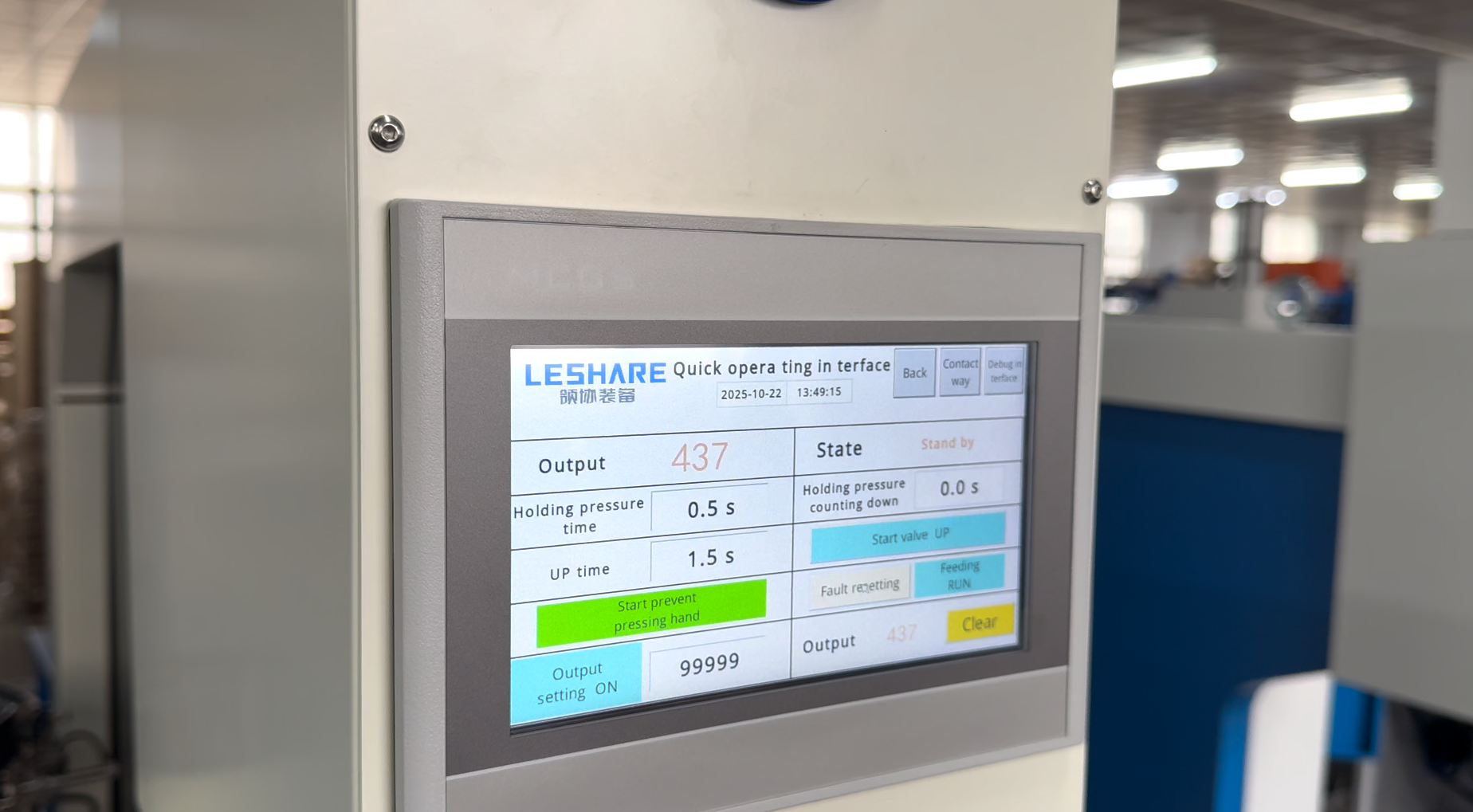
A hydraulic fastener insertion press represents a sophisticated industrial solution designed to efficiently install various types of fasteners into materials with precision and consistency. This advanced machinery utilizes hydraulic power systems to generate controlled force, enabling operators to insert rivets, studs, eyelets, and other fastening components into substrates ranging from thin sheets to thick structural materials. The hydraulic fastener insertion press operates through a carefully engineered hydraulic cylinder system that converts fluid pressure into mechanical force, delivering uniform insertion results across diverse manufacturing applications. Modern hydraulic fastener insertion press units incorporate programmable control systems that allow operators to adjust insertion depth, force parameters, and cycle timing according to specific project requirements. These machines typically feature robust steel frame construction designed to withstand continuous industrial use while maintaining operational accuracy. The hydraulic system provides smooth, consistent pressure application, ensuring that fasteners are properly seated without damaging surrounding material or compromising structural integrity. Key technological features include digital pressure monitoring, automatic positioning systems, and safety interlocks that prevent accidental operation. Many hydraulic fastener insertion press models offer interchangeable tooling options, allowing manufacturers to process different fastener types and sizes without requiring separate machines. The press head design accommodates various fastener geometries, from standard cylindrical rivets to specialized threaded inserts and decorative components. Applications span multiple industries including automotive manufacturing, aerospace assembly, electronics production, furniture construction, and architectural metalwork. The hydraulic fastener insertion press proves particularly valuable in high-volume production environments where consistent quality and rapid cycle times are essential. These machines can process materials including aluminum, steel, plastic composites, and layered substrates, making them versatile solutions for diverse manufacturing challenges. Advanced models incorporate computerized control systems that store multiple program settings, enabling quick changeovers between different production runs while maintaining precise insertion parameters throughout extended operating periods.
 EN
EN