auto feed fastener insertion machine
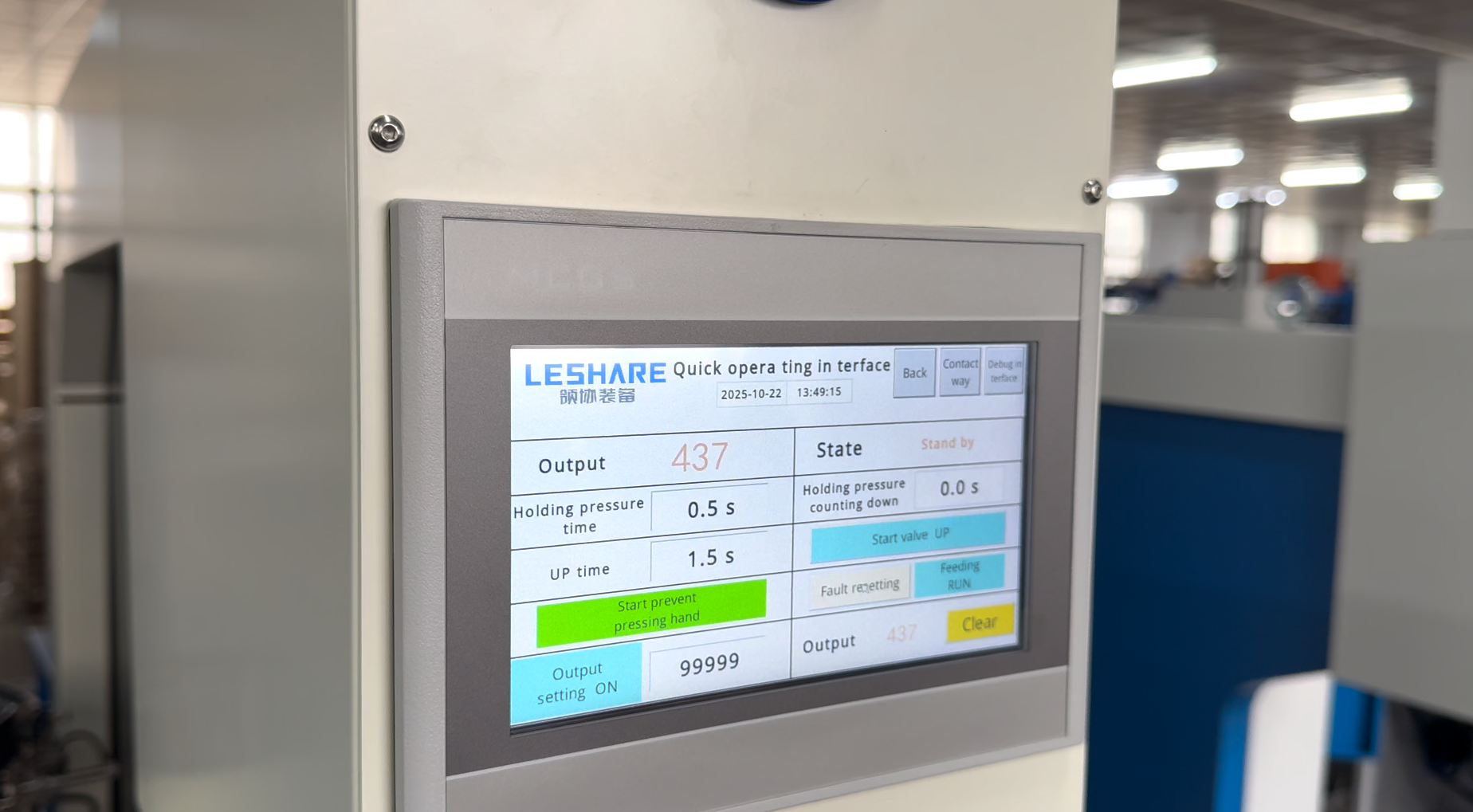
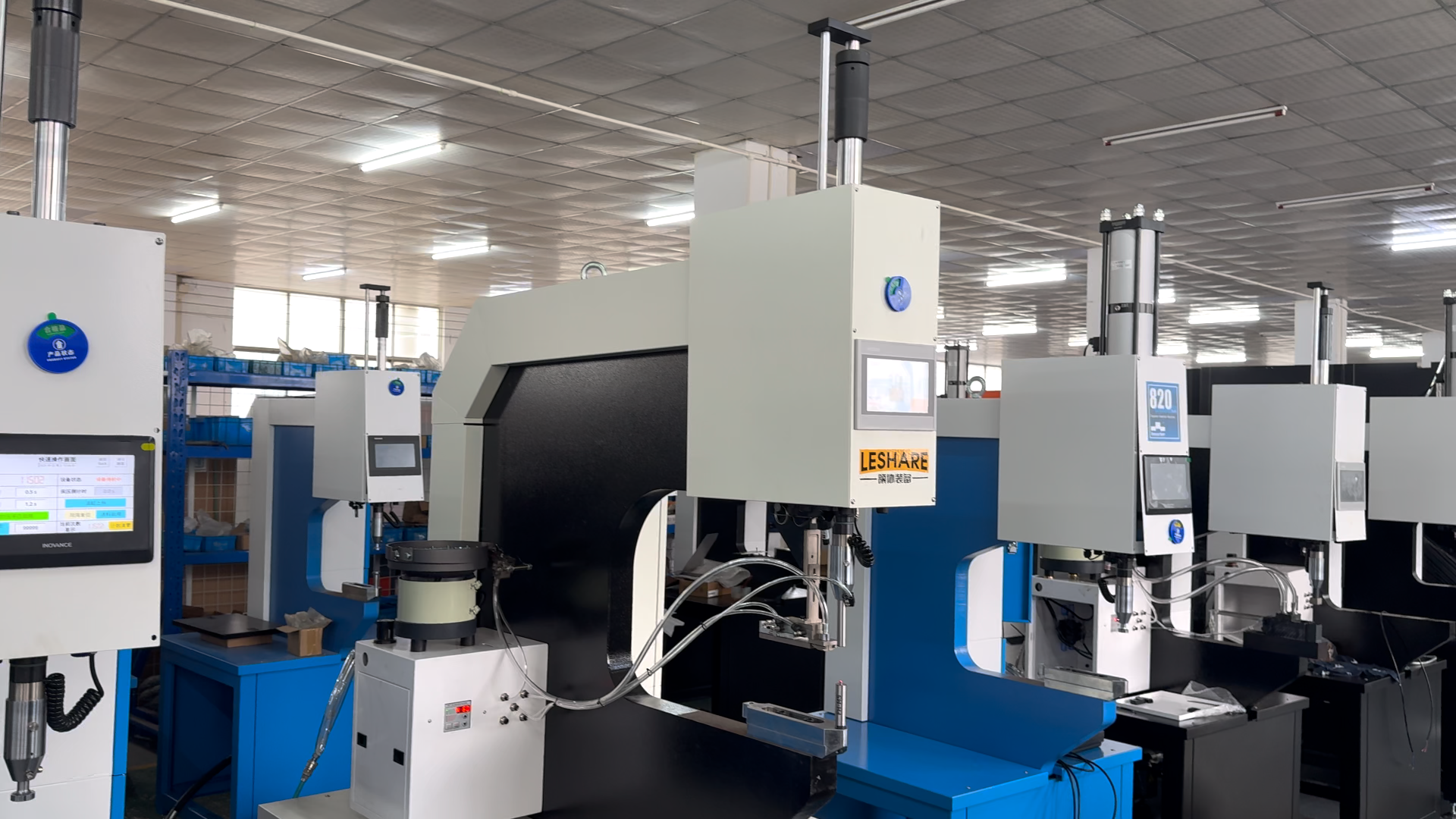
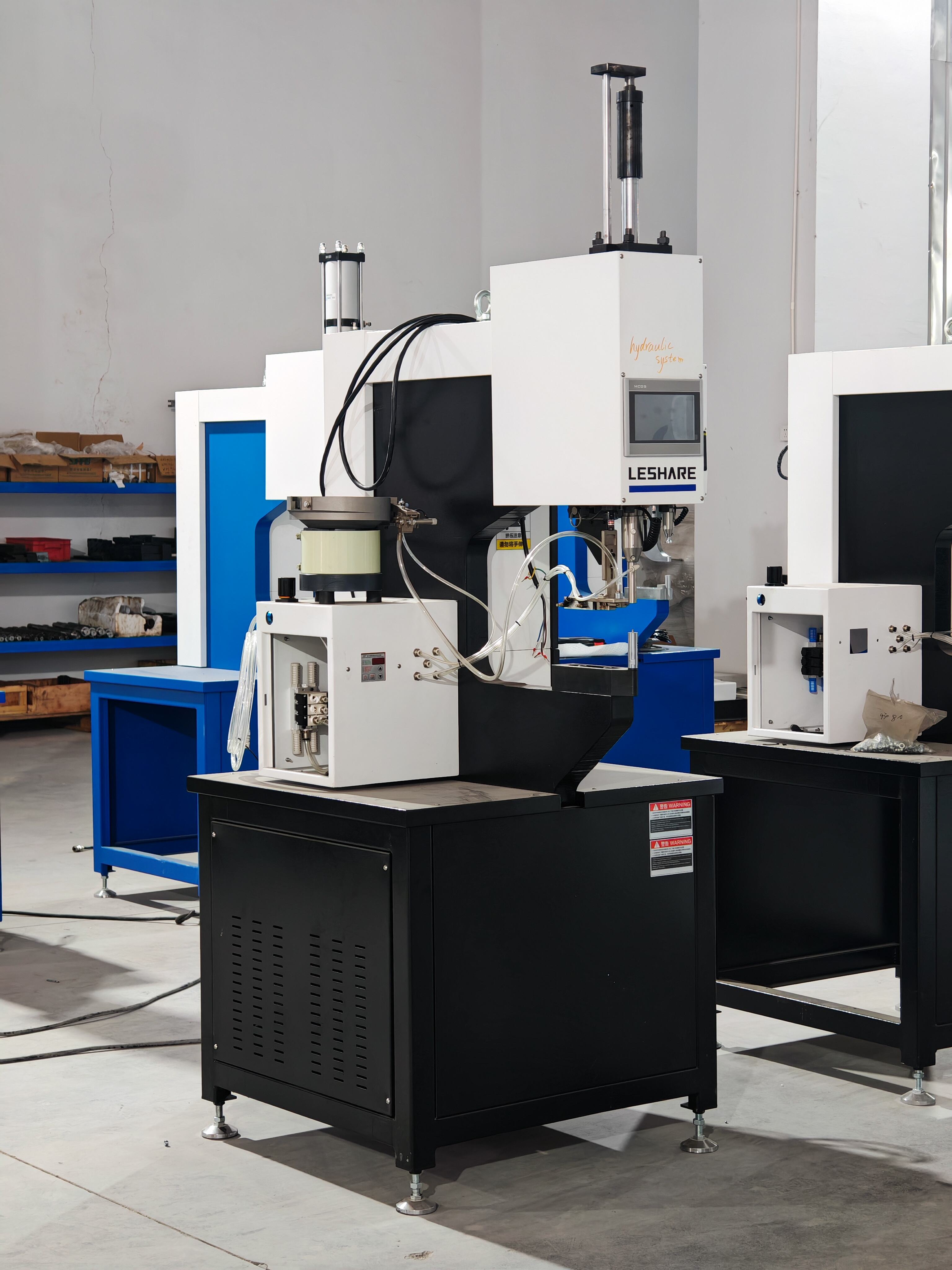
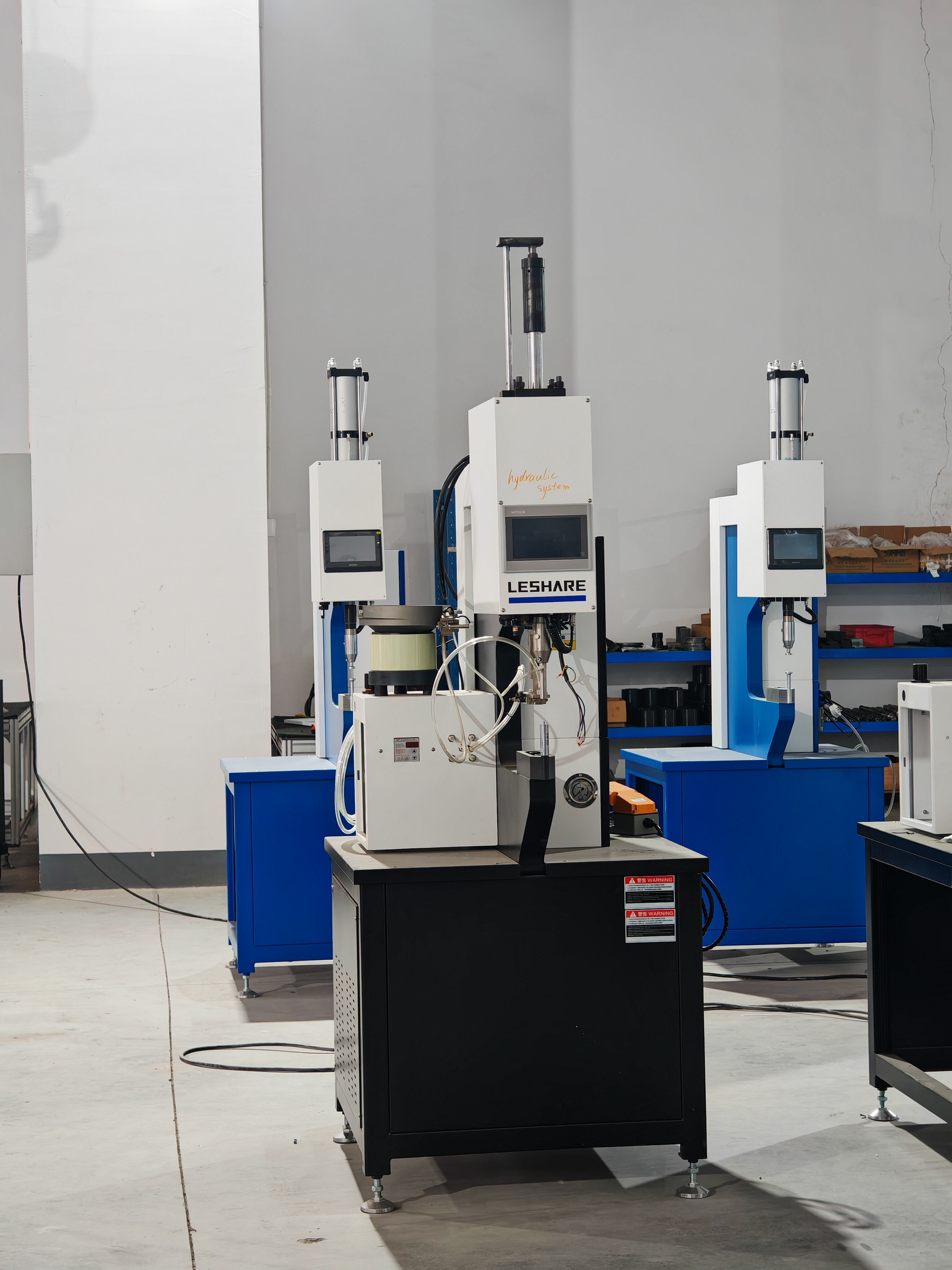
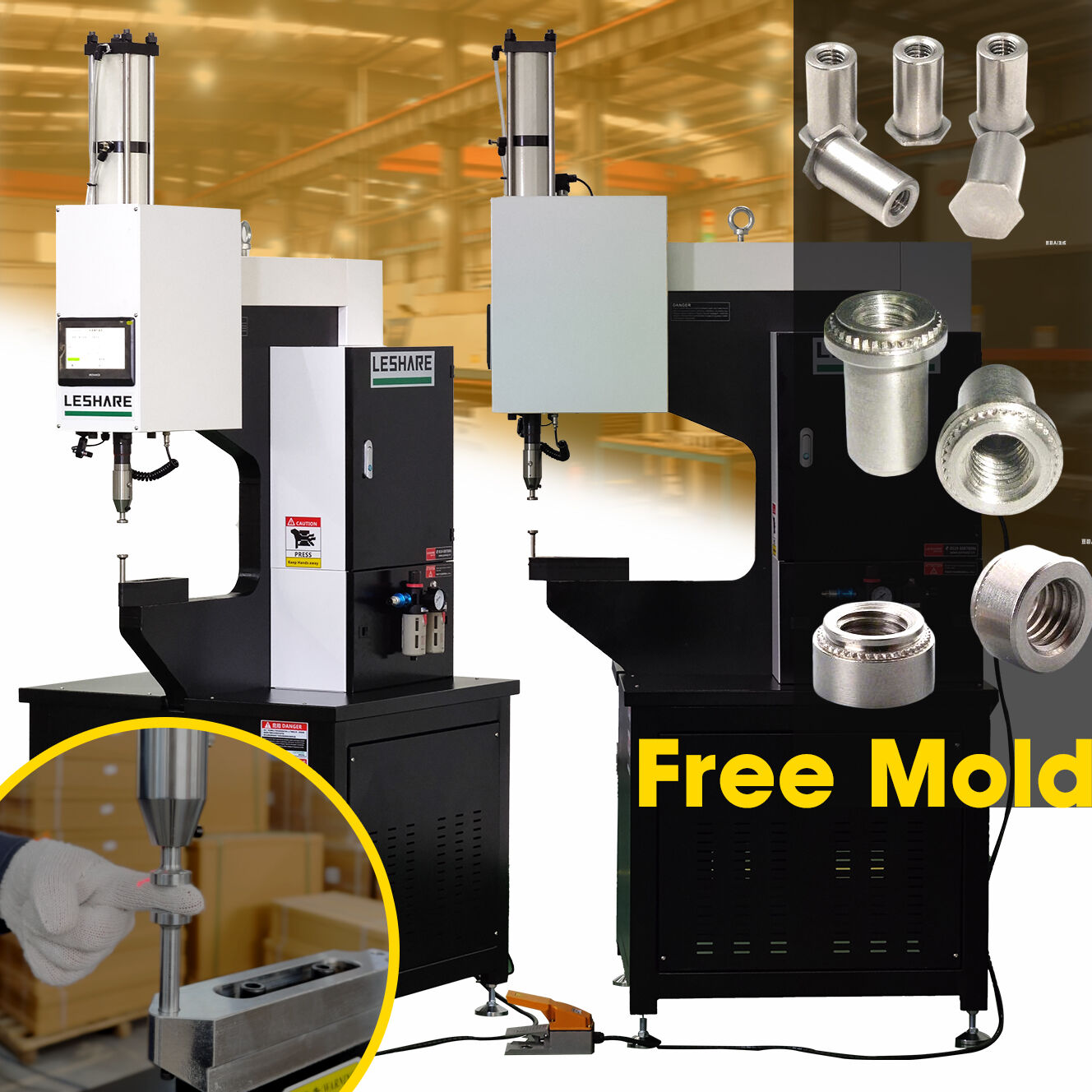
The auto feed fastener insertion machine represents a revolutionary advancement in manufacturing automation, designed to streamline the process of inserting various fasteners into products with exceptional precision and efficiency. This sophisticated equipment operates as an integrated system that combines automated feeding mechanisms with high-precision insertion capabilities, eliminating the need for manual handling of individual fasteners. The machine incorporates advanced sensor technology and programmable control systems that ensure consistent placement accuracy while maintaining optimal production speeds. At its core, the auto feed fastener insertion machine utilizes a multi-stage process that begins with automatic fastener sorting and orientation, followed by precise positioning and controlled insertion into predetermined locations. The system features robust construction with industrial-grade components capable of handling various fastener types including screws, bolts, rivets, and specialized connecting elements. Modern versions integrate sophisticated vision systems that verify proper fastener alignment before insertion, reducing defects and improving overall quality control. The machine's technological framework includes servo-driven positioning systems that provide micron-level accuracy, ensuring consistent results across thousands of cycles. Temperature compensation algorithms maintain performance stability under varying environmental conditions, while adaptive force control prevents damage to delicate components or over-insertion scenarios. The control interface typically features intuitive touchscreen displays that allow operators to easily configure parameters, monitor production statistics, and perform routine maintenance tasks. Integration capabilities enable seamless connection with existing production management systems, facilitating real-time data exchange and comprehensive production tracking. These machines find extensive applications across automotive manufacturing, electronics assembly, aerospace component production, and consumer goods manufacturing, where consistent fastener placement is critical for product reliability and assembly line efficiency.
 EN
EN