Sheet Metal Fastener Insertion Machine - Automated Precision Manufacturing Solutions

Get a Free Quote

Our representative will contact you soon.
Email
Name
Company Name
Message
0/1000

sheet metal fastener insertion machine

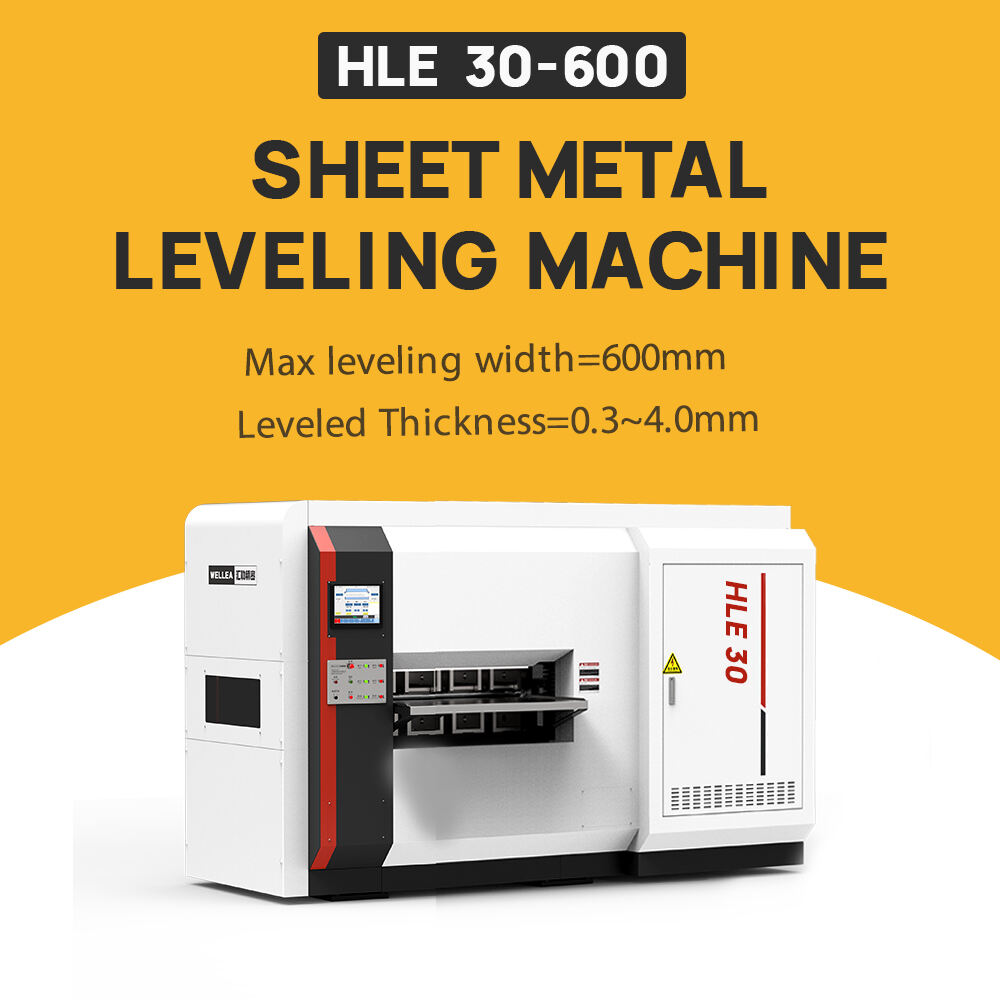
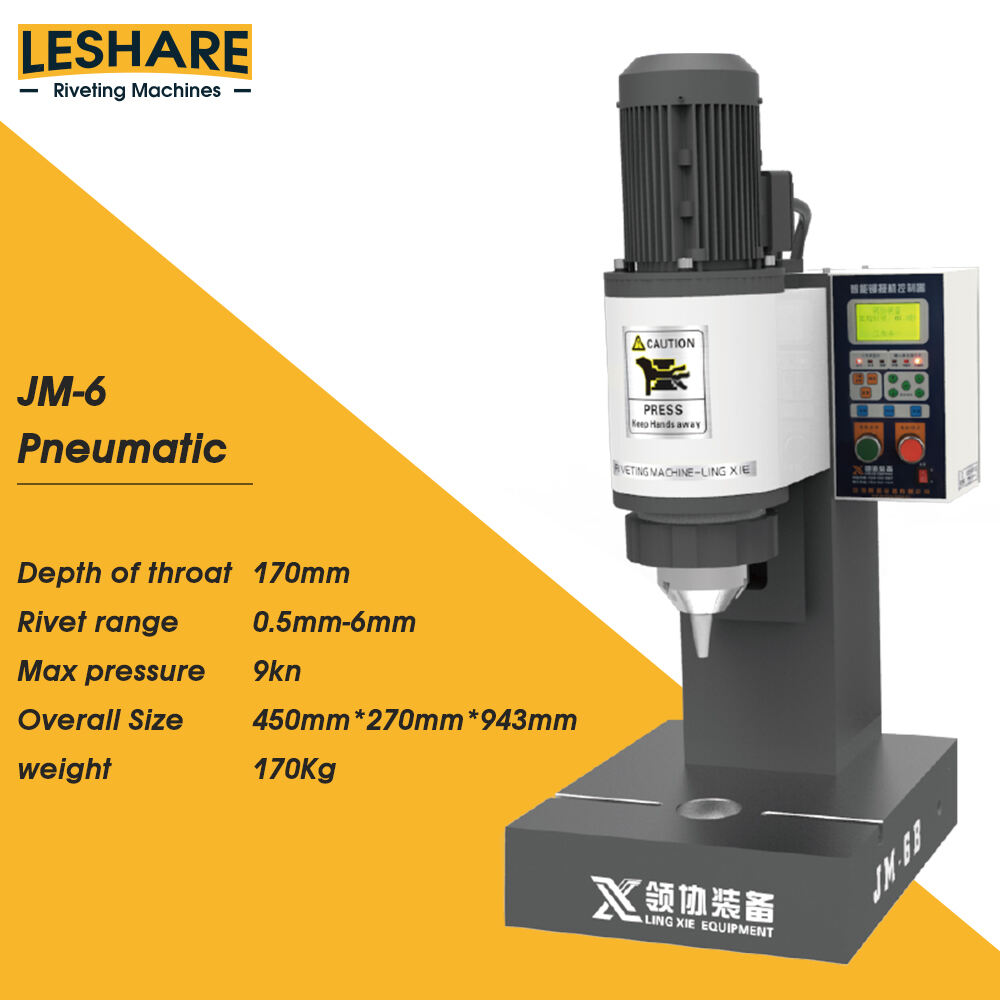
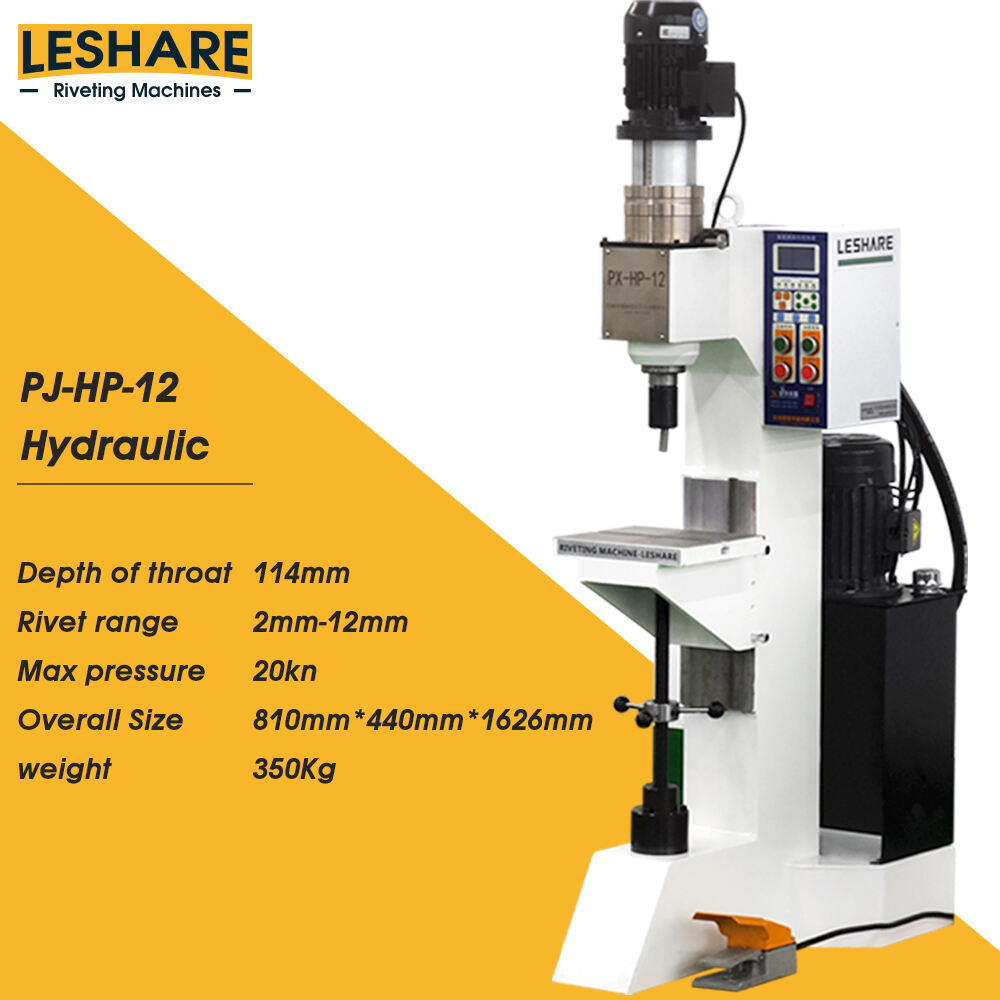
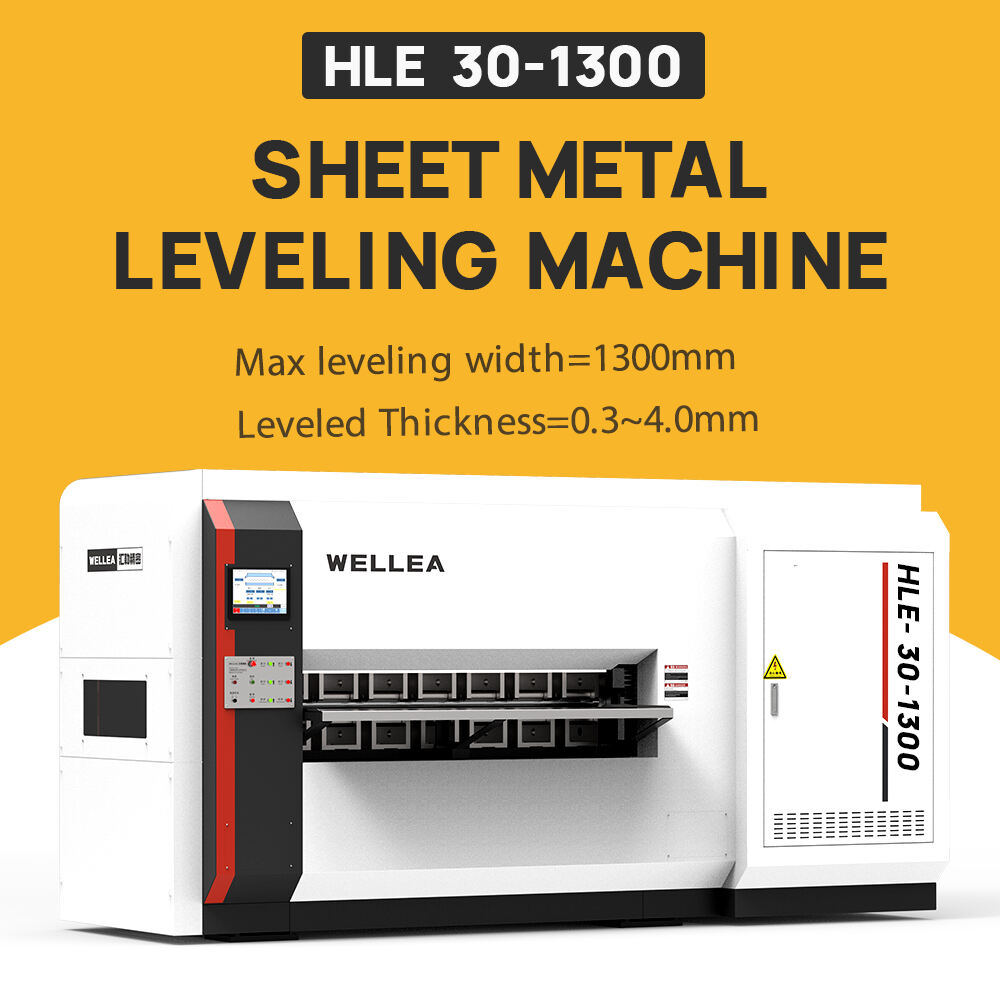
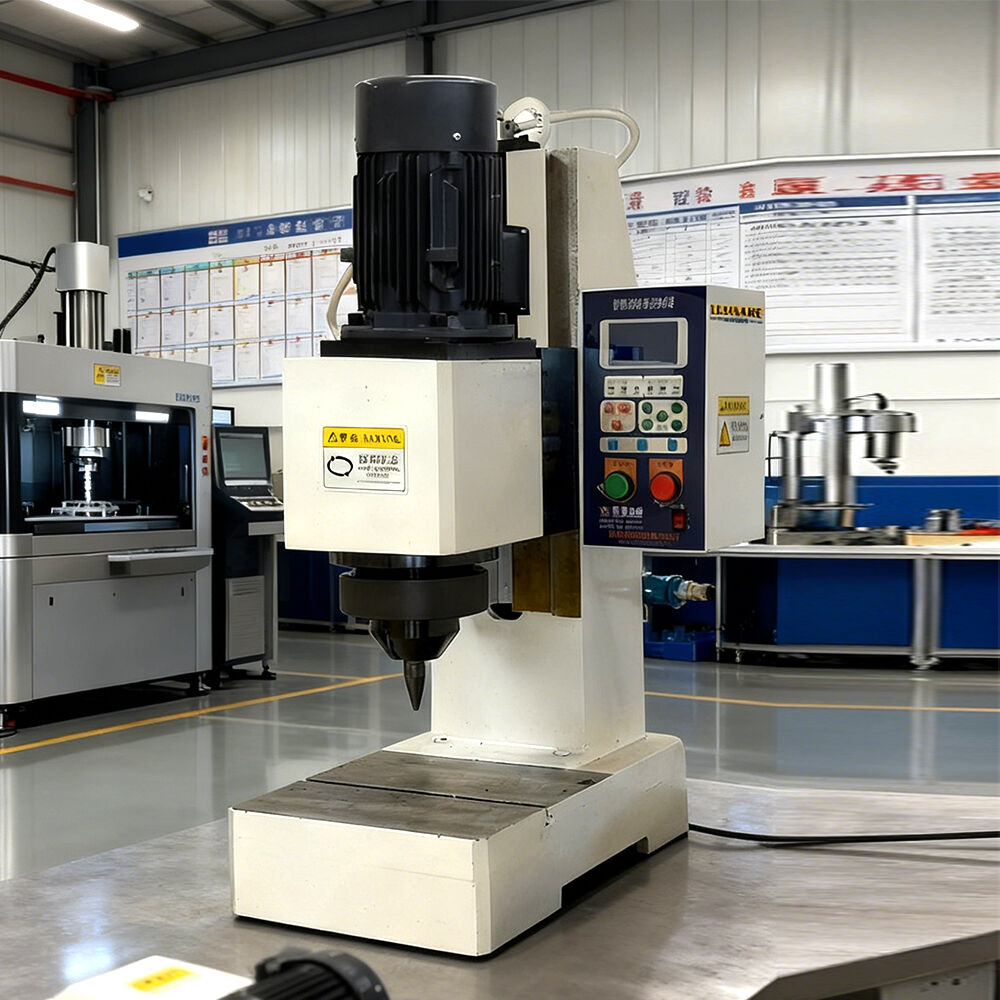
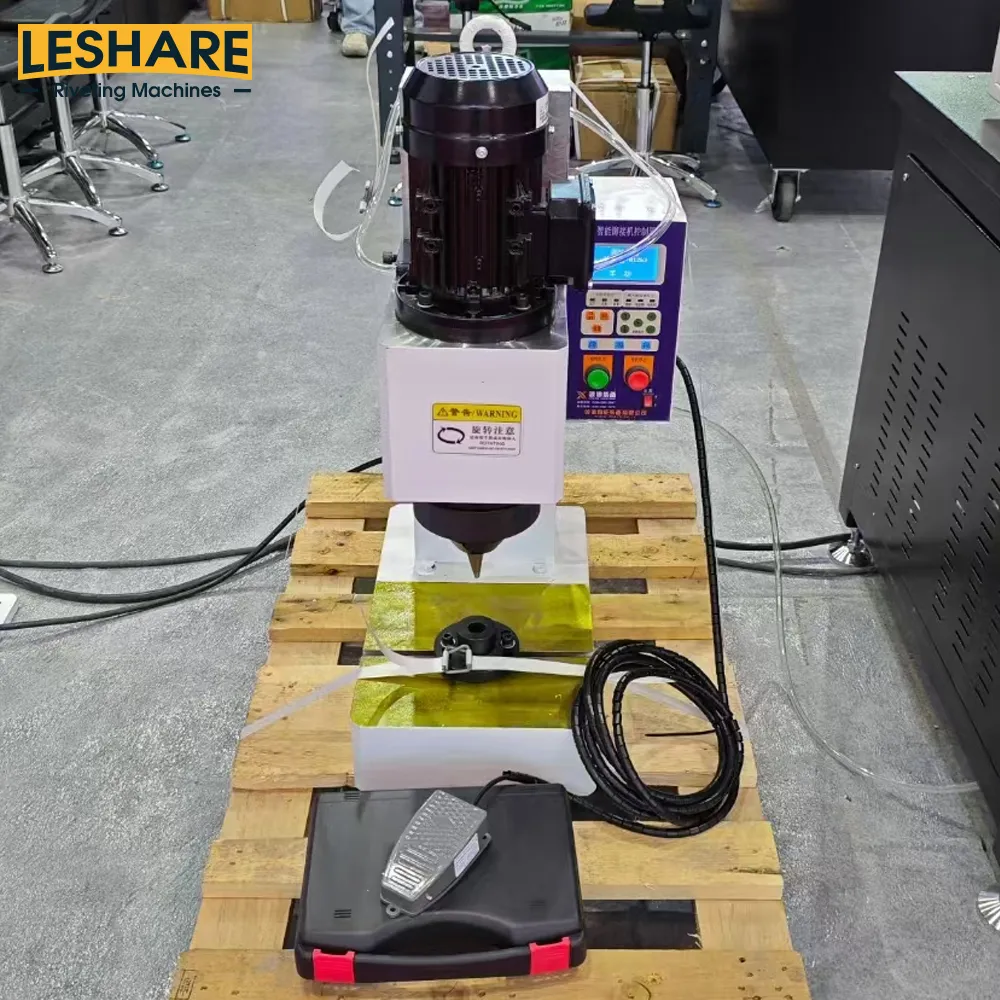
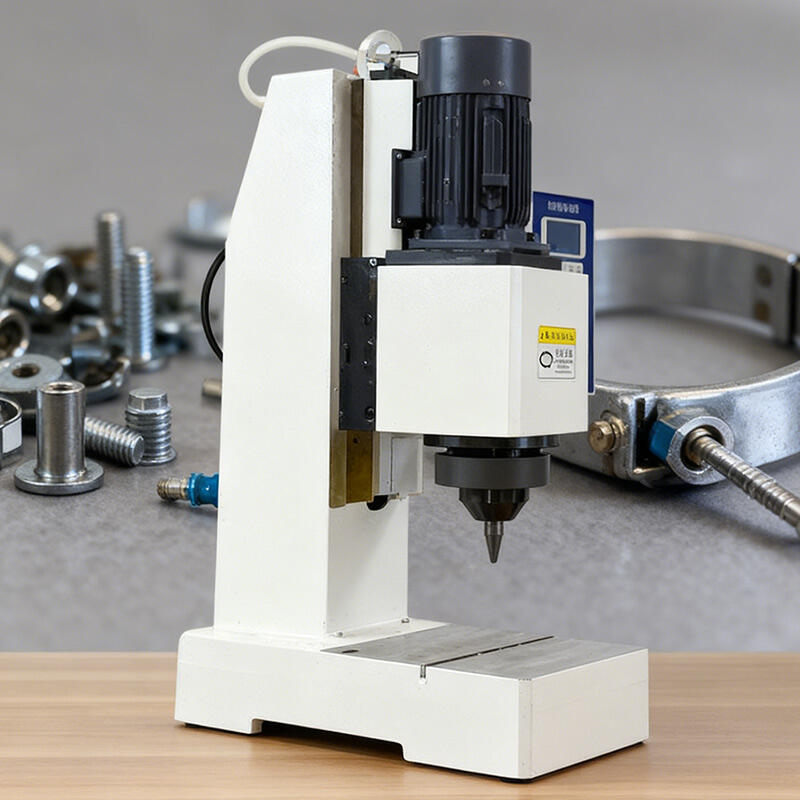
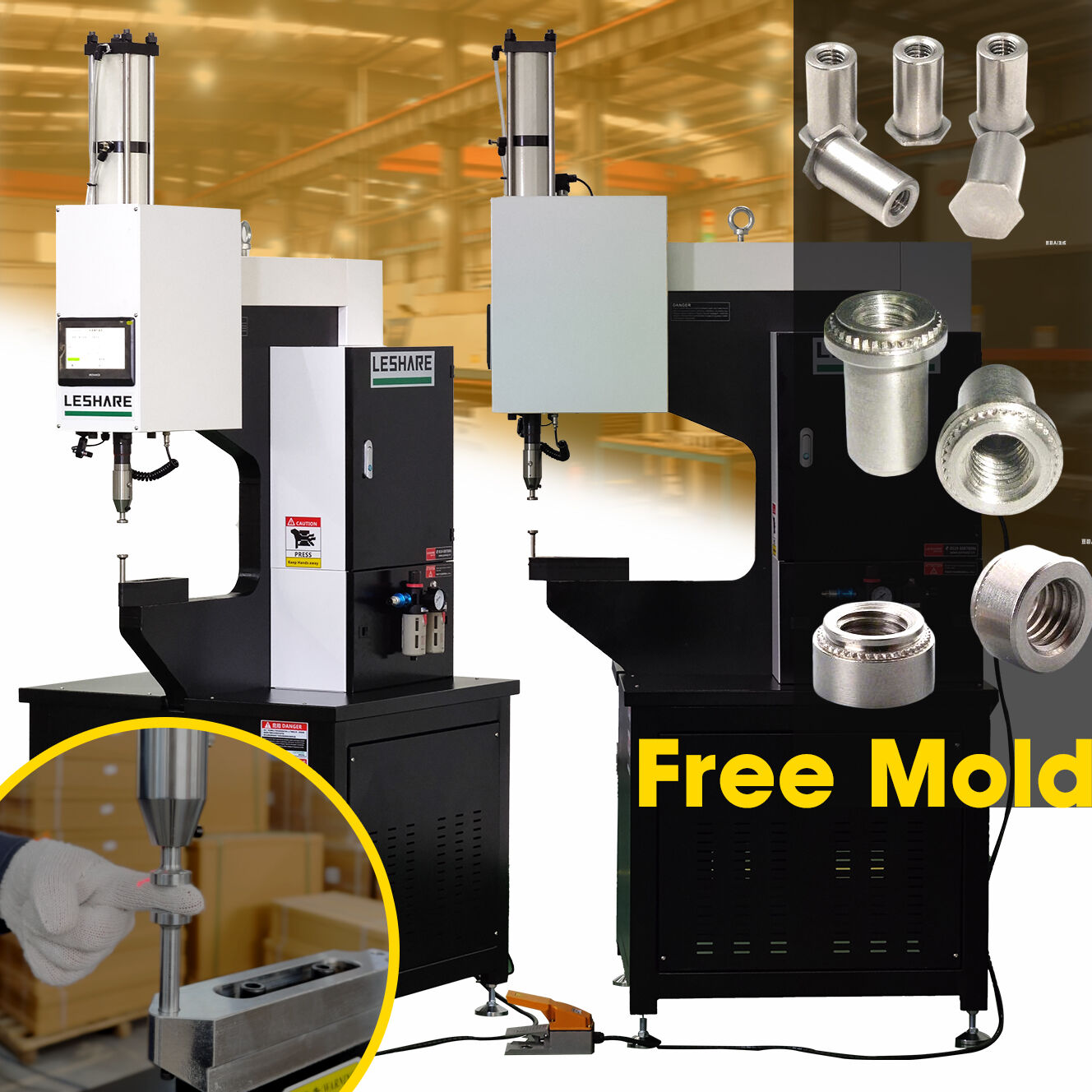
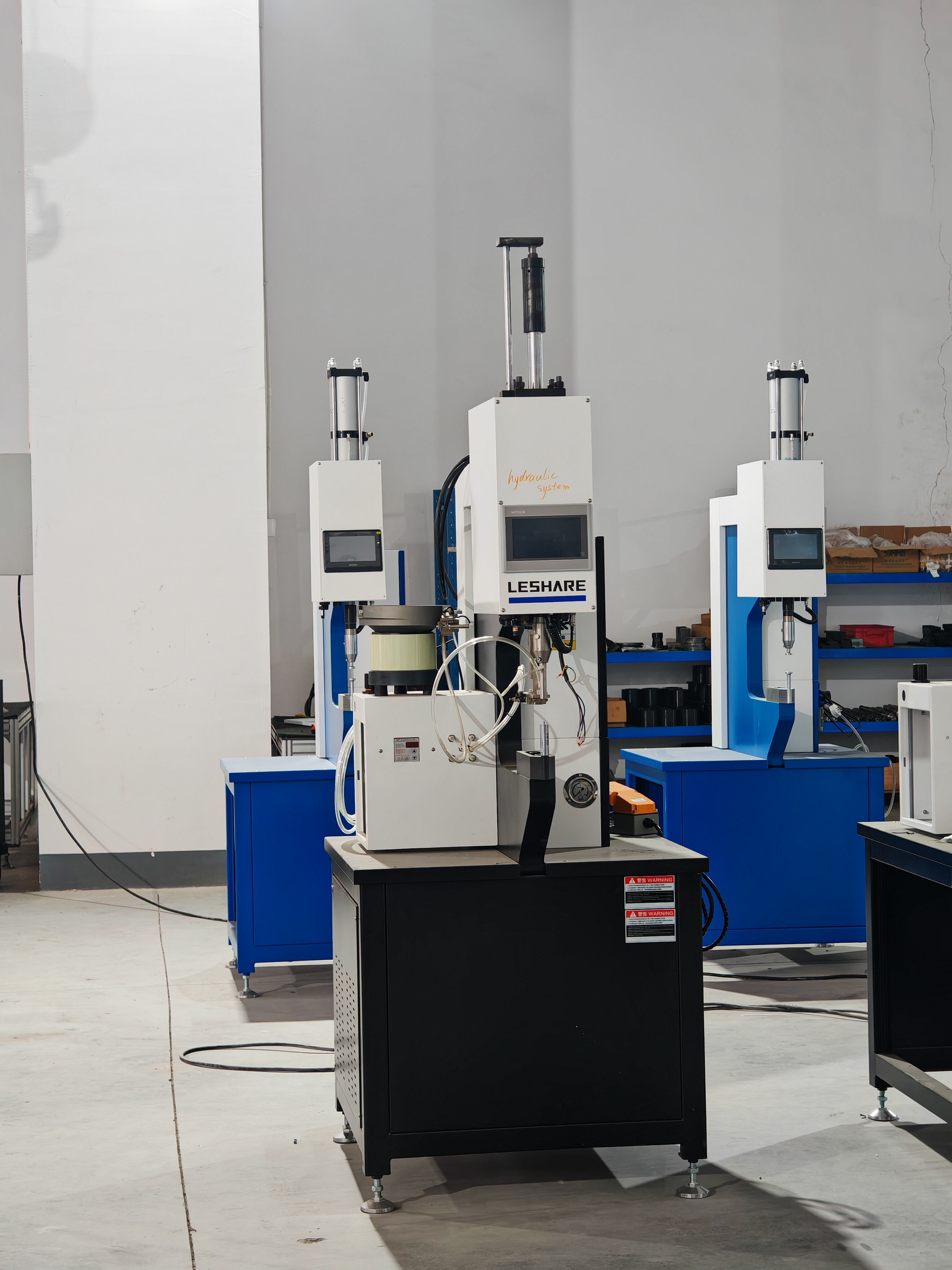
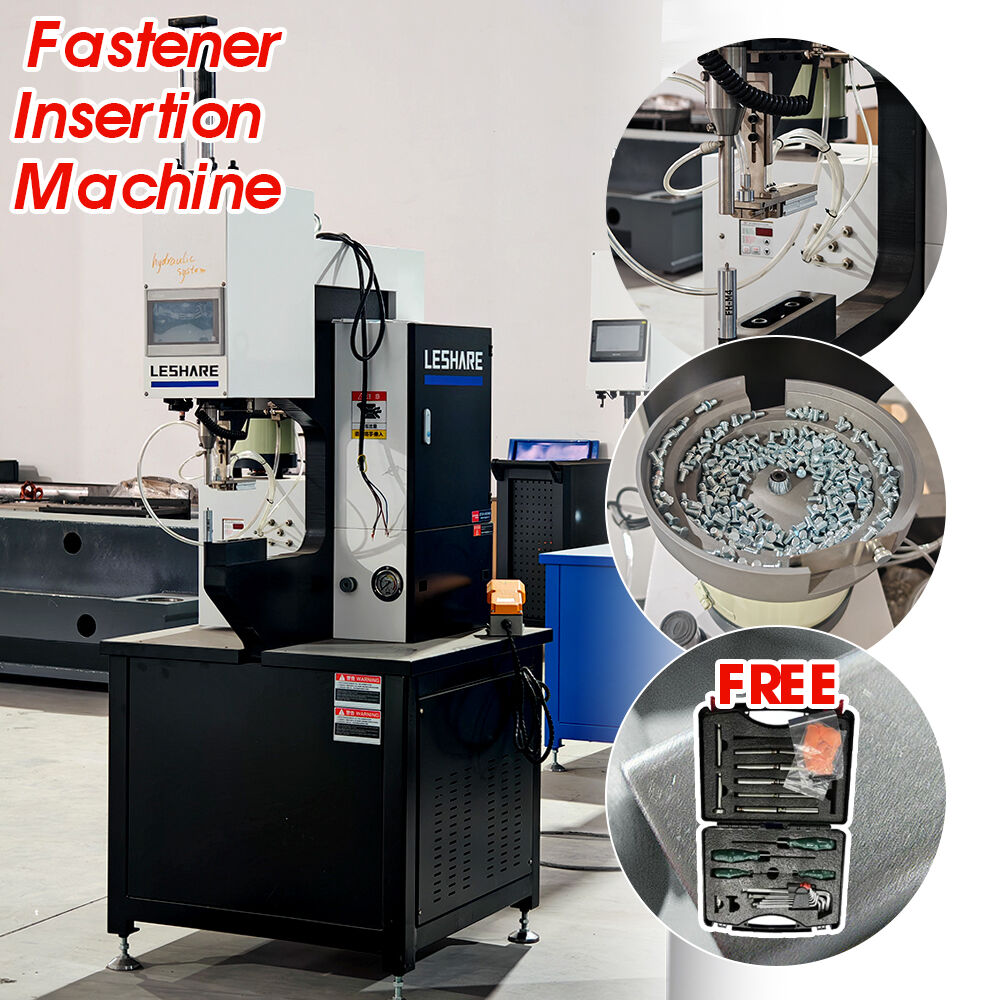
A sheet metal fastener insertion machine represents a sophisticated piece of industrial equipment designed to automate the process of installing various types of fasteners into sheet metal components. This advanced machinery streamlines manufacturing operations by eliminating the need for manual fastener installation, significantly reducing production time and labor costs while maintaining consistent quality standards. The sheet metal fastener insertion machine operates through a precision-controlled mechanism that positions, aligns, and securely installs fasteners such as rivets, studs, nuts, and clips into pre-punched or drilled holes in sheet metal workpieces. The technology behind these machines incorporates servo-driven systems, programmable logic controllers, and sophisticated sensors that ensure accurate placement and proper insertion force for each fastener type. Modern sheet metal fastener insertion machines feature intuitive touchscreen interfaces that allow operators to easily program different fastener specifications, adjust insertion parameters, and monitor production statistics in real-time. These machines accommodate various sheet metal thicknesses and can handle multiple fastener sizes within a single production run, making them highly versatile for diverse manufacturing requirements. The equipment typically includes automatic feeding systems that continuously supply fasteners from bulk containers, eliminating frequent manual reloading and maintaining consistent production flow. Quality control mechanisms built into the sheet metal fastener insertion machine include force monitoring, position verification, and reject systems that automatically identify and remove improperly installed fasteners. Safety features such as light curtains, emergency stops, and protective enclosures ensure operator protection during operation. The machines can be configured for standalone operation or integrated into larger production lines, offering flexibility for different manufacturing environments. With their robust construction and precision engineering, sheet metal fastener insertion machines deliver reliable performance in high-volume production scenarios while maintaining the accuracy required for critical applications in automotive, aerospace, electronics, and appliance manufacturing industries.

Popular Products

The sheet metal fastener insertion machine delivers substantial benefits that transform manufacturing efficiency and product quality across various industries. Production speed increases dramatically when companies implement automated fastener insertion technology, as these machines can install fasteners at rates significantly faster than manual methods while maintaining precise positioning and consistent force application. Labor cost reduction becomes immediately apparent since fewer workers are needed to achieve the same production output, allowing companies to reallocate human resources to more value-added tasks that require specialized skills and decision-making capabilities. Quality consistency represents another major advantage, as the sheet metal fastener insertion machine eliminates human error and variability that often occurs with manual installation processes, ensuring every fastener meets exact specifications and torque requirements. The equipment reduces material waste by preventing damaged fasteners and rework scenarios that commonly arise from improper manual installation techniques. Energy efficiency improvements occur through optimized insertion cycles and reduced overall production time, leading to lower operational costs and improved environmental sustainability. Workplace safety enhancement results from removing workers from repetitive motion tasks that can cause injury, while the machine's built-in safety systems protect operators from potential hazards associated with fastener installation. Flexibility in production scheduling becomes possible as the sheet metal fastener insertion machine can operate continuously with minimal supervision, enabling extended production runs and faster response to changing customer demands. Data collection capabilities provide valuable insights into production metrics, allowing manufacturers to identify bottlenecks, optimize processes, and implement predictive maintenance schedules. The machine's ability to handle multiple fastener types and sizes within a single setup reduces changeover time and increases overall equipment effectiveness. Training requirements decrease significantly compared to manual processes, as operators need only basic programming knowledge rather than specialized fastening techniques. Return on investment typically occurs within the first year of operation due to combined savings in labor costs, reduced waste, improved quality, and increased production capacity. Long-term reliability ensures consistent performance over many years, making the sheet metal fastener insertion machine a sound capital investment for manufacturers seeking sustainable competitive advantages in their respective markets.

Latest News

How Do You Match Fastener Types to the Right Fastener Insertion Machine?

29

Dec

How Do You Match Fastener Types to the Right Fastener Insertion Machine?

Selecting the appropriate fastener insertion machine for your manufacturing operation requires careful consideration of multiple technical factors that directly impact production efficiency, quality, and cost-effectiveness. Modern industrial applicat...
View More
What factors affect radial riveting machines performance and stability?

28

Jan

What factors affect radial riveting machines performance and stability?

Manufacturing precision and operational reliability in industrial assembly processes depend heavily on the performance characteristics of radial riveting machines. These sophisticated pieces of equipment have become indispensable in automotive, aeros...
View More
How do radial riveting machines integrate with modern production systems?

26

Feb

How do radial riveting machines integrate with modern production systems?

Modern manufacturing environments demand precision, efficiency, and seamless integration across all production processes. Radial riveting machines have emerged as essential equipment for achieving reliable fastening solutions in industries ranging fr...
View More
How to implement lowspeed radial riveting in automated production lines?

26

Feb

How to implement lowspeed radial riveting in automated production lines?

Manufacturing excellence in modern production environments demands precision joining techniques that deliver consistent results while maintaining operational efficiency. Lowspeed radial riveting has emerged as a cornerstone technology for automated a...
View More

Get a Free Quote

Our representative will contact you soon.
Email
Name
Company Name
Message
0/1000

sheet metal fastener insertion machine

Advanced Precision Control System

Advanced Precision Control System

The sheet metal fastener insertion machine incorporates state-of-the-art precision control technology that ensures exceptional accuracy and repeatability in every fastener installation operation. This sophisticated system utilizes high-resolution servo motors combined with precision ball screws and linear guides to achieve positioning accuracy within micrometers, guaranteeing that each fastener is placed exactly where specified in the programming parameters. The control system continuously monitors insertion force throughout the entire process, automatically adjusting pressure to accommodate variations in material thickness or hardness while maintaining optimal fastener engagement. Real-time feedback sensors provide instant data on insertion depth, angle alignment, and completion status, allowing the system to make immediate corrections if deviations are detected. This level of precision control eliminates the inconsistencies associated with manual fastener installation, where human factors such as fatigue, skill level, and attention can lead to variations in quality. The machine's ability to store and recall multiple program settings enables seamless switching between different fastener types and specifications without manual recalibration, significantly reducing setup time and potential errors. Advanced algorithms within the control system can detect and compensate for material variations, ensuring consistent results even when processing sheet metal with different alloy compositions or surface treatments. The precision control system also includes predictive capabilities that can identify potential issues before they occur, such as fastener supply shortages or wear in mechanical components, allowing for proactive maintenance and minimizing unplanned downtime. Quality assurance features integrated into the control system automatically document each insertion operation, creating comprehensive traceability records that meet stringent industry standards for automotive, aerospace, and medical device manufacturing. The user-friendly interface provides clear visual feedback on system status and performance metrics, enabling operators to quickly identify and address any issues that may arise during production. This advanced precision control system represents a significant technological advancement that delivers measurable improvements in product quality, production efficiency, and manufacturing reliability for companies utilizing sheet metal fastener insertion machines.
Versatile Multi-Fastener Capability

Versatile Multi-Fastener Capability

The sheet metal fastener insertion machine demonstrates remarkable versatility through its multi-fastener capability, accommodating an extensive range of fastener types, sizes, and materials within a single automated system. This comprehensive flexibility allows manufacturers to consolidate multiple manual operations into one efficient process, significantly reducing equipment requirements and floor space utilization while maximizing production versatility. The machine readily handles various fastener categories including threaded inserts, press-fit nuts, rivets, studs, clips, and specialized automotive fasteners, with quick-change tooling systems that enable rapid transitions between different fastener specifications. Material compatibility extends across steel, stainless steel, aluminum, brass, and plastic fasteners, providing manufacturers the freedom to select optimal materials for specific applications without equipment limitations. Size ranges typically span from micro-fasteners measuring just millimeters in diameter to larger industrial fasteners exceeding several centimeters, accommodating diverse product requirements from delicate electronics housings to heavy-duty automotive panels. The multi-fastener capability includes automatic recognition systems that can identify different fastener types through vision systems or sensors, preventing installation errors and ensuring proper selection for each application. Programmable insertion parameters allow operators to store specific settings for hundreds of different fastener combinations, including insertion force, speed, depth, and quality verification criteria, creating a comprehensive database of proven processes. This versatility extends to sheet metal compatibility, as the machine can process materials ranging from thin gauge electronics enclosures to thick structural automotive components, automatically adjusting insertion parameters based on material properties and thickness measurements. The ability to perform multiple fastener operations in sequence or simultaneously through multi-head configurations further enhances productivity and reduces part handling requirements. Quick-change mechanisms enable tool swaps in minutes rather than hours, minimizing production interruptions when switching between product lines or customer requirements. This multi-fastener capability provides exceptional value for manufacturers producing diverse product portfolios, eliminating the need for multiple specialized machines while maintaining the precision and quality standards required for each specific application.

Integrated Quality Assurance and Monitoring

Integrated Quality Assurance and Monitoring

The sheet metal fastener insertion machine features comprehensive integrated quality assurance and monitoring capabilities that ensure consistent product excellence while providing complete traceability and process documentation throughout the manufacturing cycle. This sophisticated quality control system begins with incoming fastener verification, utilizing vision systems and sensors to confirm proper fastener type, size, and condition before installation, preventing defective components from entering the production stream. Real-time force monitoring during insertion provides immediate feedback on fastener engagement quality, automatically detecting issues such as cross-threading, incomplete insertion, or material defects that could compromise joint integrity. The monitoring system continuously tracks critical parameters including insertion depth, torque values, cycle times, and positioning accuracy, comparing each measurement against predetermined specifications and triggering alerts when deviations occur. Statistical process control capabilities automatically generate control charts and trend analyses, enabling operators and quality managers to identify process variations before they impact product quality. Automated rejection systems immediately remove parts with improperly installed fasteners from the production line, preventing defective products from advancing to subsequent operations while maintaining detailed records of rejection reasons and frequencies. The quality assurance system creates comprehensive documentation for each processed part, including time stamps, operator identification, machine settings, and measured values, providing complete traceability that satisfies the most stringent industry requirements for automotive, aerospace, and medical device manufacturing. Predictive quality algorithms analyze historical data patterns to forecast potential quality issues, enabling proactive adjustments that prevent defects rather than merely detecting them after occurrence. Integration with enterprise resource planning systems allows quality data to flow seamlessly throughout the organization, providing valuable insights for continuous improvement initiatives and customer quality reporting. Visual inspection capabilities can verify fastener appearance and positioning using high-resolution cameras and advanced image processing algorithms, detecting cosmetic defects or alignment issues that might affect product functionality or appearance. The monitoring system also tracks equipment performance metrics such as cycle counts, maintenance intervals, and wear patterns, enabling predictive maintenance schedules that minimize unplanned downtime while ensuring consistent quality output. This integrated approach to quality assurance and monitoring provides manufacturers with confidence that every product meets specified requirements while delivering the documentation and process control necessary for regulatory compliance and customer satisfaction.

Get a Free Quote

Our representative will contact you soon.
Email
Name
Company Name
Message
0/1000