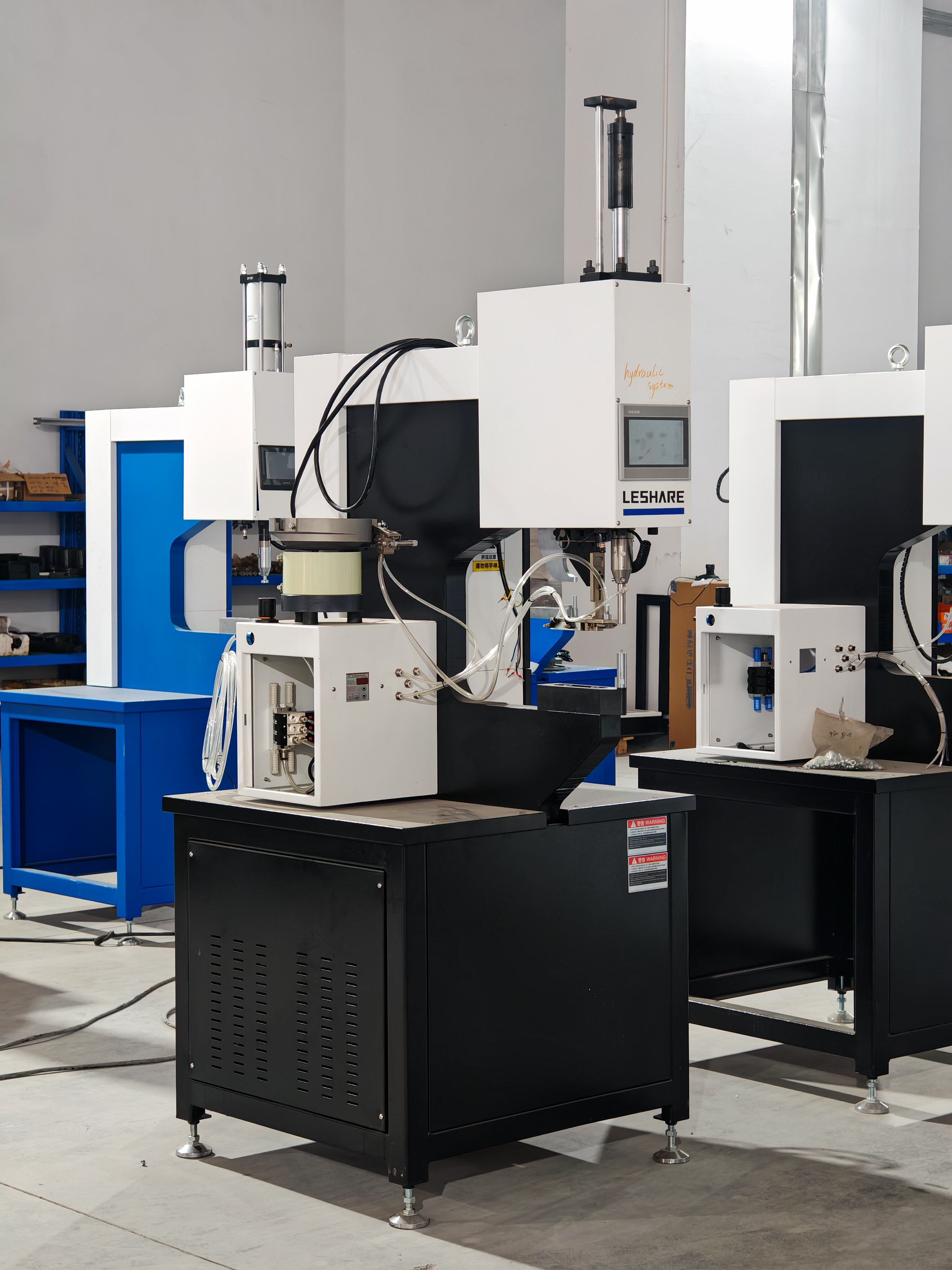
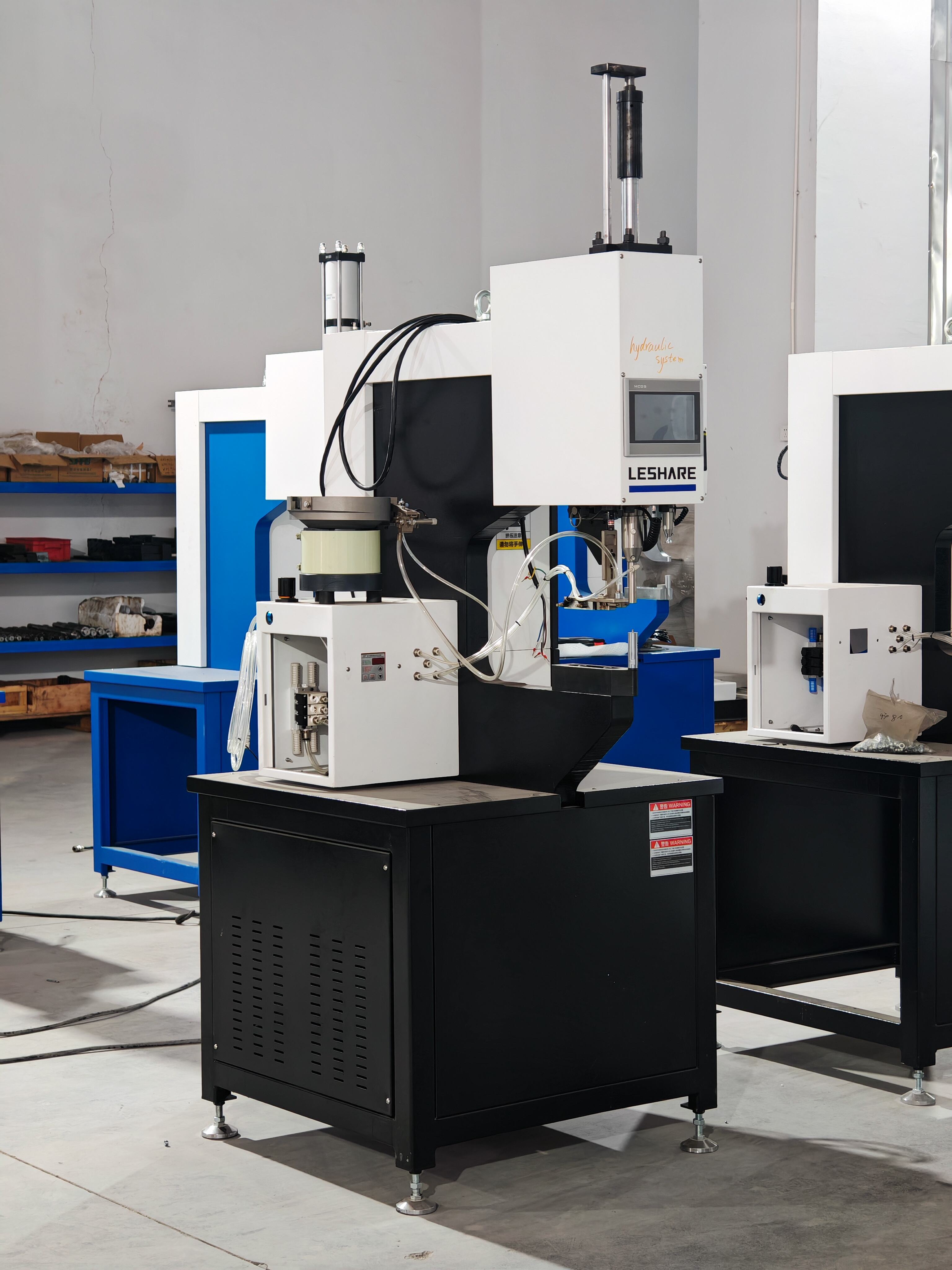
Professional Clinch Fastener Insertion Machine - Advanced Automated Fastening Solutions

Get a Free Quote

Our representative will contact you soon.
Email
Name
Company Name
Message
0/1000

clinch fastener insertion machine

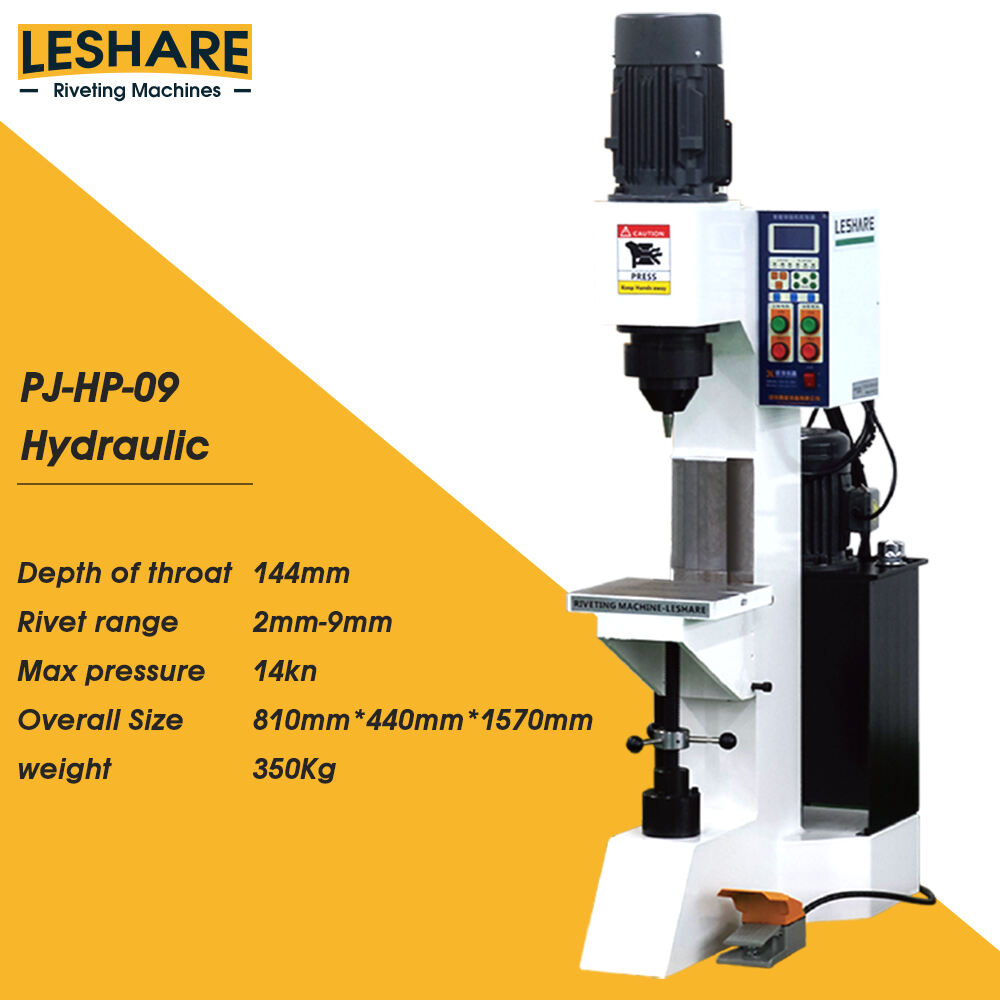
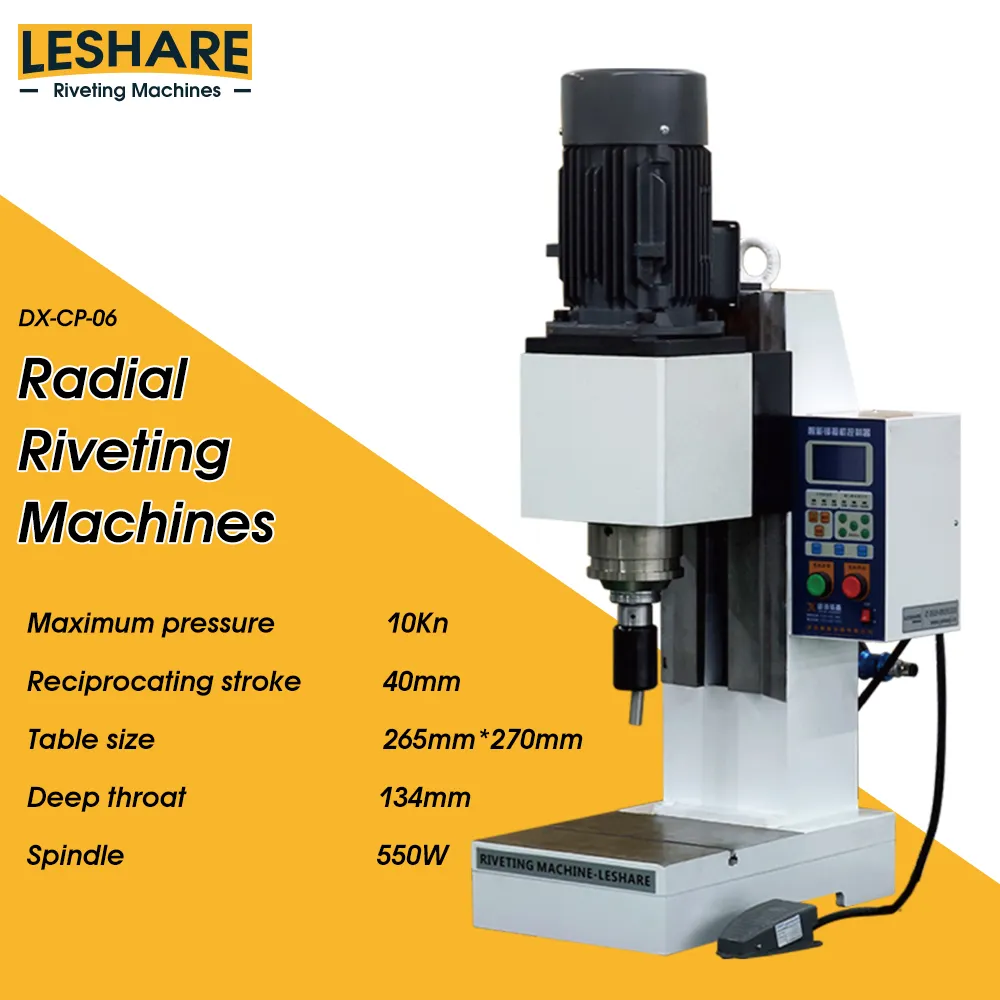
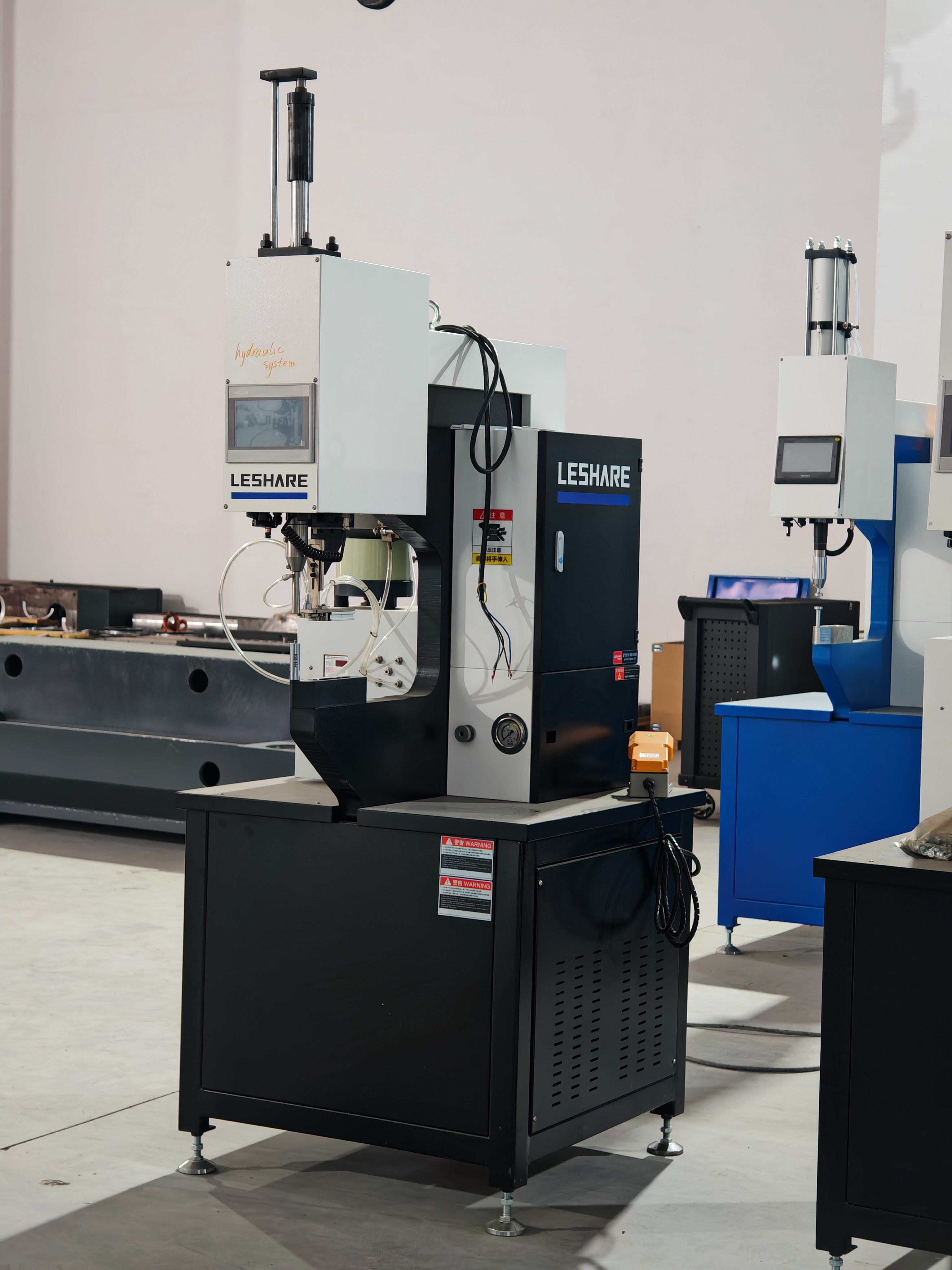
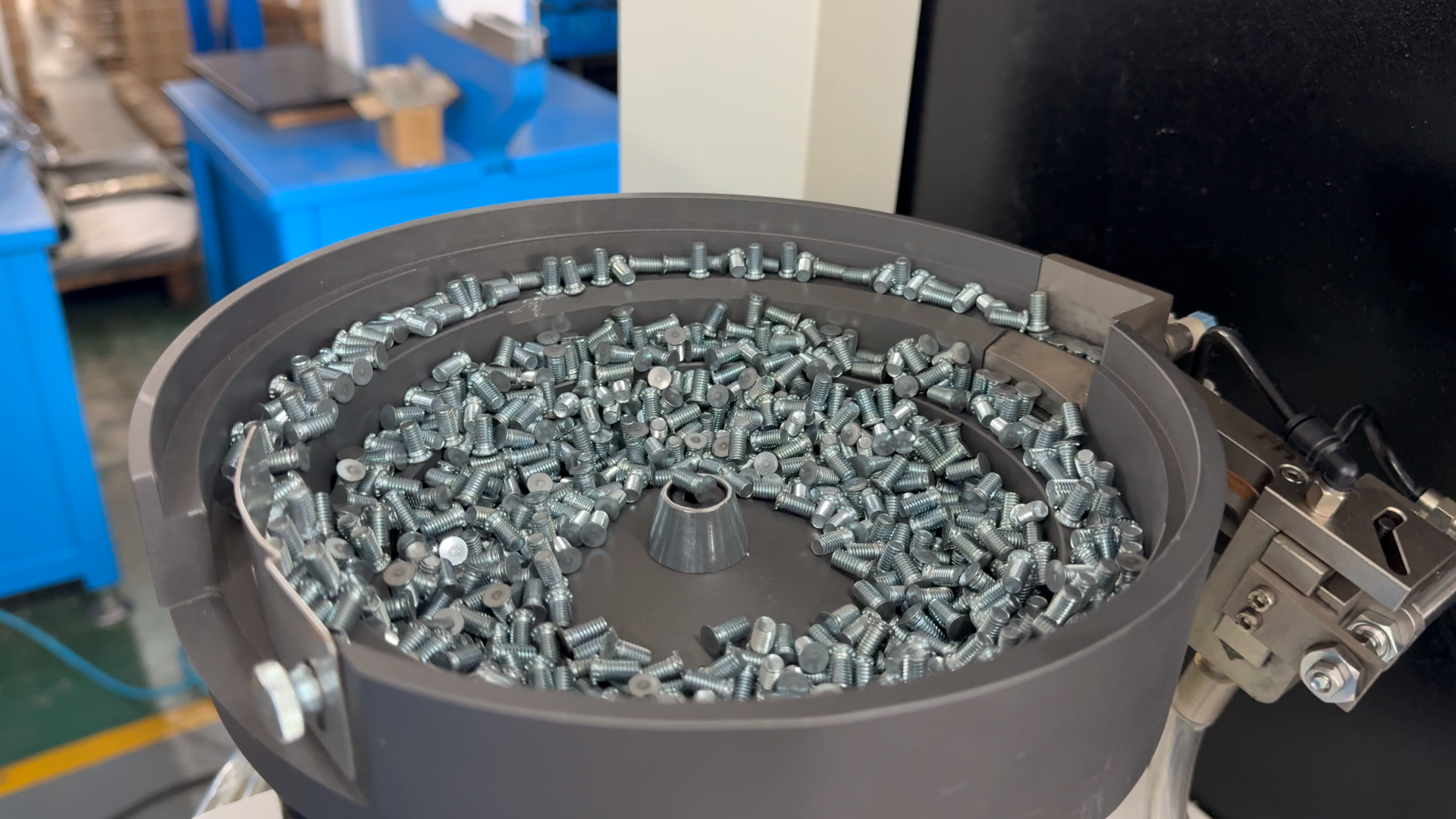
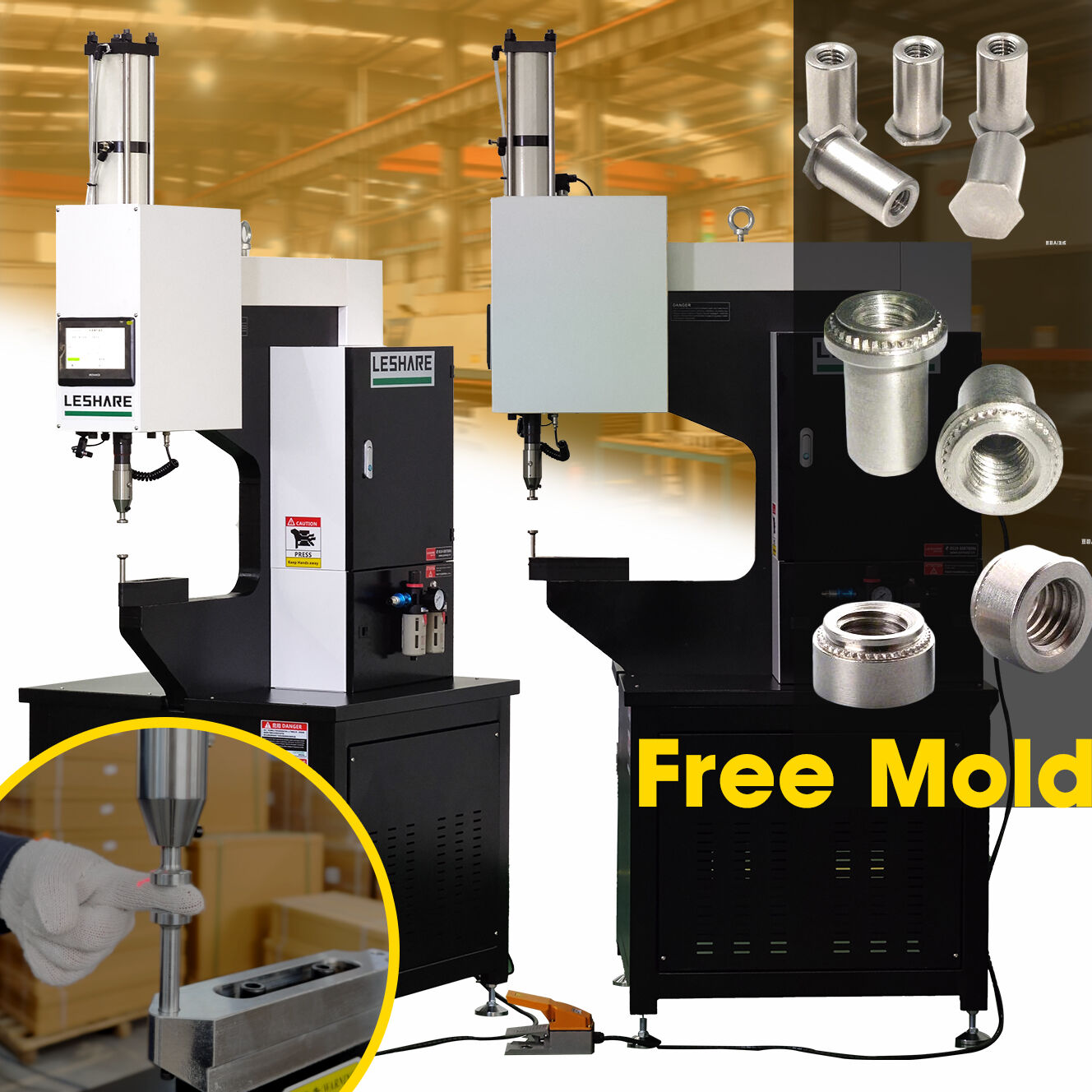
A clinch fastener insertion machine represents a sophisticated piece of industrial equipment designed to automate the process of inserting clinch fasteners into various materials with exceptional precision and efficiency. These specialized machines serve as essential components in modern manufacturing environments where consistent, reliable fastening solutions are required across diverse applications. The clinch fastener insertion machine operates through advanced mechanical systems that position, align, and insert clinch fasteners into pre-punched holes or create holes simultaneously during the insertion process. The primary function of a clinch fastener insertion machine centers on delivering consistent fastening results while significantly reducing manual labor requirements. These machines feature programmable control systems that allow operators to customize insertion parameters including force settings, positioning coordinates, and cycle timing to match specific production requirements. The technological framework incorporates servo-driven mechanisms that provide precise control over fastener placement, ensuring optimal insertion depth and alignment consistency throughout extended production runs. Modern clinch fastener insertion machines integrate seamlessly with existing production lines through conveyor systems and automated material handling equipment. The machines accommodate various clinch fastener types including threaded inserts, press-fit nuts, studs, and specialty fasteners designed for specific applications. Advanced sensor technology monitors insertion quality in real-time, detecting potential issues such as misalignment, insufficient insertion force, or material defects that could compromise fastening integrity. The versatility of clinch fastener insertion machines extends across multiple industries including automotive manufacturing, electronics assembly, aerospace component production, and appliance manufacturing. These applications benefit from the machine's ability to work with diverse materials ranging from thin sheet metals to composite materials and plastic substrates. Quality control features built into clinch fastener insertion machines include torque monitoring, insertion depth verification, and automated reject systems that maintain production standards while minimizing waste and rework requirements.

New Product Releases

The clinch fastener insertion machine delivers substantial operational benefits that directly translate into improved manufacturing efficiency and cost savings for businesses across various industries. Companies experience immediate productivity gains through automated insertion processes that eliminate manual handling errors while maintaining consistent quality standards throughout production cycles. The machine's ability to operate continuously with minimal supervision allows manufacturers to maximize throughput while reducing labor costs associated with traditional manual fastener installation methods. Quality consistency represents another significant advantage as the clinch fastener insertion machine maintains precise insertion parameters that ensure uniform fastening strength and alignment across all products. This consistency reduces warranty claims and customer complaints while building brand reputation for reliability and quality craftsmanship. The automated nature of the process eliminates human error factors that commonly occur with manual fastener installation, resulting in fewer defective products and reduced rework requirements. Manufacturing flexibility increases substantially when implementing a clinch fastener insertion machine as these systems accommodate rapid changeovers between different fastener types and sizes. Production teams can switch between various products without extensive downtime, enabling efficient small-batch manufacturing and custom order fulfillment capabilities. The machine's programmable controls store multiple fastener configurations, allowing operators to recall specific settings instantly when production requirements change. Cost reduction benefits extend beyond labor savings to include material waste reduction and improved resource utilization. The clinch fastener insertion machine optimizes fastener usage by preventing over-insertion, cross-threading, and other installation errors that typically result in material waste. Energy efficiency features incorporated into modern machines reduce operational costs while supporting environmental sustainability initiatives. Long-term reliability advantages emerge through reduced maintenance requirements compared to manual installation tools and equipment. The clinch fastener insertion machine features robust construction designed for extended operational life with minimal service interruptions. Preventive maintenance schedules are straightforward and cost-effective, ensuring consistent performance while protecting equipment investments. Safety improvements represent crucial advantages as automated systems reduce worker exposure to repetitive stress injuries and hazardous manual operations, creating safer work environments while maintaining compliance with occupational safety regulations.

Tips And Tricks

Why Are Automotive Suppliers Increasingly Relying on Clinching Machines?

11

Dec

Why Are Automotive Suppliers Increasingly Relying on Clinching Machines?

The automotive manufacturing industry has witnessed a remarkable transformation in recent years, driven by the need for lighter, stronger, and more cost-effective production methods. Among the various technological advancements reshaping the sector, ...
View More
How Do You Match Fastener Types to the Right Fastener Insertion Machine?

29

Dec

How Do You Match Fastener Types to the Right Fastener Insertion Machine?

Selecting the appropriate fastener insertion machine for your manufacturing operation requires careful consideration of multiple technical factors that directly impact production efficiency, quality, and cost-effectiveness. Modern industrial applicat...
View More
Why Are Electronics Plants Adopting Fastener Insertion Machines for Enclosures?

29

Dec

Why Are Electronics Plants Adopting Fastener Insertion Machines for Enclosures?

Improving the Structural Integrity of Electronic Enclosures In modern electronics plants, manufacturers continually pursue efficiency, precision, and long-term durability in every part of the assembly process. When it comes to electronic enclosures, ...
View More
How to Choose the Right Automatic Riveting Machine for Your Line?

18

Mar

How to Choose the Right Automatic Riveting Machine for Your Line?

Manufacturing efficiency depends heavily on selecting the right equipment for your production line. An automatic riveting machine represents a critical investment that can significantly impact your operational productivity, product quality, and overa...
View More

Get a Free Quote

Our representative will contact you soon.
Email
Name
Company Name
Message
0/1000

clinch fastener insertion machine

Advanced Precision Control Technology

Advanced Precision Control Technology

The clinch fastener insertion machine incorporates cutting-edge precision control technology that revolutionizes fastener installation accuracy and consistency across manufacturing operations. This sophisticated system employs servo-driven actuators combined with high-resolution encoders that monitor and control every aspect of the insertion process with micron-level precision. The technology enables manufacturers to achieve insertion tolerances that would be impossible through manual methods while maintaining these standards throughout extended production runs. The precision control system features real-time feedback mechanisms that continuously monitor insertion force, position, and timing to ensure optimal fastener placement. Advanced algorithms process sensor data instantaneously, making micro-adjustments to insertion parameters that compensate for material variations and environmental factors. This dynamic response capability prevents fastener damage while ensuring consistent installation quality regardless of production variables. The control technology integrates seamlessly with quality management systems, providing comprehensive data logging and traceability features that support ISO certification requirements and customer quality standards. Manufacturers benefit from detailed insertion reports that document force curves, position data, and cycle times for every fastener installed, enabling process optimization and quality improvement initiatives. The system's ability to detect and flag potential quality issues before they become defects saves significant costs associated with rework and customer returns. Programming flexibility represents another crucial aspect of the precision control technology, allowing operators to create custom insertion profiles for specific applications and materials. The intuitive interface enables rapid setup changes and parameter adjustments without requiring extensive technical expertise. Multiple fastener programs can be stored and recalled instantly, supporting efficient production changeovers and reducing setup time between different product lines. The technology also includes predictive maintenance capabilities that monitor system performance and component wear, alerting operators to potential issues before they impact production quality or equipment reliability.
Versatile Multi-Material Compatibility

Versatile Multi-Material Compatibility

The clinch fastener insertion machine demonstrates exceptional versatility through its multi-material compatibility features that enable successful fastener installation across diverse substrate types and thicknesses. This adaptability makes the machine invaluable for manufacturers working with various materials including aluminum sheets, steel panels, composite materials, and engineered plastics commonly used in modern manufacturing applications. The machine's design incorporates adjustable insertion mechanisms that automatically adapt to different material characteristics, ensuring optimal fastener engagement regardless of substrate properties. Material-specific insertion profiles optimize force application and timing sequences to prevent damage while achieving maximum fastener retention strength. The system recognizes material types through integrated sensors and automatically adjusts insertion parameters to match predetermined specifications for each substrate category. This intelligent adaptation eliminates the need for manual adjustments and reduces the risk of installation errors that could compromise product quality. Thickness variation accommodation represents a critical capability that allows the clinch fastener insertion machine to handle materials ranging from thin foils to thick structural components without requiring extensive setup changes. The machine's stroke adjustment mechanisms provide precise depth control that ensures proper fastener engagement across varying material thicknesses while maintaining consistent installation quality. This flexibility enables manufacturers to process diverse product lines using a single machine configuration, maximizing equipment utilization and reducing capital equipment requirements. Composite material handling capabilities distinguish modern clinch fastener insertion machines from conventional installation equipment. The machine's controlled insertion process prevents delamination and fiber damage that commonly occurs with manual installation methods, preserving structural integrity while achieving reliable fastener retention. Special insertion profiles designed for composite materials optimize force distribution and insertion timing to minimize stress concentrations and prevent material degradation. The multi-material compatibility extends to exotic alloys and specialized substrates used in aerospace and medical device manufacturing, where material preservation and fastener reliability are critical requirements. Advanced force monitoring prevents over-stressing of delicate materials while ensuring adequate fastener retention for demanding applications.
Integrated Quality Assurance Systems

Integrated Quality Assurance Systems

The clinch fastener insertion machine features comprehensive integrated quality assurance systems that provide real-time monitoring and verification of fastener installation quality throughout production operations. These sophisticated systems combine multiple sensing technologies with intelligent analysis algorithms to detect potential quality issues immediately, preventing defective products from advancing through the manufacturing process. The quality assurance framework continuously monitors critical installation parameters including insertion force, fastener position, material deformation, and retention torque to ensure every fastener meets predetermined specifications. Real-time quality monitoring capabilities enable immediate detection of installation anomalies such as insufficient insertion depth, excessive force application, or fastener misalignment that could compromise product performance or safety. The system generates instant alerts when parameters exceed acceptable ranges, allowing operators to address issues immediately rather than discovering problems during subsequent quality inspections. This proactive approach significantly reduces scrap rates and rework requirements while maintaining consistent product quality standards. Statistical process control features built into the quality assurance system track installation trends and identify gradual parameter drift that could indicate equipment wear or material variations. The system generates comprehensive quality reports that include control charts, capability studies, and trend analyses that support continuous improvement initiatives and customer quality requirements. Data integration capabilities enable seamless connection with enterprise quality management systems, providing complete traceability from raw materials through finished products. Automated reject systems represent a crucial component of the integrated quality assurance framework, immediately removing defective parts from the production line when quality parameters exceed acceptable limits. The rejection mechanism operates without human intervention, ensuring consistent quality enforcement while maintaining production flow efficiency. Rejected parts are clearly marked and segregated for analysis, enabling rapid identification of root causes and corrective actions. Calibration and validation features ensure the quality assurance system maintains accuracy throughout extended operation periods. Automated calibration routines verify sensor accuracy and system performance, generating certificates and documentation required for quality standard compliance. The system maintains detailed calibration histories and alerts operators when calibration intervals expire, ensuring continued measurement reliability and regulatory compliance in regulated industries.

Get a Free Quote

Our representative will contact you soon.
Email
Name
Company Name
Message
0/1000