Hydraulic Fastener Insertion Machine: Advanced Manufacturing Solution for Precision Assembly

Get a Free Quote

Our representative will contact you soon.
Email
Name
Company Name
Message
0/1000

hydraulic fastener insertion machine

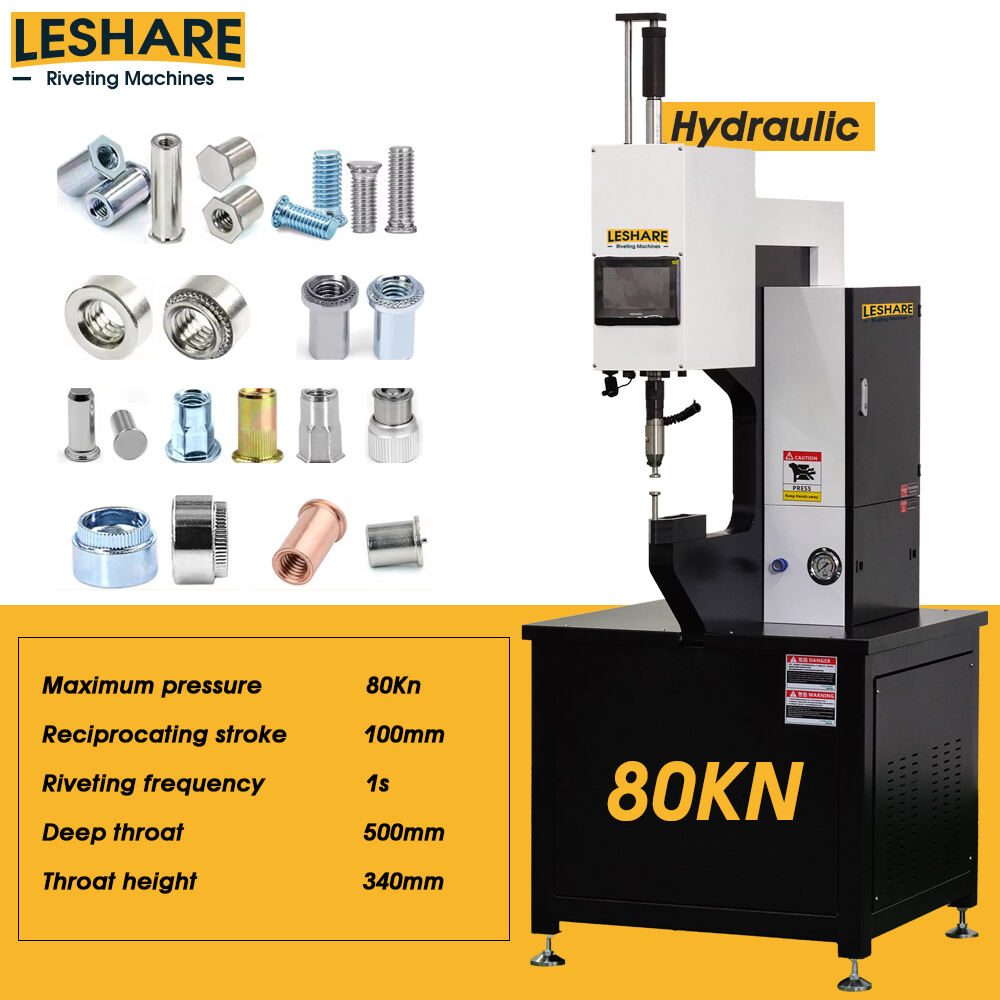
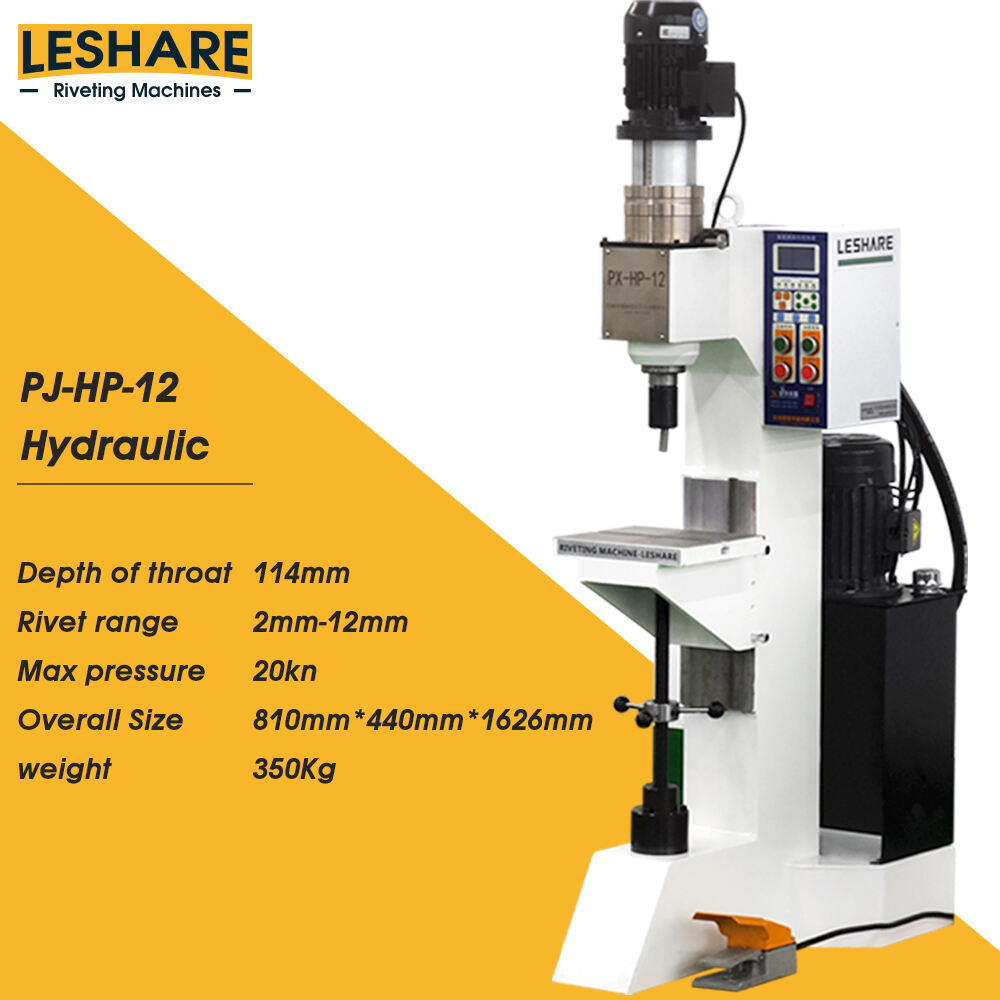
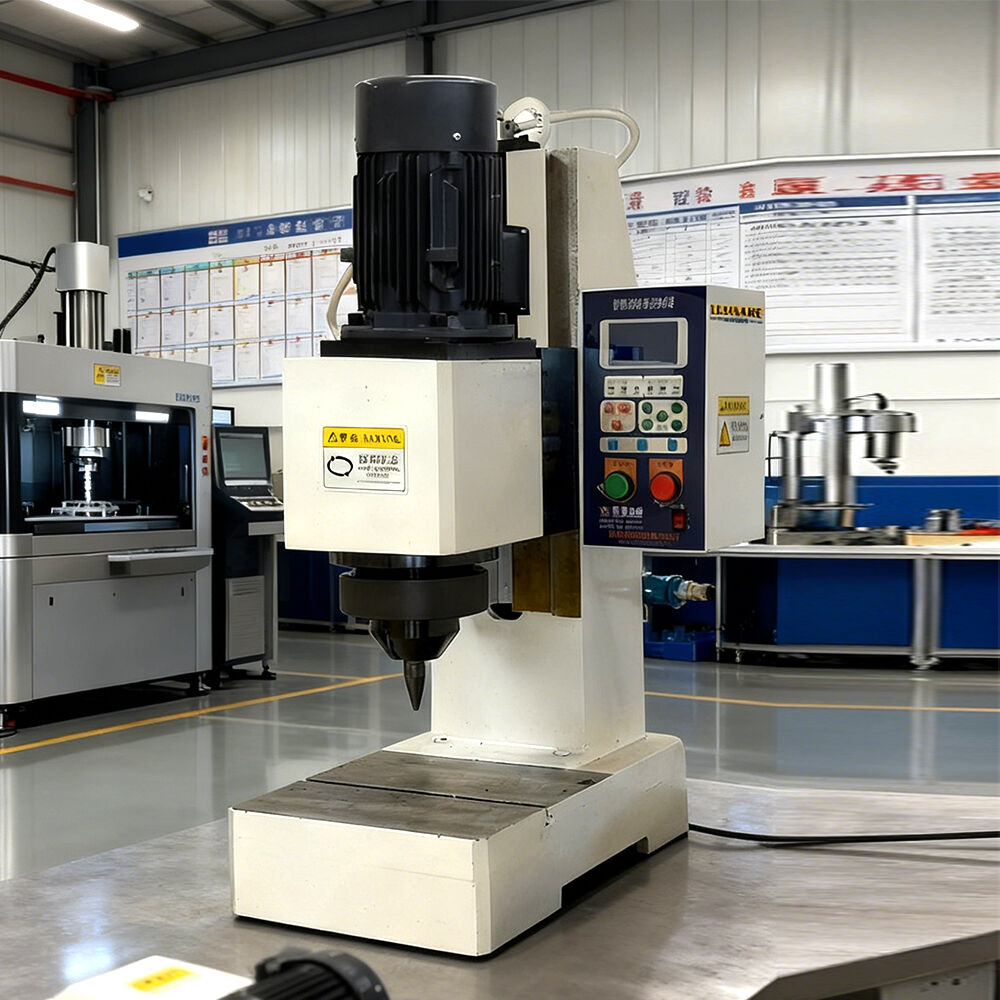
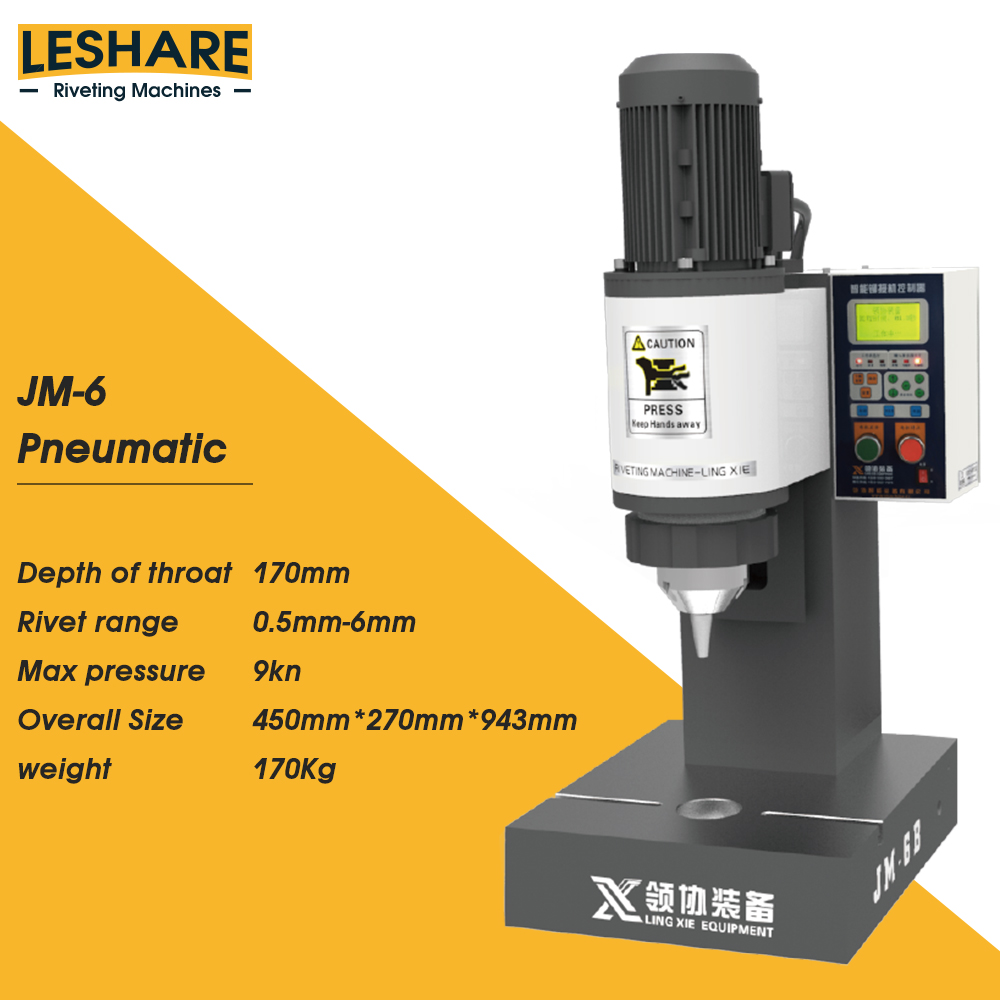
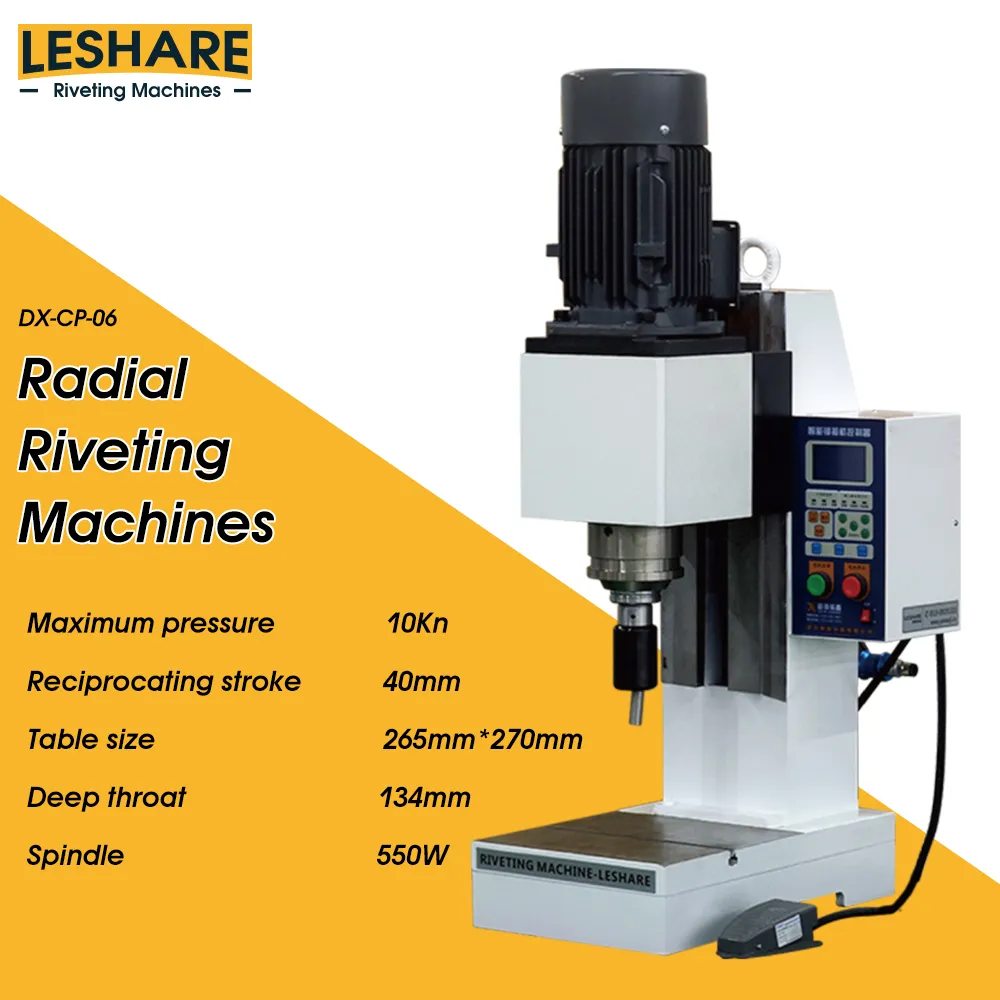
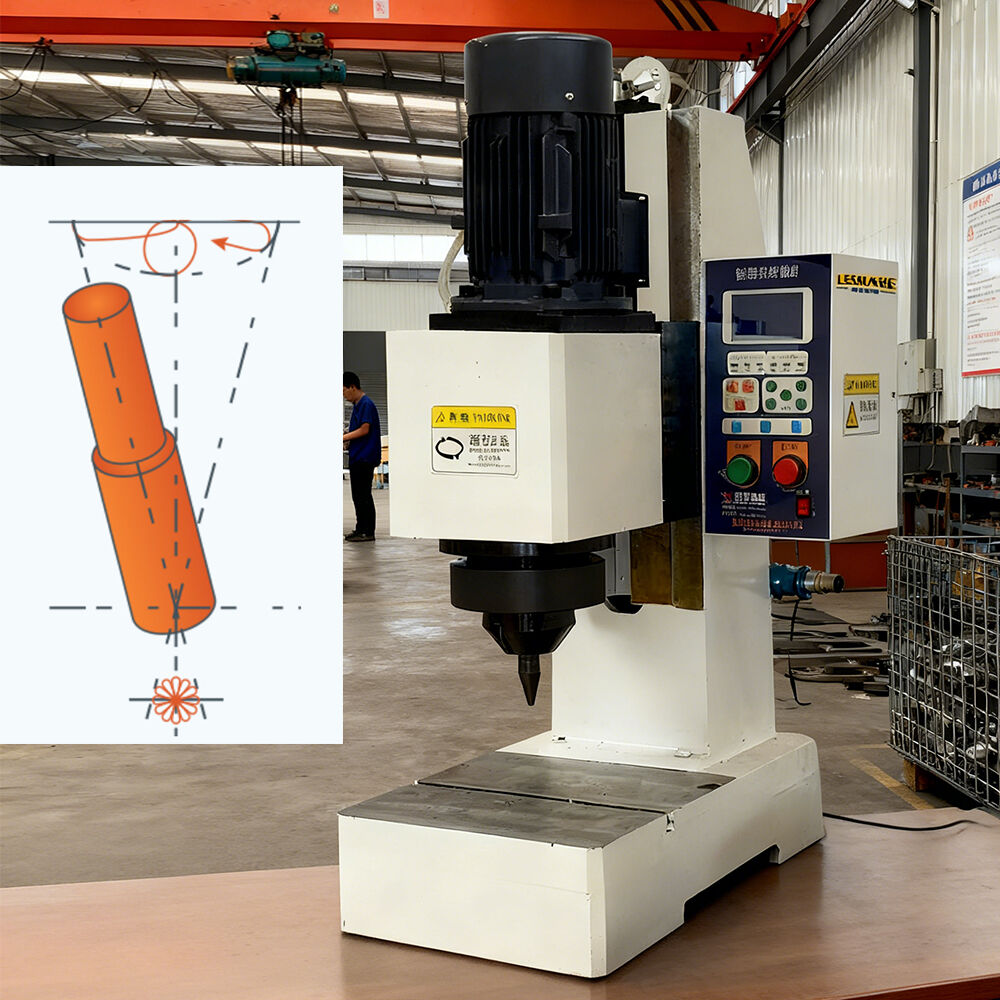
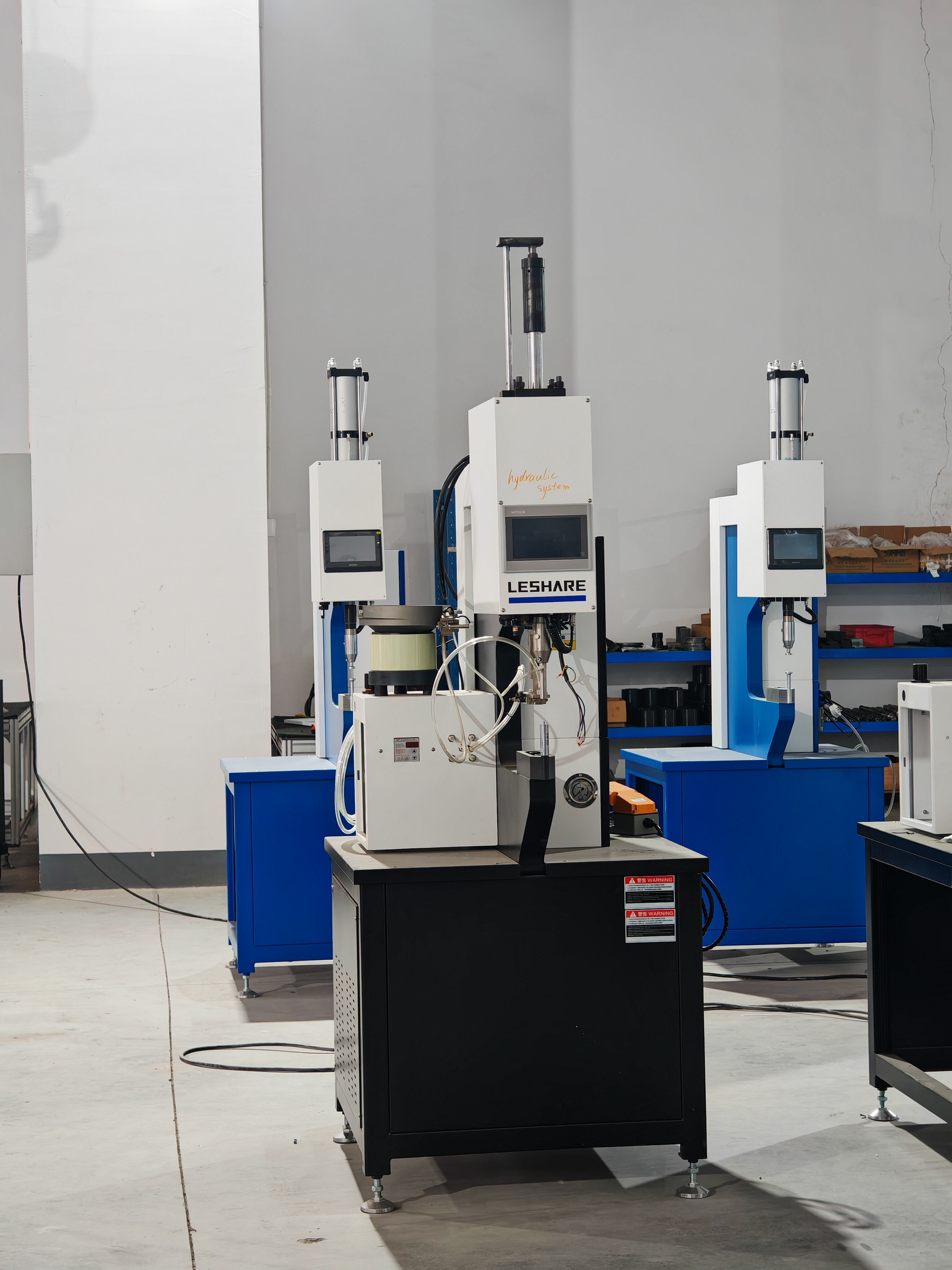
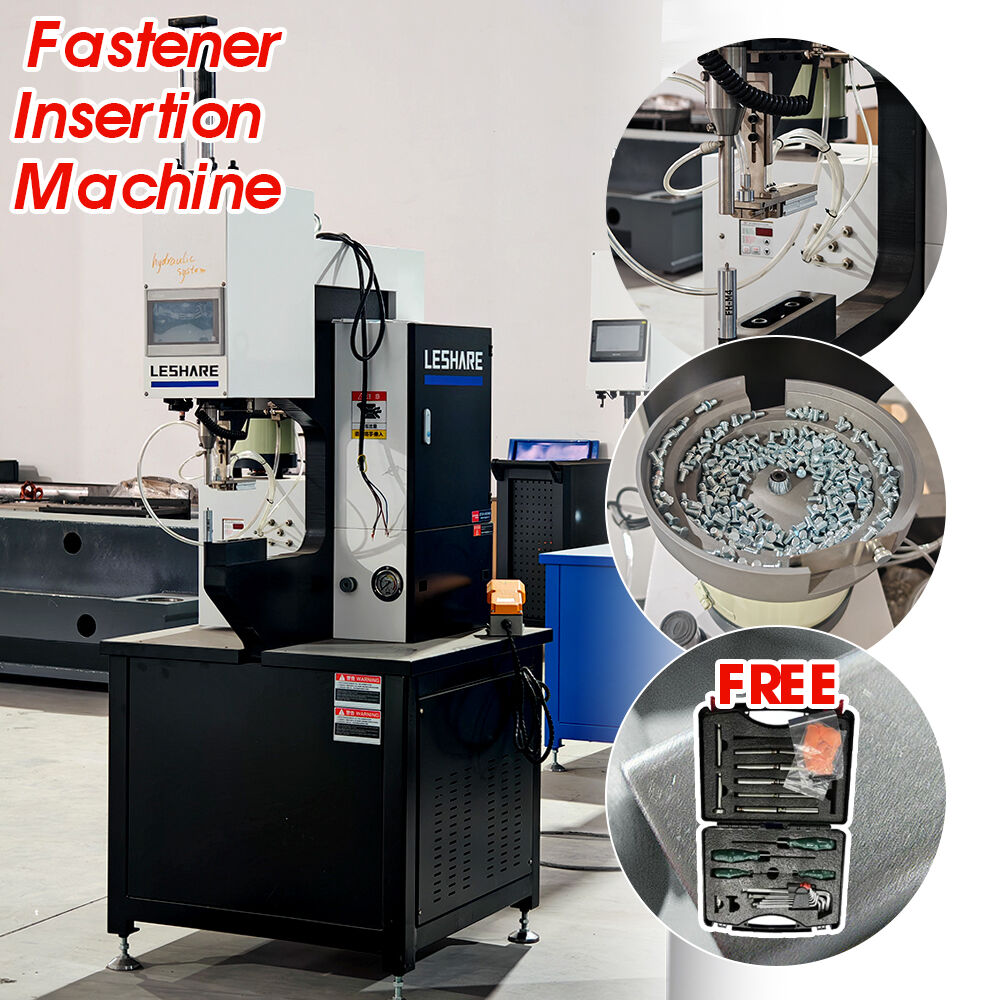
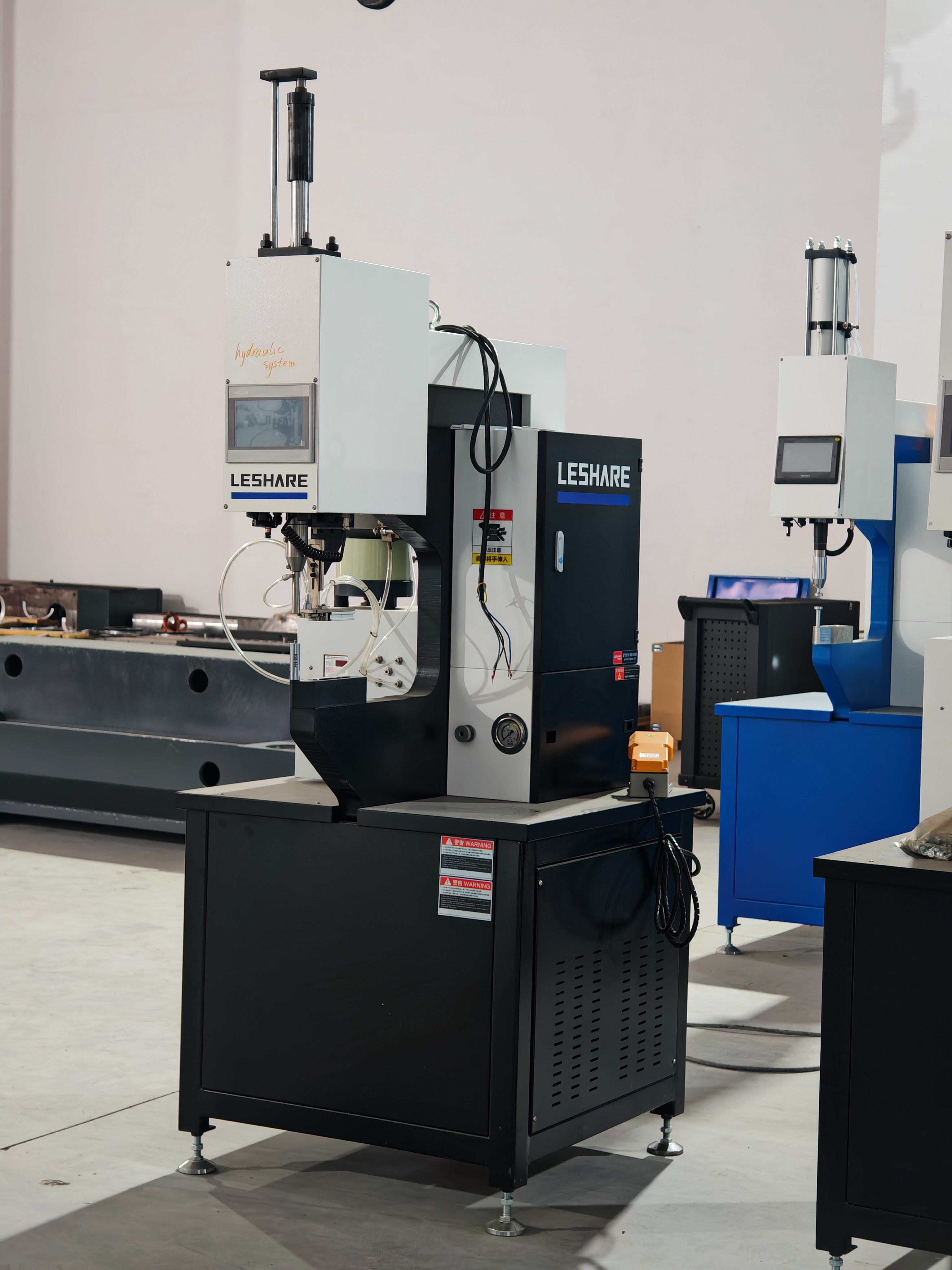
The hydraulic fastener insertion machine represents a revolutionary advancement in manufacturing technology, designed to streamline the process of inserting various fasteners into materials with unprecedented precision and efficiency. This sophisticated equipment utilizes hydraulic power systems to deliver consistent, controlled force during fastener installation, making it an indispensable tool for industries requiring high-volume production and reliable assembly processes. The hydraulic fastener insertion machine operates through a carefully engineered system that combines hydraulic cylinders, pressure regulators, and precision positioning mechanisms to ensure accurate placement of fasteners ranging from rivets and screws to specialized industrial connectors. The machine's core functionality centers around its ability to generate substantial insertion force while maintaining exceptional control over the application process. Through advanced hydraulic technology, operators can adjust pressure settings to accommodate different materials and fastener types, ensuring optimal insertion depth and preventing damage to workpieces. The technological architecture incorporates programmable logic controllers that enable automated sequencing, reducing human error and increasing production consistency. Modern hydraulic fastener insertion machines feature intuitive control interfaces that allow operators to store multiple program settings for different production runs, significantly reducing setup time and improving workflow efficiency. The equipment's robust construction ensures long-term reliability in demanding industrial environments, while safety systems protect both operators and equipment from potential hazards. Applications for the hydraulic fastener insertion machine span across diverse industries including automotive manufacturing, aerospace assembly, electronics production, and construction equipment fabrication. In automotive applications, these machines excel at inserting fasteners into body panels, chassis components, and interior assemblies where precision and speed are critical. The aerospace industry relies on hydraulic fastener insertion machines for assembling aircraft components that require exceptional strength and reliability. Electronics manufacturers utilize these systems for inserting fasteners into circuit boards and enclosures where delicate handling is essential. The versatility of the hydraulic fastener insertion machine makes it suitable for both high-volume production lines and specialized custom manufacturing operations, providing manufacturers with the flexibility to adapt to changing production requirements while maintaining consistent quality standards.

New Product Recommendations

The hydraulic fastener insertion machine delivers exceptional productivity improvements that directly impact manufacturing efficiency and profitability. Companies utilizing these advanced systems experience significant reductions in assembly time, with insertion speeds often exceeding manual methods by 300-500 percent. This dramatic increase in throughput allows manufacturers to meet demanding production schedules while reducing labor costs associated with manual fastener installation. The precision control offered by hydraulic systems ensures consistent insertion force across thousands of operations, eliminating variations that commonly occur with pneumatic or manual installation methods. This consistency translates into improved product quality and reduced rejection rates, saving manufacturers substantial costs in rework and warranty claims. The hydraulic fastener insertion machine provides superior force control capabilities that prevent over-insertion or under-insertion of fasteners, problems that frequently plague alternative installation methods. Operators can fine-tune pressure settings to match specific material characteristics and fastener requirements, ensuring optimal holding strength without compromising material integrity. The economic benefits extend beyond initial productivity gains, as the hydraulic fastener insertion machine requires minimal maintenance compared to complex pneumatic systems. Hydraulic components typically offer longer service life and more predictable maintenance schedules, reducing unexpected downtime and associated production losses. Energy efficiency represents another significant advantage, as hydraulic systems operate more efficiently than many alternative power sources, particularly in applications requiring high force output. The machine's ability to handle diverse fastener types eliminates the need for multiple specialized tools, reducing equipment investment and simplifying inventory management. Training requirements are minimized through intuitive control systems that allow operators to quickly master machine operation, reducing the learning curve associated with new equipment implementation. Safety improvements are substantial, as the hydraulic fastener insertion machine incorporates multiple safety features that protect operators from injury risks commonly associated with manual fastener installation. Automatic cycle completion prevents accidental double-insertion, while pressure monitoring systems alert operators to potential problems before they result in equipment damage or safety hazards. The repeatability achieved through hydraulic control systems ensures consistent product quality that meets stringent manufacturing standards, particularly important in industries where fastener integrity is critical to product performance and safety. Quality control benefits include the ability to monitor and record insertion parameters for each fastener, providing valuable data for process optimization and quality assurance documentation. This data collection capability supports continuous improvement initiatives and helps manufacturers identify opportunities for further efficiency gains.

Practical Tips

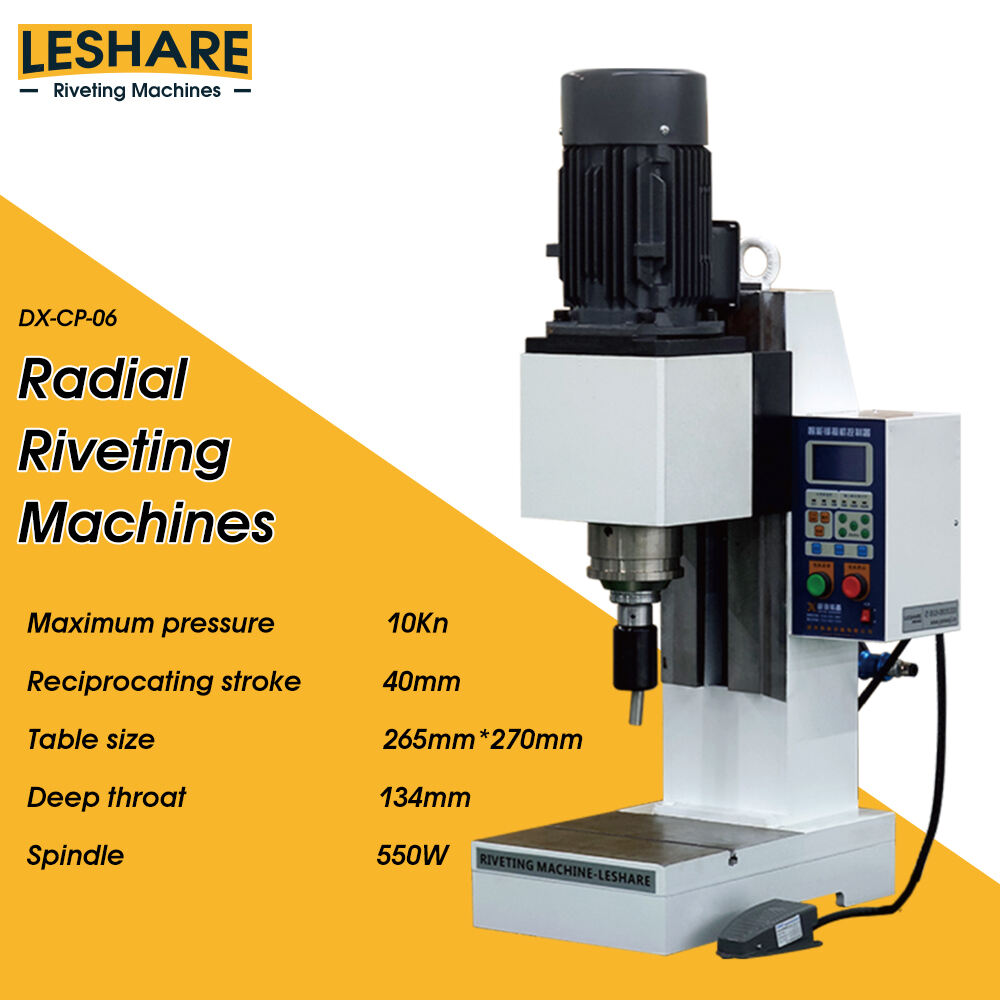
What factors affect radial riveting machines performance and stability?

28

Jan

What factors affect radial riveting machines performance and stability?

Manufacturing precision and operational reliability in industrial assembly processes depend heavily on the performance characteristics of radial riveting machines. These sophisticated pieces of equipment have become indispensable in automotive, aeros...
View More
How can radial riveting machines reduce failure rates in mass production?

28

Jan

How can radial riveting machines reduce failure rates in mass production?

Manufacturing industries constantly seek solutions to minimize production failures and enhance product reliability. Radial riveting machines have emerged as a critical technology for achieving superior joint quality in mass production environments. T...
View More
Why is a nonrotating shaft radial riveter critical in delicate assemblies?

28

Jan

Why is a nonrotating shaft radial riveter critical in delicate assemblies?

In precision manufacturing environments where component integrity and assembly quality determine product success, the choice of joining technology becomes paramount. A nonrotating shaft radial riveter represents a specialized solution engineered spec...
View More
How Does an Orbital Riveting Machine Improve Assembly Efficiency?

26

Feb

How Does an Orbital Riveting Machine Improve Assembly Efficiency?

Manufacturing industries constantly seek innovative solutions to enhance assembly efficiency while maintaining superior product quality. An orbital riveting machine represents a breakthrough technology that revolutionizes traditional fastening method...
View More

Get a Free Quote

Our representative will contact you soon.
Email
Name
Company Name
Message
0/1000

hydraulic fastener insertion machine

Precision Force Control Technology

Precision Force Control Technology

The hydraulic fastener insertion machine's precision force control technology represents the pinnacle of modern manufacturing innovation, delivering unmatched accuracy in fastener installation across diverse industrial applications. This advanced system utilizes sophisticated pressure regulation mechanisms that provide operators with granular control over insertion force, enabling precise adjustment for different materials, fastener types, and application requirements. The technology incorporates high-resolution pressure sensors that continuously monitor hydraulic pressure throughout the insertion cycle, ensuring consistent force application and preventing variations that could compromise fastener integrity or damage delicate workpieces. The force control system's responsiveness allows for real-time adjustments during operation, automatically compensating for material variations or fastener inconsistencies that might otherwise result in installation problems. This level of precision control is particularly valuable in applications involving sensitive electronic components, where excessive force could cause irreparable damage, or in structural applications where insufficient insertion force could compromise joint strength and reliability. The hydraulic fastener insertion machine's force control technology features programmable pressure profiles that can be customized for specific applications, storing multiple settings for different production runs and eliminating the need for manual adjustments between jobs. This capability significantly reduces setup time and minimizes the risk of operator error, contributing to improved production efficiency and consistent quality outcomes. The system's feedback mechanisms provide operators with real-time data on insertion force, depth, and cycle completion status, enabling immediate identification of potential issues and facilitating proactive quality control measures. Advanced diagnostics built into the force control system monitor hydraulic component performance and provide predictive maintenance alerts, helping manufacturers avoid unexpected equipment failures and costly production interruptions. The precision achievable through this technology ensures optimal fastener seating in every application, preventing the loose connections or damaged threads that frequently occur with less sophisticated installation methods. This reliability is especially critical in high-stakes applications such as aerospace manufacturing, where fastener failure could have catastrophic consequences, or in automotive production, where consistent quality is essential for vehicle safety and performance.
Versatile Multi-Material Compatibility

Versatile Multi-Material Compatibility

The hydraulic fastener insertion machine's versatile multi-material compatibility sets it apart from conventional installation equipment, offering manufacturers unprecedented flexibility in handling diverse production requirements across multiple material types and applications. This adaptability stems from the machine's sophisticated control systems that can be precisely calibrated to accommodate materials ranging from delicate plastics and composites to robust metals and specialized alloys. The hydraulic system's infinite force adjustment capability allows operators to optimize insertion parameters for each specific material combination, ensuring proper fastener seating without causing damage to workpieces or fasteners. This flexibility proves invaluable in modern manufacturing environments where product designs increasingly incorporate multiple materials to achieve specific performance characteristics or cost objectives. The machine's ability to seamlessly transition between different material types eliminates the need for dedicated equipment for each application, significantly reducing capital investment requirements and simplifying production line logistics. Material compatibility extends beyond basic insertion capabilities to include advanced features such as pre-programmed material profiles that automatically adjust machine settings based on detected material properties. This intelligent adaptation reduces setup time and minimizes the risk of operator error when switching between different production runs or product variants. The hydraulic fastener insertion machine excels in challenging applications involving dissimilar materials, where traditional installation methods often struggle to achieve consistent results. For example, when inserting fasteners through layered assemblies combining metal and composite materials, the machine's precise force control prevents delamination or cracking while ensuring adequate penetration through harder materials. The system's versatility also accommodates unusual material configurations such as honeycomb cores, foam-filled structures, or pre-finished surfaces where traditional installation methods might cause cosmetic damage or structural compromise. Quality assurance benefits are substantial, as the machine's material compatibility features include automatic adjustment capabilities that maintain consistent insertion quality regardless of normal material variations within specified tolerances. This consistency is particularly valuable in high-volume production environments where material properties may vary between batches or suppliers. The hydraulic fastener insertion machine's multi-material capability supports sustainable manufacturing practices by enabling efficient use of recycled materials and innovative eco-friendly composites that may have different mechanical properties than traditional materials.
Enhanced Production Efficiency and Automation

Enhanced Production Efficiency and Automation

The hydraulic fastener insertion machine's enhanced production efficiency and automation capabilities transform manufacturing operations by delivering unprecedented speed, consistency, and reliability in fastener installation processes. This advanced automation technology integrates seamlessly with existing production lines, providing manufacturers with the tools needed to achieve dramatic productivity improvements while maintaining superior quality standards. The machine's automated operation cycle eliminates the variability inherent in manual installation processes, ensuring that every fastener is inserted with identical parameters regardless of operator skill level or fatigue factors. This consistency is achieved through sophisticated programming capabilities that allow operators to define precise insertion sequences, including approach speed, insertion force, dwell time, and retraction parameters. The automation system's intelligence extends to adaptive learning capabilities that can adjust operation parameters based on real-time feedback from the installation process, optimizing performance for each specific application and material combination. Production efficiency gains are substantial, with automated cycles typically completing fastener installation 400-600 percent faster than manual methods while simultaneously improving accuracy and reducing waste. The hydraulic fastener insertion machine's automation features include advanced positioning systems that ensure precise fastener placement, eliminating the positioning errors that commonly occur with manual installation and reducing the need for rework or quality corrections. Integration capabilities allow the machine to communicate with upstream and downstream equipment, coordinating operations to minimize handling time and optimize overall production flow. The system's data collection and analysis capabilities provide valuable insights into production performance, identifying opportunities for further optimization and supporting continuous improvement initiatives. Quality control benefits include automatic rejection of defective fasteners or incomplete installations, preventing defective products from advancing through the production process and reducing downstream quality issues. The automation system's flexibility supports rapid changeover between different product configurations, with stored programs enabling quick transitions between production runs without extensive manual setup procedures. Predictive maintenance features monitor machine performance and component wear, scheduling maintenance activities to minimize production disruptions while ensuring optimal equipment reliability. The hydraulic fastener insertion machine's automation capabilities also enhance workplace safety by reducing operator exposure to repetitive motion injuries and eliminating the risk of hand injuries associated with manual fastener installation. Energy efficiency improvements result from optimized cycle timing and intelligent power management systems that reduce energy consumption during idle periods while maintaining ready-state responsiveness for immediate production resumption.

Get a Free Quote

Our representative will contact you soon.
Email
Name
Company Name
Message
0/1000