Versatile Multi-Application Compatibility and Flexibility
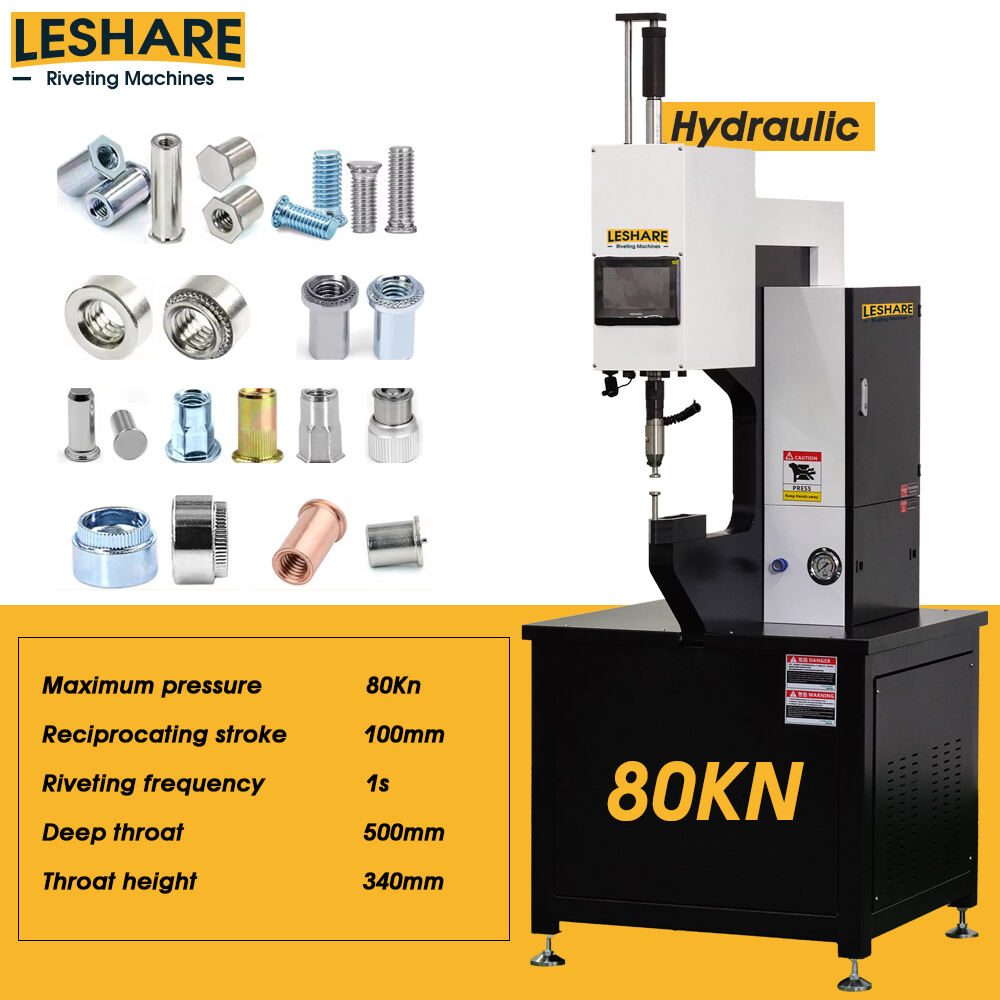
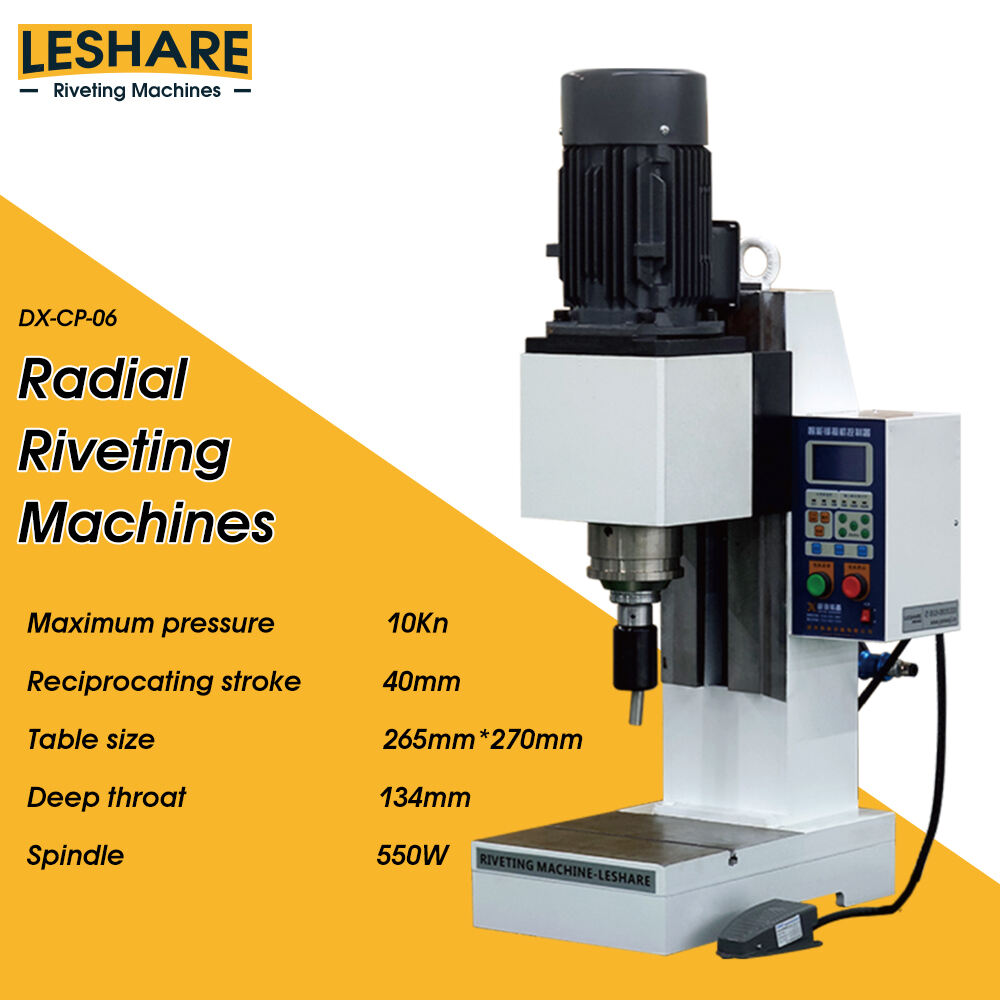
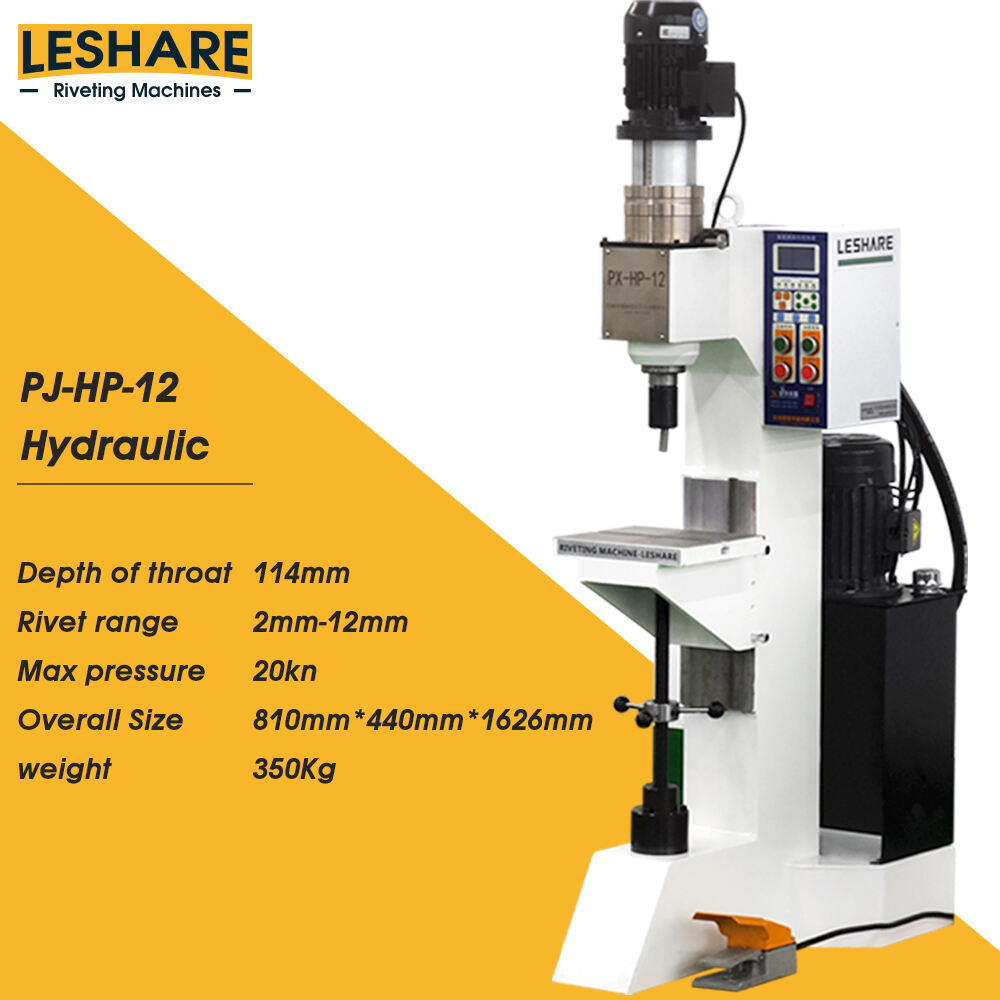
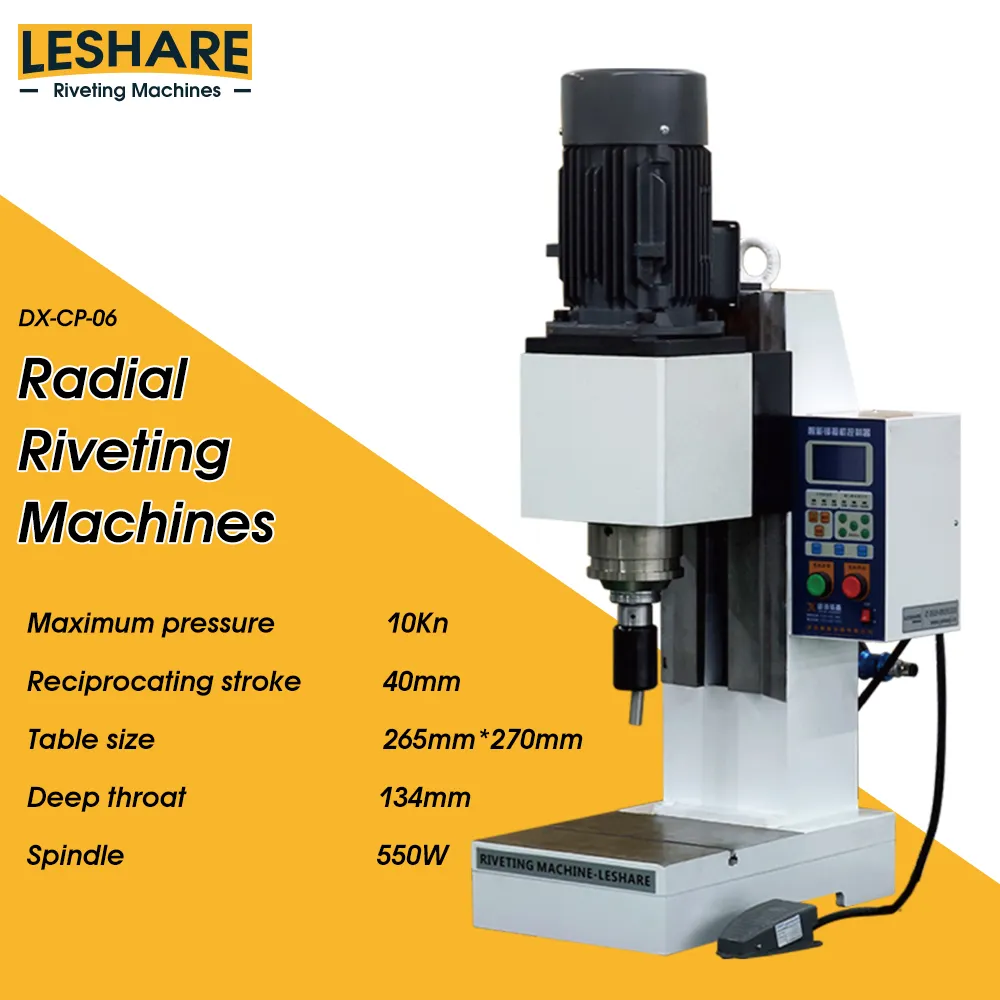
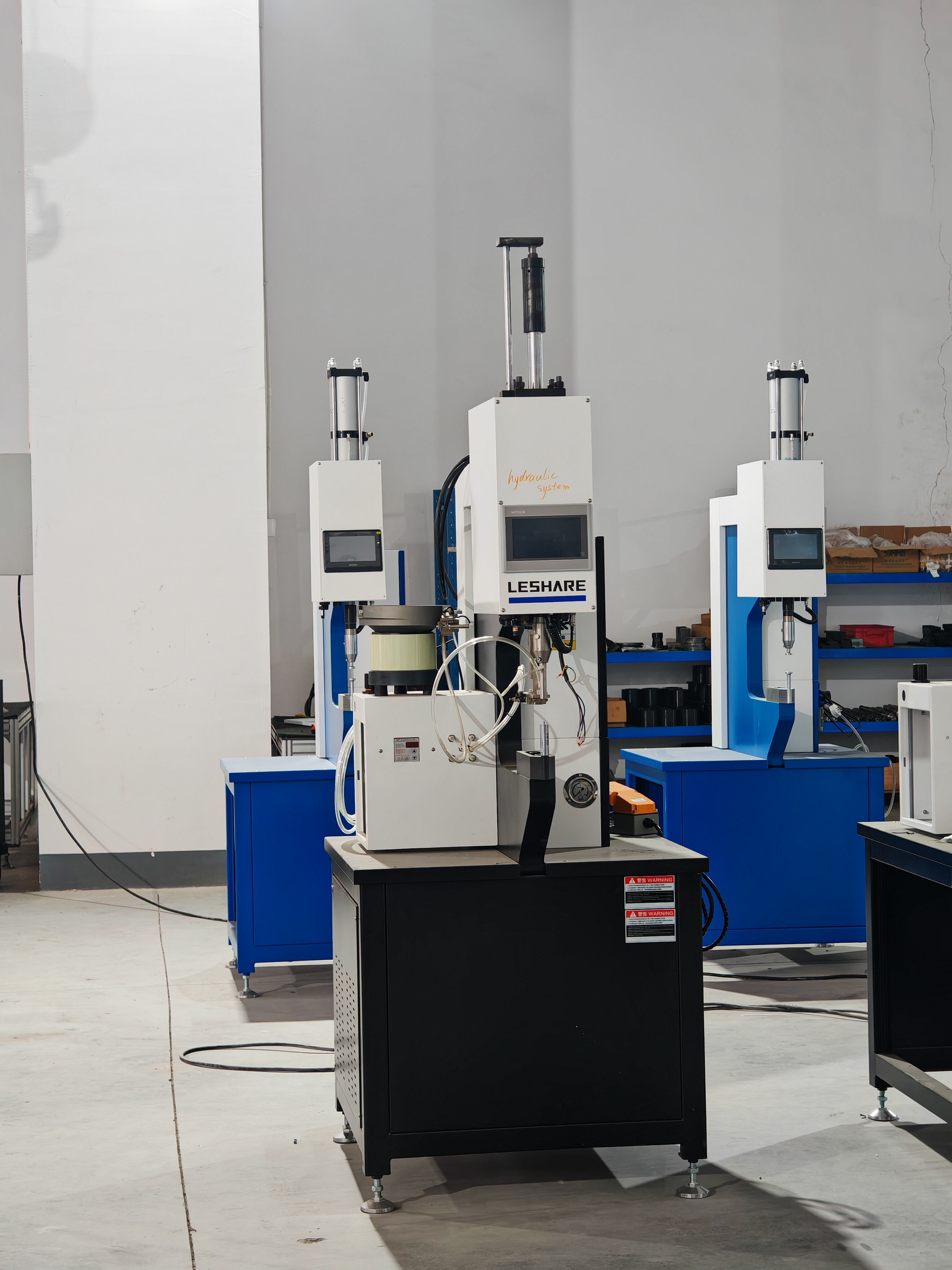
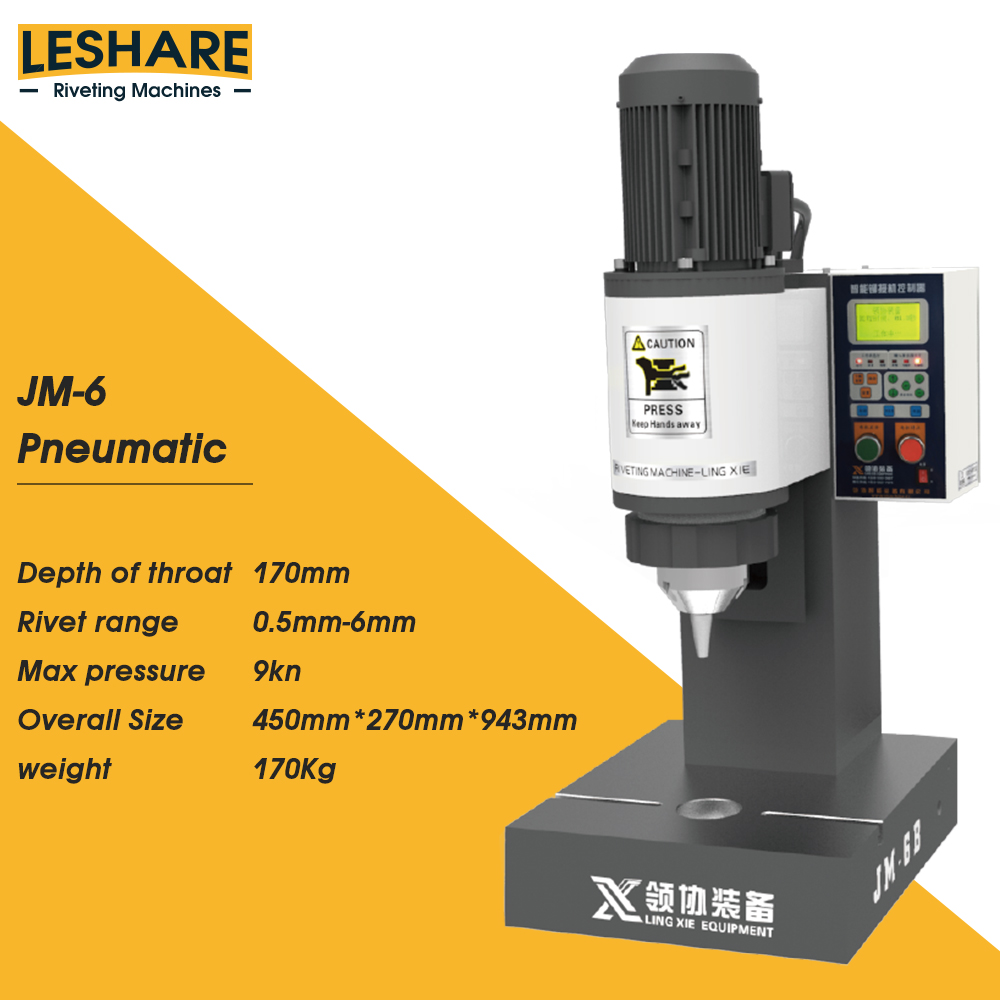
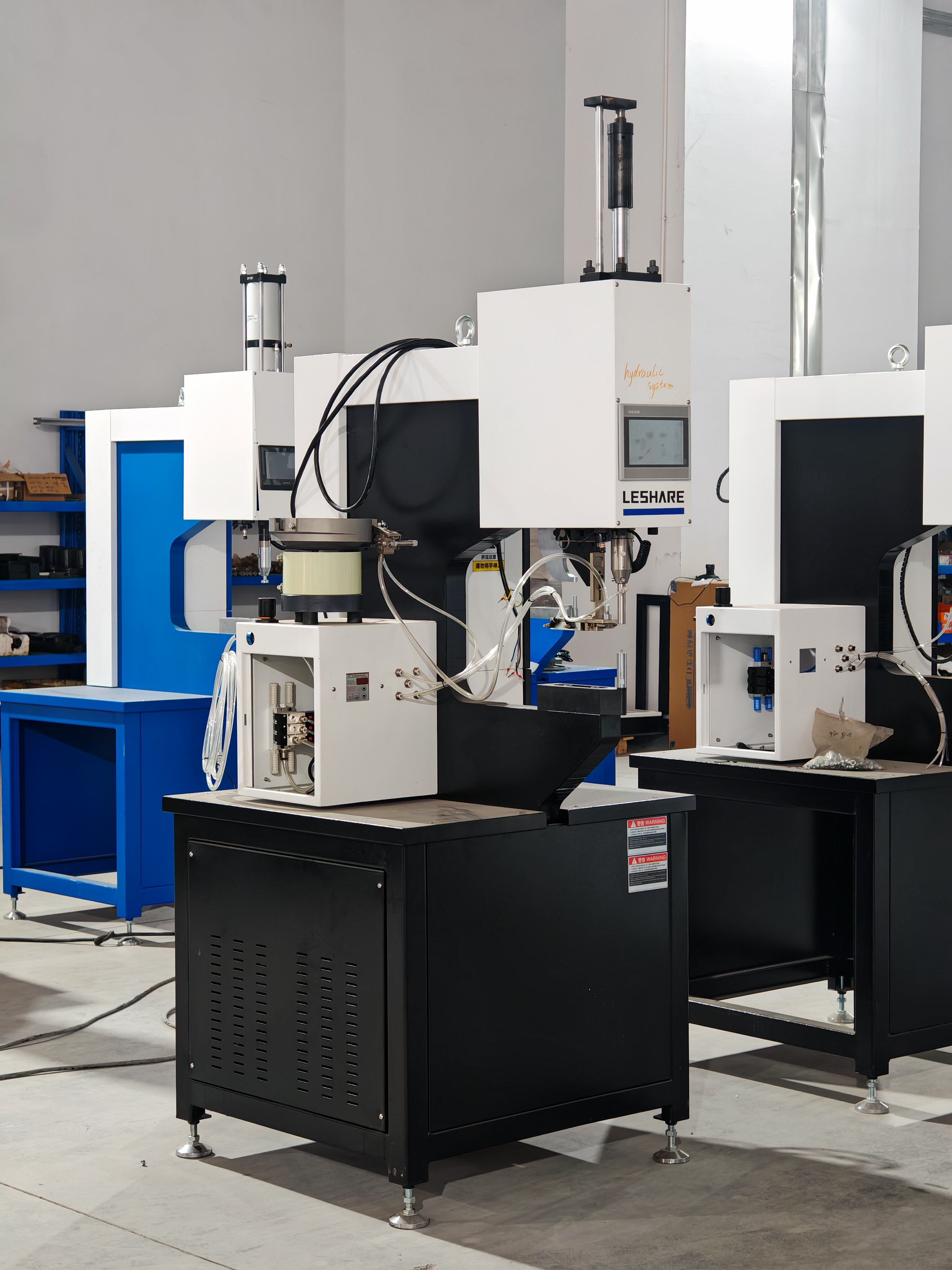
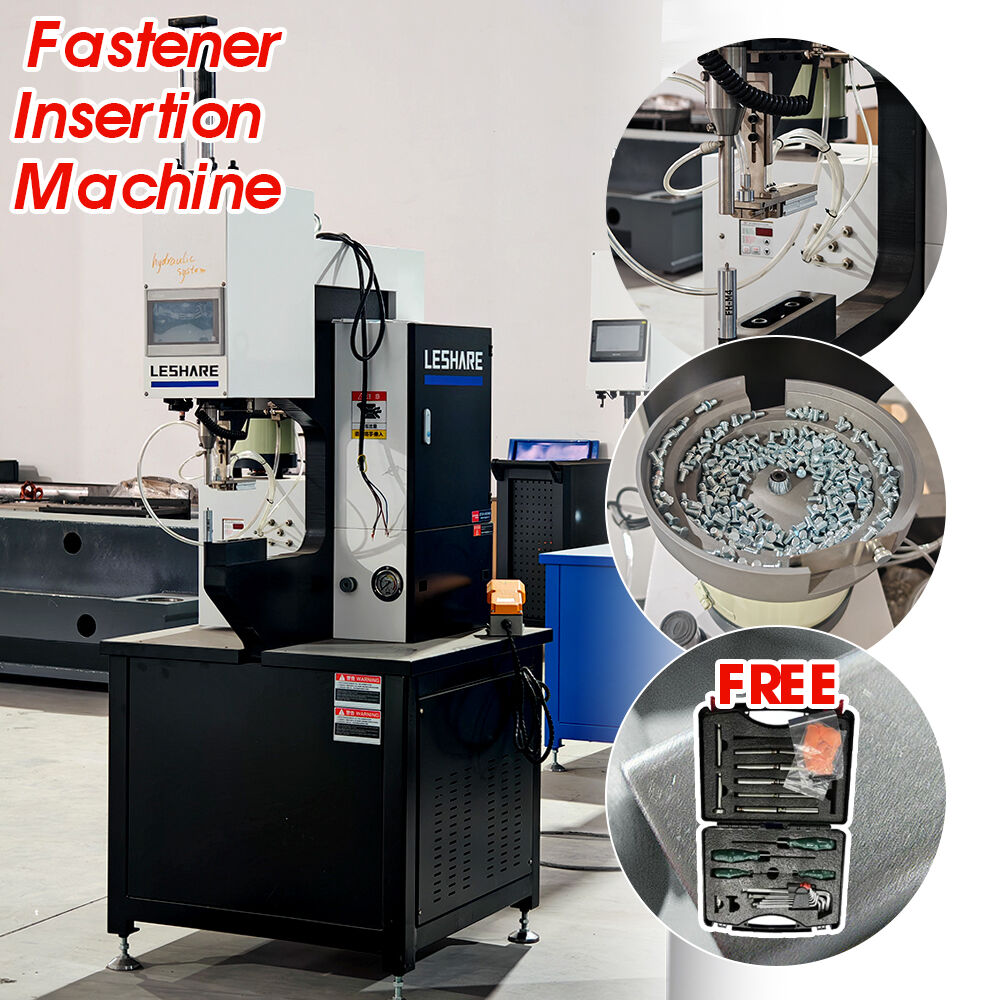
The automatic fastener insertion pressing nut machine demonstrates exceptional versatility through its multi-application compatibility and flexibility features, making it suitable for diverse industries and manufacturing environments while providing excellent return on investment through its adaptability to changing production requirements. This remarkable flexibility stems from the machine's modular design architecture, which allows for quick reconfiguration to accommodate different fastener types, sizes, and materials without requiring extensive retooling or lengthy setup procedures. The equipment handles various fastener categories including threaded inserts, press-fit nuts, rivnuts, and specialized automotive fasteners, making it valuable across industries ranging from electronics and appliances to automotive and aerospace manufacturing. Programming flexibility enables operators to store multiple recipe configurations for different products and applications, allowing rapid changeover between production runs with minimal downtime and setup requirements. The automatic fastener insertion pressing nut machine accommodates diverse material types including metals, plastics, composites, and hybrid materials, automatically adjusting insertion parameters based on material properties and thickness variations to ensure optimal installation results. Tooling flexibility represents another significant advantage, with the machine capable of utilizing various insertion tools and fixtures to meet specific application requirements, from delicate electronic assemblies requiring gentle handling to heavy-duty automotive components requiring significant insertion forces. The equipment's scalability allows manufacturers to start with basic configurations and expand capabilities as production requirements grow, adding features such as vision systems, multiple insertion heads, or automated feeding mechanisms without replacing the entire machine. Integration capabilities enable seamless incorporation into existing production lines, with communication protocols that support various automation systems and manufacturing execution platforms, ensuring compatibility with current and future manufacturing technologies while protecting the investment in existing infrastructure.
 EN
EN