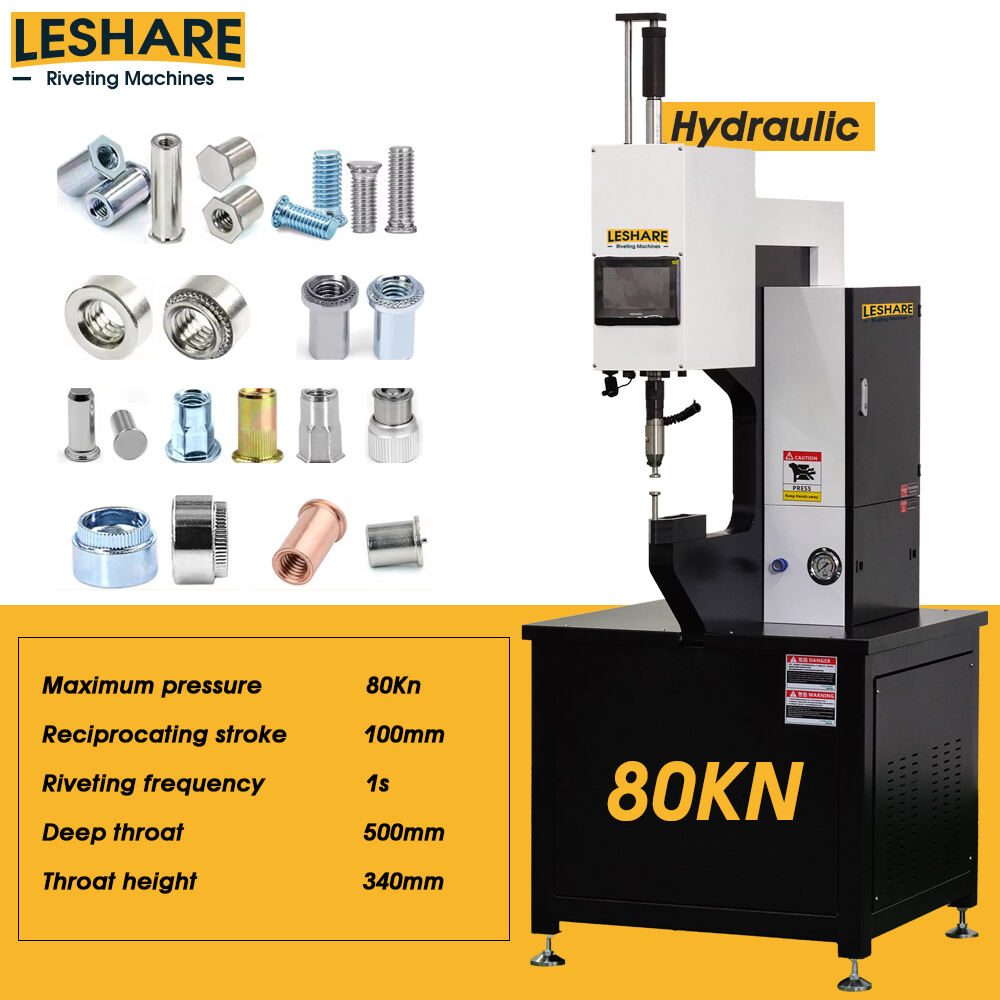
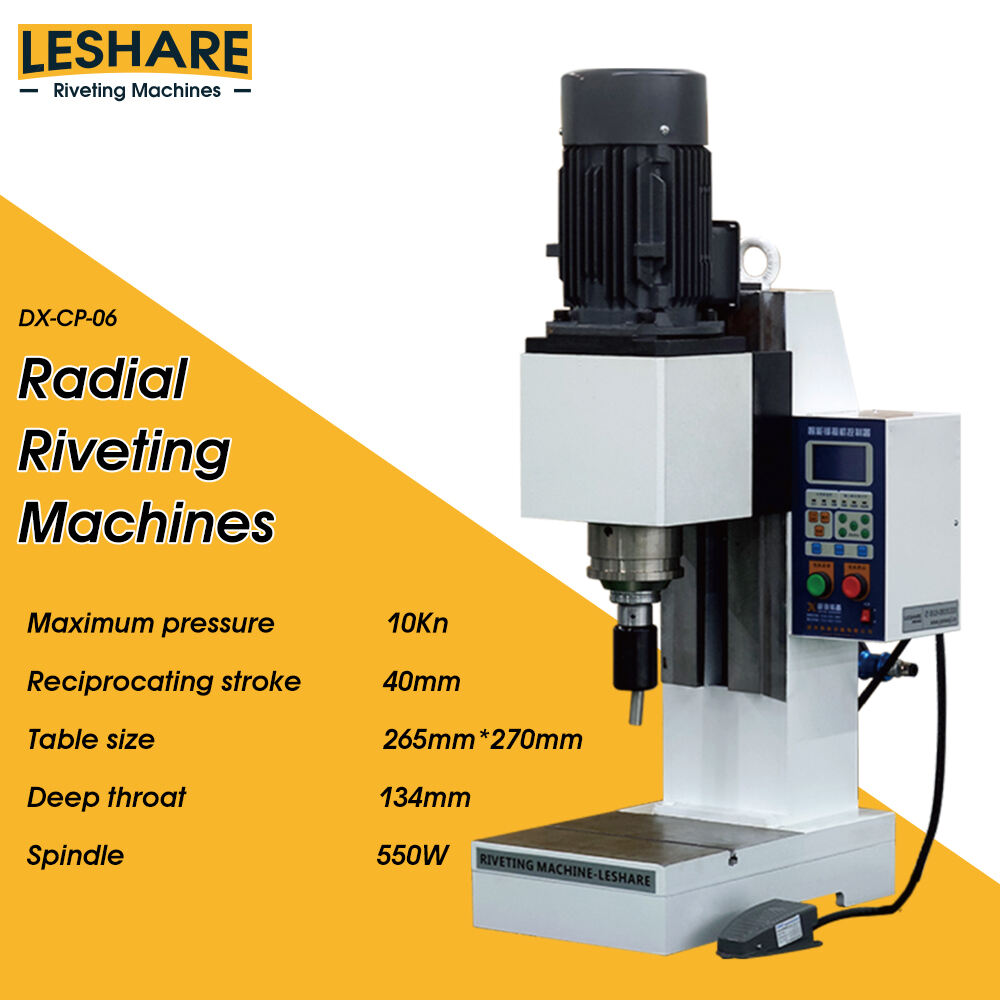
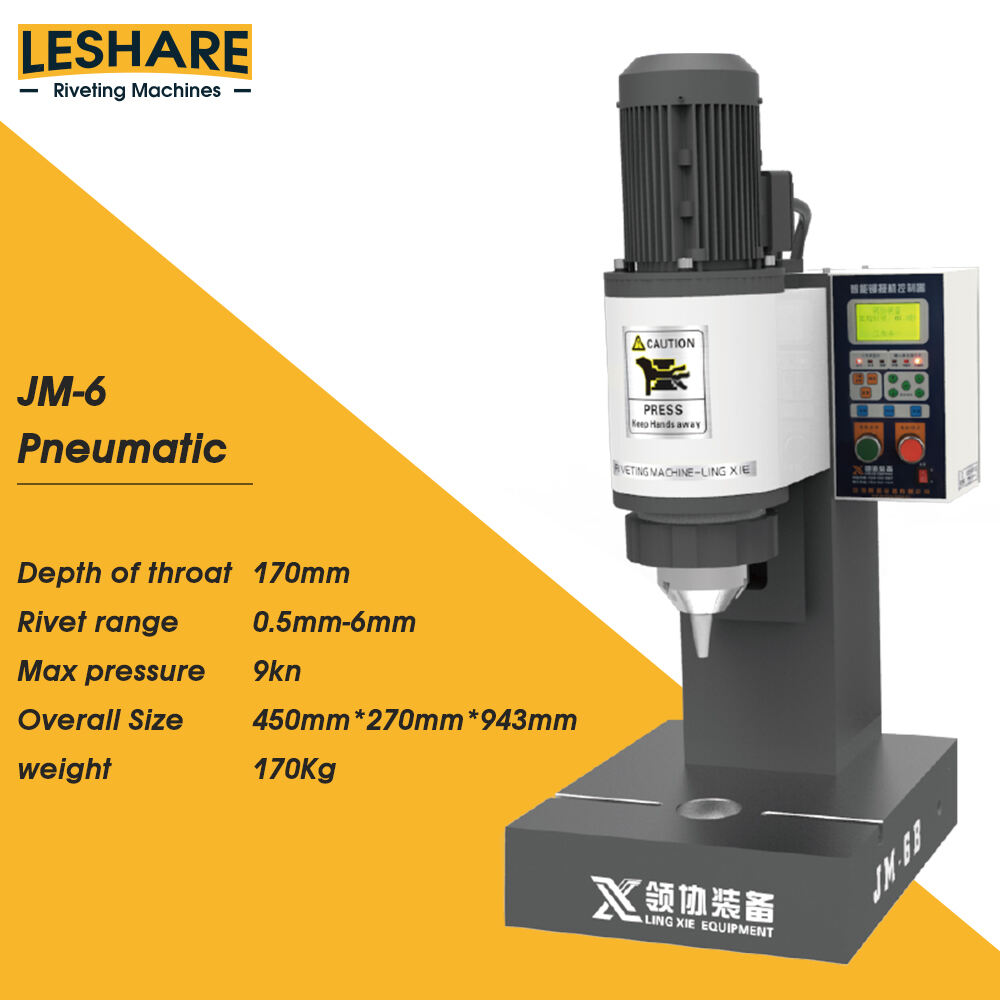
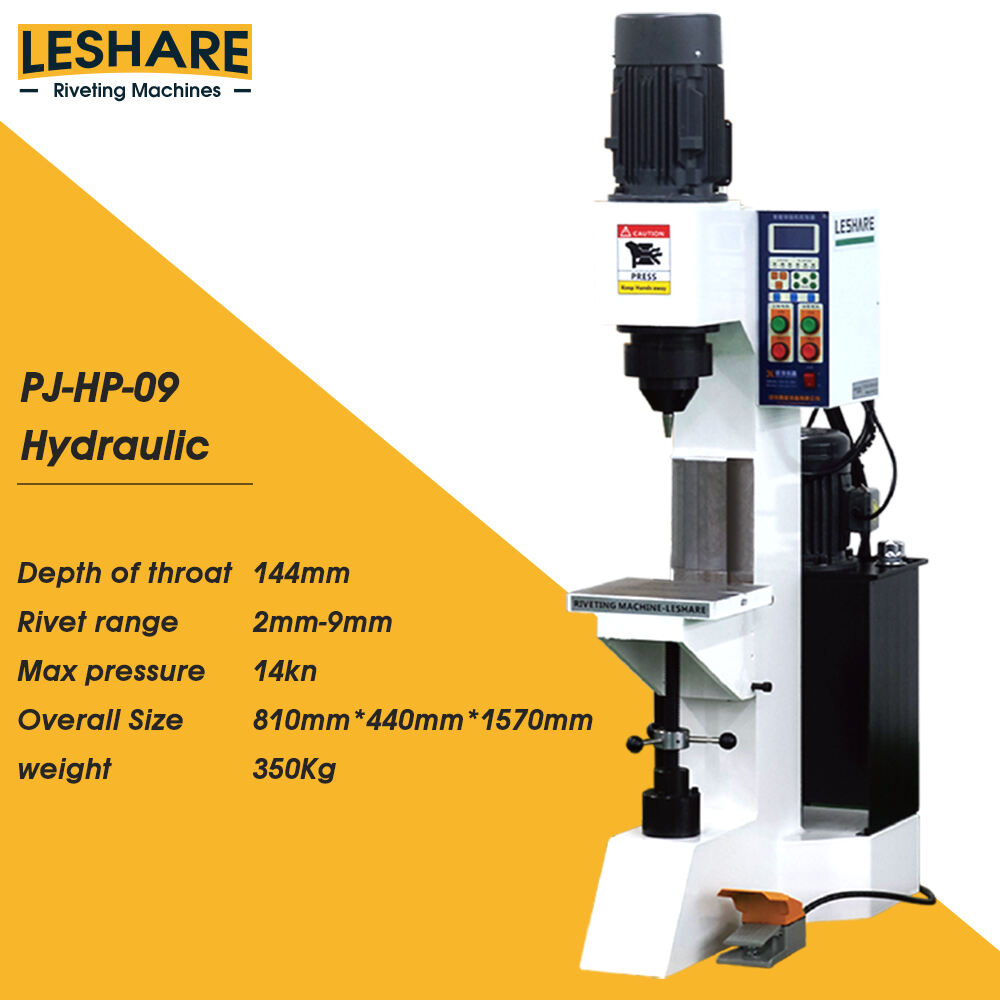
Intelligent Automation Reduces Labor Costs While Boosting Productivity
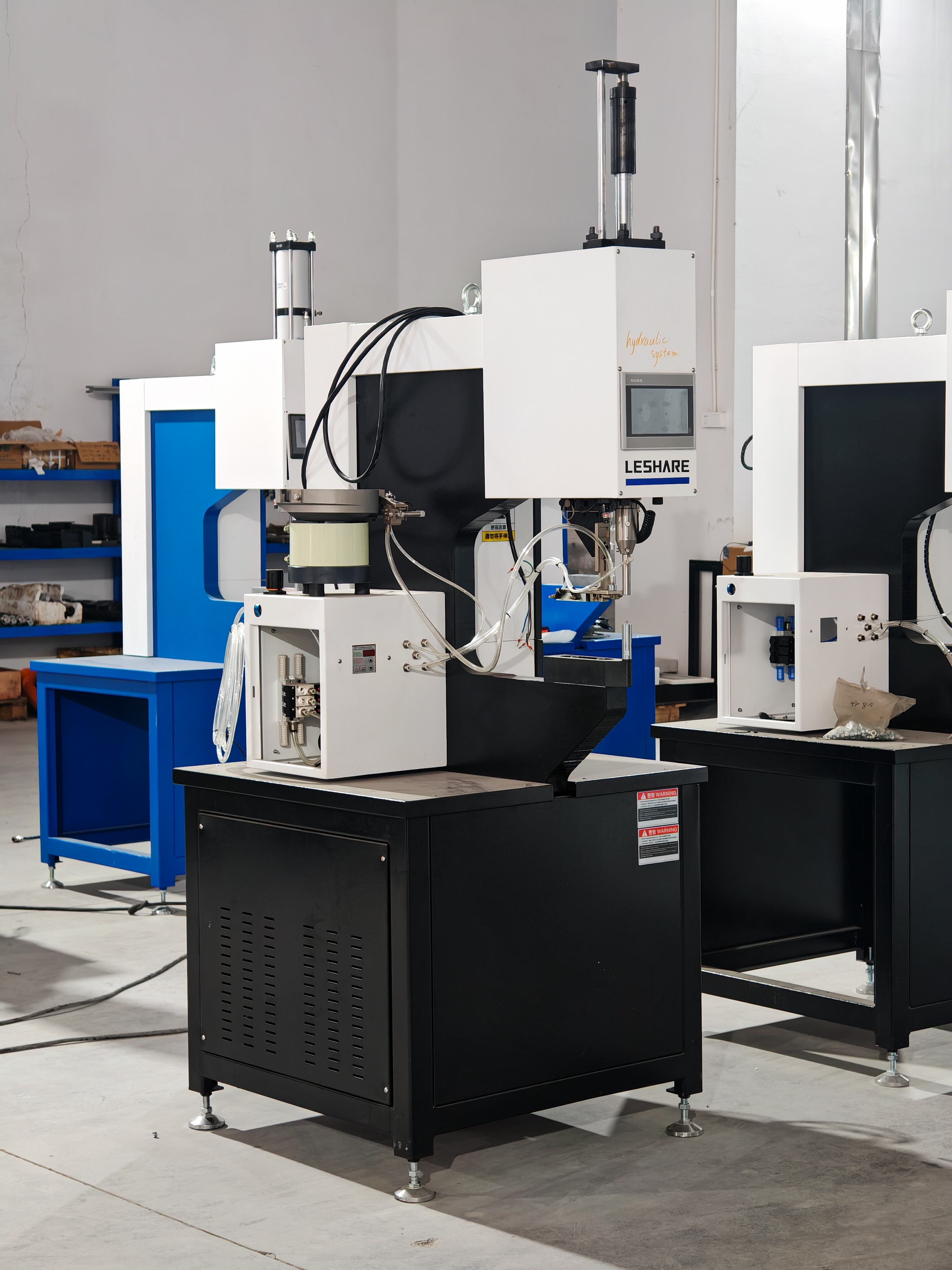
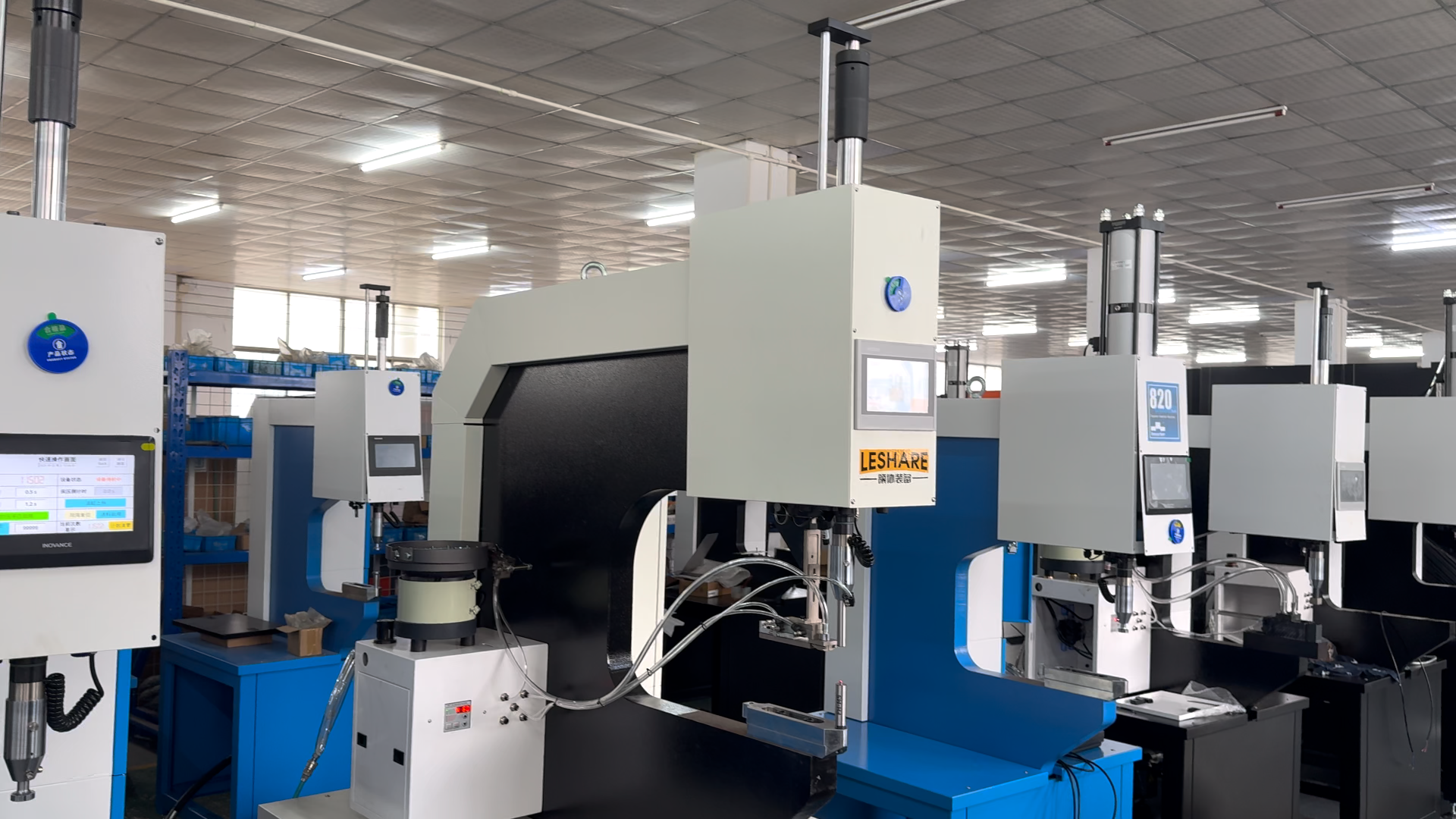
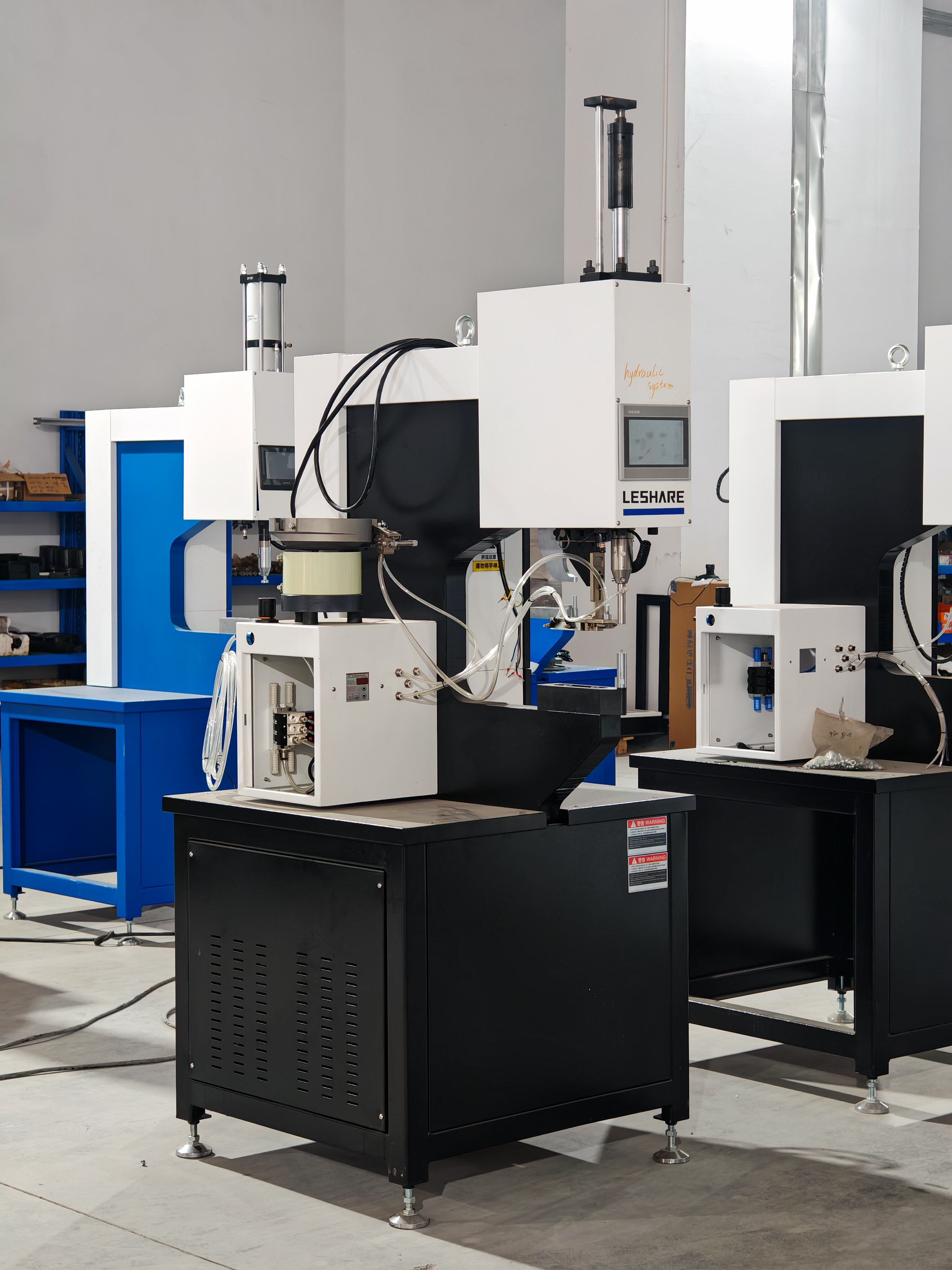
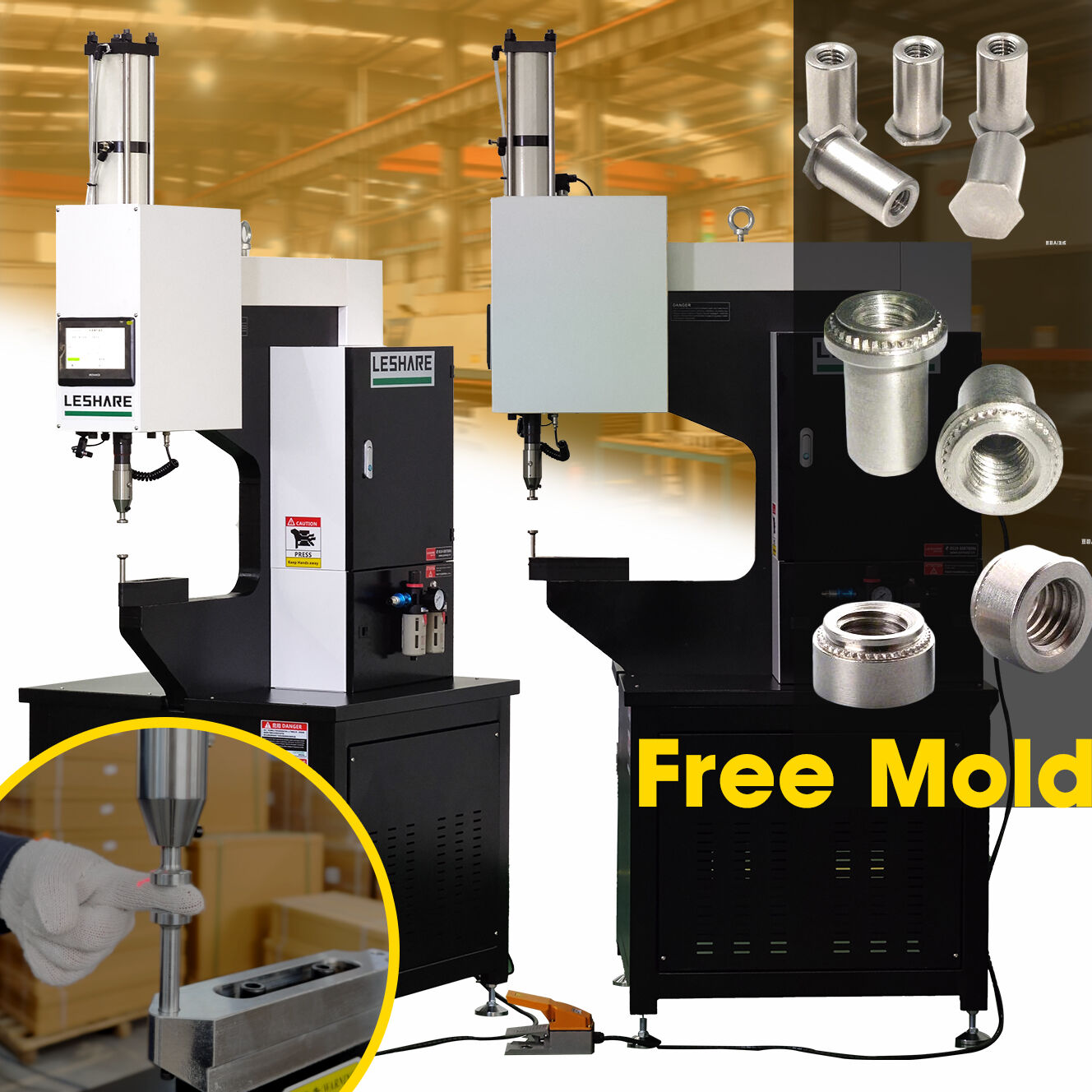
The automatic fastener insertion machine revolutionizes manufacturing economics through intelligent automation that dramatically reduces labor requirements while simultaneously increasing production output and quality consistency. This intelligent system operates continuously with minimal human intervention, requiring only periodic supervision and material replenishment, allowing a single operator to manage multiple machines across extensive production lines. The automation intelligence extends beyond simple mechanical repetition, incorporating adaptive learning algorithms that optimize performance based on real-world operating conditions and historical data patterns. Machine learning capabilities enable the automatic fastener insertion machine to recognize and respond to variations in material properties, fastener characteristics, and environmental factors without human programming adjustments. The system automatically adjusts insertion force, speed, and depth based on detected material resistance, ensuring optimal fastener installation regardless of minor variations in component specifications. Intelligent material handling systems maintain continuous operation by automatically feeding fasteners from bulk storage containers, sorting different fastener types, and rejecting defective components before they enter the insertion process. The automation includes sophisticated error recovery protocols that identify and resolve common issues like fastener jams, misaligned components, or insertion failures without stopping production or requiring operator intervention. Predictive maintenance algorithms monitor component wear patterns, vibration signatures, and performance trends to schedule maintenance activities during planned downtime, minimizing unexpected interruptions that could impact production schedules. The automatic fastener insertion machine integrates seamlessly with existing manufacturing execution systems, automatically updating production records, tracking material consumption, and generating quality reports without additional data entry requirements. Remote monitoring capabilities allow supervisors to oversee multiple machines from centralized control stations, receiving real-time alerts about production status, quality metrics, and maintenance needs. The intelligence extends to quality assurance through automated inspection systems that verify fastener installation quality using multiple sensing technologies, automatically segregating defective assemblies for rework while maintaining detailed traceability records. Energy management features optimize power consumption by automatically adjusting operating parameters based on production demands, reducing operational costs while supporting sustainability initiatives. This comprehensive automation approach typically reduces labor costs by 60-80% while increasing production output by 300-500%, delivering rapid return on investment through improved efficiency and reduced operational expenses.
 EN
EN