Vertical Insertion Press - Advanced Component Assembly Solutions for Precision Manufacturing

Get a Free Quote

Our representative will contact you soon.
Email
Name
Company Name
Message
0/1000

vertical insertion press

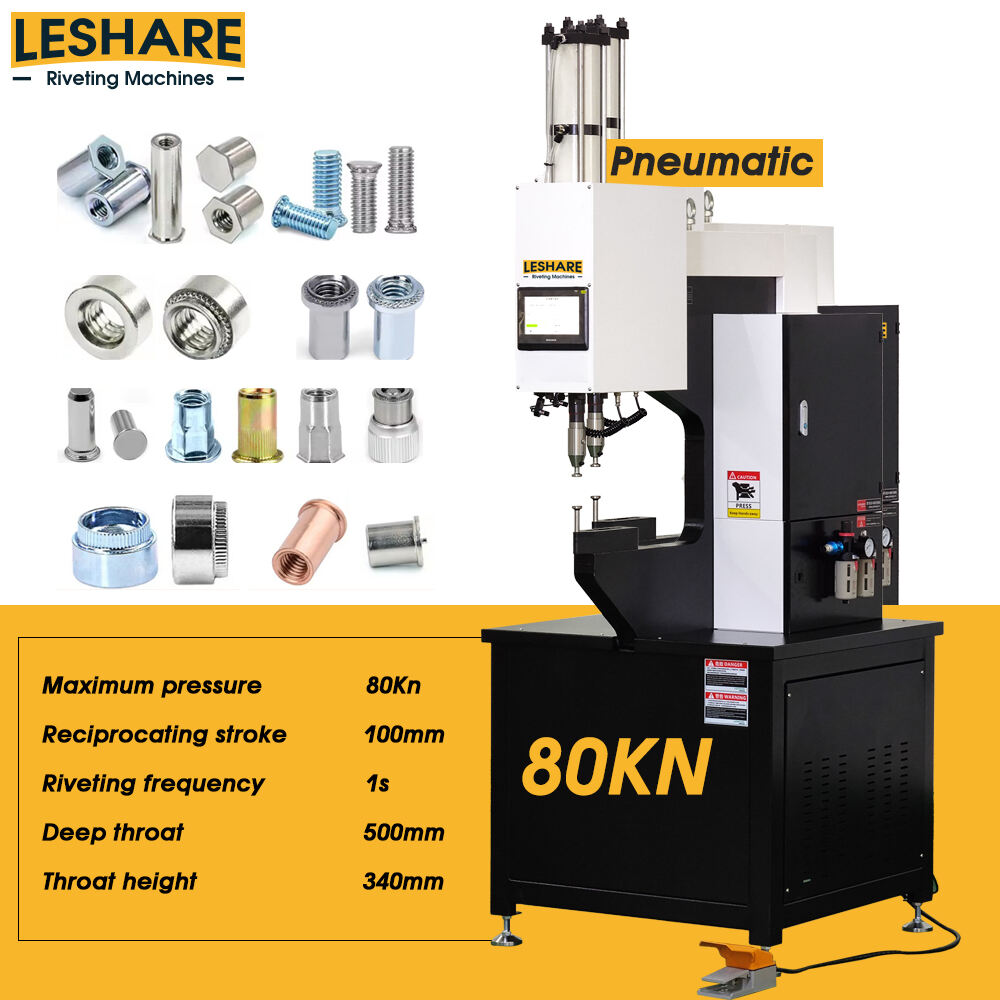
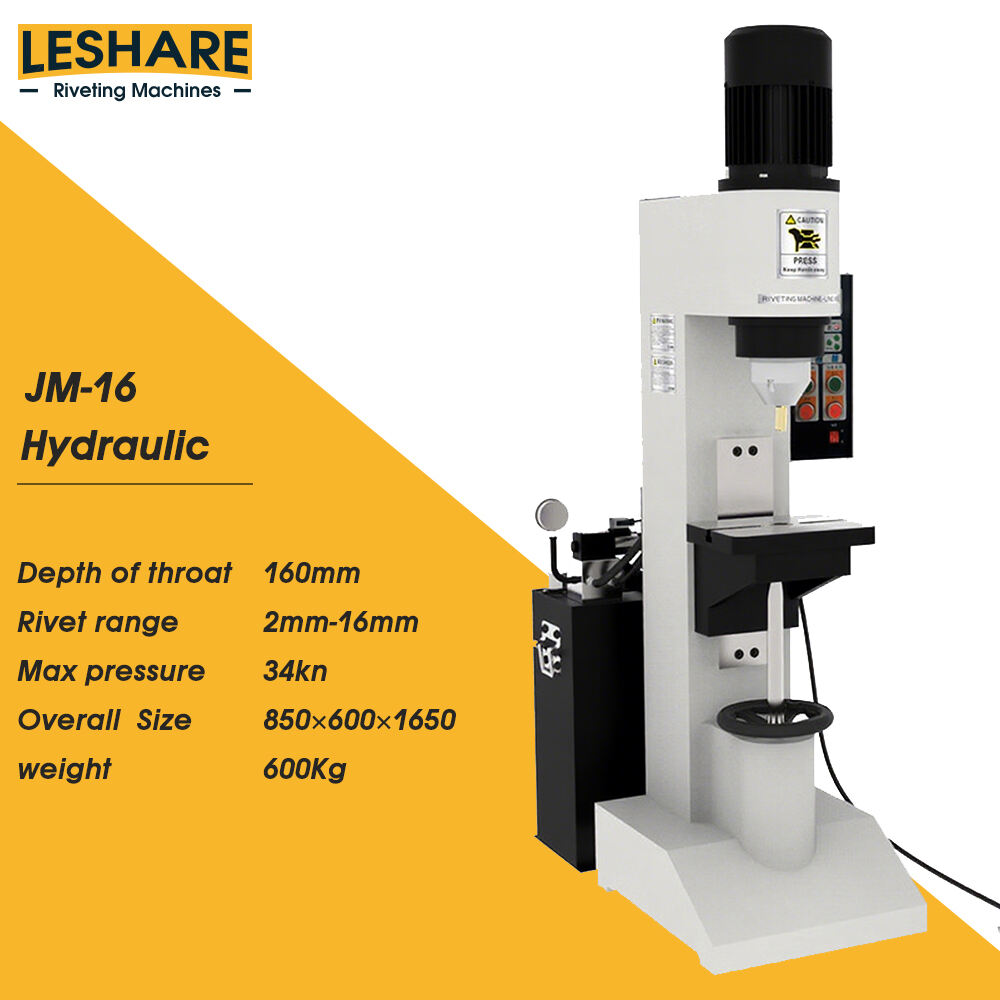
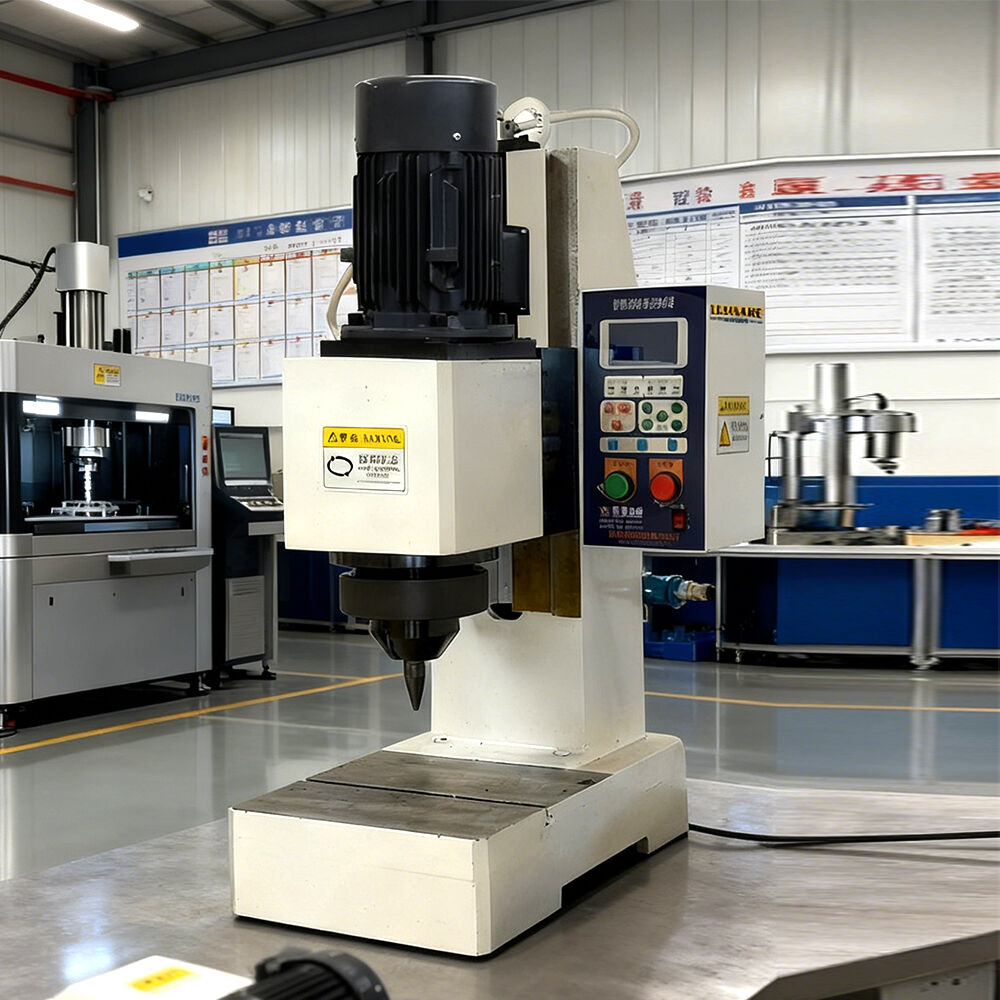
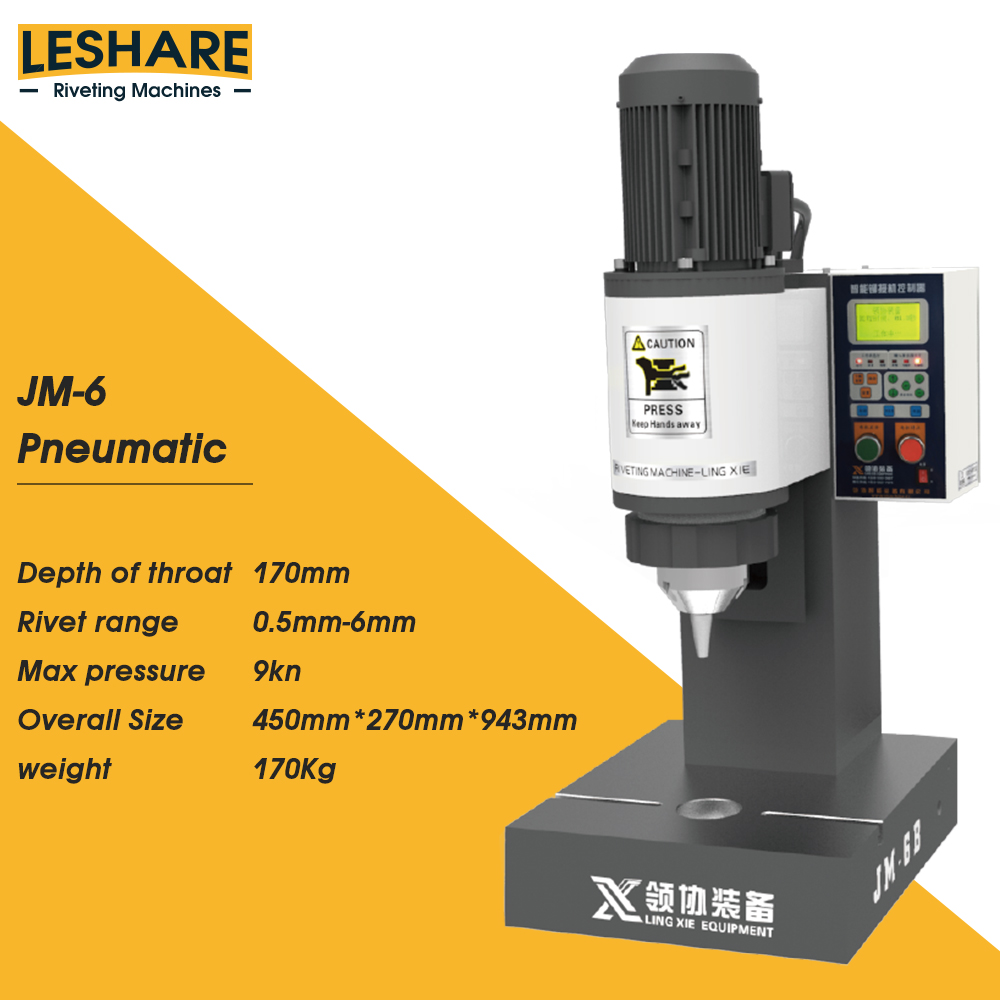
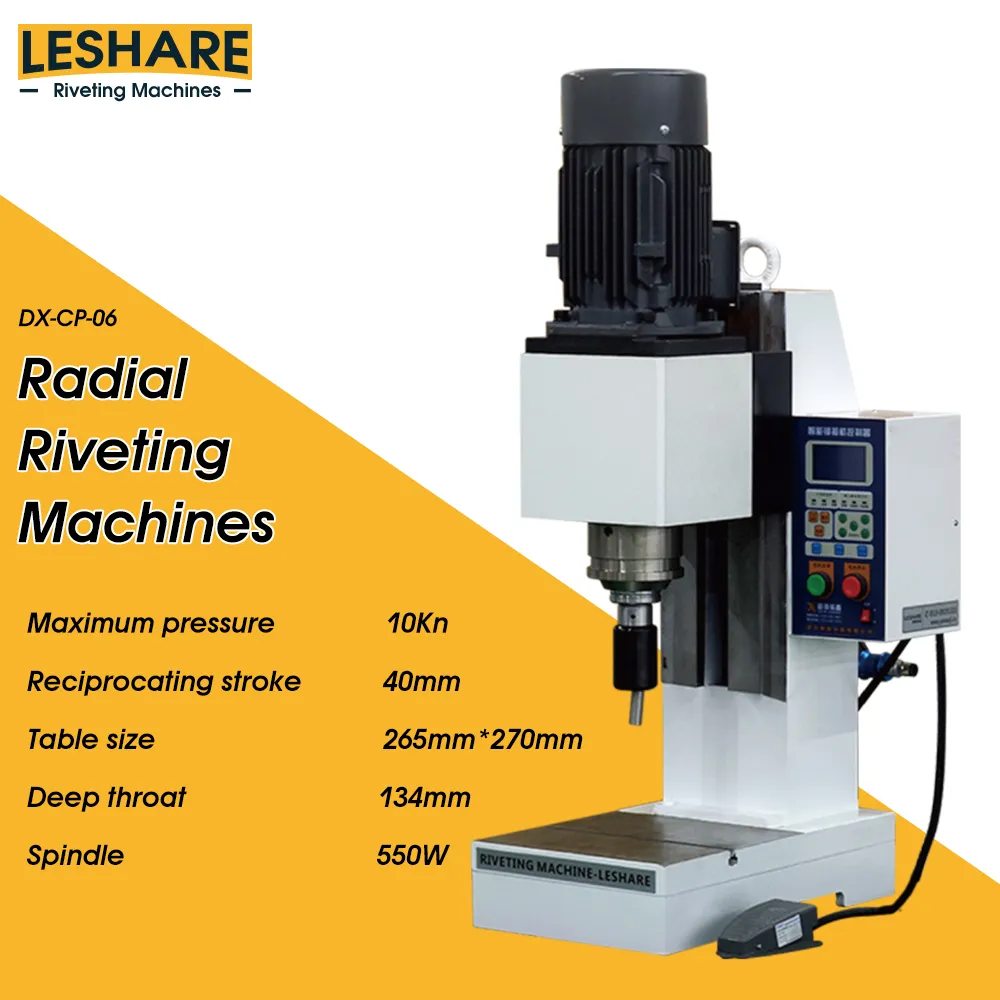
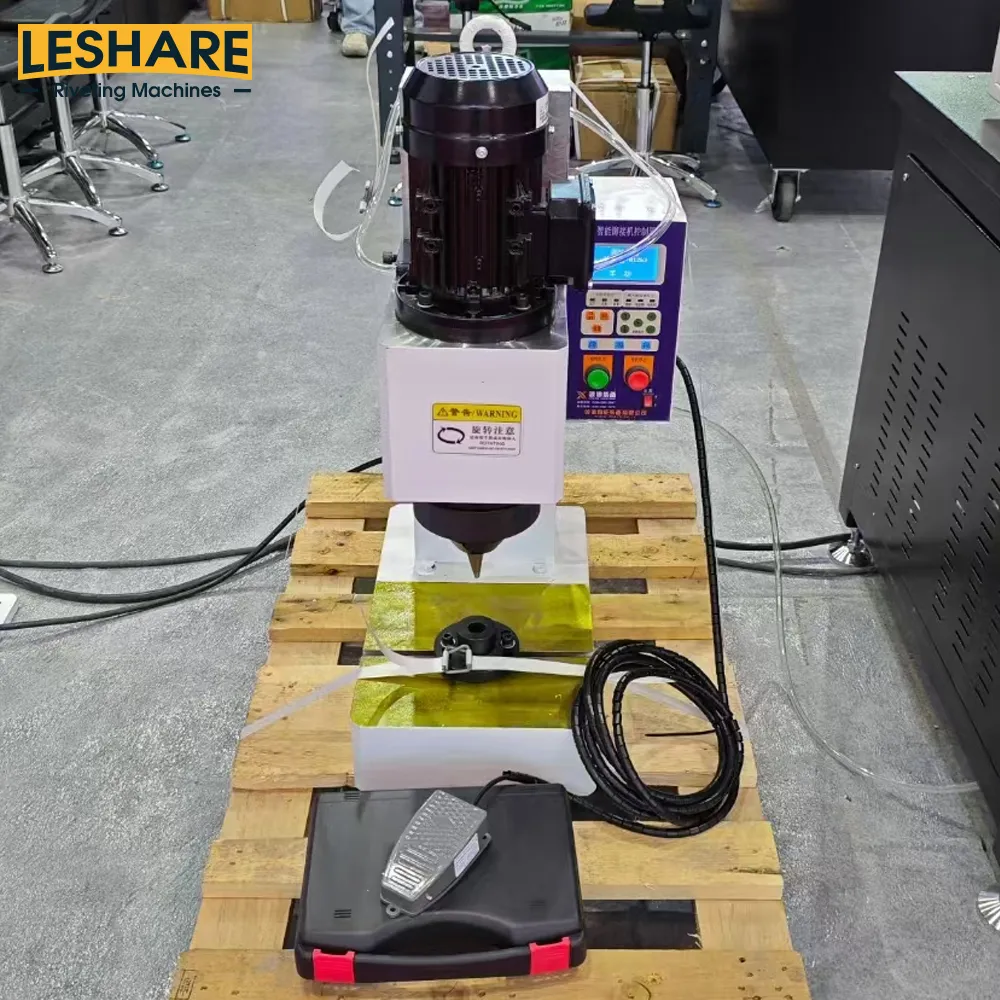
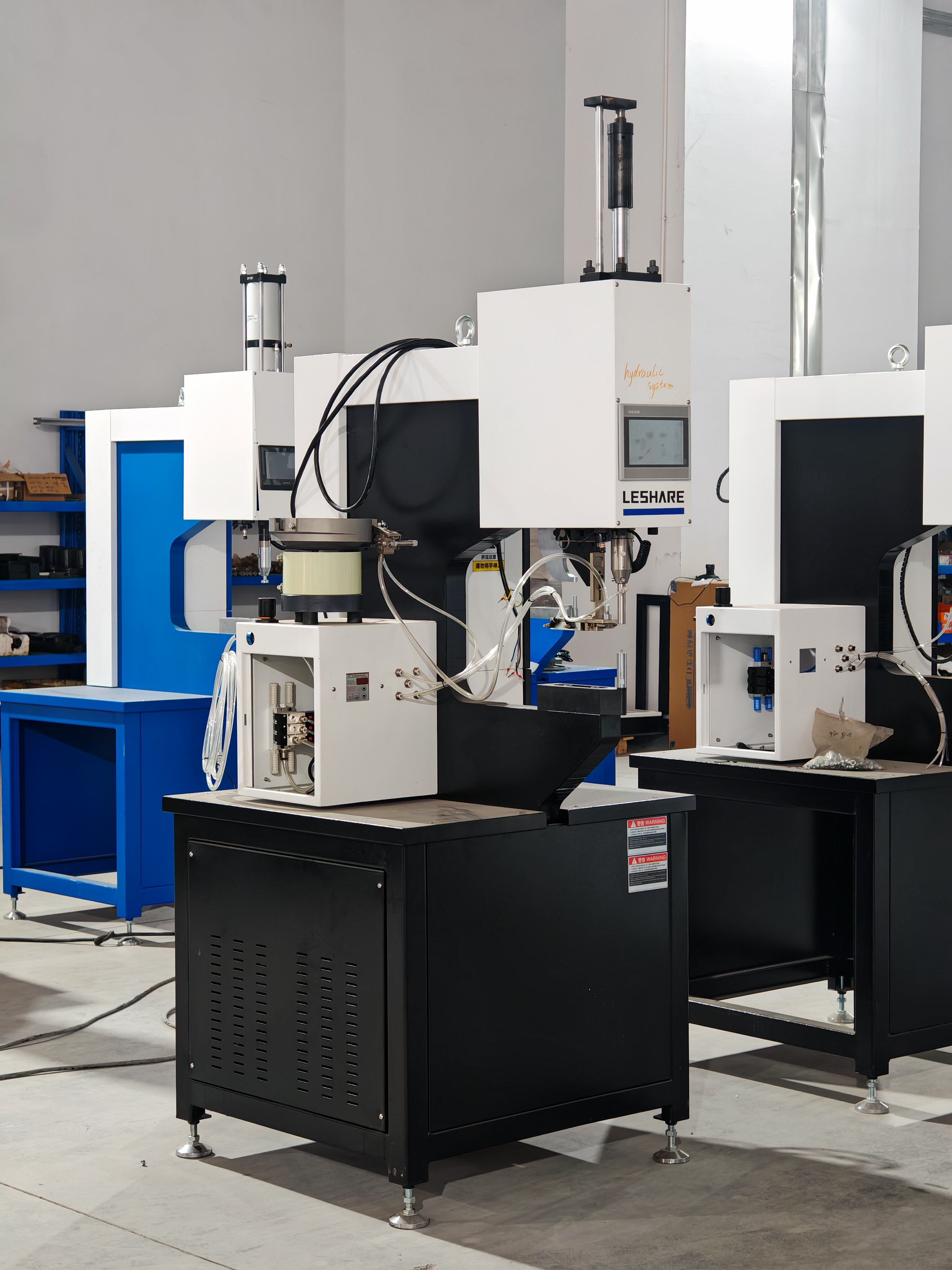
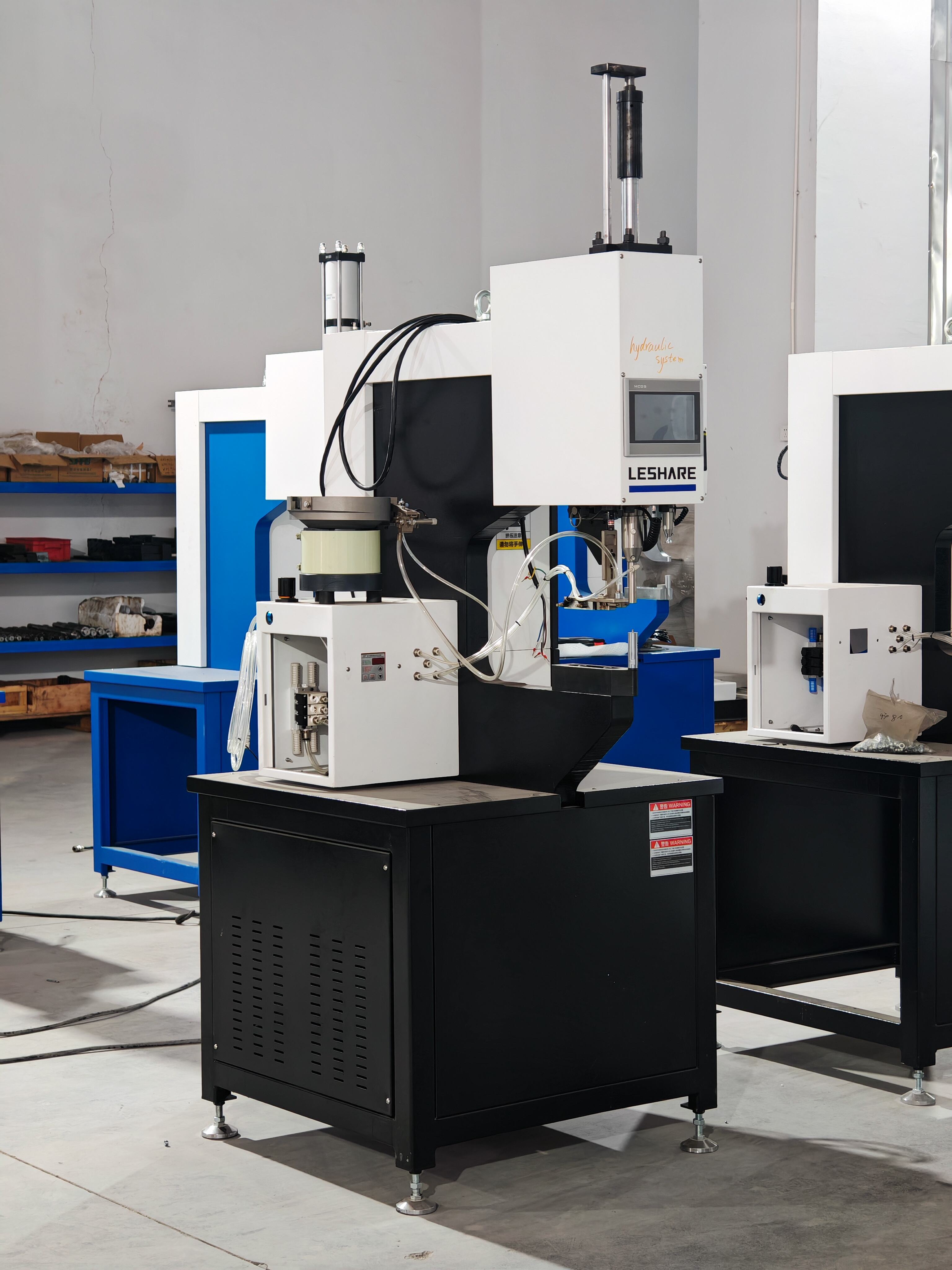
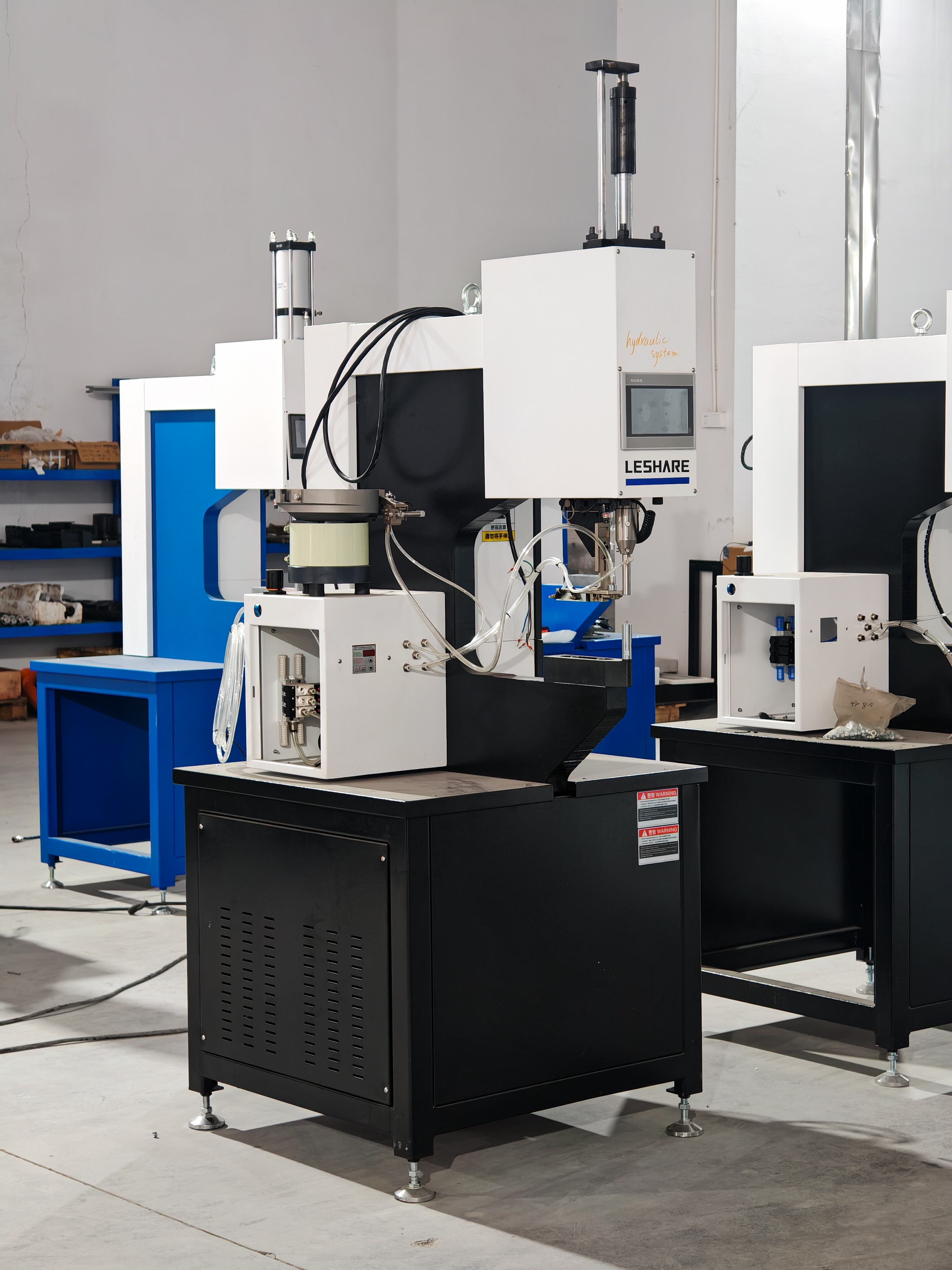
The vertical insertion press represents a sophisticated manufacturing solution designed to streamline component assembly processes across various industries. This specialized equipment operates through a vertical orientation mechanism that enables precise insertion of components into substrates, circuit boards, and other manufacturing assemblies. The vertical insertion press utilizes advanced pneumatic or hydraulic systems to deliver controlled force application, ensuring consistent and reliable insertion results. The machine's design incorporates precision guidance systems that maintain accurate component alignment throughout the insertion process, minimizing the risk of damage to delicate parts or assemblies. Modern vertical insertion press models feature programmable control interfaces that allow operators to customize insertion parameters including force levels, insertion depth, and cycle timing to match specific production requirements. The equipment typically includes safety mechanisms such as emergency stops, protective barriers, and force monitoring systems to prevent operational hazards and component damage. The vertical insertion press accommodates various component types ranging from electronic connectors and pins to mechanical fasteners and specialized insertion elements. Advanced models incorporate vision systems for component verification and position confirmation before insertion occurs. The machine's modular design enables easy integration into existing production lines while maintaining flexibility for future expansion or reconfiguration needs. Quality control features include real-time force monitoring and insertion depth verification to ensure consistent results and immediate detection of insertion anomalies. The vertical insertion press supports both manual loading and automated feeding systems, providing scalability options for different production volumes and operational requirements. Temperature control capabilities ensure optimal performance across varying environmental conditions while maintaining component integrity during the insertion process.

New Product Recommendations

The vertical insertion press delivers substantial operational benefits that directly impact manufacturing efficiency and product quality. Companies experience significant labor cost reductions through automated insertion processes that eliminate manual assembly requirements and reduce dependency on skilled operators. The machine consistently produces uniform insertion results, eliminating variability associated with manual processes and ensuring every component meets exact specifications. Production throughput increases dramatically as the vertical insertion press operates at faster speeds than manual methods while maintaining superior accuracy levels. Quality improvements become immediately apparent through reduced defect rates and elimination of insertion-related assembly errors that can compromise product reliability. The equipment provides exceptional flexibility in handling diverse component types and sizes without requiring extensive retooling or setup modifications. Manufacturers benefit from reduced material waste as precise force control prevents component damage during insertion operations. The vertical insertion press minimizes workplace injuries by eliminating repetitive manual insertion tasks that can cause strain injuries over time. Real-time monitoring capabilities enable immediate detection of insertion issues, preventing defective products from advancing through production stages. Energy efficiency features reduce operational costs while environmentally conscious manufacturers appreciate the reduced carbon footprint compared to alternative assembly methods. The machine's compact design maximizes floor space utilization, allowing manufacturers to optimize facility layouts for improved workflow efficiency. Maintenance requirements remain minimal due to robust construction and reliable component systems that reduce unexpected downtime occurrences. Integration capabilities allow seamless connection with existing manufacturing execution systems for comprehensive production tracking and quality documentation. Training requirements are simplified through intuitive control interfaces that enable operators to quickly master equipment operation. Return on investment accelerates through combined benefits of increased productivity, reduced labor costs, improved quality, and decreased waste generation. The vertical insertion press supports lean manufacturing initiatives by eliminating non-value-added manual processes and enabling just-in-time production strategies.

Latest News

What factors affect radial riveting machines performance and stability?

28

Jan

What factors affect radial riveting machines performance and stability?

Manufacturing precision and operational reliability in industrial assembly processes depend heavily on the performance characteristics of radial riveting machines. These sophisticated pieces of equipment have become indispensable in automotive, aeros...
View More
How can radial riveting machines reduce failure rates in mass production?

28

Jan

How can radial riveting machines reduce failure rates in mass production?

Manufacturing industries constantly seek solutions to minimize production failures and enhance product reliability. Radial riveting machines have emerged as a critical technology for achieving superior joint quality in mass production environments. T...
View More
Why is a nonrotating shaft radial riveter critical in delicate assemblies?

28

Jan

Why is a nonrotating shaft radial riveter critical in delicate assemblies?

In precision manufacturing environments where component integrity and assembly quality determine product success, the choice of joining technology becomes paramount. A nonrotating shaft radial riveter represents a specialized solution engineered spec...
View More
How do radial riveting machines integrate with modern production systems?

26

Feb

How do radial riveting machines integrate with modern production systems?

Modern manufacturing environments demand precision, efficiency, and seamless integration across all production processes. Radial riveting machines have emerged as essential equipment for achieving reliable fastening solutions in industries ranging fr...
View More

Get a Free Quote

Our representative will contact you soon.
Email
Name
Company Name
Message
0/1000

vertical insertion press

Precision Force Control Technology

Precision Force Control Technology

The vertical insertion press incorporates advanced force control technology that represents a revolutionary approach to component assembly precision. This sophisticated system utilizes high-resolution force sensors and real-time feedback mechanisms to monitor and adjust insertion pressure throughout the entire operation cycle. The technology enables manufacturers to achieve consistent insertion results regardless of component variations or substrate differences. The force control system operates through closed-loop feedback that continuously compares actual insertion force against predetermined parameters, making instantaneous adjustments to maintain optimal performance levels. This precision prevents over-insertion damage that can compromise component integrity while ensuring adequate insertion depth for secure mechanical connections. The system accommodates force requirements ranging from delicate electronic components requiring minimal pressure to robust mechanical assemblies demanding substantial insertion forces. Programmable force profiles allow customization for different component types within a single production run, eliminating the need for manual adjustments or equipment changeovers. The technology includes force ramping capabilities that gradually increase pressure during insertion, reducing shock loads that could damage sensitive components or substrates. Quality assurance benefits include automatic rejection of assemblies that exceed force tolerances, preventing defective products from continuing through production processes. The force control system maintains detailed insertion records for each component, providing comprehensive traceability and quality documentation required for regulatory compliance. Advanced algorithms compensate for component variations and substrate inconsistencies, ensuring uniform insertion results even when working with materials having different hardness characteristics. The technology supports predictive maintenance by monitoring force patterns and identifying potential equipment issues before they impact production quality. Integration with statistical process control systems enables continuous improvement through detailed analysis of insertion force data and identification of optimization opportunities.
Automated Component Recognition System

Automated Component Recognition System

The vertical insertion press features an intelligent automated component recognition system that revolutionizes assembly line efficiency through advanced vision technology and machine learning algorithms. This comprehensive system utilizes high-resolution cameras and sophisticated image processing software to identify, verify, and position components with exceptional accuracy before insertion occurs. The recognition technology eliminates manual component sorting and verification processes while ensuring correct components are inserted in designated locations. The system maintains extensive component libraries containing detailed specifications for thousands of different parts, enabling rapid identification and classification of new components through machine learning capabilities. Real-time component verification prevents assembly errors by confirming component orientation, type, and condition before insertion proceeds. The technology accommodates components with varying shapes, sizes, and surface characteristics through adaptive recognition algorithms that adjust to different lighting conditions and component presentations. Quality control features include automatic detection of damaged, bent, or contaminated components that could compromise assembly integrity. The system integrates seamlessly with inventory management systems to track component usage and automatically trigger reorder processes when inventory levels reach predetermined thresholds. Barcode and QR code reading capabilities enable comprehensive traceability throughout the manufacturing process, supporting quality assurance requirements and regulatory compliance needs. The recognition system operates at high speeds without compromising accuracy, maintaining production throughput while delivering superior quality control compared to manual verification methods. Machine learning algorithms continuously improve recognition accuracy by analyzing successful and unsuccessful component identifications, refining detection parameters for enhanced performance over time. The technology supports batch processing capabilities that enable rapid changeovers between different product configurations without requiring extensive reprogramming or setup modifications. Integration with enterprise resource planning systems provides real-time production data and component consumption information for improved manufacturing planning and control.

Modular Integration Architecture

Modular Integration Architecture

The vertical insertion press employs a sophisticated modular integration architecture that provides unprecedented flexibility for manufacturing operations while ensuring seamless compatibility with existing production infrastructure. This innovative design philosophy enables manufacturers to configure equipment according to specific production requirements while maintaining scalability for future expansion needs. The modular architecture incorporates standardized interfaces that facilitate easy connection with upstream and downstream manufacturing equipment, creating cohesive production lines that optimize material flow and minimize handling requirements. Each module operates independently while communicating through advanced industrial networking protocols that ensure synchronized operation and real-time data exchange throughout the entire production system. The architecture supports hot-swappable modules that enable maintenance and upgrades without shutting down entire production lines, minimizing downtime and maintaining continuous operation capabilities. Standardized mounting systems allow rapid reconfiguration of production layouts to accommodate changing product requirements or facility modifications. The modular design includes dedicated interfaces for quality control systems, enabling integration with coordinate measuring machines, vision inspection systems, and statistical process control equipment. Communication protocols support both legacy manufacturing equipment and modern Industry 4.0 technologies, ensuring compatibility across diverse manufacturing environments. The architecture accommodates various automation levels from semi-automatic operation with manual loading to fully automated systems with robotic feeding and handling capabilities. Expansion modules enable capacity increases without replacing core equipment, protecting existing investments while meeting growing production demands. The system supports multiple communication standards including Ethernet/IP, Profinet, and DeviceNet, ensuring compatibility with diverse industrial control systems. Configuration management tools enable rapid setup changes and recipe management for multi-product manufacturing environments. The modular architecture includes comprehensive diagnostic capabilities that monitor individual module performance and provide predictive maintenance information to optimize equipment reliability and availability. Integration with manufacturing execution systems enables real-time production monitoring, quality tracking, and comprehensive reporting capabilities that support continuous improvement initiatives.

Get a Free Quote

Our representative will contact you soon.
Email
Name
Company Name
Message
0/1000