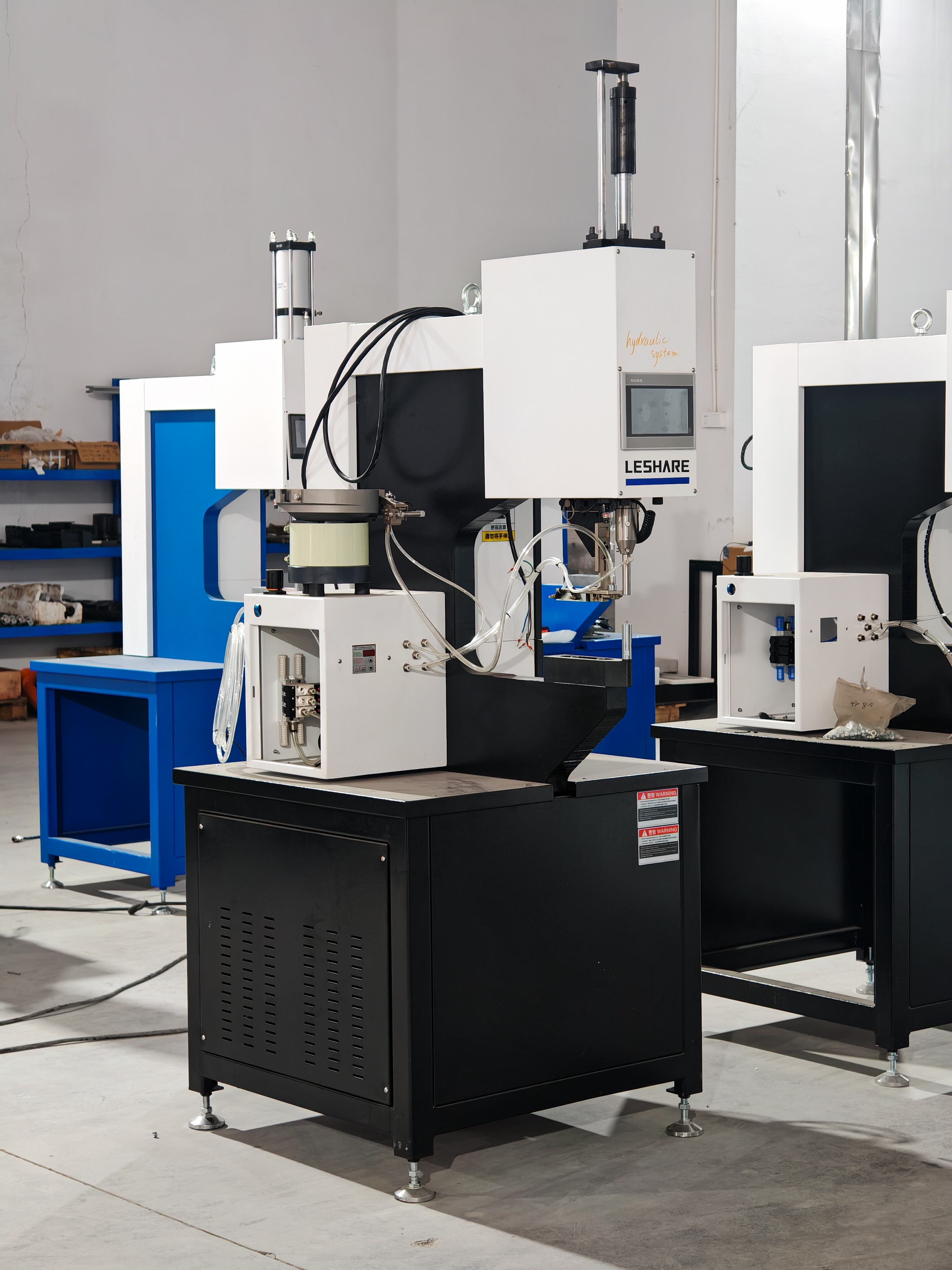
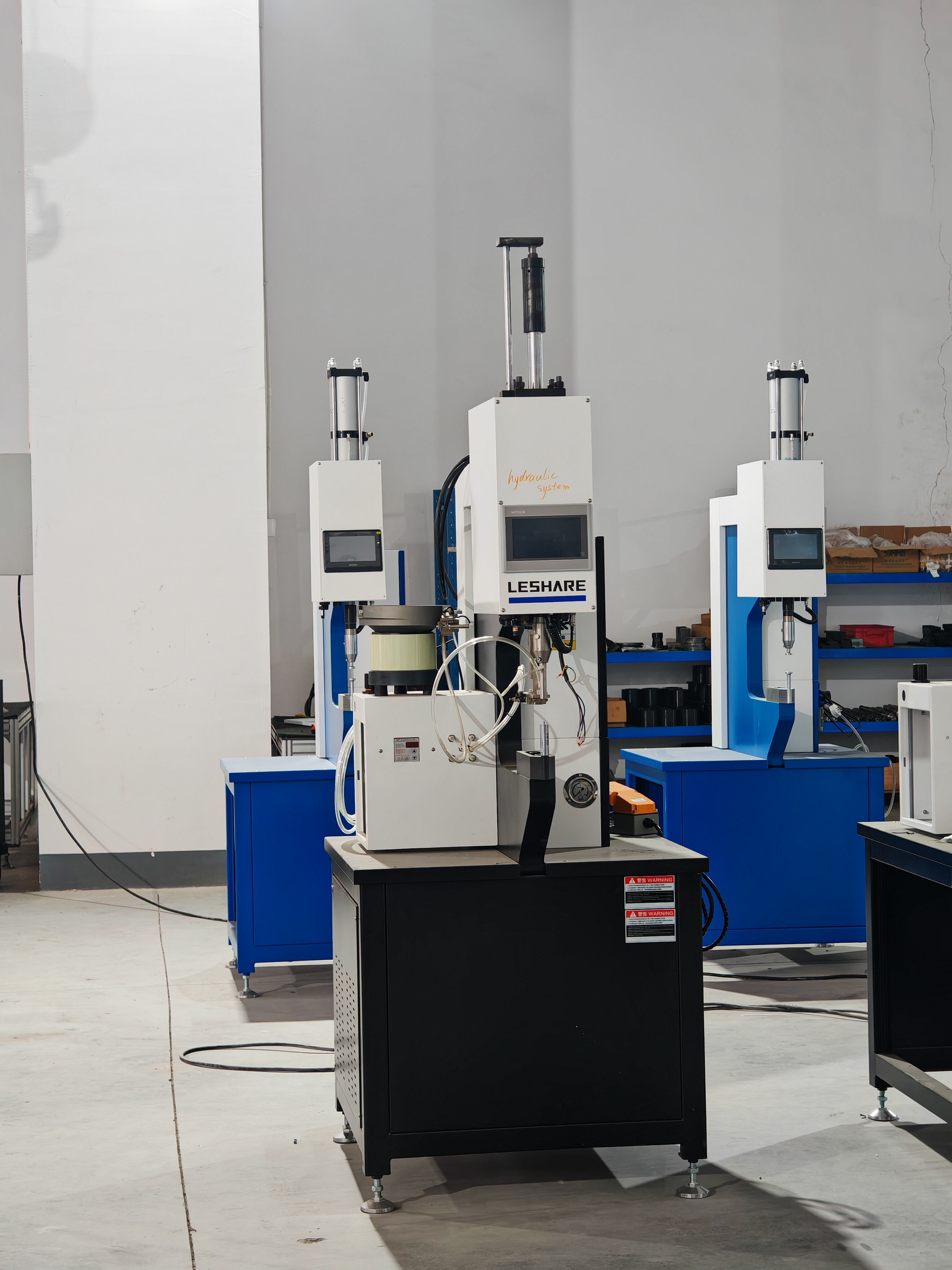
Blow Feeding System Fastener Insertion Machine - Advanced Automated Assembly Solutions

Get a Free Quote

Our representative will contact you soon.
Email
Name
Company Name
Message
0/1000

blow feeding system fastener insertion machine

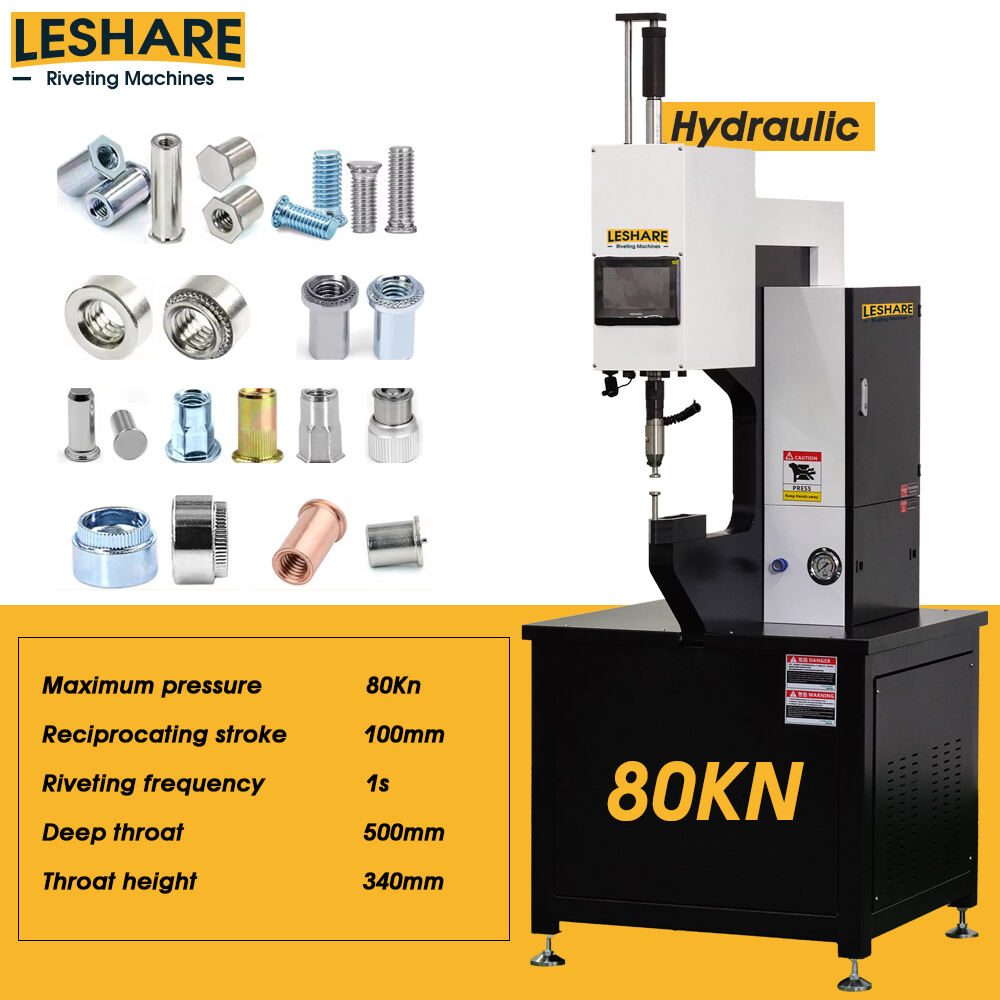
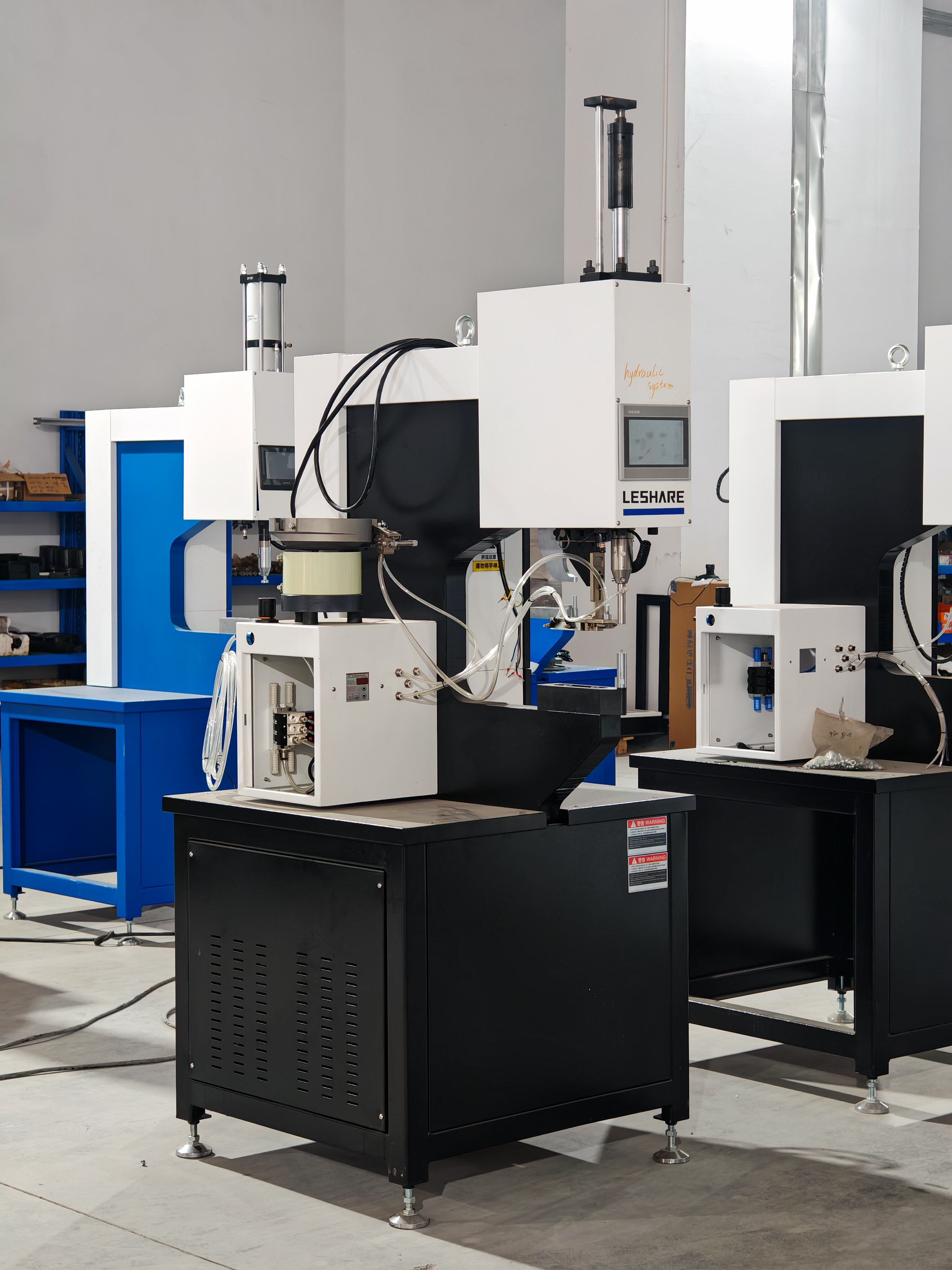
The blow feeding system fastener insertion machine represents a revolutionary advancement in automated manufacturing technology, specifically designed to streamline the insertion of fasteners into various materials and components. This sophisticated piece of equipment utilizes compressed air technology to deliver fasteners precisely and efficiently to designated insertion points, eliminating the need for manual handling and significantly reducing production time. The machine operates through an integrated pneumatic system that creates controlled air pressure to transport fasteners from storage hoppers through specially designed tubes directly to the insertion mechanism. This blow feeding system fastener insertion machine incorporates advanced sensors and positioning systems to ensure accurate placement of fasteners, whether they are screws, bolts, rivets, or other specialized components. The technological framework includes programmable logic controllers that allow operators to customize insertion parameters, adjust feeding speeds, and monitor production metrics in real-time. The machine's robust construction features stainless steel components and precision-engineered parts that withstand continuous operation in demanding industrial environments. Key functions include automated fastener sorting, precise positioning control, insertion force regulation, and quality verification systems that detect improperly inserted fasteners. The blow feeding system fastener insertion machine serves multiple industries including automotive manufacturing, electronics assembly, appliance production, and aerospace component fabrication. Its versatile design accommodates various fastener sizes and materials, from tiny electronic screws to larger structural bolts. The machine's user-friendly interface enables quick setup changes and minimizes training requirements for operators. Integration capabilities allow seamless connection with existing production lines and manufacturing execution systems, providing comprehensive data tracking and process optimization tools that enhance overall productivity and quality control standards.

New Product Recommendations

The blow feeding system fastener insertion machine delivers substantial operational improvements that directly impact manufacturing efficiency and profitability for businesses across diverse industries. Production speed increases dramatically when companies implement this automated solution, as the machine processes fasteners at rates significantly higher than manual insertion methods, typically achieving insertion speeds of 30 to 60 fasteners per minute depending on complexity and size requirements. Labor costs decrease substantially since fewer workers are needed to operate the system, and existing personnel can focus on higher-value tasks that require human expertise and decision-making capabilities. The consistent precision of the blow feeding system fastener insertion machine eliminates human error and variability, resulting in uniform product quality that meets stringent manufacturing standards and reduces warranty claims. Material waste reduction occurs because the machine's controlled feeding mechanism prevents fasteners from being dropped, misaligned, or damaged during the insertion process, leading to cost savings on expensive specialty fasteners and components. Workplace safety improves significantly as workers no longer need to perform repetitive motion tasks that can cause strain injuries, and the enclosed operation reduces exposure to sharp fasteners and moving machinery parts. The machine's flexibility allows manufacturers to quickly switch between different product lines and fastener specifications without extensive retooling, enabling rapid response to customer demands and market changes. Energy efficiency is optimized through the pneumatic system's controlled air consumption, which reduces overall power requirements compared to traditional mechanical insertion methods. Quality control features built into the blow feeding system fastener insertion machine include torque monitoring, insertion depth verification, and automatic rejection of defective assemblies, ensuring consistent output quality. Maintenance requirements are minimal due to the system's robust design and self-diagnostic capabilities that alert operators to potential issues before they cause production disruptions. Return on investment typically occurs within 12 to 18 months through combined savings from reduced labor costs, increased throughput, improved quality, and decreased material waste, making this technology an attractive capital investment for forward-thinking manufacturers.

Tips And Tricks

How Do You Match Fastener Types to the Right Fastener Insertion Machine?

29

Dec

How Do You Match Fastener Types to the Right Fastener Insertion Machine?

Selecting the appropriate fastener insertion machine for your manufacturing operation requires careful consideration of multiple technical factors that directly impact production efficiency, quality, and cost-effectiveness. Modern industrial applicat...
View More
How to select a nonrotating shaft radial riveter for precision components?

28

Jan

How to select a nonrotating shaft radial riveter for precision components?

Precision manufacturing demands exceptional reliability and accuracy in every assembly process. When working with delicate electronic components, aerospace assemblies, or medical devices, selecting the right nonrotating shaft radial riveter becomes c...
View More
How do radial riveting machines integrate with modern production systems?

26

Feb

How do radial riveting machines integrate with modern production systems?

Modern manufacturing environments demand precision, efficiency, and seamless integration across all production processes. Radial riveting machines have emerged as essential equipment for achieving reliable fastening solutions in industries ranging fr...
View More
What Are the Key Benefits of Using a Fastener Insertion Machine?

18

Mar

What Are the Key Benefits of Using a Fastener Insertion Machine?

Manufacturing efficiency has become a critical factor for businesses seeking competitive advantages in today's industrial landscape. A fastener insertion machine represents a transformative solution that automates the precise placement of threaded in...
View More

Get a Free Quote

Our representative will contact you soon.
Email
Name
Company Name
Message
0/1000

blow feeding system fastener insertion machine

Advanced Pneumatic Feeding Technology

Advanced Pneumatic Feeding Technology

The blow feeding system fastener insertion machine incorporates state-of-the-art pneumatic technology that revolutionizes how fasteners are delivered and positioned during the manufacturing process. This sophisticated air-based transportation system creates a controlled environment where fasteners travel through precisely engineered tubes using regulated compressed air pressure, ensuring gentle handling that prevents damage to delicate components or specialized coatings. The pneumatic feeding mechanism operates through multiple pressure zones that can be independently adjusted to accommodate different fastener weights, sizes, and materials, from lightweight plastic screws to heavy-duty steel bolts. Air velocity control systems within the blow feeding system fastener insertion machine maintain consistent delivery speeds regardless of fastener variations, eliminating the jamming and misfeeding issues commonly associated with mechanical conveyor systems. The closed-loop feedback system monitors air pressure and flow rates continuously, automatically adjusting parameters to maintain optimal performance and compensating for environmental factors such as temperature and humidity changes that might affect system efficiency. Filtration systems ensure clean, dry air reaches the fasteners, preventing contamination that could compromise product quality or cause insertion problems. The modular design allows multiple feeding lines to operate simultaneously, enabling the machine to handle complex assemblies requiring different fastener types in predetermined sequences. Noise reduction features make the blow feeding system fastener insertion machine suitable for clean room environments and noise-sensitive production areas where traditional mechanical feeding systems would be problematic. Energy recovery systems capture and reuse compressed air, reducing overall energy consumption and operating costs while maintaining consistent performance. The pneumatic system's responsiveness enables rapid start-stop cycles that synchronize perfectly with production line requirements, minimizing waste and maximizing throughput efficiency in high-volume manufacturing operations.
Precision Insertion Control System

Precision Insertion Control System

The blow feeding system fastener insertion machine features an exceptionally sophisticated precision control system that ensures accurate fastener placement with repeatability tolerances measured in thousandths of an inch, critical for industries requiring exact specifications and consistent assembly quality. This advanced control architecture combines servo-driven positioning systems with real-time feedback sensors that monitor insertion depth, torque application, and angular orientation throughout the entire insertion cycle. Vision systems integrated within the blow feeding system fastener insertion machine perform pre-insertion verification, confirming proper fastener orientation and detecting any defects or irregularities before insertion begins, preventing costly rework and maintaining production flow. Force monitoring capabilities continuously measure insertion resistance, automatically adjusting parameters when variations in material density or fastener specifications are detected, ensuring optimal insertion without over-torquing or under-seating problems. The programmable logic controller stores multiple fastener profiles and assembly programs, enabling quick changeovers between different products without manual recalibration, significantly reducing setup time and increasing overall equipment effectiveness. Position accuracy is maintained through encoder feedback systems that provide real-time location data to the control system, compensating for thermal expansion, mechanical wear, and other factors that might affect precision over time. Thread engagement monitoring ensures proper fastener seating in threaded applications, detecting cross-threading or incomplete engagement before the assembly moves to subsequent operations. The blow feeding system fastener insertion machine incorporates adaptive learning algorithms that analyze historical performance data and automatically optimize insertion parameters for improved efficiency and quality. Diagnostic capabilities provide detailed reporting on insertion force variations, cycle times, and error rates, enabling predictive maintenance and process optimization. Safety interlocks prevent operation when unsafe conditions are detected, protecting both equipment and operators while maintaining production integrity. Quality verification systems perform post-insertion checks, confirming proper fastener placement and flagging any assemblies that fail to meet specified criteria for immediate attention or rework.
Versatile Application Integration

Versatile Application Integration

The blow feeding system fastener insertion machine demonstrates remarkable versatility in its ability to integrate seamlessly into diverse manufacturing environments and accommodate a wide range of application requirements across multiple industries. This adaptability stems from the machine's modular architecture that allows customization of feeding systems, insertion mechanisms, and control interfaces to match specific production needs and existing infrastructure constraints. Automotive manufacturers utilize the blow feeding system fastener insertion machine for engine assembly, body panel attachment, and interior component installation, where the system's precision and speed requirements align perfectly with high-volume production demands and strict quality standards. Electronics assembly operations benefit from the machine's ability to handle miniature fasteners with extreme precision, preventing damage to sensitive circuit boards and ensuring reliable connections in consumer devices, industrial equipment, and aerospace electronics. The system's flexibility extends to fastener compatibility, accommodating standard screws, specialized bolts, self-tapping fasteners, rivets, and custom components manufactured to unique specifications, eliminating the need for multiple specialized insertion systems. Material handling capabilities include metals, plastics, composites, and hybrid materials, with automatic parameter adjustment ensuring optimal insertion characteristics for each material type without operator intervention. The blow feeding system fastener insertion machine integrates with robotic systems, conveyor lines, and automated guided vehicles, creating comprehensive manufacturing cells that operate with minimal human intervention while maintaining high productivity and quality standards. Communication protocols enable connectivity with enterprise resource planning systems, manufacturing execution systems, and quality management databases, providing real-time production data and enabling predictive analytics for process optimization. Cleanroom compatibility makes the system suitable for medical device manufacturing, pharmaceutical packaging, and semiconductor assembly applications where contamination control is critical. The machine's compact footprint and flexible mounting options allow installation in space-constrained environments while maintaining full functionality and accessibility for maintenance and operation, making it ideal for retrofit applications in existing production lines where floor space is limited.

Get a Free Quote

Our representative will contact you soon.
Email
Name
Company Name
Message
0/1000