 EN
EN

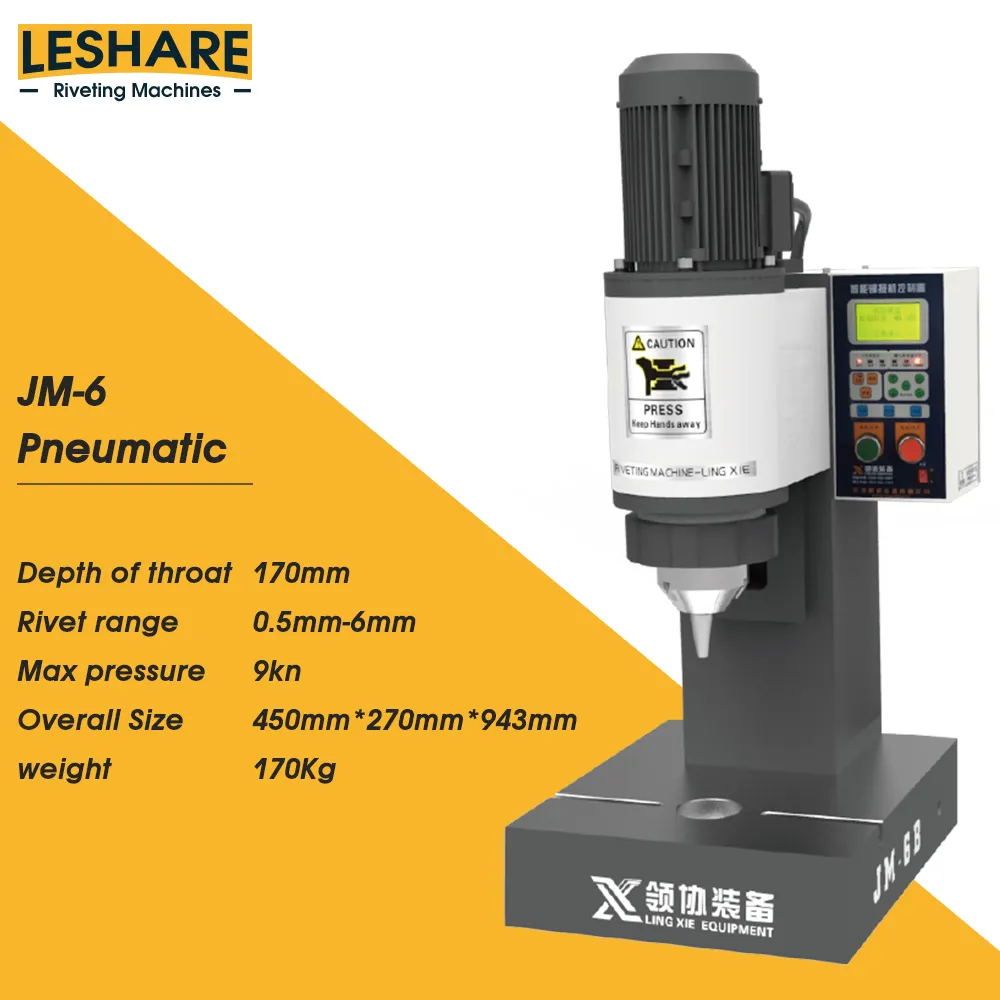
Understanding the Advanced Force Control Mechanisms in Modern Riveting Technology
The pneumatic orbital riveter represents a significant advancement in industrial fastening technology, offering unprecedented control and consistency in riveting operations. This sophisticated tool has revolutionized the manufacturing and assembly processes across various industries, from aerospace to automotive manufacturing. The key to its success lies in its ability to maintain consistent force control throughout the riveting process, ensuring reliable and uniform results every time.
Modern manufacturing demands precision and reliability in every operation, and the pneumatic orbital riveter delivers exactly that through its innovative design and sophisticated control mechanisms. By understanding how these tools achieve such precise force control, manufacturers can optimize their operations and achieve superior joining results.
Core Components of Pneumatic Orbital Riveting Systems
Advanced Pressure Regulation System
The heart of a pneumatic orbital riveter's force control lies in its pressure regulation system. This sophisticated component continuously monitors and adjusts the air pressure being delivered to the riveting mechanism. Through precise calibration and real-time adjustments, the system maintains the exact force needed for each riveting operation, regardless of external variables such as air supply fluctuations or material variations.
Modern pressure regulators in pneumatic orbital riveters incorporate electronic sensors and microprocessors that can make thousands of adjustments per second. This level of control ensures that the force applied remains constant throughout the entire riveting cycle, from initial contact to final deformation of the rivet.
Orbital Head Design and Operation
The orbital head mechanism represents a crucial innovation in force distribution. Unlike traditional riveting methods, the orbital motion ensures that force is applied evenly around the circumference of the rivet. This design creates a more uniform deformation pattern and stronger joint integrity.
The head's orbital movement is precisely controlled through a combination of mechanical governors and pneumatic valves, allowing for adjustable rotation speeds while maintaining consistent pressure. This sophisticated interplay between rotation and force application is key to achieving reliable results across different material types and thicknesses.
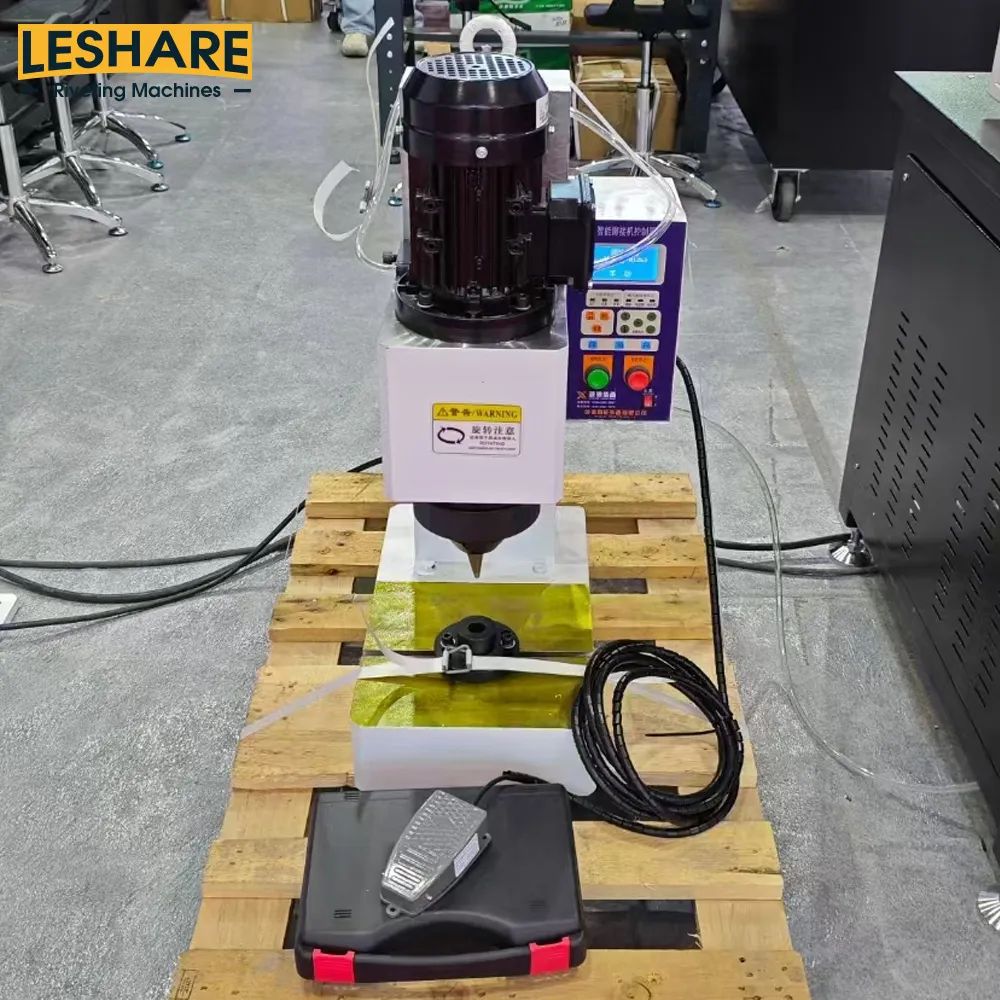
Force Monitoring and Control Technologies
Real-time Force Feedback Systems
Modern pneumatic orbital riveters incorporate advanced force monitoring systems that provide real-time feedback during operation. These systems utilize load cells and pressure sensors to continuously measure the applied force, comparing it against predetermined parameters. When deviations are detected, instant adjustments are made to maintain the desired force level.
The feedback system's response time is measured in milliseconds, allowing for immediate corrections that prevent any significant force variations. This capability is particularly important in high-precision applications where consistent joint quality is critical for product reliability and safety.
Digital Control Interface
The integration of digital control interfaces has transformed how operators interact with pneumatic orbital riveters. These interfaces allow for precise force parameter settings and provide detailed operational data. Operators can program specific force profiles for different applications, ensuring consistent results across multiple production runs.
Modern interfaces often include touchscreen displays that show real-time force readings, cycle counts, and diagnostic information. This level of control and monitoring helps maintain process consistency and enables quick troubleshooting when needed.
Material-Specific Force Optimization
Adaptive Force Control Systems
One of the most impressive features of advanced pneumatic orbital riveters is their ability to adapt force application based on material characteristics. These systems can detect variations in material hardness and thickness, automatically adjusting the applied force to achieve optimal riveting results.
The adaptive control system uses sophisticated algorithms that consider multiple variables, including material properties, rivet specifications, and environmental conditions. This ensures that the right amount of force is applied regardless of material combinations or joint configurations.
Pre-programmed Material Profiles
Modern pneumatic orbital riveters often come with pre-programmed material profiles that specify optimal force settings for common material combinations. These profiles can be easily selected through the digital interface, streamlining setup procedures and reducing the risk of operator error.
The ability to store and quickly recall material-specific settings ensures consistency across different production runs and enables rapid changeover between different applications. This feature is particularly valuable in manufacturing environments where multiple material combinations are processed regularly.
Frequently Asked Questions
How does temperature affect the force control in pneumatic orbital riveters?
Temperature variations can impact air pressure and system performance, but modern pneumatic orbital riveters incorporate temperature compensation mechanisms. These systems automatically adjust pressure settings to maintain consistent force output regardless of ambient temperature changes, ensuring reliable operation in various environmental conditions.
What maintenance is required to maintain accurate force control?
Regular maintenance includes calibration of pressure sensors, inspection of seals and air lines, and cleaning of the orbital head mechanism. Most modern systems include diagnostic tools that monitor component wear and alert operators when maintenance is needed to maintain optimal force control performance.
Can force settings be transferred between different pneumatic orbital riveters?
Many contemporary pneumatic orbital riveters feature digital interfaces that allow for force setting profiles to be saved and transferred between machines. This capability ensures consistency across multiple units and facilitates standardization of riveting processes across different production lines or facilities.