 EN
EN

Essential Guide to Maintaining and Troubleshooting Pneumatic Orbital Riveters
Pneumatic orbital riveters have revolutionized the manufacturing and assembly industries by providing consistent, reliable fastening solutions. These sophisticated tools require proper understanding and maintenance to ensure optimal performance and longevity. Whether you're a seasoned technician or new to working with pneumatic orbital riveters, mastering troubleshooting techniques is crucial for maintaining productivity and avoiding costly downtime.
Understanding how these tools function and identifying potential issues before they escalate can save valuable time and resources. This comprehensive guide will walk you through the most common problems encountered with pneumatic orbital riveters and provide detailed solutions to keep your equipment running smoothly.
Understanding Pneumatic Orbital Riveter Components
Critical System Components
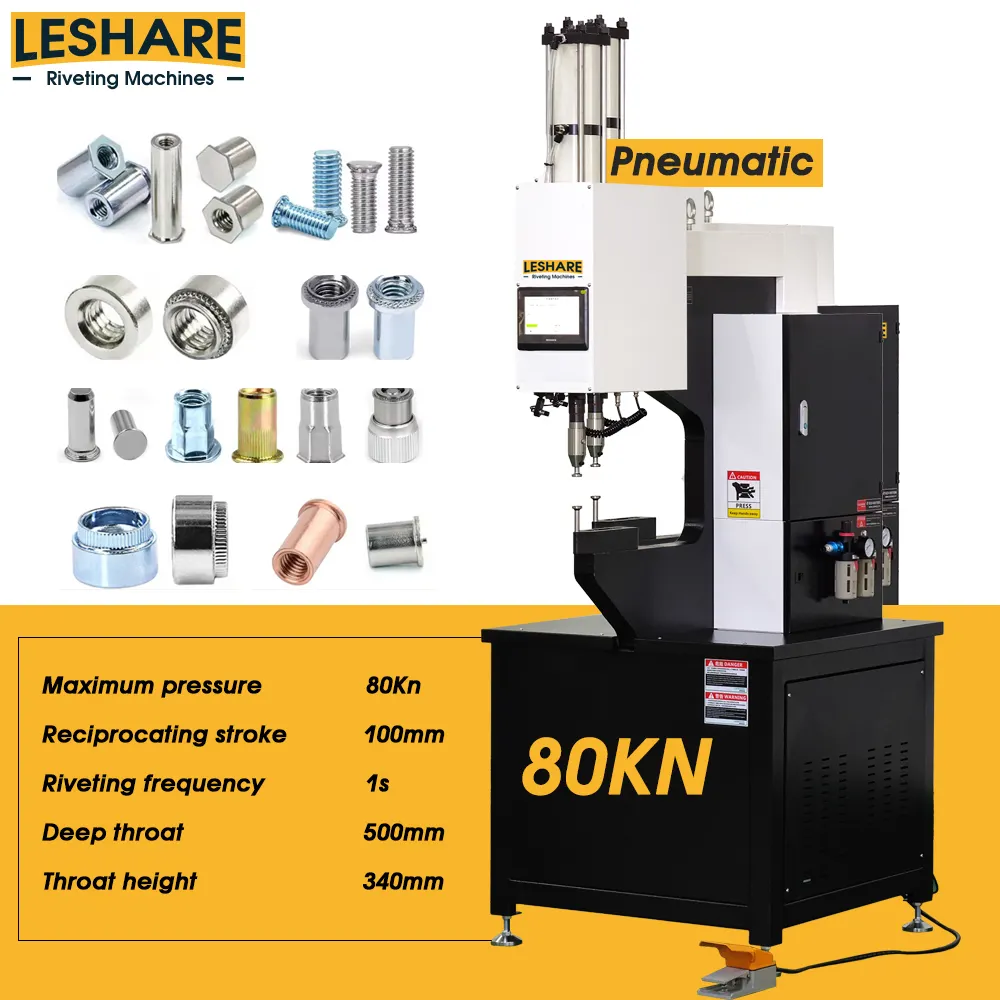
Pneumatic orbital riveters consist of several interconnected components that work together to deliver precise riveting action. The main components include the air motor, orbital head mechanism, pressure regulator, and mandrel collection system. Each component plays a vital role in the overall functionality of the tool. The air motor converts compressed air into mechanical energy, while the orbital head ensures even distribution of force during the riveting process.
The pressure regulator maintains consistent air pressure throughout operation, which is crucial for achieving uniform riveting results. The mandrel collection system efficiently captures spent mandrels, preventing workplace hazards and maintaining a clean working environment. Understanding these components is the first step in effective troubleshooting.
Air Supply and Pressure Requirements
Proper air supply is fundamental to the operation of pneumatic orbital riveters. The tool requires clean, dry air at the correct pressure to function optimally. Most pneumatic orbital riveters operate at pressures between 85 and 95 PSI, though specific requirements may vary by model. Installing proper air filtration systems and regular maintenance of air lines helps prevent contamination and ensures consistent performance.
Regular monitoring of air pressure and quality can prevent many common issues before they develop into serious problems. Installing pressure gauges at strategic points in the air delivery system allows for quick identification of pressure-related issues.
Common Performance Issues and Solutions
Inconsistent Riveting Results
One of the most frequent issues with pneumatic orbital riveters is inconsistent riveting results. This can manifest as poorly formed heads, incomplete setting, or varying rivet compression. Often, these problems stem from irregular air pressure, worn components, or improper tool setup. Regular calibration of pressure settings and inspection of wearing parts can help maintain consistency in riveting operations.
When troubleshooting inconsistent results, start by checking the air pressure settings and ensuring they match manufacturer specifications. Inspect the orbital head for signs of wear or damage, as this component directly affects riveting quality. Consider implementing a preventive maintenance schedule to address potential issues before they impact production.
Power and Speed Problems
Loss of power or reduced operating speed in pneumatic orbital riveters can significantly impact productivity. These issues typically arise from air supply problems, internal component wear, or inadequate lubrication. Regular cleaning and lubrication of moving parts help maintain optimal performance and prevent power loss.
When addressing power-related issues, examine the air supply system for restrictions or leaks. Clean or replace air filters regularly to ensure unrestricted airflow. Check the tool's internal components for signs of wear and replace as needed. Proper maintenance of the air motor and orbital mechanism is essential for maintaining consistent power output.
Preventive Maintenance Strategies
Daily Maintenance Procedures
Implementing a daily maintenance routine for pneumatic orbital riveters is crucial for preventing common issues. This includes cleaning the tool after each shift, checking air connections for leaks, and ensuring proper lubrication of moving parts. Regular inspection of wear items such as nose pieces and jaw sets helps identify potential problems before they affect performance.
Create a maintenance checklist that operators can follow to ensure consistent care of the equipment. Include steps for proper storage of the tool when not in use, as exposure to dust and moisture can lead to internal corrosion and mechanical problems.
Long-term Maintenance Planning
Developing a comprehensive long-term maintenance strategy helps extend the life of pneumatic orbital riveters and minimize unexpected downtime. This includes scheduling regular professional inspections, maintaining detailed service records, and planning for component replacement before failure occurs. Understanding the expected lifespan of various components allows for more effective maintenance planning.
Consider implementing a computerized maintenance management system to track service intervals and component replacement schedules. This systematic approach to maintenance helps optimize tool performance and reduces the risk of unexpected failures during critical production periods.
Advanced Troubleshooting Techniques
Diagnostic Tools and Methods
Modern troubleshooting of pneumatic orbital riveters often involves the use of specialized diagnostic tools. These may include pressure gauges, airflow meters, and electronic diagnostic equipment that can identify specific problems within the tool. Understanding how to properly use these diagnostic tools is essential for accurate problem identification and resolution.
Training maintenance personnel in the use of diagnostic equipment and interpretation of results ensures more effective troubleshooting. Regular calibration of diagnostic tools maintains their accuracy and reliability in identifying tool issues.
Performance Testing and Validation
After completing repairs or maintenance on pneumatic orbital riveters, proper testing and validation procedures ensure the tool meets performance specifications. This includes conducting pull tests on completed rivets, measuring cycle times, and verifying consistent operation across different rivet sizes and materials.
Document all test results and maintain records of performance validation for quality control purposes. Establish clear acceptance criteria for tool performance and ensure all maintenance personnel understand these standards.
Frequently Asked Questions
How often should pneumatic orbital riveters be serviced?
Pneumatic orbital riveters should undergo daily basic maintenance and inspection, with comprehensive service intervals every 100,000 cycles or every three months, whichever comes first. However, specific service intervals may vary based on usage patterns, operating conditions, and manufacturer recommendations.
What causes excessive wear in orbital riveting tools?
Excessive wear in pneumatic orbital riveters typically results from inadequate lubrication, contaminated air supply, operating outside recommended pressure ranges, or using incorrect rivet sizes. Regular maintenance and proper operating procedures can significantly reduce wear rates.
When should worn components be replaced?
Components should be replaced when they show signs of significant wear, typically indicated by inconsistent riveting results, increased noise levels, or reduced efficiency. Implementing a proactive replacement schedule based on usage patterns and manufacturer guidelines helps prevent unexpected failures.