 EN
EN

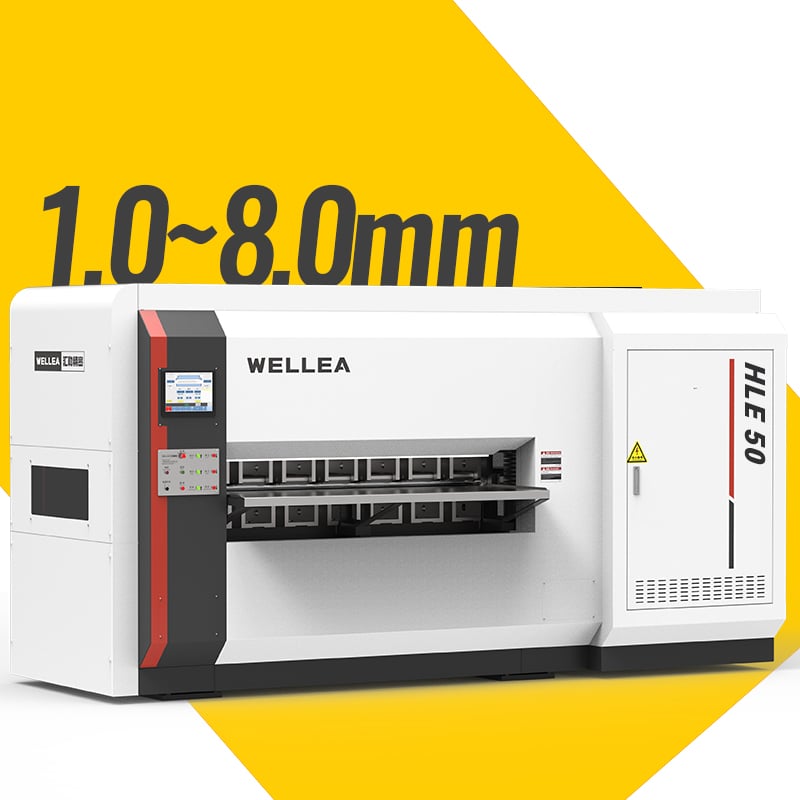
Choosing the correct radial orbital riveting machine is one of the most consequential procurement decisions a factory manager can make. The right radial orbital riveting machine directly affects joint quality, cycle time, tooling longevity, and overall production efficiency. Whether you are upgrading an existing assembly line or building a new one from scratch, understanding what distinguishes one radial orbital riveting machine from another will save your operation significant cost and rework over time.

A radial orbital riveting machine forms rivets through a spinning, orbital motion rather than a direct axial punch. This gentler forming action makes the radial orbital riveting machine ideal for delicate assemblies where component distortion must be minimized. From automotive brackets and bearing housings to electronics enclosures and medical device housings, the radial orbital riveting machine serves a wide range of industries. To select correctly, you need to evaluate machine force, drive type, automation level, tooling compatibility, and production volume requirements.
Understanding What a Radial Orbital Riveting Machine Does
The Core Forming Mechanism
A radial orbital riveting machine works by pressing a spinning forming tool against the rivet shank at a slight angle, typically between two and six degrees. As the radial orbital riveting machine applies downward force, the tool traces a circular path that progressively displaces material outward. This controlled deformation produces a smooth, well-spread rivet head without the shock loading that a conventional press would generate. The radial orbital riveting machine therefore protects sensitive components seated near the rivet zone, which is why it is preferred for precision assemblies.
Because the radial orbital riveting machine forms the joint gradually, it also produces less vibration and noise compared to impact-based alternatives. This makes the radial orbital riveting machine a practical choice for ergonomic workshop environments and for assemblies that include pre-installed bearings or seals. The forming quality of each radial orbital riveting machine cycle is highly repeatable, which supports statistical process control and traceability requirements.
Key Structural Components to Evaluate
Every radial orbital riveting machine consists of a spindle drive unit, a forming peen or tool holder, a feed mechanism, and a frame. The spindle unit of a radial orbital riveting machine determines the orbital angle, the rotational speed, and the forming force available. The frame rigidity of the radial orbital riveting machine affects how consistently force is transmitted to the rivet, particularly during high-volume runs. Buyers should inspect the build quality of each radial orbital riveting machine component before committing to a model.
Critical Selection Factors for Your Factory
Force Range and Material Compatibility
The riveting force rating of a radial orbital riveting machine is the first specification to match against your application. A radial orbital riveting machine designed for soft aluminum rivets will lack the capacity needed for steel or stainless rivets of larger diameter. Insufficient force from a radial orbital riveting machine results in underformed heads, loose joints, and high rejection rates. Conversely, selecting a radial orbital riveting machine with excessive force capacity for thin or fragile components risks cracking the parent material. Always calculate the required forming force based on rivet material, shank diameter, and head geometry before shortlisting any radial orbital riveting machine.
Material hardness and rivet diameter together define the force window that your radial orbital riveting machine must operate within. A well-matched radial orbital riveting machine will form consistent heads at the lower end of its rated capacity, leaving headroom for tooling wear compensation. This balance ensures the radial orbital riveting machine maintains quality output throughout a long production run without requiring constant parameter adjustment.
Drive Type and Automation Level
Radial orbital riveting machine models are available in pneumatic, hydraulic, and electromechanical drive configurations. A pneumatic radial orbital riveting machine is the most widely used format in general manufacturing because it is cost-effective, easy to maintain, and capable of high cycle rates. A hydraulic radial orbital riveting machine delivers greater force density and suits heavy-duty riveting tasks where compact installation is needed. An electromechanical radial orbital riveting machine offers precise programmable force and displacement control, making it the preferred choice for quality-critical assemblies. Your selection of a radial orbital riveting machine drive type should reflect the force requirements, installation environment, and process documentation standards of your factory.
Automation compatibility is another dimension of radial orbital riveting machine selection. Some factories integrate a radial orbital riveting machine into robotic cells or automated transfer lines, requiring the machine to accept external trigger signals and communicate process data. A standalone manual radial orbital riveting machine suits low-volume or prototype work, while a fully automated radial orbital riveting machine system is justified when throughput targets are high and labor costs are significant.
Matching Machine Specifications to Production Needs
Throughput and Cycle Time Requirements
Every radial orbital riveting machine has a rated cycle time that reflects how quickly it can complete a single forming operation. To select the right radial orbital riveting machine, calculate the number of rivets per assembly, the number of assemblies per shift, and the available operating hours. If your line requires fast cycling, choose a radial orbital riveting machine with a short return stroke and high spindle speed. Some radial orbital riveting machine designs allow simultaneous multi-spindle operation, which multiplies throughput without proportionally increasing floor space or cost.
Cycle time consistency from a radial orbital riveting machine also matters for downstream scheduling. A radial orbital riveting machine with variable or unstable cycle times creates buffer management problems on a balanced production line. Verifying the cycle time consistency of a radial orbital riveting machine under realistic production conditions, rather than just under ideal demonstration conditions, is an important part of the evaluation process.
Tooling Range and Rivet Size Flexibility
Tooling interchangeability is a practical advantage when a single radial orbital riveting machine must handle multiple rivet sizes or head profiles. A modular radial orbital riveting machine with a standardized tool holder allows quick changeover between forming peens, reducing downtime and tooling investment. If your factory produces a variety of products with different rivet specifications, a flexible radial orbital riveting machine platform will deliver better return on investment than a dedicated single-purpose machine. Always confirm that the radial orbital riveting machine supplier offers a full tooling range and reliable spare parts availability before purchasing.
FAQ
What is the difference between a radial orbital riveting machine and a standard orbital riveter?
A radial orbital riveting machine uses a spinning peen at an offset angle to form rivets through a progressive radial sweep, distributing forming force more evenly than a standard orbital riveter. This results in lower stress on surrounding components and a more controlled head profile, which is why the radial orbital riveting machine is preferred in precision and sensitive assembly contexts.
How do I determine the right force rating for my radial orbital riveting machine?
To determine the correct force rating, calculate the required forming load based on rivet material hardness, shank diameter, and target head dimensions. Add a safety margin of at least fifteen to twenty percent above this calculated load when selecting a radial orbital riveting machine, to account for tooling wear, material batch variation, and future product changes.
Can a radial orbital riveting machine be integrated into an automated production line?
Yes, many radial orbital riveting machine models support integration with automated transfer systems, robotic arms, and PLC-based line controllers. When specifying a radial orbital riveting machine for automation, confirm that the machine provides digital I/O interfaces, force and displacement monitoring outputs, and compatible mounting options for your cell design.