 EN
EN

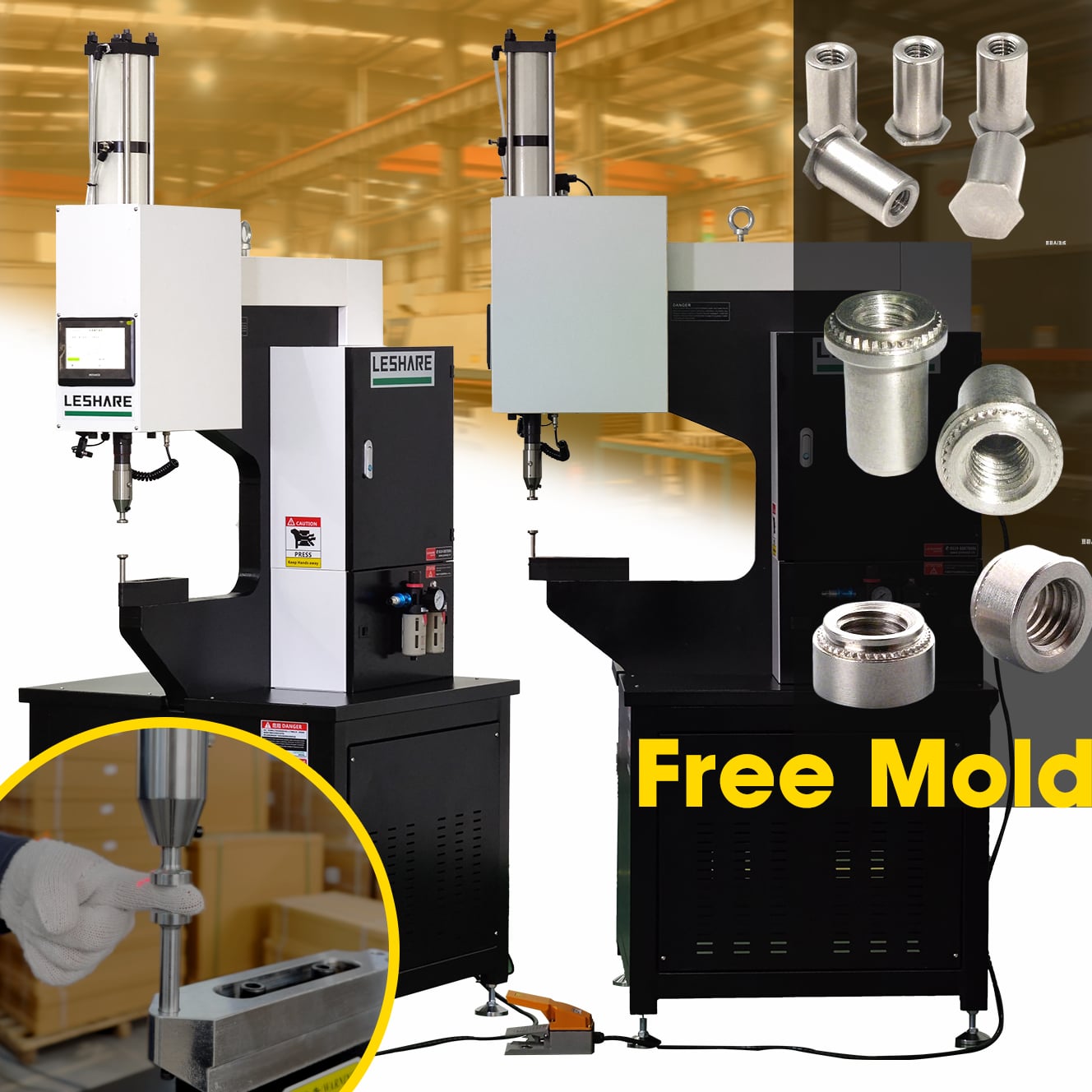
Selecting the right radial orbital riveting machine is one of the most consequential decisions a manufacturing engineer or procurement manager will face. The radial orbital riveting machine is a precision fastening tool that forms rivet heads through a controlled orbital spinning motion, distributing force gradually and evenly rather than through a single impact. This approach produces stronger, more consistent joints while minimizing stress on the workpiece. Knowing which features truly matter helps you invest in equipment that delivers long-term reliability and production efficiency.

Not every radial orbital riveting machine on the market is built the same way, and performance gaps between models can significantly affect output quality, maintenance costs, and operator safety. Whether you are processing automotive components, electronics assemblies, or consumer hardware, the radial orbital riveting machine you choose must align with your production volume, material specifications, and quality standards. This article walks through the essential features you should evaluate before making a purchase decision.
Force Control and Adjustability
Precise Force Settings
A well-engineered radial orbital riveting machine must offer precise and repeatable force control. The ability to fine-tune riveting pressure is critical when working with delicate substrates such as plastics, soft alloys, or sensitive electronic components. A radial orbital riveting machine that lacks adjustable force settings risks cracking housings, deforming parts, or producing under-formed rivet heads. Look for a machine that provides clearly graduated force adjustment, ideally with digital or clearly marked analog controls.
Repeatability is equally important. A radial orbital riveting machine used in high-volume production must apply the same force consistently across thousands of cycles. Inconsistent force output leads to variation in joint quality, which can cause product failures downstream. Machines with closed-loop pressure regulation or programmable force profiles offer superior consistency compared to basic manual-set models.
Stroke Depth Control
Beyond force, the stroke depth of a radial orbital riveting machine determines how deeply the forming tool engages the rivet. Adjustable stroke depth allows operators to accommodate different rivet lengths and material thicknesses without retooling the entire setup. A radial orbital riveting machine with a flexible stroke depth range reduces changeover time and supports multi-product production lines. Ensure the machine provides reliable mechanical or electronic stroke limiters to prevent over-forming.
Spindle Design and Orbital Mechanics
Spindle Angle and Forming Quality
The spindle angle of a radial orbital riveting machine directly influences how the rivet head is shaped. Standard radial orbital riveting machine designs use a spindle tilted at a fixed angle, typically between three and six degrees, to create the characteristic orbital path. A smaller angle produces a tighter orbital pattern, which is well-suited for softer materials and precision applications. A larger angle accelerates forming speed but may introduce more lateral stress. Choose a radial orbital riveting machine whose spindle angle matches your primary material type and rivet geometry.
The quality of the spindle bearings also matters significantly. Worn or low-quality bearings in a radial orbital riveting machine introduce vibration, reduce forming accuracy, and shorten tool life. Precision-ground, high-load bearings ensure that the radial orbital riveting machine maintains orbital path integrity over extended duty cycles. Always verify the spindle bearing specification and rated service life when evaluating suppliers.
Tool Compatibility and Quick-Change Systems
A radial orbital riveting machine should support a broad range of forming tools to handle different rivet diameters and head profiles. Quick-change tooling systems dramatically reduce downtime when switching between rivet sizes or product models. The best radial orbital riveting machine configurations allow a single operator to swap tooling in minutes without specialized equipment. Verify that replacement tools are readily available and that the radial orbital riveting machine uses standardized tool shanks to avoid being locked into proprietary supply chains.
Build Quality, Safety, and Integration
Frame Rigidity and Durability
The mechanical frame of a radial orbital riveting machine must withstand repetitive loading without flexing or fatiguing over time. A rigid frame ensures that the forming force is transmitted directly to the rivet rather than being absorbed by structural deflection. Heavy-duty steel construction is the standard for industrial-grade radial orbital riveting machine designs. Pay attention to the quality of welding, surface treatment, and the guiding column system, as these components determine the long-term accuracy and lifespan of the radial orbital riveting machine.
Vibration dampening is another consideration. A radial orbital riveting machine that transmits excessive vibration to the operator or the workpiece fixture increases fatigue and reduces part quality. Machines with integrated anti-vibration mounts or dampened spindle housings deliver a noticeably smoother operating experience and contribute to better operator ergonomics over long shifts.
Safety Systems and Production Integration
Modern radial orbital riveting machine models should include built-in safety features such as two-hand control requirements, emergency stop circuits, and overload protection. These safeguards protect both the operator and the machine from damage caused by incorrect setup or unexpected material variation. A radial orbital riveting machine lacking adequate safety interlocks may expose your facility to liability and regulatory non-compliance.
Integration capability is increasingly important in automated manufacturing environments. A radial orbital riveting machine that supports PLC connectivity, sensor feedback, or network communication can be embedded into a broader production line with real-time quality monitoring. Even if full automation is not your immediate goal, choosing a radial orbital riveting machine with integration-ready architecture gives your facility the flexibility to upgrade without replacing equipment. Evaluate whether the machine offers standard I/O ports, communication protocols, or data logging functions before finalizing your selection.
FAQ
What is the difference between a radial orbital riveting machine and a standard impact riveter?
A radial orbital riveting machine forms rivet heads through a continuous orbital spinning motion, applying force gradually and evenly. A standard impact riveter uses a single compressive blow. The radial orbital riveting machine produces less shock stress on the workpiece, making it far better suited for precision assemblies, fragile housings, and applications where dimensional consistency is critical.
How do I know if a radial orbital riveting machine is the right fit for my material?
The suitability of a radial orbital riveting machine depends on your rivet material, diameter, workpiece hardness, and joint load requirements. Most radial orbital riveting machine suppliers provide material and rivet size capacity charts. Testing the machine with your actual materials under representative conditions is the most reliable way to confirm compatibility before committing to a purchase.
Can a radial orbital riveting machine handle high-volume production reliably?
Yes, a well-specified radial orbital riveting machine is fully capable of sustaining high-volume production cycles. Key factors include the duty cycle rating, spindle bearing quality, lubrication system design, and availability of spare parts. A pneumatic radial orbital riveting machine, in particular, offers fast cycle times and low energy consumption, making it a practical choice for continuous industrial production environments.