 EN
EN

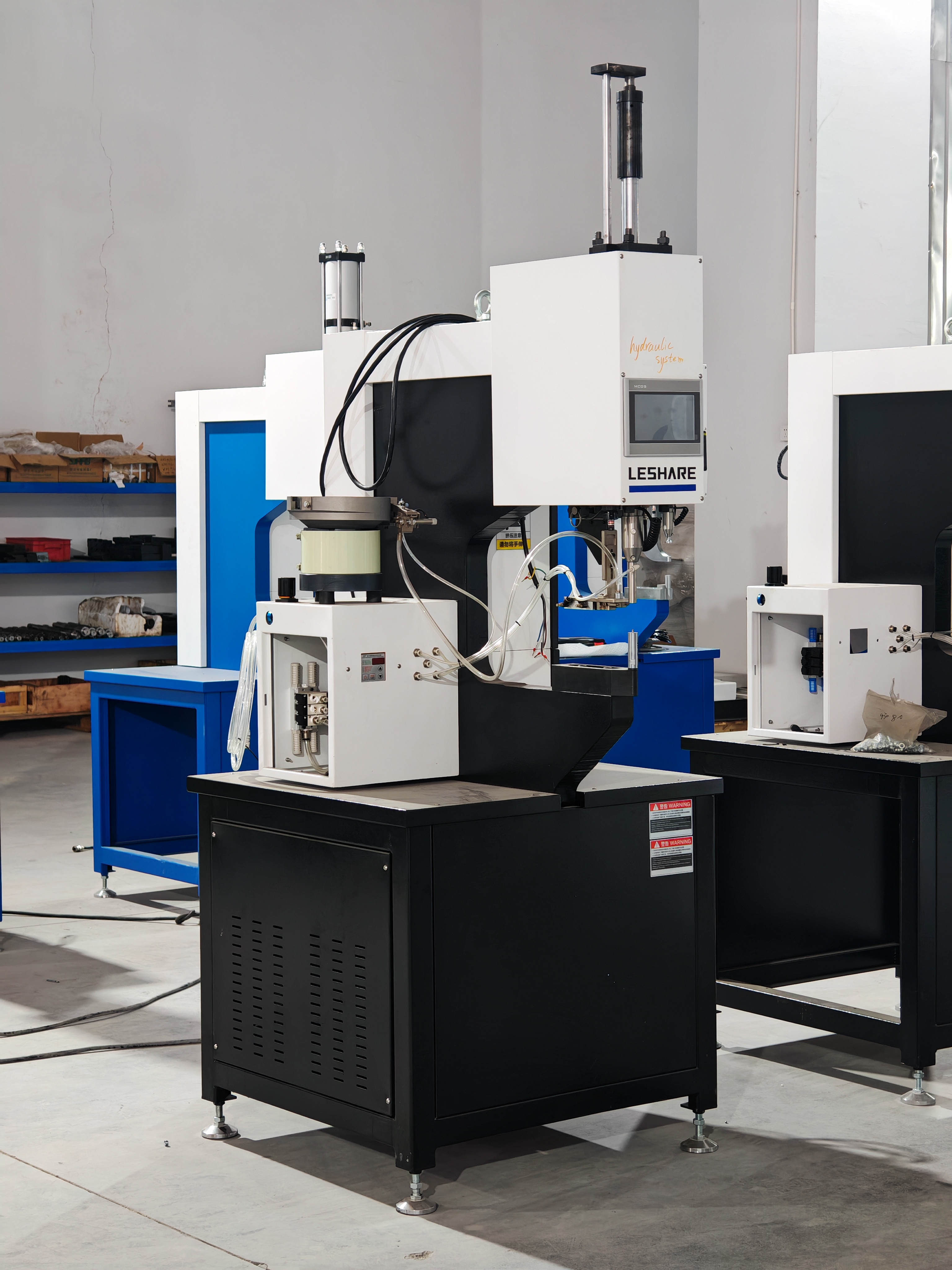
A fastener insertion machine is a specialized piece of industrial equipment designed to press, drive, or embed fasteners such as nuts, studs, standoffs, and inserts into metal, plastic, or composite workpieces with high precision and repeatable force. In manufacturing environments where product quality and assembly speed are both critical, a fastener insertion machine replaces slow and inconsistent manual methods with a controlled mechanical process. Understanding what this machine is and how it operates helps engineers, procurement managers, and production planners make better decisions about their assembly lines.

The growing demand for tighter tolerances and faster cycle times across industries such as electronics, automotive, appliances, and sheet metal fabrication has made the fastener insertion machine a standard fixture on modern production floors. Whether you are evaluating a fastener insertion machine for the first time or looking to upgrade your existing setup, this guide breaks down the core definition, internal mechanism, and practical applications of a fastener insertion machine so you can approach the topic with confidence.
Defining a Fastener Insertion Machine
Core Purpose and Design Concept
At its most fundamental level, a fastener insertion machine is built to apply a controlled amount of force to seat a fastener permanently and flush within a host material. The fastener insertion machine eliminates the variability that comes from hand tools or manual press operations by delivering a consistent, programmable stroke and pressure every cycle. This consistency is what makes a fastener insertion machine indispensable in high-volume production, where even small deviations can cause assembly failures or product returns.
A fastener insertion machine is typically composed of a rigid frame, a drive mechanism, a tooling head, and a control system. The frame of the fastener insertion machine absorbs reaction forces during insertion so that neither the workpiece nor the fastener is damaged by misaligned loads. The tooling head of the fastener insertion machine is the component that makes direct contact with the fastener, and it is usually interchangeable to accommodate different fastener types and sizes. A well-designed fastener insertion machine allows operators to swap tooling quickly, reducing changeover time on mixed-production lines.
Common Fastener Types Handled
A fastener insertion machine is used to install clinch nuts, self-clinching standoffs, rivet nuts, threaded inserts, weld studs, and press-fit pins, among other hardware types. Each fastener type places different demands on the fastener insertion machine in terms of required force, stroke length, and tooling geometry. A pneumatic fastener insertion machine, for example, is well-suited to medium-force applications where cycle speed is a priority, while a hydraulic or servo-driven fastener insertion machine handles high-tonnage jobs that demand precise force profiling. The versatility of a modern fastener insertion machine means that one machine can often cover an entire range of fastener families used in a facility.
How a Fastener Insertion Machine Works
The Mechanical Insertion Process
The working principle of a fastener insertion machine follows a straightforward but carefully engineered sequence. The operator or an automated feeder positions the fastener into the tooling head of the fastener insertion machine, and the workpiece is placed on the anvil or die below. When the fastener insertion machine is activated, the drive mechanism pushes the tooling head downward with a defined force, pressing the fastener into or through the prepared hole in the workpiece. As the fastener insertion machine applies force, the fastener's shank, flange, or knurled body deforms or locks against the host material, creating a permanent, flush, and mechanically strong joint.
A pneumatic fastener insertion machine uses compressed air to generate the downward stroke, giving the fastener insertion machine a fast cycle time and simple maintenance profile. The air pressure setting on a pneumatic fastener insertion machine directly determines the insertion force, so operators must calibrate the fastener insertion machine carefully to match the specific fastener and material combination. An over-pressured fastener insertion machine can crack plastic panels or distort thin sheet metal, while an under-pressured fastener insertion machine may fail to fully seat the fastener, leading to loose hardware in the finished assembly.
Control Systems and Force Monitoring
Modern versions of the fastener insertion machine incorporate digital control systems that monitor insertion force and stroke in real time. A servo-electric fastener insertion machine, for instance, uses closed-loop feedback to ensure that every insertion event meets the programmed force and depth parameters. If the fastener insertion machine detects an anomaly, such as a missing fastener or an incorrectly sized hole, it stops the cycle and alerts the operator before a defective part moves further down the line. This built-in quality monitoring makes the fastener insertion machine a critical tool not just for productivity, but also for process integrity and traceability in regulated industries.
Key Applications and Industry Use Cases
Sheet Metal and Electronics Assembly
The fastener insertion machine is most commonly found in sheet metal fabrication shops, electronics enclosure manufacturing, and appliance production lines. In sheet metal work, a fastener insertion machine presses clinch nuts and standoffs into punched panels, creating threaded attachment points without welding or adhesive. In electronics manufacturing, the fastener insertion machine installs brass inserts and threaded spacers into PCB mounting panels and chassis frames, enabling clean and reworkable assemblies. The fastener insertion machine reduces labor cost, shortens cycle times, and improves joint consistency across all of these applications.
Automotive and Appliance Production
In automotive sub-assembly and appliance manufacturing, the fastener insertion machine handles higher volumes and more demanding material combinations. A fastener insertion machine used in these environments is often integrated into a semi-automated or fully automated cell, where a robotic arm or vibratory bowl feeder supplies fasteners to the fastener insertion machine continuously. The fastener insertion machine in these settings must maintain high uptime and repeatable accuracy across thousands of cycles per shift. Selecting the right fastener insertion machine for these heavy-duty environments requires evaluating frame rigidity, drive system type, tooling durability, and the availability of force monitoring features that protect both the machine and the product.
FAQ
What is the difference between a manual press and a fastener insertion machine?
A manual press relies on operator strength and judgment to apply insertion force, making it inconsistent and prone to error. A fastener insertion machine uses a mechanical, pneumatic, hydraulic, or electric drive to apply a controlled and repeatable force, which is essential for high-quality and high-volume production. The fastener insertion machine also typically includes tooling that guides the fastener precisely, reducing misalignment and rejected parts.
How do I choose the right fastener insertion machine for my application?
Choosing the right fastener insertion machine depends on the required insertion force, the fastener types you use, your production volume, and whether you need integrated force monitoring. A pneumatic fastener insertion machine is a practical choice for medium-force, high-speed applications, while a servo-electric fastener insertion machine suits applications that demand precise force control and data logging. Always match the fastener insertion machine's rated force capacity to the fastener manufacturer's published installation force requirements.
Can a fastener insertion machine handle multiple fastener types?
Yes, most modern fastener insertion machine designs use interchangeable tooling heads that allow one machine to process different fastener types and sizes. Changeover on a versatile fastener insertion machine typically takes only a few minutes and requires no special tools. However, the fastener insertion machine must have sufficient force range and stroke adjustment to cover all the fastener profiles in your production mix, so reviewing the machine's specifications against your full fastener library before purchase is strongly recommended.