 EN
EN

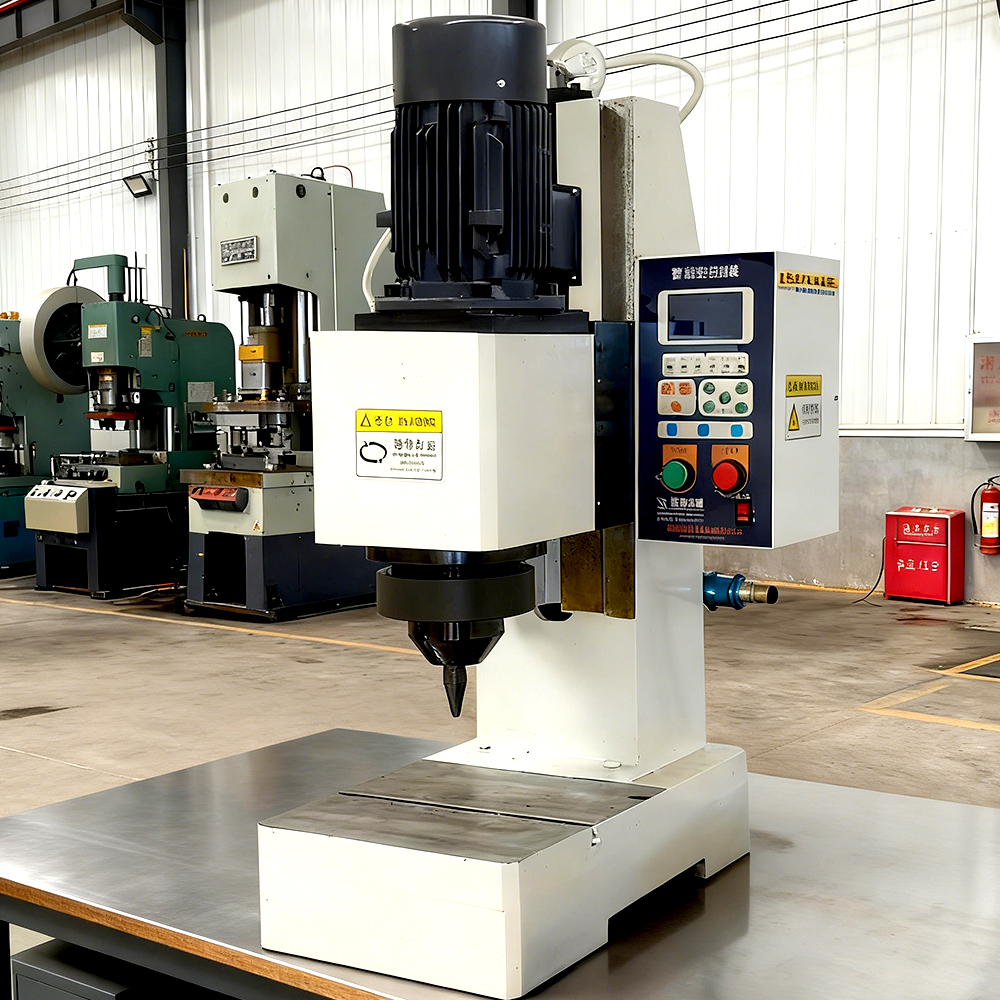
For distributors entering or expanding within the hardware and assembly supply chain, selecting the right fastener insertion machine is one of the most consequential procurement decisions you will make. A fastener insertion machine directly determines the quality, speed, and consistency of the assembly output your customers depend on. Getting this decision wrong can lead to costly downtime, poor product performance, and damaged business relationships.

Understanding what separates a suitable fastener insertion machine from an inadequate one requires looking beyond price alone. Distributors must evaluate technical specifications, operational compatibility, long-term support, and end-user requirements. This guide walks through the critical factors every distributor should consider before committing to a fastener insertion machine purchase, so you can align your investment with both your business goals and your customers' expectations.
Technical Specifications That Define Performance
Insertion Force and Capacity
The most fundamental specification of any fastener insertion machine is its insertion force, typically measured in kilonewtons. A fastener insertion machine with insufficient force will fail to set fasteners correctly into harder or thicker substrates, causing rejects and rework. Distributors should carefully match the insertion force rating of the fastener insertion machine to the material types and thicknesses their customers most commonly work with. A pneumatic fastener insertion machine rated at 80kN, for example, offers substantial capacity suitable for a wide range of sheet metal and panel applications.
Beyond raw force, the throat depth and working envelope of the fastener insertion machine determine whether it can handle the part sizes your customers process. A fastener insertion machine with limited throat depth will restrict the operator to smaller workpieces, reducing its versatility. Always confirm that the fastener insertion machine's dimensional capacity aligns with the realistic part range in your target market segment.
Fastener Compatibility and Tooling Flexibility
A high-quality fastener insertion machine should accommodate a broad range of fastener types, including studs, standoffs, nuts, and spacers, across multiple sizes and thread profiles. Distributors should ask whether the fastener insertion machine supports quick-change tooling, since customers who process diverse assemblies will need to switch fastener types without lengthy changeovers. A fastener insertion machine that requires custom tooling for every fastener style significantly increases the total cost of ownership over time. Prioritize a fastener insertion machine that offers standardized, interchangeable anvil and punch sets.
Operational Fit for Your Distribution Model
Ease of Use and Operator Training Requirements
Distributors serve a wide spectrum of customers, from small fabrication shops to large-scale manufacturers. A fastener insertion machine that is difficult to set up or requires extensive operator training may be a poor fit for smaller customers who lack dedicated maintenance staff. When evaluating a fastener insertion machine, consider how intuitive the controls are, whether setup guides are clearly documented, and how quickly a new operator can achieve consistent results. A well-designed fastener insertion machine reduces human error and shortens the learning curve, making it more commercially attractive to a broader customer base.
Pneumatic fastener insertion machines tend to offer straightforward operation compared to hydraulic alternatives, with simpler pressure adjustment and cleaner power delivery. If your distribution market includes job shops or contract manufacturers where operators rotate frequently, a fastener insertion machine with minimal complexity and strong built-in guidance is a clear competitive advantage.
Footprint, Portability, and Workspace Integration
The physical footprint of a fastener insertion machine matters significantly for customers with constrained floor space. A compact fastener insertion machine that can be bench-mounted or easily repositioned adds flexibility to the production layout. Distributors should verify the weight and mounting requirements of each fastener insertion machine model they carry, since these factors influence how quickly customers can deploy and integrate the machine into existing workflows. A fastener insertion machine that demands permanent floor mounting and significant infrastructure changes will have a narrower appeal within your distributor catalog.
Total Cost of Ownership and After-Sales Considerations
Spare Parts Availability and Maintenance Cycles
The purchase price of a fastener insertion machine represents only part of the true investment. Distributors must evaluate how readily spare parts are available for the fastener insertion machine, since downtime caused by waiting for components can seriously erode customer trust. A fastener insertion machine backed by a supplier with a robust spare parts inventory and short lead times is far more valuable to end users than a lower-priced fastener insertion machine with unpredictable parts availability. Ask suppliers directly about recommended maintenance intervals and which components are most frequently replaced on each fastener insertion machine model.
Maintenance simplicity also plays a role. A fastener insertion machine designed with accessible internal components reduces service time and allows in-house maintenance without specialized technicians. For distributors building long-term customer relationships, offering a fastener insertion machine that is genuinely easy to maintain strengthens your position as a trusted supplier rather than just a transactional vendor.
Warranty Terms and Technical Support
Before finalizing any fastener insertion machine purchase, distributors should thoroughly review warranty coverage. A credible fastener insertion machine supplier will offer a warranty that covers both structural components and pneumatic systems for a meaningful period. Equally important is the quality of technical support available when a fastener insertion machine develops an issue. Distributors benefit from suppliers who provide responsive application engineering support, since your customers will inevitably direct technical questions back to you. Choosing a fastener insertion machine backed by strong after-sales infrastructure protects your reputation and reduces the risk of costly escalations.
FAQ
What insertion force should I look for in a fastener insertion machine for sheet metal applications?
For general sheet metal work, a fastener insertion machine with a force rating between 40kN and 80kN is typically sufficient. Thicker or harder materials may require a fastener insertion machine at the higher end of that range. Always confirm the material specifications your customers work with before selecting a fastener insertion machine force rating.
How does a pneumatic fastener insertion machine compare to a hydraulic model?
A pneumatic fastener insertion machine is generally simpler to operate, easier to maintain, and more cost-effective for most production environments. A hydraulic fastener insertion machine may offer higher force output for very demanding applications, but the added complexity and maintenance requirements make a pneumatic fastener insertion machine the preferred choice for the majority of distributors and their customers.
What should distributors prioritize when comparing fastener insertion machine suppliers?
Distributors should prioritize spare parts availability, warranty terms, tooling flexibility, and technical support quality when comparing fastener insertion machine suppliers. A fastener insertion machine that combines strong performance specifications with reliable after-sales backing will deliver the best long-term value for both distributors and their end customers.