 EN
EN

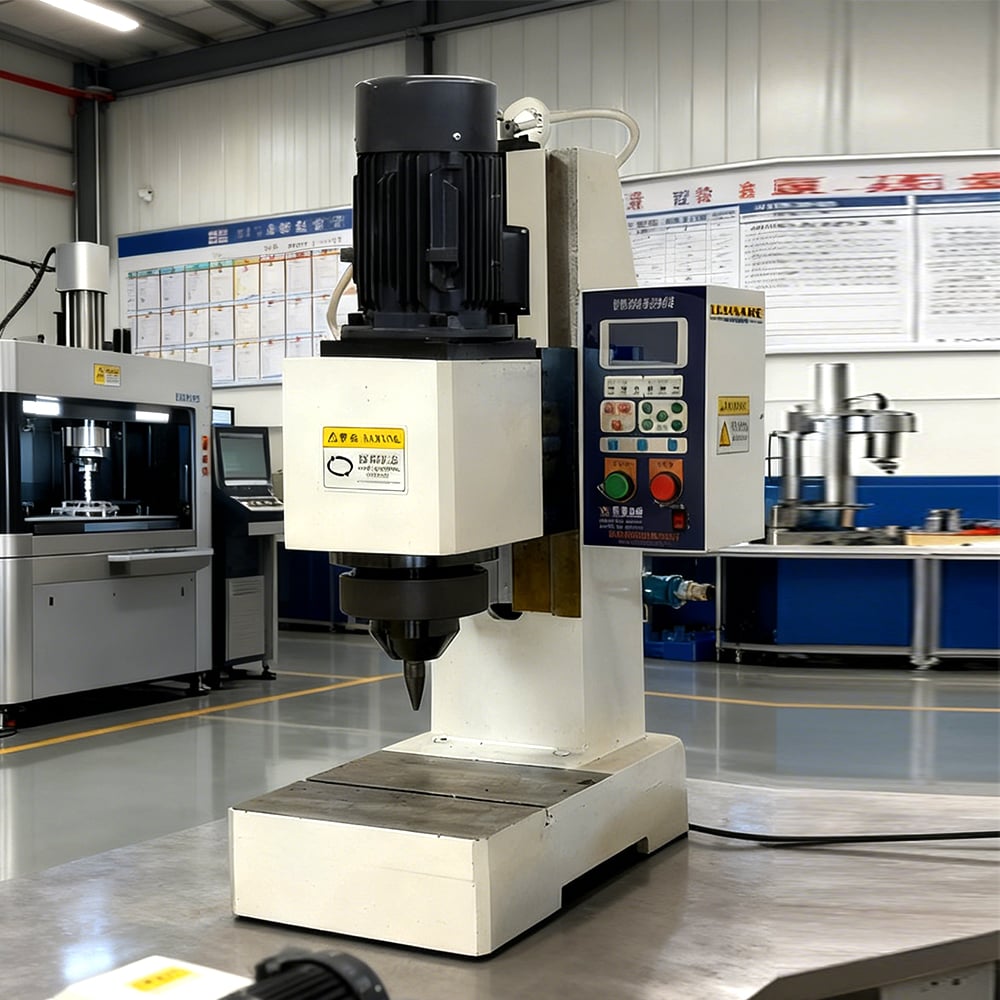
In modern sheet metal assembly, achieving consistent, high-strength joints at production speed is a persistent challenge. A fastener insertion machine directly addresses that challenge by pressing threaded fasteners — such as studs, nuts, and standoffs — into sheet metal panels with precise, repeatable force. Without this capability, manufacturers face inconsistent joint quality, slower cycle times, and higher labor dependency. Understanding why a fastener insertion machine is essential starts with recognizing what it replaces: manual hammer insertion, inconsistent press techniques, and time-consuming secondary operations that introduce variability into every part produced.

The value of a fastener insertion machine extends beyond simple automation. It represents a structural shift in how sheet metal fabricators manage quality, throughput, and operator safety simultaneously. Every time a fastener insertion machine cycles, it delivers a calibrated pressing force that meets the specific push-out and torque requirements of the fastener being installed. This article explains the core reasons why a fastener insertion machine has become an indispensable asset in sheet metal assembly operations of any serious scale.
Precision and Joint Integrity in Sheet Metal Work
Why Controlled Force Makes the Difference
Sheet metal panels are thin, often ranging from 0.5 mm to 3 mm in thickness, which means the installation force used during fastener insertion must be tightly controlled. A fastener insertion machine applies a defined, consistent force every single cycle, ensuring that the fastener is fully seated without deforming the surrounding panel material. When a fastener insertion machine is used correctly, the clinching action creates a secure mechanical interlock between the fastener shank and the punched hole in the sheet, producing a joint that resists both push-out and rotation under load. Manual insertion methods cannot replicate this reliability because human force application varies with operator fatigue, technique, and tooling wear.
A properly configured fastener insertion machine also reduces the risk of panel warping caused by uneven pressing. Because the fastener insertion machine delivers force along a precise vertical axis, there is no lateral stress introduced to the panel during installation. This matters enormously in assemblies where surface flatness affects downstream fit and function, such as enclosures, brackets, and precision frames. The fastener insertion machine essentially acts as a quality gate, ensuring every fastener is installed to specification before the part moves further down the production line.
Consistency Across High-Volume Runs
In high-volume sheet metal production, consistency is a non-negotiable requirement. A fastener insertion machine maintains the same pressing parameters across thousands of cycles without degradation in performance. This repeatability is something that neither manual labor nor improvised tooling can guarantee over a full production shift. When manufacturers rely on a fastener insertion machine for their high-volume runs, defect rates from poorly seated fasteners drop significantly, reducing rework costs and improving first-pass yield. The fastener insertion machine therefore pays for itself not just in speed but in the quality reliability it builds into every finished component.
Productivity Gains and Workflow Integration
Accelerating Cycle Times on the Shop Floor
A fastener insertion machine dramatically shortens the time required to install fasteners compared to manual methods. Where an operator might spend several seconds positioning, aligning, and manually pressing a fastener, a fastener insertion machine completes the same task in a fraction of a second with a single pneumatic or hydraulic stroke. This speed advantage compounds quickly in assemblies that require multiple fasteners per panel, which is the norm in sheet metal enclosures, brackets, and structural frames. The fastener insertion machine allows a single operator to maintain a high output rate without physical strain, which is a meaningful productivity gain in labor-intensive fabrication environments.
Integrating a fastener insertion machine into an existing sheet metal workflow is typically straightforward. The fastener insertion machine occupies a defined station in the fabrication line where punched panels are fed directly for fastener installation before bending or welding operations begin. Because the fastener insertion machine operates independently with simple tooling changes for different fastener types and sizes, switching between product variants requires minimal downtime. This flexibility makes the fastener insertion machine a practical investment for job shops and dedicated production lines alike.
Reducing Labor Dependency and Operator Fatigue
One of the less-discussed but highly practical reasons why a fastener insertion machine is essential is its role in reducing operator fatigue and labor dependency. Manual fastener insertion is physically repetitive and demands consistent hand positioning throughout a shift. Over time, operator fatigue translates directly into joint quality variation. A fastener insertion machine removes this human variable from the equation entirely. The operator's role shifts from applying force to simply loading panels and triggering the fastener insertion machine cycle, which is a far less demanding and more sustainable task. This redistribution of labor effort also makes it easier to maintain output targets late in a production shift when fatigue would otherwise affect manual insertion quality.
Application Fit and Material Suitability
Where a Fastener Insertion Machine Performs Best
A fastener insertion machine is optimally suited for cold-rolled steel, stainless steel, and aluminum sheet metal panels where self-clinching or press-fit fasteners are specified. In these materials, the fastener insertion machine creates a permanent, vibration-resistant joint that does not require welding, adhesives, or secondary locking features. This is particularly valuable in enclosures for electrical equipment, HVAC components, and structural sheet metal assemblies where fastener pullout strength is a design requirement. The fastener insertion machine is equally effective for installing PEM-style studs, standoffs, and clinch nuts, giving fabricators a single platform to handle a wide variety of fastener types without requiring multiple specialized tools.
Choosing the right fastener insertion machine for a specific application depends on the pressing force range, throat depth, and tooling compatibility required by the fastener and panel combination. A pneumatic fastener insertion machine operating at 80 kN, for example, is well-suited for medium-thickness panels and standard stud diameters used across a broad range of industrial applications. The fastener insertion machine should always be selected based on the maximum force required by the largest fastener in the product range to ensure consistent performance across all variants. When matched correctly to the application, the fastener insertion machine delivers repeatable, high-integrity joints that meet engineering specifications without compromise.
FAQ
What types of fasteners can a fastener insertion machine install?
A fastener insertion machine is designed to install self-clinching fasteners including threaded studs, clinch nuts, standoffs, and panel fasteners into sheet metal panels. The specific fastener types supported depend on the tooling configuration of the fastener insertion machine and the pressing force available. Most fastener insertion machine models accommodate a range of fastener diameters and lengths through interchangeable tooling sets.
How does a fastener insertion machine improve joint quality over manual methods?
A fastener insertion machine applies a consistent, calibrated force every cycle, which ensures the fastener is fully clinched into the panel material to the required push-out and torque specification. Manual methods are subject to operator variation, fatigue, and technique inconsistency, all of which reduce joint reliability. The fastener insertion machine eliminates these variables by delivering the same mechanical result on every installation, regardless of operator experience or production volume.
Is a fastener insertion machine suitable for small batch production as well as high-volume runs?
Yes. A fastener insertion machine is a practical tool for both small batch and high-volume production. For small batches, the fastener insertion machine reduces setup time and ensures consistent quality even when an experienced operator is not available. For high-volume runs, the fastener insertion machine delivers the speed and repeatability necessary to meet production targets without increasing labor headcount. Its tooling flexibility allows quick changeovers between different fastener types, making the fastener insertion machine a versatile asset across a wide range of sheet metal production scenarios.