 EN
EN

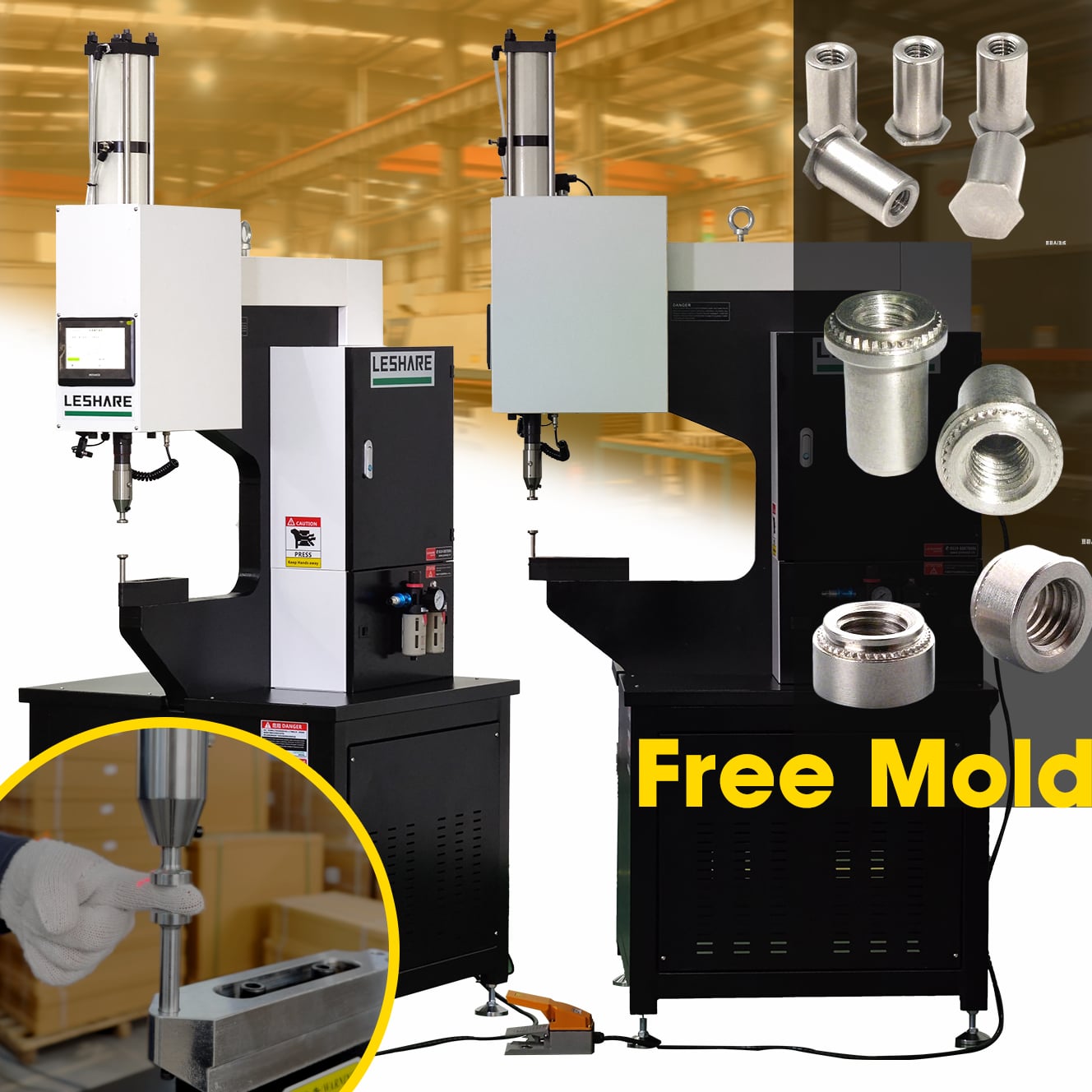
A fastener insertion machine is engineered to handle a wide variety of fastener types within a single automated platform. In modern manufacturing, assembly lines must accommodate nuts, studs, rivets, standoffs, and threaded inserts — often within the same production run. The ability of a fastener insertion machine to transition between these components without halting the line is what makes it such a critical asset for industrial operations.

Understanding how a fastener insertion machine manages different fastener formats requires looking at its mechanical design, tooling flexibility, and control logic. Each of these elements works together to ensure that the fastener insertion machine delivers consistent, accurate results regardless of the fastener geometry, material, or insertion depth required. This article walks through the key mechanisms that give a fastener insertion machine its versatility across diverse fastener types.
Tooling Systems That Enable Fastener Variety
Interchangeable Die and Anvil Configurations
The most direct way a fastener insertion machine accommodates different fastener types is through its tooling system. A fastener insertion machine uses interchangeable dies, anvils, and nose-piece assemblies that can be swapped to match specific fastener profiles. For example, a fastener insertion machine configured for press-in nuts requires a different die geometry than one set up for blind rivets or self-clinching standoffs. These tool changes are designed to be fast and repeatable, allowing operators to reconfigure the fastener insertion machine between production batches with minimal downtime.
A well-designed fastener insertion machine organizes its tooling sets so that each die is labeled and keyed to specific fastener specifications. This prevents mismatches and ensures that each fastener insertion machine cycle applies the correct force profile and alignment for the fastener in use. Some advanced fastener insertion machine platforms even use tool-recognition sensors that confirm the correct tooling is installed before allowing the cycle to begin.
Feeding Mechanisms for Different Fastener Geometries
A fastener insertion machine must also manage how fasteners are delivered to the insertion point. Different fastener geometries — such as hex-head nuts versus smooth-shank standoffs — require different feeding approaches. A fastener insertion machine typically uses vibratory bowl feeders, magazine-style loaders, or tape-fed systems depending on the fastener type. The fastener insertion machine's feeding module is often modular, meaning the feeding attachment can be replaced or adjusted when switching between fastener families. This modularity is essential for a fastener insertion machine operating in high-mix, lower-volume environments.
Force and Depth Control Across Fastener Types
Programmable Insertion Force Settings
Different fastener types require different insertion forces. A self-clinching nut pressed into sheet metal demands a specific minimum force to cold-form the surrounding material correctly, while a press-fit stud into a thicker substrate may require significantly higher force. A fastener insertion machine addresses this by offering programmable force settings, often stored as named recipes in the machine controller. When operators switch fastener types, they call up the relevant recipe, and the fastener insertion machine adjusts its pneumatic or servo-driven pressure accordingly. This ensures each fastener insertion machine cycle delivers exactly the force needed — not more, not less.
A pneumatic fastener insertion machine typically uses a regulated air supply combined with a pressure transducer to maintain consistent insertion force. A servo-driven fastener insertion machine goes further by providing closed-loop force feedback throughout the insertion stroke. Both configurations allow the fastener insertion machine to handle soft materials, hard substrates, and everything in between without manual recalibration for every single part.
Insertion Depth Monitoring and Control
Beyond force, insertion depth is equally important when a fastener insertion machine handles different fastener types. A fastener insertion machine with depth-sensing capability uses linear encoders or displacement sensors to track how far the punch travels during each cycle. For flush-mount inserts, the fastener insertion machine must stop precisely at the panel surface. For countersunk fasteners, the fastener insertion machine must drive the component to an exact sub-surface depth. Programmable depth stops allow the fastener insertion machine to serve all these scenarios from a single platform, making it a highly flexible solution across product lines.
Alignment, Positioning, and Quality Assurance
Locating Fixtures and Nest Designs
Handling different fastener types also means handling different workpiece configurations. A fastener insertion machine relies on custom or adjustable nesting fixtures to hold the workpiece securely and position each insertion point under the punch. When a fastener insertion machine is used across multiple part numbers, the nesting system must be swappable or adjustable. Many fastener insertion machine platforms use a quick-change nest system that allows the fixture to be replaced in seconds, supporting rapid product changeovers without compromising positional accuracy during the fastener insertion machine cycle.
Inline Verification After Each Insertion Cycle
A fastener insertion machine in a quality-conscious facility does not just insert — it also verifies. After each fastener insertion machine cycle, inline sensors check for correct seating, flush alignment, and insertion completeness. If a fastener insertion machine detects an anomaly — such as a missing fastener, incorrect depth, or insufficient force — it flags the part before it moves further down the line. This verification layer makes the fastener insertion machine a complete quality checkpoint, not just an installation tool. It ensures that handling multiple fastener types does not lead to inconsistency in the finished assembly.
FAQ
Can a single fastener insertion machine handle both nuts and studs?
Yes, a fastener insertion machine can handle both nuts and studs by using interchangeable tooling sets and programmable force and depth recipes. Operators switch the die, anvil, and feed system to match the fastener type, and the fastener insertion machine adjusts its operating parameters through the stored program. This makes a single fastener insertion machine suitable for multiple fastener families within the same facility.
How long does it take to change over a fastener insertion machine for a different fastener type?
Changeover time on a fastener insertion machine depends on its design, but modern platforms are built for fast transitions. A well-equipped fastener insertion machine typically allows tool and fixture changes in under ten minutes. When the fastener insertion machine stores named recipes for each fastener type, parameter adjustment is instant — the operator selects the correct program and the fastener insertion machine is ready to run.
What materials can a fastener insertion machine work with?
A fastener insertion machine is commonly used with sheet metal, aluminum panels, steel substrates, and certain engineered plastics. The specific material compatibility depends on the force range and tooling configuration of the fastener insertion machine. A pneumatic fastener insertion machine rated for high insertion loads can handle thicker and harder substrates, while lighter-duty models are suited to thinner sheet materials. Always match the fastener insertion machine specifications to the material and fastener combination required.