 EN
EN

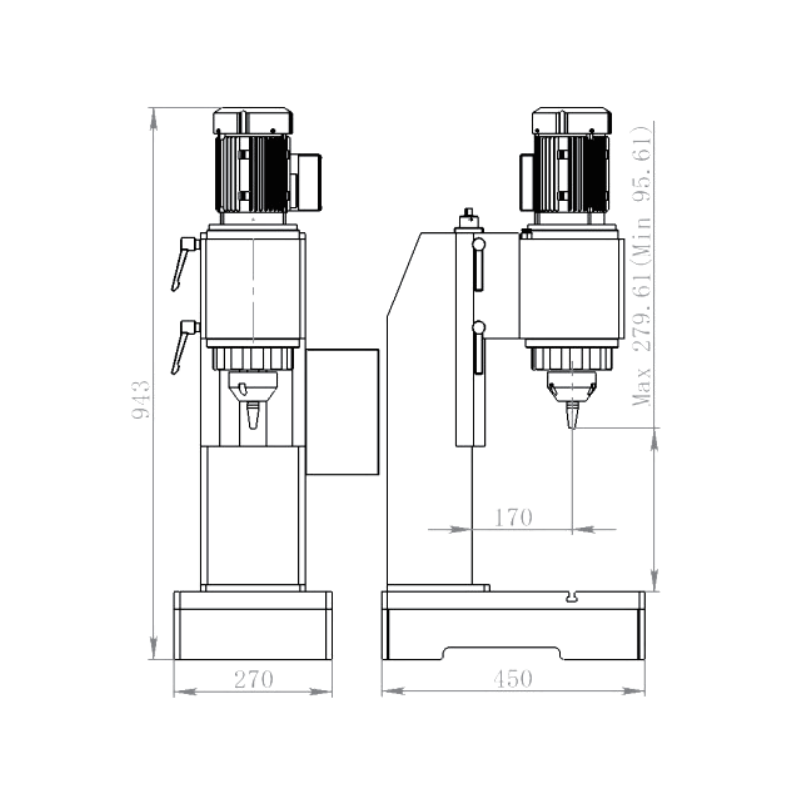
A hydraulic radial riveting machine is one of the most precise and reliable fastening tools used in modern manufacturing. Unlike conventional impact riveting, a hydraulic radial riveting machine forms a rivet through a controlled orbital or radial motion, applying consistent pressure without damaging sensitive components. This makes the hydraulic radial riveting machine an essential asset wherever precision, structural integrity, and surface quality cannot be compromised.

Understanding which industries need a hydraulic radial riveting machine most requires looking at where tight tolerances, material sensitivity, and assembly durability all intersect. From automotive plants to aerospace facilities, the hydraulic radial riveting machine appears wherever engineers demand repeatable, high-quality joints at scale. This article examines the sectors that depend most heavily on this technology and explains why the hydraulic radial riveting machine fits their production requirements so well.
Automotive and Transportation Manufacturing
Drivetrain and Suspension Assembly
The automotive industry is one of the largest consumers of the hydraulic radial riveting machine globally. Drivetrain components such as universal joints, bearing hubs, and differential assemblies all require the kind of low-stress, high-precision joining that a hydraulic radial riveting machine delivers. Because automotive parts must endure vibration, thermal cycling, and mechanical stress over long service lives, the joints formed by a hydraulic radial riveting machine need to be both strong and fatigue-resistant. Engineers in this sector choose the hydraulic radial riveting machine specifically because it can form rivet heads uniformly without introducing micro-cracks or internal stresses that would shorten component life.
Brake System Components
Brake systems represent another area where the hydraulic radial riveting machine plays a critical role. Brake pad backing plates, caliper assemblies, and lever mechanisms all require secure, consistent fastening that the hydraulic radial riveting machine provides reliably. Any inconsistency in rivet formation on a brake component can lead to premature failure, making the controlled forming action of the hydraulic radial riveting machine a safety-critical advantage. Automotive suppliers at every tier of the supply chain invest in the hydraulic radial riveting machine to meet OEM quality standards.
Aerospace and Defense Applications
Structural Airframe Assembly
Aerospace manufacturers consistently rank among the top users of the hydraulic radial riveting machine because their components demand the highest possible fastening quality. Airframe panels, wing ribs, fuselage frames, and control surface hinges all require joints that meet strict aerospace certifications. The hydraulic radial riveting machine achieves these standards by forming rivets with a smooth, progressive radial motion that minimizes internal stress and ensures full material contact. When weight, fatigue life, and joint integrity all matter equally, the hydraulic radial riveting machine is typically the preferred solution over conventional riveting or welding methods.
Defense and Precision Ordnance Components
Defense manufacturing also relies heavily on the hydraulic radial riveting machine for assembling components that must perform under extreme conditions. Guidance systems, actuator assemblies, and structural brackets in military platforms often require the repeatable joint quality that only a hydraulic radial riveting machine can guarantee at production volumes. The ability of the hydraulic radial riveting machine to handle both soft and hard materials without surface damage makes it especially valuable in defense assembly lines where material variety is high and tolerances are strict.
Electronics, Medical Devices, and Industrial Equipment
Consumer Electronics and Electromechanical Assemblies
The electronics industry uses the hydraulic radial riveting machine extensively for assembling electromechanical components such as micro-motors, potentiometers, switches, and relay housings. These components contain delicate internal parts that cannot tolerate the shock or vibration of impact riveting. The hydraulic radial riveting machine applies force gradually and uniformly, which protects sensitive sub-assemblies while still forming a strong and reliable joint. As electronics continue to miniaturize, the precision of the hydraulic radial riveting machine becomes even more important, because small tolerances leave no margin for forming errors.
Medical Device Manufacturing
Medical device manufacturers depend on the hydraulic radial riveting machine when producing instruments, implants, and diagnostic equipment that must meet biocompatibility and sterility requirements. Any fastening process used in medical manufacturing must leave a smooth, burr-free surface, and the hydraulic radial riveting machine consistently delivers this result. Surgical instruments with pivoting joints, orthopedic implant components, and diagnostic sensor housings all benefit from the controlled, low-impact forming action of the hydraulic radial riveting machine. Regulatory bodies in the medical sector require documented process consistency, and the hydraulic radial riveting machine supports full traceability through programmable force and stroke controls.
Industrial Machinery and Power Tools
Industrial equipment manufacturers use the hydraulic radial riveting machine for assembling gearboxes, pump housings, power tool bodies, and valve assemblies. These applications demand joints that resist both static loads and dynamic vibration, and the hydraulic radial riveting machine delivers the necessary joint density and consistency. In high-volume production environments, the hydraulic radial riveting machine reduces cycle time compared to manual fastening methods while maintaining the quality control that industrial customers expect. The robustness of the hydraulic radial riveting machine also means lower maintenance requirements and longer service intervals, which directly reduces operating costs for industrial manufacturers.
FAQ
What makes a hydraulic radial riveting machine better than impact riveting for sensitive components?
A hydraulic radial riveting machine uses a smooth, orbital forming motion rather than direct impact force, which eliminates shock and vibration during the riveting process. This protects delicate internal components, reduces material stress, and produces a cleaner, more consistent rivet head. For industries like electronics and medical devices, the hydraulic radial riveting machine is therefore far preferable to conventional impact methods.
Can a hydraulic radial riveting machine handle different rivet materials and sizes?
Yes, a hydraulic radial riveting machine is highly adaptable and can work with a wide range of rivet materials including aluminum, steel, brass, and titanium, as well as a broad spectrum of rivet diameters and lengths. The tooling on a hydraulic radial riveting machine can be changed to suit different applications, making it a flexible solution for manufacturers who process multiple product lines on a single machine.
How does a hydraulic radial riveting machine support quality control in regulated industries?
Modern hydraulic radial riveting machine models are equipped with programmable force, stroke, and speed controls that allow manufacturers to set and document exact process parameters for every production run. This programmability makes the hydraulic radial riveting machine fully compatible with quality management systems such as ISO 9001 and AS9100, providing the traceability and repeatability that regulated industries require.