 EN
EN

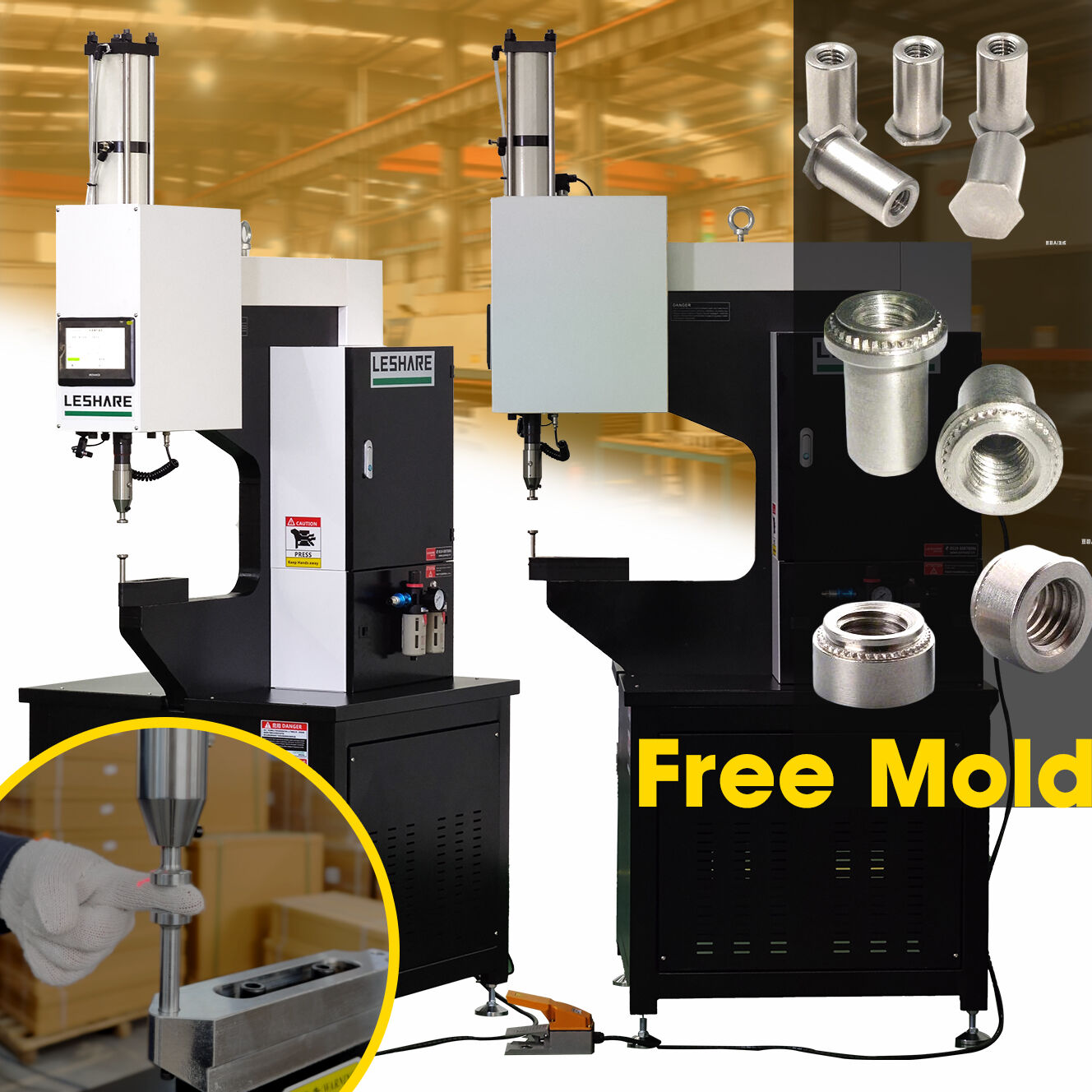
Hydraulic riveting machines represent a significant technological advancement in industrial fastening applications, offering manufacturers substantial advantages that become increasingly apparent during extended operational periods. When examining the long-term benefits of these sophisticated machines, several key factors emerge that distinguish hydraulic riveting machines from their pneumatic and mechanical counterparts. Understanding these advantages is crucial for manufacturers seeking to optimize their production processes and achieve consistent, reliable results over years of continuous operation.
The superior performance characteristics of hydraulic riveting machines become particularly evident when evaluated across extended operational timeframes. These machines deliver exceptional consistency, reduced maintenance requirements, and enhanced operational efficiency that translates into significant cost savings and improved production quality over time. The hydraulic system's inherent design advantages provide manufacturers with reliable fastening solutions that maintain their performance standards even after years of intensive use, making them an invaluable investment for industrial operations prioritizing long-term productivity and quality control.
Superior Force Control and Consistency Over Time
Precise Force Application Throughout Machine Lifecycle
Hydraulic riveting machines excel in maintaining precise force application throughout their operational lifetime, a critical advantage that becomes increasingly valuable during long-term use. The hydraulic system's ability to generate and control high forces with exceptional accuracy ensures that each rivet receives the exact amount of pressure required for optimal joint formation. This consistency is maintained even after thousands of operational cycles, as the hydraulic fluid maintains its pressure characteristics and the system components experience minimal degradation compared to mechanical alternatives.
The force control capabilities of hydraulic riveting machines remain remarkably stable over extended periods, providing manufacturers with predictable results that support quality control initiatives. Unlike pneumatic systems that may experience pressure fluctuations or mechanical systems subject to wear-related force variations, hydraulic riveting machines deliver consistent force output that ensures uniform rivet quality across production runs. This reliability becomes increasingly important as production volumes increase and maintaining consistent joint quality becomes critical for product integrity and customer satisfaction.
Reduced Force Variation and Improved Joint Quality
Long-term use of hydraulic riveting machines demonstrates their superior ability to minimize force variation between individual riveting operations. The hydraulic system's inherent damping characteristics help eliminate the force spikes and inconsistencies that can occur with other riveting technologies, resulting in more uniform joint quality over time. This consistency translates into improved product reliability and reduced rejection rates, factors that become increasingly valuable as production volumes and quality requirements increase.
The maintained force precision of hydraulic riveting machines over extended operational periods contributes to enhanced joint strength and durability. As these machines continue operating over months and years, their ability to deliver consistent force application ensures that rivet joints maintain their structural integrity and load-bearing capabilities. This long-term consistency in joint quality reduces warranty claims, improves customer satisfaction, and supports the manufacturer's reputation for producing reliable products.
Enhanced Durability and Reduced Maintenance Requirements
Robust Hydraulic System Design for Longevity
The fundamental design advantages of hydraulic riveting machines become particularly apparent during long-term operational assessment, where their robust construction and simplified mechanical systems demonstrate superior durability compared to alternative technologies. The hydraulic system's reliance on fluid power rather than complex mechanical linkages reduces the number of wear-prone components, resulting in extended operational life and reduced maintenance frequency. This design approach ensures that hydraulic riveting machines maintain their performance characteristics over years of continuous operation, providing manufacturers with reliable equipment that supports consistent production schedules.
Extended use of hydraulic riveting machines reveals their exceptional ability to withstand the stresses and demands of industrial production environments. The hydraulic components, including cylinders, valves, and pumps, are designed to handle repeated high-pressure cycles without significant degradation, ensuring that the machine's force output and precision remain consistent over time. This durability translates into reduced downtime for repairs and maintenance, allowing manufacturers to maintain production schedules and meet delivery commitments without unexpected interruptions.
Simplified Maintenance Procedures and Schedules
Long-term operation of hydraulic riveting machines demonstrates their advantage in simplified maintenance requirements compared to more complex mechanical systems. The hydraulic system's design allows for straightforward maintenance procedures that can be performed by standard maintenance personnel without specialized training or complex diagnostic equipment. Regular maintenance typically involves fluid changes, seal inspections, and basic component checks, procedures that can be easily integrated into existing maintenance schedules without disrupting production operations.
The predictable maintenance requirements of hydraulic riveting machines contribute to more effective maintenance planning and cost control over extended operational periods. Unlike systems with numerous mechanical wear points that may require frequent adjustment or replacement, hydraulic riveting machines maintain their operational characteristics with minimal intervention. This predictability allows maintenance departments to plan service activities around production schedules, reducing unexpected downtime and associated production losses.
Operational Efficiency and Cost-Effectiveness Over Time
Energy Efficiency and Operating Cost Reduction
The long-term operational advantages of hydraulic riveting machines include significant energy efficiency benefits that become increasingly valuable over extended use periods. The hydraulic system's ability to generate high forces with relatively low energy input results in reduced operating costs compared to pneumatic systems that require continuous compressed air consumption. This energy efficiency advantage compounds over time, resulting in substantial cost savings for manufacturers operating multiple hydraulic riveting machines or running high-volume production schedules.
Extended operation reveals that hydraulic riveting machines maintain their energy efficiency characteristics throughout their operational lifetime, providing consistent cost advantages that support long-term profitability. The system's ability to hold pressure without continuous energy input during idle periods further enhances its cost-effectiveness, particularly in applications where machines may experience intermittent use patterns. This efficiency advantage becomes increasingly important as energy costs rise and manufacturers seek ways to reduce their operational expenses without compromising production capabilities.
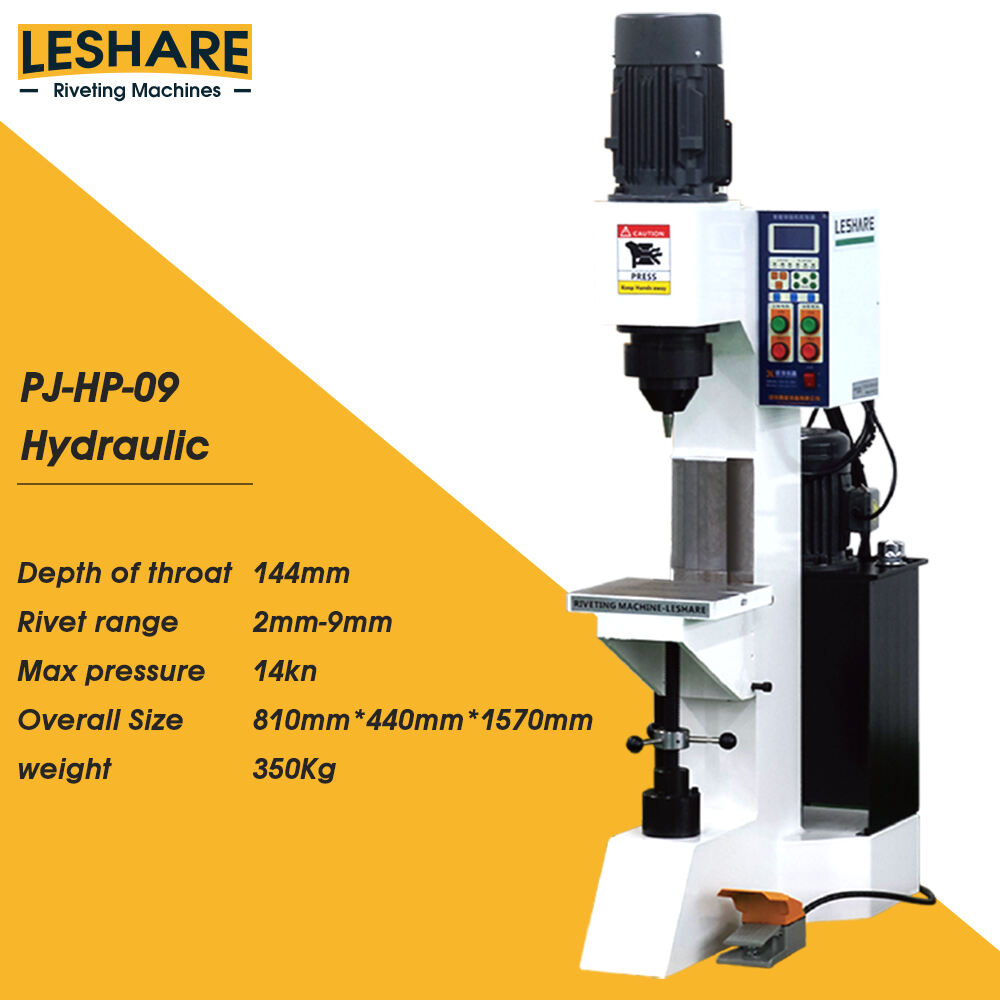
Improved Production Throughput and Cycle Times
Long-term use of hydraulic riveting machines demonstrates their ability to maintain consistent cycle times and production throughput, advantages that become increasingly valuable as production volumes increase. The hydraulic system's rapid response characteristics and precise control capabilities enable faster riveting cycles without compromising joint quality, resulting in improved overall equipment effectiveness. This performance consistency over time ensures that production planning and scheduling remain predictable, supporting efficient workflow management and delivery commitments.
The maintained performance characteristics of hydraulic riveting machines during extended operation support improved production efficiency and reduced per-unit costs. As these machines continue operating over months and years, their ability to deliver consistent cycle times and maintain quality standards ensures that production targets can be met reliably. This predictability is particularly valuable in high-volume production environments where small improvements in cycle time or consistency can result in significant cumulative benefits over extended operational periods.
Quality Assurance and Process Control Benefits
Consistent Joint Quality Throughout Machine Life
The long-term advantages of hydraulic riveting machines are particularly evident in their ability to maintain consistent joint quality throughout their operational lifetime. The hydraulic system's precise control characteristics ensure that each rivet receives the appropriate forming force, regardless of material variations or environmental conditions. This consistency becomes increasingly valuable over time as production volumes increase and maintaining uniform quality becomes critical for customer satisfaction and regulatory compliance requirements.
Extended operation of hydraulic riveting machines reveals their superior ability to accommodate material variations and maintain consistent joint formation quality. The system's force control capabilities automatically compensate for minor variations in rivet hardness, material thickness, or surface conditions, ensuring that joint quality remains consistent across production runs. This adaptive capability becomes particularly valuable during long-term use as material suppliers may change or product specifications evolve, requiring the riveting equipment to maintain quality standards despite these variations.
Enhanced Process Monitoring and Control Capabilities
Long-term use of hydraulic riveting machines demonstrates their advantages in process monitoring and quality control applications. The hydraulic system's ability to provide precise force feedback and position control enables advanced monitoring systems that can detect process variations and alert operators to potential quality issues before they impact production. This capability becomes increasingly valuable over time as quality requirements become more stringent and manufacturers seek to implement predictive quality control measures.
The consistent performance characteristics of hydraulic riveting machines during extended operation support the implementation of statistical process control and quality management systems. The machine's ability to maintain consistent force output and cycle characteristics provides reliable baseline data for quality monitoring systems, enabling manufacturers to detect trends and implement corrective actions before quality issues impact production. This capability becomes increasingly important as manufacturers adopt Industry 4.0 technologies and seek to integrate their riveting operations into broader quality management and production control systems.
FAQ
How do hydraulic riveting machines maintain their performance over years of operation?
Hydraulic riveting machines maintain their performance through robust system design that relies on hydraulic fluid power rather than mechanical linkages subject to wear. The hydraulic components, including cylinders and valves, are engineered to handle repeated high-pressure cycles without significant degradation. Regular maintenance involving fluid changes and seal inspections ensures consistent force output and precision over years of operation, making these machines highly reliable for long-term industrial use.
What are the main cost advantages of hydraulic riveting machines during extended use?
The primary cost advantages include reduced energy consumption compared to pneumatic systems, lower maintenance requirements due to fewer mechanical wear points, and consistent performance that reduces rejection rates and rework costs. Energy efficiency benefits compound over time, while predictable maintenance schedules allow for better cost planning. The consistent joint quality also reduces warranty claims and improves customer satisfaction, contributing to long-term profitability and operational cost reduction.
How do hydraulic riveting machines compare to other technologies for long-term reliability?
Hydraulic riveting machines demonstrate superior long-term reliability compared to pneumatic and mechanical alternatives due to their simpler mechanical design and robust hydraulic components. While pneumatic systems may experience pressure fluctuations and mechanical systems suffer from wear-related performance degradation, hydraulic systems maintain consistent force output and precision throughout their operational lifetime. This reliability translates into reduced downtime, more predictable maintenance requirements, and consistent production quality over years of continuous operation.
What maintenance considerations are important for maximizing the long-term advantages of hydraulic riveting machines?
Key maintenance considerations include regular hydraulic fluid changes according to manufacturer specifications, periodic seal inspections and replacements, and monitoring of system pressure and performance characteristics. Proper filtration system maintenance prevents contamination that could affect hydraulic component performance. Following recommended maintenance schedules and using quality hydraulic fluids ensures that the machines maintain their force control precision and operational efficiency throughout their service life, maximizing the long-term benefits and return on investment.
Table of Contents
- Superior Force Control and Consistency Over Time
- Enhanced Durability and Reduced Maintenance Requirements
- Operational Efficiency and Cost-Effectiveness Over Time
- Quality Assurance and Process Control Benefits
-
FAQ
- How do hydraulic riveting machines maintain their performance over years of operation?
- What are the main cost advantages of hydraulic riveting machines during extended use?
- How do hydraulic riveting machines compare to other technologies for long-term reliability?
- What maintenance considerations are important for maximizing the long-term advantages of hydraulic riveting machines?