 EN
EN

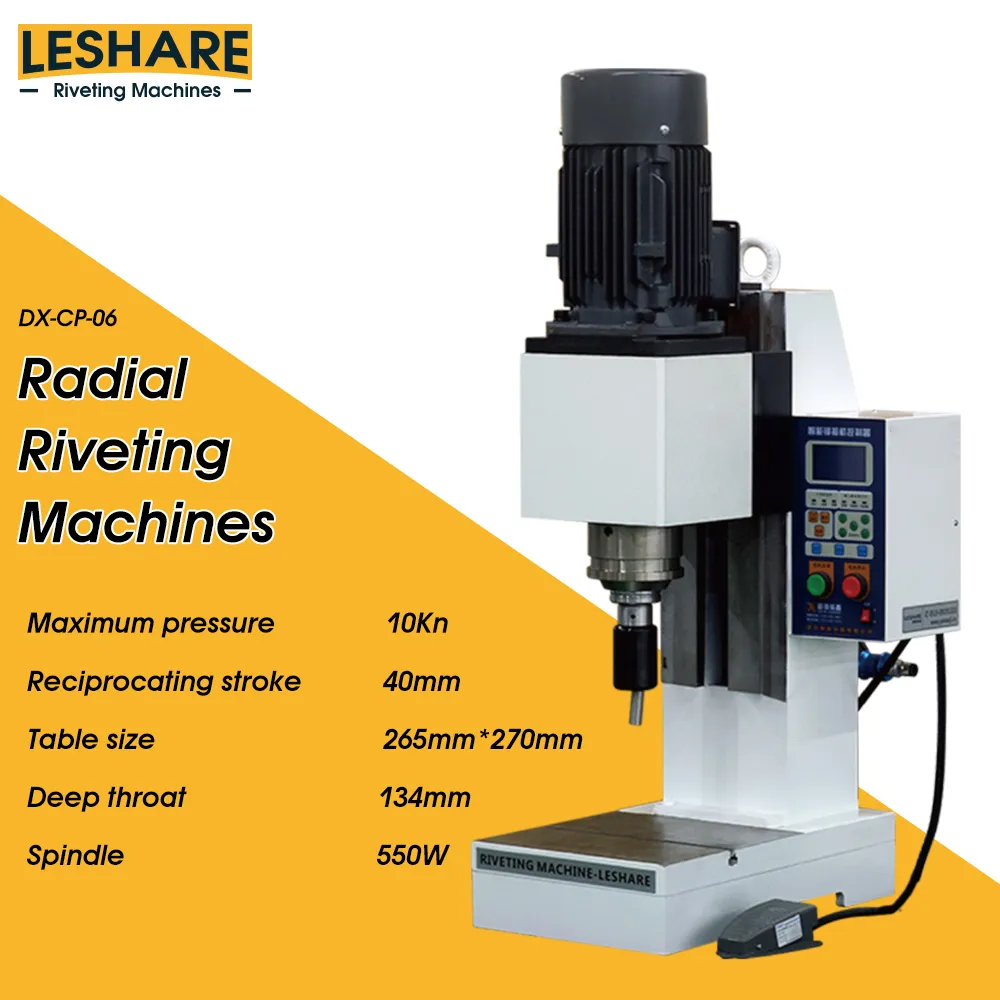
Orbital riveting machines have become indispensable tools in modern precision assembly processes, earning widespread recognition across industries that demand exceptional accuracy and reliability. These sophisticated machines utilize a unique forming mechanism that creates strong, consistent joints while maintaining precise dimensional control, making them particularly valuable in applications where traditional fastening methods fall short. The growing preference for orbital riveting machines stems from their ability to deliver repeatable results while minimizing material stress and dimensional distortion during the assembly process.
The fundamental advantage of orbital riveting machines lies in their controlled forming process, which applies force through a precise orbital motion rather than direct impact. This approach enables manufacturers to achieve consistent joint quality while preserving the integrity of sensitive components and assemblies. The technology has proven especially valuable in industries where precision tolerances, material preservation, and process reliability are critical success factors, driving increasing adoption across diverse manufacturing sectors.
Superior Joint Quality and Consistency
Controlled Force Application Mechanism
The orbital motion of these specialized machines creates a gradual forming process that eliminates the shock loading associated with traditional impact riveting methods. This controlled approach allows orbital riveting machines to maintain consistent pressure distribution across the rivet head, resulting in uniform deformation and optimal joint formation. The gradual nature of the forming process prevents sudden stress concentrations that could damage delicate components or create weakened joint areas.
The precise control offered by orbital riveting machines enables operators to monitor and adjust forming parameters in real-time, ensuring each rivet meets exact specifications. This capability is particularly valuable when working with materials that have narrow processing windows or when assembling components with varying thicknesses. The ability to maintain consistent forming conditions throughout the riveting cycle contributes significantly to the overall quality and reliability of the finished assembly.
Elimination of Material Distortion
Traditional riveting methods often introduce unwanted distortion due to their high-impact nature, but orbital riveting machines minimize this concern through their gentle forming approach. The orbital motion distributes forming forces evenly, preventing the concentrated stress points that typically cause material warping or dimensional changes. This characteristic makes orbital riveting machines particularly suitable for thin-walled components and assemblies where maintaining precise geometries is essential.
The controlled forming process also reduces the risk of work-hardening in surrounding material, preserving the mechanical properties of base components. This material preservation capability extends beyond the immediate joint area, helping maintain the overall structural integrity of assemblies. The ability to create strong joints without compromising adjacent material properties represents a significant advantage in precision assembly applications where component durability is paramount.
Enhanced Process Control and Repeatability
Programmable Operating Parameters
Modern orbital riveting machines incorporate sophisticated control systems that allow precise programming of forming parameters such as orbital speed, forming pressure, and cycle duration. This programmability ensures that each riveting operation follows identical parameters, eliminating variability that could affect joint quality. The ability to store and recall specific parameter sets for different applications streamlines production processes and reduces setup time between different assembly operations.
The advanced control capabilities of orbital riveting machines enable manufacturers to develop optimized forming recipes for specific material combinations and joint configurations. These programmable parameters can accommodate variations in rivet material, substrate thickness, and joint design while maintaining consistent results. The precision control offered by these machines supports lean manufacturing principles by reducing waste and minimizing the need for post-processing operations.
Real-time Monitoring and Quality Assurance
Orbital riveting machines typically feature integrated monitoring systems that track critical process variables throughout each forming cycle. This real-time feedback capability allows operators to detect potential quality issues before they affect finished products, supporting proactive quality management strategies. The monitoring systems can track parameters such as forming force, displacement, and cycle time to ensure each rivet meets predetermined quality criteria.
The data collection capabilities of modern orbital riveting machines support comprehensive quality documentation and traceability requirements. This information becomes valuable for process optimization, quality audits, and continuous improvement initiatives. The ability to correlate process parameters with joint performance helps manufacturers refine their assembly processes and maintain consistent quality standards across production runs.
Versatility Across Materials and Applications
Multi-material Compatibility
The gentle forming action of orbital riveting machines makes them compatible with a wide range of materials, from soft metals like aluminum to harder alloys and even some composite materials. This versatility eliminates the need for multiple specialized fastening systems, simplifying equipment requirements and reducing training complexity. The ability to process different materials using consistent methodology supports flexible manufacturing strategies and reduces inventory complexity.
The controlled forming process of orbital riveting machines accommodates materials with varying mechanical properties without requiring significant process modifications. This capability proves particularly valuable in applications involving dissimilar materials or when material specifications change during product development. The adaptability of these machines to different material combinations supports design flexibility while maintaining assembly quality standards.
Application Range and Scalability
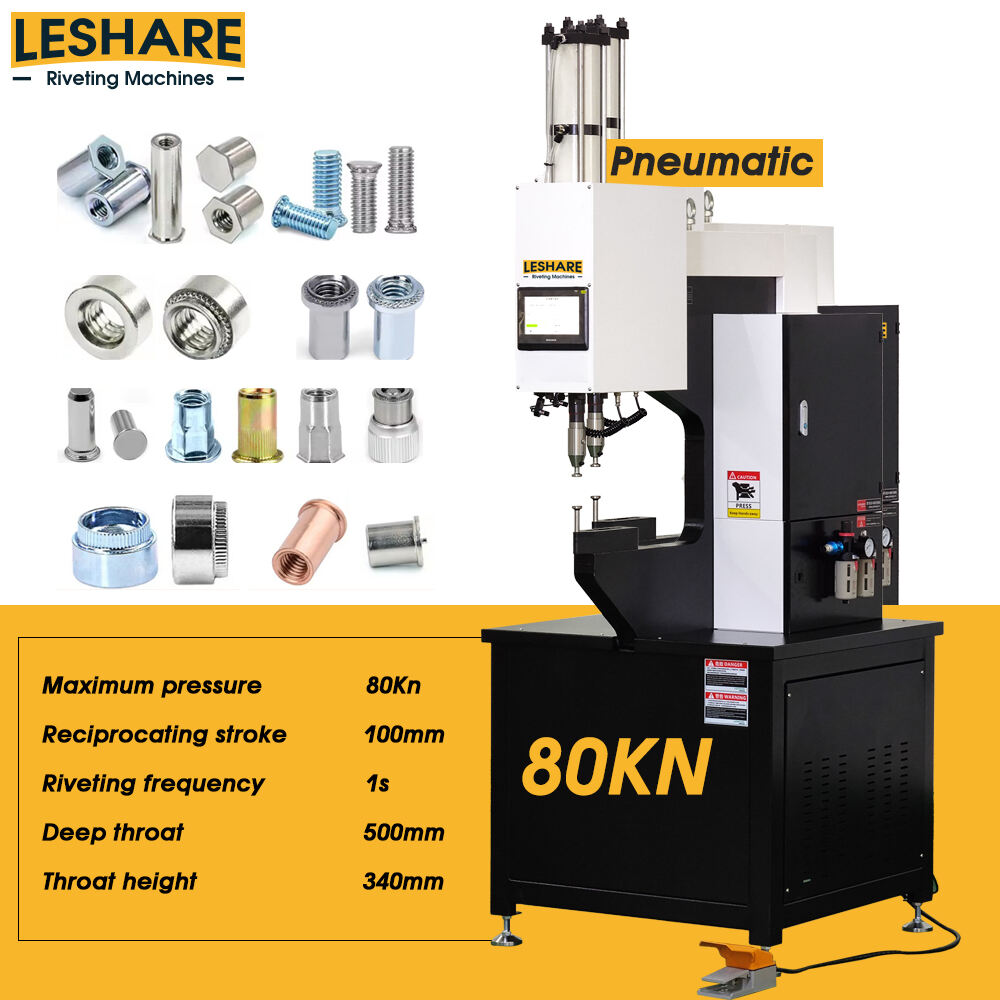
Orbital riveting machines excel in applications ranging from micro-assemblies requiring delicate handling to larger structural components demanding higher forming forces. This scalability makes them suitable for diverse industries including aerospace, electronics, automotive, and medical device manufacturing. The ability to handle various rivet sizes and joint configurations using similar equipment platforms reduces capital investment requirements and simplifies maintenance procedures.
The modular design of many orbital riveting machines allows customization for specific application requirements while maintaining core functionality. This adaptability enables manufacturers to optimize their equipment configuration for particular assembly processes without sacrificing the fundamental advantages that make orbital riveting machines attractive. The flexibility to modify tooling and accessories supports evolving production requirements and product design changes.
Economic and Operational Benefits
Reduced Operating Costs
The precision and consistency of orbital riveting machines contribute to significant cost savings through reduced scrap rates and minimal rework requirements. The controlled forming process virtually eliminates the quality variations that often necessitate costly inspection and sorting operations. The ability to achieve target specifications consistently on the first attempt reduces material waste and improves overall production efficiency.
The gentle operation of orbital riveting machines typically results in longer tooling life compared to impact-based alternatives, reducing maintenance costs and production interruptions. The controlled force application prevents the tool wear patterns associated with shock loading, extending service intervals and reducing replacement part requirements. These operational advantages translate into improved equipment availability and reduced total cost of ownership.
Production Efficiency Improvements
The automated capabilities of modern orbital riveting machines enable lights-out operation and integration with robotic assembly systems, supporting higher production throughput with minimal operator intervention. The consistent cycle times and reliable operation of these machines facilitate accurate production planning and scheduling. The ability to maintain consistent output quality reduces the need for intensive quality control measures, streamlining production workflows.
The quick changeover capabilities of orbital riveting machines support efficient transitions between different products or assembly configurations. The programmable nature of these machines allows rapid parameter changes without extensive mechanical adjustments, minimizing downtime between production runs. This flexibility proves particularly valuable in manufacturing environments requiring frequent product changes or customized assembly operations.
FAQ
What makes orbital riveting machines more precise than traditional impact riveting?
Orbital riveting machines use a controlled orbital motion that gradually forms rivets through consistent pressure application, eliminating the shock loading and impact variations inherent in traditional methods. This controlled approach ensures uniform force distribution and precise dimensional control, resulting in consistently high-quality joints with minimal variation between cycles.
Can orbital riveting machines handle different rivet sizes and materials effectively?
Yes, orbital riveting machines offer excellent versatility in handling various rivet sizes and materials through programmable forming parameters and adjustable tooling systems. The controlled forming process adapts well to different material properties and joint configurations, making these machines suitable for applications ranging from delicate electronic assemblies to structural components requiring higher forming forces.
How do orbital riveting machines contribute to improved production quality?
Orbital riveting machines enhance production quality through consistent parameter control, real-time monitoring capabilities, and elimination of impact-related distortion. The programmable nature of these machines ensures repeatable results while the gentle forming process preserves material properties and maintains dimensional accuracy, leading to superior joint quality and reduced scrap rates.
What are the main cost benefits of using orbital riveting machines in precision assembly?
The primary cost benefits include reduced scrap rates due to consistent quality, lower tooling maintenance costs from controlled force application, minimal rework requirements, and improved production efficiency through automated operation capabilities. The precision and reliability of orbital riveting machines also reduce inspection requirements and support lean manufacturing principles by minimizing waste and variation in assembly processes.
Table of Contents
- Superior Joint Quality and Consistency
- Enhanced Process Control and Repeatability
- Versatility Across Materials and Applications
- Economic and Operational Benefits
-
FAQ
- What makes orbital riveting machines more precise than traditional impact riveting?
- Can orbital riveting machines handle different rivet sizes and materials effectively?
- How do orbital riveting machines contribute to improved production quality?
- What are the main cost benefits of using orbital riveting machines in precision assembly?