 EN
EN

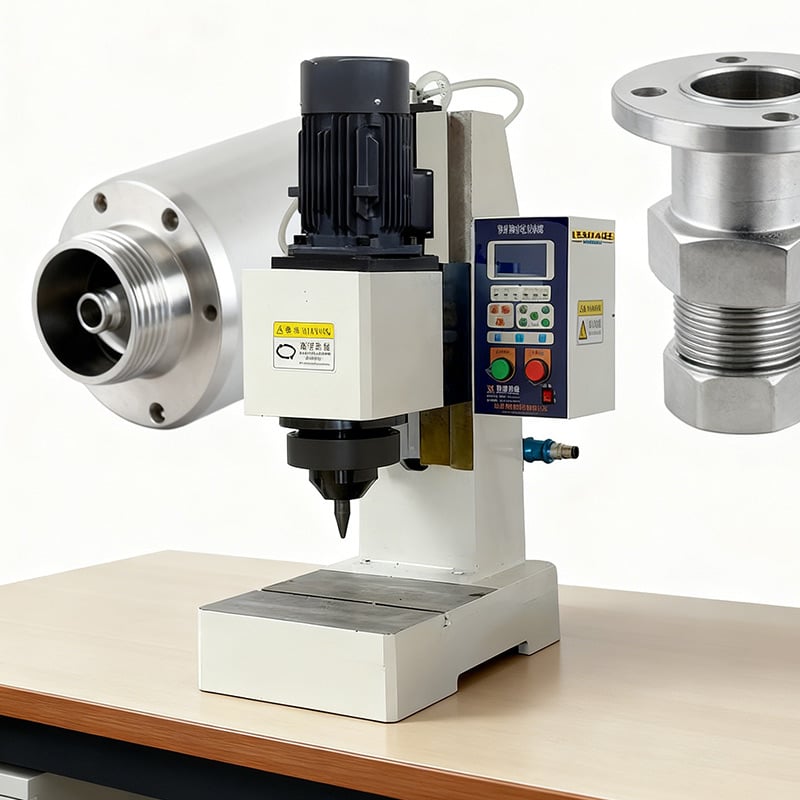
Selecting the right riveting equipment manufacturer is one of the most consequential decisions a production or engineering team can make. The quality of the machinery, the reliability of after-sales support, and the ability to customize solutions for specific applications all hinge on the depth of experience a manufacturer brings to the table. In a competitive industrial landscape, experience is not merely a badge of honor — it is a measurable indicator of technical capability, process understanding, and long-term dependability.
When businesses invest in riveting machinery, they are not just purchasing a piece of hardware — they are entering into a partnership that affects production efficiency, product quality, and operational continuity for years to come. Understanding why the experience of a riveting equipment manufacturer matters so deeply requires examining what seasoned expertise actually delivers across engineering, application knowledge, quality assurance, and customer support.
The Engineering Advantage of a Seasoned Riveting Equipment Manufacturer
Accumulated Technical Knowledge Drives Precision
An experienced riveting equipment manufacturer has spent years — often decades — refining the mechanical, pneumatic, and electronic components that make up modern riveting machines. This accumulated knowledge translates directly into tighter tolerances, more stable force delivery, and machinery that performs consistently across thousands of cycles. Newer entrants to the market may offer attractive prices, but they often lack the iterative refinement that comes only through sustained production experience.
Every generation of machinery built by a veteran manufacturer reflects lessons learned from real-world failures, customer feedback, and evolving application demands. A riveting equipment manufacturer with deep roots in the industry has likely encountered and resolved edge cases that a newer supplier has never faced. This institutional memory is embedded into their design choices, material specifications, and manufacturing tolerances.
Precision in riveting directly affects joint integrity. Whether the application involves automotive assemblies, aerospace brackets, or consumer electronics, deviation in rivet formation can cause structural weakness or cosmetic defects. An experienced manufacturer understands these consequences and engineers accordingly, ensuring that their machines deliver repeatable, accurate results under real production conditions.
Innovation Built on a Solid Foundation
Experience does not mean stagnation. On the contrary, the most capable riveting equipment manufacturer uses its deep technical foundation to drive meaningful innovation. Rather than experimenting at the customer's expense, an experienced manufacturer can introduce improvements — such as servo-driven controls, enhanced spindle geometry, or improved vibration dampening — with confidence because they understand how each change interacts with overall machine performance.
This kind of grounded innovation is particularly valuable for customers who need custom solutions. When a production engineer brings a non-standard riveting challenge to an experienced manufacturer, the response is backed by engineering context rather than guesswork. The result is faster development cycles, fewer iterations, and higher confidence in the final design.
Application Knowledge That Only Experience Can Build
Understanding Diverse Industry Requirements
A well-established riveting equipment manufacturer has typically served clients across a wide range of industries — from heavy automotive assemblies to delicate electronic components. Each of these industries comes with unique material combinations, joint geometries, force requirements, and quality standards. Exposure to this breadth of application scenarios gives experienced manufacturers an invaluable cross-industry perspective that directly benefits new customers.
For example, riveting a copper connector onto a circuit board requires entirely different machine settings and tooling than riveting a steel bracket onto a chassis. An experienced manufacturer has navigated both extremes and countless scenarios in between, meaning they can offer guidance on machine selection, tooling design, and process parameters with genuine authority. This practical application knowledge is difficult to replicate through documentation or theory alone.
When a buyer partners with a riveting equipment manufacturer who deeply understands their specific industry, the onboarding and commissioning process becomes faster and smoother. The manufacturer can anticipate common problems, suggest appropriate settings from the outset, and provide application-specific tooling that dramatically reduces trial-and-error time.
Problem-Solving Rooted in Real Scenarios
Riveting processes often encounter unexpected challenges in production environments — inconsistent rivet head formation, excessive noise, premature tooling wear, or incompatibility with surrounding automation systems. An experienced riveting equipment manufacturer has encountered and systematically solved these kinds of problems before. Their technical support teams can draw on a library of real case studies and documented solutions to resolve issues quickly.
This experience-driven problem-solving capability is particularly critical in high-volume production environments where downtime is extremely costly. A manufacturer who has seen a problem a hundred times can diagnose and resolve it in hours, while an inexperienced supplier might spend days working through the same issue. The operational value of this difference cannot be overstated.
Quality Assurance Practices Developed Over Time
Mature Quality Systems Reflect Years of Refinement
Quality assurance in manufacturing is not achieved overnight. The inspection protocols, supplier qualification processes, material testing routines, and final acceptance criteria that define a rigorous quality system are built and refined over years of production experience. An experienced riveting equipment manufacturer will typically operate with mature, well-documented quality processes that have been tested and improved through thousands of machine builds.
This maturity in quality assurance protects the buyer in important ways. When a machine leaves a seasoned manufacturer's facility, it has been subjected to proven inspection routines that catch potential failures before they reach the customer. The probability of receiving a machine with hidden defects, misaligned components, or substandard materials is significantly lower when working with an established riveting equipment manufacturer.
Certifications and compliance with international standards are also more reliably maintained by experienced manufacturers. Their teams understand what those standards require in practice — not just on paper — and have built production habits that naturally align with compliance requirements.
Component Sourcing Intelligence
An experienced riveting equipment manufacturer has built reliable supplier relationships and a nuanced understanding of which components deliver long-term performance versus which appear acceptable but fail prematurely under real operating conditions. This component-level intelligence is entirely invisible to buyers but profoundly affects machine longevity and maintenance costs over the equipment's operational life.
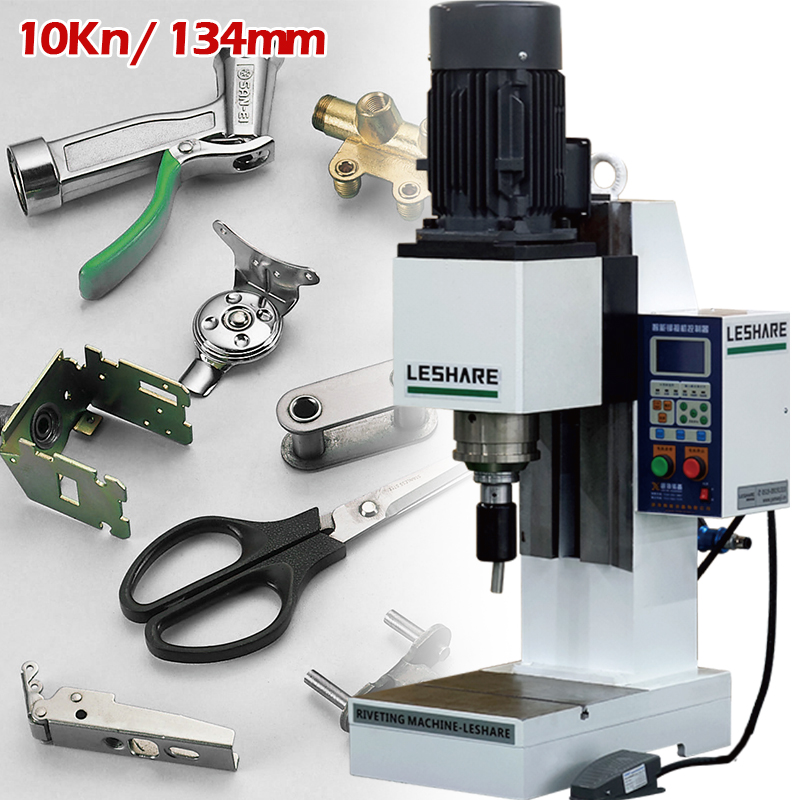
Choosing bearings, seals, pneumatic valves, and control components based on years of field feedback rather than purely on catalog specifications means the machines arriving at a production floor are built to last. This kind of component wisdom is one of the quieter but most meaningful benefits of partnering with a seasoned riveting equipment manufacturer.
After-Sales Support and Long-Term Partnership Value
Service Infrastructure Built Over Years
The relationship between a buyer and a riveting equipment manufacturer extends well beyond the initial purchase. Over a machine's operational life, customers need access to spare parts, technical documentation, troubleshooting guidance, and sometimes on-site service. An experienced manufacturer has built the infrastructure to deliver these services efficiently — trained service engineers, organized parts inventories, and systematized support processes.
Newer manufacturers may struggle to provide this level of post-sale support simply because they have not yet built the infrastructure or amassed the technical knowledge required. Buyers who prioritize low initial price over manufacturer experience sometimes discover, painfully, that the savings on machine acquisition are more than offset by slow support response times, unavailability of spare parts, or inadequate technical assistance.
The depth and reliability of after-sales service is one of the most important factors differentiating experienced riveting equipment manufacturer options from less established alternatives. For production operations that depend on consistent machine uptime, this consideration deserves significant weight in the selection process.
Long-Term Availability of Parts and Upgrades
Industrial machinery is expected to operate for many years, often in demanding production environments. An experienced riveting equipment manufacturer with a long track record is far more likely to maintain parts availability for their machines over time, and to offer upgrade pathways as technology evolves. This long-term commitment to product support is a form of investment protection that buyers cannot afford to ignore.
When a manufacturer has been in business for a decade or more, they have a vested interest in maintaining their reputation and their customer relationships. This creates natural incentives to keep supplying parts, offering training, and providing engineering support long after the initial sale. Buyers who choose a riveting equipment manufacturer based on experience rather than price alone are effectively purchasing a more durable and sustainable operational partnership.
FAQ
Why does a riveting equipment manufacturer's experience matter more than price?
While initial price is a visible cost, the total cost of ownership includes machine reliability, downtime risk, support quality, and parts availability over many years. An experienced riveting equipment manufacturer typically delivers lower total cost through better-built machines, faster troubleshooting, and stronger long-term support — advantages that an inexperienced supplier at a lower price point rarely provides.
How can I assess the experience level of a riveting equipment manufacturer before buying?
Look for verifiable indicators such as years in operation, breadth of industries served, range of machine models available, existence of a documented quality system, and the availability of technical references or case studies. An experienced riveting equipment manufacturer will typically be able to demonstrate their capabilities through concrete examples rather than vague claims.
Does experience guarantee that a riveting equipment manufacturer will meet my specific needs?
Experience is a strong positive indicator but not an absolute guarantee. It is important to also assess whether the manufacturer's specific expertise aligns with your application type, material requirements, and production volume. The best approach is to combine experience evaluation with direct technical dialogue to confirm that the riveting equipment manufacturer has relevant knowledge for your particular situation.
What types of riveting equipment benefit most from an experienced manufacturer?
Complex or precision-critical applications — such as radial riveting, orbital forming, or high-cycle automated riveting — benefit most significantly from an experienced riveting equipment manufacturer. These processes involve nuanced machine dynamics that require deep engineering knowledge to optimize, and the gap between an experienced and inexperienced supplier is most apparent in demanding, high-precision applications.
Table of Contents
- The Engineering Advantage of a Seasoned Riveting Equipment Manufacturer
- Application Knowledge That Only Experience Can Build
- Quality Assurance Practices Developed Over Time
- After-Sales Support and Long-Term Partnership Value
-
FAQ
- Why does a riveting equipment manufacturer's experience matter more than price?
- How can I assess the experience level of a riveting equipment manufacturer before buying?
- Does experience guarantee that a riveting equipment manufacturer will meet my specific needs?
- What types of riveting equipment benefit most from an experienced manufacturer?