 EN
EN

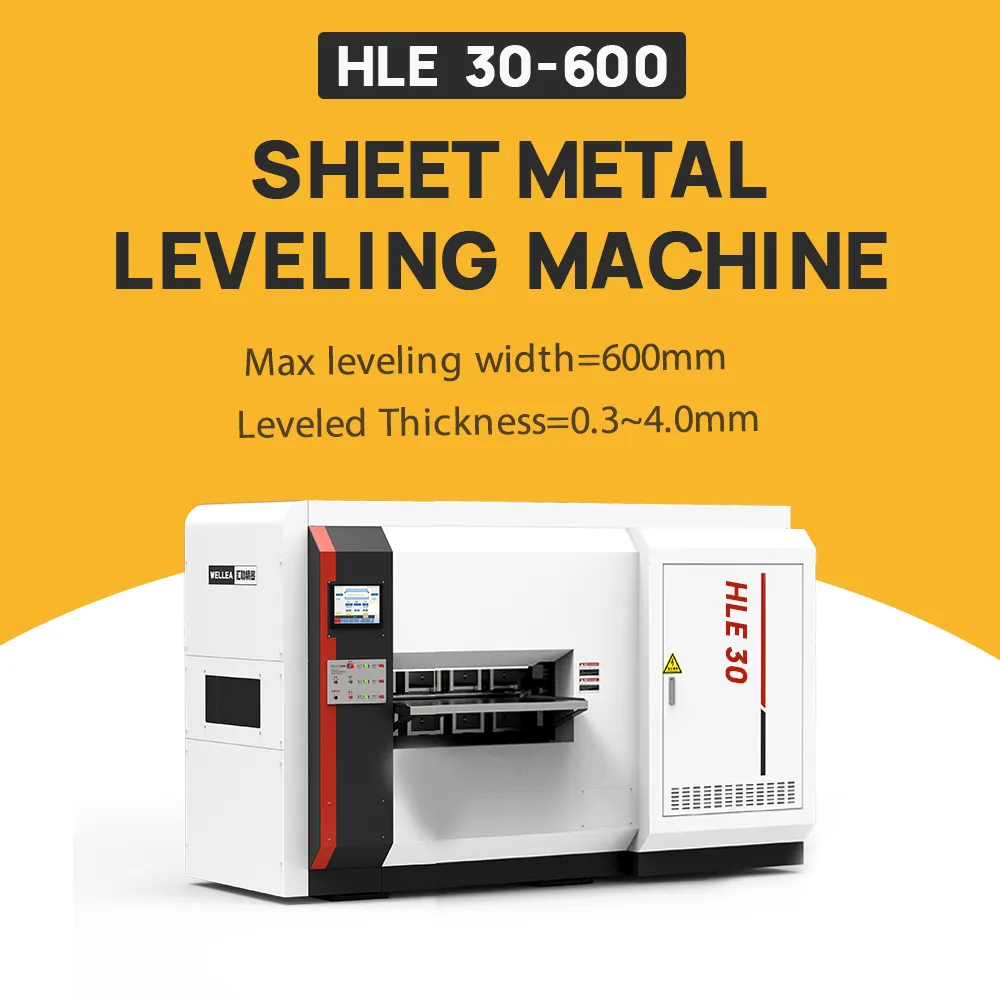
ในภูมิทัศน์การผลิตโลหะสมัยใหม่ที่มีการแข่งขันสูง การบรรลุความแม่นยำด้านมิติและความเรียบของผิวไม่ใช่เพียงแค่ความต้องการด้านคุณภาพเท่านั้น — แต่เป็นข้อกำหนดที่จำเป็นต่อกระบวนการผลิต ชิ้นส่วนแผ่นโลหะมักจะมาถึงจากโรงกลิ้ง สายการตัดแยก หรือสถานที่จัดเก็บพร้อมกับความเครียดภายใน ความบิดงอ และความไม่เรียบของผิวซึ่งส่งผลกระทบต่อกระบวนการผลิตขั้นตอนต่อไป เครื่องปรับระดับโลหะแผ่น จัดการกับความท้าทายพื้นฐานเหล่านี้โดยการลดแรงเครียดภายในวัสดุและปรับผิวให้เรียบอย่างแม่นยำตามค่าความคลาดเคลื่อนที่กำหนดไว้อย่างเข้มงวด หากรองานไม่มีอุปกรณ์สำคัญนี้ ผู้ผลิตจะต้องเผชิญกับอัตราของเสียที่สูงขึ้น วงจรการปรับปรุงซ้ำที่มีค่าใช้จ่ายสูง และคุณภาพของผลิตภัณฑ์สำเร็จรูปที่ลดลง การเข้าใจว่าเหตุใดอุปกรณ์นี้จึงกลายเป็นสิ่งจำเป็นอย่างยิ่งยวด จำเป็นต้องพิจารณาจากความต้องการเชิงเทคนิคของการผลิตแบบความแม่นยำสูง ผลกระทบทางเศรษฐกิจจากการเกิดข้อบกพร่องของวัสดุ รวมถึงข้อได้เปรียบในการปฏิบัติงานที่เทคโนโลยีการปรับระดับมอบให้แก่กระบวนการผลิตในหลากหลายสภาพแวดล้อมการผลิต
บทบาทพื้นฐานของเครื่องปรับระดับแผ่นโลหะนั้นกว้างกว่าการเรียบเพียงอย่างเดียว ระบบเหล่านี้ใช้แรงดัดที่ควบคุมได้ผ่านลูกกลิ้งหลายตัว เพื่อขจัดความเค้นที่เหลืออยู่ซึ่งถูกกักเก็บไว้ในวัสดุระหว่างกระบวนการผลิตและการจัดการอย่างค่อยเป็นค่อยไป กระบวนการนี้เปลี่ยนวัตถุดิบที่ม้วนหรือบิดเบี้ยวให้กลายเป็นชิ้นงานที่เรียบและไม่มีความเค้น ซึ่งจะมีพฤติกรรมที่คาดการณ์ได้อย่างแม่นยำระหว่างการตัด การขึ้นรูป การเชื่อม และการประกอบ สำหรับอุตสาหกรรมที่ผลิตชิ้นส่วนอากาศยาน ชิ้นส่วนรถยนต์ที่ผ่านการขึ้นรูปด้วยแม่พิมพ์ โครงหุ้มอุปกรณ์อิเล็กทรอนิกส์ และแผงอาคาร ความสม่ำเสมอของมิติที่ได้จากอุปกรณ์ปรับระดับนั้นมีผลโดยตรงต่อประสิทธิภาพในการผลิต อายุการใช้งานของแม่พิมพ์ และความสอดคล้องตามข้อกำหนดความคลาดเคลื่อนที่เข้มงวด เมื่อกระบวนการผลิตกลายเป็นอัตโนมัติมากขึ้นและข้อกำหนดด้านความคลาดเคลื่อนเข้มงวดยิ่งขึ้น ความสำคัญเชิงกลยุทธ์ของการเตรียมวัสดุก่อนขั้นตอนการผลิต (upstream material conditioning) ผ่านเทคโนโลยีการปรับระดับจึงยังคงเพิ่มขึ้นอย่างต่อเนื่องในภาคการผลิตทั่วทั้งอุตสาหกรรม
ความจำเป็นทางเทคนิคในการลดความเค้นของวัสดุ
การเข้าใจความเครียดที่เหลือค้างในแผ่นโลหะ
โลหะ ผลิตภัณฑ์ มีรูปแบบความเครียดภายในที่ซับซ้อนสืบทอดมาจากการผลิตในอดีต ระหว่างกระบวนการรีดร้อน การทำให้เย็นอย่างรวดเร็วจะก่อให้เกิดการหดตัวไม่เท่ากันระหว่างชั้นผิวและแกนกลางของวัสดุ ส่งผลให้เกิดความเครียดตามแนวยาวและแนวขวางที่ถูกตรึงไว้ภายใน หลังจากนั้น กระบวนการม้วนวัสดุ (coiling) จะเพิ่มความเครียดจากการดัดเพิ่มเติม ในขณะที่การตัดแยกแผ่น (slitting) จะสร้างความเครียดบริเวณขอบ ซึ่งอาจแพร่กระจายไปทั่วความกว้างของแผ่นโลหะ ความเครียดที่เหลือค้างเหล่านี้จะยังคงอยู่โดยไม่แสดงอาการจนกระทั่งถูกรบกวนโดยการตัดหรือการขึ้นรูป เมื่อนั้นจึงปรากฏเป็นลักษณะของการโก่งตัว การบิดเบี้ยว หรือความไม่เสถียรของมิติ เครื่องปรับระดับแผ่นโลหะจะจัดการกับรูปแบบความเครียดเหล่านี้อย่างเป็นระบบ โดยทำให้วัสดุผ่านการเปลี่ยนรูปพลาสติกแบบสลับกันผ่านลูกกลิ้งที่จัดวางตำแหน่งอย่างแม่นยำ การทำงานเชิงกลลักษณะนี้จะกระจายและทำให้แรงภายในเป็นกลาง จึงได้วัสดุที่มีความเรียบสม่ำเสมอตลอดขั้นตอนการประมวลผลในขั้นตอนต่อๆ ไป
หลักฟิสิกส์ของการปรับระดับด้วยลูกกลิ้ง
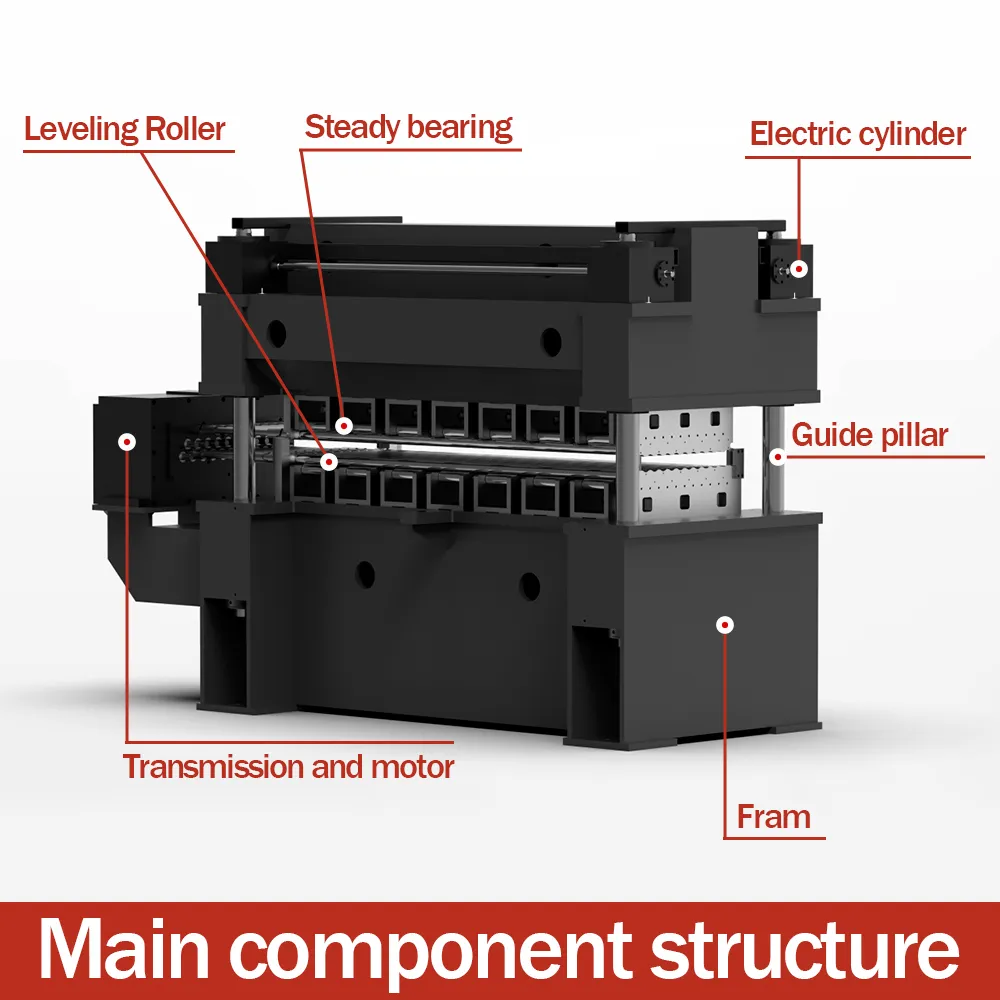
กระบวนการปรับระดับทำงานตามหลักการของการโค้งเกินที่ควบคุมได้ ขณะที่วัสดุแผ่นผ่านลูกกลิ้งบนและล่างที่จัดเรียงแบบสลับกัน แต่ละจุดสัมผัสจะก่อให้เกิดการเปลี่ยนรูปพลาสติกเฉพาะจุดซึ่งเกินความแข็งแรงของวัสดุที่จุดหยดตัว (yield strength) การเปลี่ยนทิศทางการโค้งแบบสลับกันผ่านช่องว่างระหว่างลูกกลิ้งที่ต่อเนื่องกัน จะค่อยๆ ลดความแตกต่างของแรงเครียด (stress differentials) ทั่วความหนาของแผ่นวัสดุ ลูกกลิ้งนำเข้าจะใช้แรงโค้งที่มากกว่าเพื่อแก้ไขการบิดงอหลัก ในขณะที่ลูกกลิ้งนำออกจะให้การปรับแต่งอย่างละเอียดเพื่อขจัดความคลาดเคลื่อนที่เหลืออยู่ จำนวนลูกกลิ้ง ขนาดเส้นผ่านศูนย์กลาง ระยะห่างระหว่างลูกกลิ้ง และแรงดันที่ใช้ จะกำหนดความสามารถในการปรับระดับสำหรับวัสดุประเภท ความหนา และความแข็งแรงที่จุดหยดตัวที่เฉพาะเจาะจง แบบเครื่องปรับระดับแผ่นโลหะขั้นสูงนั้นออกแบบมาพร้อมระบบปรับตำแหน่งลูกกลิ้งและระบบควบคุมแรงดันที่สามารถปรับแต่งได้ ซึ่งช่วยเพิ่มประสิทธิภาพของเส้นโค้งการปรับระดับให้เหมาะสมกับลักษณะวัสดุที่หลากหลาย ทำให้มั่นใจได้ถึงความเรียบเสมอกันของผลิตภัณฑ์ตลอดทั้งชุดการผลิต แม้ว่าวัสดุจะมีสมบัติเชิงกลที่แตกต่างกัน
พฤติกรรมของวัสดุระหว่างการปรับระดับ
โลหะผสมและสถานะการอบอ่อนที่ต่างกันตอบสนองต่อแรงปรับระดับอย่างแตกต่างกัน ขึ้นอยู่กับความแข็งแรงขณะเกิดการไหล (yield strength) ลักษณะการแข็งตัวจากการขึ้นรูป (work hardening characteristics) และพฤติกรรมการคืนรูปแบบยืดหยุ่น (elastic recovery behavior) เหล็กความแข็งแรงสูงต้องใช้แรงดัดที่มากขึ้นและจำนวนรอบการปรับระดับที่เพิ่มขึ้น เพื่อให้เกิดการเปลี่ยนรูปพลาสติกถาวรที่เกินขีดจำกัดความยืดหยุ่นของวัสดุ โลหะผสมอลูมิเนียมมีจุดไหลต่ำกว่า แต่แสดงปรากฏการณ์การคืนรูป (springback) อย่างชัดเจน ซึ่งจำเป็นต้องมีการปรับตำแหน่งลูกกลิ้งให้เหมาะสมเพื่อชดเชยปรากฏการณ์นี้ สแตนเลสสตีลมีทั้งความแข็งแรงสูงและแนวโน้มการแข็งตัวจากการขึ้นรูป จึงต้องมีการปรับค่าแรงอย่างระมัดระวังเพื่อหลีกเลี่ยงรอยขีดข่วนบนผิวหน้า ในขณะเดียวกันก็ต้องบรรลุการลดความเครียดได้อย่างเพียงพอ เครื่องปรับระดับแผ่นโลหะที่ตั้งค่าอย่างเหมาะสมจะคำนึงถึงพฤติกรรมเฉพาะของวัสดุเหล่านี้ผ่านการปรับแต่งโครงสร้างลูกกลิ้งได้อย่างยืดหยุ่น ทำให้ผู้ผลิตสามารถประมวลผลวัสดุหลากหลายชนิดได้โดยไม่กระทบต่อคุณภาพความเรียบของชิ้นงาน หรือก่อให้เกิดความเสียหายต่อผิวหน้าซึ่งอาจจำเป็นต้องดำเนินการตกแต่งเพิ่มเติมในขั้นตอนต่อไป
ผลกระทบทางเศรษฐกิจต่อการดำเนินงานด้านการขึ้นรูป
การลดต้นทุนจากของเสียและงานปรับปรุงซ้ำ
ข้อบกพร่องของวัสดุถือเป็นหนึ่งในแหล่งที่ทำให้เกิดต้นทุนสูญเสียมากที่สุดในสภาพแวดล้อมการผลิตชิ้นส่วนความแม่นยำสูง เมื่อวัสดุป้อนเข้าสู่กระบวนการตัดที่มีความไม่เรียบสม่ำเสมอ ระบบเลเซอร์ โต๊ะพลาสม่า หรือเครื่องเจาะแบบพันช์จะประสบปัญหาความแปรผันของระยะโฟกัส ซึ่งส่งผลให้คุณภาพการตัด ความตั้งฉากของขอบ และความแม่นยำด้านมิติลดลงลง การขึ้นรูปชิ้นงานที่มีความโค้งงอจะทำให้ได้ชิ้นส่วนที่อยู่นอกเกณฑ์ความคลาดเคลื่อนที่กำหนดไว้ จึงจำเป็นต้องปรับปรุงด้วยมือหรือทิ้งทั้งหมด การบิดตัวจากการเชื่อมจะยิ่งทวีความรุนแรงของปัญหาความเรียบอยู่แล้วให้มากยิ่งขึ้น ส่งผลให้ชิ้นส่วนประกอบที่ได้มีความจำเป็นต้องปรับแนวใหม่ด้วยต้นทุนสูง หรือไม่ผ่านการตรวจสอบขั้นสุดท้าย ด้วยการนำ "เครื่องระดับวัสดุ" มาใช้เป็นขั้นตอนการเตรียมวัสดุล่วงหน้า ผู้ผลิตชิ้นส่วนสามารถกำจัดสาเหตุหลักที่ก่อให้เกิดความล้มเหลวด้านคุณภาพเหล่านี้ได้อย่างสิ้นเชิง เครื่องปรับระดับโลหะแผ่น ต้นทุนของอุปกรณ์ระดับวัสดุและการดำเนินงานโดยทั่วไปมักคิดเป็นเพียงเศษส่วนเล็กน้อยเมื่อเทียบกับผลประหยัดที่ได้จากการลดอัตราของเสีย ลดแรงงานที่ใช้ในการปรับปรุงซ้ำ และเพิ่มอัตราการผ่านการตรวจสอบครั้งแรก (first-pass yield) อย่างมีนัยสำคัญในกระบวนการผลิตขั้นตอนถัดไป
เพิ่มอัตราการผลิต
ประสิทธิภาพการผลิตลดลงอย่างมากเมื่อผู้ปฏิบัติงานต้องปรับแก้ปัญหาความเรียบของวัสดุระหว่างกระบวนการผลิต ผู้ควบคุมเครื่องจักร CNC สูญเสียเวลาในการทำงานที่มีค่าไปกับการปรับแต่งอุปกรณ์ยึดชิ้นงาน การแทรกแผ่นรอง (shims) หรือการจัดตำแหน่งชิ้นงานที่บิดงอใหม่ เพื่อให้ได้ผลลัพธ์การตัดที่ยอมรับได้ ผู้ควบคุมเครื่องดัดแบบกด (press brake) ประสบปัญหาในการสัมผัสของมาตรวัดด้านหลัง (back gauge) ที่ไม่สม่ำเสมอ และพฤติกรรมการคืนตัว (springback) ที่คาดเดาไม่ได้ขณะขึ้นรูปวัสดุที่ไม่เรียบ ช่างประกอบใช้เวลามากเกินไปในการจัดแนวชิ้นส่วนที่บิดเบี้ยว และต้องเพิ่มอุปกรณ์ยึดเสริมเพื่อให้รอยเชื่อมเข้ากันได้ตามมาตรฐาน ความล่าช้าสะสมเหล่านี้ส่งผลให้อัตราการใช้งานเครื่องจักรจริงลดลง และทำให้ระยะเวลาการผลิตโดยรวมยาวนานขึ้นทั่วทั้งตารางการผลิต เครื่องระดับแผ่นโลหะ (sheet metal leveling machine) สามารถขจัดอุปสรรคต่อประสิทธิภาพการผลิตเหล่านี้ได้ โดยจัดเตรียมวัสดุที่เรียบอย่างสม่ำเสมอ ซึ่งสามารถผ่านกระบวนการผลิตด้วยอุปกรณ์อัตโนมัติได้อย่างคาดการณ์ผลลัพธ์ได้แน่นอน ปรับปรุงอัตราการผลิต (throughput improvement) มักจะคุ้มค่าการลงทุนในอุปกรณ์นี้เพียงแค่จากการเพิ่มอัตราการใช้งานกำลังการผลิตเท่านั้น โดยไม่จำเป็นต้องพิจารณาถึงประโยชน์ด้านการปรับปรุงคุณภาพเพิ่มเติม
การยืดอายุการใช้งานของแม่พิมพ์
การขึ้นรูปวัสดุที่ไม่เรียบเสมอกันเร่งให้เกิดการสึกหรอของแม่พิมพ์สำหรับการผลิตซึ่งมีราคาแพง แม่พิมพ์ตัดเจาะ (punch press dies) ได้รับแรงโหลดที่ไม่สม่ำเสมอ ทำให้เกิดการสึกหรอก่อนวัยอันควรและขอบแม่พิมพ์แตกร้าว หัวฉีดน้ำมันตัดด้วยเลเซอร์ (laser cutting nozzles) ประสบปัญหาความห่างโฟกัสที่แปรผัน ส่งผลให้อัตราการใช้ชิ้นส่วนสิ้นเปลืองเพิ่มขึ้นและคุณภาพการตัดลดลง แม่พิมพ์ดัดด้วยเครื่องกด (press brake tooling) รับแรงโหลดแบบไม่สมมาตร ซึ่งทำให้อายุการใช้งานสั้นลงและลดความสม่ำเสมอของมุมการดัด รูปแบบการสึกหรอที่เร่งขึ้นเหล่านี้ส่งผลโดยตรงต่อต้นทุนแม่พิมพ์ที่เพิ่มขึ้น การเปลี่ยนแม่พิมพ์บ่อยครั้งขึ้น และเวลาที่อุปกรณ์พร้อมใช้งานลดลง ด้วยการปรับสภาพวัสดุผ่านเครื่องระดับแผ่นโลหะ (sheet metal leveling machine) ก่อนนำเข้าสู่กระบวนการสำคัญเหล่านี้ ผู้ผลิตสามารถปกป้องการลงทุนในแม่พิมพ์ของตนไว้ได้ ขณะเดียวกันก็รักษาผลลัพธ์ของการขึ้นรูปให้มีความสม่ำเสมอ ทั้งนี้ การยืดอายุการใช้งานของแม่พิมพ์ถือเป็นประโยชน์เชิงต้นทุนที่เกิดซ้ำๆ ซึ่งสะสมอย่างมีนัยสำคัญตลอดอายุการใช้งานของอุปกรณ์
ข้อกำหนดด้านคุณภาพในการผลิตสมัยใหม่
ความต้องการด้านความคลาดเคลื่อนที่แม่นยำในอุตสาหกรรมเฉพาะทาง
ข้อกำหนดด้านการผลิตในปัจจุบันมีความเข้มงวดยิ่งขึ้นเรื่อยๆ โดยต้องการความคลาดเคลื่อนของระดับความเรียบ (flatness tolerances) ซึ่งไม่สามารถบรรลุได้โดยไม่มีอุปกรณ์ปรับระดับเฉพาะทาง ชิ้นส่วนสำหรับอุตสาหกรรมการบินและอวกาศมักต้องการความเรียบภายในค่า 0.5 มิลลิเมตร บนมิติความยาวหนึ่งเมตร โดยข้อกำหนดเกี่ยวกับความผิดเพี้ยนของพื้นผิว (surface waviness) วัดเป็นไมครอน ตัวเรือนอุปกรณ์อิเล็กทรอนิกส์จำเป็นต้องรักษาระดับความเรียบอย่างแม่นยำ เพื่อให้แน่ใจว่าแผงวงจรพิมพ์ (PCB) ติดตั้งได้อย่างถูกต้อง การสัมผัสระหว่างพื้นผิวเพื่อถ่ายเทความร้อน (thermal interface contact) มีประสิทธิภาพ และการป้องกันการรบกวนจากคลื่นแม่เหล็กไฟฟ้า (electromagnetic shielding) ทำงานได้ตามที่ออกแบบ แผ่นโครงสร้างอาคาร (architectural panels) ต้องมีระนาบผิวที่สม่ำเสมอ เพื่อให้ได้ผลลัพธ์เชิง aesthetic ที่น่าพึงพอใจ และรักษาความมั่นคงของการกันน้ำและอากาศ (weatherproofing integrity) ข้อกำหนดที่เข้มงวดเหล่านี้เกินขีดความสามารถตามธรรมชาติของวัสดุรีดม้วน (coil) หรือแผ่นโลหะ (sheet stock) ที่ได้รับมาใหม่ (as-received) อย่างมาก เครื่องปรับระดับแผ่นโลหะ (sheet metal leveling machine) จึงเป็นวิธีเดียวที่ใช้งานได้จริงในการบรรลุข้อกำหนดด้านความเรียบที่เข้มงวดเหล่านี้อย่างสม่ำเสมอในปริมาณการผลิตจำนวนมาก โดยเปลี่ยนวัสดุจากโรงหลอม (mill material) ทั่วไปให้กลายเป็นชิ้นงานพร้อมใช้งาน (precision blanks) ที่เหมาะสมสำหรับงานที่ต้องการความแม่นยำสูง
การรักษาระดับคุณภาพผิว
นอกเหนือจากความเรียบในเชิงมิติแล้ว เทคโนโลยีการปรับระดับสมัยใหม่ยังต้องรักษาหรือยกระดับคุณลักษณะของผิวสัมผัส ซึ่งมีความสำคัญอย่างยิ่งต่อรูปลักษณ์และประสิทธิภาพของผลิตภัณฑ์ขั้นสุดท้าย ผลิตภัณฑ์ที่มีผิวสัมผัสที่มองเห็นได้ชัดเจนจะไม่สามารถยอมรับรอยกดจากลูกกลิ้ง รอยขีดข่วน หรือรอยบุ๋มที่อาจทำให้ต้องใช้กระบวนการตกแต่งเพิ่มเติมซึ่งมีต้นทุนสูง วัสดุที่เคลือบผิวต้องการกระบวนการปรับระดับที่รักษาความสมบูรณ์ของชั้นเคลือบไว้โดยไม่เกิดรอยแตกร้าว ลอกหลุด หรือการยึดเกาะล้มเหลว แผ่นโครงสร้างที่ทาสีไว้ล่วงหน้าจำเป็นต้องได้รับการจัดการอย่างอ่อนโยน เพื่อป้องกันรอยขีดข่วนหรือความแตกต่างของความมันวาว เครื่องปรับระดับโลหะแผ่นขั้นสูงถูกออกแบบด้วยลูกกลิ้งที่ผ่านการขัดผิวด้วยความแม่นยำสูง พร้อมความแข็งผิวที่เหมาะสม ระบบควบคุมแรงดันที่ซับซ้อนซึ่งช่วยลดแรงกดต่อผิววัสดุให้น้อยที่สุด และคุณสมบัติในการจัดการวัสดุที่ป้องกันการขีดข่วนระหว่างการป้อนวัสดุและการจัดเรียงซ้อน ข้อพิจารณาด้านการออกแบบเหล่านี้ช่วยให้ผู้ผลิตสามารถบรรลุข้อกำหนดด้านความเรียบตามที่กำหนด ขณะเดียวกันก็รักษาคุณภาพผิวสัมผัสที่สมบูรณ์แบบซึ่งตลาดที่มีความต้องการสูงขึ้นเรื่อย ๆ ต้องการ
ความมั่นคงของมิติสำหรับกระบวนการขั้นต่อเนื่อง
ประโยชน์ของการปรับระดับวัสดุแผ่ขยายไปทั่วทั้งลำดับการผลิตโลหะแผ่น โดยส่งผลต่อความสำเร็จของกระบวนการในทุกขั้นตอน แผ่นโลหะที่เรียบจะวางซ้อนกันได้อย่างมีประสิทธิภาพมากขึ้นบนโต๊ะตัด ทำให้ใช้วัสดุได้คุ้มค่าสูงสุดและลดความซับซ้อนในการเขียนโปรแกรม ระบบป้อนวัสดุอัตโนมัติรับวัสดุที่มีความสม่ำเสมออย่างต่อเนื่อง จึงหลีกเลี่ยงปัญหาการติดขัด การป้อนผิด และการหยุดทำงานระหว่างรอบการผลิต ซึ่งเป็นสาเหตุให้การไหลของกระบวนการผลิตเสียหาย ในการขึ้นรูป วัสดุที่ผ่านการปลดปล่อยแรงเครียดแล้วจะตอบสนองต่อแรงดัดอย่างสม่ำเสมอกัน ส่งผลให้พฤติกรรมการคืนตัวหลังการดัด (springback) มีความคาดการณ์ได้แน่นอน ชิ้นส่วนที่เชื่อมประกอบกันจะรักษาความแม่นยำของมิติไว้ได้ เนื่องจากความเรียบของชิ้นส่วนแต่ละชิ้นช่วยป้องกันไม่ให้เกิดการบิดเบี้ยวสะสมขณะได้รับความร้อนจากการเชื่อม เครื่องปรับระดับโลหะแผ่นจึงทำหน้าที่เสมือนตัวคูณคุณภาพ โดยเปลี่ยนวัสดุป้อนเข้าที่มีคุณภาพระดับปานกลางให้กลายเป็นวัสดุสำรองที่มีความสม่ำเสมอ ซึ่งช่วยให้กระบวนการขั้นต่อเนื่องสามารถดำเนินงานได้ตามศักยภาพที่ออกแบบไว้ แทนที่จะต้องพยายามชดเชยความแปรปรวนของวัสดุ
การผสานเข้ากับระบบการผลิตสมัยใหม่
การนำสายการผลิตขดลวดมาใช้งาน
สำหรับผู้ผลิตชิ้นส่วนโลหะในปริมาณสูงที่ประมวลผลวัสดุเป็นม้วน การผสานอุปกรณ์ระดับพื้นผิว (leveling equipment) เข้ากับสายการผลิตม้วนแบบอัตโนมัติจะช่วยเพิ่มประสิทธิภาพในการดำเนินงานสูงสุด ระบบแบบบูรณาการเหล่านี้รวมการถอดม้วน (decoiling) การปรับระดับพื้นผิว (leveling) และการตัดตามความยาว (cut-to-length) หรือการตัดชิ้นงาน (blanking) ไว้ในกระบวนการผลิตแบบต่อเนื่อง เครื่องปรับระดับแผ่นโลหะ (sheet metal leveling machine) ตั้งอยู่ในตำแหน่งสำคัญทันทีหลังจากเครื่องถอดม้วน (decoiler) โดยทำหน้าที่แก้ไขปัญหาการโค้งของม้วน (coil set) และแรงเครียดที่ค้างอยู่ (residual stresses) ก่อนที่วัสดุจะเคลื่อนผ่านไปยังสถานีตัด ตำแหน่งนี้รับประกันว่าอุปกรณ์ทั้งหมดที่อยู่ด้านหลังจะได้รับวัสดุที่ผ่านการปรับสภาพให้เหมาะสมที่สุด ซึ่งส่งผลให้ระบบตัดด้วยเลเซอร์ราคาแพง เครื่องเจาะ-ตอก (punch presses) หรือเครื่องตัด (shearing equipment) ทำงานได้อย่างมีประสิทธิภาพสูงสุด ตัวควบคุมสายการผลิตม้วนรุ่นใหม่สามารถประสานพารามิเตอร์การปรับระดับพื้นผิวกับข้อกำหนดของวัสดุได้อย่างอัตโนมัติ โดยปรับตำแหน่งลูกกลิ้งและอัตราความเร็วในการป้อนวัสดุโดยอัตโนมัติเมื่อม้วนวัสดุแต่ละเกรดเข้าสู่กระบวนการผลิต จึงช่วยกำจัดเวลาที่ใช้ในการตั้งค่าด้วยตนเอง และลดระดับทักษะที่จำเป็นสำหรับการปฏิบัติงานอย่างสม่ำเสมอ
ความต้องการด้านความยืดหยุ่นสำหรับโรงงานรับจ้างผลิต (Job Shop)
ผู้รับจ้างผลิตตามสัญญาและโรงงานรับจ้างงานต่างๆ ต้องเผชิญกับความท้าทายเฉพาะตัวในการจัดการวัสดุที่หลากหลาย ทั้งประเภท ความหนา และขนาดล็อต ภายใต้กำหนดการผลิตที่เปลี่ยนแปลงอยู่ตลอดเวลา การดำเนินงานเหล่านี้จำเป็นต้องใช้เครื่องปรับระดับแผ่นโลหะที่มีคุณสมบัติสามารถเปลี่ยนการตั้งค่าได้อย่างรวดเร็ว มีช่วงการประมวลผลที่กว้าง และขั้นตอนการติดตั้งที่ใช้งานง่าย โรลเลอร์เลเวอเลอร์แบบปรับระดับได้พร้อมระบบควบคุมตำแหน่งแบบโปรแกรมได้ ช่วยให้ผู้ปฏิบัติงานสามารถบันทึกสูตรการตั้งค่าสำหรับวัสดุที่ใช้บ่อยๆ ไว้ล่วงหน้า ทำให้ลดระยะเวลาการตั้งค่าจากหลายชั่วโมงเหลือเพียงไม่กี่นาทีเมื่อเปลี่ยนระหว่างอลูมิเนียม เหล็กกล้า และสแตนเลส ขนาดรูปทรงที่กะทัดรัดช่วยให้สามารถติดตั้งในสถานที่ที่มีพื้นที่จำกัดได้โดยไม่จำเป็นต้องปรับเปลี่ยนผังโรงงานอย่างมาก โครงสร้างแบบผ่านแนวเดียว (feed-through) รองรับทั้งการดำเนินการปรับระดับเฉพาะทางและการเชื่อมต่อแบบต่อเนื่องเข้ากับอุปกรณ์ตัดที่มีอยู่แล้ว ซึ่งมอบความยืดหยุ่นในการปฏิบัติงานที่สอดคล้องกับความต้องการแบบไดนามิกของสภาพแวดล้อมการผลิตตามสั่ง
การอัตโนมัติและการผสานรวมอุตสาหกรรม 4.0
เมื่อโรงงานผลิตเริ่มนำการเปลี่ยนผ่านสู่ดิจิทัลและหลักการของการผลิตอัจฉริยะมาใช้ ระบบเครื่องจักรปรับระดับแผ่นโลหะสมัยใหม่จึงได้ผสานฟีเจอร์ด้านการเชื่อมต่อและการควบคุมเพื่อสนับสนุนแนวทางเหล่านี้ เซ็นเซอร์ที่ผสานเข้ากับระบบจะตรวจสอบแรงที่กระทำต่อลูกกลิ้ง ความแปรผันของความหนาของวัสดุ และผลการวัดความเรียบ พร้อมส่งข้อมูลกระบวนการแบบเรียลไทม์ไปยังระบบจัดการโรงงาน อัลกอริธึมการบำรุงรักษาเชิงพยากรณ์วิเคราะห์รูปแบบการสั่นสะเทือน อุณหภูมิของแบริ่ง และพารามิเตอร์ของระบบขับเคลื่อน เพื่อกำหนดเวลาการให้บริการเชิงป้องกันก่อนที่จะเกิดความล้มเหลว ระบบจัดการคุณภาพบันทึกพารามิเตอร์การปรับระดับและผลการตรวจสอบความเรียบโดยอัตโนมัติ เพื่อรองรับการติดตามย้อนกลับและการจัดทำรายงานเพื่อแสดงความสอดคล้องตามมาตรฐาน ความสามารถด้านดิจิทัลเหล่านี้ได้เปลี่ยนแปลงอุปกรณ์ปรับระดับจากระบบที่ทำงานแยกต่างหากเป็นส่วนประกอบที่ผสานรวมอย่างแนบเนียนในสภาพแวดล้อมการผลิตอัจฉริยะ ซึ่งช่วยเพิ่มประสิทธิภาพในการดำเนินงาน ทำนายความต้องการการบำรุงรักษาล่วงหน้า และบันทึกคุณภาพตลอดกระบวนการผลิต
ข้อกำหนดการปรับระดับเฉพาะตามการใช้งาน
การใช้งานโครงสร้างที่ต้องรับน้ำหนักมาก
ผู้ผลิตชิ้นส่วนโครงสร้าง โครงถังอุปกรณ์หนัก และฐานเครื่องจักรอุตสาหกรรม ทำงานกับวัสดุที่มีความหนาเป็นพิเศษ ซึ่งก่อให้เกิดความท้าทายเฉพาะด้านการปรับระดับวัสดุ วัสดุแผ่นหนักมีความแตกต่างของแรงเครียดภายในอย่างมาก และจำเป็นต้องใช้ระบบปรับระดับที่มีกำลังสูง พร้อมลูกกลิ้งที่แข็งแรงทนทานและระบบขับเคลื่อนที่มีกำลังสูง โครงสร้างเครื่องปรับระดับแผ่นโลหะสำหรับงานเหล่านี้โดยทั่วไปจะมีเส้นผ่านศูนย์กลางของลูกกลิ้งที่ใหญ่กว่า เพื่อสร้างโมเมนต์ดัดที่เพียงพอในการเกินค่าความต้านแรงดึงของวัสดุที่หนาและมีความแข็งแรงสูง โครงสร้างเฟรมที่เสริมความแข็งแรงสามารถรับแรงปรับระดับที่มีขนาดใหญ่มากได้โดยไม่เกิดการโก่งตัว ซึ่งหากเกิดขึ้นจะส่งผลต่อคุณภาพความเรียบของชิ้นงาน ระยะห่างระหว่างลูกกลิ้งที่ออกแบบให้ยาวขึ้นสามารถรองรับแผ่นวัสดุที่มีความกว้างมาก ซึ่งพบได้บ่อยในงานผลิตชิ้นส่วนโครงสร้าง ระบบที่มีความแข็งแกร่งสูงเหล่านี้ถือเป็นการลงทุนด้านทุนที่มีมูลค่าสูงมาก แต่คุ้มค่าเนื่องจากช่วยขจัดกระบวนการปรับแนวแผ่นด้วยเปลวไฟแบบทำด้วยมือ ลดการบิดงอจากการเชื่อมในชิ้นส่วนขนาดใหญ่ และบรรลุข้อกำหนดด้านความเรียบซึ่งจำเป็นต่อการกลึงชิ้นส่วนโครงสร้างด้วยความแม่นยำสูง
ชิ้นส่วนความแม่นยำแบบบาง
ที่ปลายอีกด้านหนึ่งของสเปกตรัมความหนา ผู้ผลิตชิ้นส่วนอิเล็กทรอนิกส์ ผู้ผลิตเครื่องใช้ไฟฟ้า และผู้ผลิตชิ้นส่วนโลหะด้วยกระบวนการปั๊มแบบแม่นยำ จะทำงานกับวัสดุที่มีความบางซึ่งต้องการวิธีการปรับระดับอย่างอ่อนโยน วัสดุที่บางนั้นมีแนวโน้มโค้งงอได้ง่ายภายใต้แรงกดจากลูกกลิ้งที่มากเกินไป และแสดงรอยขีดข่วนบนพื้นผิวได้แม้แต่จากการสัมผัสที่ไม่เรียบเสมอกันเพียงเล็กน้อย การแปรรูปวัสดุเหล่านี้จำเป็นต้องใช้เครื่องปรับระดับแผ่นโลหะที่ออกแบบมาเป็นพิเศษ ซึ่งมีจำนวนลูกกลิ้งมากขึ้น เส้นผ่านศูนย์กลางของลูกกลิ้งเล็กลง และระบบควบคุมแรงกดที่ซับซ้อน ซึ่งสามารถใช้แรงกดน้อยที่สุดเท่าที่จะเป็นไปได้ ขณะเดียวกันก็ยังสามารถบรรลุการลดความเครียดในวัสดุได้อย่างมีประสิทธิภาพ ระยะห่างระหว่างลูกกลิ้งที่ใกล้กันมาก และการควบคุมช่องว่างระหว่างลูกกลิ้งอย่างแม่นยำ จะช่วยป้องกันไม่ให้วัสดุบางเกิดการโค้งงอหรือคลื่นที่ขอบแผ่น ระบบตลับลูกกลิ้งแบบเปลี่ยนได้รวดเร็ว (Quick-change cassette systems) ช่วยให้สามารถปรับแต่งการจัดเรียงลูกกลิ้งได้อย่างรวดเร็ว เพื่อเพิ่มประสิทธิภาพในการทำงานกับวัสดุที่มีความหนาแตกต่างกันภายในช่วงความหนาแบบบาง (thin-gauge range) ความสามารถเฉพาะทางเหล่านี้ทำให้ผู้ผลิตชิ้นส่วนแบบแม่นยำสามารถบรรลุข้อกำหนดด้านความแบนราบ (flatness specifications) ที่เข้มงวดมากสำหรับวัสดุที่บอบบาง โดยไม่ก่อให้เกิดความเสียหายต่อพื้นผิวหรือการบิดเบือนของมิติ
โลหะผสมพิเศษและวัสดุเคลือบ
ผู้ผลิตชิ้นส่วนสำหรับอุตสาหกรรมการบินและอวกาศ ผู้ผลิตอุปกรณ์สำหรับกระบวนการเคมี และผู้เชี่ยวชาญด้านงานโลหะสำหรับสถาปัตยกรรม มักดำเนินการกับวัสดุพิเศษที่ต้องใช้วิธีการปรับระดับแบบเฉพาะเจาะจง โลหะผสมไทเทเนียมต้องการแรงปรับระดับที่ควบคุมอย่างแม่นยำเพื่อหลีกเลี่ยงปรากฏการณ์การแข็งตัวจากการขึ้นรูป (work hardening) ซึ่งอาจส่งผลเสียต่อขั้นตอนการขึ้นรูปในขั้นตอนถัดไป แผ่นโลหะสำหรับงานสถาปัตยกรรมที่เคลือบสีไว้ล่วงหน้า จำเป็นต้องใช้ลูกกลิ้งที่ไม่ทิ้งรอยและแรงสัมผัสต่ำที่สุด เพื่อรักษาความสมบูรณ์ของชั้นสีไว้ วัสดุแบบคลาด (clad materials) ที่มีชั้นผิวต่างชนิดกัน ต้องการการผ่อนคลายแรงเครียดอย่างสมดุล เพื่อป้องกันไม่ให้เกิดการแยกชั้น (delamination) หรือการขยายตัวไม่เท่ากัน (differential expansion) ระบบเครื่องปรับระดับแผ่นโลหะที่มีความหลากหลายสามารถรองรับความต้องการเฉพาะเหล่านี้ได้ผ่านพารามิเตอร์การประมวลผลที่ปรับแต่งได้ การเคลือบผิวลูกกลิ้งแบบเสริม และคุณสมบัติการจัดการวัสดุเสริมที่ช่วยปกป้องพื้นผิวที่บอบบางตลอดกระบวนการปรับระดับ ความสามารถในการปรับตัวนี้ทำให้ผู้ผลิตสามารถขยายขอบเขตวัสดุที่สามารถประมวลผลได้ และให้บริการแก่ตลาดเฉพาะทางที่มีความต้องการสูง ซึ่งให้คุณค่ากับความเชี่ยวชาญด้านการประมวลผลเฉพาะทาง
คำถามที่พบบ่อย
เครื่องปรับระดับแผ่นโลหะสามารถประมวลผลวัสดุที่มีความหนาในช่วงใดได้โดยทั่วไป?
ระบบเครื่องปรับระดับแผ่นโลหะอุตสาหกรรมส่วนใหญ่ได้รับการออกแบบให้รองรับช่วงความหนาเฉพาะที่กำหนด ซึ่งขึ้นอยู่กับการจัดเรียงลูกกลิ้งและศักยภาพเชิงโครงสร้างของเครื่องนั้น ๆ เครื่องปรับระดับความแม่นยำระดับเริ่มต้นสามารถประมวลผลวัสดุที่มีความหนาตั้งแต่ 0.3 มม. ถึง 6 มม. ซึ่งเหมาะสำหรับงานอุตสาหกรรมอิเล็กทรอนิกส์ เครื่องใช้ไฟฟ้า และงานขึ้นรูปเบาระดับเบา เครื่องปรับระดับสำหรับการผลิตระดับกลางสามารถประมวลผลวัสดุที่มีความหนาตั้งแต่ 3 มม. ถึง 25 มม. ครอบคลุมการใช้งานทั่วไปในงานขึ้นรูปส่วนใหญ่ ส่วนเครื่องปรับระดับแผ่นโลหะแบบหนักพิเศษสามารถประมวลผลวัสดุที่มีความหนาตั้งแต่ 6 มม. ถึง 50 มม. หรือมากกว่านั้น ซึ่งใช้งานในตลาดเหล็กโครงสร้าง อุปกรณ์หนัก และเครื่องจักรอุตสาหกรรม ภายในแต่ละหมวดหมู่ของอุปกรณ์ ความสามารถสูงสุดในการรับความหนาจะขึ้นอยู่กับความแข็งแรงของวัสดุ (yield strength) โดยโลหะผสมที่มีความแข็งแรงสูงกว่าจะต้องใช้ระบบที่มีกำลังขับสูงกว่าเมื่อเปรียบเทียบกับเหล็กกล้าคาร์บอนต่ำ (mild steel) ที่มีความหนาเท่ากัน ผู้ผลิตจัดทำแผนภูมิแสดงขีดความสามารถอย่างละเอียด ซึ่งระบุความหนาสูงสุดที่สามารถประมวลผลได้สำหรับเกรดวัสดุต่าง ๆ เพื่อช่วยให้ผู้ประกอบการสามารถเลือกอุปกรณ์ที่สอดคล้องกับความต้องการการผลิตเฉพาะของตนได้อย่างเหมาะสม
การปรับระดับอุปกรณ์ส่งผลต่อคุณสมบัติของวัสดุและความสามารถในการขึ้นรูปในขั้นตอนถัดไปอย่างไร?
กระบวนการปรับระดับทำให้เกิดการเสียรูปพลาสติกแบบควบคุม ซึ่งส่งผลต่อคุณสมบัติทางกลของวัสดุในลักษณะเฉพาะ การดัดงอซ้ำๆ ผ่านลูกกลิ้งปรับระดับทำให้เกิดการแข็งตัวของวัสดุ ซึ่งเพิ่มความแข็งแรงครากและความแข็งแรงดึงเล็กน้อย ในขณะที่ลดการยืดตัวลงเล็กน้อย สำหรับการใช้งานในการผลิตส่วนใหญ่ การเปลี่ยนแปลงเหล่านี้ยังคงอยู่ในช่วงที่ยอมรับได้และไม่กระทบต่อความสามารถในการขึ้นรูป ในความเป็นจริง การลดความเครียดที่เกิดขึ้นจากการปรับระดับมักจะช่วยปรับปรุงความสม่ำเสมอในการขึ้นรูปโดยการกำจัดพฤติกรรมการคืนตัวที่ไม่สามารถคาดเดาได้ซึ่งเกิดจากความเครียดตกค้าง วัสดุที่มีความไวต่อการแข็งตัวของวัสดุสูงอาจต้องผ่านกระบวนการอบอ่อนหลังการปรับระดับสำหรับการใช้งานที่ต้องการความยืดหยุ่นสูงสุด ระบบเครื่องปรับระดับแผ่นโลหะที่ทันสมัยช่วยให้สามารถปรับความลึกของการสัมผัสลูกกลิ้งเพื่อควบคุมระดับการทำงานของพลาสติก ทำให้ผู้ปฏิบัติงานสามารถสร้างสมดุลระหว่างความเรียบกับความสามารถในการขึ้นรูปตามข้อกำหนดการใช้งานเฉพาะและข้อกำหนดการประมวลผลในภายหลัง
ผู้ผลิตควรคาดหวังข้อกำหนดในการบำรุงรักษาอุปกรณ์ปรับระดับอย่างไร?
การปฏิบัติการบำรุงรักษาอย่างเหมาะสมมีอิทธิพลอย่างมากต่อความสม่ำเสมอของประสิทธิภาพเครื่องจักรปรับระดับแผ่นโลหะ (Sheet Metal Leveling Machine) และอายุการใช้งานเชิงปฏิบัติการ ในการตรวจสอบประจำวัน ควรตรวจสอบความสะอาดของลูกกลิ้ง ตรวจหาสิ่งสกปรกหรือเศษวัสดุที่สะสมบนผิวซึ่งอาจก่อให้เกิดรอยขีดข่วนบนพื้นผิวชิ้นงาน และยืนยันว่าจุดหมุน (bearing points) และชิ้นส่วนขับเคลื่อนได้รับการหล่อลื่นอย่างเหมาะสม สำหรับการบำรุงรักษาแบบรายสัปดาห์ จำเป็นต้องตรวจสอบผิวของลูกกลิ้งอย่างละเอียดเพื่อหาสัญญาณการสึกหรอ รอยขีดข่วน หรือสิ่งปนเปื้อนที่อาจถ่ายโอนไปยังวัสดุที่ผ่านการประมวลผล ส่วนการบริการรายเดือนจะครอบคลุมการตรวจสอบระดับน้ำมันในเกียร์บ๊อกซ์ ความสมบูรณ์ของระบบไฮดรอลิก และการตรวจสอบแรงตึงของโซ่ขับเคลื่อนหรือสายพาน ในขณะที่การบำรุงรักษาประจำปีนั้นประกอบด้วยการตรวจสอบแบริ่งอย่างครอบคลุม การวัดค่าความเบี้ยวของลูกกลิ้ง (roller runout) การตรวจสอบการจัดแนวโครงเครื่อง (frame alignment) และการสอบเทียบระบบควบคุม สถานที่ที่ดำเนินการแปรรูปวัสดุที่มีฤทธิ์กัดกร่อน (abrasive materials) หรือดำเนินการผลิตแบบหลายกะ (multiple shifts) อาจจำเป็นต้องทำการบำรุงรักษาบ่อยขึ้นกว่าปกติ การจัดทำตารางการบำรุงรักษาเชิงป้องกันตามคำแนะนำของผู้ผลิตและระดับความเข้มข้นของการใช้งาน จะช่วยป้องกันไม่ให้เกิดความล้มเหลวแบบไม่คาดฝัน รักษาคุณภาพของผลลัพธ์ด้านความเรียบ (flatness output quality) อย่างสม่ำเสมอ และคุ้มครองการลงทุนด้านทุนขนาดใหญ่ที่มีต่ออุปกรณ์ปรับระดับ
โรงงานผลิตที่มีอยู่สามารถติดตั้งความสามารถในการปรับระดับได้โดยไม่ต้องเปลี่ยนแปลงผังโรงงานอย่างมากหรือไม่?
ผู้ผลิตจำนวนมากดำเนินการในสถานที่ที่มีอยู่แล้ว ซึ่งมีการจัดวางอุปกรณ์แบบคงที่และมีพื้นที่บนพื้นจำกัดสำหรับการติดตั้งอุปกรณ์ใหม่ ดังนั้นการออกแบบเครื่องปรับระดับแผ่นโลหะแบบกะทัดรัดจึงถูกพัฒนาขึ้นมาโดยเฉพาะเพื่อตอบโจทย์สถานการณ์การปรับปรุง (retrofit) ดังกล่าว โดยมีขนาดพื้นที่ใช้สอยลดลงและมีทางเลือกในการบูรณาการที่ยืดหยุ่น เครื่องปรับระดับแบบแยกตัว (standalone levelers) ที่มีความยาวน้อยที่สุดสามารถติดตั้งได้ใกล้กับอุปกรณ์ตัดที่มีอยู่แล้ว ทำให้เกิดกระบวนการผลิตสองขั้นตอนที่มีประสิทธิภาพโดยไม่จำเป็นต้องจัดการวัสดุอย่างมาก หน่วยปรับระดับแบบเคลื่อนย้ายได้ที่ติดตั้งบนฐานล้อเลื่อน (caster bases) ช่วยให้สามารถจัดตำแหน่งชั่วคราวได้อย่างยืดหยุ่นสำหรับโรงงานที่รับจ้างผลิต (job shops) ซึ่งมีความต้องการการผลิตที่เปลี่ยนแปลงไปตามแต่ละงาน ผู้ผลิตบางรายยังเสนอหัวปรับระดับแบบโมดูลาร์ (modular leveling heads) ที่สามารถติดตั้งแทนหัวปรับระดับเดิมในสายการผลิตม้วน (coil line) ได้ ซึ่งจะช่วยยกระดับศักยภาพการประมวลผลโดยไม่จำเป็นต้องเปลี่ยนสายการผลิตทั้งหมด สำหรับโรงงานที่ไม่มีพื้นที่ว่างบนพื้นแม้แต่น้อย บริการปรับระดับวัสดุจากภายนอก (third-party leveling services) จะเป็นทางเลือกที่ให้บริการปรับสภาพวัสดุแบบจ้างภายนอก อย่างไรก็ตาม แนวทางนี้จะสูญเสียข้อได้เปรียบด้านการควบคุมการผลิตและระยะเวลาการนำส่ง (lead time) ที่ได้จากการดำเนินการภายในโรงงานเอง การประเมินสถานที่ตั้งของโรงงานอย่างรอบคอบร่วมกับการเลือกอุปกรณ์ที่เหมาะสม มักจะสามารถระบุวิธีการปรับปรุง (retrofit solutions) ที่เป็นไปได้ ซึ่งจะมอบประโยชน์จากการปรับระดับวัสดุได้โดยไม่ก่อให้เกิดค่าใช้จ่ายในการติดตั้งที่สูงเกินไปหรือสร้างความรบกวนต่อการผลิต
สารบัญ
- ความจำเป็นทางเทคนิคในการลดความเค้นของวัสดุ
- ผลกระทบทางเศรษฐกิจต่อการดำเนินงานด้านการขึ้นรูป
- ข้อกำหนดด้านคุณภาพในการผลิตสมัยใหม่
- การผสานเข้ากับระบบการผลิตสมัยใหม่
- ข้อกำหนดการปรับระดับเฉพาะตามการใช้งาน
-
คำถามที่พบบ่อย
- เครื่องปรับระดับแผ่นโลหะสามารถประมวลผลวัสดุที่มีความหนาในช่วงใดได้โดยทั่วไป?
- การปรับระดับอุปกรณ์ส่งผลต่อคุณสมบัติของวัสดุและความสามารถในการขึ้นรูปในขั้นตอนถัดไปอย่างไร?
- ผู้ผลิตควรคาดหวังข้อกำหนดในการบำรุงรักษาอุปกรณ์ปรับระดับอย่างไร?
- โรงงานผลิตที่มีอยู่สามารถติดตั้งความสามารถในการปรับระดับได้โดยไม่ต้องเปลี่ยนแปลงผังโรงงานอย่างมากหรือไม่?