Auto Hydraulic Fastener Insert Nut Hardware Insertion Machine - Advanced Manufacturing Solution

Get a Free Quote

Our representative will contact you soon.
Email
Name
Company Name
Message
0/1000

auto hydraulic fastener insert nut hardware insertion machine

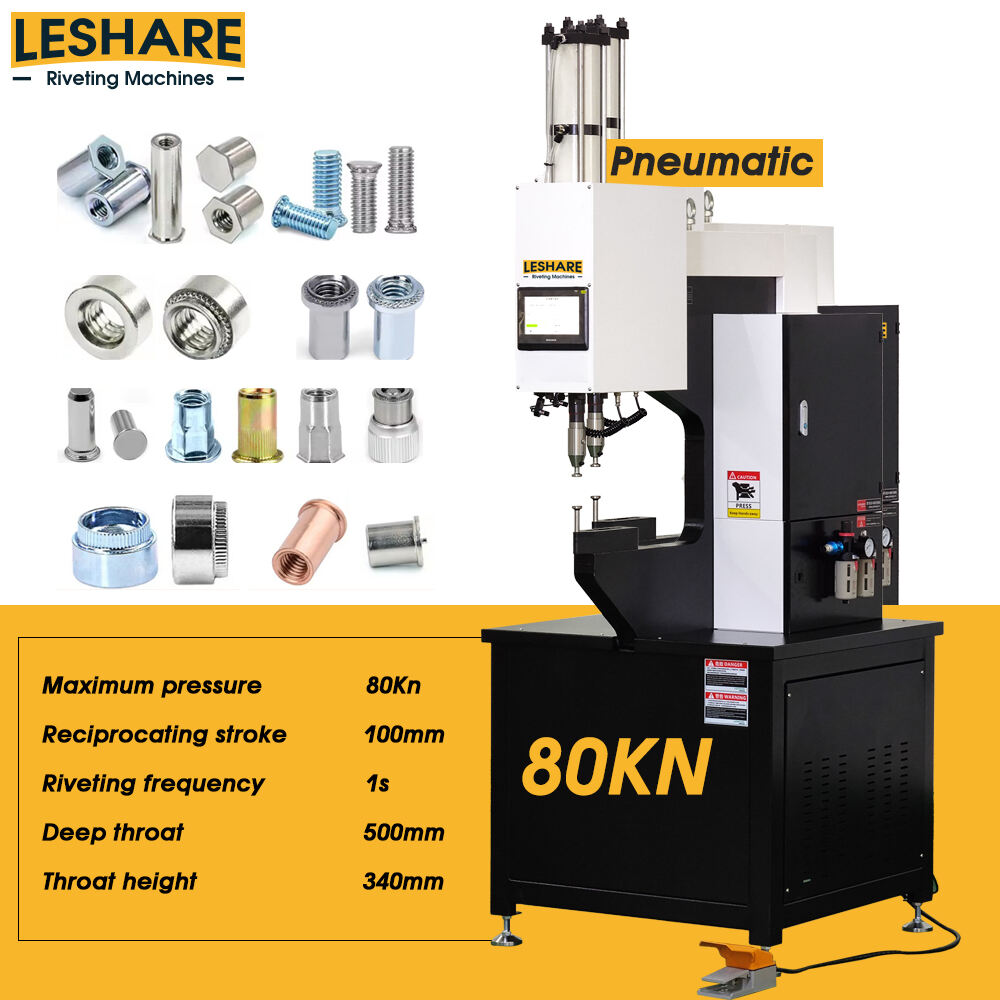
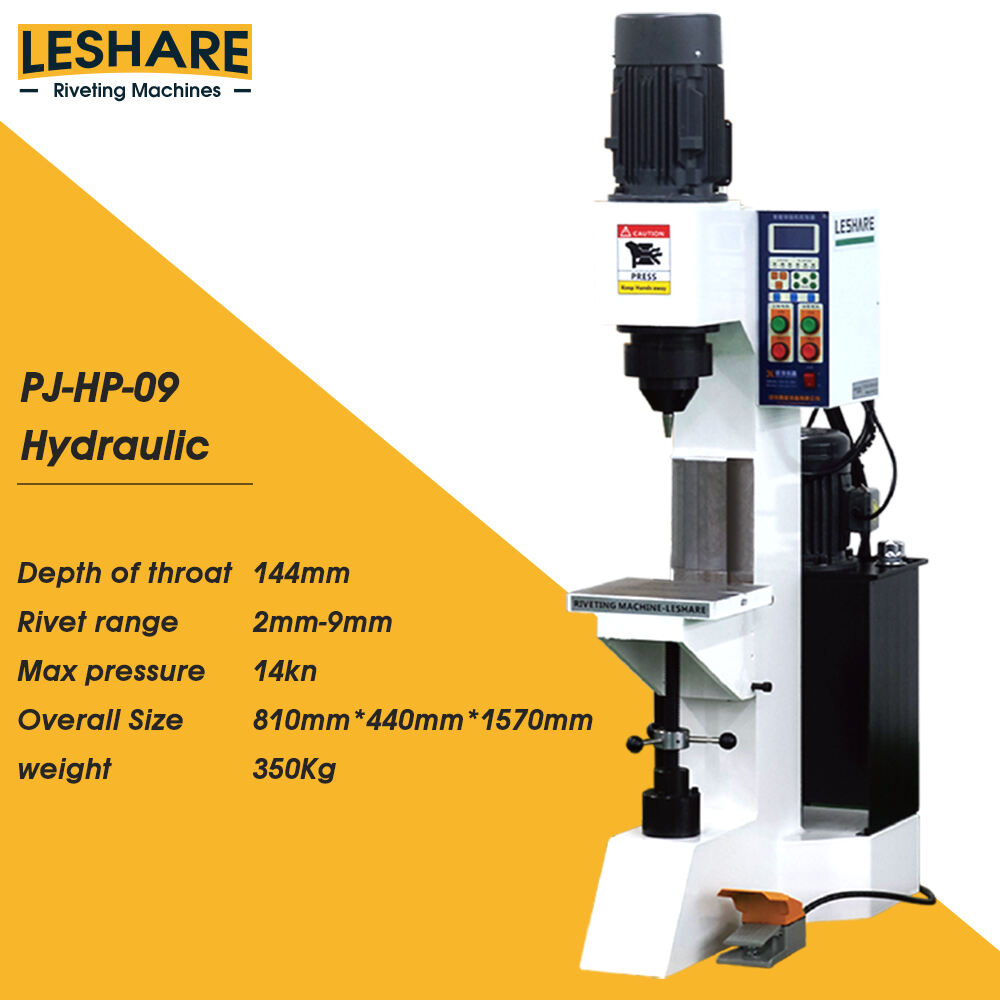
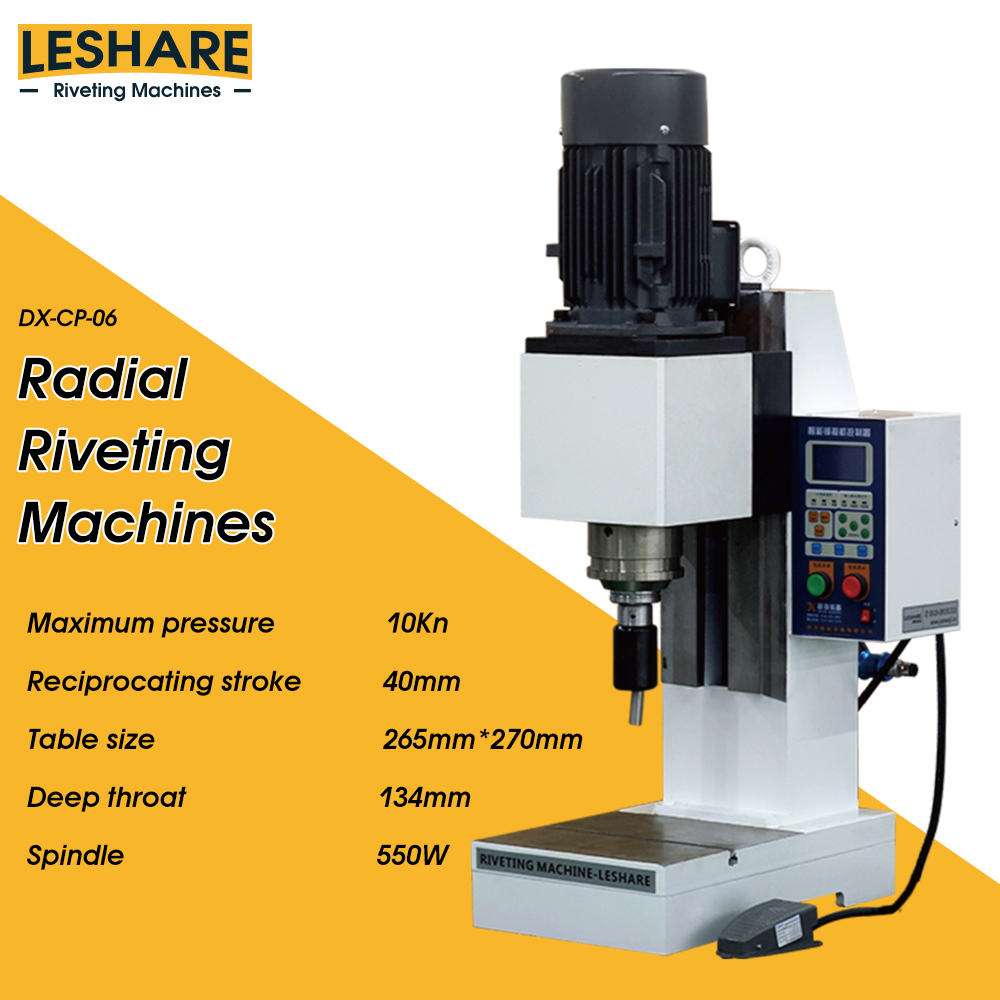
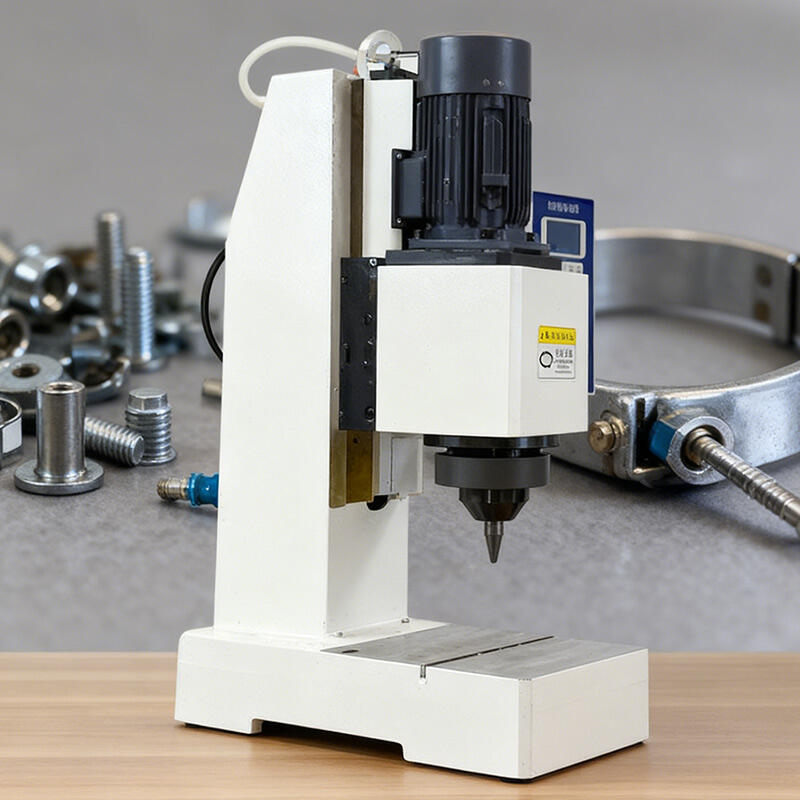
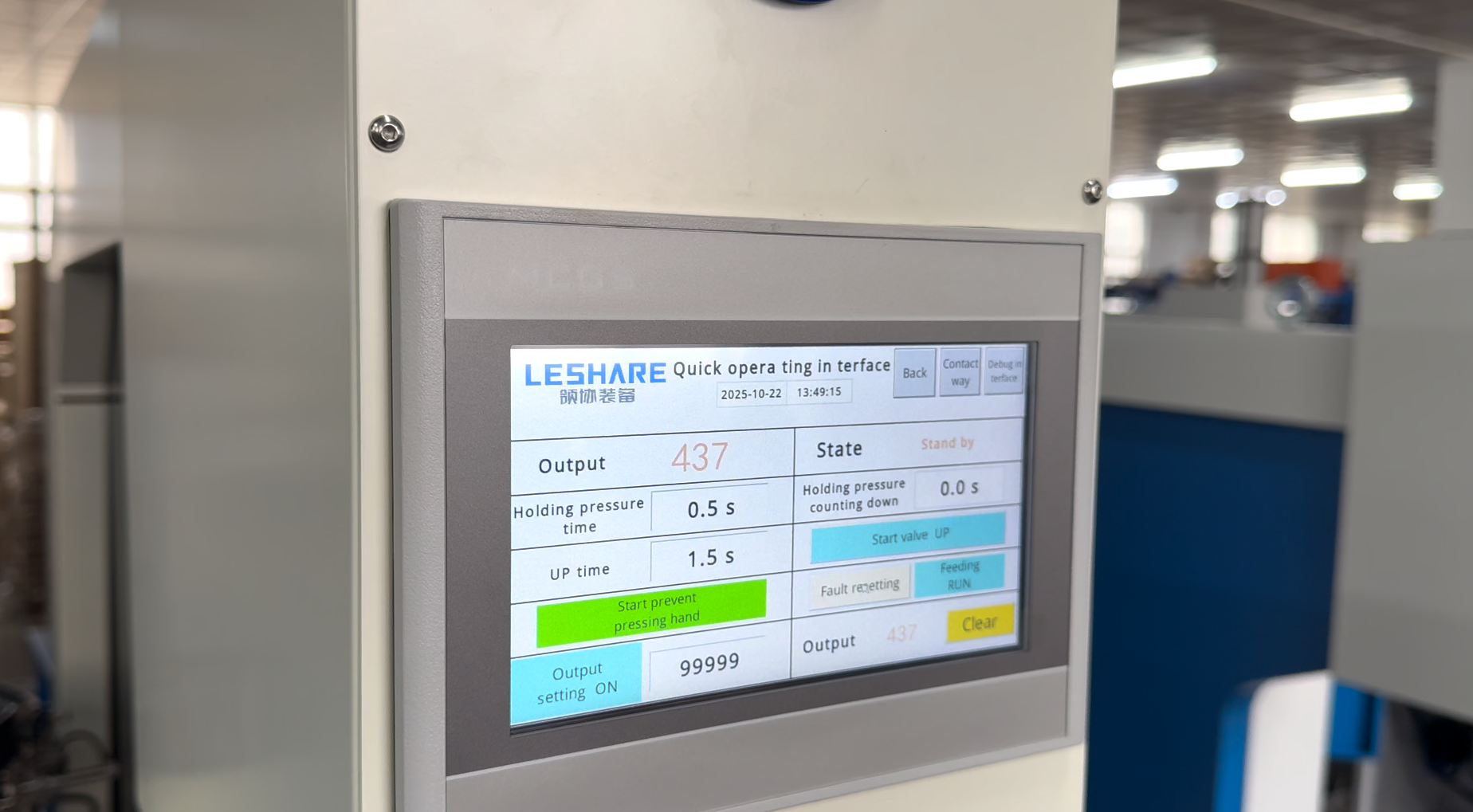
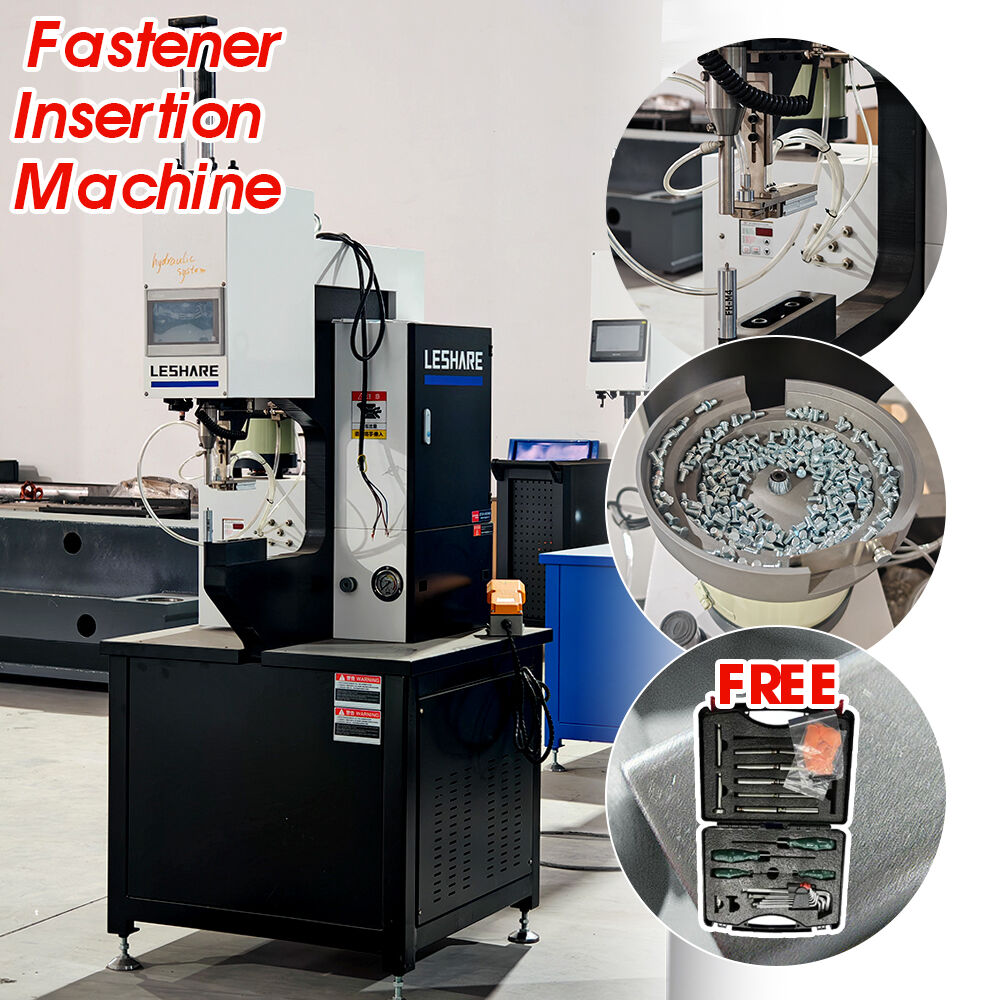
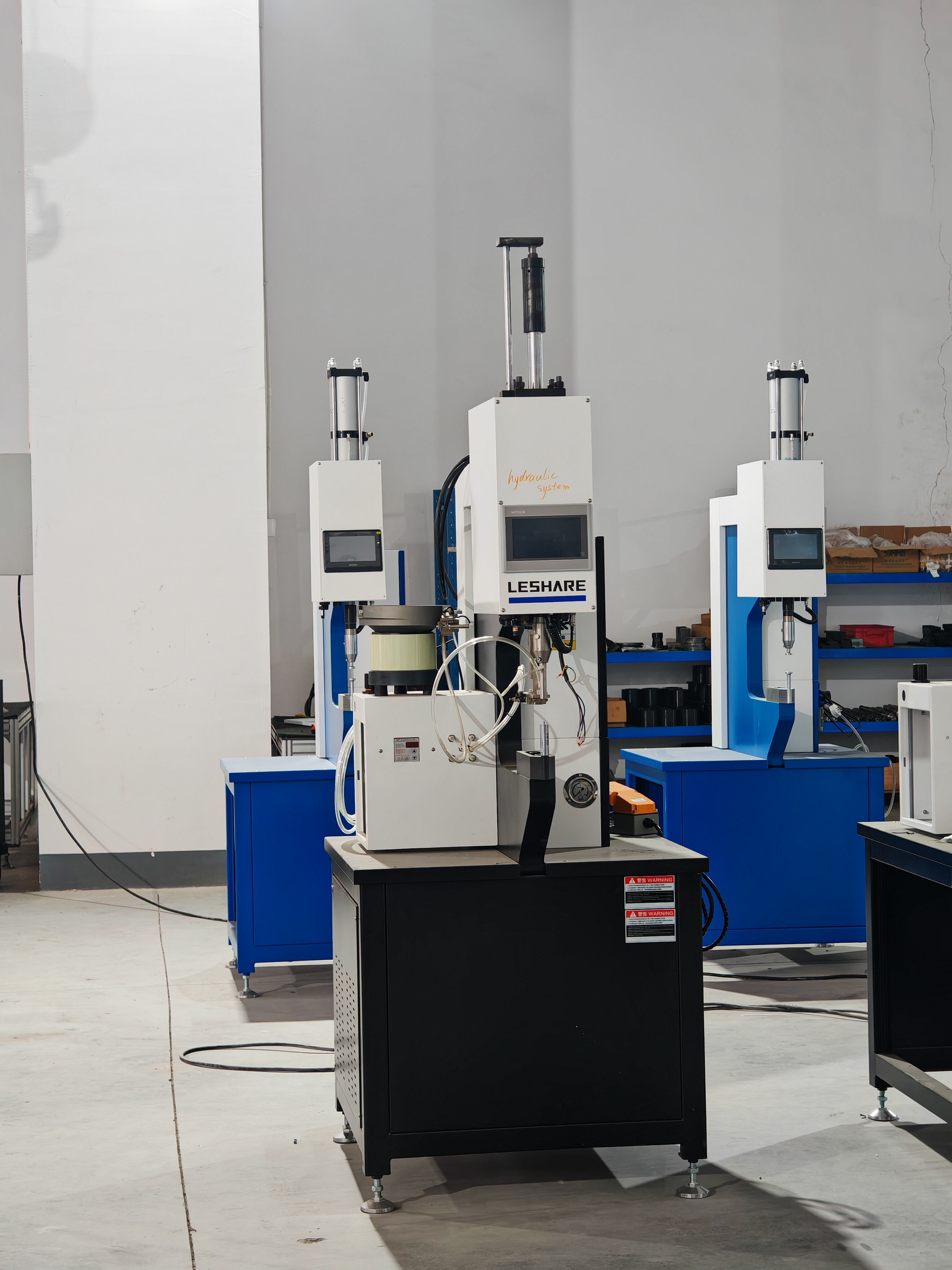
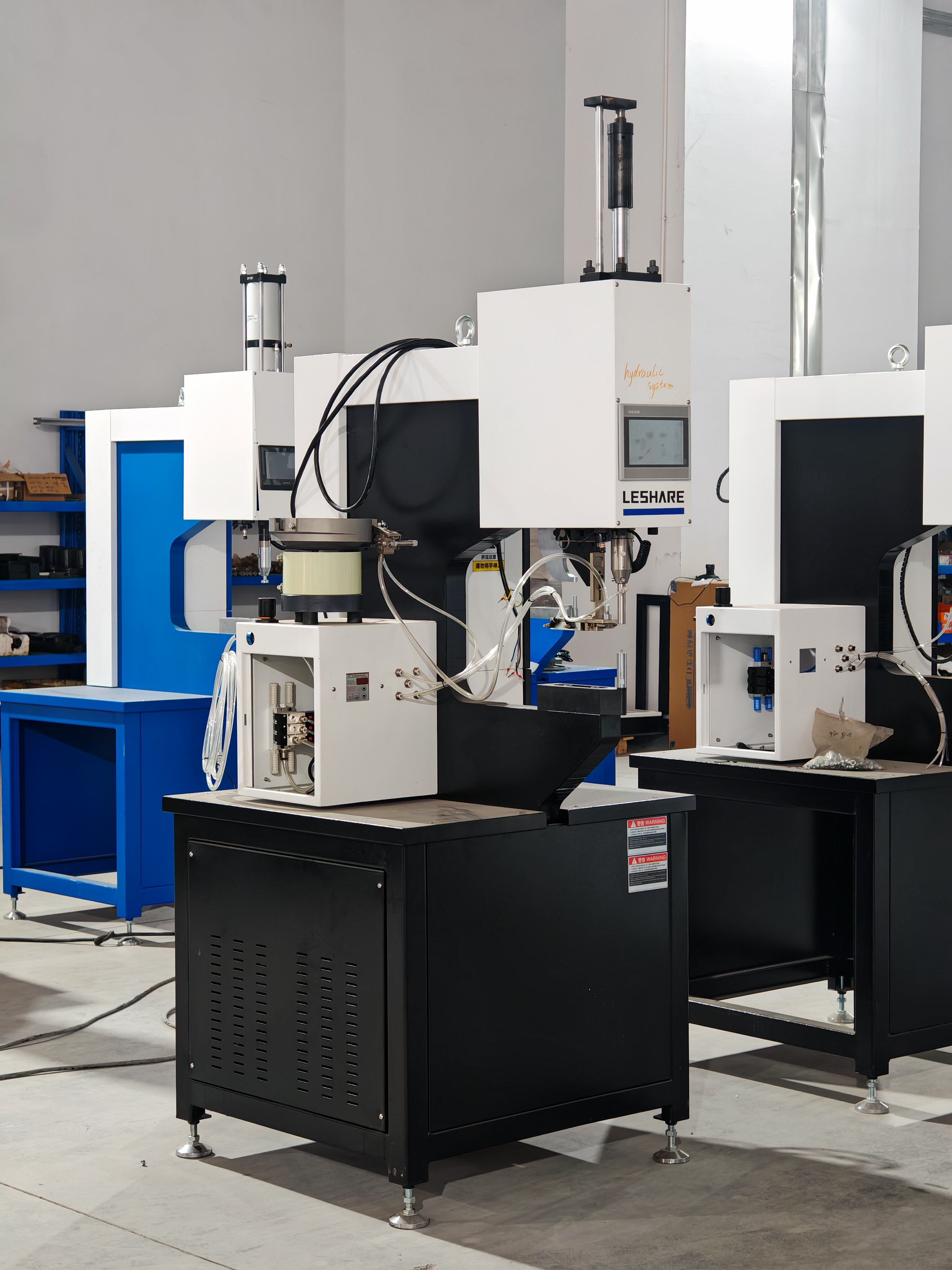
The auto hydraulic fastener insert nut hardware insertion machine represents a sophisticated manufacturing solution designed to streamline the process of installing threaded inserts, rivet nuts, and various fastening components into sheet metal, plastic, and composite materials. This advanced equipment combines precision hydraulic technology with automated feeding systems to deliver consistent, high-quality insertions across diverse industrial applications. The machine operates through a carefully orchestrated sequence where hydraulic pressure provides the necessary force to compress and deform insert nuts into pre-drilled holes, creating permanent threaded connections that withstand significant loads and vibrations. The technological architecture incorporates programmable logic controllers that enable operators to customize insertion parameters including pressure settings, dwell times, and positioning coordinates. Advanced sensor technology monitors each insertion cycle, providing real-time feedback on force application and detecting potential anomalies before they compromise product quality. The auto hydraulic fastener insert nut hardware insertion machine features modular tooling systems that accommodate various insert sizes and configurations without extensive reconfiguration downtime. Modern units integrate touchscreen interfaces that simplify operation while maintaining comprehensive process documentation through integrated data logging capabilities. The hydraulic system utilizes precision servo-controlled valves that ensure consistent pressure delivery across thousands of insertion cycles, maintaining dimensional accuracy within tight tolerances. Safety systems include light curtains, emergency stops, and pressure relief mechanisms that protect operators while preventing equipment damage. The machine's robust construction incorporates hardened steel components and precision-ground surfaces that resist wear even under continuous production schedules. Maintenance requirements remain minimal due to sealed hydraulic circuits and self-lubricating bearing systems that extend operational life significantly compared to mechanical alternatives.

New Product Recommendations

The auto hydraulic fastener insert nut hardware insertion machine delivers substantial operational benefits that directly impact manufacturing efficiency and product quality. Production speed increases dramatically as the automated system completes insertions in seconds compared to manual methods that require minutes per fastener. This acceleration enables manufacturers to meet demanding delivery schedules while reducing labor costs associated with repetitive assembly tasks. Quality consistency becomes achievable through precise hydraulic pressure control that eliminates the variability inherent in manual insertion techniques. Each insert receives identical force application, ensuring uniform thread engagement and pull-out strength characteristics across entire production runs. The machine reduces material waste by minimizing insertion failures that occur when operators apply insufficient or excessive force during manual installation procedures. Cost savings accumulate through reduced rework requirements and improved first-pass quality rates that eliminate expensive defect remediation processes. Operator fatigue decreases significantly as workers no longer perform repetitive compression motions that strain muscles and joints during extended production shifts. The auto hydraulic fastener insert nut hardware insertion machine accommodates various material thicknesses and insert types without requiring specialized training or complex setup procedures. Workplace safety improves as operators maintain safe distances from compression forces while automated systems handle potentially hazardous insertion operations. Production flexibility increases through programmable settings that allow quick changeovers between different insert specifications without mechanical adjustments. Quality traceability becomes possible through integrated monitoring systems that record insertion parameters for each component, supporting quality audits and continuous improvement initiatives. Energy efficiency surpasses pneumatic alternatives as hydraulic systems require less compressed air generation while delivering superior force consistency. The machine's compact footprint optimizes floor space utilization in crowded manufacturing environments where every square foot represents significant overhead costs. Training requirements diminish as intuitive controls reduce the learning curve for new operators while standardizing procedures across multiple shifts and production teams.

Latest News

What to consider when sourcing nonrotating shaft radial riveter systems?

26

Feb

What to consider when sourcing nonrotating shaft radial riveter systems?

Manufacturing precision and assembly efficiency depend heavily on selecting the right fastening equipment for your production line. When evaluating nonrotating shaft radial riveter systems, understanding the critical factors that influence performanc...
View More
How to implement lowspeed radial riveting in automated production lines?

26

Feb

How to implement lowspeed radial riveting in automated production lines?

Manufacturing excellence in modern production environments demands precision joining techniques that deliver consistent results while maintaining operational efficiency. Lowspeed radial riveting has emerged as a cornerstone technology for automated a...
View More
What Are the Key Benefits of Using a Fastener Insertion Machine?

18

Mar

What Are the Key Benefits of Using a Fastener Insertion Machine?

Manufacturing efficiency has become a critical factor for businesses seeking competitive advantages in today's industrial landscape. A fastener insertion machine represents a transformative solution that automates the precise placement of threaded in...
View More
What Types of Fasteners Work with Insertion Machines?

18

Mar

What Types of Fasteners Work with Insertion Machines?

Insertion Machines play a critical role in today’s automated manufacturing environments, enabling precise, efficient, and repeatable installation of a wide range of fasteners. From sheet metal fabrication to automotive assembly lines, these mac...
View More

Get a Free Quote

Our representative will contact you soon.
Email
Name
Company Name
Message
0/1000

auto hydraulic fastener insert nut hardware insertion machine

Precision Hydraulic Control System

Precision Hydraulic Control System

The precision hydraulic control system represents the technological cornerstone of the auto hydraulic fastener insert nut hardware insertion machine, delivering unmatched accuracy and repeatability in fastener installation operations. This sophisticated system utilizes servo-controlled hydraulic valves that regulate pressure with exceptional precision, typically maintaining tolerances within plus or minus two percent across thousands of insertion cycles. The hydraulic actuators respond instantaneously to control signals, enabling precise force modulation that adapts to different material properties and insert specifications without compromising installation quality. Advanced pressure sensors continuously monitor hydraulic force throughout each insertion cycle, providing real-time feedback that ensures optimal compression while preventing over-insertion damage that could compromise thread integrity. The system incorporates proportional flow control that enables smooth acceleration and deceleration profiles, reducing shock loads on both the insert and surrounding material structure. Multiple pressure zones within the hydraulic circuit allow simultaneous operation of positioning systems and insertion actuators without interference, maximizing operational efficiency while maintaining precise control authority. The auto hydraulic fastener insert nut hardware insertion machine benefits from closed-loop pressure control that automatically compensates for temperature variations and hydraulic fluid viscosity changes that typically affect insertion consistency. Programmable pressure profiles accommodate specialized insertion requirements such as multi-stage compression sequences for complex insert geometries or varying material stack-ups. The hydraulic reservoir incorporates temperature control and filtration systems that maintain optimal fluid conditions, extending component life while ensuring consistent performance characteristics. Emergency pressure relief systems protect against catastrophic failures while maintaining operator safety during abnormal operating conditions. The precision hydraulic control system enables the machine to handle delicate materials that require graduated force application, preventing cracking or deformation that commonly occurs with less sophisticated insertion equipment. This technological advantage translates directly into superior product quality and reduced manufacturing costs through elimination of defective assemblies and rework requirements.
Automated Feeding and Positioning Technology

Automated Feeding and Positioning Technology

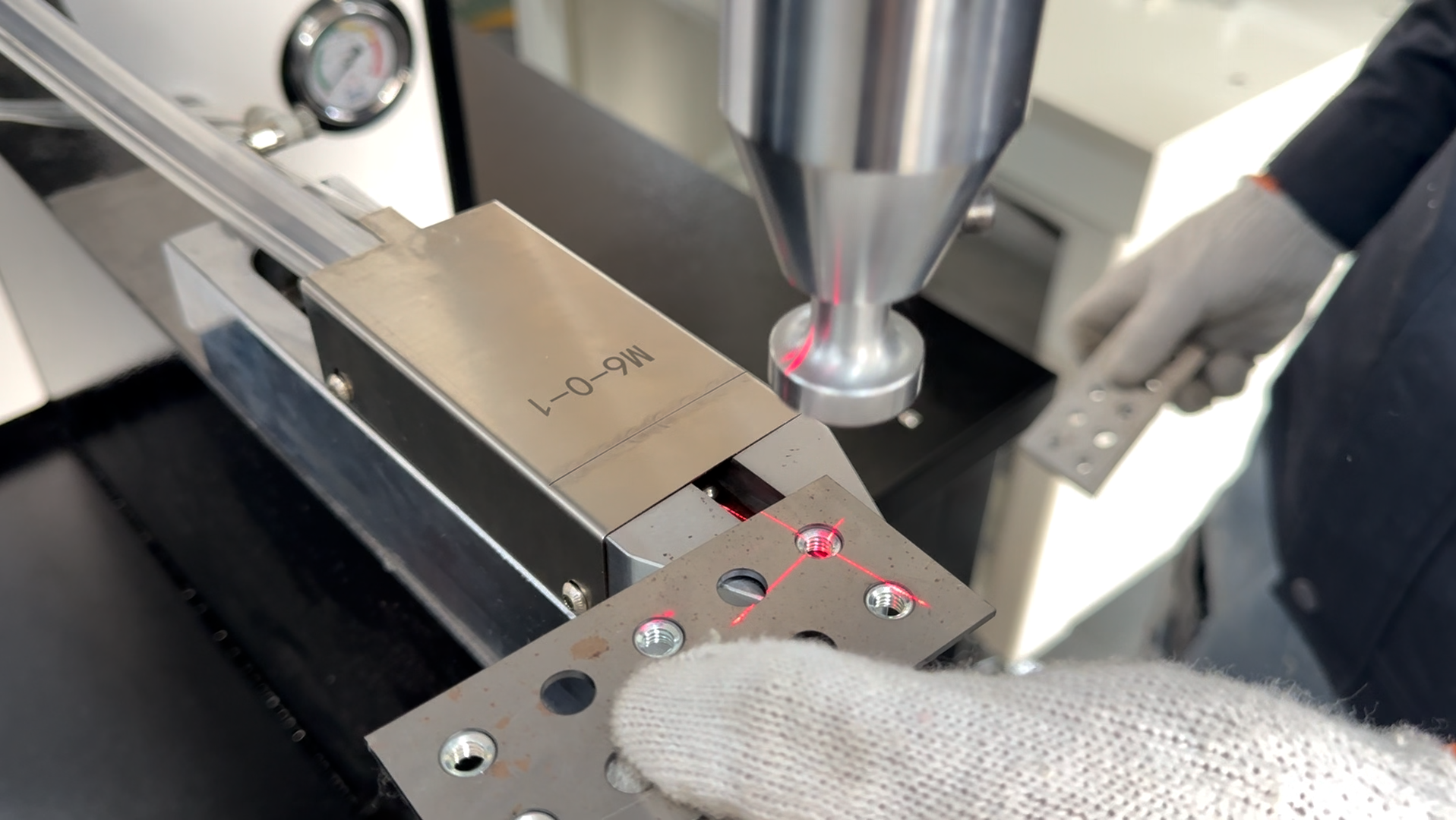
The automated feeding and positioning technology integrated into the auto hydraulic fastener insert nut hardware insertion machine revolutionizes production efficiency by eliminating manual handling while ensuring precise component placement for optimal installation results. This comprehensive system incorporates vibratory bowl feeders that orient and sequence insert nuts automatically, maintaining continuous material flow without operator intervention during extended production runs. Advanced vision systems verify correct insert orientation and detect damaged components before insertion attempts, preventing equipment damage while maintaining consistent quality standards. Precision servo-driven positioning systems locate insertion points with repeatability measured in thousandths of an inch, ensuring proper alignment between inserts and pre-drilled holes regardless of material variations or fixture tolerances. The feeding mechanism accommodates various insert sizes and configurations through interchangeable tooling that reduces changeover times from hours to minutes compared to traditional manual setup procedures. Pneumatic escapement mechanisms control insert release timing with millisecond precision, synchronizing material delivery with hydraulic insertion cycles to maximize throughput while preventing component interference. The auto hydraulic fastener insert nut hardware insertion machine utilizes programmable logic controllers that coordinate multiple feeding stations simultaneously, enabling complex assembly sequences without operator supervision. Material level sensors monitor insert supply levels and provide advance warning of depletion conditions, preventing production interruptions while facilitating just-in-time inventory management practices. The positioning system incorporates linear encoders that provide continuous position feedback, enabling real-time correction of drift or backlash that could compromise insertion accuracy over time. Quick-change tooling systems allow rapid reconfiguration for different insert types without specialized training or complex mechanical adjustments, supporting flexible manufacturing operations that respond quickly to changing product requirements. Integrated reject systems automatically remove defective or improperly oriented inserts from the feed stream, maintaining consistent material quality while preventing equipment damage from contaminated components. The automated technology reduces operator skill requirements while eliminating repetitive motions that contribute to workplace injuries and fatigue-related quality issues during high-volume production operations.
Intelligent Quality Monitoring and Control

Intelligent Quality Monitoring and Control

The intelligent quality monitoring and control system embedded within the auto hydraulic fastener insert nut hardware insertion machine provides comprehensive process oversight that ensures consistent product quality while enabling predictive maintenance capabilities that minimize unplanned downtime. This advanced monitoring architecture incorporates multiple sensor technologies including force transducers, displacement sensors, and acoustic monitoring devices that continuously evaluate insertion parameters throughout each operational cycle. Real-time data analysis algorithms compare actual insertion characteristics against predetermined specifications, automatically flagging deviations that indicate potential quality issues before defective products reach subsequent assembly operations. The system maintains detailed historical records of insertion force profiles that enable trend analysis and process optimization studies, supporting continuous improvement initiatives while providing objective data for quality audits and customer requirements verification. Integrated statistical process control capabilities automatically calculate control limits and generate alarm conditions when process variations exceed acceptable thresholds, enabling proactive adjustments before quality problems affect production yields. The auto hydraulic fastener insert nut hardware insertion machine utilizes machine learning algorithms that recognize patterns in sensor data, enabling predictive identification of tool wear or hydraulic system degradation before failures occur. Automated documentation systems generate comprehensive reports that include insertion force curves, cycle times, and quality metrics for each produced component, supporting traceability requirements while facilitating root cause analysis during quality investigations. Vision inspection systems verify final insert installation characteristics including flush conditions, thread visibility, and material deformation, providing immediate feedback that prevents defective assemblies from advancing through production workflows. The monitoring system interfaces with enterprise resource planning software to provide real-time production status updates while maintaining inventory tracking of insert consumption rates and tooling utilization statistics. Customizable alert systems notify operators and supervisors of quality deviations through multiple communication channels including audible alarms, visual indicators, and network messaging protocols that ensure rapid response to emerging issues. Predictive maintenance algorithms analyze vibration signatures and hydraulic performance characteristics to schedule preventive maintenance activities during planned downtime periods, maximizing equipment availability while preventing catastrophic failures that could damage expensive tooling or compromise operator safety during critical production periods.

Get a Free Quote

Our representative will contact you soon.
Email
Name
Company Name
Message
0/1000