Professional Automatic Feeding Rivet Machine - Advanced Industrial Riveting Solutions

Get a Free Quote

Our representative will contact you soon.
Email
Name
Company Name
Message
0/1000

automatic feeding rivet machine

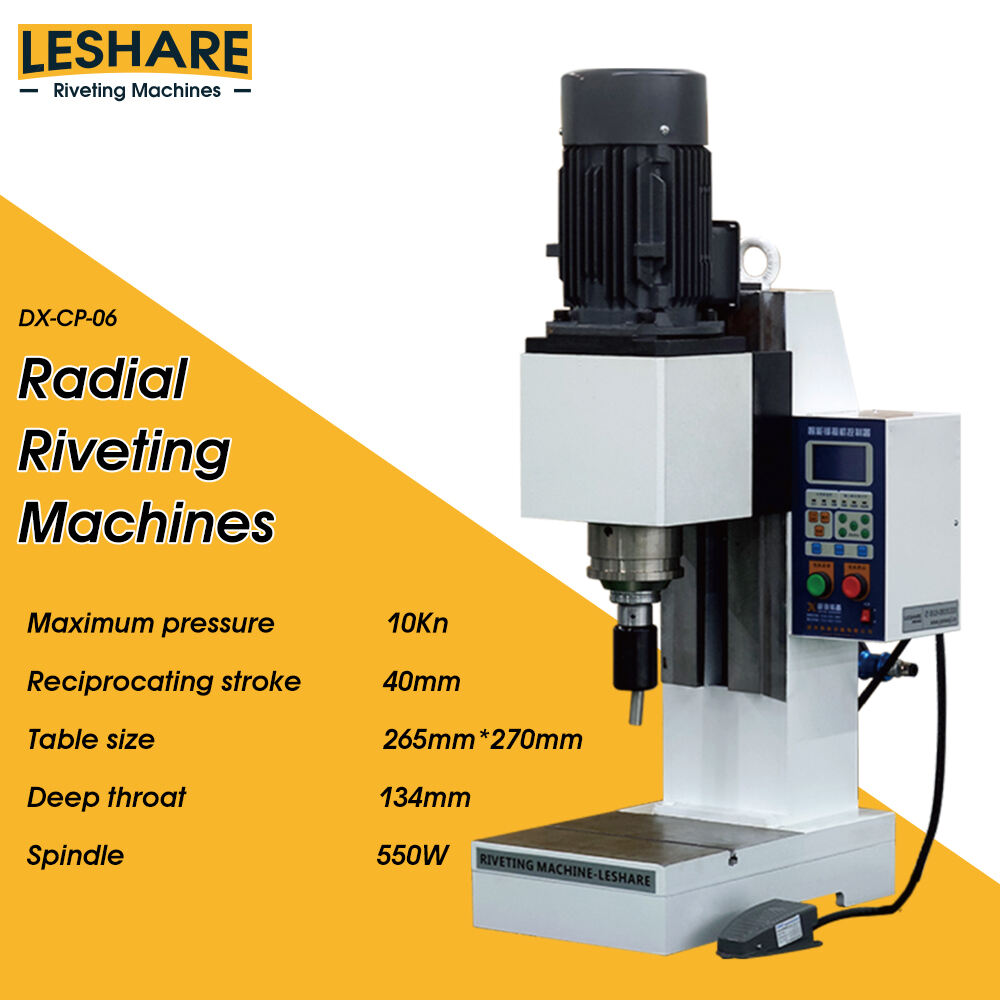
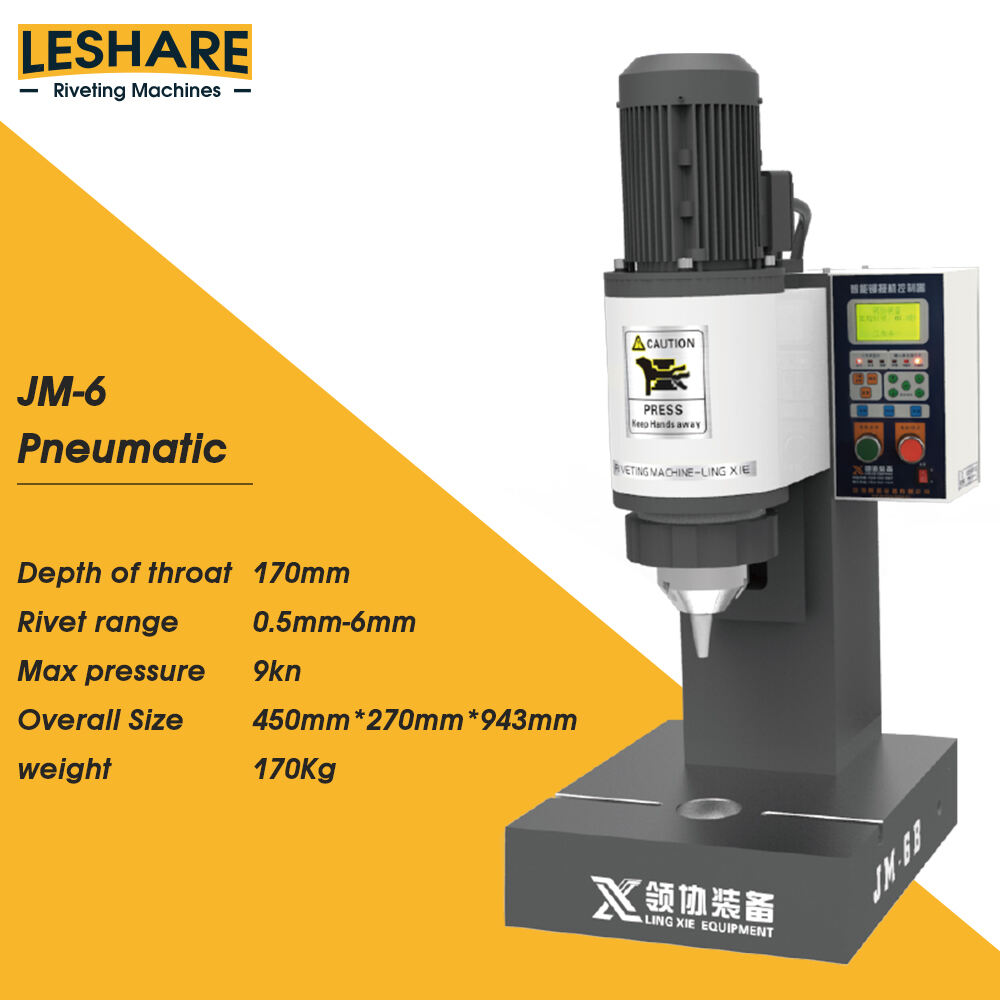
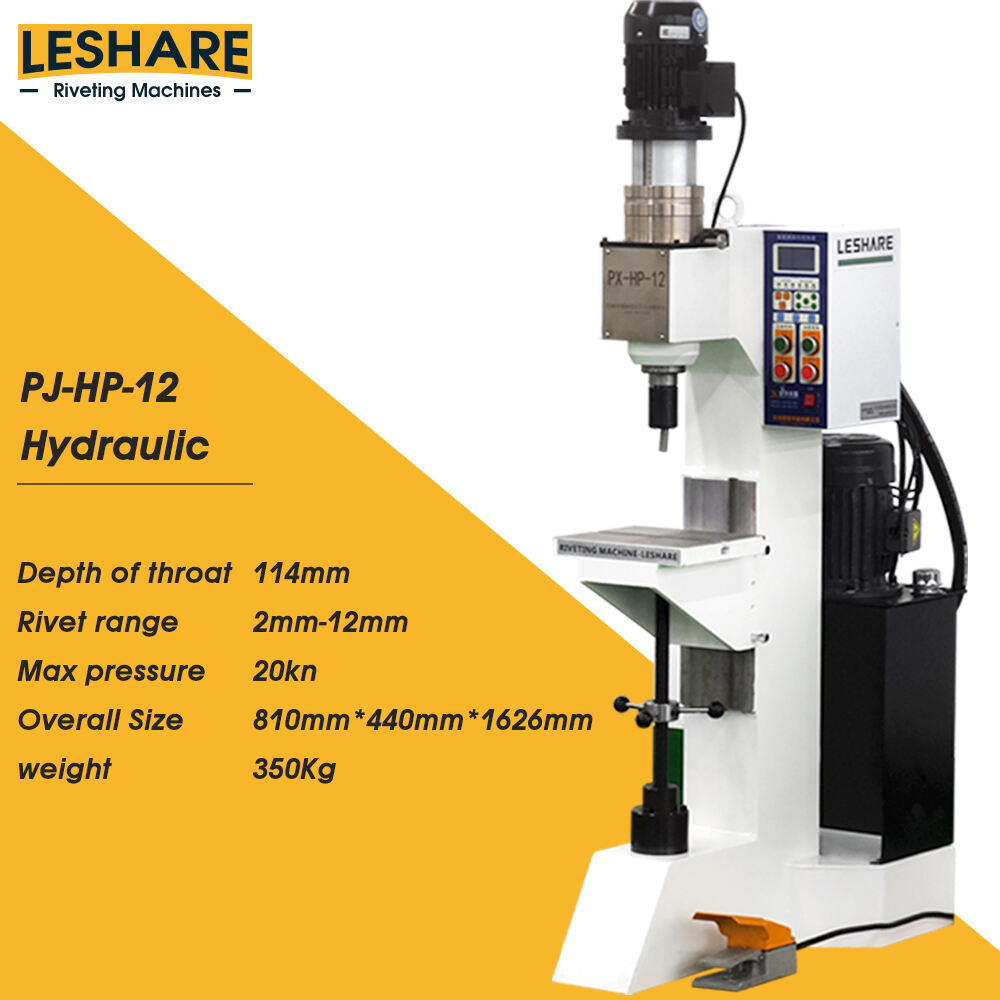
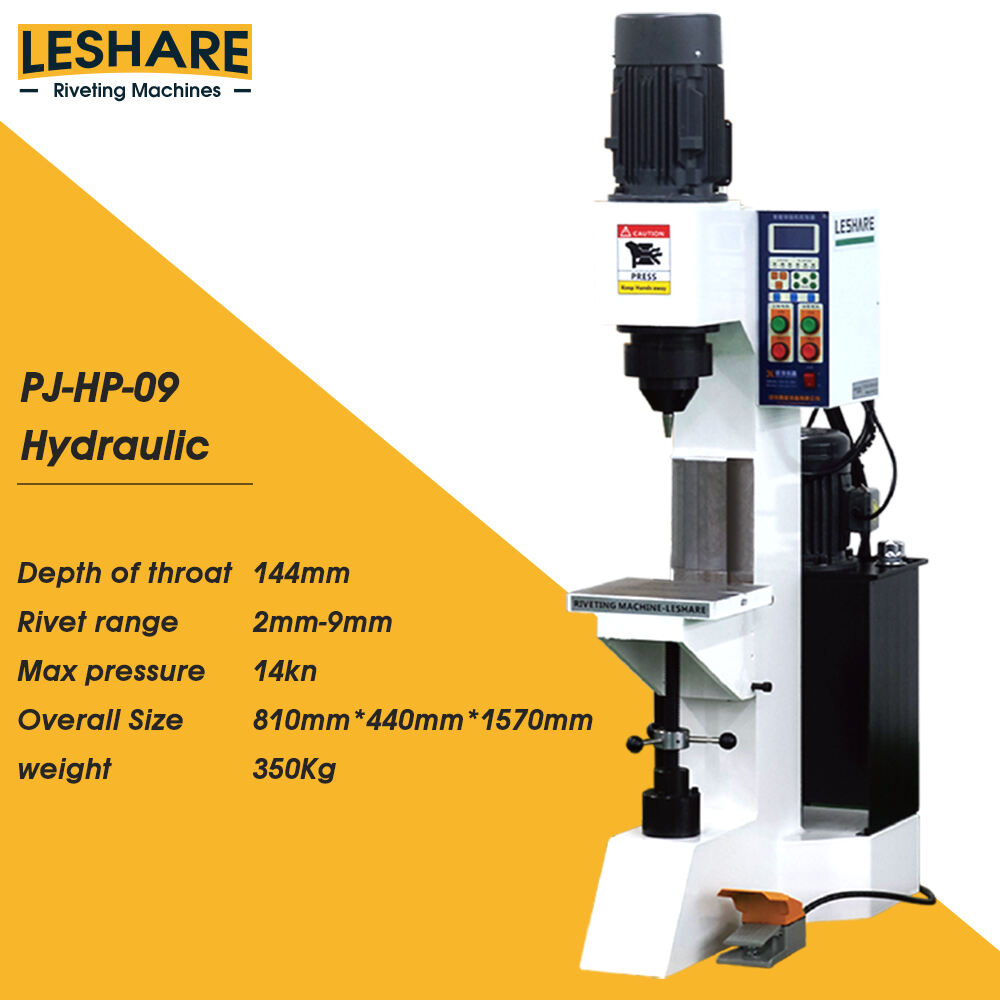
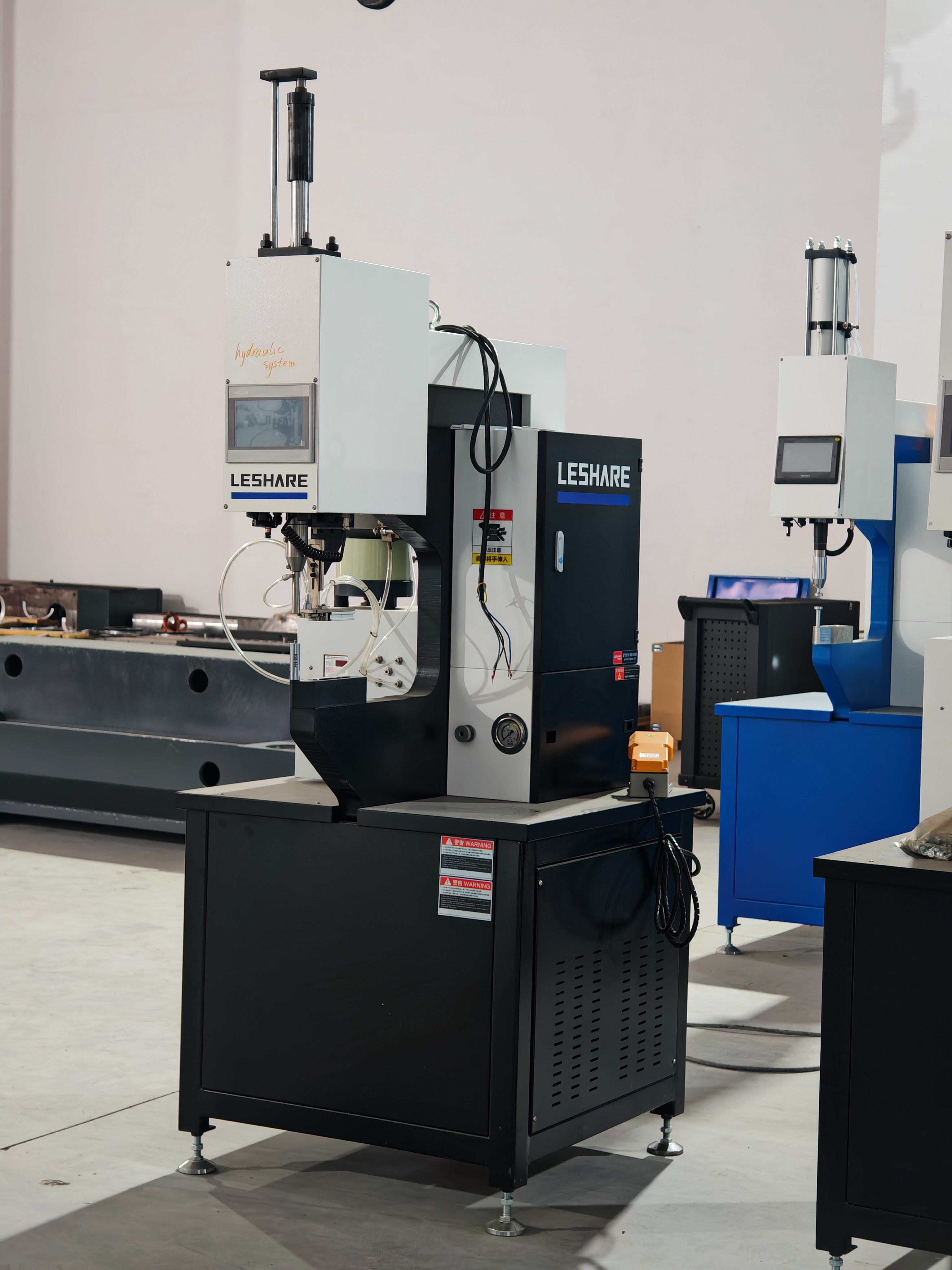
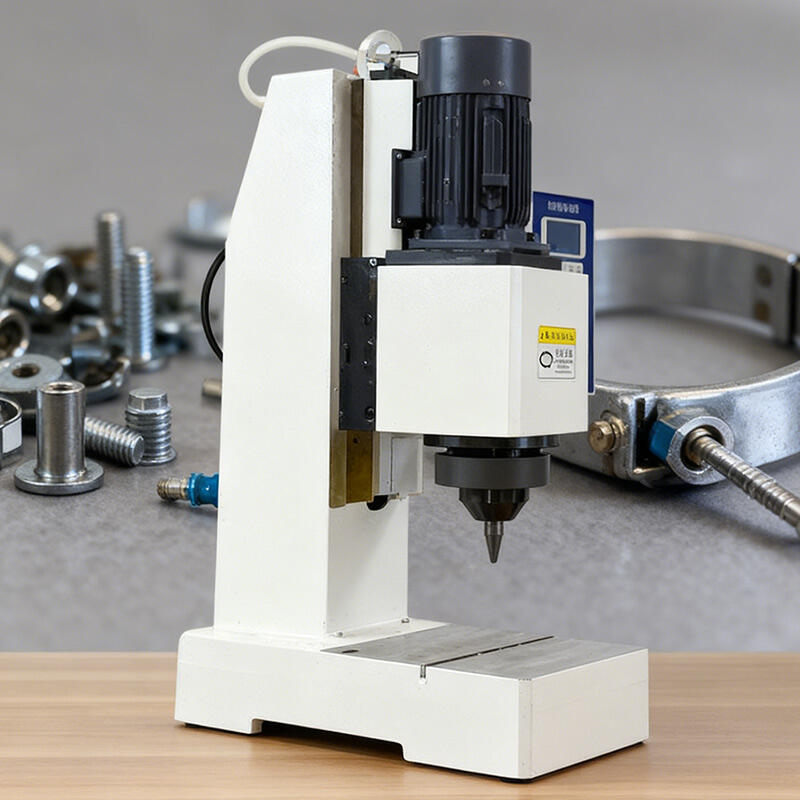
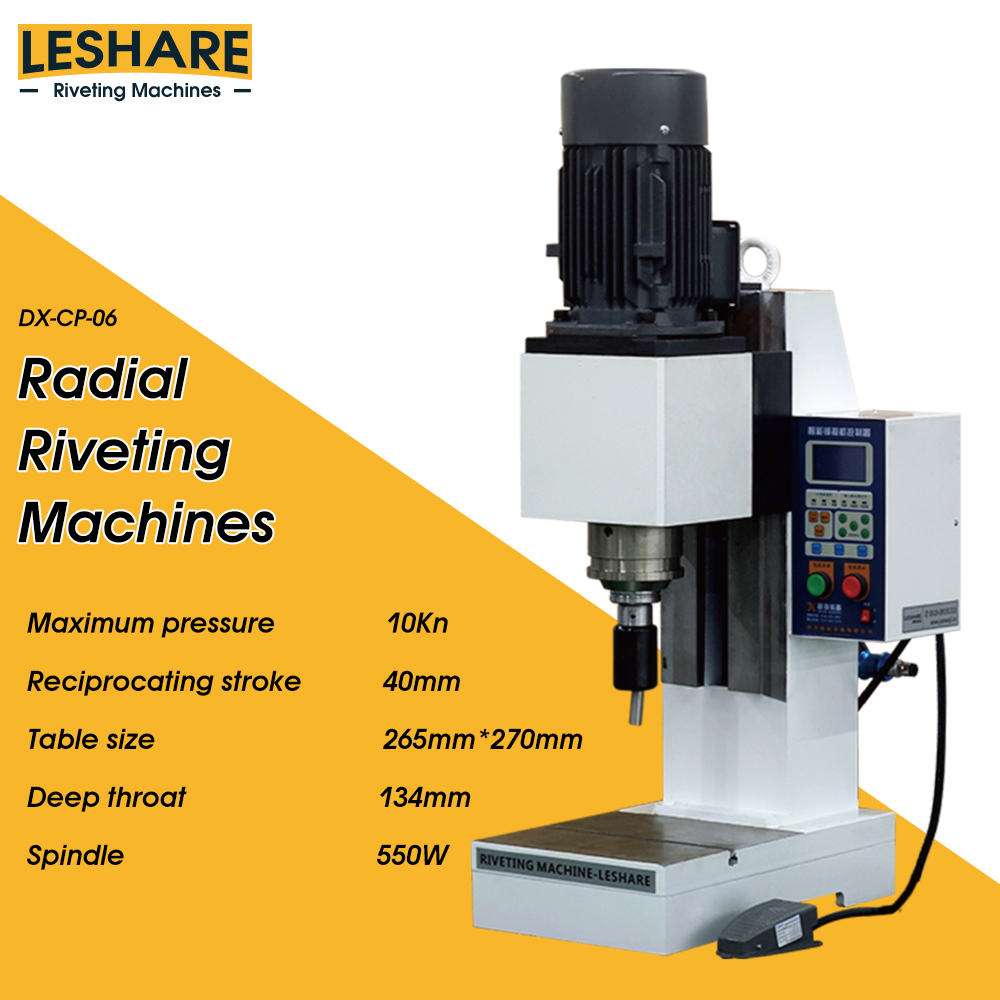
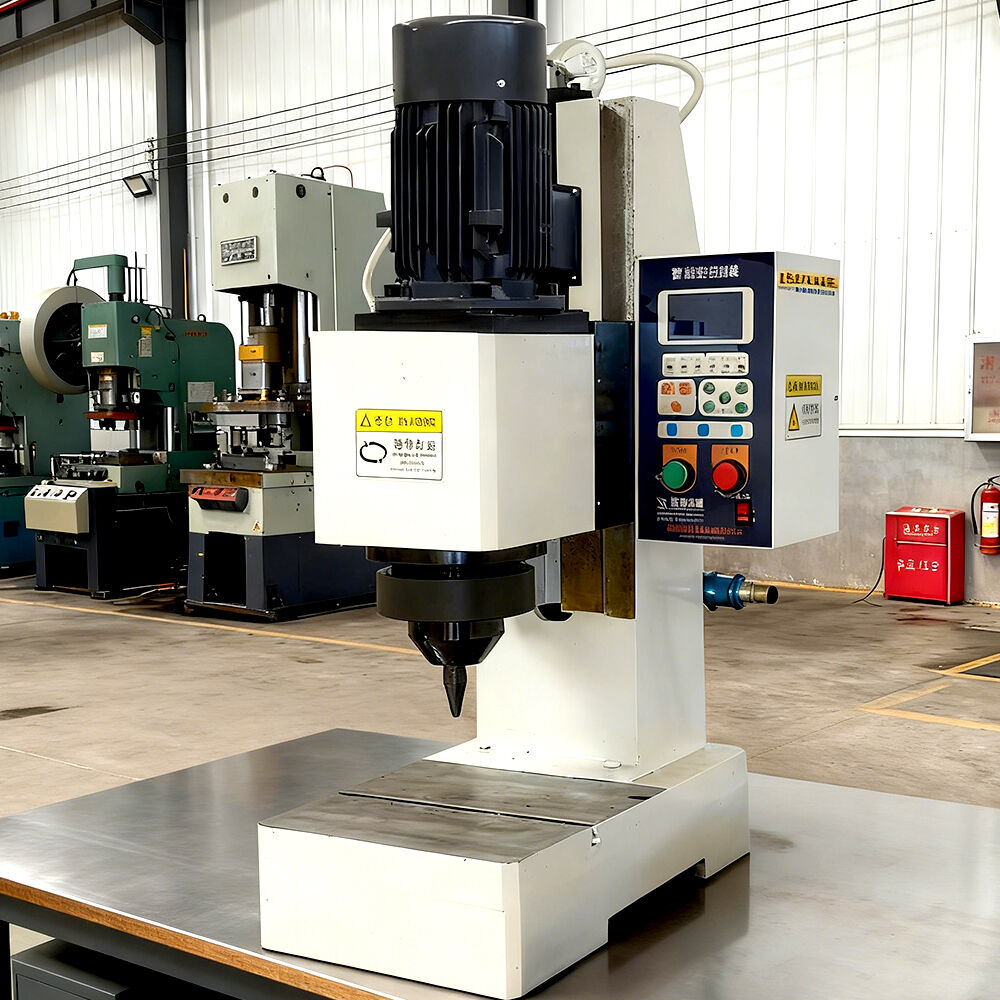
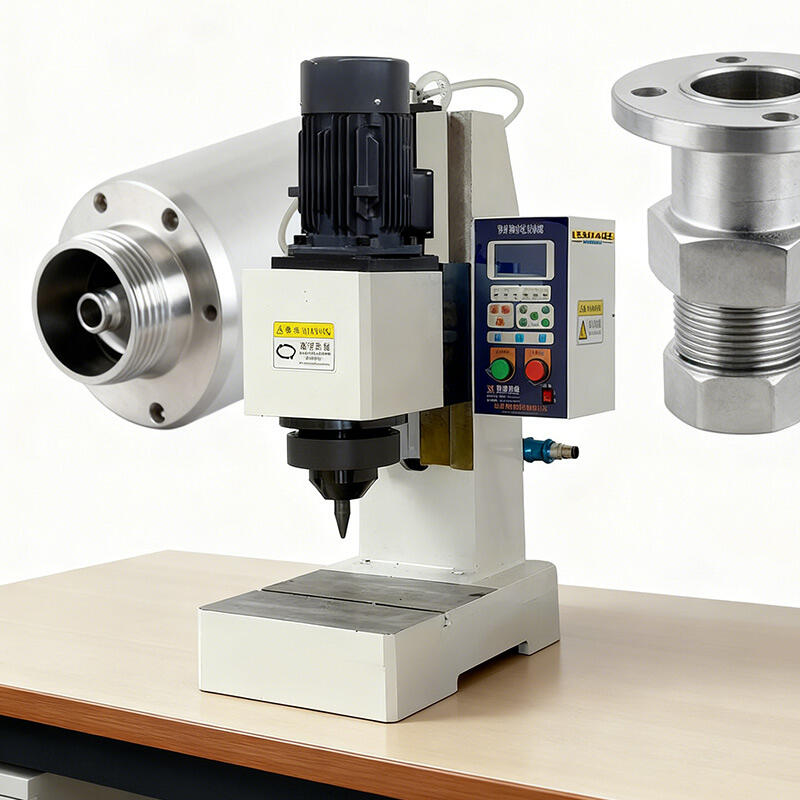
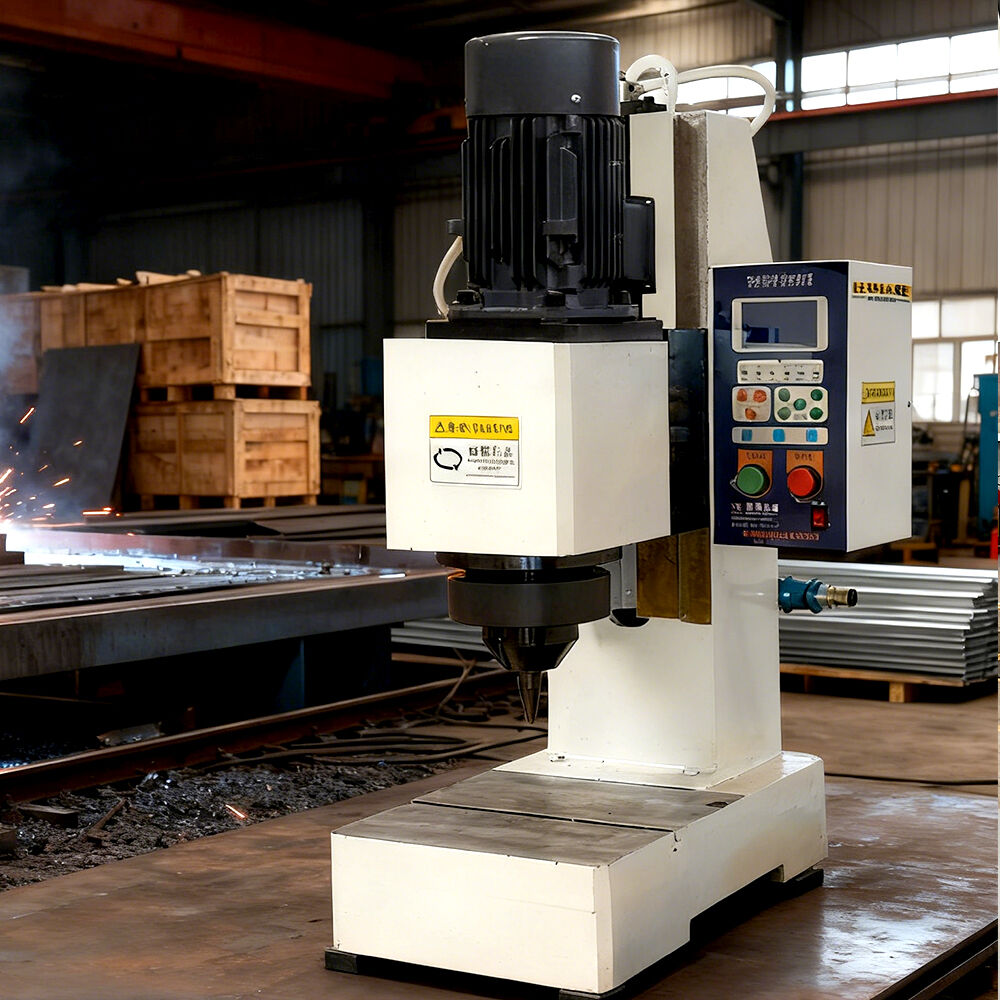
The automatic feeding rivet machine represents a revolutionary advancement in industrial fastening technology, designed to streamline and enhance manufacturing processes across various industries. This sophisticated equipment combines precision engineering with intelligent automation to deliver consistent, high-quality riveting results while significantly reducing manual labor requirements. The automatic feeding rivet machine operates through an integrated system that automatically positions, feeds, and installs rivets with exceptional accuracy and speed. The core functionality revolves around its automated feeding mechanism, which continuously supplies rivets from a bulk hopper or vibratory bowl feeder directly to the riveting station. This eliminates the need for operators to manually handle individual rivets, thereby increasing productivity and reducing the potential for human error. The machine features advanced pneumatic or hydraulic actuation systems that provide precise control over riveting force, ensuring optimal joint integrity while preventing material damage. Modern automatic feeding rivet machines incorporate sophisticated control systems with programmable logic controllers that allow users to customize riveting parameters such as force, depth, and timing according to specific application requirements. The technological features include high-speed servo motors for rapid positioning, precision guides for accurate rivet placement, and integrated quality control sensors that monitor each riveting operation in real-time. These machines are extensively used in automotive manufacturing for assembling body panels and structural components, aerospace applications for aircraft assembly, electronics manufacturing for circuit board assembly, and appliance production for various consumer goods. The versatility of the automatic feeding rivet machine makes it suitable for working with different rivet materials including aluminum, steel, copper, and specialized alloys, accommodating various sizes and head configurations to meet diverse industrial requirements.

New Products

The automatic feeding rivet machine delivers substantial operational benefits that transform manufacturing efficiency and product quality across industrial applications. The most significant advantage lies in dramatically increased productivity rates, as these machines can process hundreds of rivets per minute compared to manual riveting operations that typically handle only dozens. This acceleration in production speed directly translates to reduced manufacturing cycle times and enhanced throughput capacity, enabling companies to meet higher demand levels without proportional increases in labor costs. The consistency and precision offered by the automatic feeding rivet machine eliminate variations that commonly occur in manual processes, resulting in uniform joint quality and superior structural integrity throughout production runs. This reliability reduces defect rates and minimizes costly rework procedures that can disrupt manufacturing schedules. Labor cost reduction represents another compelling advantage, as a single operator can supervise multiple automatic feeding rivet machines simultaneously, replacing several manual workers while achieving superior output quality. The ergonomic benefits cannot be overlooked, as these machines eliminate repetitive strain injuries associated with manual riveting, creating safer working environments and reducing worker compensation claims. Quality control improvements are inherent in automated systems, with built-in monitoring capabilities that detect improper installations, missing rivets, or force variations in real-time, preventing defective products from advancing through production lines. The automatic feeding rivet machine offers remarkable flexibility through programmable settings that accommodate different rivet specifications without lengthy changeover procedures, supporting lean manufacturing principles and just-in-time production strategies. Energy efficiency is enhanced through optimized hydraulic or pneumatic systems that consume power only during active riveting cycles, contributing to reduced operational costs and environmental sustainability goals. Material waste reduction occurs naturally through precise rivet placement and controlled force application, minimizing damaged components and rejected parts. The return on investment for automatic feeding rivet machine installations typically occurs within months due to combined savings from increased productivity, reduced labor costs, improved quality, and decreased waste generation, making these systems financially attractive for manufacturers seeking competitive advantages.

Latest News

Why Are Electronics Plants Adopting Fastener Insertion Machines for Enclosures?

29

Dec

Why Are Electronics Plants Adopting Fastener Insertion Machines for Enclosures?

Improving the Structural Integrity of Electronic Enclosures In modern electronics plants, manufacturers continually pursue efficiency, precision, and long-term durability in every part of the assembly process. When it comes to electronic enclosures, ...
View More
Why are radial riveting machines preferred for cold forming applications?

28

Jan

Why are radial riveting machines preferred for cold forming applications?

Radial riveting machines have revolutionized the manufacturing landscape by offering superior cold forming capabilities that traditional riveting methods simply cannot match. These sophisticated pieces of equipment utilize a unique radial motion mech...
View More
What to consider when sourcing nonrotating shaft radial riveter systems?

26

Feb

What to consider when sourcing nonrotating shaft radial riveter systems?

Manufacturing precision and assembly efficiency depend heavily on selecting the right fastening equipment for your production line. When evaluating nonrotating shaft radial riveter systems, understanding the critical factors that influence performanc...
View More
Why choose lowspeed radial riveting for precision industrial assembly?

26

Feb

Why choose lowspeed radial riveting for precision industrial assembly?

Manufacturing precision and assembly quality have become critical differentiators in today's competitive industrial landscape. When it comes to joining metal components, lowspeed radial riveting stands out as a superior methodology that delivers cons...
View More

Get a Free Quote

Our representative will contact you soon.
Email
Name
Company Name
Message
0/1000

automatic feeding rivet machine

Advanced Automated Feeding System with Precision Control

Advanced Automated Feeding System with Precision Control

The cornerstone feature of the automatic feeding rivet machine lies in its sophisticated automated feeding system that revolutionizes traditional riveting operations through seamless integration of mechanical precision and intelligent control technology. This advanced system incorporates multiple feeding mechanisms including vibratory bowl feeders, linear feeders, and pneumatic conveying systems that work in perfect synchronization to ensure continuous rivet supply without interruption. The feeding system automatically sorts, orients, and delivers rivets in the correct position and alignment, eliminating the manual handling that typically creates bottlenecks in production lines. The precision control aspect extends beyond simple feeding, encompassing real-time monitoring of rivet quantities, automatic detection of feed jams or shortages, and immediate alerts to operators when intervention is required. This intelligent feeding system dramatically reduces setup time between different rivet sizes or types, as changeover procedures are streamlined through adjustable guides and programmable parameters that accommodate various rivet specifications without extensive mechanical modifications. The feeding accuracy achieved through servo-controlled positioning systems ensures that each rivet is placed within tolerances measured in hundredths of millimeters, creating consistent joint quality that surpasses manual capabilities. Quality assurance is built into the feeding process through optical sensors and vision systems that verify proper rivet orientation and detect defective or damaged rivets before they reach the installation station, preventing costly rework and maintaining production flow. The system's capacity to handle high-volume operations while maintaining feeding accuracy makes it invaluable for manufacturers requiring both quantity and quality in their riveting processes, particularly in automotive and aerospace applications where joint integrity is critical for safety and performance.
Multi-Material Compatibility with Adaptive Force Control

Multi-Material Compatibility with Adaptive Force Control

The automatic feeding rivet machine demonstrates exceptional versatility through its multi-material compatibility capabilities, engineered to accommodate diverse rivet materials and substrate combinations while maintaining optimal installation quality across all applications. This adaptability stems from advanced force control systems that automatically adjust riveting parameters based on material properties, rivet specifications, and joint requirements, ensuring proper installation regardless of whether working with soft aluminum rivets in thin sheet metal or high-strength steel rivets in thick structural components. The adaptive force control technology utilizes sophisticated feedback mechanisms including load cells, position sensors, and pressure transducers that continuously monitor installation conditions and make real-time adjustments to maintain consistent results. This intelligent system prevents over-deformation of soft materials while ensuring adequate setting force for harder alloys, eliminating the guesswork and potential errors associated with manual force selection. The machine's capability to process various rivet head styles including dome heads, countersunk heads, large flange heads, and specialized designs expands its utility across multiple industries and applications. Material compatibility extends to substrate variations, with the automatic feeding rivet machine successfully joining dissimilar materials such as aluminum to steel, composite materials to metals, and various thickness combinations without compromising joint integrity. The adaptive control system maintains detailed process records for each installation, providing traceability and quality documentation essential for aerospace, medical device, and automotive applications where regulatory compliance is mandatory. Programming flexibility allows operators to create custom installation profiles for specific material combinations, storing these parameters for future use and ensuring consistent results across production runs. This multi-material capability reduces the need for multiple specialized machines, providing significant cost savings and floor space optimization while maintaining the flexibility to adapt to changing production requirements and new material technologies as they emerge in the marketplace.
Integrated Quality Assurance with Real-Time Monitoring

Integrated Quality Assurance with Real-Time Monitoring

The automatic feeding rivet machine incorporates comprehensive integrated quality assurance systems that provide unprecedented levels of process control and product reliability through continuous real-time monitoring and immediate feedback mechanisms. This sophisticated quality control framework utilizes multiple sensor technologies including force measurement systems, displacement monitors, acoustic analysis, and advanced vision inspection capabilities to evaluate every aspect of the riveting process from initial rivet feeding through final installation verification. The real-time monitoring system continuously tracks critical parameters such as installation force profiles, rivet head formation, joint gap measurements, and material deformation to ensure each rivet meets predetermined quality standards before the workpiece advances to subsequent operations. Statistical process control capabilities built into the monitoring system automatically identify trends that might indicate developing problems, alerting operators to potential issues before they result in defective products or equipment damage. The quality assurance system provides immediate feedback through visual displays, audible alerts, and automated rejection mechanisms that remove non-conforming parts from the production line, preventing defective components from reaching customers and maintaining consistent product quality. Data logging capabilities capture detailed installation records for each rivet, creating comprehensive quality documentation that supports traceability requirements and facilitates process improvement initiatives through trend analysis and statistical evaluation. The integrated system supports various quality standards including ISO 9001, AS9100, and automotive industry specifications, automatically generating reports and maintaining records that satisfy regulatory compliance requirements. Predictive maintenance features analyze equipment performance data to identify potential mechanical issues before they affect product quality, scheduling maintenance activities during planned downtime to minimize production disruptions. The quality assurance integration extends to network connectivity, allowing remote monitoring and data analysis that enables quality engineers to oversee multiple production lines simultaneously and respond quickly to quality variations or process deviations, ensuring consistent product excellence across all manufacturing operations.

Get a Free Quote

Our representative will contact you soon.
Email
Name
Company Name
Message
0/1000