Versatile Adaptability for Diverse Manufacturing Requirements
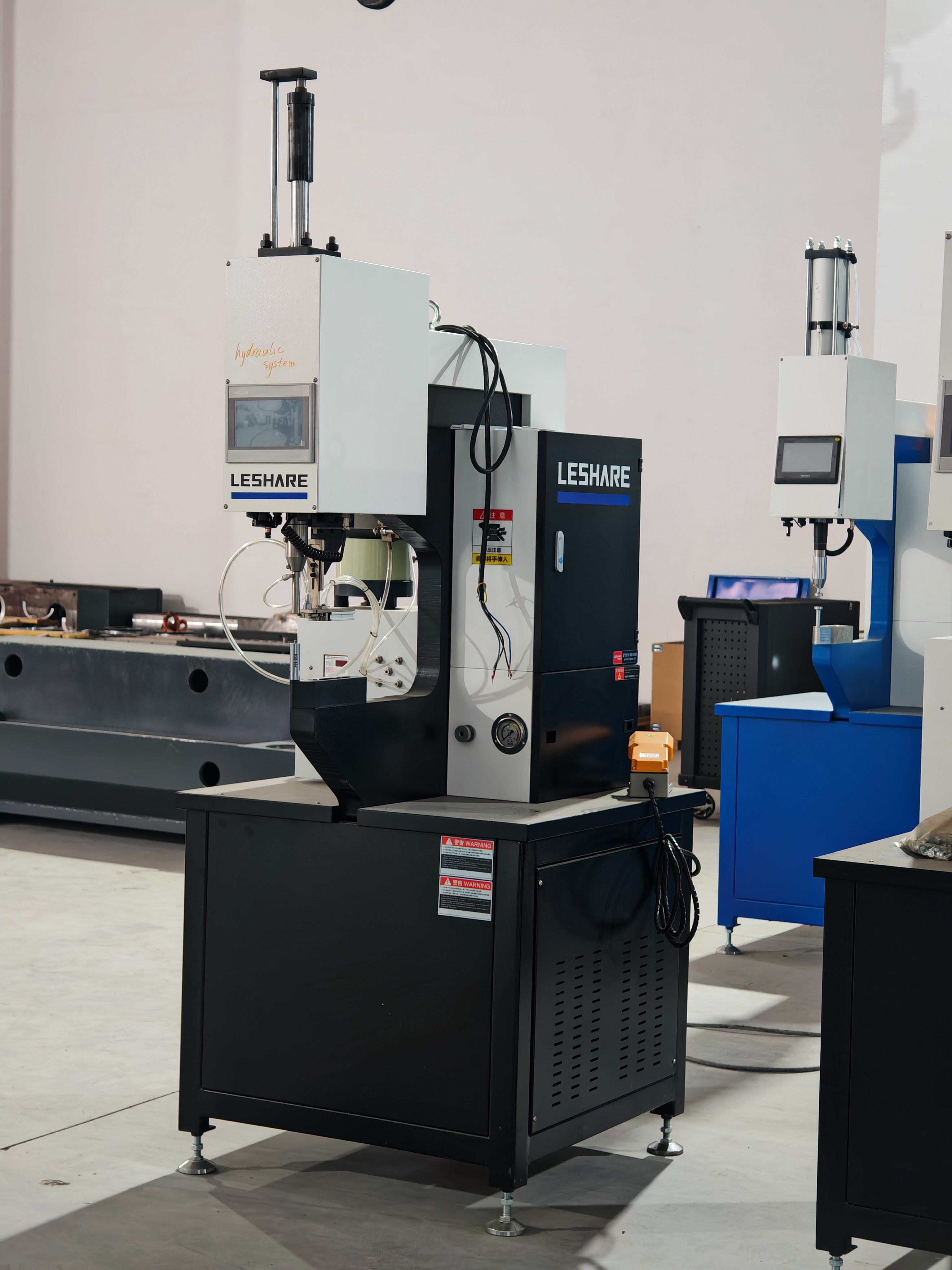
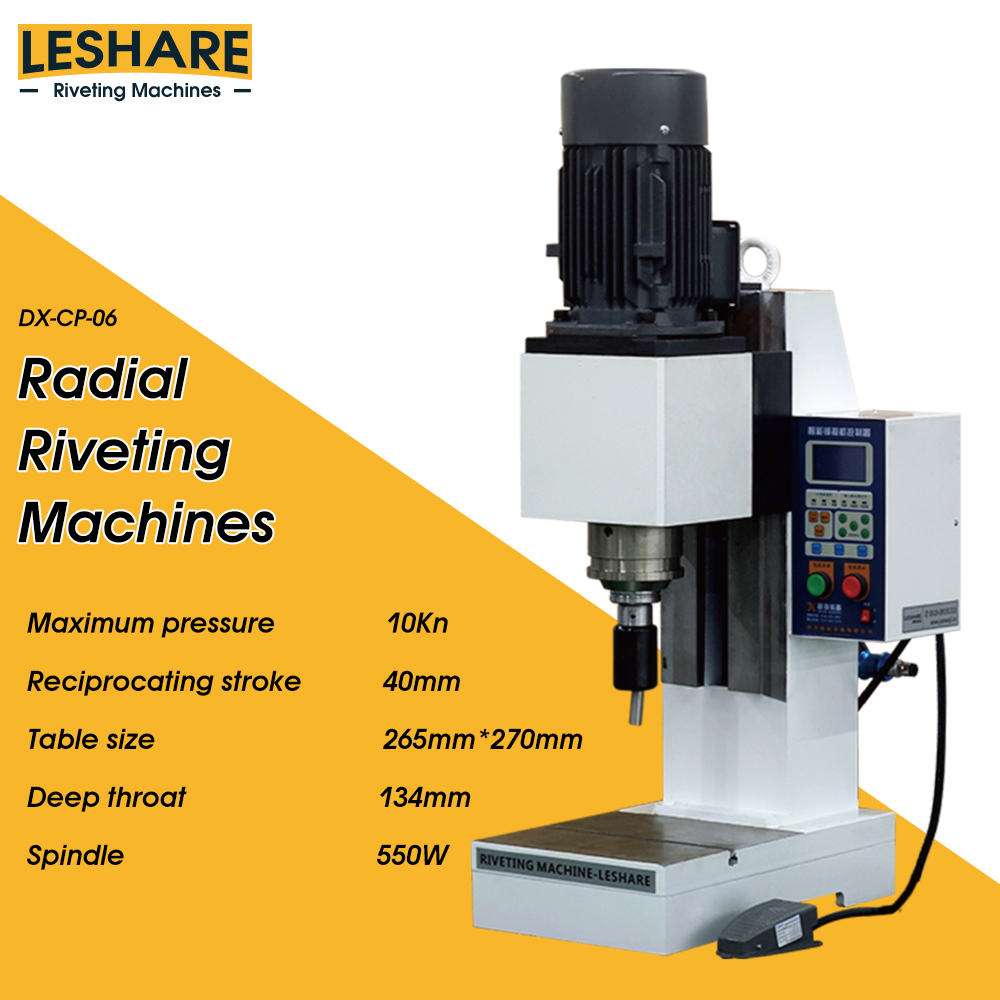
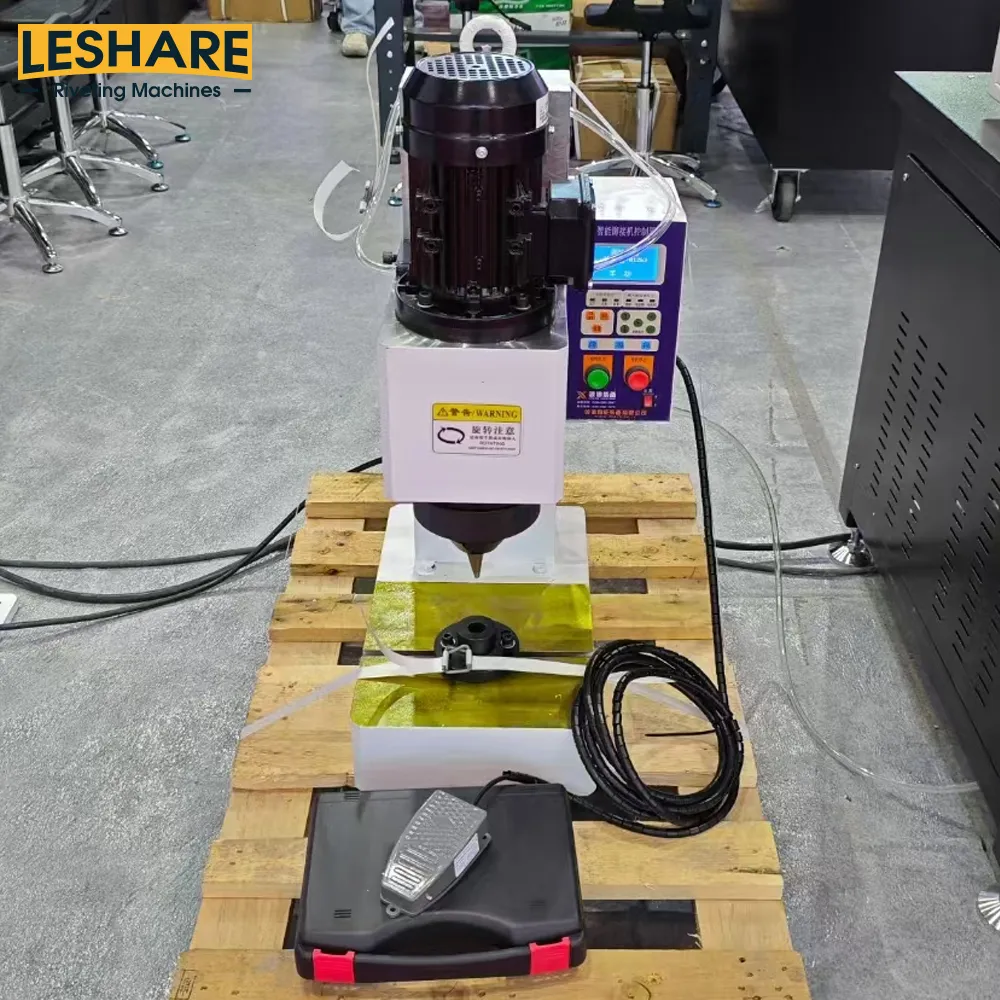
The exceptional versatility of the automatic pneumatic punching and riveting machine makes it an invaluable asset for manufacturers facing diverse production requirements, custom applications, and evolving market demands. This adaptability stems from modular design principles that allow extensive customization without compromising core functionality or reliability. The machine accommodates various material types including ferrous and non-ferrous metals, composites, and specialty alloys commonly used in aerospace, automotive, and electronics industries. Thickness ranges from thin gauge sheet metal to heavy structural plates, with automatic adjustment systems that optimize operational parameters for each material specification. Rivet compatibility extends across standard solid rivets, semi-tubular rivets, blind rivets, and specialty fasteners including threaded inserts and custom-designed components. Programmable control systems store unlimited job configurations, enabling rapid switching between different production requirements without manual setup procedures or extensive operator retraining. Tooling flexibility supports various hole diameters and rivet sizes through quick-change mechanisms that minimize changeover time and eliminate the need for multiple specialized machines. The modular architecture allows integration of additional functions such as deburring, countersinking, and quality inspection systems, creating comprehensive workstations that eliminate multiple handling operations. Positioning systems accommodate various workpiece sizes and shapes, from small electronic components to large structural assemblies, through adjustable fixtures and programmable positioning controls. Custom applications benefit from the machine's ability to handle irregular shapes, curved surfaces, and complex geometries that challenge traditional riveting methods. The automatic pneumatic punching and riveting machine adapts to various production volumes, from prototype development requiring frequent setup changes to high-volume manufacturing demanding consistent throughput. Integration capabilities with existing production lines, robotic systems, and quality control equipment ensure seamless incorporation into established manufacturing processes. Software flexibility enables connection with enterprise resource planning systems, manufacturing execution systems, and quality management databases for comprehensive production control and documentation. Special applications include underwater vehicle assembly, where corrosion-resistant joints are critical, and medical device manufacturing, where biocompatible materials and precise tolerances are essential. The versatility extends to maintenance and repair operations, where the machine can restore damaged components or modify existing assemblies. Training requirements remain minimal despite the extensive capabilities, as intuitive interfaces and automated functions reduce complexity for operators. This adaptability ensures long-term value as manufacturing requirements evolve, protecting equipment investments while enabling expansion into new markets and applications.
 EN
EN