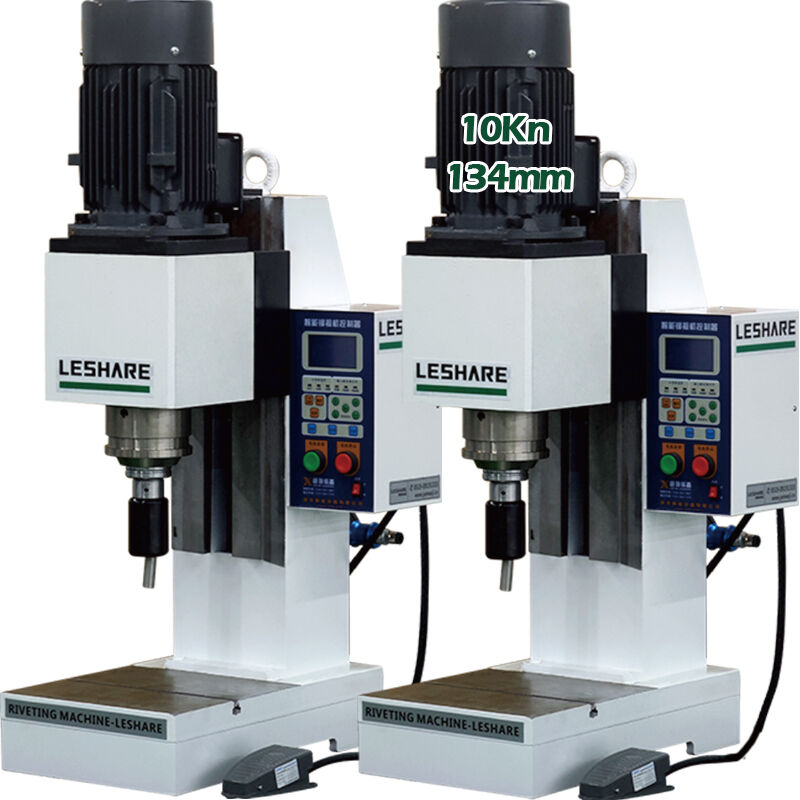
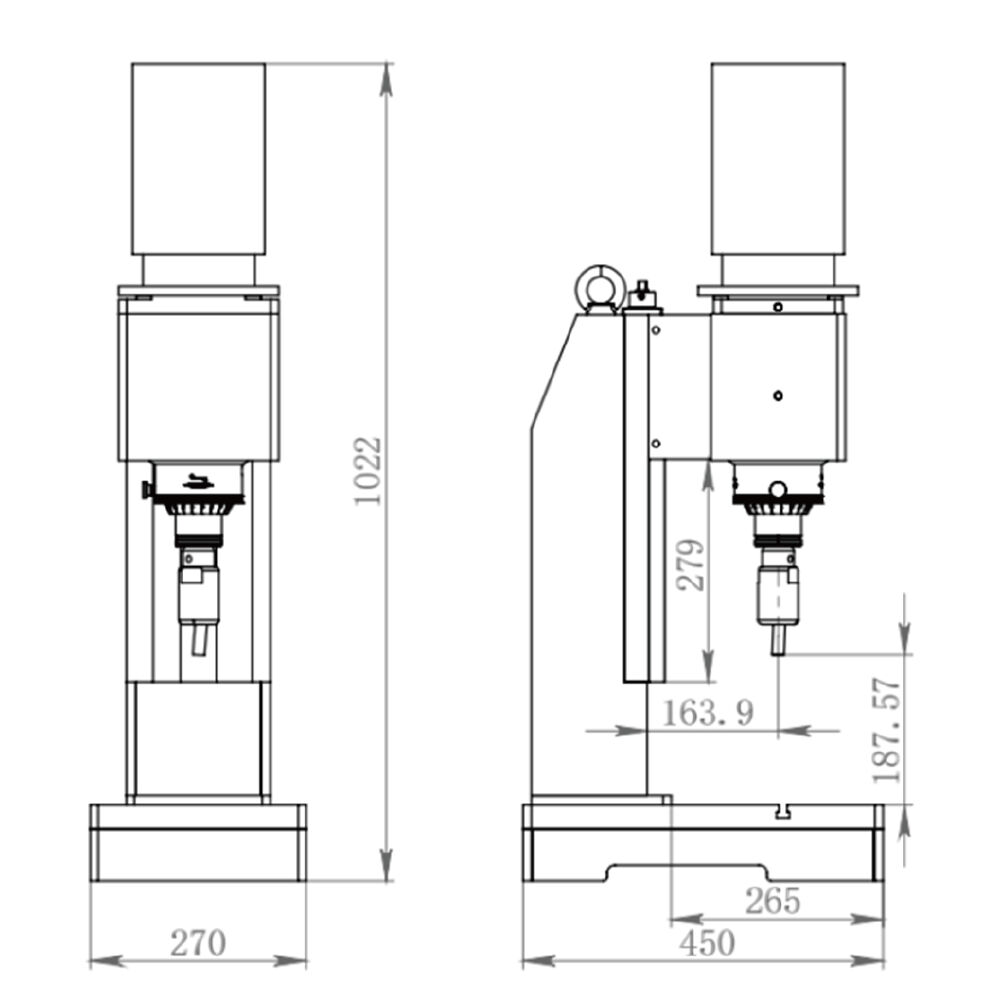
Versatile Application Range and Material Compatibility
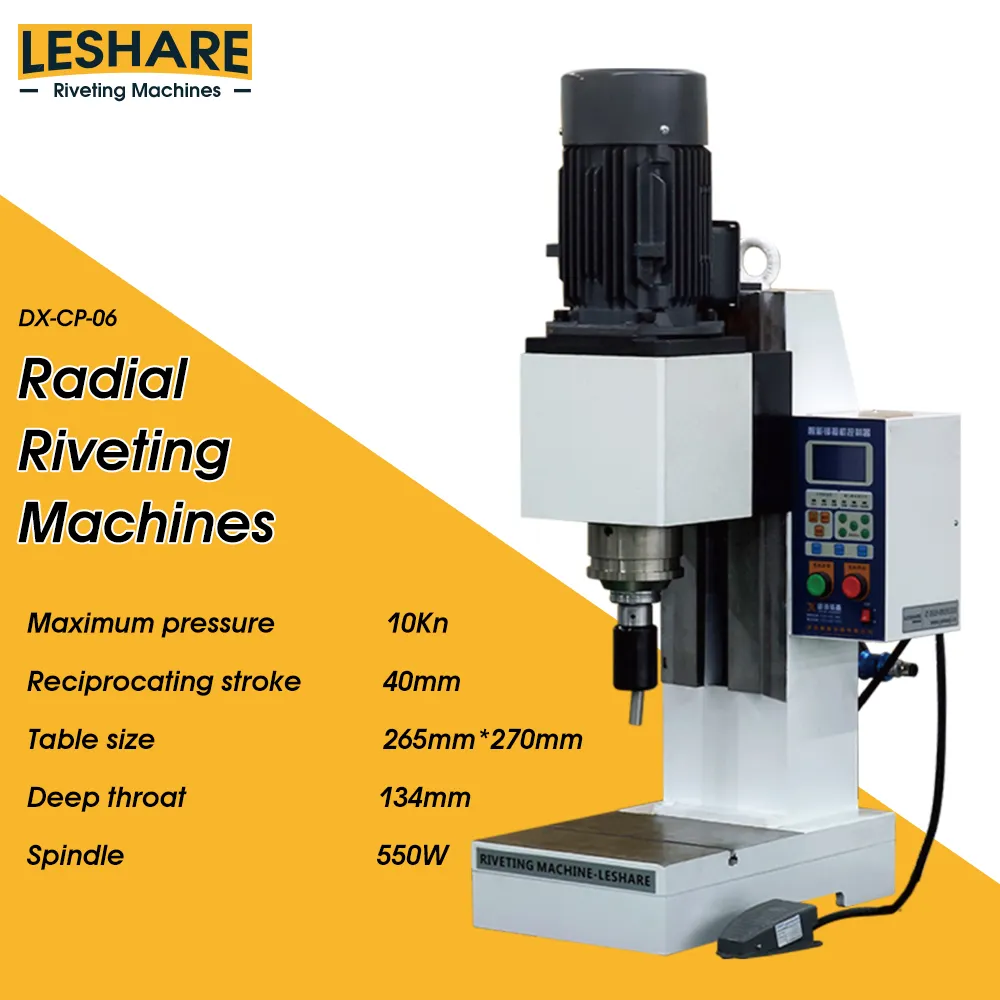
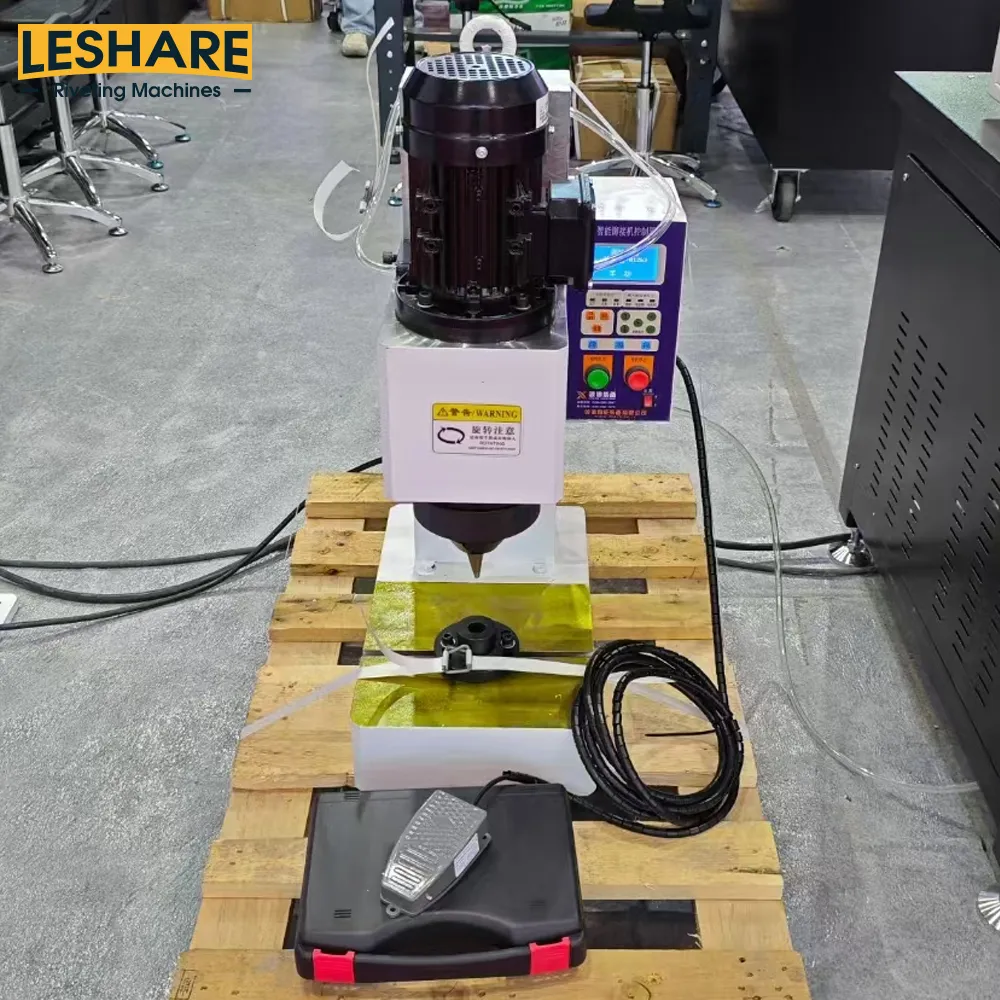
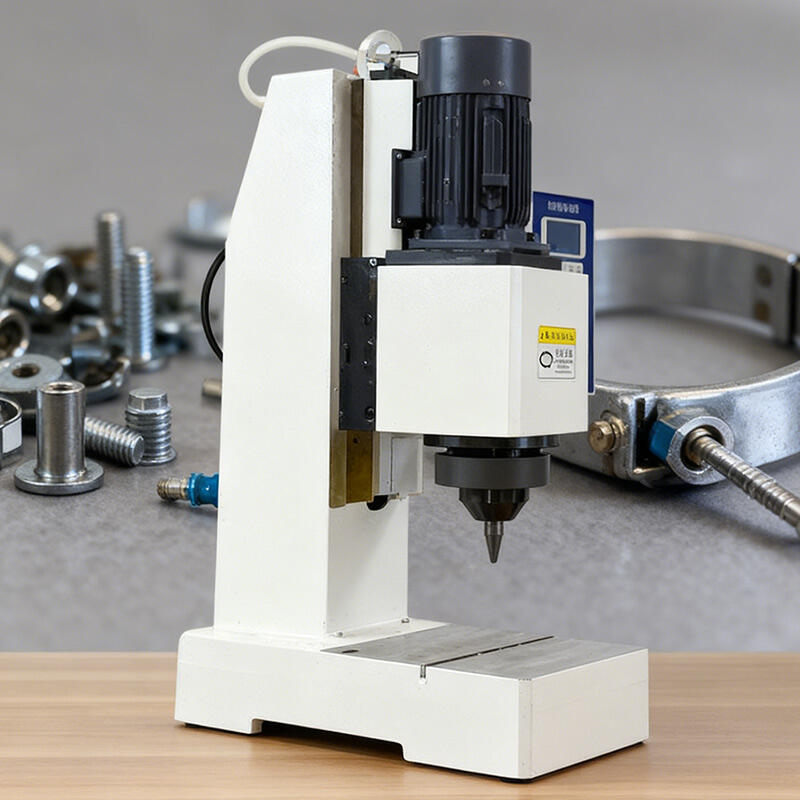
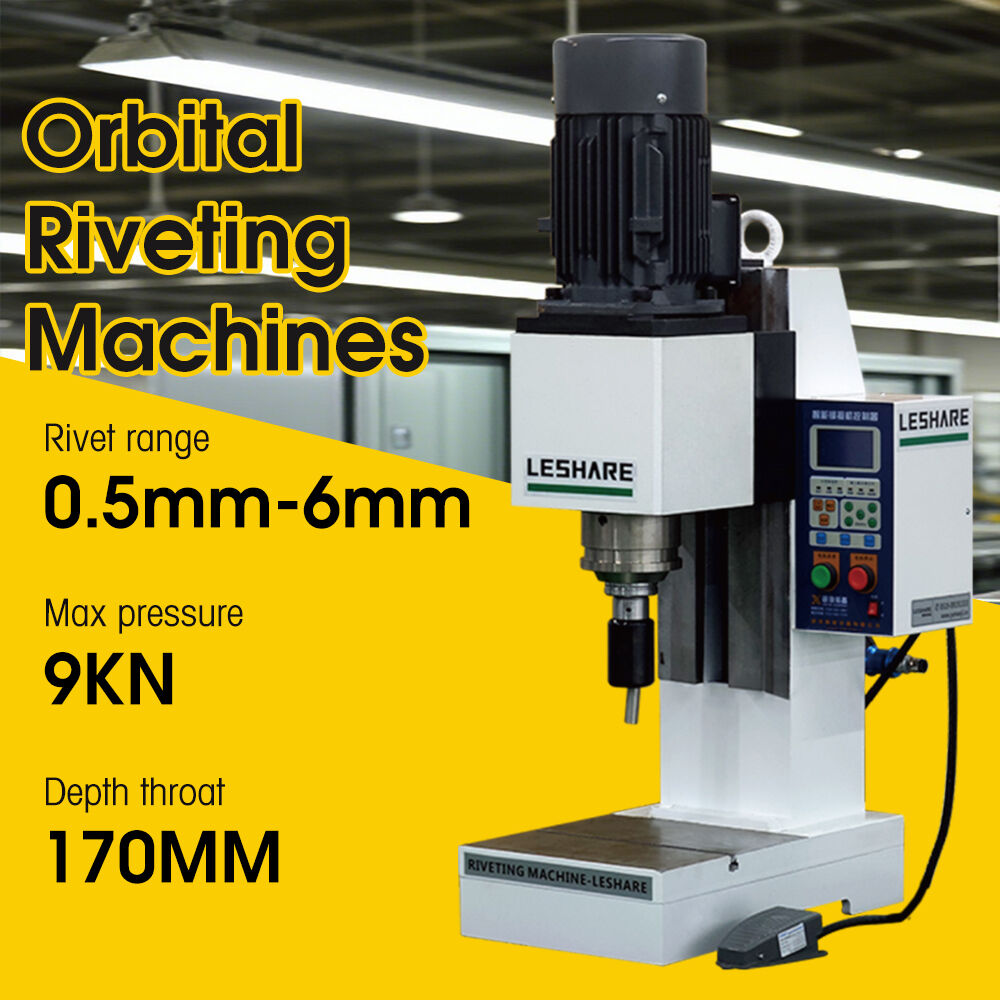
The pneumatic riveting machine demonstrates remarkable versatility through its ability to handle an extensive range of materials, rivet types, and application requirements across diverse industrial sectors. This adaptability makes it an invaluable tool for manufacturers dealing with varying material specifications, from lightweight aluminum assemblies in aerospace applications to heavy-duty steel constructions in industrial equipment manufacturing. The material compatibility extends across the complete spectrum of engineering materials including aluminum alloys, carbon steel, stainless steel, brass, copper, and specialized composites without requiring fundamental equipment modifications or extensive tooling investments. Different rivet materials and configurations work seamlessly with pneumatic riveting machine technology, accommodating solid rivets, semi-tubular rivets, blind rivets, and specialty fasteners designed for specific structural or environmental requirements. The thickness range capability spans from delicate sheet metal work measuring mere millimeters to heavy plate assemblies several inches thick, providing manufacturing flexibility that adapts to changing project specifications without equipment limitations. Industry applications demonstrate the breadth of pneumatic riveting machine utility, encompassing aircraft fuselage assembly, automotive body construction, HVAC ductwork fabrication, shipbuilding operations, architectural metalwork, and general manufacturing processes requiring permanent mechanical fastening solutions. The tooling versatility allows quick adaptation to unique fastening requirements through interchangeable rivet sets, specialized forming dies, and custom fixtures that accommodate irregular shapes or restricted access situations commonly encountered in complex assemblies. Surface preparation requirements remain minimal compared to welding or bonding alternatives, as the pneumatic riveting machine creates mechanical connections that function effectively on painted, coated, or treated surfaces without extensive cleaning or preparation procedures. Environmental adaptability enables operation in diverse conditions including outdoor construction sites, climate-controlled manufacturing facilities, and specialized environments requiring specific safety or contamination control measures. The pneumatic riveting machine accommodates both permanent installation and field service applications, with portable models designed for on-site repair work and stationary units optimized for high-volume production environments. Temperature tolerance allows operation across wide environmental ranges without performance degradation, making it suitable for applications in extreme climates or thermally demanding manufacturing processes. The flexibility extends to automation integration, where pneumatic riveting machine components can be incorporated into robotic assembly systems or automated production lines while maintaining the precision and reliability that characterizes manual operation modes.
 EN
EN