Professional Pneumatic Orbital Riveting Tools - Advanced Fastening Solutions for Precision Manufacturing

Get a Free Quote

Our representative will contact you soon.
Email
Name
Company Name
Message
0/1000

pneumatic orbital riveting tool

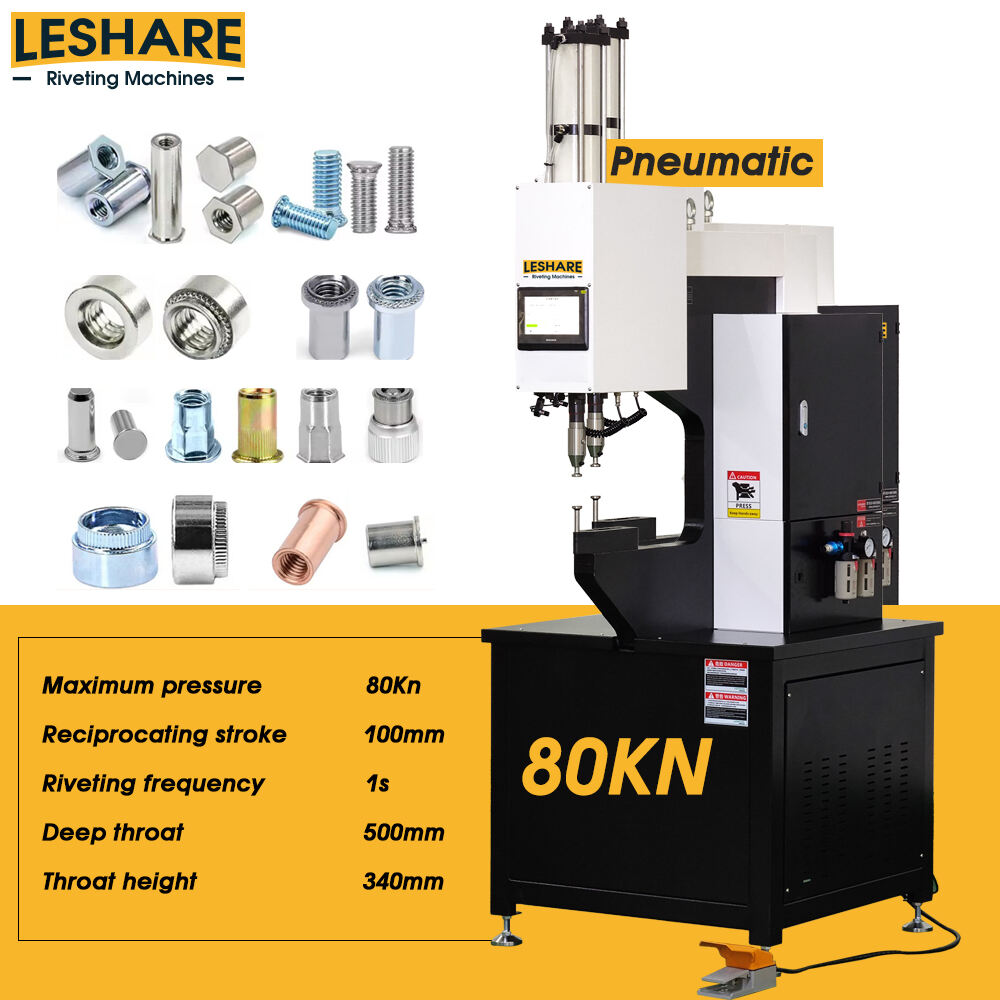
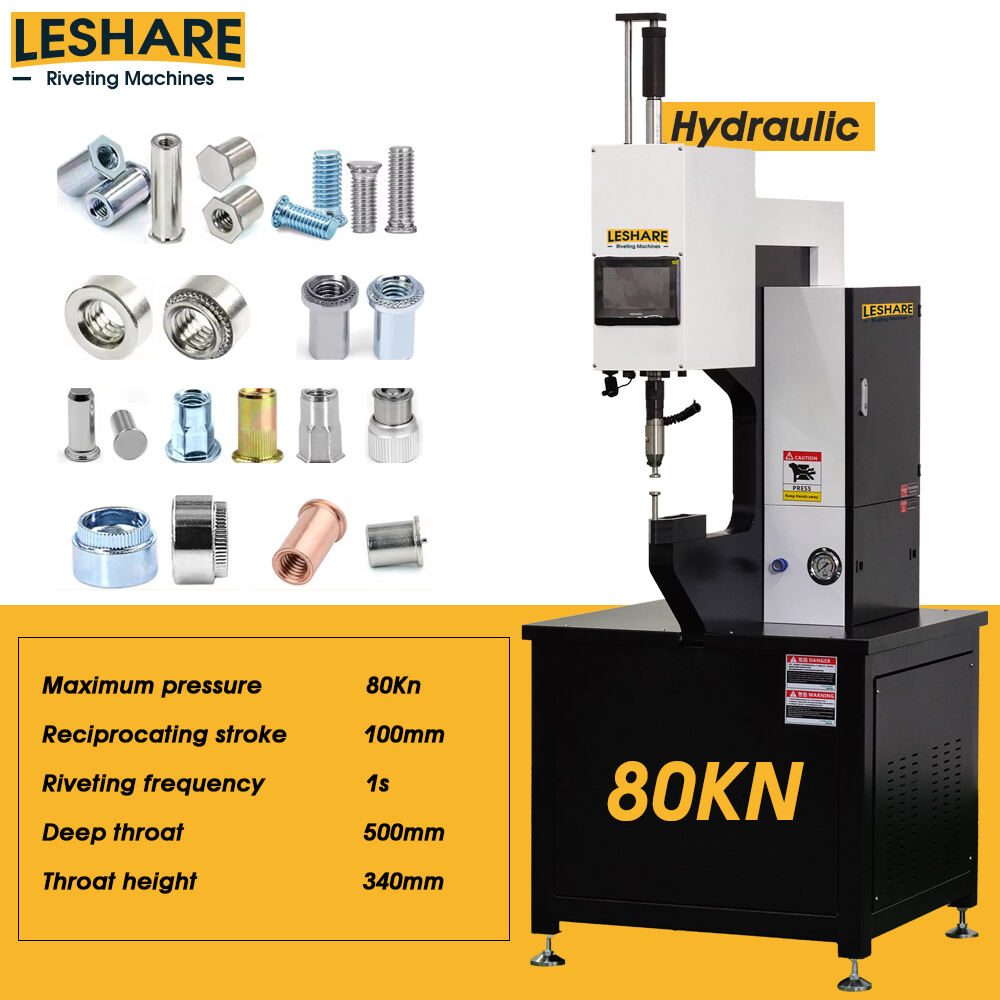
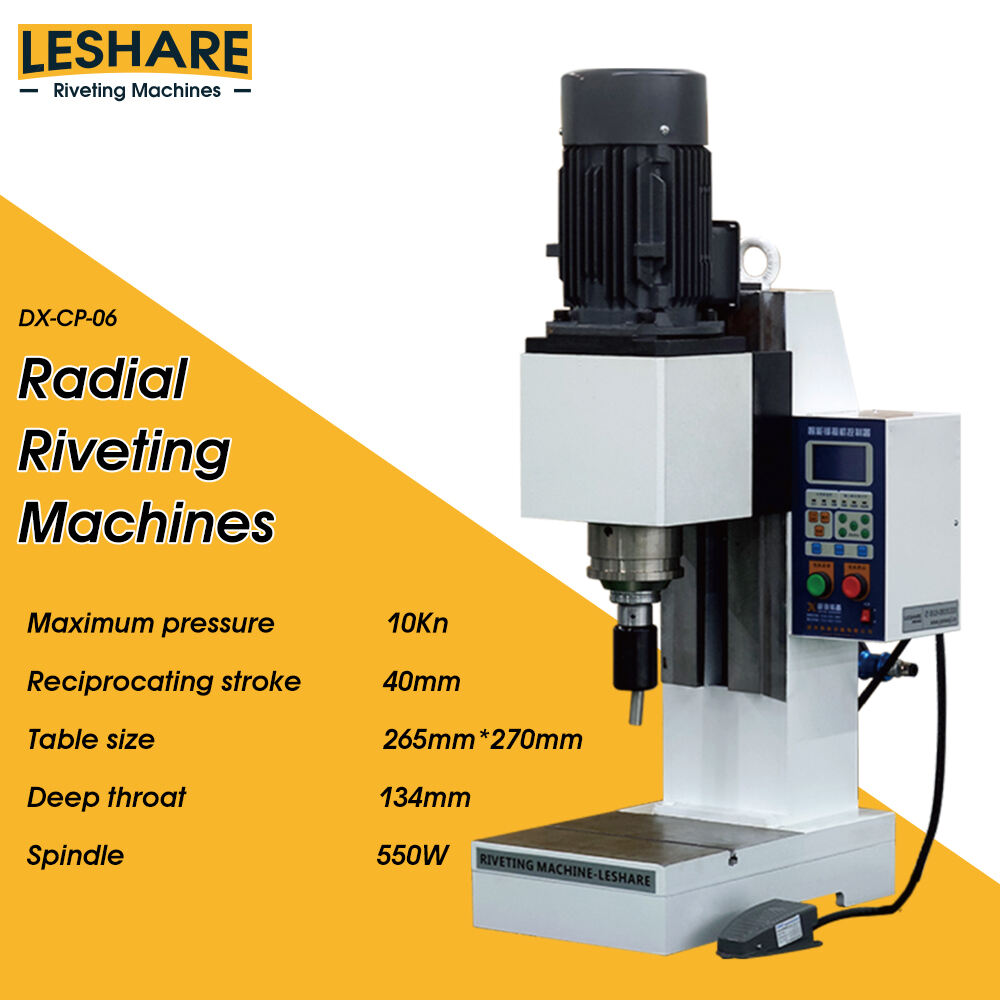
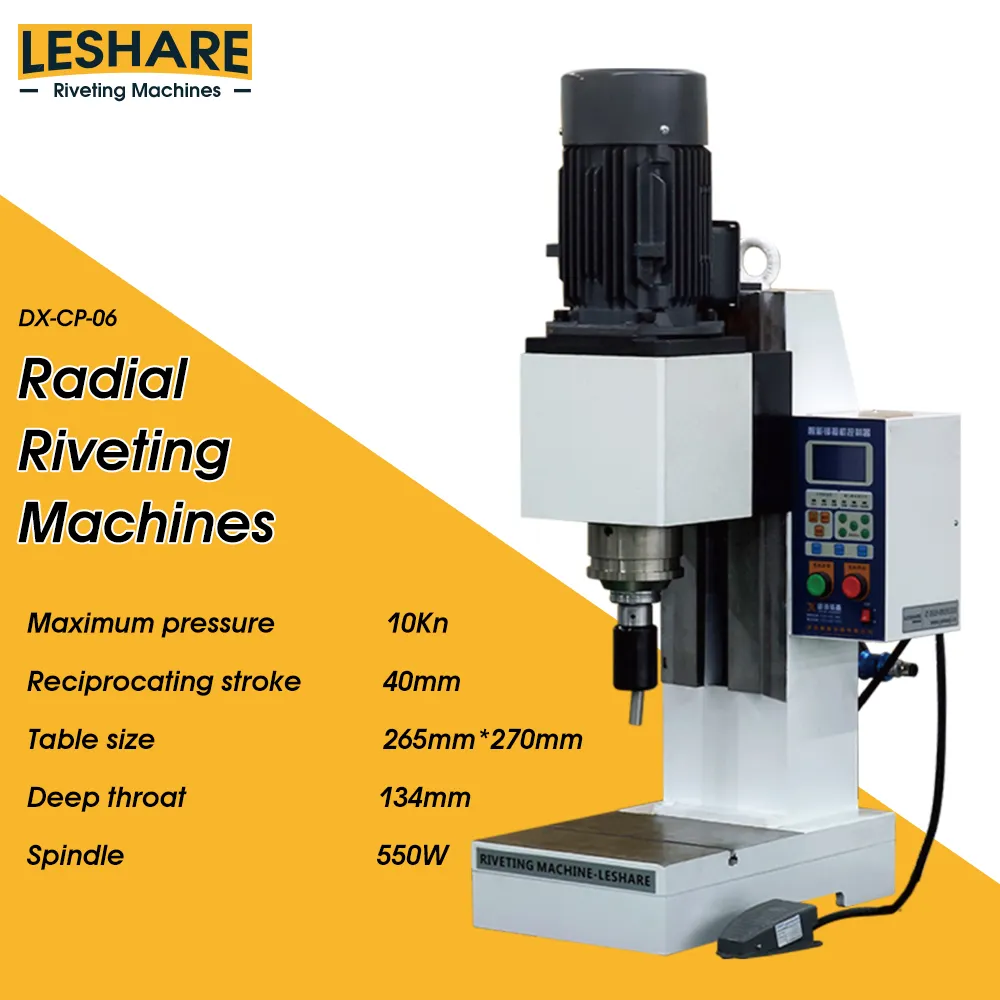
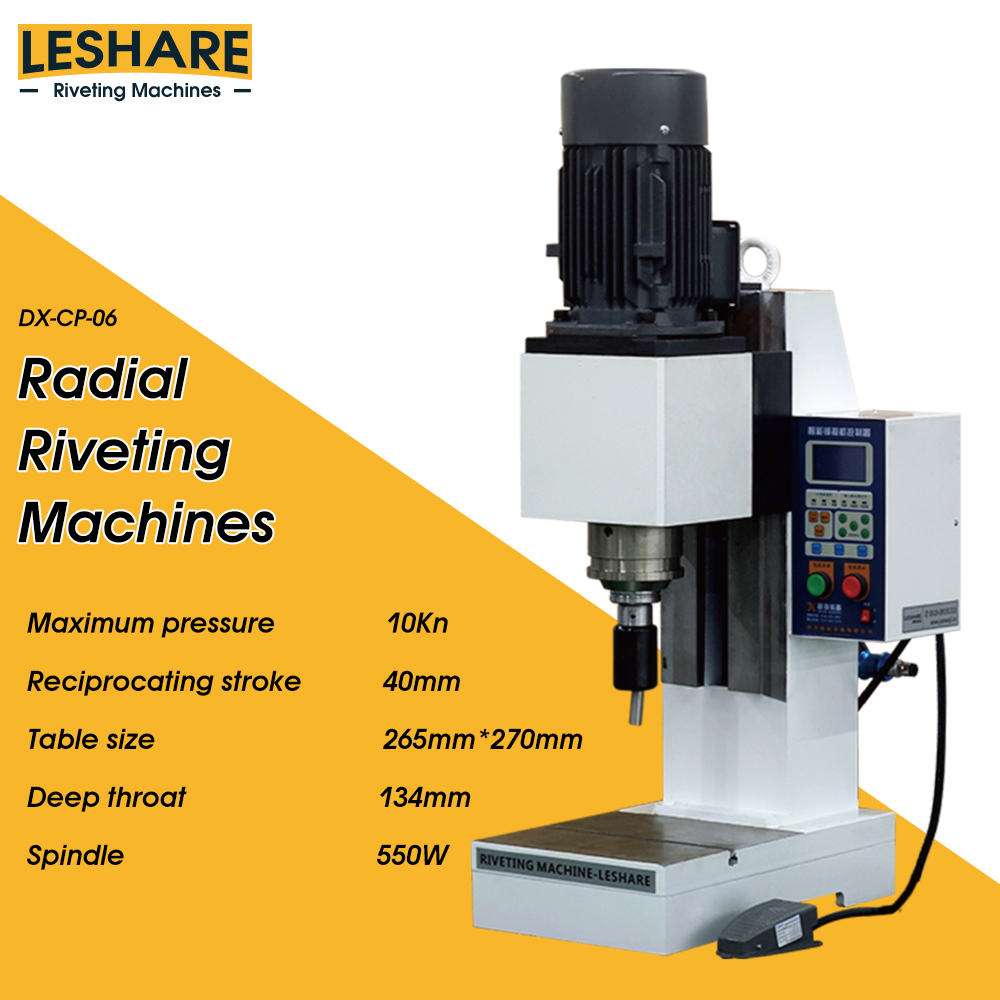
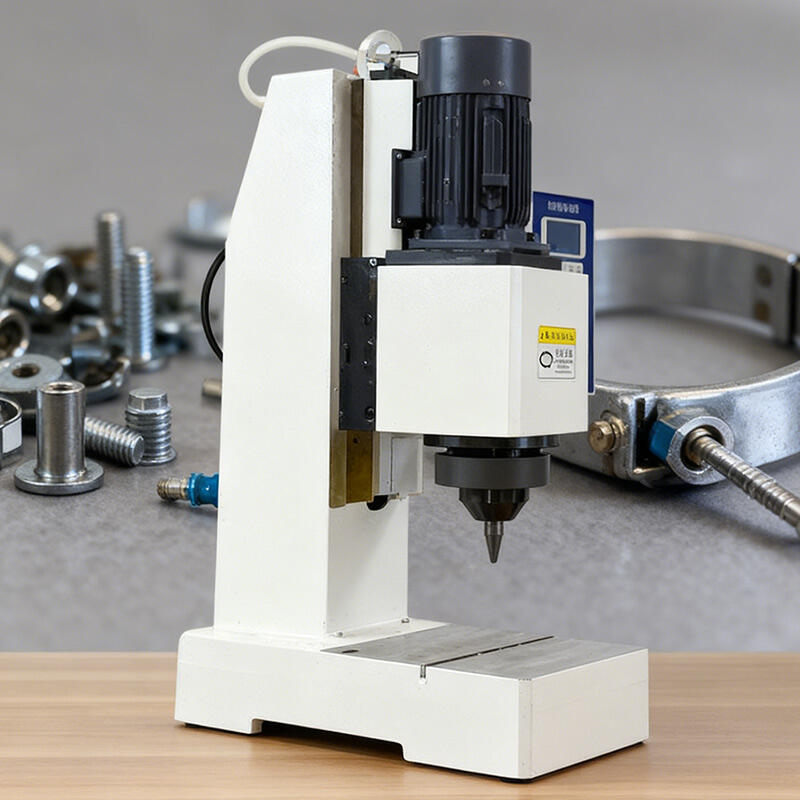
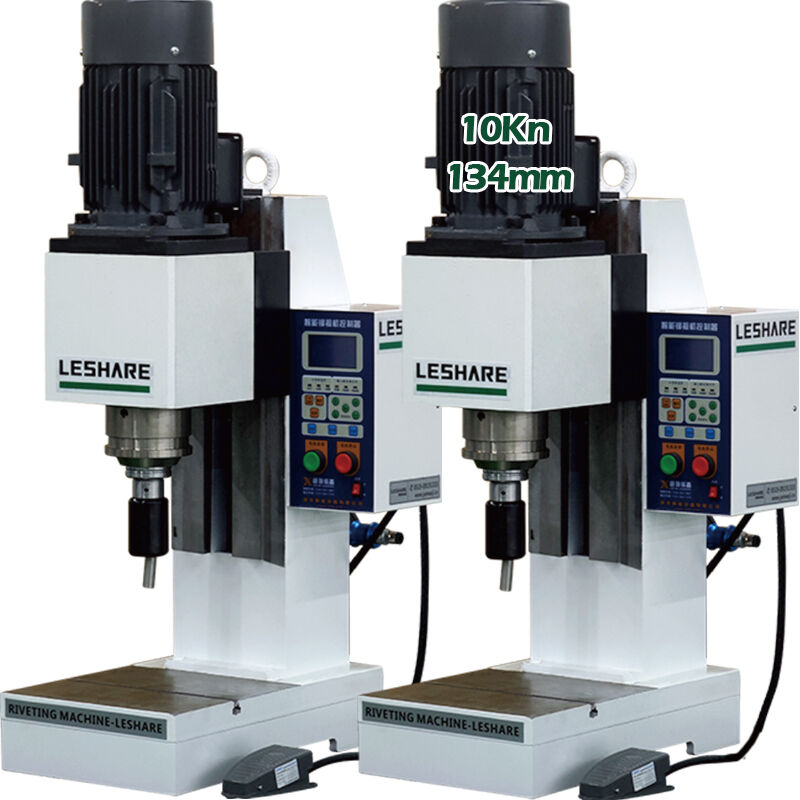
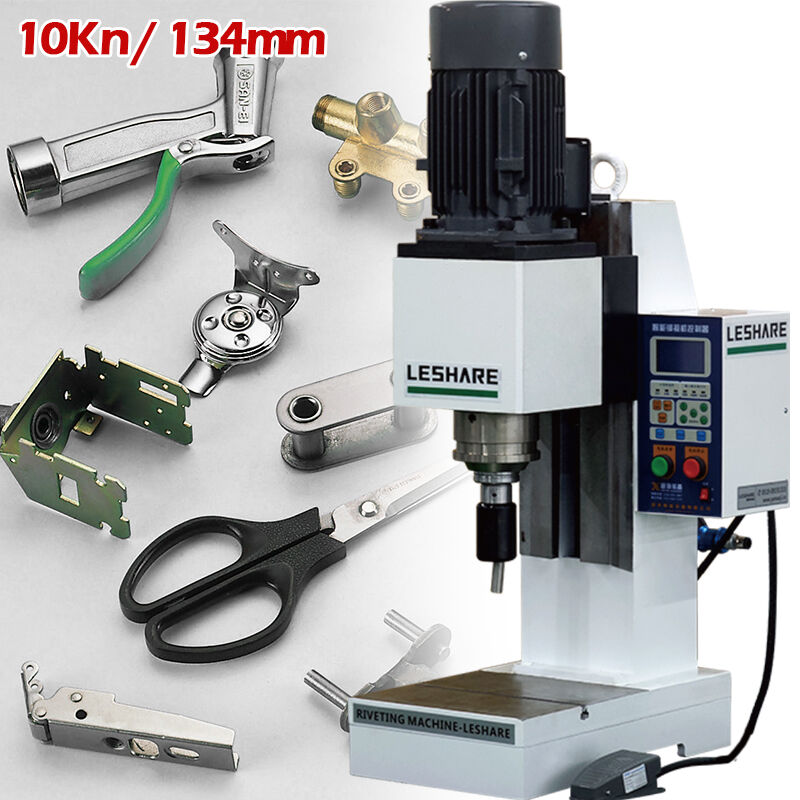
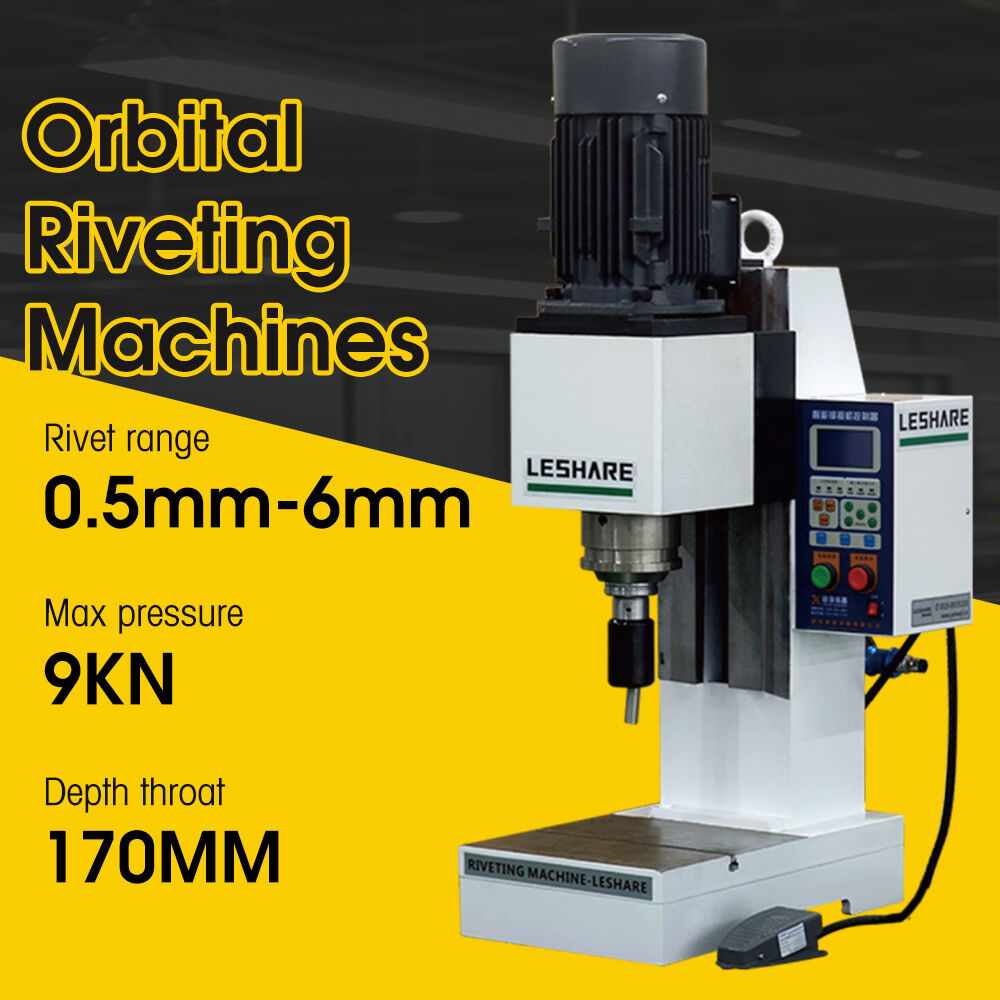
The pneumatic orbital riveting tool represents a sophisticated fastening solution designed to create strong, permanent joints in various materials through controlled orbital motion. This advanced tool operates using compressed air to power its internal mechanisms, delivering consistent force while the riveting head moves in a precise orbital pattern around the rivet. The main functions of the pneumatic orbital riveting tool include forming mushroom-shaped rivet heads, creating leak-proof seals, and joining dissimilar materials without generating excessive heat. The tool's technological features encompass adjustable force settings, variable orbital speeds, and interchangeable riveting heads to accommodate different rivet sizes and materials. Its pneumatic system provides instant power delivery with excellent control, allowing operators to achieve repeatable results across multiple applications. The orbital motion technology ensures uniform material flow during the riveting process, resulting in consistent joint quality and enhanced structural integrity. Applications for the pneumatic orbital riveting tool span across aerospace manufacturing, automotive assembly, electronics production, and general fabrication industries. In aerospace applications, these tools create critical structural joints in aircraft panels and components where reliability and precision are paramount. Automotive manufacturers utilize pneumatic orbital riveting tools for assembling body panels, interior components, and electrical connections where traditional welding methods might damage sensitive materials. Electronics manufacturers rely on these tools for creating secure connections in circuit boards and enclosures where heat-sensitive components require protection. The tool's versatility extends to joining materials such as aluminum, steel, copper, plastics, and composite materials, making it invaluable for modern manufacturing processes. Its compact design allows for operation in confined spaces, while the pneumatic power source ensures consistent performance throughout extended production runs.

New Products

The pneumatic orbital riveting tool delivers exceptional performance advantages that transform manufacturing processes and enhance product quality. This innovative tool creates superior joint strength compared to traditional riveting methods by distributing force evenly across the entire rivet head through its unique orbital motion. The controlled pneumatic system eliminates the hammer-like impacts associated with conventional riveting, reducing noise levels significantly and creating a more comfortable working environment for operators. This tool produces consistently uniform rivet heads with smooth finishes, eliminating the need for secondary finishing operations that increase production costs and cycle times. The precision control offered by pneumatic orbital riveting tools allows manufacturers to achieve tight tolerance requirements without risk of material damage or joint failure. Operators benefit from reduced fatigue during extended use sessions because the tool's balanced design and smooth operation minimize vibration transfer to the user's hands and arms. The pneumatic power source provides instant response and maintains consistent force output regardless of operator strength or technique variations, ensuring reliable results across different skill levels. These tools excel at joining heat-sensitive materials because the orbital motion generates minimal heat compared to impact riveting or welding processes, preventing warping, discoloration, or component damage in delicate applications. The versatility of pneumatic orbital riveting tools enables manufacturers to process various material combinations within single production setups, reducing equipment investments and simplifying workflow management. Maintenance requirements remain minimal due to the robust pneumatic design and fewer moving parts compared to electric alternatives, resulting in lower operating costs and increased uptime. The tools offer exceptional control over penetration depth and forming pressure, allowing operators to create leak-proof seals and structural joints that meet stringent quality standards. Production efficiency improves dramatically because these tools eliminate pre-drilling requirements for many applications while delivering faster cycle times than traditional manual riveting methods. The consistent results achieved with pneumatic orbital riveting tools reduce quality control inspections and rework costs, contributing to overall manufacturing profitability and customer satisfaction.

Practical Tips

Why Are Automotive Suppliers Increasingly Relying on Clinching Machines?

11

Dec

Why Are Automotive Suppliers Increasingly Relying on Clinching Machines?

The automotive manufacturing industry has witnessed a remarkable transformation in recent years, driven by the need for lighter, stronger, and more cost-effective production methods. Among the various technological advancements reshaping the sector, ...
View More
What to consider when sourcing nonrotating shaft radial riveter systems?

26

Feb

What to consider when sourcing nonrotating shaft radial riveter systems?

Manufacturing precision and assembly efficiency depend heavily on selecting the right fastening equipment for your production line. When evaluating nonrotating shaft radial riveter systems, understanding the critical factors that influence performanc...
View More
How to implement lowspeed radial riveting in automated production lines?

26

Feb

How to implement lowspeed radial riveting in automated production lines?

Manufacturing excellence in modern production environments demands precision joining techniques that deliver consistent results while maintaining operational efficiency. Lowspeed radial riveting has emerged as a cornerstone technology for automated a...
View More
What Industries Benefit from Automatic Riveting Machines?

18

Mar

What Industries Benefit from Automatic Riveting Machines?

Modern manufacturing demands precision, speed, and reliability in every assembly process. Automatic riveting machines have emerged as essential tools across numerous industries, revolutionizing how manufacturers approach fastening operations. These s...
View More

Get a Free Quote

Our representative will contact you soon.
Email
Name
Company Name
Message
0/1000

pneumatic orbital riveting tool

Advanced Orbital Motion Technology

Advanced Orbital Motion Technology

The pneumatic orbital riveting tool incorporates revolutionary orbital motion technology that fundamentally transforms the riveting process through precise, controlled movement patterns. This innovative system moves the riveting head in a carefully calibrated orbital path while simultaneously applying downward pressure, creating uniform material flow that results in superior joint quality and consistency. The orbital motion eliminates the violent impacts and shock loads associated with traditional hammer-type riveters, protecting both the workpiece and surrounding components from damage while maintaining structural integrity. This technology enables the tool to work effectively with heat-sensitive materials, composite structures, and delicate assemblies where conventional riveting methods would cause unacceptable damage or distortion. The orbital motion system distributes forming forces evenly across the entire rivet circumference, creating stronger joints with improved fatigue resistance and enhanced load-bearing capabilities. Operators benefit from the smooth, controlled action that reduces hand-arm vibration syndrome risks and allows for extended use without fatigue. The precision of orbital motion technology enables manufacturers to achieve consistent results regardless of operator skill level or experience, eliminating variations that can compromise product quality and reliability. This advanced system accommodates various rivet materials including aluminum, steel, copper, and specialized alloys while maintaining optimal forming characteristics for each application. The orbital motion creates aesthetically superior rivet heads with smooth, professional finishes that eliminate secondary machining or cosmetic treatments in visible applications. Manufacturing processes benefit from increased throughput because the orbital motion technology reduces cycle times while improving first-pass quality rates. The controlled motion pattern prevents work hardening of materials during the forming process, maintaining the mechanical properties of both the rivet and surrounding base materials. This technology represents a significant advancement in fastening solutions, offering manufacturers the ability to create reliable, high-quality joints while reducing production costs and improving workplace safety conditions.
Precision Pneumatic Control System

Precision Pneumatic Control System

The precision pneumatic control system integrated into orbital riveting tools delivers unmatched accuracy and repeatability in fastening operations through sophisticated pressure regulation and force modulation capabilities. This advanced pneumatic system utilizes compressed air to power the tool while providing instantaneous response to operator commands and maintaining consistent performance throughout extended production runs. The system incorporates pressure regulators, flow controls, and sophisticated valve assemblies that enable precise adjustment of forming forces to match specific application requirements and material characteristics. Operators can fine-tune the pneumatic settings to accommodate different rivet sizes, material thicknesses, and joint specifications without requiring tool changes or complex setup procedures. The pneumatic control system eliminates the variability associated with manual or electric tools by delivering consistent force output that remains stable regardless of external factors such as operator technique, ambient temperature, or power fluctuations. This reliability ensures that every rivet receives identical treatment, resulting in uniform joint quality and predictable mechanical properties across entire production batches. The system's instant response capabilities enable rapid cycling between different force settings, making it ideal for mixed production environments where multiple joint types require processing within single work sessions. Energy efficiency represents another significant advantage of the pneumatic control system, as compressed air provides clean, cost-effective power without generating electromagnetic interference or requiring complex electrical installations. The system's inherent safety features include automatic pressure relief and fail-safe operation modes that protect both operators and equipment from potentially dangerous over-pressure conditions. Maintenance requirements remain minimal because pneumatic systems contain fewer wear components compared to electric or hydraulic alternatives, resulting in lower lifecycle costs and improved operational reliability. The precision control capabilities extend to penetration depth management, allowing operators to achieve consistent rivet upset while preventing breakthrough or insufficient engagement in critical applications. Quality assurance processes benefit significantly from the pneumatic system's repeatable performance characteristics, reducing inspection requirements and eliminating costly rework associated with inconsistent joint formation.
Versatile Multi-Material Capability

Versatile Multi-Material Capability

The pneumatic orbital riveting tool demonstrates exceptional versatility through its ability to effectively join diverse material combinations while maintaining optimal joint integrity and performance characteristics across various manufacturing applications. This multi-material capability stems from the tool's adjustable parameters and gentle orbital forming action that adapts to different material properties without compromising structural integrity or creating undesirable stress concentrations. The tool successfully processes traditional metals including aluminum alloys, stainless steel, carbon steel, and copper while extending its capabilities to modern materials such as fiber-reinforced composites, thermoplastics, and hybrid material combinations. This versatility eliminates the need for multiple specialized tools in production environments, reducing equipment investments and simplifying inventory management while streamlining manufacturing processes. The orbital motion technology accommodates materials with varying hardness levels and ductility characteristics by automatically adjusting the forming pattern to optimize material flow and prevent cracking or work hardening during the riveting process. Composite material applications benefit particularly from this capability because the controlled forming action prevents delamination and fiber damage that commonly occurs with impact riveting methods. The tool's ability to join dissimilar materials opens new design possibilities for engineers seeking to combine different material properties within single assemblies while maintaining reliable mechanical connections. Heat-sensitive materials such as certain plastics and electronic components remain protected during the riveting process because the orbital motion generates minimal heat compared to welding or high-impact fastening methods. The multi-material capability extends to processing pre-coated or treated surfaces without damaging protective finishes, maintaining corrosion resistance and aesthetic properties in finished products. Quality standards benefit from consistent joint formation regardless of material type, as the pneumatic control system adapts force application to match specific material requirements automatically. Production flexibility increases dramatically because manufacturers can process different material combinations within single production runs without tool changes or extensive setup modifications. This capability proves particularly valuable in industries such as aerospace and automotive manufacturing where weight reduction and performance optimization require strategic use of multiple materials within individual assemblies, enabling manufacturers to achieve design objectives while maintaining manufacturing efficiency and product reliability.

Get a Free Quote

Our representative will contact you soon.
Email
Name
Company Name
Message
0/1000