Compact Orbital Riveting Tool - Advanced Precision Joining Technology for Professional Manufacturing

Get a Free Quote

Our representative will contact you soon.
Email
Name
Company Name
Message
0/1000

compact orbital riveting tool

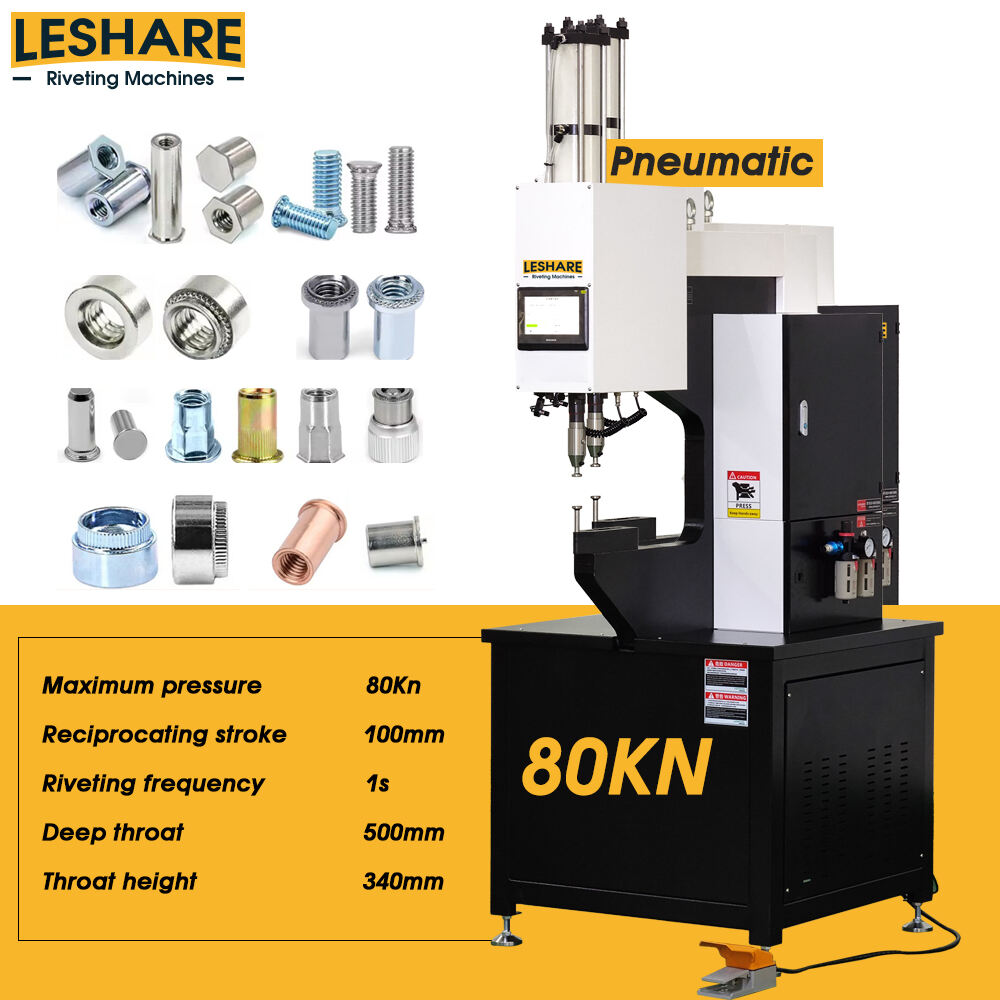
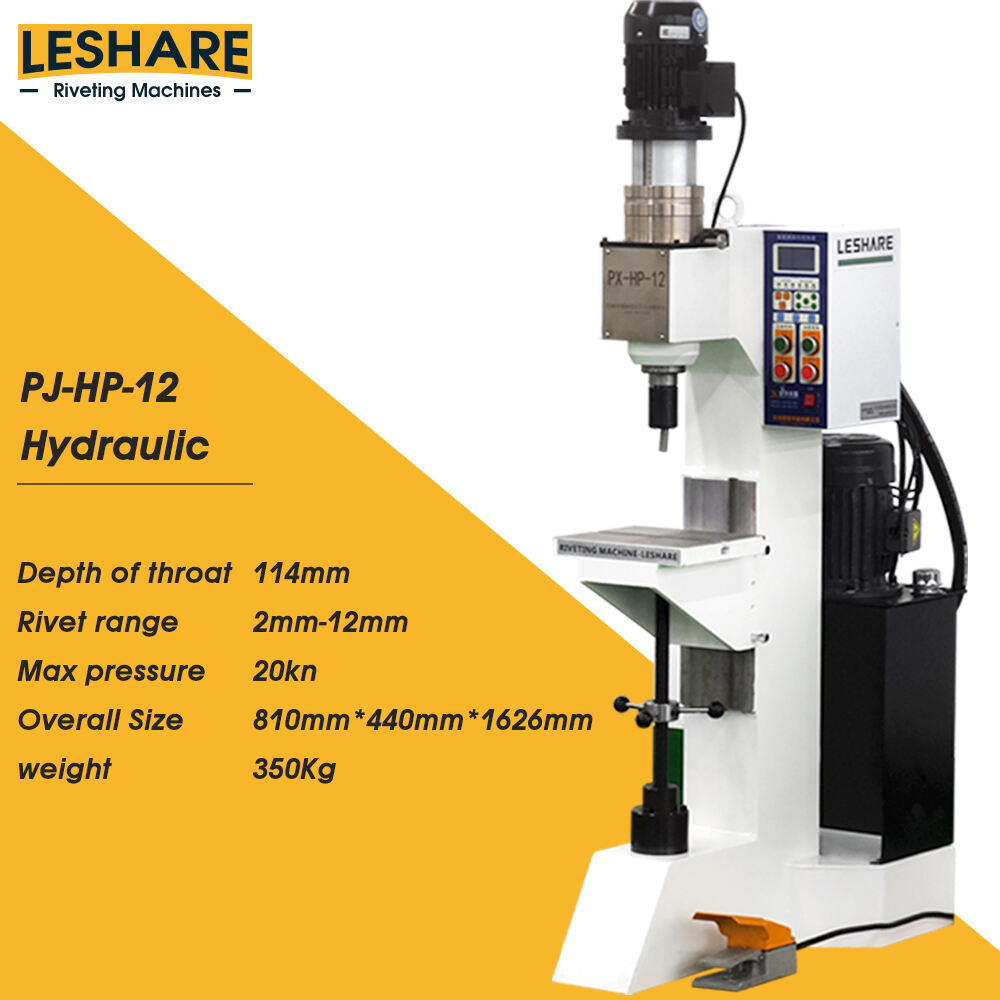
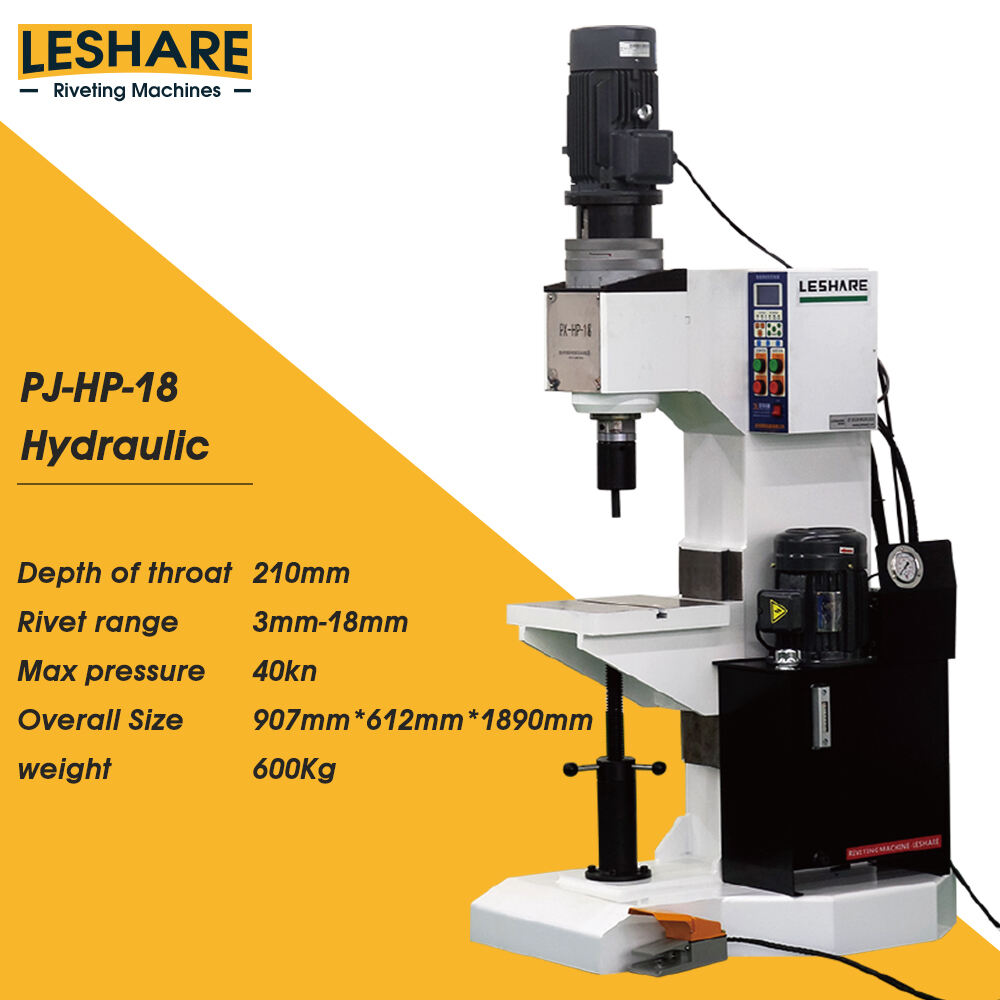
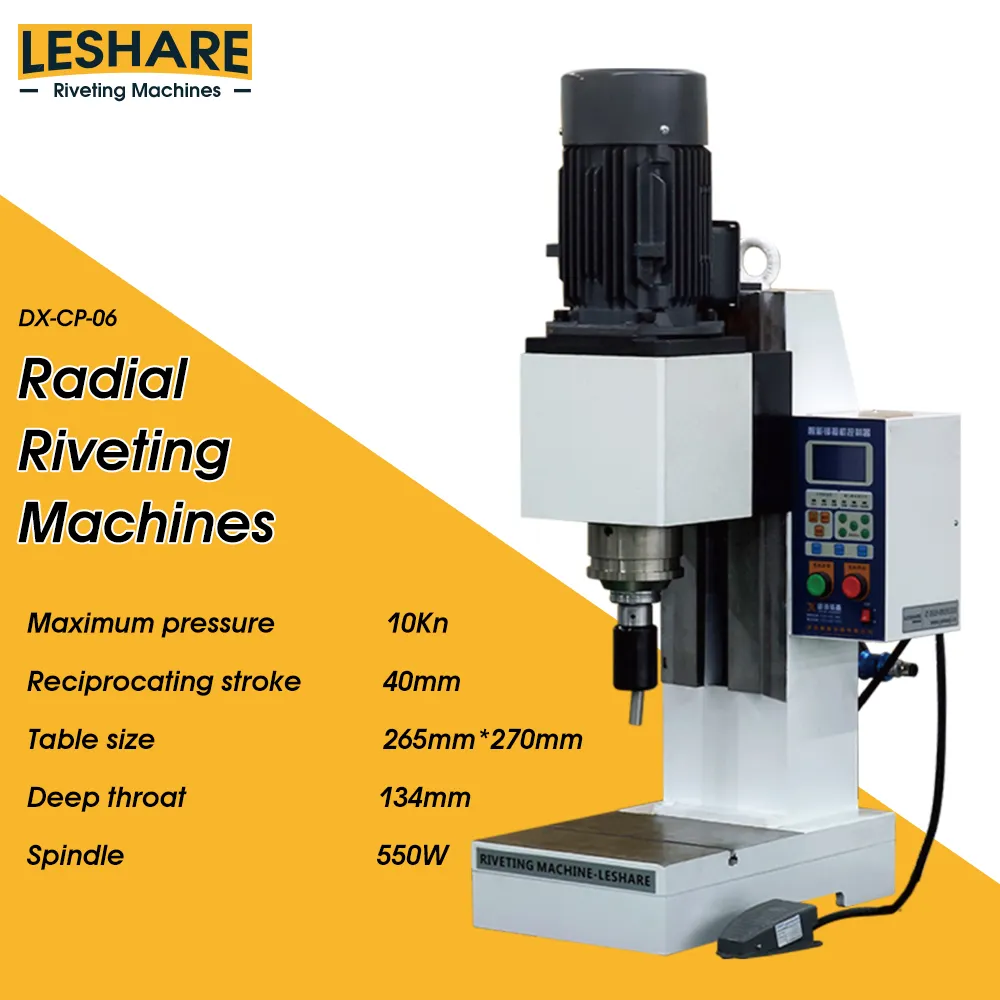
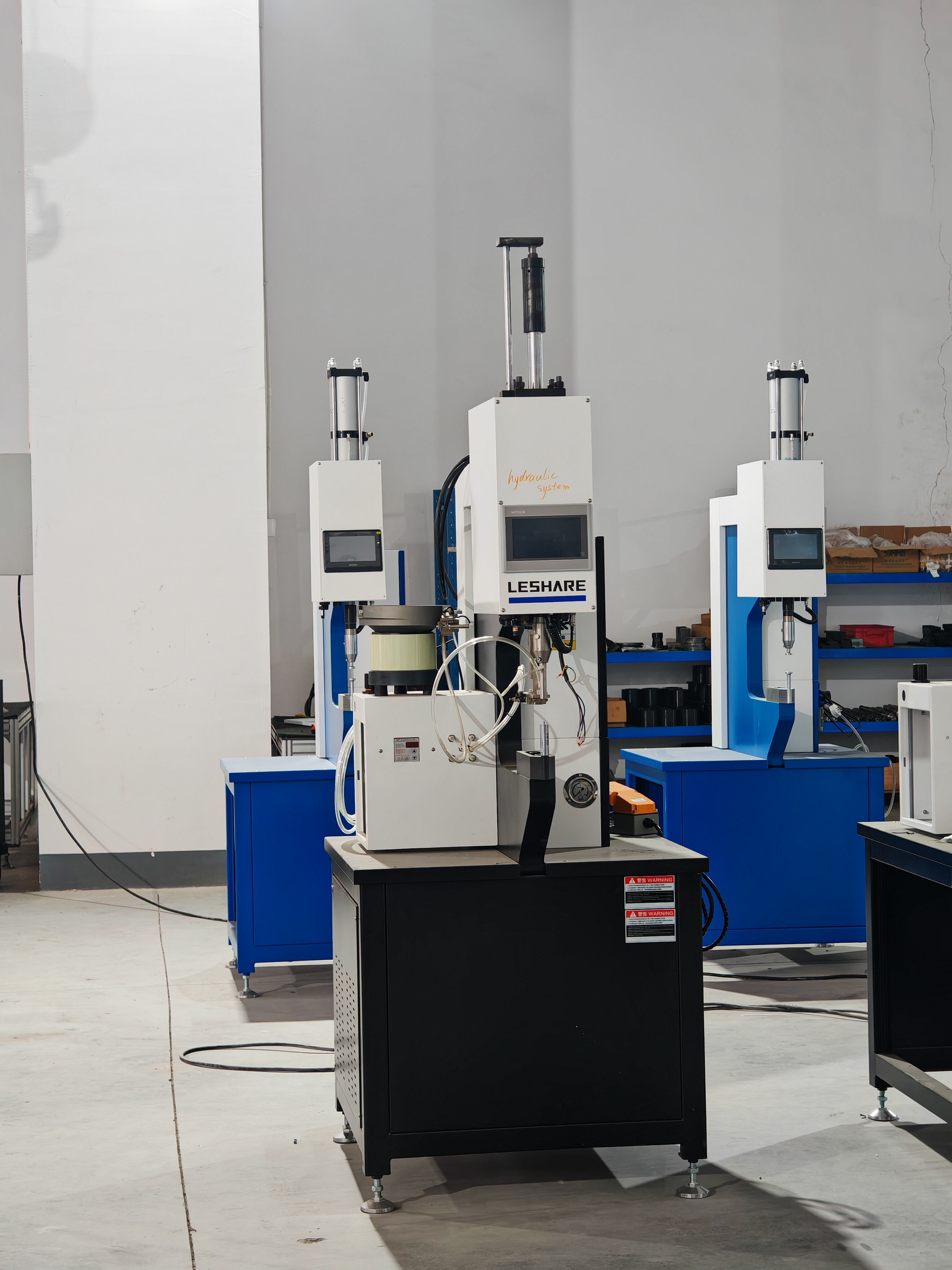
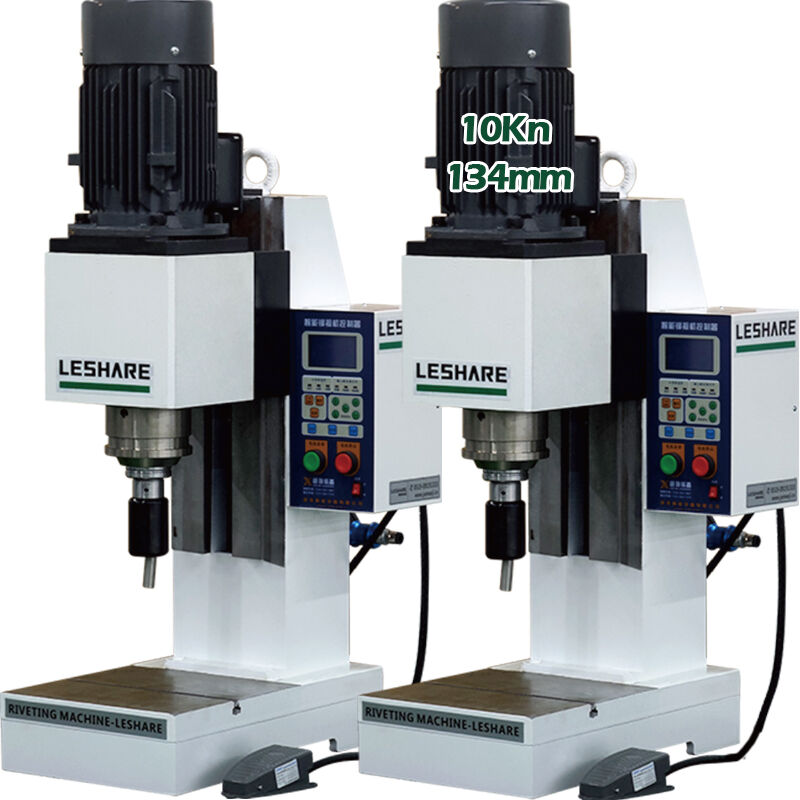
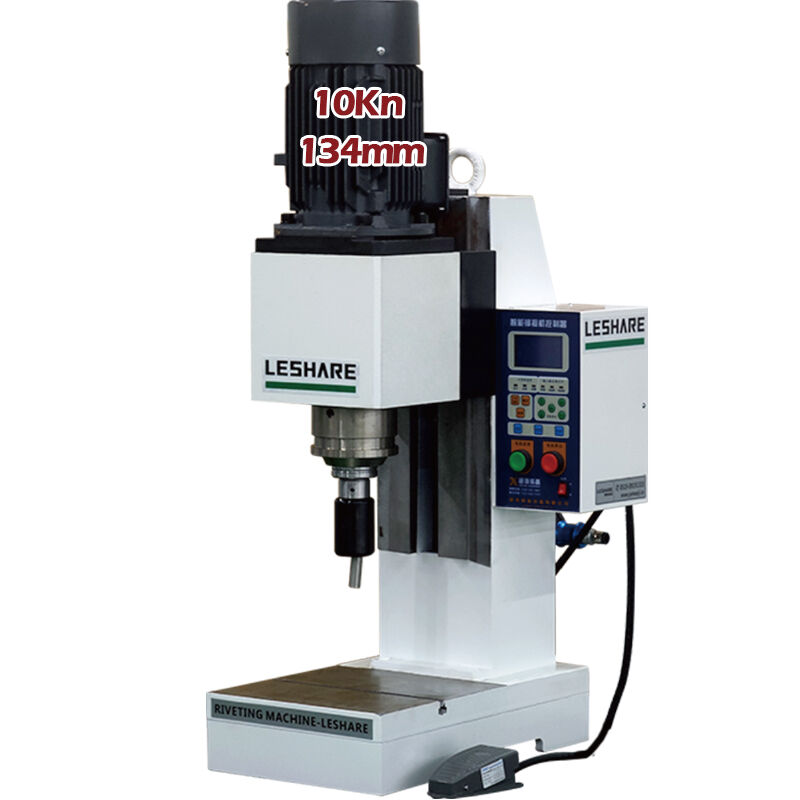
A compact orbital riveting tool represents a revolutionary advancement in metal joining technology, designed to deliver exceptional performance while maintaining portability and ease of use. This sophisticated equipment utilizes orbital motion mechanics to create permanent joints through controlled deformation of rivets, offering superior consistency compared to traditional impact riveting methods. The compact orbital riveting tool operates by rotating the rivet head in a precise orbital pattern while applying consistent downward pressure, ensuring uniform material flow and optimal joint integrity. This innovative approach eliminates the hammering action associated with conventional riveting, resulting in quieter operation and reduced vibration transmission to surrounding components. The technology incorporates advanced servo-driven systems that provide precise control over orbital diameter, rotation speed, and applied force, enabling operators to achieve repeatable results across various materials and rivet sizes. Modern compact orbital riveting tools feature programmable settings that can store multiple riveting parameters, allowing quick transitions between different assembly requirements without manual adjustments. The equipment typically includes integrated monitoring systems that track force curves, displacement measurements, and cycle completion status, providing real-time feedback for quality assurance purposes. These tools accommodate a wide range of rivet materials including aluminum, steel, copper, and specialized alloys, making them versatile solutions for diverse manufacturing applications. The compact design philosophy prioritizes workspace efficiency while maintaining full functionality, incorporating lightweight materials and ergonomic considerations to reduce operator fatigue during extended use. Advanced models include digital interfaces that display process parameters, diagnostic information, and maintenance alerts, enabling proactive equipment management. The orbital riveting process produces joints with superior fatigue resistance and consistent appearance, meeting stringent quality requirements in aerospace, automotive, electronics, and precision manufacturing sectors where reliability and aesthetics are paramount.

New Products

The compact orbital riveting tool delivers substantial operational benefits that directly impact productivity and manufacturing quality in professional environments. Unlike traditional riveting methods that rely on impact forces, this advanced technology provides smooth, controlled joining processes that reduce noise levels significantly, creating more comfortable working conditions for operators and surrounding personnel. The orbital motion mechanism eliminates the jarring impacts associated with pneumatic hammers, resulting in reduced wear on tooling components and extended equipment lifespan that translates into lower maintenance costs over time. Operators experience less physical stress due to the elimination of recoil forces, enabling longer working periods without fatigue and reducing the risk of repetitive strain injuries commonly associated with impact tools. The precision control capabilities ensure consistent rivet formation regardless of operator skill level, democratizing the riveting process and reducing training requirements for new personnel. This consistency directly impacts quality outcomes, minimizing rejection rates and rework costs while maintaining uniformity across production runs. The compact orbital riveting tool produces joints with superior mechanical properties, including enhanced shear strength and fatigue resistance compared to conventional methods, making them ideal for critical applications where joint reliability is essential. Process monitoring features provide real-time feedback that enables immediate detection of process deviations, allowing for prompt corrections that prevent defective assemblies from progressing through production lines. The programmable nature of these tools facilitates rapid changeovers between different product configurations, reducing setup times and increasing manufacturing flexibility to accommodate varying customer requirements. Energy efficiency represents another significant advantage, as orbital riveting typically requires less power consumption than impact-based alternatives while delivering superior results. The clean, controlled joining process produces minimal debris and eliminates the need for secondary finishing operations in many applications, streamlining production workflows and reducing overall manufacturing costs. Integration capabilities with modern manufacturing systems enable seamless incorporation into automated production lines, supporting Industry 4.0 initiatives and smart factory concepts that enhance overall operational efficiency.

Latest News

Why Are Automotive Suppliers Increasingly Relying on Clinching Machines?

11

Dec

Why Are Automotive Suppliers Increasingly Relying on Clinching Machines?

The automotive manufacturing industry has witnessed a remarkable transformation in recent years, driven by the need for lighter, stronger, and more cost-effective production methods. Among the various technological advancements reshaping the sector, ...
View More
How Does a Fastener Insertion Machine Improve Productivity in Metal Fabrication?

11

Dec

How Does a Fastener Insertion Machine Improve Productivity in Metal Fabrication?

In today's competitive metal fabrication industry, manufacturers are constantly seeking innovative solutions to enhance production efficiency while maintaining quality standards. A fastener insertion machine represents a revolutionary advancement tha...
View More
How Do You Match Fastener Types to the Right Fastener Insertion Machine?

29

Dec

How Do You Match Fastener Types to the Right Fastener Insertion Machine?

Selecting the appropriate fastener insertion machine for your manufacturing operation requires careful consideration of multiple technical factors that directly impact production efficiency, quality, and cost-effectiveness. Modern industrial applicat...
View More
Why are radial riveting machines preferred for cold forming applications?

28

Jan

Why are radial riveting machines preferred for cold forming applications?

Radial riveting machines have revolutionized the manufacturing landscape by offering superior cold forming capabilities that traditional riveting methods simply cannot match. These sophisticated pieces of equipment utilize a unique radial motion mech...
View More

Get a Free Quote

Our representative will contact you soon.
Email
Name
Company Name
Message
0/1000

compact orbital riveting tool

Precision Control Technology

Precision Control Technology

The compact orbital riveting tool incorporates sophisticated precision control technology that revolutionizes the riveting process through advanced servo-driven mechanisms and intelligent feedback systems. This technology enables operators to achieve unprecedented accuracy in rivet formation by precisely controlling orbital diameter, rotational speed, and applied force throughout the entire joining cycle. The servo-driven system responds to programmed parameters with exceptional accuracy, maintaining consistent performance across thousands of cycles while adapting to variations in material properties and rivet characteristics. Real-time monitoring capabilities track critical process variables including force curves, displacement measurements, and cycle timing, providing immediate feedback that ensures optimal joint quality and enables proactive process optimization. The intelligent control system can detect anomalies such as material variations, rivet misalignment, or tooling wear, automatically adjusting parameters to maintain quality standards or alerting operators when intervention is required. This level of precision control eliminates the variability inherent in manual riveting operations, ensuring that every joint meets specified quality requirements regardless of operator experience or environmental conditions. The programmable interface allows storage of multiple riveting profiles, enabling quick transitions between different assembly requirements without time-consuming manual adjustments or trial-and-error optimization. Advanced models feature learning algorithms that continuously refine process parameters based on historical performance data, improving consistency and quality over time. The precision control technology also enables the compact orbital riveting tool to work effectively with challenging materials and applications that would be difficult or impossible with conventional riveting methods, including heat-sensitive components, thin materials, and assemblies requiring exact aesthetic requirements. This capability opens new possibilities for product designers and manufacturers, enabling innovative assembly solutions that were previously impractical. The consistent, repeatable nature of the controlled process supports statistical process control initiatives and quality management systems, providing the documented performance data required for aerospace, medical device, and other highly regulated industries where traceability and quality assurance are paramount.
Compact Design and Portability

Compact Design and Portability

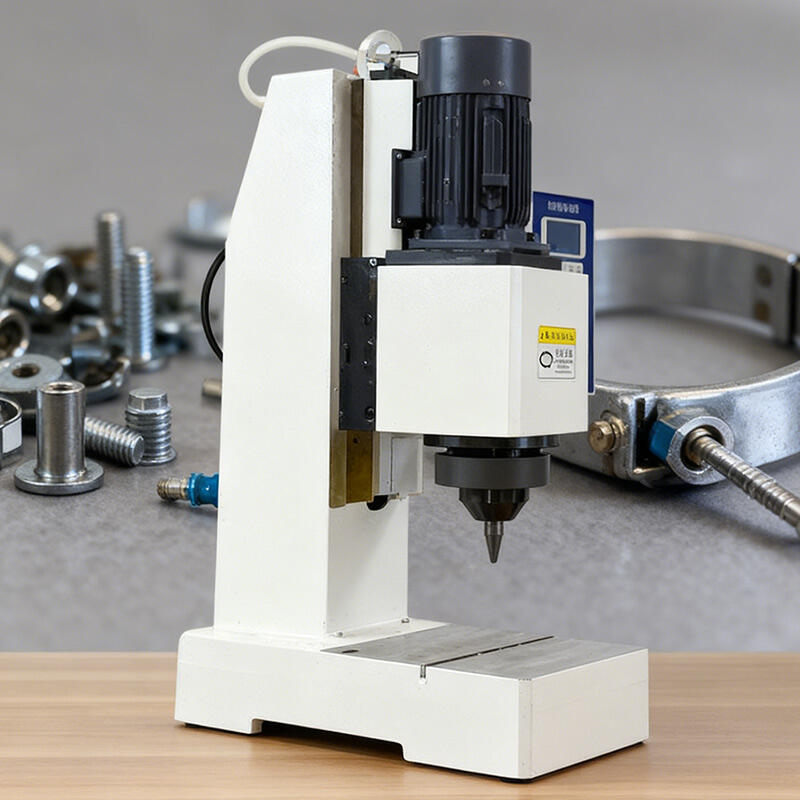
The compact design philosophy behind modern orbital riveting tools addresses critical workspace limitations while delivering full industrial-strength performance capabilities that meet demanding manufacturing requirements. Engineers have successfully miniaturized complex orbital mechanisms without compromising functionality, creating tools that occupy minimal floor space while providing access to tight assembly areas that larger equipment cannot reach. This space-efficient design proves invaluable in crowded production environments, clean rooms, and field service applications where portability and maneuverability are essential for operational success. The lightweight construction utilizes advanced materials and optimized mechanical designs to reduce overall weight without sacrificing structural integrity or operational precision, enabling single-operator handling and positioning even in challenging installation scenarios. Ergonomic considerations are integrated throughout the design process, incorporating balanced weight distribution, intuitive control placement, and comfortable grip surfaces that reduce operator fatigue during extended use periods. The compact orbital riveting tool features quick-disconnect fittings and modular components that facilitate rapid setup and breakdown for applications requiring frequent relocation or storage in confined spaces. Despite its reduced footprint, the tool maintains full compatibility with standard riveting accessories and tooling, ensuring seamless integration into existing production workflows without requiring specialized components or adaptation procedures. The portable nature of these tools enables flexible manufacturing strategies, including bringing the riveting capability directly to the assembly point rather than transporting large assemblies to fixed riveting stations, reducing material handling costs and potential damage risks. Mobile service applications benefit significantly from the compact design, as technicians can easily transport the equipment to customer sites for field repairs or installations that would otherwise require component removal and factory servicing. The reduced infrastructure requirements associated with compact tools lower facility costs and enable rapid production line reconfigurations to accommodate changing product mixes or seasonal demand variations. Power requirements are optimized for portability while maintaining performance standards, with many models designed to operate from standard electrical outlets rather than requiring dedicated high-power connections or compressed air systems.
Superior Joint Quality and Reliability

Superior Joint Quality and Reliability

The compact orbital riveting tool produces joints with exceptional quality characteristics that surpass traditional riveting methods through controlled material deformation and uniform stress distribution throughout the joint interface. The orbital motion creates a smooth, progressive forming action that flows rivet material evenly around the joint perimeter, eliminating stress concentrations and weak points that can lead to premature failure in critical applications. This controlled forming process results in joints with superior fatigue resistance, capable of withstanding repeated loading cycles that would cause conventional riveted joints to fail over time. The consistent pressure application ensures complete filling of joint interfaces, creating intimate contact between mating surfaces that maximizes load transfer capability and joint strength under both static and dynamic loading conditions. Quality outcomes remain remarkably consistent across production runs due to the precise control over forming parameters, eliminating the variability associated with operator technique or environmental factors that affect manual riveting operations. The compact orbital riveting tool produces aesthetically superior joints with smooth, uniform appearance characteristics that meet stringent cosmetic requirements in consumer products and architectural applications where visual quality is as important as structural performance. Surface finish quality is consistently excellent due to the controlled forming action, often eliminating the need for secondary finishing operations such as grinding or polishing that add cost and complexity to manufacturing processes. The joint integrity achieved through orbital riveting enables designers to specify lighter, more efficient assemblies without compromising safety factors, contributing to overall product weight reduction and material cost savings. Leak-tight sealing capabilities are enhanced through the uniform compression achieved during the orbital forming process, making these tools ideal for fluid-handling applications where joint integrity is critical for operational safety and environmental compliance. The superior joint quality translates directly into reduced warranty claims and field failures, protecting brand reputation and minimizing long-term service costs for manufacturers. Quality assurance processes are simplified due to the consistent, predictable nature of orbital riveting, enabling reduced inspection requirements and statistical sampling approaches that maintain quality standards while improving production efficiency. The reliable performance characteristics of orbital riveted joints support extended service intervals and reduced maintenance requirements in finished products, providing end-users with enhanced value and operational cost savings over the product lifecycle.

Get a Free Quote

Our representative will contact you soon.
Email
Name
Company Name
Message
0/1000