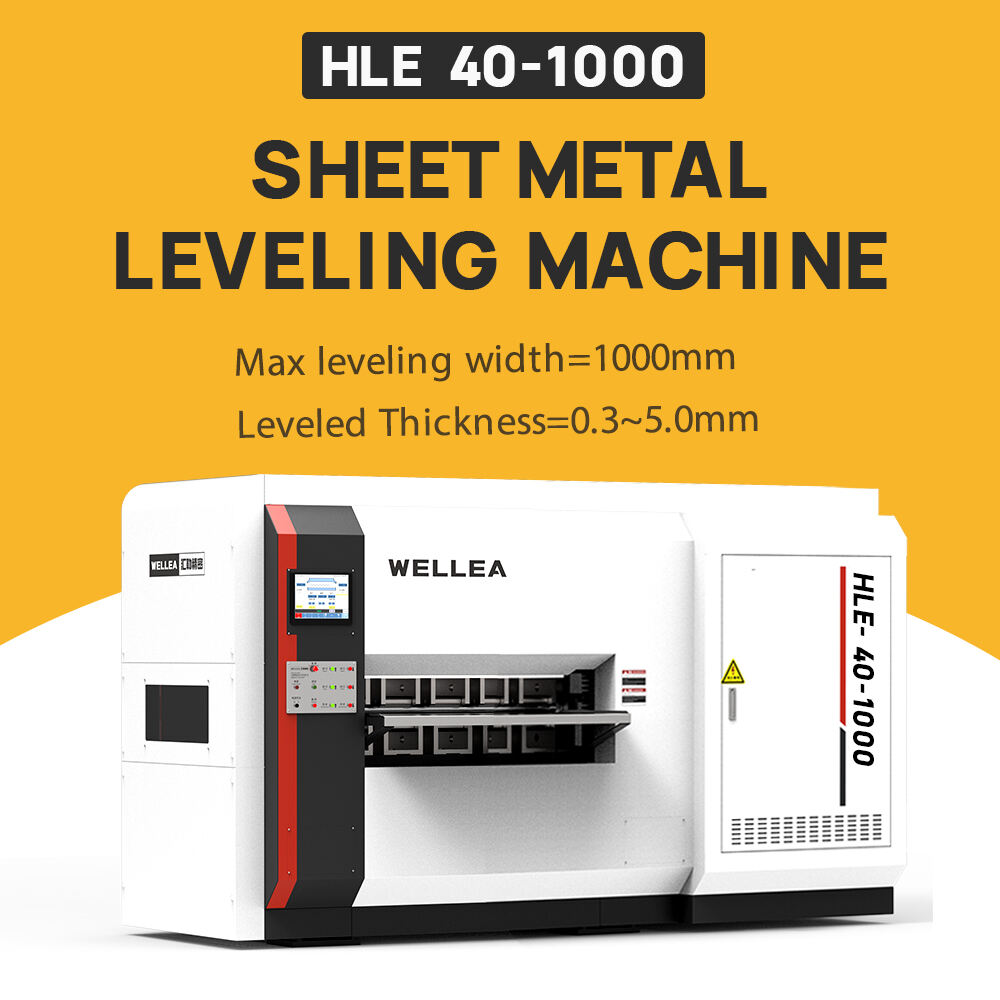
Professional Sheet Leveling Machine Solutions - Precision Metal Flattening Equipment

Get a Free Quote

Our representative will contact you soon.
Email
Name
Company Name
Message
0/1000

sheet leveling machine

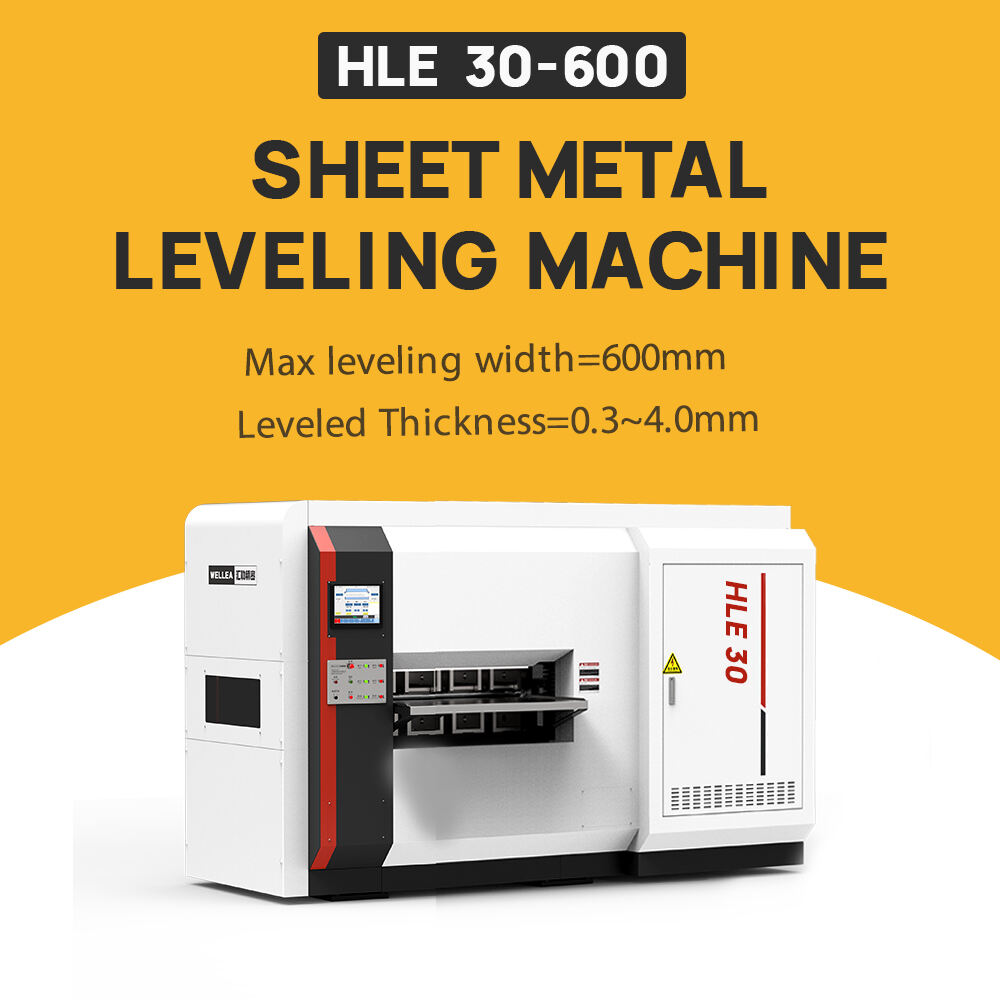
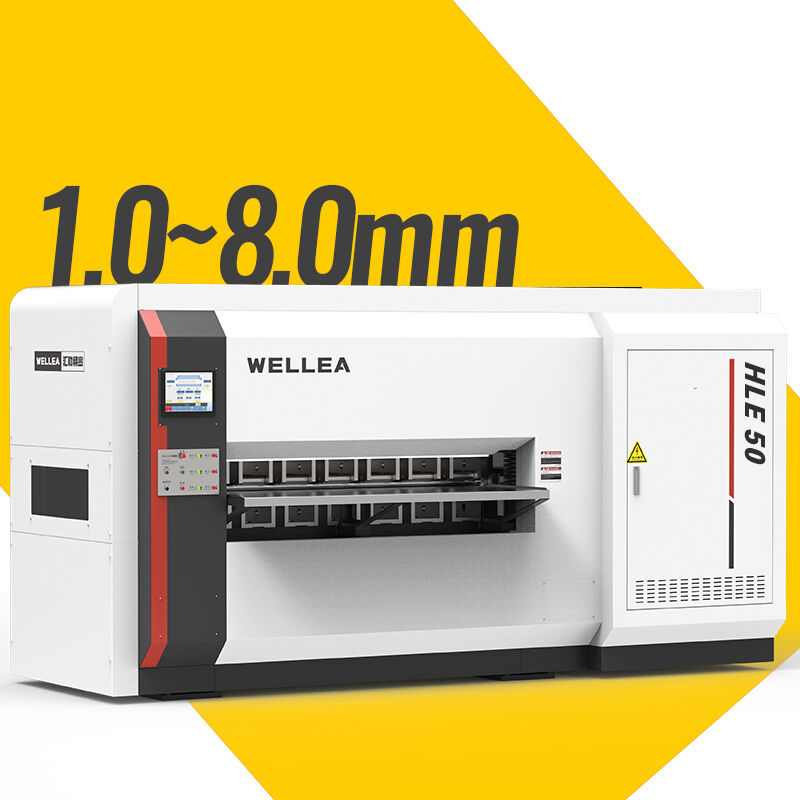
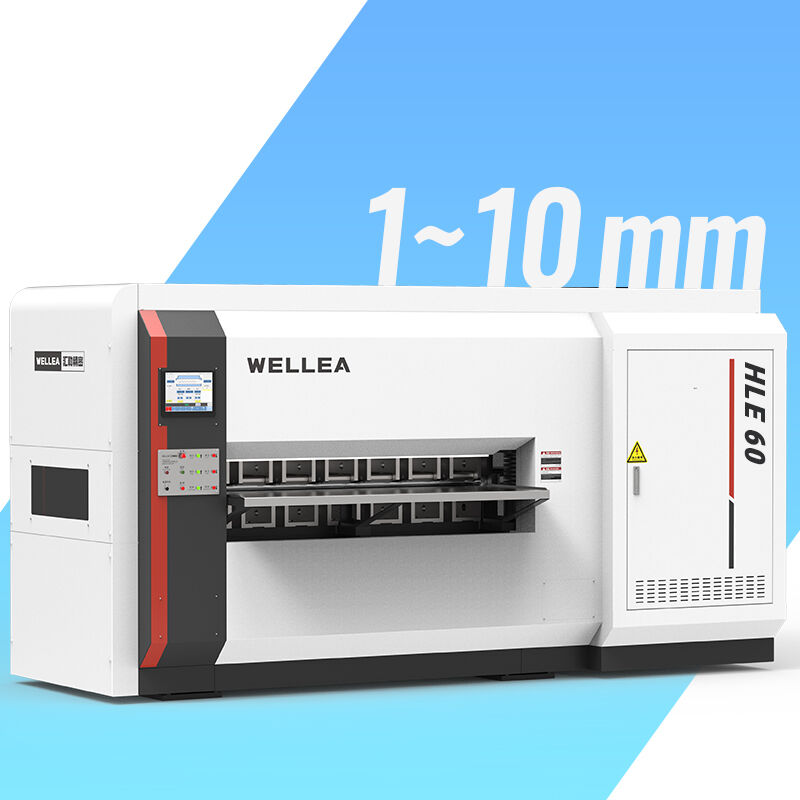
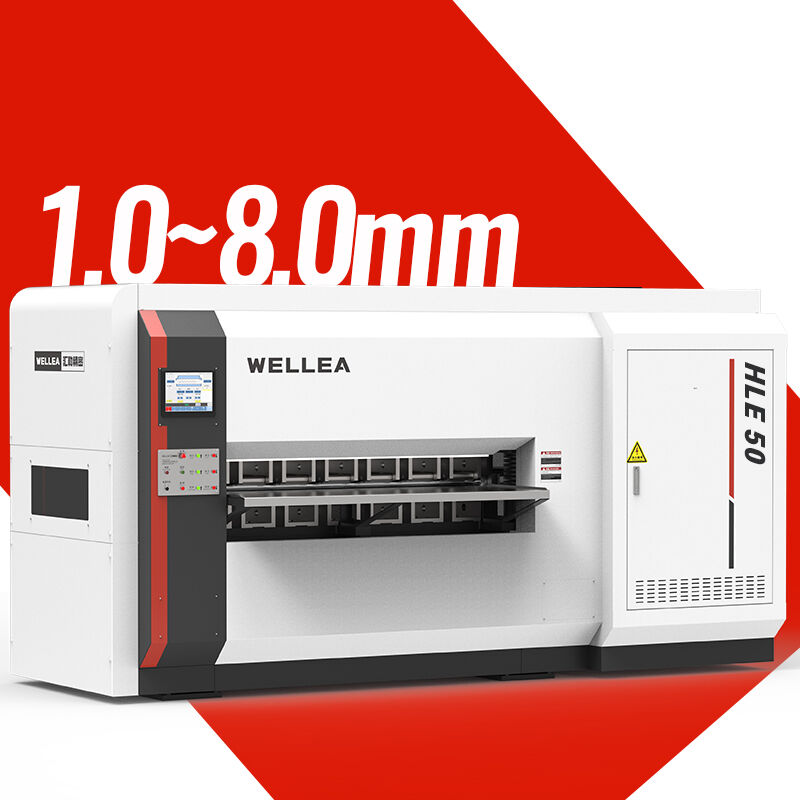
A sheet leveling machine represents a sophisticated industrial solution designed to eliminate warpage, distortion, and surface irregularities from metal sheets and plates. This precision equipment operates through controlled mechanical pressure and roller systems that systematically flatten materials to achieve optimal surface quality and dimensional accuracy. The core functionality centers on passing metal sheets through a series of strategically positioned rollers that apply calculated pressure points to remove internal stresses and correct surface imperfections. Modern sheet leveling machines incorporate advanced hydraulic systems, computerized controls, and precision measurement technologies to ensure consistent results across various material types and thicknesses. The technological framework includes programmable logic controllers that monitor pressure distribution, feed rates, and material positioning throughout the leveling process. These machines accommodate diverse materials including steel, aluminum, stainless steel, copper, and specialty alloys, with thickness capabilities ranging from thin gauge sheets to heavy plates several inches thick. The leveling process involves multiple work rolls and backup rolls configured to create controlled bending forces that neutralize residual stresses within the material structure. Advanced models feature automatic thickness adjustment systems, real-time monitoring capabilities, and integrated quality control sensors that continuously assess surface flatness and dimensional compliance. The operational principle relies on precise roller positioning and pressure application to achieve uniform material properties while maintaining original thickness specifications. Contemporary sheet leveling machines integrate digital interfaces that allow operators to program specific parameters for different materials and applications, ensuring optimal results while minimizing material waste. These systems play crucial roles in manufacturing environments where surface quality and dimensional accuracy directly impact product performance and assembly processes.

New Products

Sheet leveling machines deliver exceptional value through enhanced product quality that directly translates into improved manufacturing outcomes and customer satisfaction. These systems eliminate surface defects and dimensional inconsistencies that commonly plague metal fabrication processes, resulting in superior finished products that meet stringent industry standards. The precision leveling capability ensures uniform material properties across entire sheet surfaces, which proves essential for applications requiring consistent forming characteristics and structural integrity. Operators benefit from significant time savings as automated leveling processes eliminate manual correction methods that traditionally consumed substantial labor hours and introduced human error variables. The technology reduces material waste by correcting imperfections rather than requiring material replacement, creating measurable cost savings that improve overall project profitability. Production efficiency increases dramatically when materials arrive at subsequent manufacturing stages with consistent flatness and dimensional accuracy, reducing setup times and minimizing processing delays. Quality control becomes more predictable and reliable when sheet leveling machines establish consistent baseline material conditions that support repeatable manufacturing processes. The versatility of modern leveling systems allows facilities to process diverse material types and thicknesses using single equipment investments, maximizing capital utilization while reducing facility space requirements. Energy efficiency features built into contemporary machines minimize operational costs while maintaining high throughput capabilities that support demanding production schedules. Maintenance requirements remain minimal due to robust construction and precision engineering that extends equipment lifespan while reducing downtime incidents. The automated operation reduces dependency on highly skilled manual labor while improving workplace safety by eliminating hazardous manual handling of heavy materials. Integration capabilities allow seamless connection with existing production lines and enterprise management systems, facilitating data collection and process optimization initiatives. Investment returns accelerate through improved material utilization rates, reduced rework requirements, and enhanced customer satisfaction metrics that support premium pricing strategies. These practical benefits combine to create compelling business cases that justify equipment investments while supporting long-term competitive advantages in demanding manufacturing markets.

Practical Tips

How Does a Fastener Insertion Machine Improve Productivity in Metal Fabrication?

11

Dec

How Does a Fastener Insertion Machine Improve Productivity in Metal Fabrication?

In today's competitive metal fabrication industry, manufacturers are constantly seeking innovative solutions to enhance production efficiency while maintaining quality standards. A fastener insertion machine represents a revolutionary advancement tha...
View More
What to consider when sourcing nonrotating shaft radial riveter systems?

26

Feb

What to consider when sourcing nonrotating shaft radial riveter systems?

Manufacturing precision and assembly efficiency depend heavily on selecting the right fastening equipment for your production line. When evaluating nonrotating shaft radial riveter systems, understanding the critical factors that influence performanc...
View More
Why choose lowspeed radial riveting for precision industrial assembly?

26

Feb

Why choose lowspeed radial riveting for precision industrial assembly?

Manufacturing precision and assembly quality have become critical differentiators in today's competitive industrial landscape. When it comes to joining metal components, lowspeed radial riveting stands out as a superior methodology that delivers cons...
View More
How to implement lowspeed radial riveting in automated production lines?

26

Feb

How to implement lowspeed radial riveting in automated production lines?

Manufacturing excellence in modern production environments demands precision joining techniques that deliver consistent results while maintaining operational efficiency. Lowspeed radial riveting has emerged as a cornerstone technology for automated a...
View More

Get a Free Quote

Our representative will contact you soon.
Email
Name
Company Name
Message
0/1000

sheet leveling machine

Advanced Precision Control Technology

Advanced Precision Control Technology

The sophisticated precision control technology integrated into modern sheet leveling machines represents a revolutionary advancement in material processing capabilities that fundamentally transforms manufacturing quality standards. This cutting-edge system employs high-resolution sensors, computerized monitoring, and real-time feedback mechanisms that continuously assess material conditions throughout the leveling process. The technology utilizes multiple measurement points across sheet surfaces to detect minute variations in thickness, flatness, and surface characteristics, enabling immediate adjustments to processing parameters. Advanced algorithms process sensor data in real-time, calculating optimal roller positions, pressure distributions, and feed rates that ensure consistent results regardless of material variations or environmental conditions. The precision control system maintains tolerances within thousandths of an inch, delivering surface flatness specifications that exceed industry standards while preserving original material properties. Programmable logic controllers store processing profiles for different materials and applications, enabling rapid setup changes that minimize production transitions and maximize equipment utilization. The integration of servo-controlled hydraulic systems provides instantaneous response to control commands, ensuring precise pressure application that eliminates over-processing risks while maintaining optimal material handling. Operators benefit from intuitive touchscreen interfaces that display real-time processing data, historical performance metrics, and predictive maintenance indicators that support informed decision-making. The technology includes automatic thickness compensation features that adjust processing parameters for materials with varying gauge specifications, ensuring consistent quality across production runs. Quality documentation capabilities automatically record processing parameters and compliance data that support traceability requirements and continuous improvement initiatives. This precision control technology eliminates guesswork from the leveling process, providing manufacturers with predictable, repeatable results that support premium quality standards and customer satisfaction objectives.
Exceptional Material Versatility and Capacity

Exceptional Material Versatility and Capacity

The exceptional material versatility and processing capacity of contemporary sheet leveling machines establishes these systems as indispensable assets for diverse manufacturing operations requiring flexible production capabilities. These robust machines accommodate an extensive range of materials including carbon steel, stainless steel, aluminum alloys, copper, brass, titanium, and specialized aerospace materials, each requiring unique processing approaches and parameter optimization. The versatility extends across thickness ranges from ultra-thin foils measuring just fractions of millimeters to heavy plates exceeding several inches in thickness, providing comprehensive solutions for varied production requirements. Width capabilities span from narrow strips suitable for specialized applications to wide sheets exceeding ten feet, ensuring compatibility with diverse product specifications and manufacturing processes. The adjustable roller configurations enable processing of materials with different mechanical properties, yield strengths, and hardness characteristics while maintaining consistent quality standards throughout production runs. Advanced clamping and feeding systems accommodate materials with irregular edges, varying thicknesses, and challenging surface conditions that traditionally required specialized handling equipment. The processing capacity delivers impressive throughput rates that support high-volume production schedules while maintaining precision quality standards essential for demanding applications. Multiple processing modes allow operators to optimize machine settings for specific material types and quality requirements, ranging from light conditioning to aggressive correction of severely distorted materials. The system handles materials with various surface finishes including painted, galvanized, and polished surfaces without compromising coating integrity or surface appearance. Temperature compensation features enable processing of materials across different thermal conditions, maintaining consistent results regardless of environmental variables. This comprehensive versatility eliminates the need for multiple specialized machines, reducing capital investments while maximizing facility space utilization and operational flexibility that supports diverse customer requirements and market opportunities.

Superior Economic Value and Return on Investment

Superior Economic Value and Return on Investment

The superior economic value proposition of sheet leveling machines creates compelling business cases that demonstrate measurable returns on investment through multiple performance improvements and cost reduction opportunities. These systems generate substantial savings by eliminating material waste traditionally associated with defective or unusable sheets that required replacement or extensive rework processes. The precision leveling capability reduces downstream processing time by delivering materials with consistent properties that require minimal preparation before subsequent manufacturing operations. Quality improvements translate directly into reduced customer complaints, warranty claims, and product returns that historically consumed significant resources and damaged brand reputation. The automated processing capability reduces labor requirements while improving workplace safety by eliminating manual handling of heavy materials and reducing repetitive strain injuries. Energy efficiency features minimize operational costs through optimized power consumption and reduced processing cycle times that maximize throughput while controlling utility expenses. Maintenance costs remain low due to robust construction and precision engineering that extends component lifecycles while reducing unplanned downtime incidents. The versatility of processing capabilities eliminates needs for multiple specialized machines, reducing capital investments, facility space requirements, and maintenance overhead costs. Production scheduling becomes more predictable when materials arrive at manufacturing stages with consistent quality characteristics that support reliable processing parameters and delivery commitments. Premium pricing opportunities emerge when consistently superior material quality enables manufacturers to target high-value markets and applications that demand exceptional performance standards. The competitive advantages gained through superior material quality support market share growth and customer retention strategies that generate long-term revenue benefits. Integration capabilities reduce implementation costs while supporting data-driven optimization initiatives that continuously improve operational efficiency and quality metrics. These economic benefits compound over time, creating sustained competitive advantages that justify equipment investments while supporting business growth objectives and profitability targets in competitive manufacturing markets.

Get a Free Quote

Our representative will contact you soon.
Email
Name
Company Name
Message
0/1000