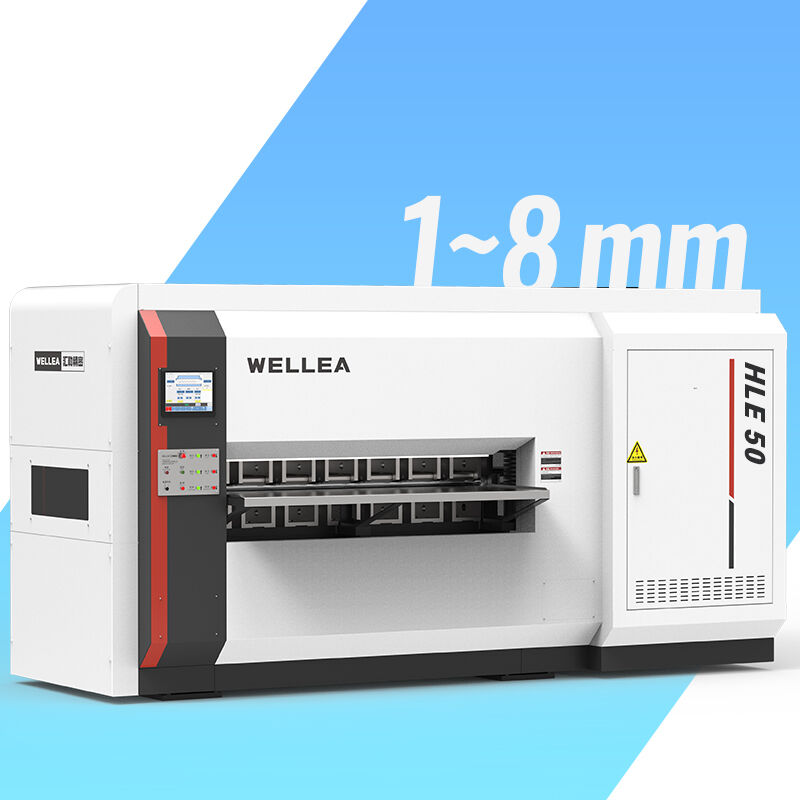
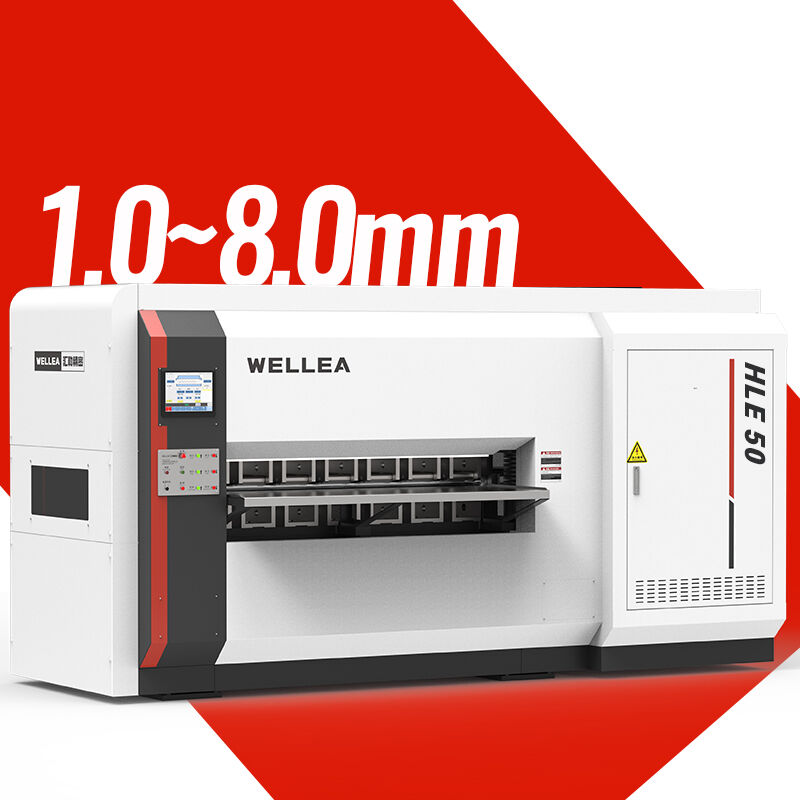
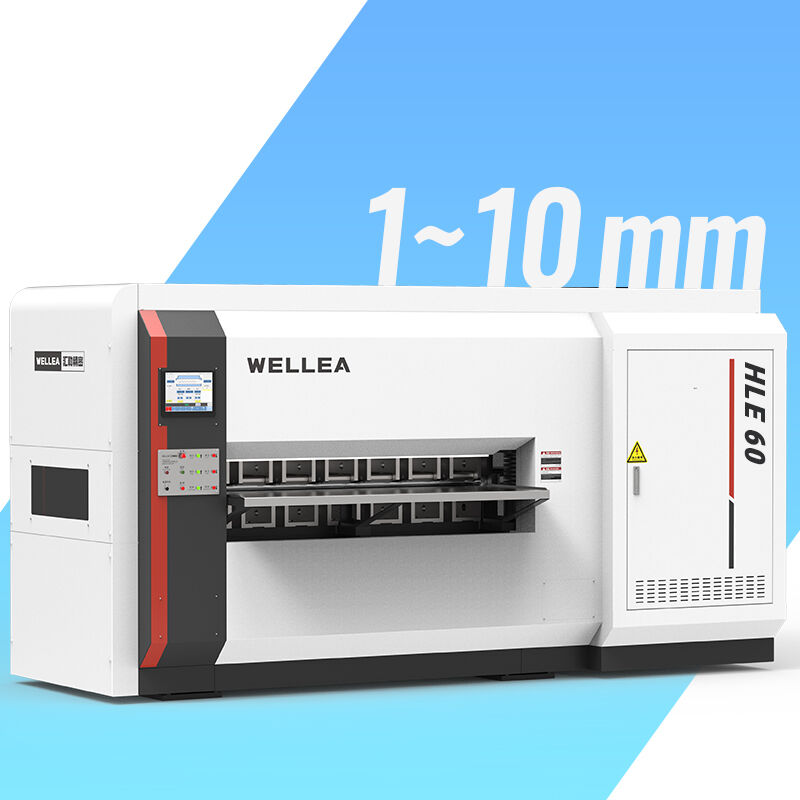
Professional Plate Straightening Machine - Advanced Metal Correction Technology

Get a Free Quote

Our representative will contact you soon.
Email
Name
Company Name
Message
0/1000

plate straightening machine

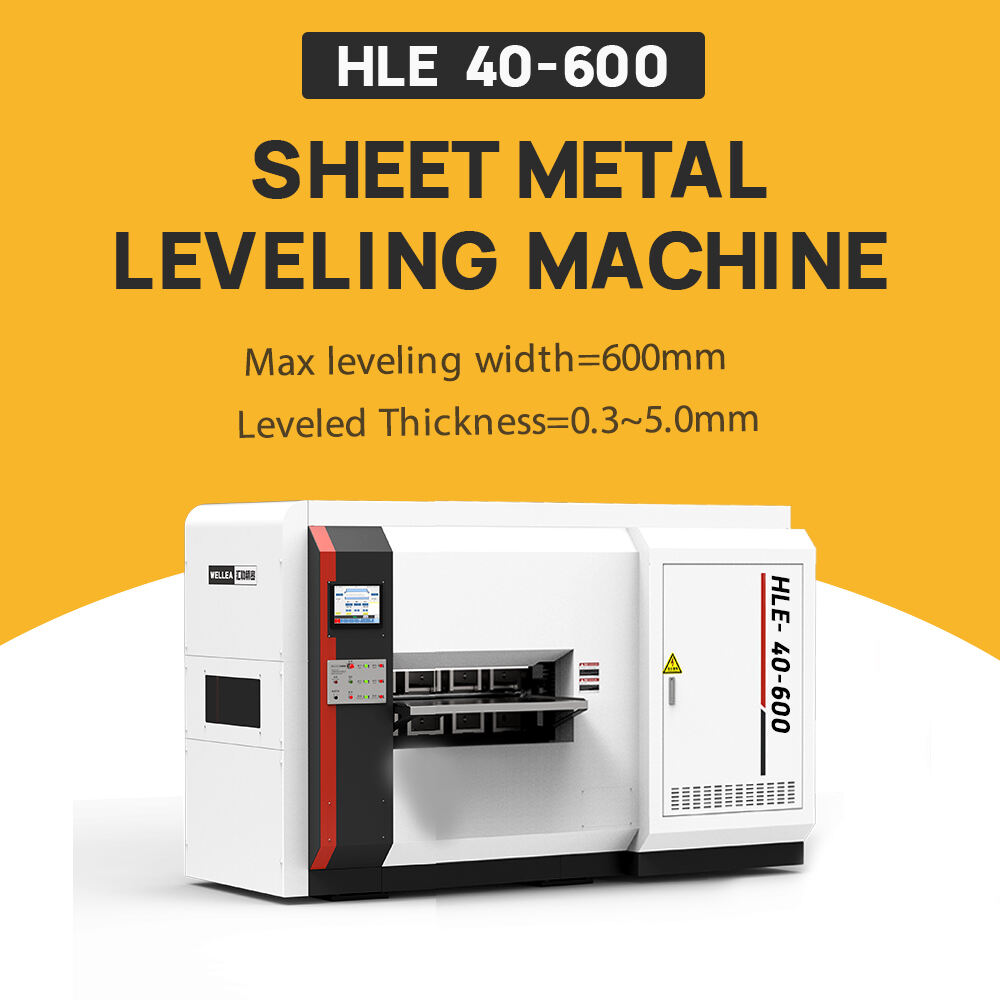
A plate straightening machine represents a crucial piece of industrial equipment designed to correct deformations, warpage, and dimensional irregularities in metal plates and sheets. This sophisticated machinery utilizes precise mechanical force application to restore flatness and dimensional accuracy to various metallic materials that have become distorted during manufacturing processes, transportation, or storage. The plate straightening machine operates through a systematic approach that combines hydraulic pressure, roller mechanisms, and computer-controlled positioning systems to achieve optimal results. Modern plate straightening machines incorporate advanced servo motor technology and programmable logic controllers that enable operators to customize straightening parameters based on material specifications, thickness requirements, and desired tolerance levels. These machines typically feature multiple straightening stations equipped with precision rollers that apply controlled pressure across the entire surface area of the workpiece. The technological framework includes real-time monitoring systems that continuously assess material response and automatically adjust force distribution to prevent over-correction or material damage. Industrial plate straightening machines accommodate various material types including carbon steel, stainless steel, aluminum alloys, and specialty metals with thickness ranges spanning from thin gauge sheets to heavy structural plates. The equipment design incorporates safety features such as emergency stop systems, protective barriers, and operator interface panels that ensure safe operation while maintaining productivity standards. Advanced models feature digital displays that provide real-time feedback on straightening progress, applied forces, and material positioning. The plate straightening machine integrates seamlessly into production workflows, supporting both standalone operations and inline processing applications. Quality control mechanisms built into these systems enable consistent results through automated measurement and correction capabilities that eliminate human error factors while reducing processing time and material waste.

Popular Products

The plate straightening machine delivers exceptional value through its ability to restore damaged or warped materials to precise specifications, effectively reducing material waste and associated costs. Manufacturing facilities benefit significantly from implementing this technology as it eliminates the need to discard bent or distorted plates that would otherwise become unusable inventory. The machine processes materials efficiently, completing straightening operations in minutes rather than hours required for manual correction methods. Operators appreciate the user-friendly control systems that require minimal training while delivering professional-grade results consistently. The automated nature of modern plate straightening machines reduces labor requirements and allows skilled workers to focus on higher-value tasks within the production environment. Energy efficiency represents another major advantage, as these machines consume considerably less power compared to alternative correction methods such as flame straightening or mechanical hammering. The precision achieved through hydraulic control systems ensures that materials meet strict dimensional tolerances required for critical applications in aerospace, automotive, and construction industries. Maintenance requirements remain minimal due to robust construction and high-quality components that withstand continuous operation in demanding industrial environments. The plate straightening machine supports various material grades and thicknesses, providing operational flexibility that adapts to changing production requirements without additional equipment investments. Cost savings accumulate rapidly through improved material utilization rates and reduced rejection percentages that directly impact bottom-line profitability. Quality improvements achieved through consistent straightening processes enhance product reliability and customer satisfaction levels. The machine operates quietly compared to traditional correction methods, contributing to improved workplace environments and compliance with noise regulations. Return on investment typically occurs within the first year of operation through material savings, reduced labor costs, and increased production efficiency. Integration capabilities allow seamless incorporation into existing production lines without disrupting established workflows. The technology supports lean manufacturing principles by eliminating waste and optimizing resource utilization throughout the straightening process.

Latest News

Why Is a Fastener Insertion Machine Essential for Consistent Hardware Placement?

18

Dec

Why Is a Fastener Insertion Machine Essential for Consistent Hardware Placement?

Manufacturing precision has become the cornerstone of modern industrial production, where even the smallest components must be installed with exact accuracy and consistent quality. In today's competitive manufacturing landscape, companies are increas...
View More
How can radial riveting machines reduce failure rates in mass production?

28

Jan

How can radial riveting machines reduce failure rates in mass production?

Manufacturing industries constantly seek solutions to minimize production failures and enhance product reliability. Radial riveting machines have emerged as a critical technology for achieving superior joint quality in mass production environments. T...
View More
How to select a nonrotating shaft radial riveter for precision components?

28

Jan

How to select a nonrotating shaft radial riveter for precision components?

Precision manufacturing demands exceptional reliability and accuracy in every assembly process. When working with delicate electronic components, aerospace assemblies, or medical devices, selecting the right nonrotating shaft radial riveter becomes c...
View More
How do radial riveting machines integrate with modern production systems?

26

Feb

How do radial riveting machines integrate with modern production systems?

Modern manufacturing environments demand precision, efficiency, and seamless integration across all production processes. Radial riveting machines have emerged as essential equipment for achieving reliable fastening solutions in industries ranging fr...
View More

Get a Free Quote

Our representative will contact you soon.
Email
Name
Company Name
Message
0/1000

plate straightening machine

Advanced Hydraulic Control System for Superior Precision

Advanced Hydraulic Control System for Superior Precision

The hydraulic control system represents the cornerstone technology that distinguishes superior plate straightening machines from conventional alternatives. This sophisticated mechanism employs precision-engineered hydraulic cylinders that deliver controlled force application across multiple contact points simultaneously. The system utilizes high-pressure hydraulic fluid circulation through precisely calibrated valves that respond instantaneously to operator commands or automated programming sequences. Advanced pressure sensors continuously monitor force distribution and provide real-time feedback to the control unit, ensuring consistent results regardless of material variations or operator experience levels. The hydraulic system design incorporates proportional control valves that enable smooth force transitions and eliminate sudden pressure spikes that could damage sensitive materials. Multiple independent hydraulic circuits allow simultaneous operation of different straightening stations, significantly reducing processing time while maintaining accuracy standards. The plate straightening machine benefits from this technology through enhanced versatility, as operators can customize pressure profiles for different material types and thicknesses. Temperature compensation features built into the hydraulic system maintain consistent performance across varying environmental conditions, ensuring reliable operation in both heated and ambient temperature facilities. The hydraulic reservoir includes filtration systems that maintain fluid cleanliness and extend component service life, reducing maintenance requirements and operational costs. Pressure relief mechanisms protect both the machine and workpiece from excessive force application, preventing costly damage and ensuring operator safety. The system design facilitates easy adjustment of straightening parameters through intuitive control interfaces that display hydraulic pressure levels, cylinder positions, and force distribution patterns. Emergency shutdown capabilities provide instant pressure release and cylinder retraction when safety concerns arise. The hydraulic control system enables the plate straightening machine to achieve tolerance levels that exceed industry standards while maintaining production speeds that support high-volume manufacturing requirements.
Multi-Station Processing Capability for Enhanced Productivity

Multi-Station Processing Capability for Enhanced Productivity

Multi-station processing capability transforms the plate straightening machine into a highly efficient production tool that maximizes throughput while maintaining exceptional quality standards. This innovative design feature incorporates multiple independent straightening stations that operate simultaneously, allowing continuous material flow and eliminating bottlenecks commonly associated with single-station equipment. Each processing station contains dedicated roller assemblies, hydraulic actuators, and measurement systems that function independently while remaining synchronized through centralized control architecture. The multi-station configuration enables the plate straightening machine to handle various plate sizes and thicknesses concurrently, optimizing equipment utilization and reducing per-unit processing costs. Advanced material handling systems integrated into the multi-station design include automated feeding mechanisms, positioning systems, and discharge conveyors that minimize manual intervention requirements. Progressive straightening techniques employed across multiple stations ensure gradual correction that prevents material stress concentration and maintains structural integrity throughout the process. The system design accommodates different straightening strategies for each station, allowing customized treatment based on specific material conditions and correction requirements. Quality monitoring equipment installed at each station provides continuous assessment of straightening progress and enables real-time adjustments to maintain optimal results. The multi-station approach reduces overall processing time by eliminating setup changes and material repositioning delays typical of single-station operations. Flexibility built into the multi-station design allows operators to configure processing sequences based on production priorities and material specifications. The plate straightening machine equipped with multi-station capability supports lean manufacturing initiatives by reducing work-in-process inventory and enabling just-in-time production strategies. Maintenance scheduling becomes more efficient as individual stations can undergo service while others continue operating, minimizing production disruptions. The technology supports batch processing of similar materials while maintaining the flexibility to handle custom orders without extensive setup modifications. Integration with enterprise resource planning systems enables automated scheduling and tracking of materials through multiple processing stations.
Intelligent Material Recognition and Adaptive Processing

Intelligent Material Recognition and Adaptive Processing

Intelligent material recognition technology revolutionizes plate straightening machine operation by automatically identifying material properties and adjusting processing parameters accordingly. This advanced feature utilizes sophisticated sensor arrays that analyze material composition, thickness variations, hardness levels, and surface conditions before initiating straightening procedures. The system employs non-destructive testing methods including ultrasonic thickness measurement, eddy current analysis, and optical surface scanning to create comprehensive material profiles. Artificial intelligence algorithms process sensor data and compare results against extensive material databases to determine optimal straightening strategies for each specific workpiece. The plate straightening machine equipped with intelligent recognition capability eliminates guesswork and reduces setup time while ensuring consistent results across diverse material types. Adaptive processing algorithms continuously monitor material response during straightening operations and make real-time adjustments to force application, roller positioning, and processing speed. Machine learning capabilities enable the system to improve performance over time by analyzing historical processing data and identifying optimization opportunities. The technology recognizes material grain direction, stress patterns, and deformation characteristics that influence straightening effectiveness and automatically compensates for these variables. Quality prediction models integrated into the intelligent system forecast final results and recommend process modifications before completion, preventing rework and material waste. The adaptive processing feature accommodates material variations within individual plates, applying localized corrections that address specific problem areas while maintaining overall dimensional accuracy. Temperature sensing capabilities enable the system to account for thermal expansion effects and adjust processing parameters accordingly. The intelligent plate straightening machine maintains detailed processing records that support quality traceability requirements and facilitate continuous improvement initiatives. User interface displays provide operators with real-time information about material analysis results and processing recommendations, enhancing decision-making capabilities. The system supports custom material profiles that operators can create for specialized applications or proprietary alloys not included in standard databases. Integration with quality management systems enables automated documentation and reporting that supports certification requirements and customer specifications.

Get a Free Quote

Our representative will contact you soon.
Email
Name
Company Name
Message
0/1000