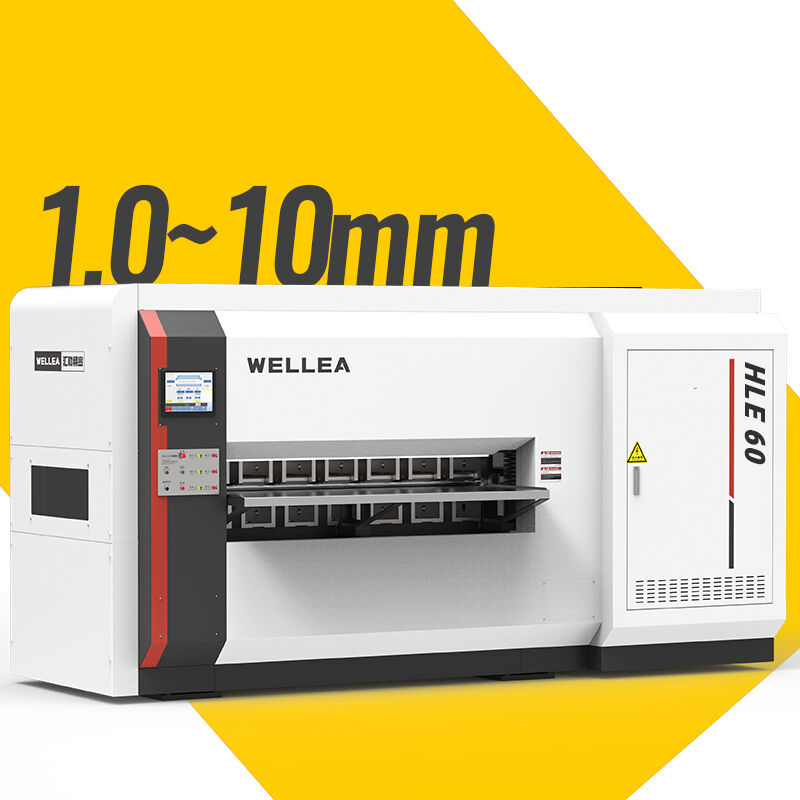
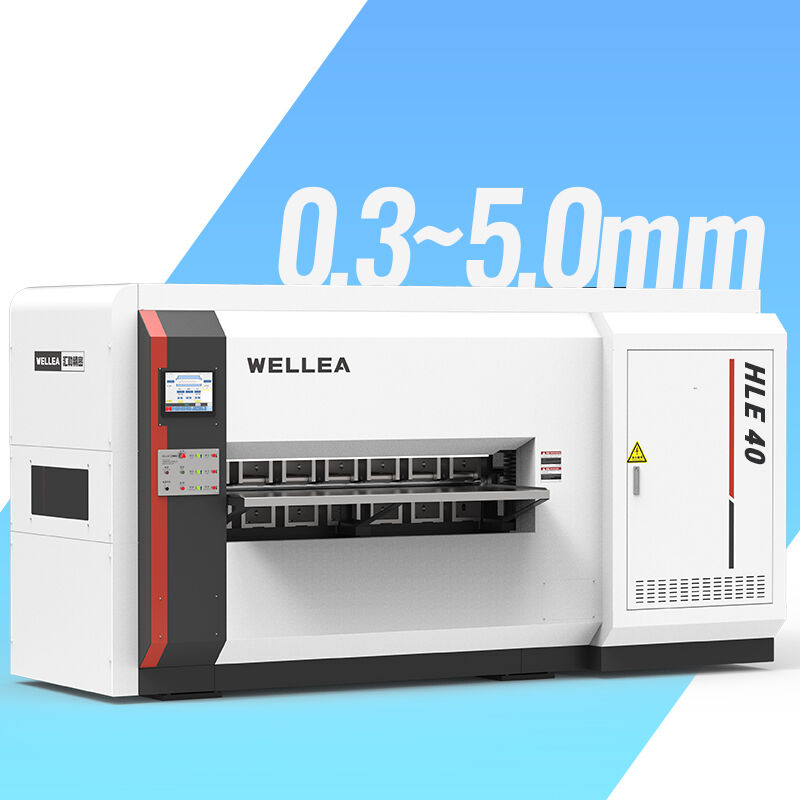
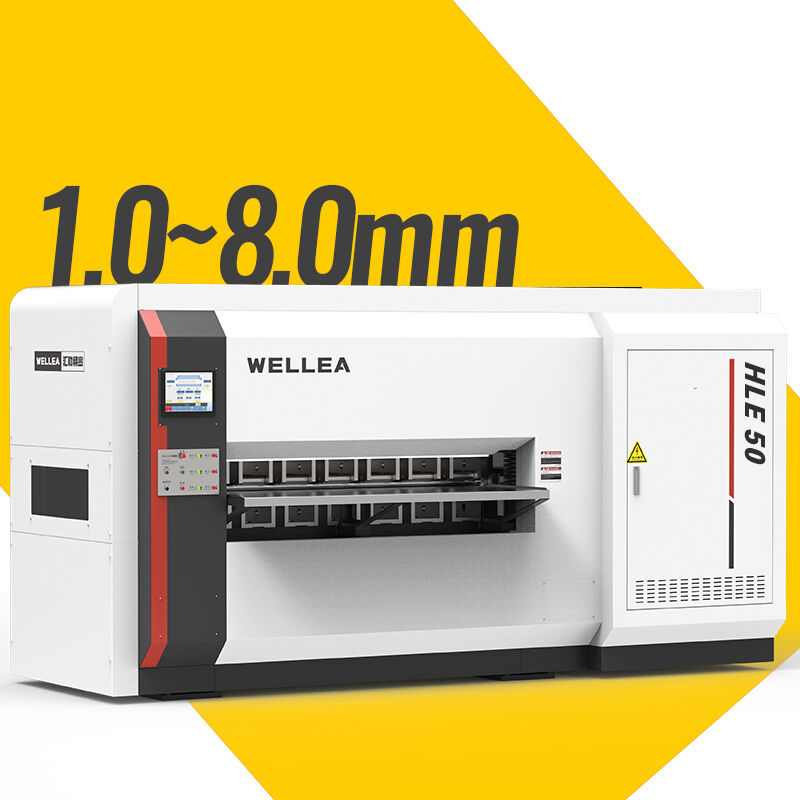
Professional Sheet Metal Leveling Machine - Precision Flattening Equipment for Industrial Manufacturing

Get a Free Quote

Our representative will contact you soon.
Email
Name
Company Name
Message
0/1000

sheet metal leveling machine

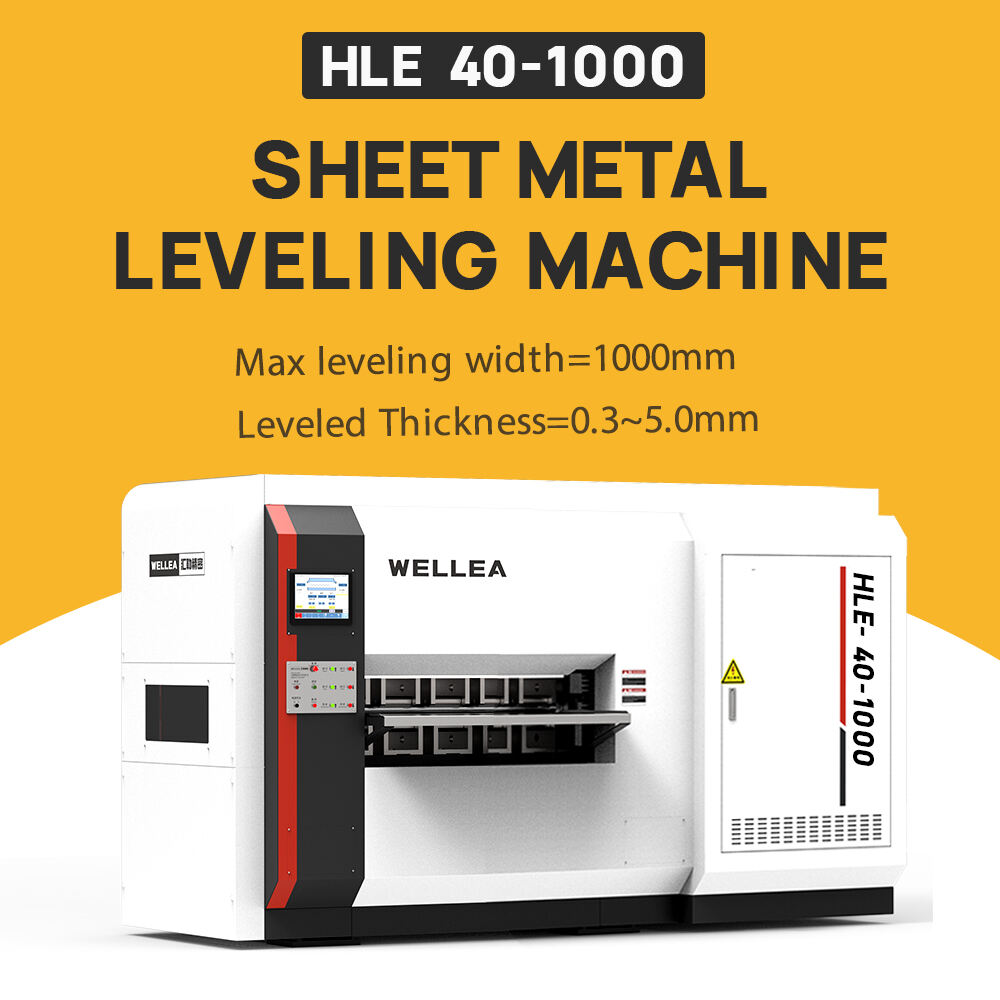
A sheet metal leveling machine represents essential industrial equipment designed to flatten and straighten metal sheets with exceptional precision. This sophisticated machinery eliminates warpage, buckles, and surface irregularities from various metal materials, transforming uneven sheets into perfectly flat products ready for manufacturing processes. The primary function involves passing metal sheets through a series of strategically positioned rollers that apply controlled pressure to achieve uniform flatness across the entire surface. Modern sheet metal leveling machines incorporate advanced hydraulic systems, computerized controls, and precision-engineered components that ensure consistent results while minimizing material waste. These machines accommodate diverse metal types including steel, aluminum, stainless steel, copper, and specialty alloys in varying thicknesses and dimensions. The technological features encompass programmable logic controllers that allow operators to adjust parameters such as roller pressure, feed speed, and processing cycles according to specific material requirements. Advanced sensor systems monitor sheet thickness variations and automatically compensate for irregularities during processing. The leveling mechanism utilizes multiple work rolls supported by backup rollers, creating a controlled bending and straightening action that eliminates internal stresses without damaging the material surface. Applications span numerous industries including automotive manufacturing, construction, aerospace, appliance production, and architectural metalwork. Manufacturing facilities utilize sheet metal leveling machines to prepare raw materials for stamping, cutting, welding, and forming operations. The equipment proves invaluable for processing coiled materials that develop curvature during storage or transportation. Quality control departments rely on these machines to ensure dimensional accuracy and surface flatness specifications. The versatility extends to both high-volume production environments and custom fabrication shops requiring precise material preparation for specialized applications.

Popular Products

Sheet metal leveling machines deliver substantial cost savings by reducing material waste and eliminating the need for manual straightening processes. Companies experience immediate productivity improvements as automated leveling operations process materials faster than traditional methods while maintaining superior quality standards. The precision capabilities ensure consistent flatness across entire sheets, eliminating variations that could compromise downstream manufacturing processes. This reliability translates into reduced rejection rates and improved product quality throughout production cycles. Operators benefit from user-friendly controls that require minimal training, allowing facilities to implement the technology quickly without extensive workforce development. The robust construction ensures long-term durability, providing years of reliable service with minimal maintenance requirements. Energy efficiency represents another significant advantage, as modern sheet metal leveling machines consume less power compared to alternative flattening methods while delivering superior results. The automated operation reduces labor costs by eliminating manual handling and repositioning requirements, freeing workers for higher-value tasks. Flexibility stands out as operators can process various material types and thicknesses without major setup modifications, maximizing equipment utilization across diverse product lines. Quality consistency improves dramatically as the mechanical process eliminates human error variables that affect manual straightening attempts. Safety features protect operators while enclosed processing areas contain debris and reduce workplace hazards. The compact footprint optimizes floor space utilization, allowing facilities to maximize production capacity within existing layouts. Processing speed capabilities enable manufacturers to meet tight delivery schedules while maintaining quality standards. The investment pays dividends through improved material utilization rates, reduced scrap generation, and enhanced product consistency. These machines integrate seamlessly with existing production lines, supporting continuous workflow optimization. Temperature stability ensures consistent performance regardless of ambient conditions, maintaining productivity during seasonal variations. The precision adjustment capabilities accommodate specific customer requirements, supporting custom applications and specialized manufacturing needs.

Practical Tips

Why Are Electronics Plants Adopting Fastener Insertion Machines for Enclosures?

29

Dec

Why Are Electronics Plants Adopting Fastener Insertion Machines for Enclosures?

Improving the Structural Integrity of Electronic Enclosures In modern electronics plants, manufacturers continually pursue efficiency, precision, and long-term durability in every part of the assembly process. When it comes to electronic enclosures, ...
View More
What factors affect radial riveting machines performance and stability?

28

Jan

What factors affect radial riveting machines performance and stability?

Manufacturing precision and operational reliability in industrial assembly processes depend heavily on the performance characteristics of radial riveting machines. These sophisticated pieces of equipment have become indispensable in automotive, aeros...
View More
How can radial riveting machines reduce failure rates in mass production?

28

Jan

How can radial riveting machines reduce failure rates in mass production?

Manufacturing industries constantly seek solutions to minimize production failures and enhance product reliability. Radial riveting machines have emerged as a critical technology for achieving superior joint quality in mass production environments. T...
View More
What to consider when sourcing nonrotating shaft radial riveter systems?

26

Feb

What to consider when sourcing nonrotating shaft radial riveter systems?

Manufacturing precision and assembly efficiency depend heavily on selecting the right fastening equipment for your production line. When evaluating nonrotating shaft radial riveter systems, understanding the critical factors that influence performanc...
View More

Get a Free Quote

Our representative will contact you soon.
Email
Name
Company Name
Message
0/1000

sheet metal leveling machine

Advanced Precision Control Technology

Advanced Precision Control Technology

The sheet metal leveling machine incorporates cutting-edge precision control technology that revolutionizes metal processing accuracy and efficiency. This sophisticated system utilizes state-of-the-art sensors and computerized controls to monitor and adjust processing parameters in real-time, ensuring optimal results for every sheet processed. The technology features multiple feedback loops that continuously assess material thickness, surface conditions, and flatness measurements throughout the leveling cycle. Advanced algorithms calculate the precise roller pressures and positioning required for each specific material type and condition, eliminating guesswork and manual adjustments. The control system stores processing profiles for different materials, allowing operators to quickly select appropriate settings and maintain consistency across production runs. Digital displays provide real-time feedback on processing parameters, enabling operators to monitor performance and make informed decisions about quality optimization. The precision technology extends to automatic thickness compensation, where the system detects variations in material gauge and adjusts roller positions accordingly to maintain uniform pressure distribution. This capability proves essential when processing materials with thickness variations or when transitioning between different material specifications. The advanced control technology also incorporates predictive maintenance features that monitor component wear and performance degradation, alerting operators to potential issues before they affect product quality or cause equipment downtime. Quality data logging capabilities track processing parameters and results, providing valuable information for process optimization and quality auditing purposes. The user interface simplifies complex operations through intuitive touchscreen controls that guide operators through setup procedures and troubleshooting processes. Remote monitoring capabilities allow supervisors to oversee multiple sheet metal leveling machines from central control stations, optimizing resource allocation and responding quickly to operational needs.
Superior Material Processing Versatility

Superior Material Processing Versatility

The exceptional versatility of sheet metal leveling machines enables processing of an extensive range of materials and specifications, making these systems invaluable for diverse manufacturing applications. This adaptability stems from innovative design features that accommodate various metal types, thickness ranges, and surface conditions without compromising processing quality or efficiency. The roller configuration allows adjustment for materials ranging from thin gauge sheets to heavy plates, with automatic positioning systems that optimize contact pressure for each application. Material compatibility extends across ferrous and non-ferrous metals, including challenging materials like high-strength steel, aluminum alloys, and specialty metals used in aerospace and medical applications. The processing capability handles both coiled and flat sheet materials, addressing the complete spectrum of material forms encountered in modern manufacturing. Surface finish preservation represents a critical aspect of this versatility, as the sheet metal leveling machine maintains original surface quality while eliminating flatness defects. Advanced roller materials and surface treatments prevent marking or scratching of sensitive materials, including pre-painted sheets and polished surfaces. The width capacity accommodates narrow strips for specialized applications and wide sheets for large-scale manufacturing, providing flexibility for diverse product requirements. Processing speed optimization adjusts automatically based on material properties and required quality levels, ensuring efficient throughput regardless of application demands. The versatility extends to handling perforated sheets, expanded metals, and other specialty configurations that require careful processing to maintain structural integrity. Custom roller configurations can be implemented for unique applications, demonstrating the adaptability of sheet metal leveling machines to specific industry requirements. This comprehensive versatility eliminates the need for multiple specialized machines, reducing capital investment and simplifying production planning while maintaining the highest quality standards across all processed materials.
Enhanced Production Efficiency and ROI

Enhanced Production Efficiency and ROI

Sheet metal leveling machines deliver exceptional production efficiency improvements that translate directly into enhanced return on investment for manufacturing facilities. The automated processing capabilities significantly increase throughput compared to manual flattening methods, allowing companies to process larger volumes of material in shorter timeframes while maintaining superior quality standards. This efficiency gain stems from continuous operation capabilities that eliminate the stop-and-start cycles associated with manual processes, creating smooth workflow integration with upstream and downstream manufacturing operations. The consistent processing speed ensures predictable production schedules, enabling better planning and resource allocation across manufacturing facilities. Quality improvements contribute substantially to ROI through reduced rework requirements and lower rejection rates, as the precision leveling process eliminates defects that could compromise subsequent manufacturing steps. The elimination of manual handling reduces labor costs while improving workplace safety, creating additional value through reduced insurance premiums and worker compensation claims. Energy efficiency features minimize operational costs, as modern sheet metal leveling machines consume significantly less power than alternative flattening methods while delivering superior results. The durability and reliability of these systems ensure minimal downtime, maximizing productive capacity and reducing maintenance expenses over the equipment lifespan. Flexibility in processing different materials and specifications allows manufacturers to respond quickly to changing market demands without additional capital investment in specialized equipment. The compact design optimizes floor space utilization, enabling facilities to maximize production capacity within existing layouts and avoiding costly facility expansions. Integration capabilities with existing production lines eliminate bottlenecks and create seamless material flow, further enhancing overall manufacturing efficiency. The consistent quality output reduces customer complaints and returns, protecting brand reputation and maintaining customer relationships. Documentation and traceability features support quality certification requirements, opening access to premium markets and higher-value contracts that improve profit margins.

Get a Free Quote

Our representative will contact you soon.
Email
Name
Company Name
Message
0/1000