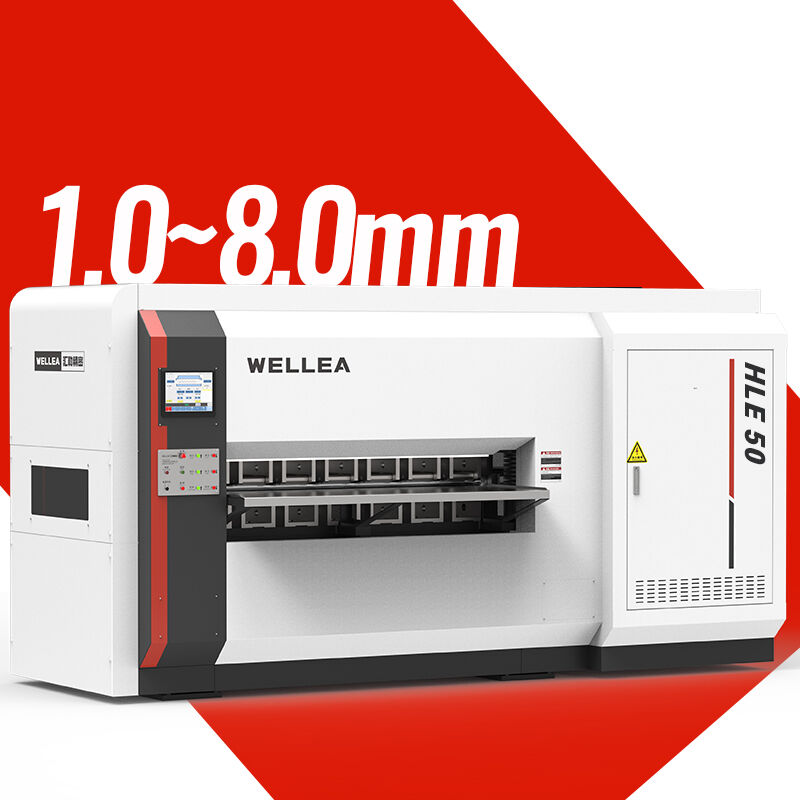
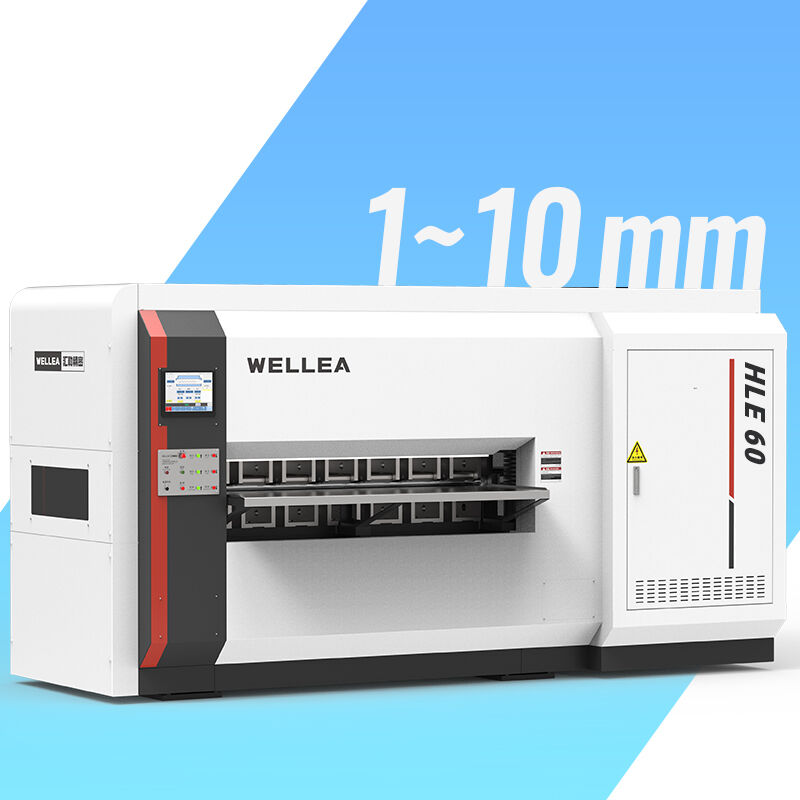
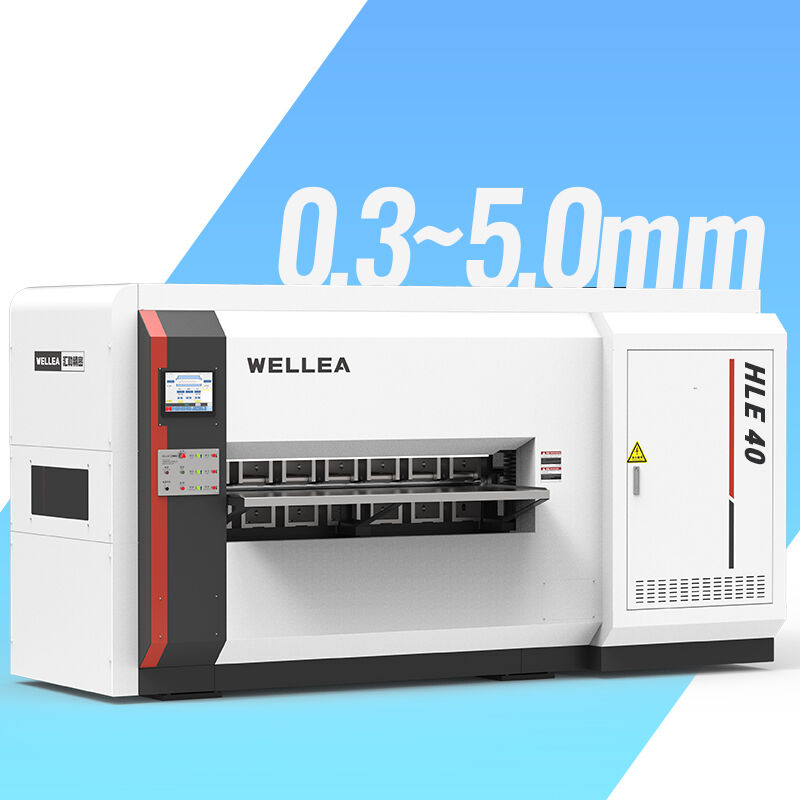
Servo Leveling Machine: Advanced Metal Sheet Flattening Technology for Precision Manufacturing

Get a Free Quote

Our representative will contact you soon.
Email
Name
Company Name
Message
0/1000

servo leveling machine

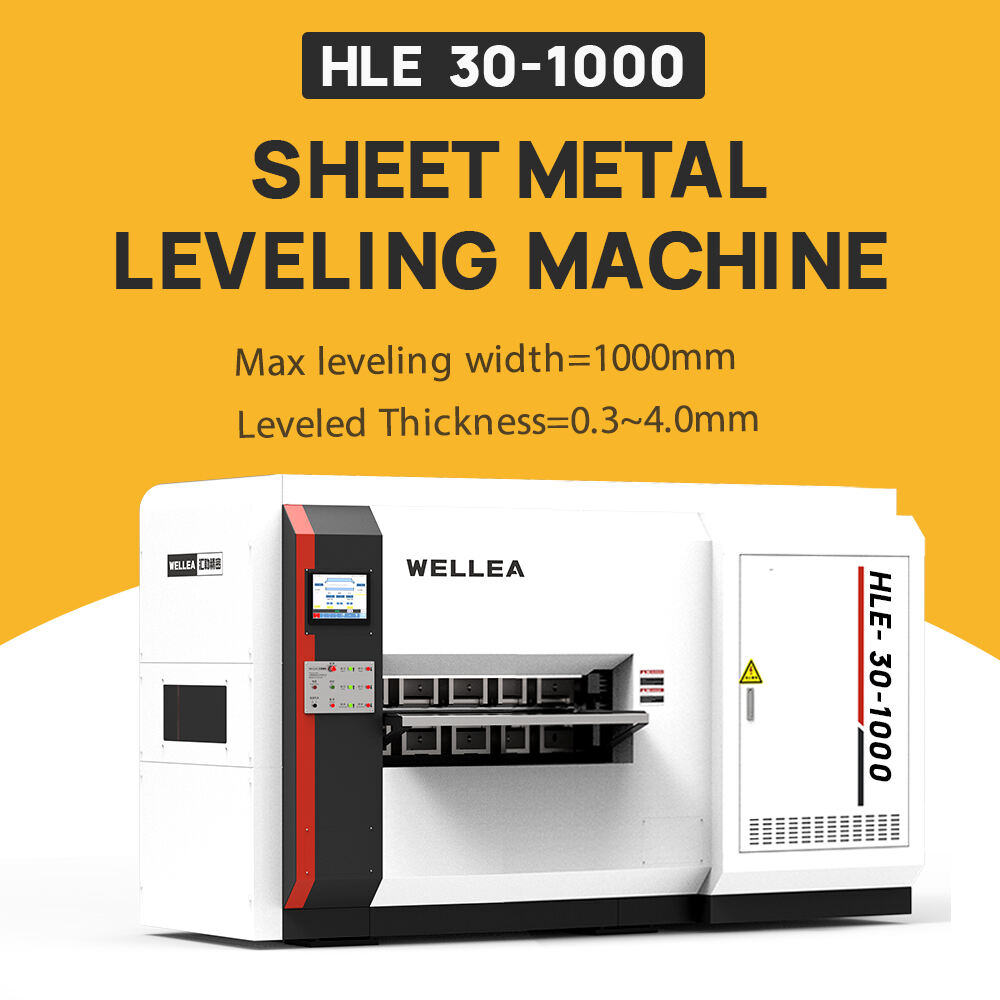
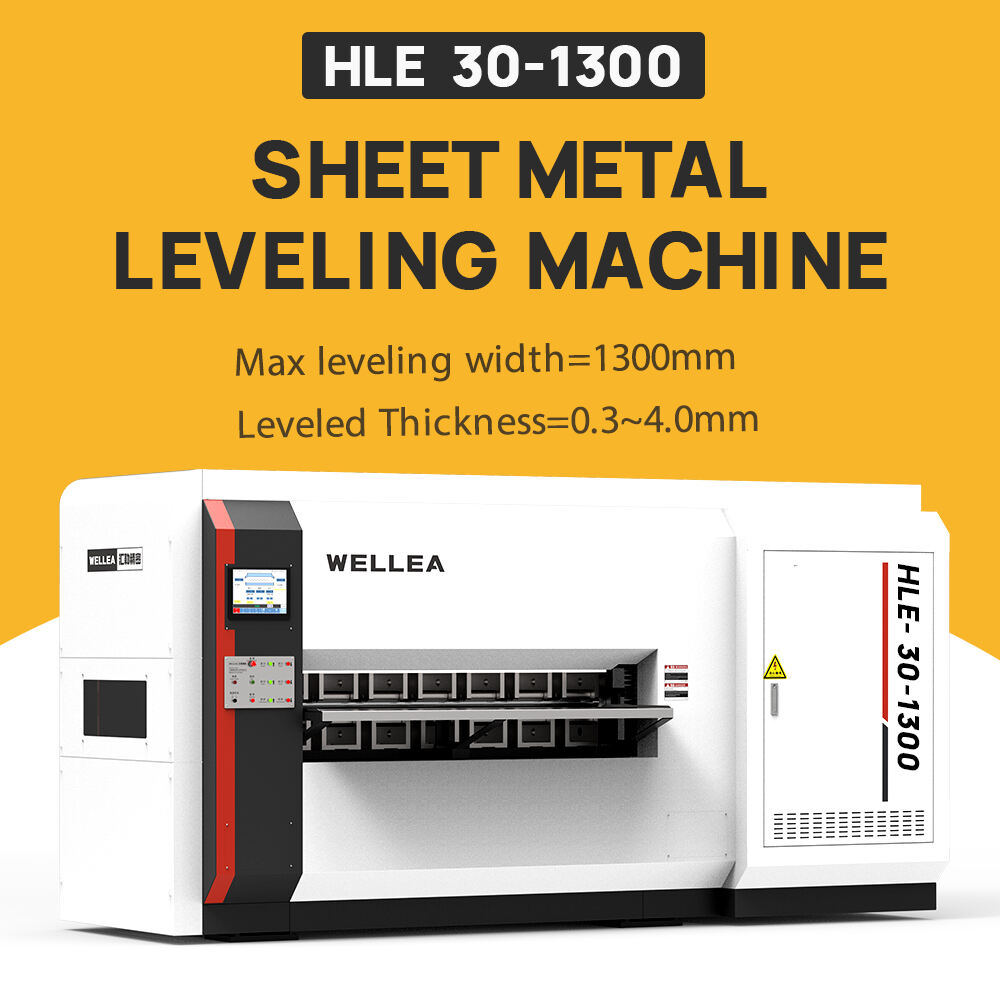
A servo leveling machine represents a cutting-edge industrial solution designed to achieve precise metal sheet flattening and surface preparation. This advanced equipment combines servo motor technology with sophisticated control systems to deliver exceptional accuracy in material processing. The servo leveling machine operates by passing metal sheets through a series of precisely controlled rollers that eliminate warping, bending, and surface irregularities. The servo motors provide exact positioning and pressure control, ensuring consistent results across various material thicknesses and types. The primary function of this equipment involves correcting internal stress patterns within metal sheets, which commonly occur during manufacturing, transportation, or storage. By utilizing multiple work rolls positioned both above and below the material path, the servo leveling machine applies calculated pressure points to gradually reshape the metal surface. The technological features include programmable logic controllers that allow operators to customize processing parameters based on specific material requirements. Digital display interfaces provide real-time monitoring of roller positions, processing speeds, and applied pressures. The servo-driven mechanism enables micro-adjustments during operation, maintaining optimal performance throughout extended production runs. Modern servo leveling machines incorporate feedback sensors that continuously monitor material thickness and surface quality, automatically adjusting roller positions to compensate for variations. These machines find extensive applications across automotive manufacturing, aerospace component production, appliance fabrication, and general metalworking operations. Sheet metal processors rely on servo leveling machines to prepare materials for subsequent forming operations, welding processes, and finishing applications. The equipment handles various materials including steel, aluminum, stainless steel, and specialty alloys with thicknesses ranging from thin gauge sheets to heavy plates. Construction industry applications include preparing architectural panels, structural components, and decorative elements that require superior flatness standards.

Popular Products

The servo leveling machine delivers significant productivity improvements through automated processing capabilities that reduce manual labor requirements and accelerate production timelines. Operators can process large quantities of material with minimal intervention, allowing skilled workers to focus on higher-value tasks while maintaining consistent output quality. The precision control system eliminates guesswork from the leveling process, producing uniform results that meet strict dimensional tolerances required in modern manufacturing environments. Material waste reduction represents another major advantage, as the servo leveling machine corrects defective sheets that would otherwise require disposal or costly rework procedures. This efficiency translates directly into cost savings and improved profit margins for manufacturing operations. The equipment extends tool life in downstream processes by delivering properly prepared materials that reduce wear on forming dies, cutting tools, and welding equipment. Quality consistency improvements eliminate production variations that can lead to assembly problems, customer complaints, and warranty claims. The servo leveling machine processes materials faster than traditional methods while maintaining superior accuracy, enabling manufacturers to meet tight delivery schedules without compromising quality standards. Energy efficiency benefits emerge from the precise servo motor control system that applies only the necessary force required for each application, reducing power consumption compared to hydraulic alternatives. Maintenance requirements remain minimal due to the robust construction and advanced monitoring systems that provide early warning of potential issues before they cause equipment failures. The user-friendly interface reduces training time for new operators while providing experienced users with advanced customization options for specialized applications. Versatility advantages allow the same equipment to handle diverse material types and thicknesses without requiring extensive changeover procedures. Space efficiency benefits make the servo leveling machine suitable for facilities with limited floor space, as the compact design integrates easily into existing production lines. Return on investment occurs rapidly through improved throughput, reduced scrap rates, and enhanced product quality that commands premium pricing in competitive markets.

Practical Tips

How Do You Match Fastener Types to the Right Fastener Insertion Machine?

29

Dec

How Do You Match Fastener Types to the Right Fastener Insertion Machine?

Selecting the appropriate fastener insertion machine for your manufacturing operation requires careful consideration of multiple technical factors that directly impact production efficiency, quality, and cost-effectiveness. Modern industrial applicat...
View More
What factors affect radial riveting machines performance and stability?

28

Jan

What factors affect radial riveting machines performance and stability?

Manufacturing precision and operational reliability in industrial assembly processes depend heavily on the performance characteristics of radial riveting machines. These sophisticated pieces of equipment have become indispensable in automotive, aeros...
View More
What Types of Fasteners Work with Insertion Machines?

18

Mar

What Types of Fasteners Work with Insertion Machines?

Insertion Machines play a critical role in today’s automated manufacturing environments, enabling precise, efficient, and repeatable installation of a wide range of fasteners. From sheet metal fabrication to automotive assembly lines, these mac...
View More
What Maintenance Practices Extend Insertion Machine Life?

18

Mar

What Maintenance Practices Extend Insertion Machine Life?

The longevity of an insertion machine directly impacts manufacturing efficiency and total cost of ownership in automated assembly operations. These precision instruments require systematic care to maintain their operational integrity and deliver cons...
View More

Get a Free Quote

Our representative will contact you soon.
Email
Name
Company Name
Message
0/1000

servo leveling machine

Advanced Servo Motor Technology Ensures Unmatched Precision

Advanced Servo Motor Technology Ensures Unmatched Precision

The servo leveling machine incorporates state-of-the-art servo motor technology that revolutionizes metal sheet processing through unprecedented precision control. Each servo motor responds instantly to digital commands, providing exact positioning accuracy measured in thousandths of an inch. This technological advancement eliminates the inconsistencies associated with traditional hydraulic or pneumatic systems that rely on fluid pressure variations. The servo motors maintain constant torque throughout the entire range of motion, ensuring uniform pressure application regardless of material thickness variations or processing speeds. Digital feedback loops continuously monitor motor performance and automatically compensate for any deviations from programmed parameters. This real-time adjustment capability prevents the accumulation of small errors that could compromise final product quality. The servo system responds to load changes within milliseconds, adapting to material property variations without operator intervention. Multiple servo motors work in perfect synchronization, creating a coordinated leveling action that addresses complex stress patterns within metal sheets. The precision positioning enables the servo leveling machine to process delicate materials that would be damaged by conventional equipment. Operators can program specific pressure profiles for different zones along the material path, accommodating varying thickness requirements or material properties within a single sheet. The servo technology eliminates mechanical backlash and wear-related positioning errors that plague traditional systems. Advanced motion control algorithms optimize acceleration and deceleration curves to minimize material marking while maximizing processing efficiency. The digital nature of servo control allows for easy integration with factory automation systems and quality management databases. Predictive maintenance capabilities monitor servo motor performance parameters and provide advance warning of potential issues before they affect production. This technological sophistication translates into measurable benefits including reduced scrap rates, improved dimensional accuracy, and enhanced surface finish quality that meets the most demanding application requirements.
Comprehensive Material Compatibility Maximizes Production Flexibility

Comprehensive Material Compatibility Maximizes Production Flexibility

The servo leveling machine demonstrates exceptional versatility through its ability to process an extensive range of materials with varying properties, dimensions, and surface conditions. This comprehensive compatibility eliminates the need for multiple specialized machines, reducing capital investment requirements and simplifying production planning. The equipment handles materials ranging from soft aluminum alloys to high-strength steel grades, accommodating thickness variations from thin foils to heavy plates without requiring mechanical modifications. Advanced roller configurations adapt to different material properties through programmable pressure distribution patterns that optimize stress relief for each specific application. The servo leveling machine processes pre-painted surfaces without damage, maintaining coating integrity while correcting underlying substrate flatness issues. Stainless steel processing capabilities include both standard grades and exotic alloys used in aerospace and medical device manufacturing. The equipment accommodates materials with varying yield strengths by automatically adjusting roller penetration depths based on real-time feedback from integrated load sensors. Coated materials receive gentle treatment through specialized roller surfaces and controlled pressure applications that prevent coating delamination or surface scratching. The servo leveling machine handles perforated sheets and expanded metals without damaging the geometric patterns or compromising structural integrity. Width capacity ranges accommodate narrow strips for precision applications and wide sheets for architectural panel production. Length processing capabilities extend from short pieces requiring careful handling to continuous coil processing for high-volume operations. Temperature compensation features account for thermal expansion effects in materials processed immediately after heat treatment or welding operations. Surface finish preservation maintains critical texture requirements for decorative applications while achieving necessary flatness standards. The equipment processes bi-metallic materials and composite sheets without causing delamination or interface separation. Quality assurance capabilities include integrated thickness monitoring and surface inspection systems that verify material specifications throughout the processing cycle. This remarkable flexibility allows manufacturers to consolidate multiple operations on a single servo leveling machine, improving facility utilization and reducing material handling requirements.
Intelligent Control System Optimizes Performance and Reduces Operating Costs

Intelligent Control System Optimizes Performance and Reduces Operating Costs

The servo leveling machine features an advanced intelligent control system that revolutionizes operational efficiency through automated parameter optimization and predictive performance management. This sophisticated system continuously analyzes processing conditions and automatically adjusts operating parameters to maintain optimal performance throughout varying production requirements. Machine learning algorithms study material behavior patterns and develop customized processing profiles that improve quality while reducing cycle times. The intelligent system monitors roller wear patterns and automatically compensates for dimensional changes, maintaining consistent output quality throughout extended production runs. Operator interface simplification reduces training requirements while providing experienced users with access to advanced customization features for specialized applications. Real-time data collection enables comprehensive production tracking and quality documentation required for certification compliance in regulated industries. Energy management functions optimize power consumption by coordinating servo motor operations and reducing idle power draw during production pauses. Predictive maintenance algorithms analyze vibration patterns, temperature variations, and load characteristics to schedule maintenance activities before equipment failures occur. The control system integrates seamlessly with existing factory automation networks, enabling centralized production monitoring and coordination with upstream and downstream processes. Quality control integration includes automatic rejection of out-of-specification materials and statistical process control documentation for continuous improvement initiatives. Remote monitoring capabilities allow technical support teams to diagnose issues and provide assistance without on-site visits, minimizing downtime and reducing service costs. Automatic recipe management stores processing parameters for different material types and thicknesses, enabling rapid changeovers between production runs. The system maintains comprehensive production logs that facilitate traceability requirements and quality audits. Alarm management features prioritize notifications based on severity levels and provide guided troubleshooting procedures for common issues. Performance optimization routines continuously fine-tune processing parameters based on actual production results, improving efficiency over time. This intelligent approach to machine control delivers measurable benefits including reduced operating costs, improved product consistency, enhanced productivity, and simplified maintenance management that extends equipment service life while maximizing return on investment.

Get a Free Quote

Our representative will contact you soon.
Email
Name
Company Name
Message
0/1000