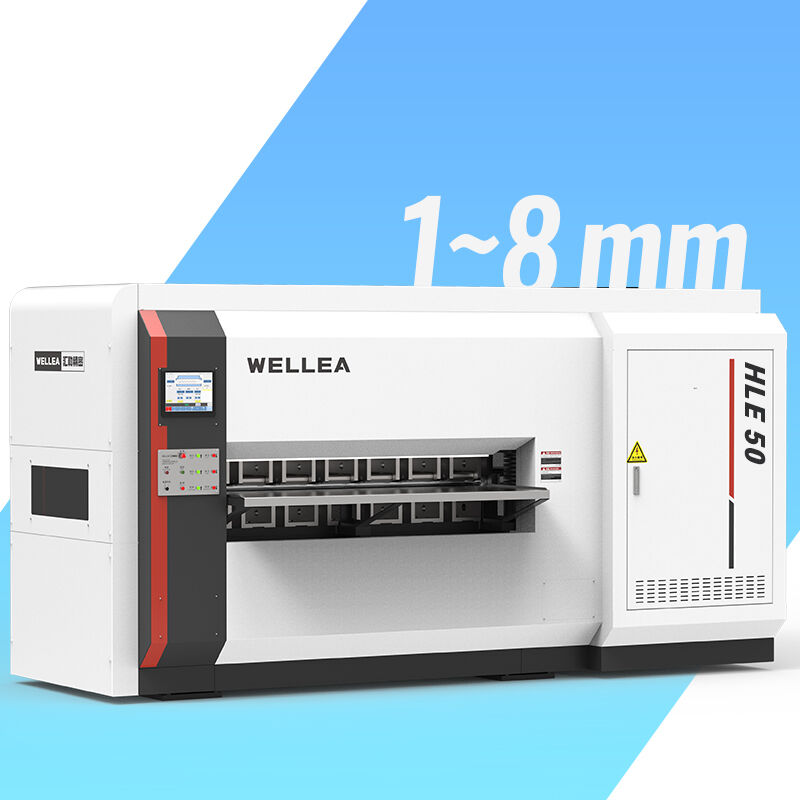
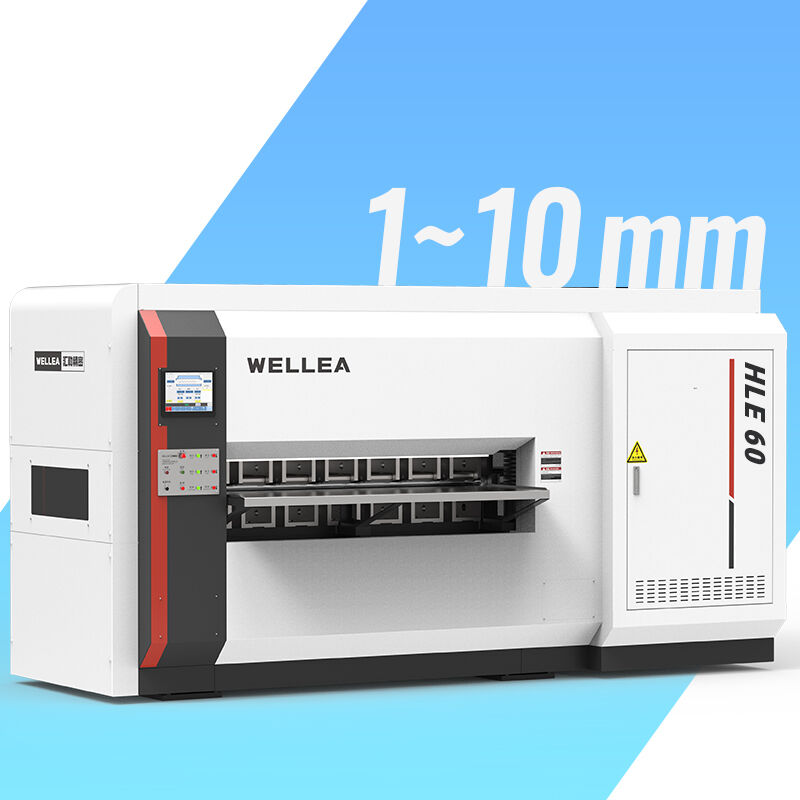
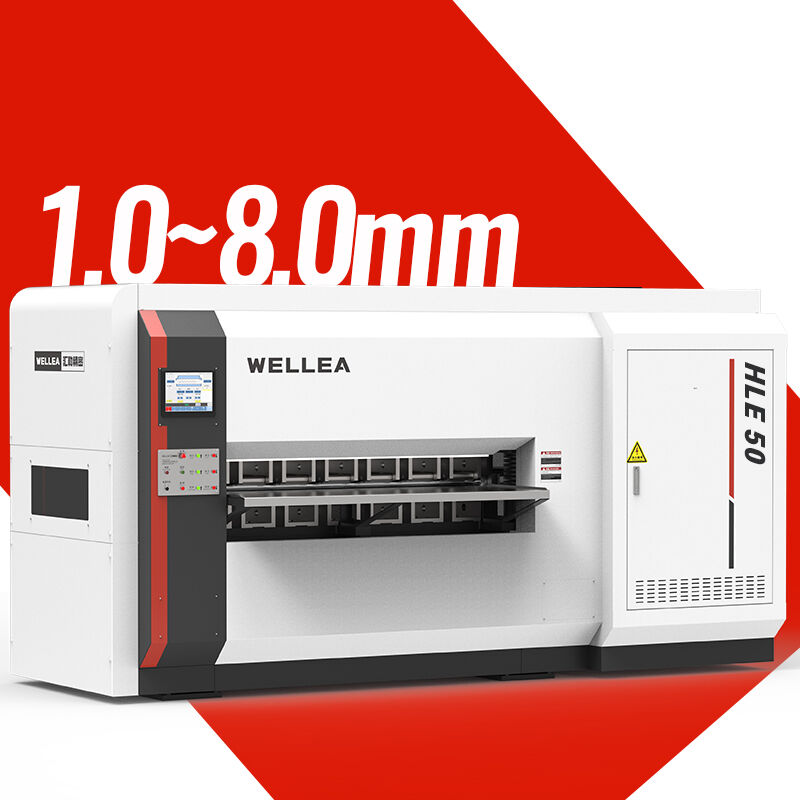
Precision Straightening Machine - Advanced Metal Component Correction Technology

Get a Free Quote

Our representative will contact you soon.
Email
Name
Company Name
Message
0/1000

precision straightening machine

A precision straightening machine represents a sophisticated industrial solution designed to correct deformations and irregularities in various metal components with exceptional accuracy. This advanced equipment utilizes controlled pressure and hydraulic systems to restore materials to their original specifications, ensuring optimal performance in manufacturing processes. The precision straightening machine operates through a combination of mechanical force distribution and computerized control systems that monitor and adjust straightening parameters in real-time. These machines accommodate diverse material types including steel bars, rods, tubes, shafts, and complex geometric components that require dimensional restoration. The core functionality revolves around applying calculated force at specific points along the workpiece, gradually eliminating bends, warps, and other structural deviations. Modern precision straightening machines incorporate advanced measurement systems that continuously assess straightness tolerances throughout the correction process. The technology employs multiple straightening rollers or press mechanisms that work in coordination to achieve uniform results across the entire length of the component. Hydraulic actuators provide the necessary force while maintaining precise control over pressure application, preventing over-correction or material damage. The precision straightening machine finds extensive applications across automotive manufacturing, aerospace production, construction equipment fabrication, and general metalworking industries. Quality control features include integrated inspection systems that verify straightness parameters against predetermined specifications, ensuring consistent output quality. These machines significantly reduce material waste by salvaging components that would otherwise require replacement, contributing to cost-effective manufacturing operations. The straightening process maintains material integrity while restoring geometric accuracy, making precision straightening machines essential for industries demanding tight tolerances and superior component quality. Advanced models feature programmable control interfaces that allow operators to customize straightening parameters for different material types and specifications.

Popular Products

The precision straightening machine delivers substantial cost savings by transforming bent or warped components into usable parts, eliminating the need for expensive replacements. This equipment reduces material waste significantly, allowing manufacturers to recover valuable materials that would otherwise be discarded. The machine operates with remarkable efficiency, processing components quickly while maintaining consistent quality standards that meet or exceed industry requirements. Production workflows benefit from improved scheduling flexibility since the precision straightening machine can restore components on-demand rather than waiting for new material deliveries. The technology enhances manufacturing precision by ensuring all components meet exact straightness specifications before assembly, reducing downstream quality issues and rework costs. Operators find the machine user-friendly with intuitive controls that require minimal training, making it accessible for various skill levels within manufacturing facilities. The precision straightening machine accommodates diverse material sizes and types, providing versatility that supports multiple product lines within a single facility. Quality assurance improves dramatically as the machine delivers consistent results that eliminate human error factors common in manual straightening processes. Energy consumption remains relatively low compared to manufacturing new components, supporting environmental sustainability goals while reducing operational costs. The equipment requires minimal maintenance when operated according to manufacturer specifications, ensuring reliable performance and extended service life. Investment recovery occurs rapidly through reduced material costs and improved production efficiency, making the precision straightening machine economically attractive for businesses of all sizes. Safety features protect operators while automated functions reduce physical strain associated with manual straightening methods. The machine integrates seamlessly into existing production lines without requiring extensive facility modifications or workflow disruptions. Documentation capabilities allow tracking of straightening operations for quality control and process optimization purposes. Customer satisfaction increases when products consistently meet specifications, building reputation and supporting long-term business relationships. The precision straightening machine enables just-in-time manufacturing by providing immediate component restoration capabilities, reducing inventory requirements and associated carrying costs.

Tips And Tricks

How to select a nonrotating shaft radial riveter for precision components?

28

Jan

How to select a nonrotating shaft radial riveter for precision components?

Precision manufacturing demands exceptional reliability and accuracy in every assembly process. When working with delicate electronic components, aerospace assemblies, or medical devices, selecting the right nonrotating shaft radial riveter becomes c...
View More
Why is a nonrotating shaft radial riveter critical in delicate assemblies?

28

Jan

Why is a nonrotating shaft radial riveter critical in delicate assemblies?

In precision manufacturing environments where component integrity and assembly quality determine product success, the choice of joining technology becomes paramount. A nonrotating shaft radial riveter represents a specialized solution engineered spec...
View More
Why choose lowspeed radial riveting for precision industrial assembly?

26

Feb

Why choose lowspeed radial riveting for precision industrial assembly?

Manufacturing precision and assembly quality have become critical differentiators in today's competitive industrial landscape. When it comes to joining metal components, lowspeed radial riveting stands out as a superior methodology that delivers cons...
View More
What Types of Fasteners Work with Insertion Machines?

18

Mar

What Types of Fasteners Work with Insertion Machines?

Insertion Machines play a critical role in today’s automated manufacturing environments, enabling precise, efficient, and repeatable installation of a wide range of fasteners. From sheet metal fabrication to automotive assembly lines, these mac...
View More

Get a Free Quote

Our representative will contact you soon.
Email
Name
Company Name
Message
0/1000

precision straightening machine

Advanced Hydraulic Control System

Advanced Hydraulic Control System

The precision straightening machine features a state-of-the-art hydraulic control system that represents the pinnacle of straightening technology. This sophisticated system employs multiple hydraulic cylinders working in perfect synchronization to apply controlled force across the entire length of the workpiece. The hydraulic mechanism provides infinitely variable pressure control, allowing operators to fine-tune the straightening process according to specific material properties and deformation characteristics. Advanced pressure sensors continuously monitor force application, preventing over-correction that could damage the component or compromise its structural integrity. The system incorporates proportional valve technology that enables precise pressure modulation, ensuring gradual and controlled straightening action. This hydraulic precision straightening machine capability allows for processing delicate materials that require gentle correction as well as robust components demanding higher force levels. The control system features automatic pressure regulation that compensates for material resistance variations throughout the straightening cycle. Operators benefit from programmable pressure profiles that can be customized for different material types, thicknesses, and straightening requirements. The hydraulic system maintains consistent performance regardless of ambient temperature variations or extended operating periods, ensuring reliable results in demanding industrial environments. Safety interlocks prevent operation outside predetermined pressure ranges, protecting both the equipment and the workpiece from damage. The precision straightening machine hydraulic system requires minimal maintenance due to high-quality components and effective filtration systems that keep hydraulic fluid clean. Energy efficiency remains optimal through demand-based pump operation that adjusts hydraulic flow according to actual straightening requirements. The system provides excellent repeatability, ensuring identical results when processing similar components under the same parameters. Advanced diagnostics capabilities allow predictive maintenance scheduling, minimizing unexpected downtime and optimizing production continuity.
Real-Time Precision Measurement Technology

Real-Time Precision Measurement Technology

The precision straightening machine incorporates cutting-edge measurement technology that continuously monitors component straightness throughout the correction process. This real-time measurement system utilizes high-resolution laser sensors and digital encoders to detect even the smallest deviations from perfect straightness. The measurement accuracy reaches micron-level precision, ensuring that corrected components meet the most stringent industry tolerances. Advanced algorithms process measurement data instantly, providing immediate feedback to the control system for automatic adjustment of straightening parameters. The precision straightening machine measurement technology eliminates guesswork from the straightening process, replacing traditional trial-and-error methods with scientific precision. Multiple measurement points along the component length provide comprehensive straightness assessment, identifying localized deformations that might otherwise go undetected. The system displays real-time straightness data on an intuitive operator interface, allowing immediate visualization of correction progress. Automated measurement logging creates detailed records of each straightening operation, supporting quality control documentation and process optimization efforts. The measurement system compensates for thermal expansion and environmental factors that could affect accuracy, maintaining consistent performance under varying operating conditions. Calibration procedures ensure long-term measurement reliability, with built-in reference standards that verify system accuracy. The precision straightening machine measurement capability extends to complex geometries and non-uniform cross-sections, accommodating diverse component types within a single system. Error detection algorithms identify potential measurement anomalies and alert operators to investigate potential issues before they affect product quality. The measurement data integrates seamlessly with manufacturing execution systems, providing traceability and supporting statistical process control initiatives. This technological advancement transforms the precision straightening machine from a basic correction tool into a sophisticated quality assurance system that guarantees consistent results.
Multi-Material Compatibility and Versatility

Multi-Material Compatibility and Versatility

The precision straightening machine demonstrates exceptional versatility through its ability to process an extensive range of materials and component geometries with equal effectiveness. This multi-material compatibility stems from advanced engineering that accommodates different material properties, including varying hardness levels, elastic moduli, and deformation characteristics. The machine handles steel components ranging from soft carbon steels to high-strength alloys, adjusting straightening parameters automatically based on material identification systems. Aluminum components benefit from specialized low-force straightening cycles that prevent surface damage while achieving precise straightness tolerances. The precision straightening machine processes both solid and hollow sections, adapting its approach to account for different structural properties and potential collapse risks in thin-walled components. Component size versatility extends from small precision parts measuring millimeters in diameter to large structural elements spanning several meters in length. The machine accommodates round bars, square sections, rectangular tubes, and complex profiles through interchangeable tooling systems and adjustable support mechanisms. Surface finish preservation represents a critical capability, with specialized contact surfaces and controlled pressure application preventing scratches, dents, or other cosmetic damage during straightening operations. The precision straightening machine handles heat-treated components without affecting their metallurgical properties, maintaining hardness and strength characteristics throughout the correction process. Composite materials and exotic alloys receive appropriate treatment through programmable parameter sets that account for unique material behaviors. The equipment processes components in various conditions, from rough machined parts requiring significant correction to finished components needing minor adjustments. Batch processing capabilities allow simultaneous straightening of multiple similar components, improving productivity while maintaining individual quality standards. The precision straightening machine versatility extends to custom applications through modular design features that enable configuration changes for specialized requirements. This adaptability makes the equipment suitable for job shops handling diverse customer requirements as well as high-volume manufacturers focusing on specific product lines.

Get a Free Quote

Our representative will contact you soon.
Email
Name
Company Name
Message
0/1000