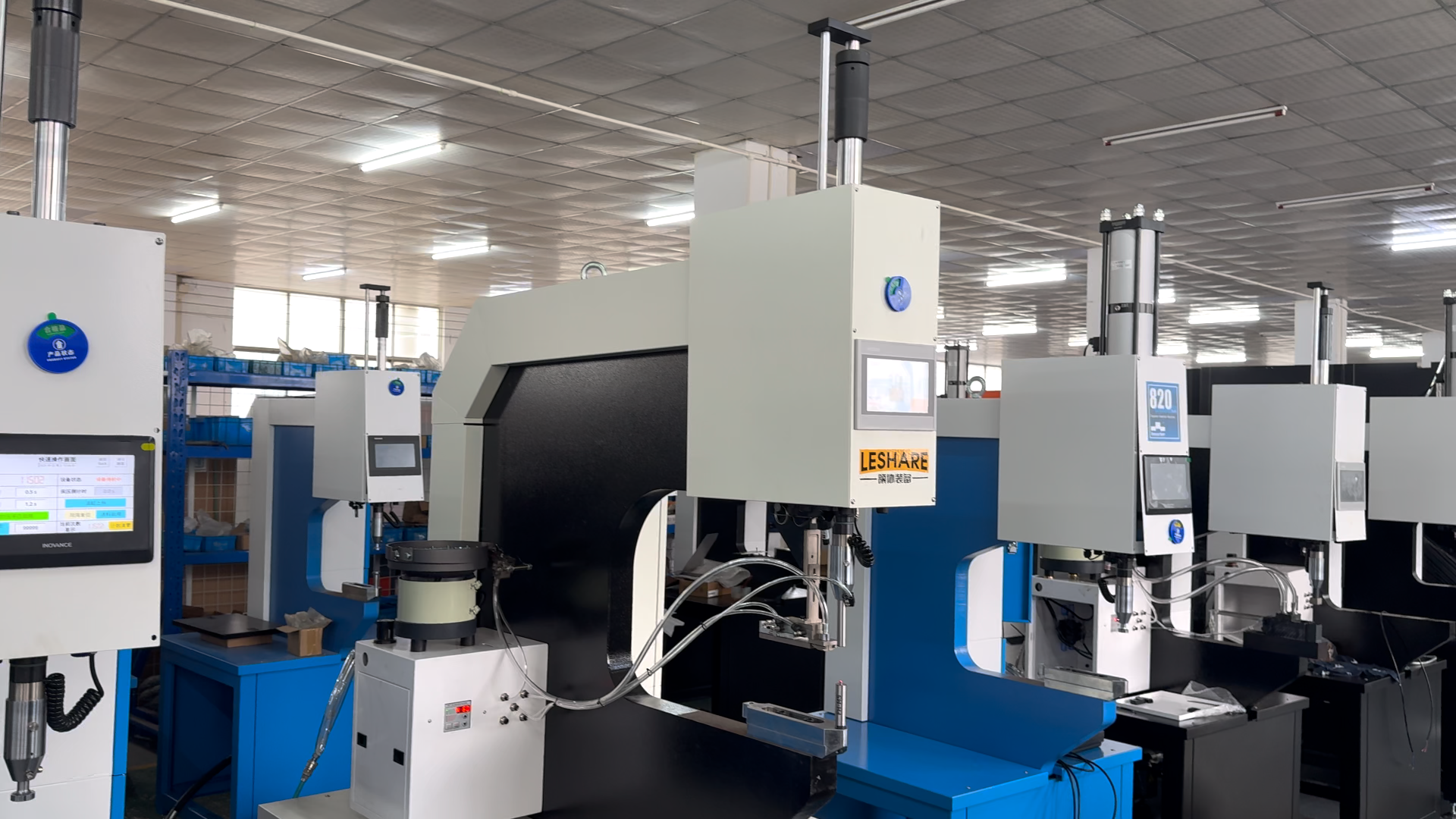
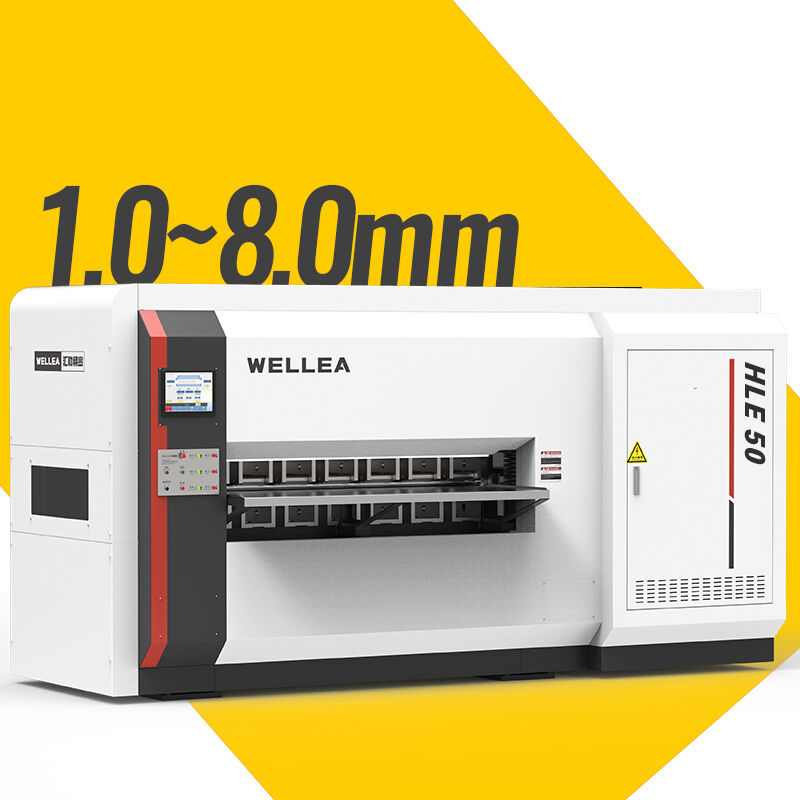
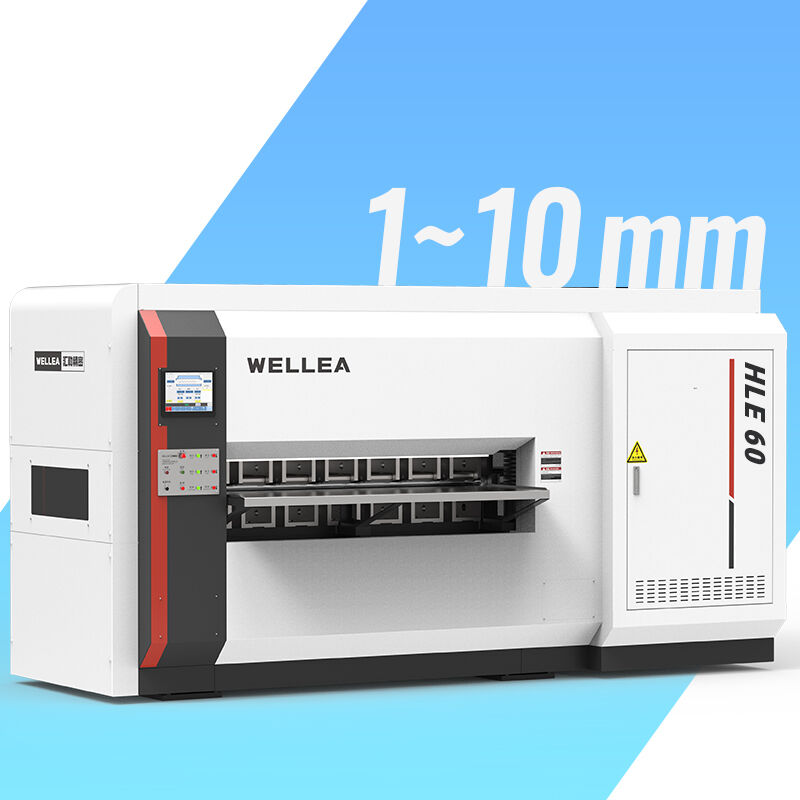
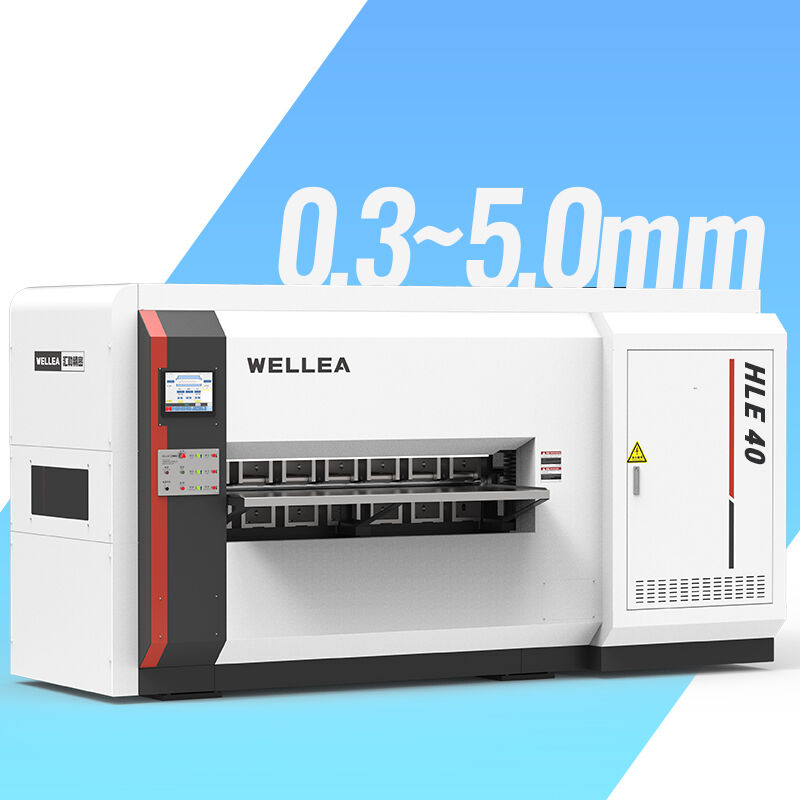
Professional Roller Leveler Solutions - Advanced Metal Flattening & Stress Relief Equipment

Get a Free Quote

Our representative will contact you soon.
Email
Name
Company Name
Message
0/1000

roller leveler

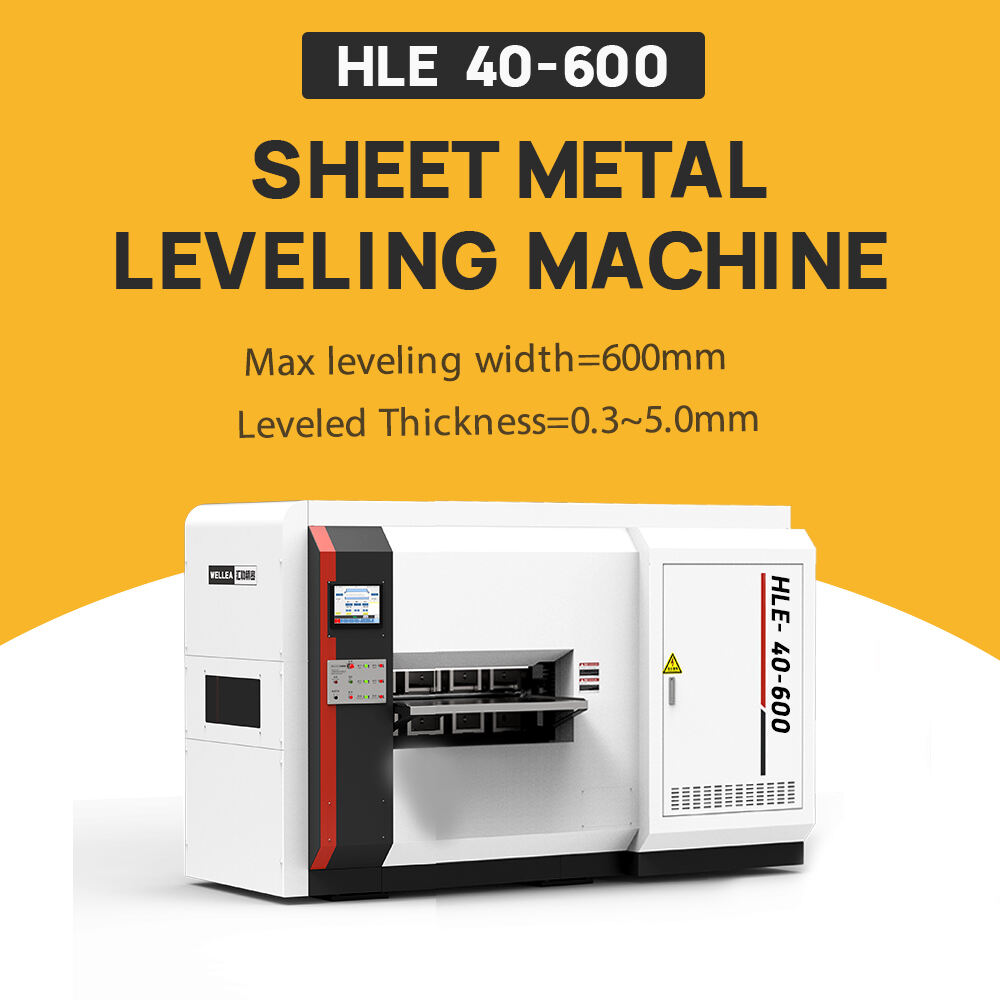
A roller leveler represents a sophisticated metal processing machine designed to eliminate stress and flatten various metal materials through precise mechanical pressure application. This advanced equipment consists of multiple work rolls positioned in alternating upper and lower configurations, creating controlled bending points that effectively remove material distortions, waviness, and internal stresses. The roller leveler operates by passing metal sheets, strips, or plates through a series of precisely calibrated rollers that apply alternating bends, systematically working out imperfections and achieving superior flatness standards. Modern roller leveler systems incorporate hydraulic adjustment mechanisms, computerized control systems, and variable speed drives to accommodate diverse material specifications and thickness requirements. The fundamental principle involves subjecting the metal workpiece to controlled plastic deformation beyond its yield point, followed by reverse bending that neutralizes residual stresses and eliminates shape defects. Industrial roller leveler units feature robust construction with heavy-duty frames, precision-ground work rolls, and sophisticated backup roll systems that ensure consistent pressure distribution across the entire material width. These machines excel in processing various metals including steel, aluminum, copper, and specialized alloys, making them indispensable in manufacturing environments requiring high-quality flat products. The roller leveler technology has evolved significantly, incorporating automated thickness measurement systems, real-time pressure monitoring, and adaptive control algorithms that optimize processing parameters for different material grades. Advanced roller leveler designs include entry and exit threading systems, automatic work roll positioning, and integrated quality control features that enhance operational efficiency while maintaining exceptional output quality standards for diverse industrial applications.

New Products

The roller leveler delivers exceptional material improvement capabilities that directly translate into superior product quality and enhanced manufacturing efficiency for industrial operations. This sophisticated equipment eliminates material stress concentrations that commonly cause processing difficulties, warping, and dimensional instability in downstream manufacturing processes. By utilizing a roller leveler, manufacturers achieve consistent flatness tolerances that meet stringent industry specifications, reducing costly material waste and rework requirements that plague conventional flattening methods. The precision engineering of modern roller leveler systems ensures uniform pressure distribution across the entire material width, eliminating edge wave formation and center buckle defects that compromise product integrity. Manufacturing facilities benefit from the roller leveler's ability to process diverse material thicknesses and grades without requiring extensive changeover procedures, maximizing production flexibility and throughput capabilities. The advanced control systems integrated into contemporary roller leveler designs enable operators to establish precise processing parameters for different materials, ensuring optimal results while minimizing trial-and-error adjustments that waste valuable production time. Energy efficiency represents another significant advantage, as the roller leveler consumes substantially less power compared to alternative stress relief methods like thermal treatment or hammer flattening operations. The mechanical stress relief process employed by the roller leveler preserves material properties while eliminating internal tensions, unlike heat-based methods that may alter metallurgical characteristics or cause dimensional changes. Production speeds achievable with modern roller leveler equipment far exceed manual flattening techniques, enabling manufacturers to meet demanding delivery schedules while maintaining consistent quality standards. The roller leveler's automated operation reduces labor requirements and minimizes human error factors that can compromise processing consistency. Additionally, the equipment's robust construction ensures reliable long-term operation with minimal maintenance requirements, providing excellent return on investment for manufacturing facilities. The precise leveling action eliminates subsequent machining operations often necessary to correct flatness deviations, reducing overall production costs and cycle times significantly. Quality control improvements achieved through roller leveler implementation result in enhanced customer satisfaction and reduced warranty claims for finished products.

Practical Tips

What Industries Benefit from Automatic Riveting Machines?

18

Mar

What Industries Benefit from Automatic Riveting Machines?

Modern manufacturing demands precision, speed, and reliability in every assembly process. Automatic riveting machines have emerged as essential tools across numerous industries, revolutionizing how manufacturers approach fastening operations. These s...
View More
How to Choose the Right Automatic Riveting Machine for Your Line?

18

Mar

How to Choose the Right Automatic Riveting Machine for Your Line?

Manufacturing efficiency depends heavily on selecting the right equipment for your production line. An automatic riveting machine represents a critical investment that can significantly impact your operational productivity, product quality, and overa...
View More
What Types of Fasteners Work with Insertion Machines?

18

Mar

What Types of Fasteners Work with Insertion Machines?

Insertion Machines play a critical role in today’s automated manufacturing environments, enabling precise, efficient, and repeatable installation of a wide range of fasteners. From sheet metal fabrication to automotive assembly lines, these mac...
View More
What Maintenance Practices Extend Insertion Machine Life?

18

Mar

What Maintenance Practices Extend Insertion Machine Life?

The longevity of an insertion machine directly impacts manufacturing efficiency and total cost of ownership in automated assembly operations. These precision instruments require systematic care to maintain their operational integrity and deliver cons...
View More

Get a Free Quote

Our representative will contact you soon.
Email
Name
Company Name
Message
0/1000

roller leveler

Advanced Stress Relief Technology

Advanced Stress Relief Technology

The roller leveler employs revolutionary stress relief technology that fundamentally transforms how manufacturers address material flatness challenges and internal stress elimination. This sophisticated system utilizes precisely controlled alternating bending forces that work systematically through the material cross-section, effectively neutralizing residual stresses that accumulate during primary metal production processes such as rolling, cutting, or thermal treatment operations. The roller leveler's multi-roll configuration creates controlled plastic deformation zones that exceed the material's yield strength in carefully calculated increments, followed by reverse bending actions that establish a balanced stress state throughout the material thickness. This mechanical approach proves superior to traditional stress relief methods because it preserves the original material properties while eliminating dimensional instability factors that cause warping, twisting, or shape distortion during subsequent processing operations. The technology's effectiveness stems from its ability to address both longitudinal and transverse stress components simultaneously, ensuring comprehensive stress elimination that prevents future deformation issues. Advanced roller leveler systems incorporate real-time load monitoring and feedback control mechanisms that automatically adjust processing parameters based on material response characteristics, optimizing the stress relief process for different alloy compositions and thickness variations. The precision-engineered work rolls feature specialized surface treatments and geometric configurations that maximize contact efficiency while minimizing surface marking or damage to processed materials. This technology enables manufacturers to process materials that were previously considered unsuitable for precision applications due to excessive internal stress levels, expanding their capability to work with high-strength alloys and specialty materials that demand exceptional flatness tolerances for critical applications in aerospace, automotive, and precision manufacturing industries.
Precision Flatness Control

Precision Flatness Control

The roller leveler achieves unparalleled precision flatness control through its sophisticated multi-roll leveling system that systematically eliminates shape defects and dimensional variations across the entire material surface. This advanced capability addresses multiple flatness challenges simultaneously, including edge waves, center buckle, crossbow curvature, and localized rippling that commonly affect metal sheets and strips during manufacturing processes. The precision control system utilizes hydraulically adjusted work rolls that can be independently positioned to accommodate varying material thickness profiles and correct specific flatness deviations with micron-level accuracy. Each roller leveler work roll features precision-ground surfaces and sophisticated bearing systems that maintain consistent positioning under varying load conditions, ensuring uniform pressure application across the material width throughout the entire processing cycle. The equipment's advanced measurement systems continuously monitor material flatness characteristics using laser-based or mechanical sensing technologies that provide real-time feedback for automatic adjustment of roll positions and processing forces. This closed-loop control approach enables the roller leveler to compensate for incoming material variations and maintain consistent output quality regardless of feed material condition fluctuations. The precision flatness capabilities extend beyond simple leveling operations to include crown correction, edge trimming integration, and surface conditioning functions that enhance overall product quality while reducing downstream processing requirements. Manufacturers benefit from the roller leveler's ability to achieve flatness tolerances that exceed industry standards, enabling them to compete in high-value markets requiring exceptional dimensional accuracy and surface quality specifications. The precision control features include programmable processing recipes that store optimal parameters for different material grades, thicknesses, and quality requirements, allowing operators to quickly reproduce proven processing conditions for consistent results across production runs while minimizing setup time and material waste during changeovers.
Versatile Material Processing Capability

Versatile Material Processing Capability

The roller leveler demonstrates exceptional versatility in processing diverse materials and configurations, making it an indispensable asset for manufacturers handling multiple product lines and varying customer specifications. This comprehensive processing capability encompasses a wide range of material types including carbon steel, stainless steel, aluminum alloys, copper, brass, titanium, and specialized high-performance alloys used in demanding industrial applications. The equipment's adaptable design accommodates material thickness variations from thin foils measuring fractions of millimeters to heavy plates several centimeters thick, providing manufacturing flexibility that eliminates the need for multiple specialized machines. Advanced roller leveler systems feature quick-change work roll assemblies and automated setup procedures that enable rapid transitions between different material specifications without extensive downtime or manual adjustments. The versatile processing capabilities extend to handling various material surface conditions, including pre-painted surfaces, galvanized coatings, and specialty finishes that require careful handling to prevent damage during the leveling process. Width processing capabilities of modern roller leveler equipment range from narrow strips suitable for precision component manufacturing to wide sheets used in large-scale industrial applications, accommodating diverse customer requirements within a single production facility. The equipment's sophisticated control systems automatically adjust processing parameters based on material characteristics detected through integrated sensing technologies, ensuring optimal results regardless of alloy composition variations or incoming material condition differences. This versatility enables manufacturers to expand their service offerings and target new market segments without significant additional capital investment, improving overall business profitability and competitive positioning. The roller leveler's ability to process both ferrous and non-ferrous materials with equal effectiveness makes it particularly valuable for job shops and service centers that must accommodate diverse customer requirements efficiently while maintaining consistent quality standards across all processed materials and specifications.

Get a Free Quote

Our representative will contact you soon.
Email
Name
Company Name
Message
0/1000