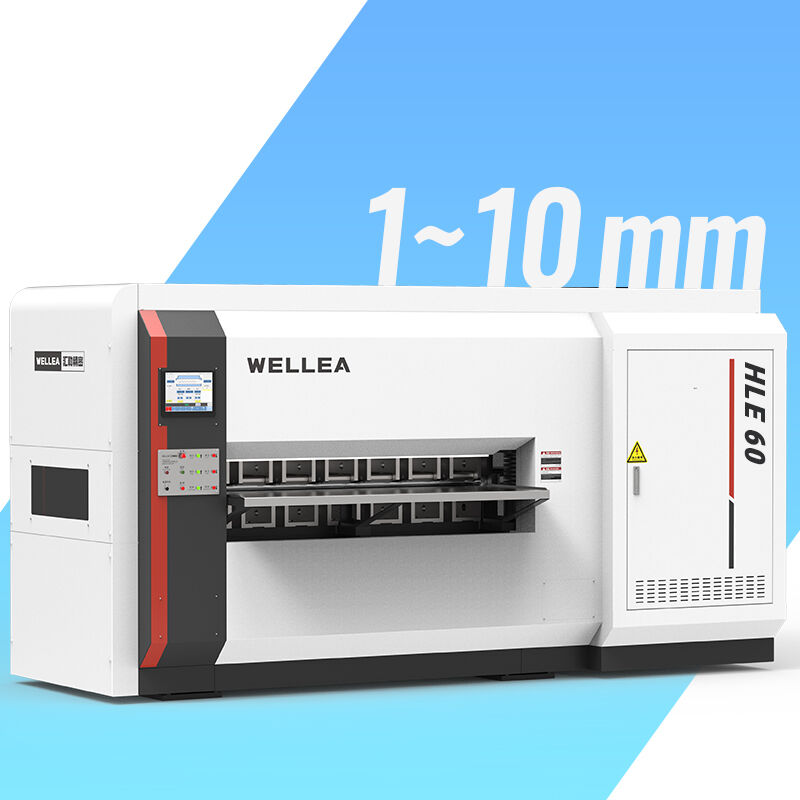
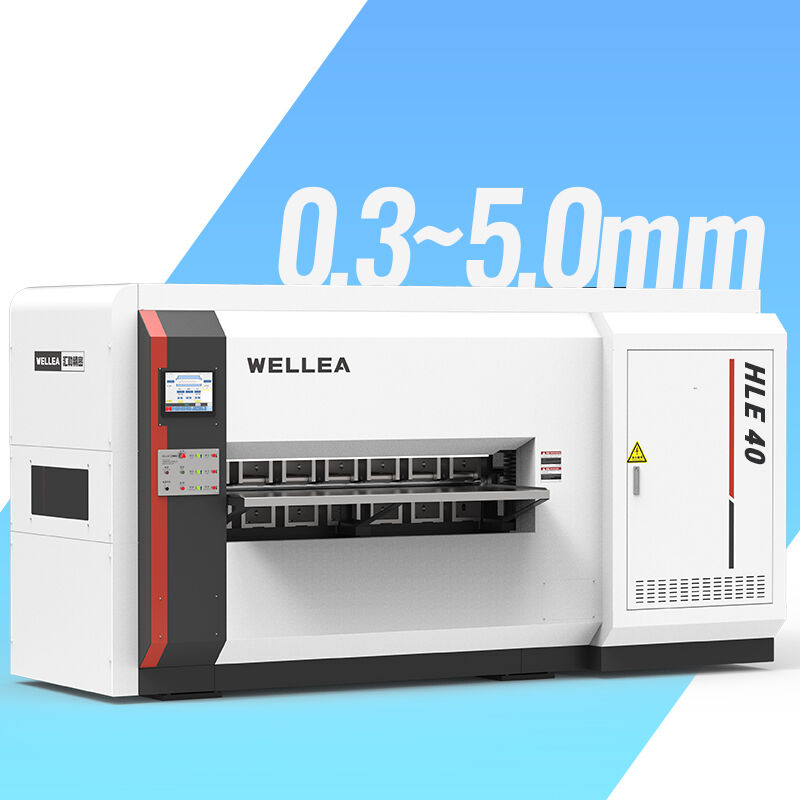
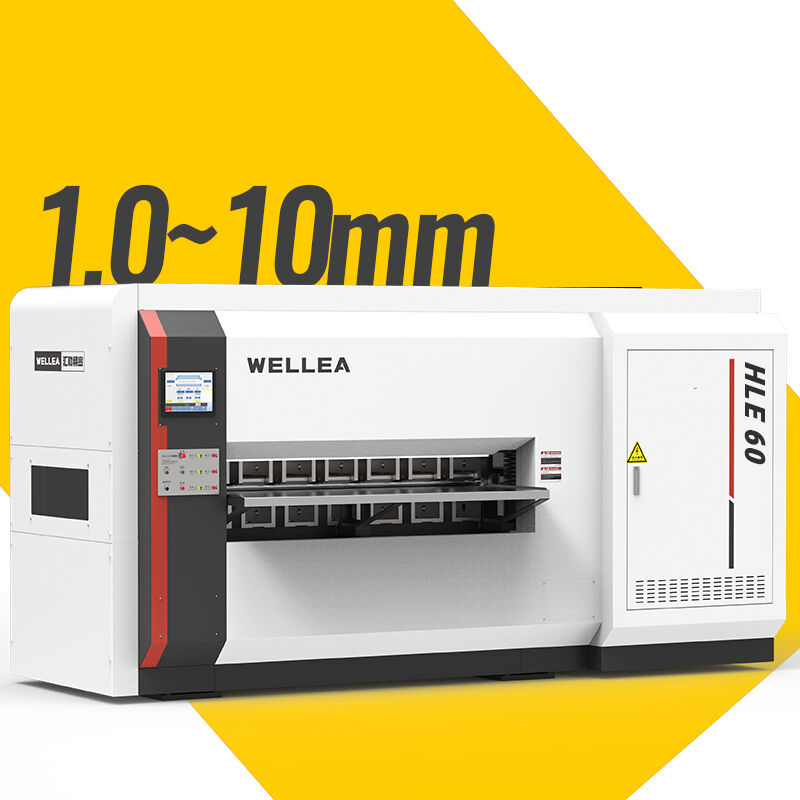
Professional Metal Sheet Leveling Machine - Advanced Precision Flattening Equipment for Industrial Manufacturing

Get a Free Quote

Our representative will contact you soon.
Email
Name
Company Name
Message
0/1000

metal sheet leveling machine

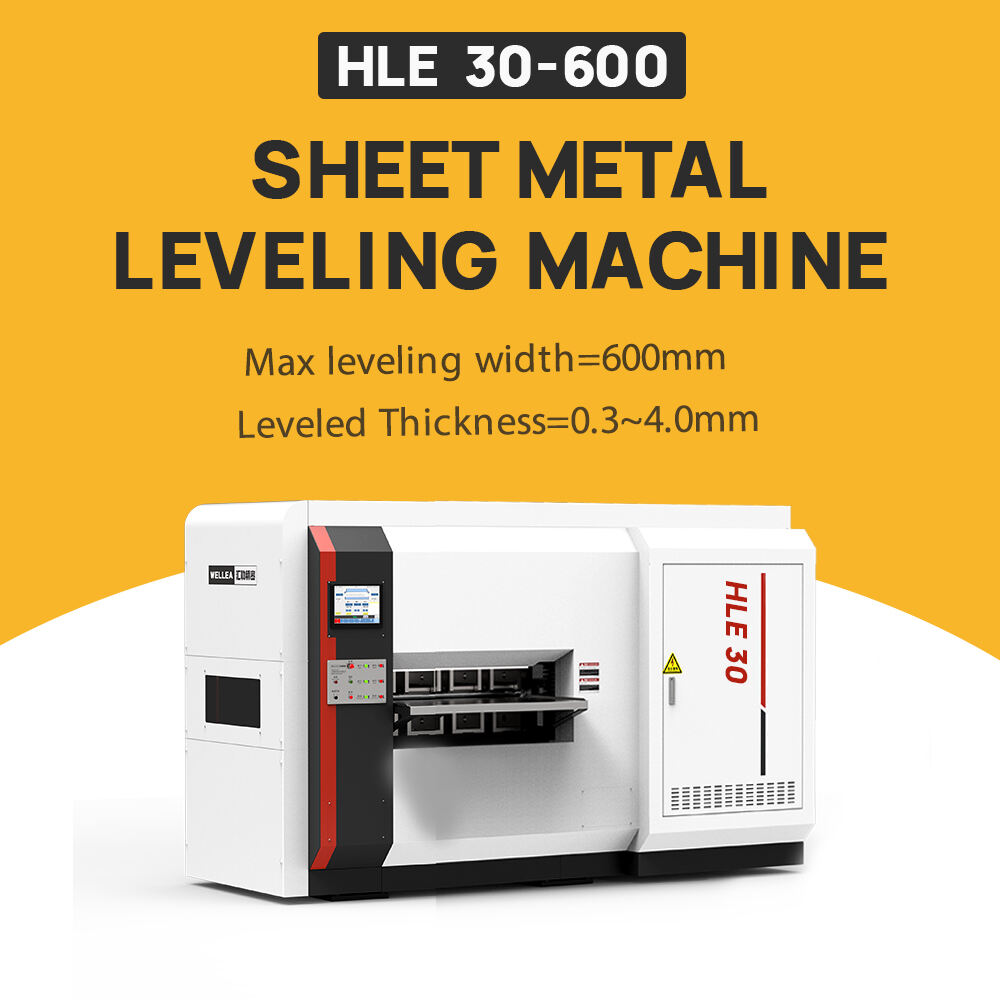
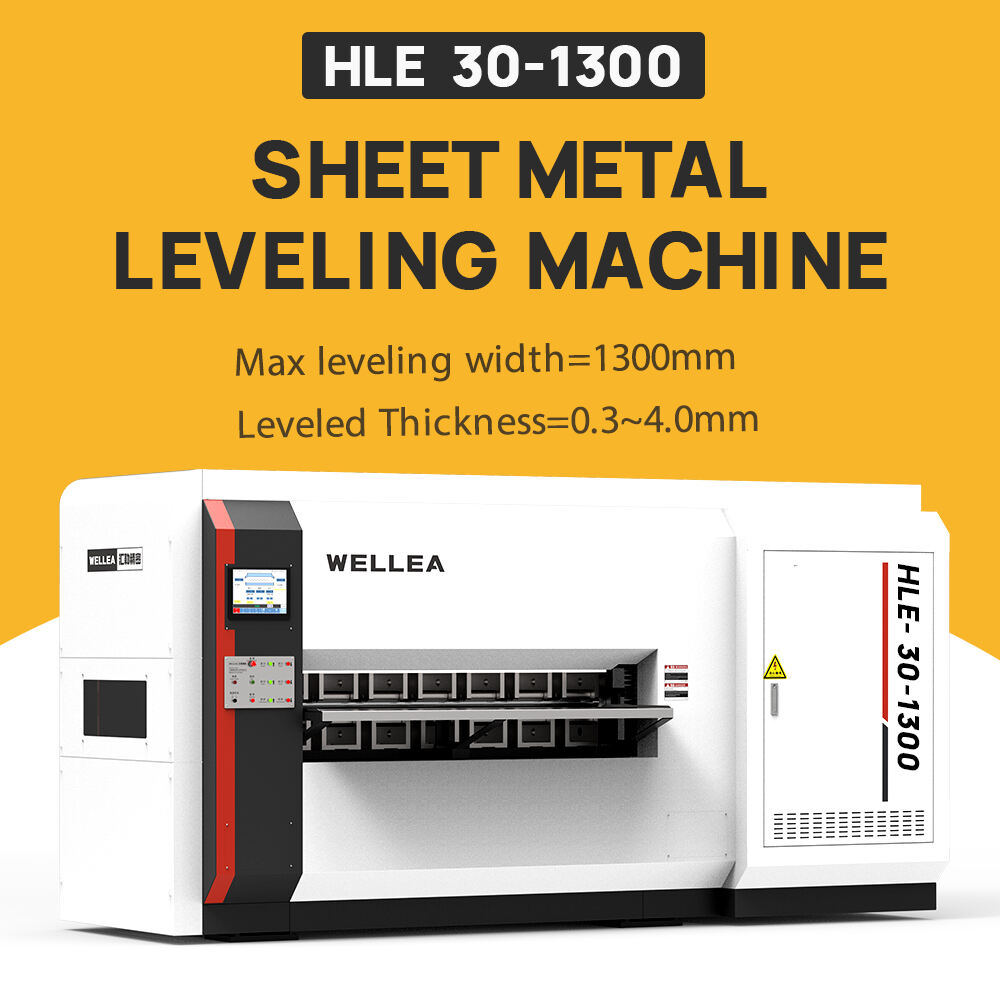
A metal sheet leveling machine represents a crucial piece of industrial equipment designed to flatten and straighten metal sheets with exceptional precision and consistency. This sophisticated machinery addresses the common problem of warped, bent, or uneven metal surfaces that occur during manufacturing, transportation, or storage processes. The primary function of a metal sheet leveling machine involves passing metal sheets through a series of precisely calibrated rollers that apply controlled pressure to eliminate surface irregularities and restore perfect flatness. Modern metal sheet leveling machines incorporate advanced hydraulic systems, computerized controls, and precision-engineered components to deliver superior results across various metal types and thicknesses. These machines feature adjustable roller configurations that accommodate different material specifications, from thin aluminum sheets to heavy-duty steel plates. The technological framework includes servo-driven mechanisms that ensure consistent pressure distribution, automated thickness detection systems that optimize processing parameters, and integrated safety protocols that protect both operators and equipment. Industrial applications span across automotive manufacturing, aerospace production, construction material preparation, appliance manufacturing, and metal fabrication workshops. The metal sheet leveling machine operates through a systematic process where materials enter through feeding mechanisms, pass through multiple leveling stations with graduated pressure application, and exit with dramatically improved surface quality. Advanced models incorporate real-time monitoring systems that track performance metrics, detect material defects, and automatically adjust operational parameters to maintain optimal results. Quality control features include precision measurement tools, automated inspection systems, and data logging capabilities that ensure consistent output standards. The versatility of these machines allows processing of various materials including stainless steel, carbon steel, aluminum, copper alloys, and specialized metal compositions used in demanding industrial applications.

New Product Releases

Metal sheet leveling machines deliver substantial cost savings by eliminating the need for manual straightening processes that consume significant labor hours and often produce inconsistent results. These automated systems reduce material waste by preventing the rejection of warped sheets that would otherwise require costly replacement or extensive rework. Production efficiency increases dramatically as metal sheet leveling machines process materials at much faster rates than manual methods, enabling manufacturers to meet tight deadlines and increase overall throughput. The consistent quality output ensures that subsequent manufacturing processes such as cutting, welding, or forming proceed smoothly without complications caused by uneven surfaces. Workers experience improved safety conditions as the automated nature of metal sheet leveling machines reduces physical strain and eliminates risks associated with manual handling of heavy metal sheets. Energy efficiency represents another significant advantage, as modern machines incorporate power management systems that optimize electricity consumption while maintaining peak performance levels. Maintenance requirements remain minimal due to robust construction and high-quality components that withstand continuous operation in demanding industrial environments. The precision capabilities of metal sheet leveling machines ensure that finished products meet strict dimensional tolerances required in industries such as aerospace and automotive manufacturing. Versatility allows single machines to handle multiple material types and thicknesses, reducing capital equipment investments and floor space requirements. Quality control improvements result from automated monitoring systems that detect and correct irregularities in real-time, preventing defective products from advancing through production lines. Return on investment typically occurs within months as operational savings accumulate through reduced labor costs, decreased material waste, and improved production capacity. Integration capabilities enable seamless incorporation into existing production lines, enhancing overall manufacturing workflow efficiency. Customer satisfaction increases as consistent product quality reduces warranty claims and enhances brand reputation in competitive markets.

Latest News

Why Are Automotive Suppliers Increasingly Relying on Clinching Machines?

11

Dec

Why Are Automotive Suppliers Increasingly Relying on Clinching Machines?

The automotive manufacturing industry has witnessed a remarkable transformation in recent years, driven by the need for lighter, stronger, and more cost-effective production methods. Among the various technological advancements reshaping the sector, ...
View More
Why Is a Fastener Insertion Machine Essential for Consistent Hardware Placement?

18

Dec

Why Is a Fastener Insertion Machine Essential for Consistent Hardware Placement?

Manufacturing precision has become the cornerstone of modern industrial production, where even the smallest components must be installed with exact accuracy and consistent quality. In today's competitive manufacturing landscape, companies are increas...
View More
How can radial riveting machines reduce failure rates in mass production?

28

Jan

How can radial riveting machines reduce failure rates in mass production?

Manufacturing industries constantly seek solutions to minimize production failures and enhance product reliability. Radial riveting machines have emerged as a critical technology for achieving superior joint quality in mass production environments. T...
View More
Why choose lowspeed radial riveting for precision industrial assembly?

26

Feb

Why choose lowspeed radial riveting for precision industrial assembly?

Manufacturing precision and assembly quality have become critical differentiators in today's competitive industrial landscape. When it comes to joining metal components, lowspeed radial riveting stands out as a superior methodology that delivers cons...
View More

Get a Free Quote

Our representative will contact you soon.
Email
Name
Company Name
Message
0/1000

metal sheet leveling machine

Advanced Precision Control Technology

Advanced Precision Control Technology

The sophisticated precision control technology integrated into modern metal sheet leveling machines represents a revolutionary advancement in material processing capabilities. This cutting-edge system employs multiple sensors strategically positioned throughout the machine to continuously monitor material thickness, surface conditions, and processing parameters in real-time. Advanced servo motors control each roller with microscopic precision, automatically adjusting pressure and positioning to accommodate variations in material properties and eliminate even the smallest surface irregularities. The computerized control interface allows operators to input specific material parameters and desired finish specifications, enabling the machine to automatically calculate optimal processing settings for each unique application. Feedback loops constantly compare actual results with programmed targets, making instantaneous adjustments to maintain consistent quality output regardless of material variations or environmental conditions. This precision control technology extends beyond basic flattening operations to include sophisticated algorithms that predict potential processing issues and proactively adjust parameters to prevent defects before they occur. The system maintains detailed processing records for quality assurance purposes and enables manufacturers to replicate successful processing parameters for future production runs. Integration with factory automation systems allows remote monitoring and control capabilities, enabling supervisors to oversee multiple metal sheet leveling machines from centralized control rooms. Emergency stop functions and safety interlocks ensure immediate cessation of operations if anomalies are detected, protecting both equipment and materials from potential damage. The precision control technology significantly reduces setup times by automatically configuring machine parameters based on material specifications, eliminating trial-and-error adjustments that consume valuable production time. Advanced diagnostic capabilities identify maintenance requirements before mechanical issues develop, minimizing unexpected downtime and extending equipment lifespan through proactive care protocols.
Exceptional Material Handling Capacity

Exceptional Material Handling Capacity

The exceptional material handling capacity of professional-grade metal sheet leveling machines enables processing of an extensive range of materials that would challenge or exceed the capabilities of conventional flattening equipment. These robust machines accommodate metal sheets ranging from ultra-thin foils measuring fractions of millimeters to heavy-duty plates several centimeters thick, demonstrating remarkable versatility across industrial applications. The feed system incorporates powerful mechanisms capable of handling materials weighing several tons while maintaining gentle contact that prevents surface damage or contamination. Specialized roller configurations adapt automatically to different material characteristics, ensuring optimal pressure distribution whether processing soft aluminum alloys or hardened steel compositions. Width capacity often extends to several meters, accommodating large architectural panels, automotive body components, and industrial fabrication materials that require precise flatness specifications. The material handling system includes automated loading and unloading mechanisms that reduce manual intervention while improving workplace safety and operational efficiency. Advanced gripping systems secure materials during processing without leaving marks or indentations, preserving surface integrity critical for applications requiring pristine finish quality. Variable speed controls allow operators to adjust processing rates according to material requirements and quality specifications, optimizing throughput while maintaining superior results. The machine structure incorporates heavy-duty foundations and reinforced frames that maintain dimensional stability even when processing maximum capacity loads, ensuring consistent performance under demanding operational conditions. Specialized material guides and support systems prevent sagging or deformation during processing, particularly important when handling large sheets or lightweight materials susceptible to gravitational distortion. Contamination prevention systems protect processed materials from environmental pollutants, maintaining cleanliness standards essential for sensitive applications such as electronics manufacturing or medical device production. The exceptional capacity extends operational flexibility, allowing manufacturers to consolidate multiple processing operations into single-pass procedures that reduce handling time and improve overall production efficiency.
Superior Economic Return on Investment

Superior Economic Return on Investment

The superior economic return on investment delivered by metal sheet leveling machines stems from multiple financial benefits that accumulate rapidly across manufacturing operations of all scales. Direct labor cost reductions represent the most immediate savings as automated processing eliminates the need for skilled technicians to manually straighten materials using time-intensive traditional methods. Material waste reduction contributes significantly to cost savings as the precise flattening process salvages sheets that would otherwise require replacement, particularly valuable when working with expensive specialty alloys or limited-availability materials. Production capacity increases enable manufacturers to accept larger orders and meet tighter delivery schedules, generating additional revenue opportunities that directly impact profitability. Quality improvements reduce warranty claims, customer complaints, and costly rework procedures that drain resources and damage business relationships. Energy efficiency features incorporated into modern metal sheet leveling machines minimize operational costs through optimized power consumption and reduced facility heating or cooling requirements. Maintenance expenses remain low due to robust construction and high-quality components that resist wear and require minimal service interventions compared to manual processing equipment. The versatility of these machines eliminates the need for multiple specialized tools or outsourcing certain processing operations, consolidating costs while maintaining complete control over production schedules and quality standards. Insurance premiums often decrease as automated equipment reduces workplace injury risks associated with manual material handling and repetitive strain activities. Space utilization improves as compact machine designs require less floor area than traditional manual processing setups while delivering significantly higher throughput capabilities. Tax advantages may apply through accelerated depreciation schedules for manufacturing equipment investments, providing additional financial benefits during the initial ownership years. Competitive advantages gained through superior product quality and faster delivery capabilities enable premium pricing strategies that improve profit margins across product lines. The reliability and consistency of automated processing systems reduce inventory requirements by minimizing buffer stocks needed to compensate for quality variations, freeing capital for other productive investments within the organization.

Get a Free Quote

Our representative will contact you soon.
Email
Name
Company Name
Message
0/1000