Professional Steel Leveling Machine Solutions - Advanced Precision Equipment

Get a Free Quote

Our representative will contact you soon.
Email
Name
Company Name
Message
0/1000

steel leveling machine

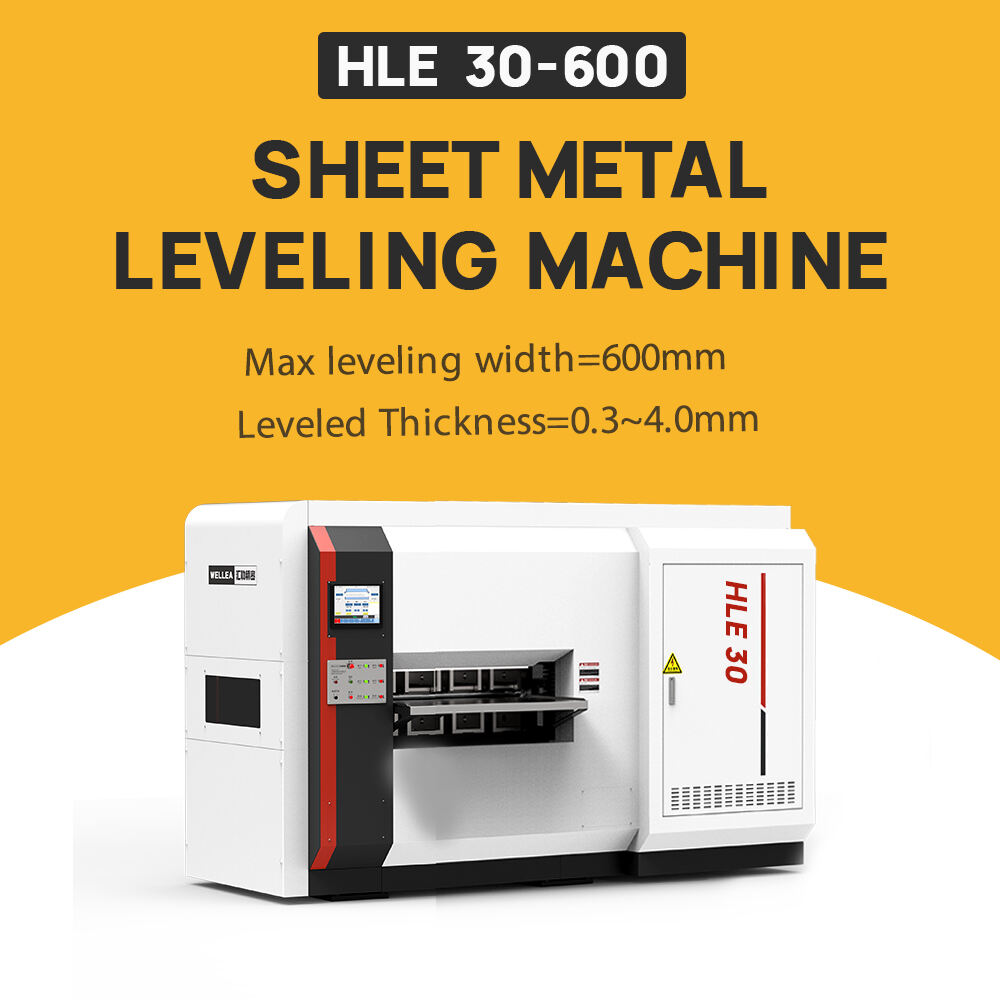
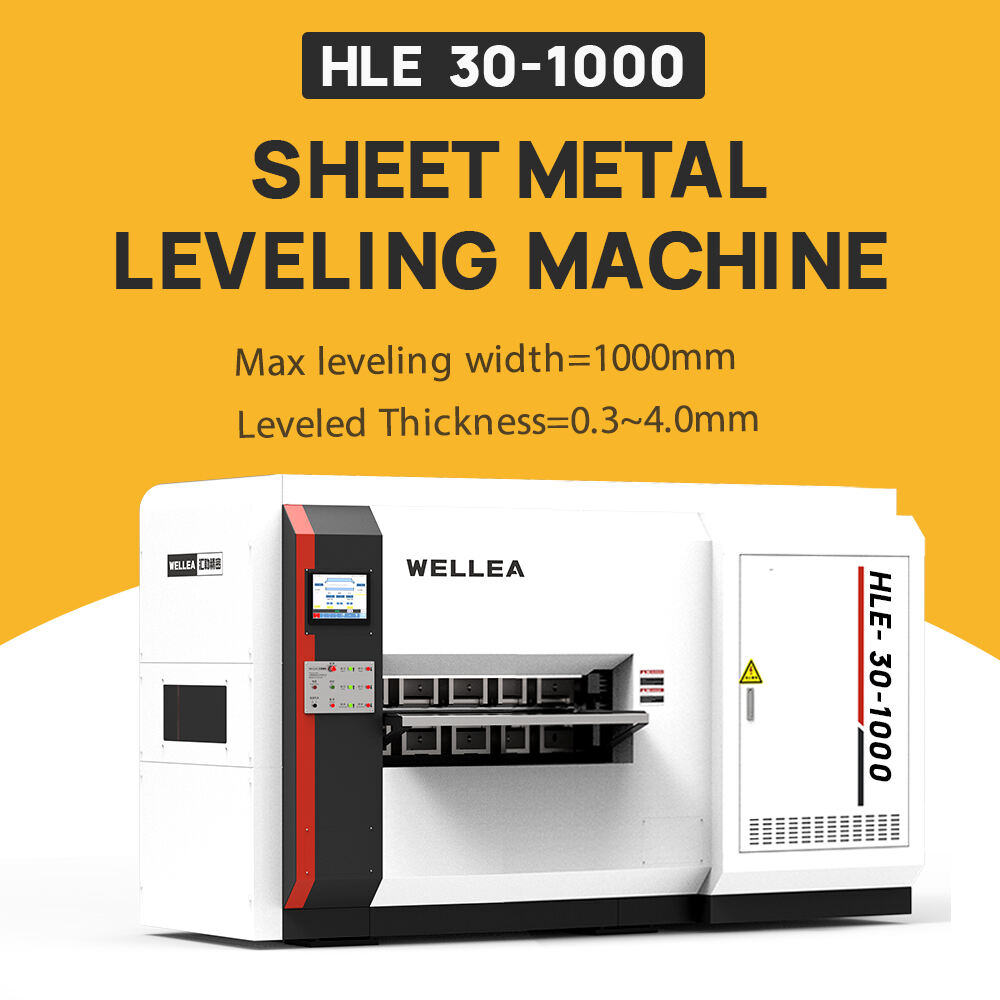
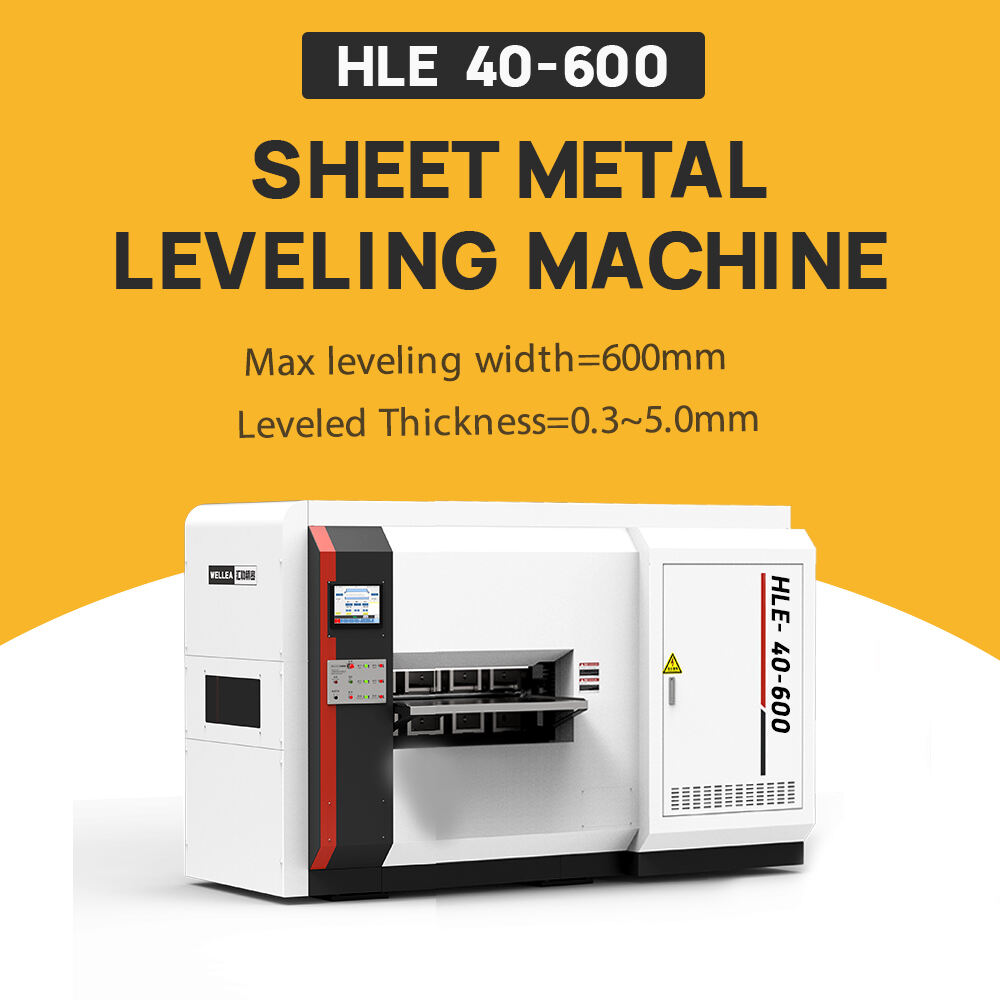
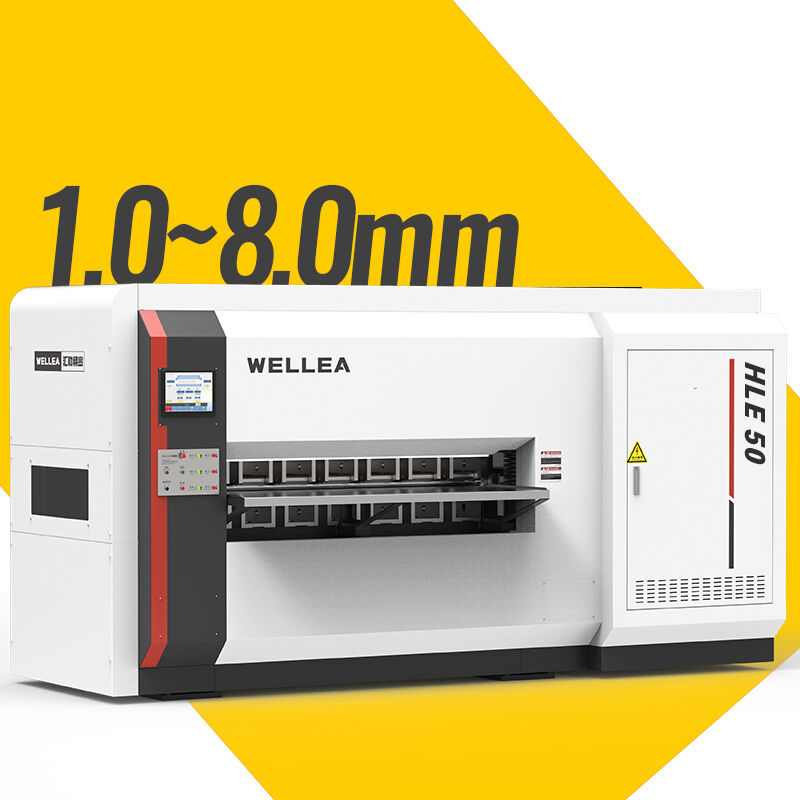
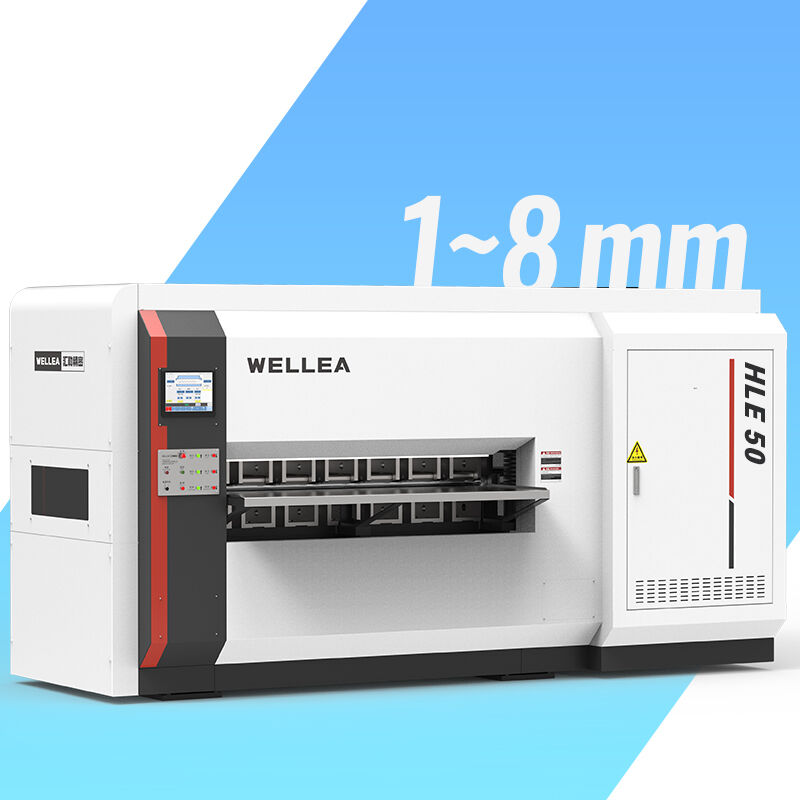
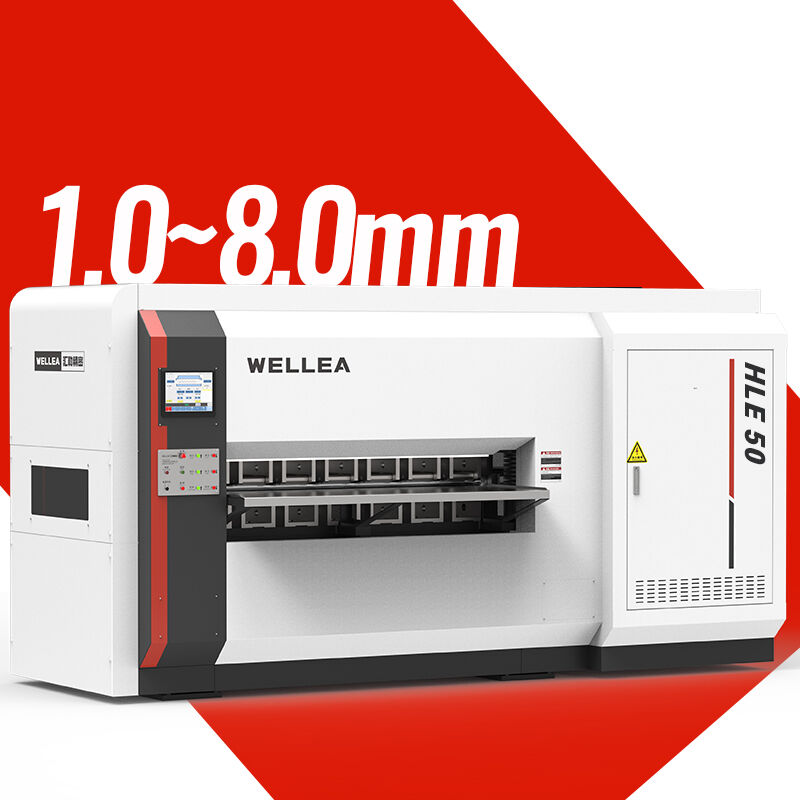
A steel leveling machine represents a crucial piece of industrial equipment designed to flatten and straighten steel sheets, plates, and coils with exceptional precision. This sophisticated machinery operates through a series of strategically positioned rollers that apply controlled pressure to eliminate warping, bowing, and surface irregularities from steel materials. The steel leveling machine utilizes advanced hydraulic or mechanical systems to ensure consistent thickness and flatness across the entire surface area of processed materials. Modern steel leveling machines incorporate computer-controlled systems that monitor and adjust pressure parameters in real-time, delivering superior results compared to traditional manual methods. The primary function of a steel leveling machine involves removing internal stresses within steel components that develop during manufacturing processes such as rolling, cutting, or welding. These internal tensions can cause dimensional instabilities that compromise the quality of finished products. By employing multiple work rolls and backup rolls, the steel leveling machine systematically works the material through controlled deformation cycles. The technological features of contemporary steel leveling machines include programmable logic controllers that enable operators to preset specific parameters for different material types and thicknesses. Advanced models feature automatic thickness measurement systems that provide continuous feedback to maintain optimal processing conditions. The steel leveling machine typically incorporates variable speed drives that allow precise control over processing rates, ensuring consistent quality regardless of production demands. Entry and exit pinch rolls guide materials smoothly through the leveling process while maintaining proper alignment. Safety systems including emergency stops, light curtains, and protective guards ensure operator protection during operation. Applications for steel leveling machines span numerous industries including automotive manufacturing, construction, shipbuilding, appliance production, and general fabrication. These machines process various steel grades from mild carbon steel to high-strength alloys, accommodating thickness ranges from thin gauge sheets to heavy plates. The steel leveling machine proves essential for preparing materials before subsequent operations such as stamping, forming, welding, or painting.

New Products

Steel leveling machines deliver significant cost savings by reducing material waste and eliminating the need for secondary straightening operations. When manufacturers use properly leveled steel, they experience fewer production delays caused by material handling issues or quality rejections. The precision achieved by steel leveling machines translates directly into improved product quality, as flat materials feed more reliably through subsequent manufacturing processes. Operators can process materials faster when using pre-leveled steel, increasing overall production throughput and meeting tight delivery schedules more effectively. The consistent flatness provided by steel leveling machines enables better welding results, as properly aligned materials create stronger joints with fewer defects. Stamping and forming operations benefit significantly from leveled steel, as uniform material properties reduce tool wear and improve dimensional accuracy of finished components. Steel leveling machines enhance workplace safety by eliminating manual straightening efforts that pose ergonomic risks to workers. Automated processing reduces physical strain on employees while maintaining consistent quality standards that manual methods cannot achieve. The improved surface quality resulting from steel leveling machine processing creates better paint adhesion and coating uniformity, leading to enhanced appearance and corrosion resistance in finished products. Manufacturers experience reduced setup times when working with properly leveled materials, as equipment adjustments become more predictable and repeatable. The steel leveling machine eliminates variations in material thickness that can cause feeding problems in automated production lines. Quality control becomes more manageable when using leveled steel, as dimensional consistency reduces the need for frequent inspections and adjustments. Steel leveling machines accommodate various material widths and thicknesses, providing flexibility for diverse production requirements without requiring multiple specialized tools. The return on investment for steel leveling machine purchases typically occurs within the first year of operation due to increased efficiency and reduced waste. Energy consumption decreases when processing pre-leveled materials, as downstream equipment operates more efficiently without struggling against material distortions. Steel leveling machines maintain their effectiveness over extended periods with proper maintenance, providing reliable performance that supports consistent production schedules. The precision control offered by modern steel leveling machines allows manufacturers to work with tighter tolerances, opening opportunities for higher-value applications and customer contracts.

Tips And Tricks

How to select a nonrotating shaft radial riveter for precision components?

28

Jan

How to select a nonrotating shaft radial riveter for precision components?

Precision manufacturing demands exceptional reliability and accuracy in every assembly process. When working with delicate electronic components, aerospace assemblies, or medical devices, selecting the right nonrotating shaft radial riveter becomes c...
View More
How do radial riveting machines integrate with modern production systems?

26

Feb

How do radial riveting machines integrate with modern production systems?

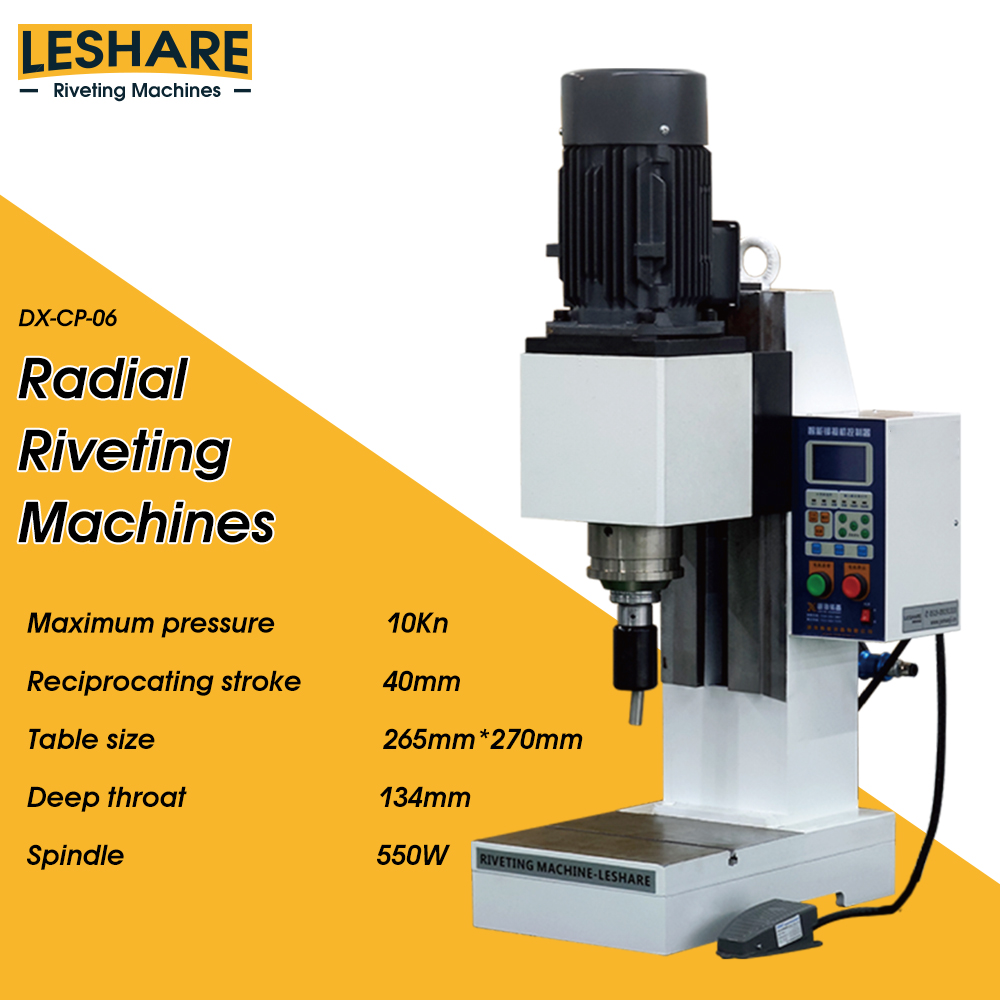
Modern manufacturing environments demand precision, efficiency, and seamless integration across all production processes. Radial riveting machines have emerged as essential equipment for achieving reliable fastening solutions in industries ranging fr...
View More
How to Choose the Right Automatic Riveting Machine for Your Line?

18

Mar

How to Choose the Right Automatic Riveting Machine for Your Line?

Manufacturing efficiency depends heavily on selecting the right equipment for your production line. An automatic riveting machine represents a critical investment that can significantly impact your operational productivity, product quality, and overa...
View More
What Are the Key Benefits of Using a Fastener Insertion Machine?

18

Mar

What Are the Key Benefits of Using a Fastener Insertion Machine?

Manufacturing efficiency has become a critical factor for businesses seeking competitive advantages in today's industrial landscape. A fastener insertion machine represents a transformative solution that automates the precise placement of threaded in...
View More

Get a Free Quote

Our representative will contact you soon.
Email
Name
Company Name
Message
0/1000

steel leveling machine

Advanced Roller Configuration Technology

Advanced Roller Configuration Technology

The sophisticated roller configuration system represents the heart of modern steel leveling machine design, incorporating multiple work rolls and backup rolls arranged in a scientifically engineered pattern to achieve optimal material processing results. This advanced roller configuration technology enables the steel leveling machine to apply precisely controlled bending forces that systematically eliminate internal stresses while maintaining material integrity. The work rolls make direct contact with the steel surface, while backup rolls provide essential support to prevent deflection under high processing loads. Each roller in the steel leveling machine system serves a specific purpose, with entry rolls guiding material into the processing zone and exit rolls ensuring smooth discharge of finished products. The roller diameter selection directly impacts the effectiveness of the leveling process, as smaller rollers create tighter bend radii that more effectively eliminate yield strength variations. Modern steel leveling machines feature adjustable roller positions that accommodate different material thicknesses without requiring complete equipment reconfiguration. The roller surface finish quality significantly influences the final appearance of processed materials, with precision-ground rollers producing superior surface finishes. Advanced steel leveling machine designs incorporate crowned rollers that compensate for natural deflection patterns, ensuring uniform pressure distribution across the full width of processed materials. The roller arrangement pattern follows established mathematical principles that optimize the work hardening effects while preventing over-processing that could damage material properties. Temperature control systems maintain optimal roller operating conditions, preventing thermal expansion that could affect processing accuracy. The steel leveling machine roller configuration typically includes multiple entry and exit bends that gradually introduce and release processing forces, minimizing material marking and surface damage. Hydraulic or mechanical adjustment mechanisms enable rapid roller position changes, supporting efficient changeovers between different material specifications. Regular roller maintenance ensures consistent processing quality, with steel leveling machine operators following prescribed inspection schedules to detect wear patterns or surface damage. The roller bearing systems utilize premium components designed for continuous operation under high loads, contributing to extended equipment life and reduced maintenance requirements.
Precision Control and Automation Systems

Precision Control and Automation Systems

Contemporary steel leveling machines incorporate sophisticated precision control and automation systems that revolutionize material processing accuracy and operational efficiency. These advanced control systems utilize programmable logic controllers integrated with human-machine interfaces that enable operators to establish precise processing parameters for different steel grades and dimensions. The steel leveling machine automation systems continuously monitor critical variables including roller positions, processing speeds, material tension, and hydraulic pressures to maintain optimal conditions throughout production runs. Servo-driven positioning systems provide micron-level accuracy in roller adjustments, ensuring consistent processing results regardless of material variations or environmental conditions. The automation technology within modern steel leveling machines includes automatic material threading systems that reduce setup times and minimize operator intervention during production changeovers. Integrated thickness measurement devices provide real-time feedback to control systems, enabling dynamic adjustments that compensate for incoming material variations. The steel leveling machine control systems store multiple processing recipes that can be quickly recalled for different material specifications, streamlining production planning and reducing setup errors. Advanced diagnostics capabilities monitor equipment performance parameters and provide predictive maintenance alerts that prevent unexpected downtime. Touch-screen interfaces simplify operator training while providing comprehensive process monitoring capabilities that enhance quality control efforts. The precision control systems enable steel leveling machine operators to achieve repeatability levels that manual processes cannot match, supporting consistent product quality across extended production runs. Safety interlocks integrated within the control systems prevent equipment operation under unsafe conditions while protecting both personnel and machinery from damage. Data logging capabilities capture detailed processing information that supports quality documentation requirements and process improvement initiatives. Remote monitoring options allow production managers to track steel leveling machine performance from centralized control rooms, optimizing resource allocation and production scheduling. The automation systems support integration with upstream and downstream equipment, enabling fully automated material handling that minimizes labor requirements while maximizing throughput. Calibration procedures built into the control systems ensure measurement accuracy over extended operating periods, maintaining process capability within specified tolerances.
Versatile Material Processing Capabilities

Versatile Material Processing Capabilities

Steel leveling machines demonstrate exceptional versatility in processing diverse material types, thicknesses, and widths, making them indispensable for manufacturers serving multiple market segments and application requirements. This versatile material processing capability enables steel leveling machine operators to handle everything from thin gauge sheets used in appliance manufacturing to heavy plates required for structural applications. The adjustable roller spacing accommodates material thickness ranges that span from fractions of millimeters to several centimeters, providing flexibility that eliminates the need for multiple specialized machines. Modern steel leveling machines process various steel alloys including carbon steels, stainless steels, aluminum alloys, and exotic materials used in aerospace and medical device manufacturing. The width capacity of industrial steel leveling machines typically ranges from narrow strips to wide plates exceeding several meters, supporting diverse production requirements within a single equipment investment. Surface finish requirements vary significantly across applications, and steel leveling machine technology adapts to produce results ranging from standard commercial finishes to mirror-like surfaces required for decorative applications. The processing speed capabilities enable steel leveling machine operations to match the pace of high-volume production lines while maintaining quality standards necessary for precision applications. Material hardness variations present unique challenges that modern steel leveling machines address through adjustable force applications and specialized roller configurations. The equipment handles pre-painted materials without damaging coating integrity, supporting manufacturers who process value-added steel products. Coiled materials present feeding challenges that steel leveling machine designs overcome through specialized entry systems that accommodate varying coil diameters and material conditions. The temperature tolerance of steel leveling machines enables processing of materials at elevated temperatures, supporting integration with hot forming operations. Edge quality preservation represents a critical requirement that steel leveling machine technology addresses through careful material handling and roller edge design. The ability to process materials with varying mechanical properties within the same production run demonstrates the adaptability that makes steel leveling machines valuable for job shop operations. Customization options allow steel leveling machine manufacturers to modify equipment specifications for unique application requirements, ensuring optimal performance across diverse industrial sectors.

Get a Free Quote

Our representative will contact you soon.
Email
Name
Company Name
Message
0/1000