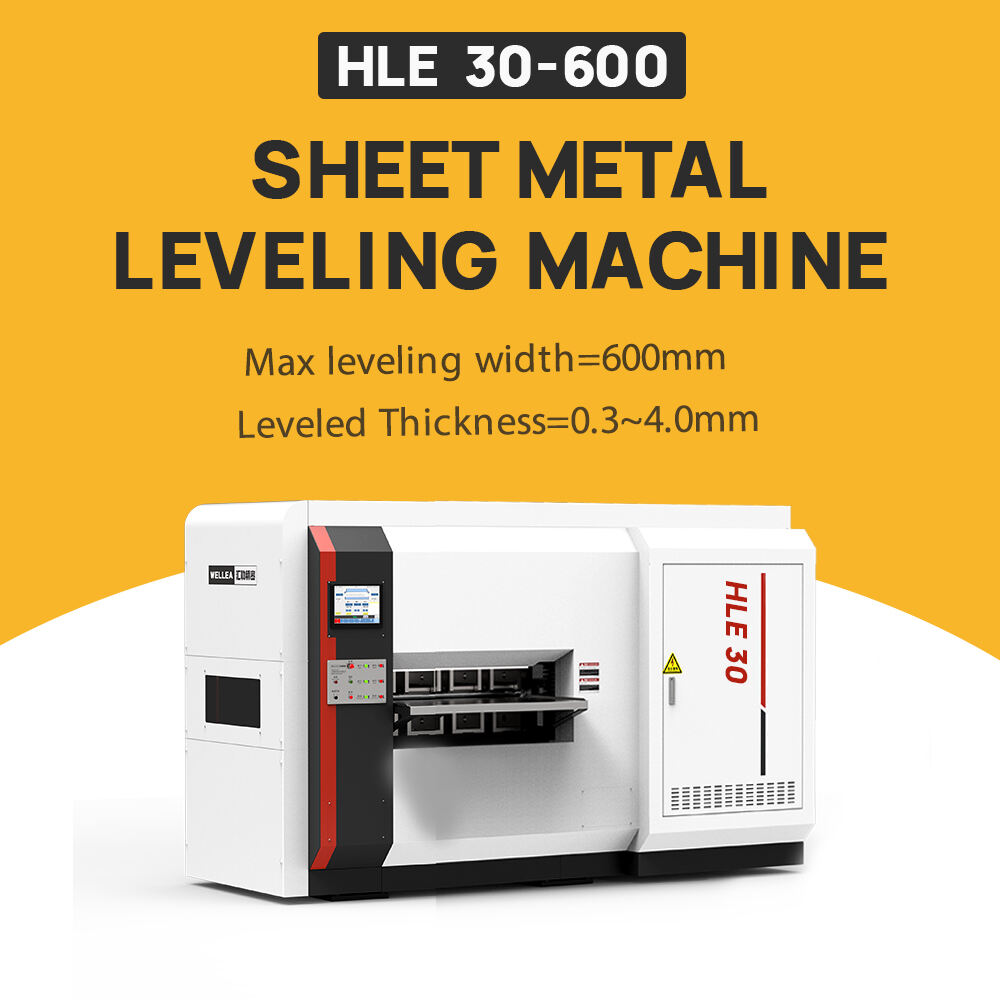
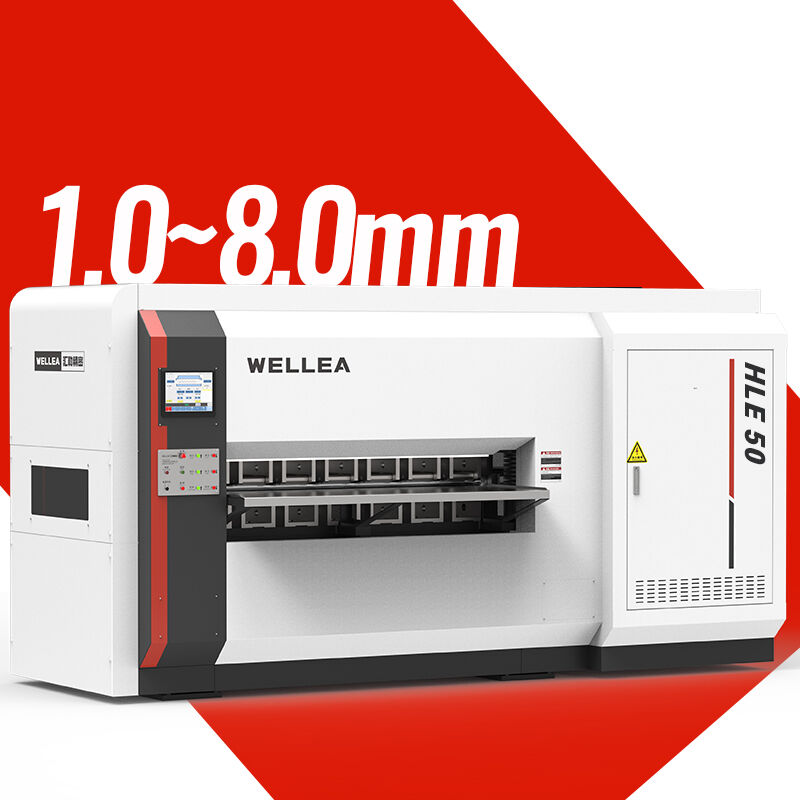
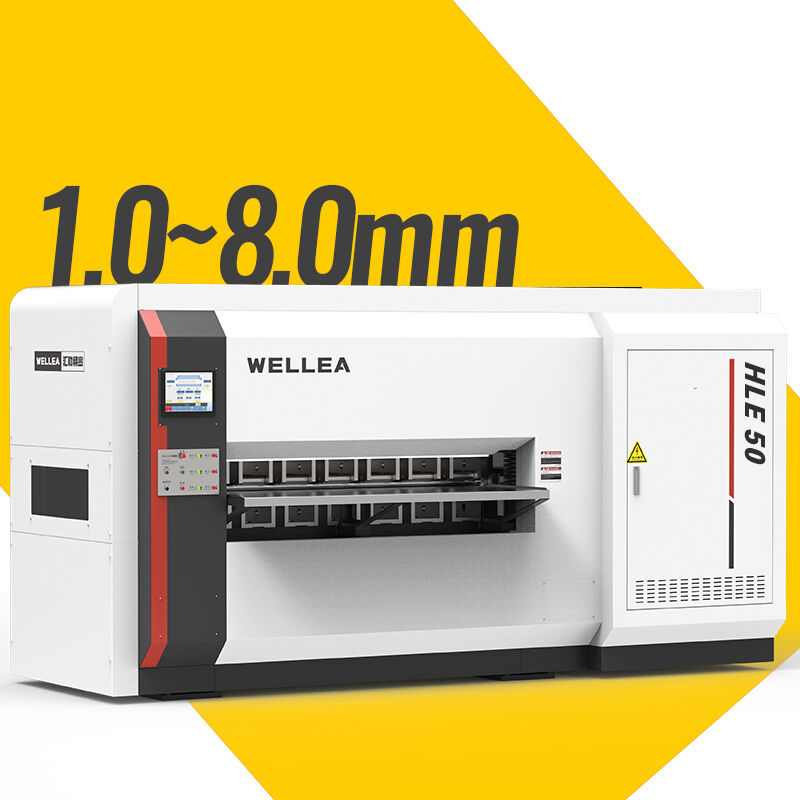
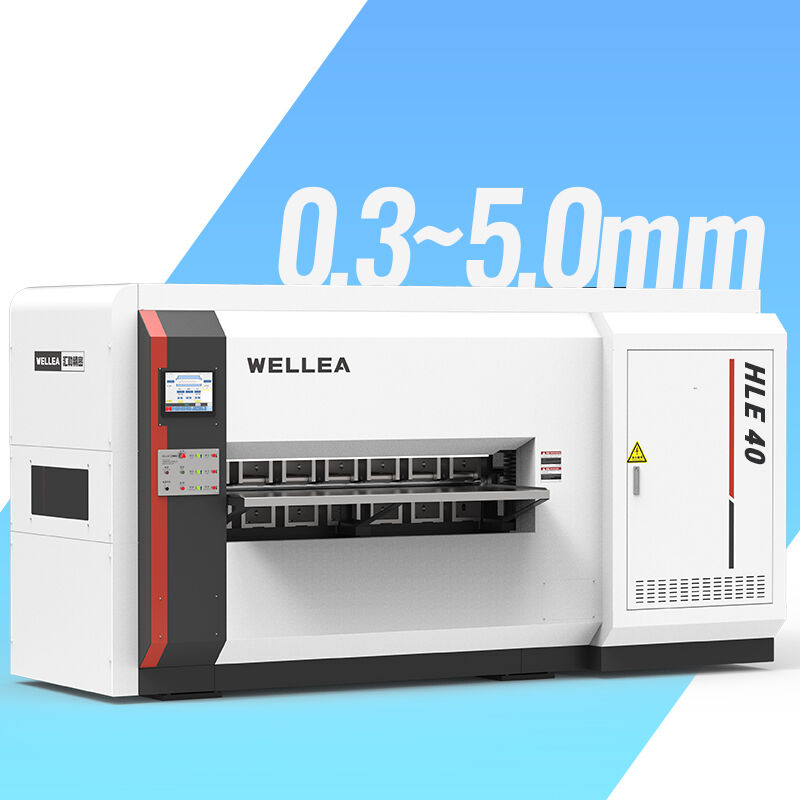
Professional Sheet Leveling Equipment - Advanced Metal Flattening Solutions

Get a Free Quote

Our representative will contact you soon.
Email
Name
Company Name
Message
0/1000

sheet leveling equipment

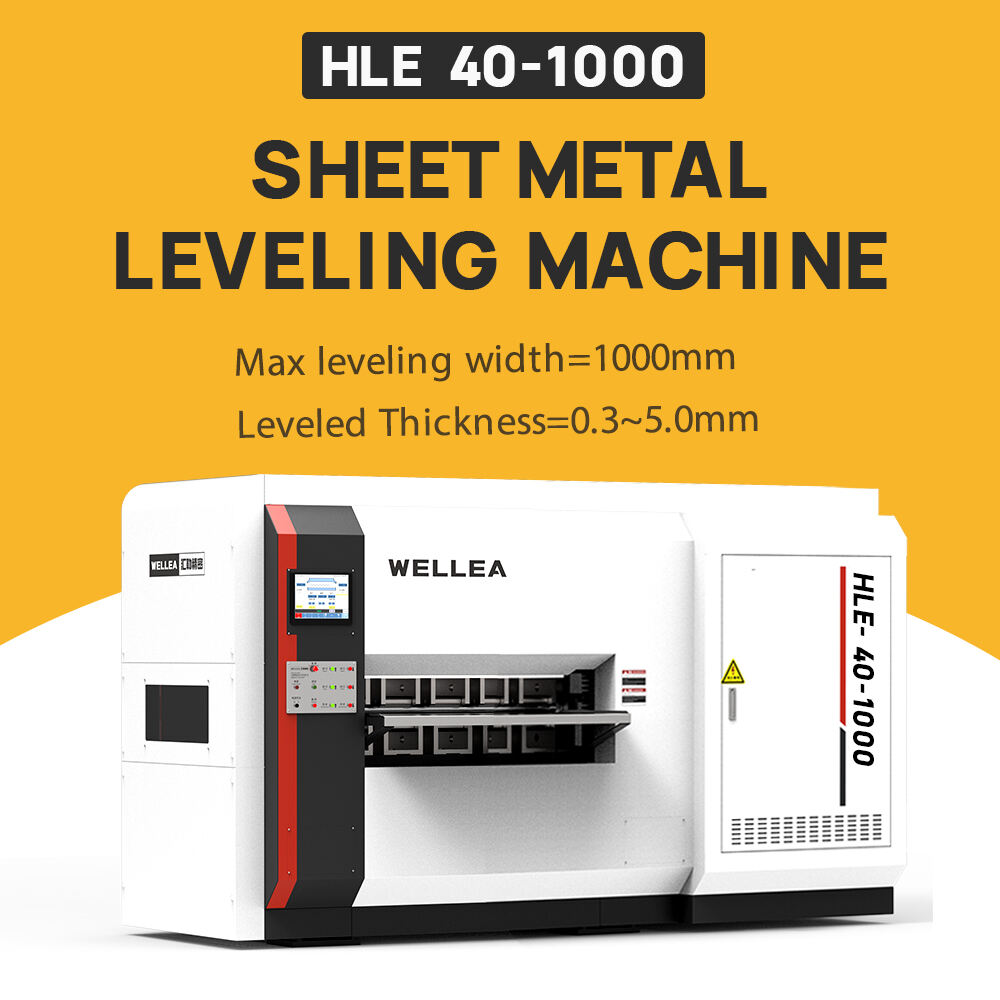
Sheet leveling equipment represents a critical component in modern manufacturing operations, serving as the cornerstone for achieving precise flatness in metal sheets and plates. This sophisticated machinery addresses the fundamental challenge of material distortion that occurs during rolling, cutting, welding, and other fabrication processes. The primary function of sheet leveling equipment involves systematically removing internal stresses and surface irregularities to produce perfectly flat metal sheets that meet stringent quality standards. The equipment operates through a series of strategically positioned rollers that apply controlled pressure across the sheet surface, effectively redistributing stress patterns and eliminating warpage, bow, and twist defects. Advanced sheet leveling equipment incorporates hydraulic systems that provide precise force control, ensuring consistent results across varying material thicknesses and compositions. The technological architecture typically includes entry and exit tables, roller assemblies with adjustable spacing, and sophisticated control systems that monitor and adjust processing parameters in real-time. Modern sheet leveling equipment features computerized controls that allow operators to program specific leveling sequences for different material types and thicknesses. These machines can accommodate a wide range of materials including steel, aluminum, stainless steel, copper, and specialized alloys. The equipment's versatility extends to processing sheets ranging from thin gauge materials to heavy plates, making it indispensable across diverse manufacturing sectors. Industrial applications span automotive manufacturing, shipbuilding, construction, appliance production, and precision engineering. The equipment's ability to handle both ferrous and non-ferrous materials makes it particularly valuable in multi-material production environments. Quality control features integrated into modern sheet leveling equipment include laser measurement systems that continuously monitor flatness tolerances and automatic adjustment mechanisms that compensate for material variations during processing.

New Product Releases

Sheet leveling equipment delivers substantial operational benefits that directly impact manufacturing efficiency and product quality. The primary advantage lies in its ability to eliminate costly rework and material waste by ensuring consistent flatness from the initial processing stage. Manufacturers experience significant cost savings through reduced scrap rates and improved material utilization, as properly leveled sheets require fewer secondary operations and produce higher-quality finished products. The equipment enhances downstream processing efficiency by providing uniform material that feeds smoothly through subsequent manufacturing operations such as cutting, forming, and welding. Production scheduling becomes more predictable when sheet leveling equipment ensures consistent material quality, reducing unexpected delays caused by warped or distorted sheets. Quality improvements extend beyond simple flatness, as the leveling process relieves internal stresses that could otherwise cause dimensional changes during subsequent processing or in service. This stress relief capability prevents cracking, warping, and other defects that commonly occur when working with improperly prepared materials. Sheet leveling equipment enables manufacturers to work with a broader range of material suppliers and grades, as the leveling process can correct variations in incoming material quality. The automated operation reduces labor requirements while improving consistency compared to manual flattening methods. Productivity gains result from faster processing speeds and the ability to handle larger sheets in single passes, eliminating the need for multiple setup operations. Energy efficiency represents another significant advantage, as modern sheet leveling equipment incorporates servo-driven systems and optimized hydraulic circuits that minimize power consumption. The equipment's precision control systems ensure repeatable results, reducing quality variations that can affect customer satisfaction and require costly warranty repairs. Maintenance requirements remain minimal due to robust construction and advanced bearing systems that extend service life. Return on investment typically occurs within 12 to 18 months through combined savings in material costs, labor reduction, and improved productivity. The equipment's flexibility allows manufacturers to respond quickly to changing customer requirements and market demands without significant reconfiguration time.

Tips And Tricks

Why Is a Fastener Insertion Machine Essential for Consistent Hardware Placement?

18

Dec

Why Is a Fastener Insertion Machine Essential for Consistent Hardware Placement?

Manufacturing precision has become the cornerstone of modern industrial production, where even the smallest components must be installed with exact accuracy and consistent quality. In today's competitive manufacturing landscape, companies are increas...
View More
How Do You Match Fastener Types to the Right Fastener Insertion Machine?

29

Dec

How Do You Match Fastener Types to the Right Fastener Insertion Machine?

Selecting the appropriate fastener insertion machine for your manufacturing operation requires careful consideration of multiple technical factors that directly impact production efficiency, quality, and cost-effectiveness. Modern industrial applicat...
View More
Why is a nonrotating shaft radial riveter critical in delicate assemblies?

28

Jan

Why is a nonrotating shaft radial riveter critical in delicate assemblies?

In precision manufacturing environments where component integrity and assembly quality determine product success, the choice of joining technology becomes paramount. A nonrotating shaft radial riveter represents a specialized solution engineered spec...
View More
What Maintenance Practices Extend Insertion Machine Life?

18

Mar

What Maintenance Practices Extend Insertion Machine Life?

The longevity of an insertion machine directly impacts manufacturing efficiency and total cost of ownership in automated assembly operations. These precision instruments require systematic care to maintain their operational integrity and deliver cons...
View More

Get a Free Quote

Our representative will contact you soon.
Email
Name
Company Name
Message
0/1000

sheet leveling equipment

Advanced Hydraulic Control System

Advanced Hydraulic Control System

The sophisticated hydraulic control system represents the technological heart of modern sheet leveling equipment, delivering unprecedented precision and consistency in material processing. This advanced system utilizes servo-controlled hydraulic cylinders that apply precisely calibrated forces across multiple contact points, ensuring uniform pressure distribution throughout the leveling process. The hydraulic architecture incorporates proportional valves and feedback sensors that continuously monitor and adjust cylinder positions with accuracy measured in thousandths of an inch. This level of precision enables the equipment to accommodate varying material thicknesses and hardness levels without manual intervention, significantly reducing setup times and operator skill requirements. The control system features programmable pressure profiles that can be customized for specific material types and processing requirements, storing multiple recipes for quick changeover between different production runs. Integrated safety systems prevent hydraulic over-pressure conditions while maintaining optimal processing forces, protecting both the equipment and processed materials from damage. The hydraulic system's response time enables real-time adjustments during processing, automatically compensating for material variations and maintaining consistent results throughout extended production runs. Energy efficiency benefits arise from variable displacement pumps and accumulator systems that reduce power consumption during idle periods and provide instant response when processing demands change. The system's diagnostic capabilities continuously monitor hydraulic fluid temperature, pressure levels, and flow rates, providing predictive maintenance alerts that prevent unexpected downdowns and extend equipment service life. Advanced filtration systems maintain hydraulic fluid cleanliness, ensuring consistent performance and protecting sensitive control components from contamination. The modular design facilitates easy maintenance and component replacement, minimizing service disruptions and reducing long-term operating costs for manufacturing facilities.
Precision Roller Assembly Configuration

Precision Roller Assembly Configuration

The precision roller assembly configuration stands as the mechanical foundation that transforms ordinary metal sheets into perfectly flat materials through engineered contact geometry and controlled deflection patterns. This sophisticated assembly consists of multiple work rollers and backup rollers arranged in a scientifically designed pattern that distributes leveling forces evenly across the sheet width while accommodating natural material variations. Each roller undergoes precision grinding and balancing procedures to ensure perfect cylindricity and surface finish, eliminating any potential for marking or scoring the processed materials. The roller spacing system utilizes mechanical or hydraulic adjustment mechanisms that allow operators to fine-tune contact pressures for optimal leveling results across different material thicknesses. Advanced bearing systems support each roller with minimal friction and maximum rigidity, ensuring consistent performance even under heavy loading conditions typical of thick plate processing. The roller surface treatments include specialized coatings and texturing patterns designed to enhance grip while preventing material damage, accommodating both smooth and textured sheet surfaces. Roller deflection compensation systems actively monitor and correct for natural bending that occurs under load, maintaining uniform contact pressure across the full sheet width regardless of material thickness variations. The assembly's modular construction enables quick roller changes for different surface finish requirements or when transitioning between material types with significantly different hardness characteristics. Cooling systems integrated within the roller assembly prevent thermal expansion effects that could compromise leveling accuracy during extended production runs. The roller configuration can be optimized for specific applications, with closer spacing for thin materials requiring gentle correction and wider spacing for heavy plates needing aggressive stress relief. Quality monitoring systems track roller wear patterns and provide maintenance scheduling recommendations to ensure consistent performance throughout the equipment's service life.
Automated Quality Control Integration

Automated Quality Control Integration

The automated quality control integration transforms sheet leveling equipment from a simple processing machine into an intelligent manufacturing system that continuously monitors, measures, and optimizes material flatness throughout the production process. This comprehensive system employs laser-based measurement technology that scans the sheet surface before, during, and after leveling to provide real-time feedback on material condition and processing effectiveness. The measurement system captures detailed topographical data across the full sheet width and length, identifying specific areas requiring additional correction and automatically adjusting roller pressures to address these localized variations. Advanced algorithms analyze the measurement data to predict optimal processing parameters for incoming materials based on their initial condition, material properties, and desired final specifications. The integration includes statistical process control capabilities that track production trends, identify process variations, and generate detailed quality reports for customer documentation and internal process improvement initiatives. Automatic rejection systems divert materials that fail to meet specified flatness tolerances, preventing defective products from reaching downstream operations and maintaining consistent quality standards. The system's data logging capabilities create comprehensive production records that support quality certifications and provide traceability for critical applications in aerospace, automotive, and construction industries. Machine learning algorithms continuously improve processing accuracy by analyzing historical data patterns and automatically adjusting control parameters to optimize results for similar materials and processing conditions. Remote monitoring capabilities enable quality engineers to track equipment performance and material quality from centralized locations, facilitating rapid response to process variations and reducing the need for on-site supervision. The integration supports multiple quality standards and measurement protocols, adapting to customer-specific requirements and industry regulations without requiring extensive reprogramming or equipment modifications. Predictive analytics features identify potential quality issues before they occur, enabling proactive adjustments that prevent defective production and reduce material waste. The comprehensive quality control integration ensures that every sheet processed meets or exceeds specified flatness tolerances while providing detailed documentation of processing parameters and measurement results for complete production traceability.

Get a Free Quote

Our representative will contact you soon.
Email
Name
Company Name
Message
0/1000