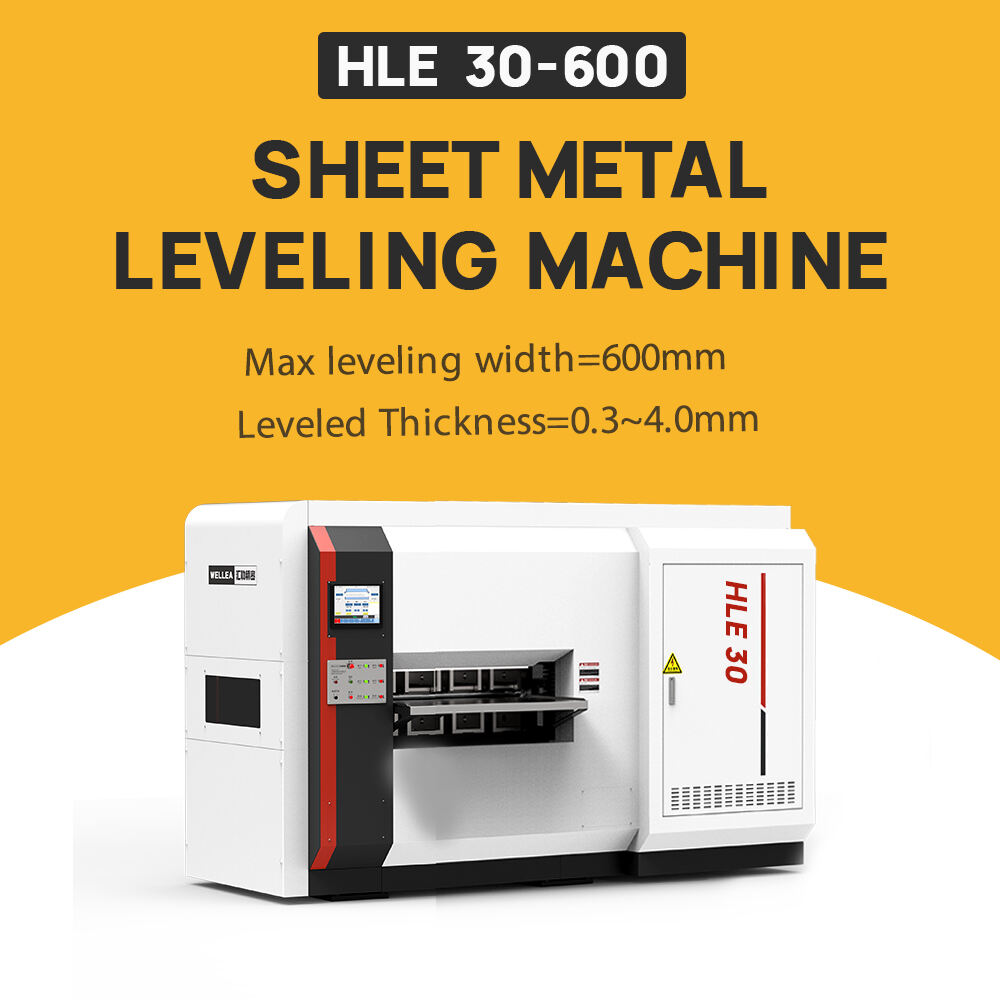
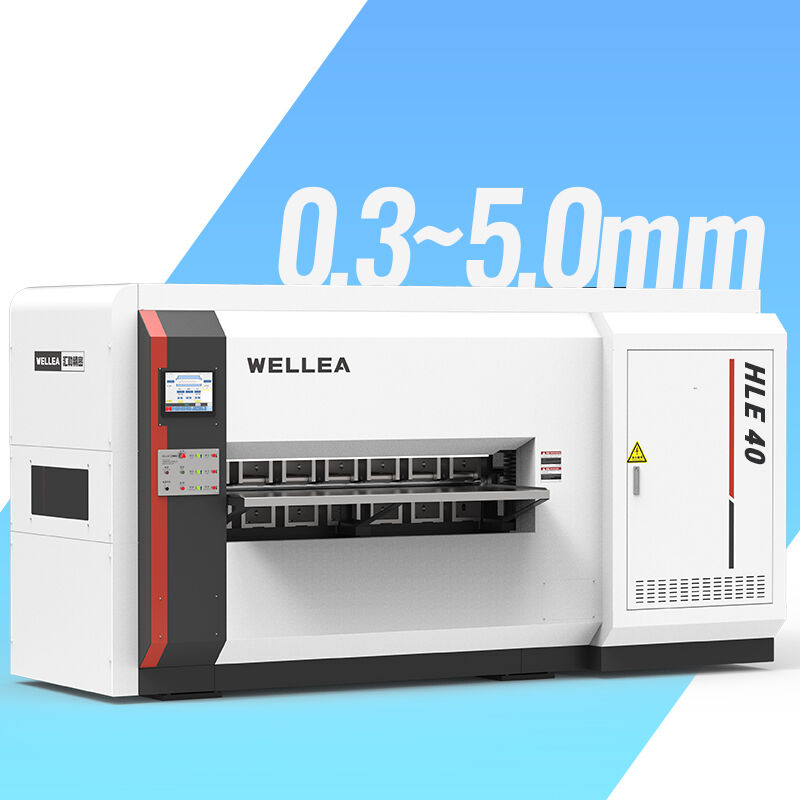
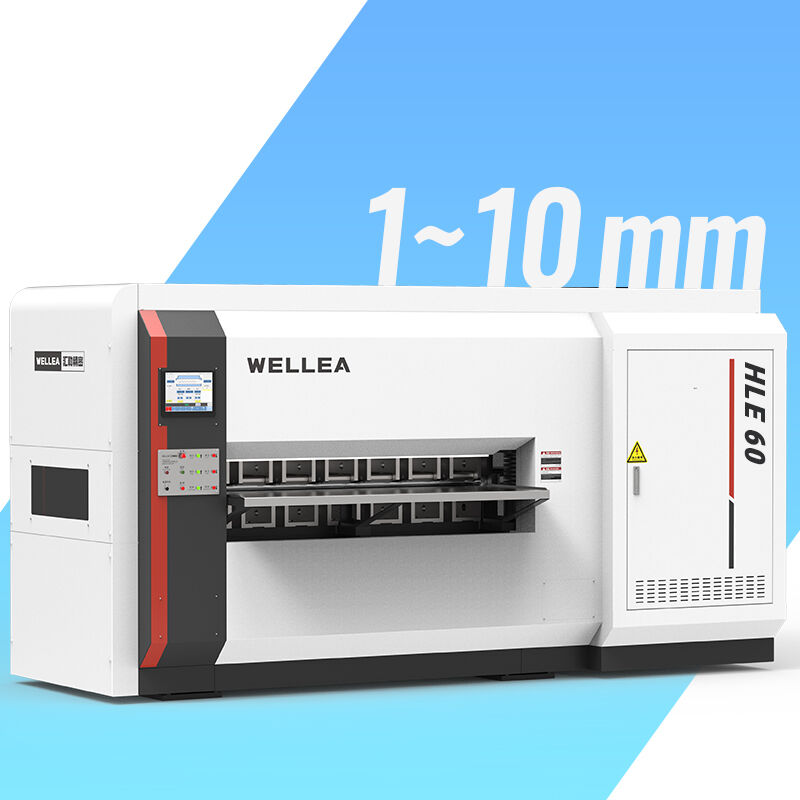
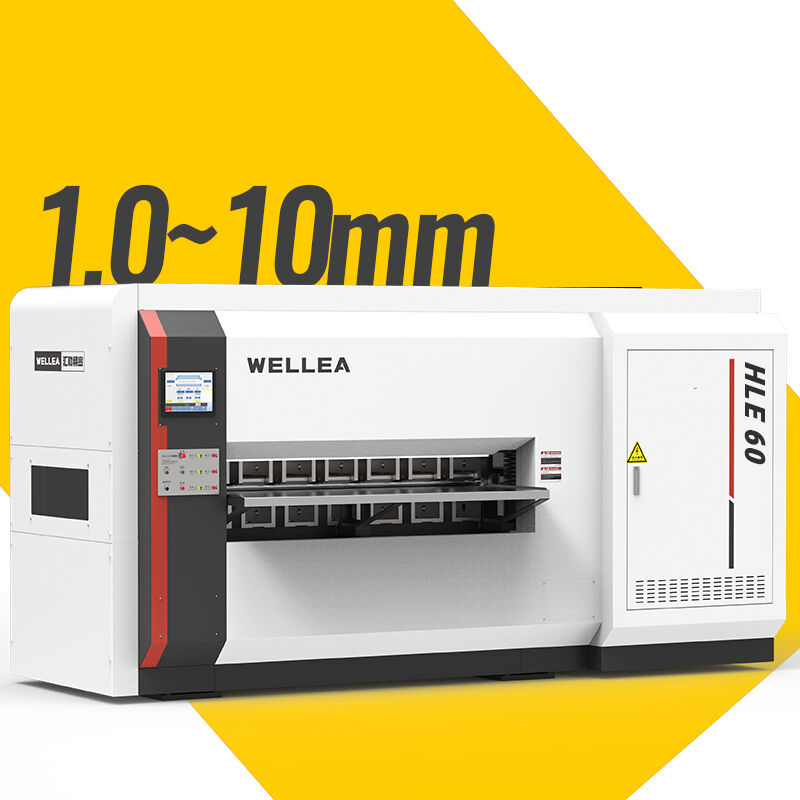
steel plate leveling machine
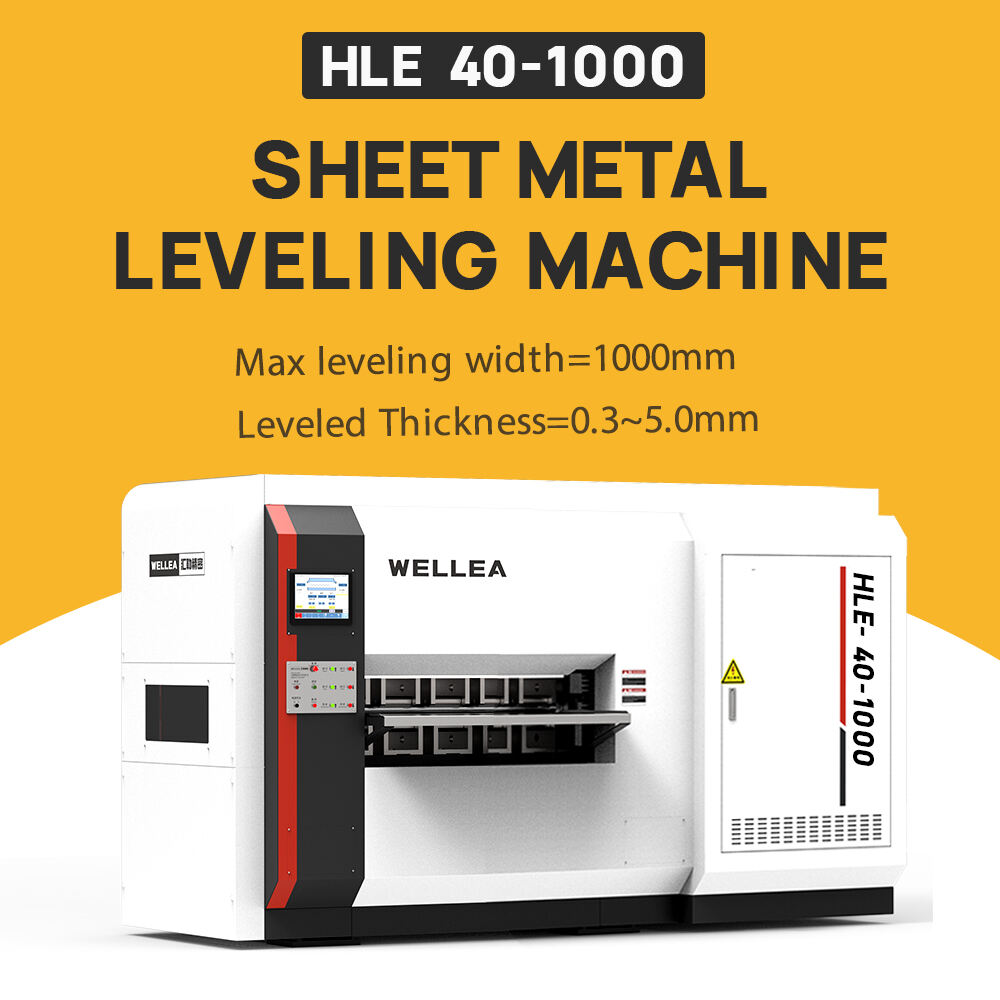
The steel plate leveling machine represents a crucial industrial equipment designed to eliminate distortions, warping, and surface irregularities from metal sheets and plates. This sophisticated machinery operates through a series of precisely positioned rollers that apply controlled pressure to flatten steel plates, ensuring they meet strict dimensional tolerances and surface quality standards. Modern steel plate leveling machines incorporate advanced hydraulic systems, computerized controls, and precision-engineered components to deliver consistent results across various steel grades and thicknesses. The primary function involves feeding steel plates through multiple roller sets that systematically remove internal stresses and surface deformations. These machines accommodate plates ranging from thin sheets to heavy-duty structural steel, with working widths spanning from compact desktop units to massive industrial systems exceeding 12 feet. The leveling process begins with material feeding mechanisms that guide plates into the roller assembly, where alternating top and bottom rollers create localized bending forces. This controlled deformation process redistributes internal stresses throughout the material, resulting in perfectly flat surfaces. Advanced steel plate leveling machines feature programmable logic controllers that automatically adjust roller positions based on material specifications, thickness variations, and desired flatness parameters. The technological architecture includes servo-driven positioning systems, real-time force monitoring, and integrated quality control sensors. These machines find extensive applications across manufacturing industries including automotive, construction, shipbuilding, and general fabrication. Steel service centers utilize these systems to prepare materials for downstream processing, while manufacturers integrate them into production lines for component preparation. The leveling process significantly improves material handling efficiency, reduces waste from rejected parts, and enhances the quality of welded assemblies by providing consistently flat starting materials.
 EN
EN