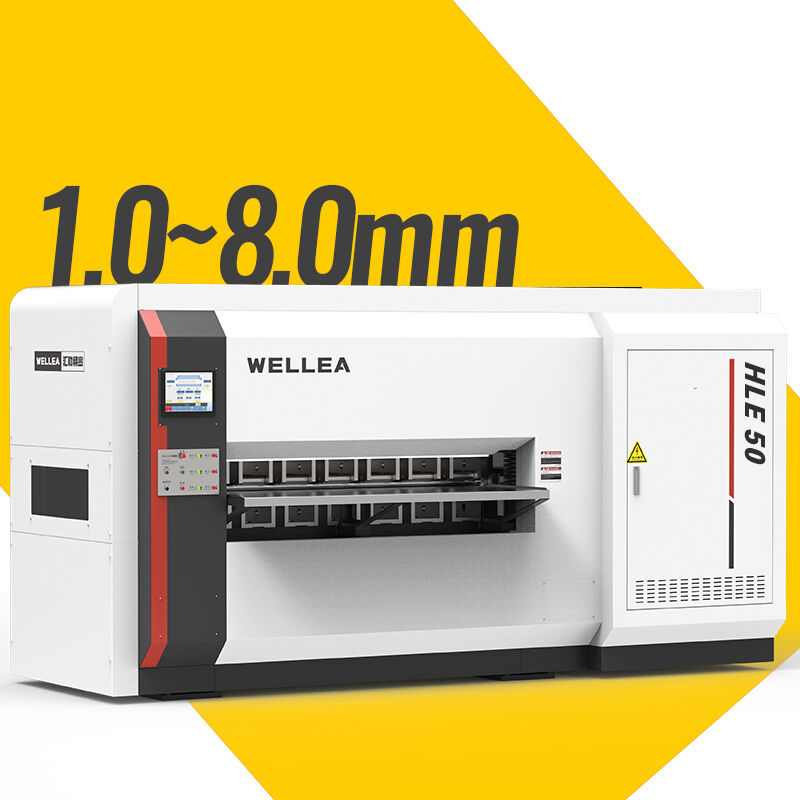
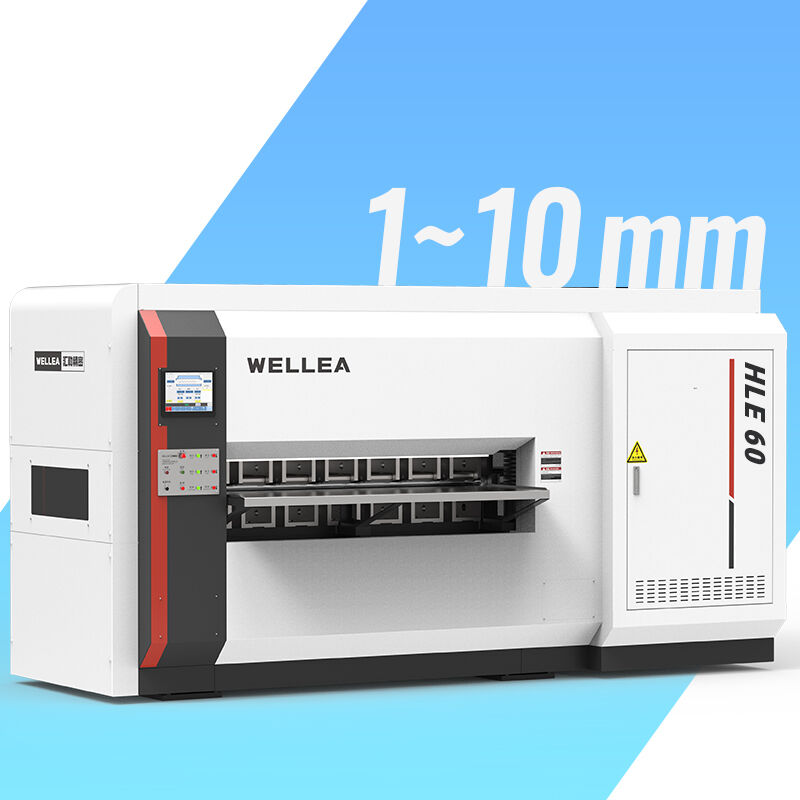
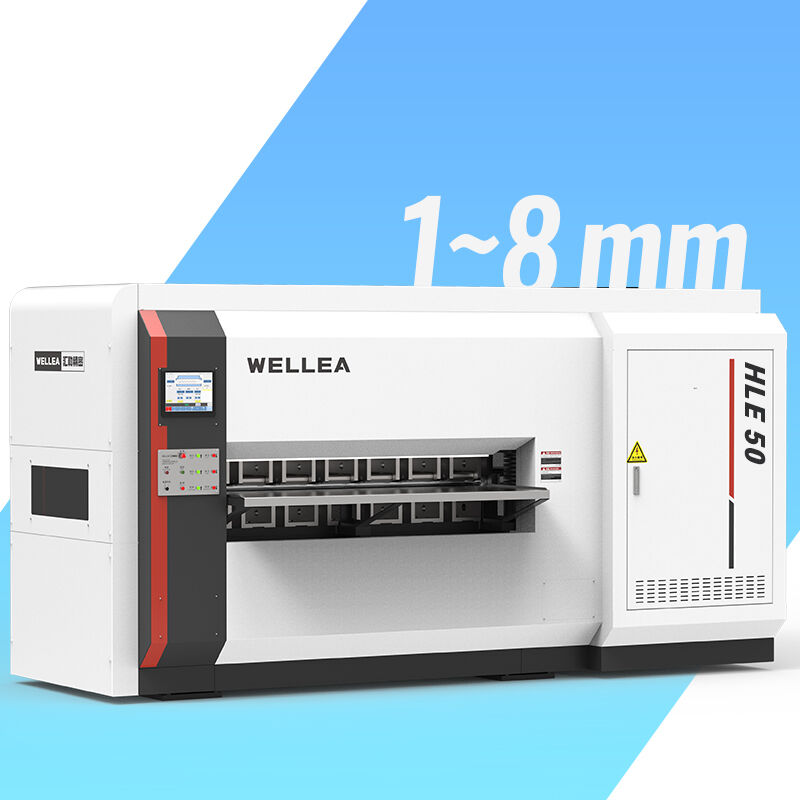
multiroller leveling machine
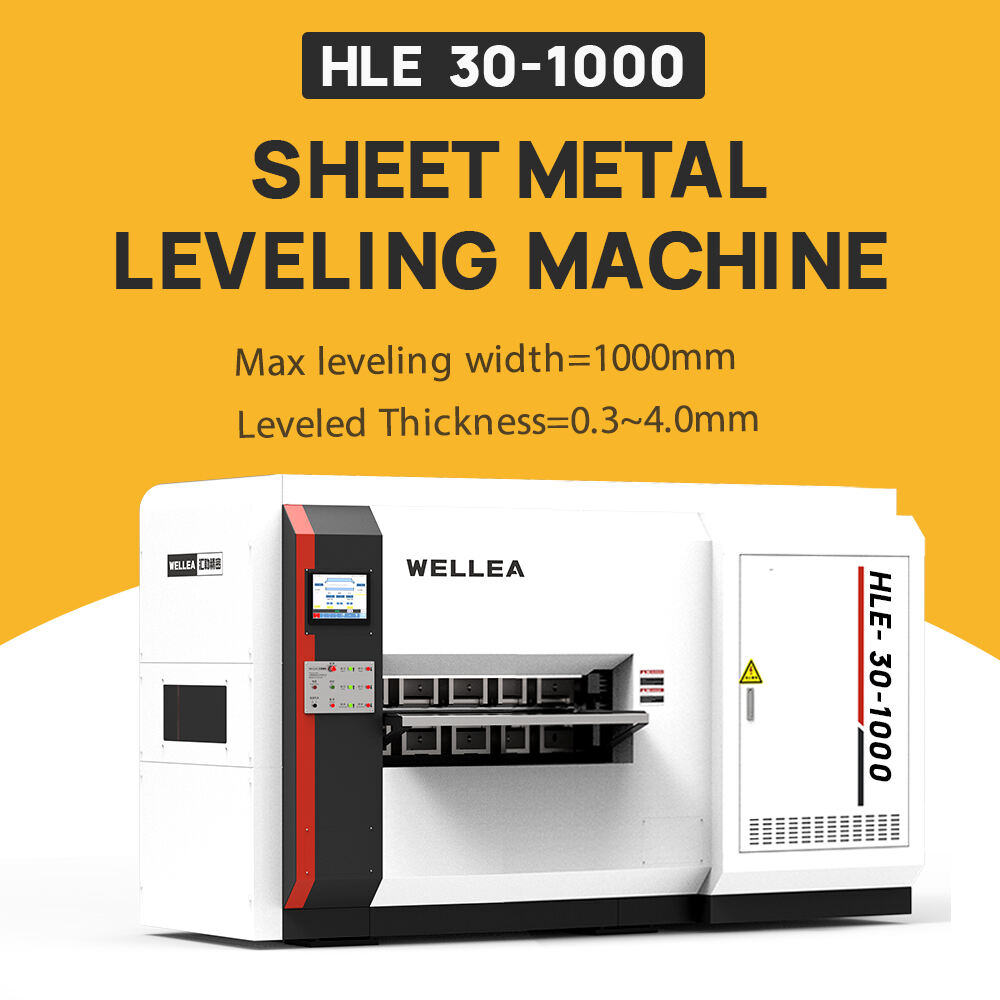
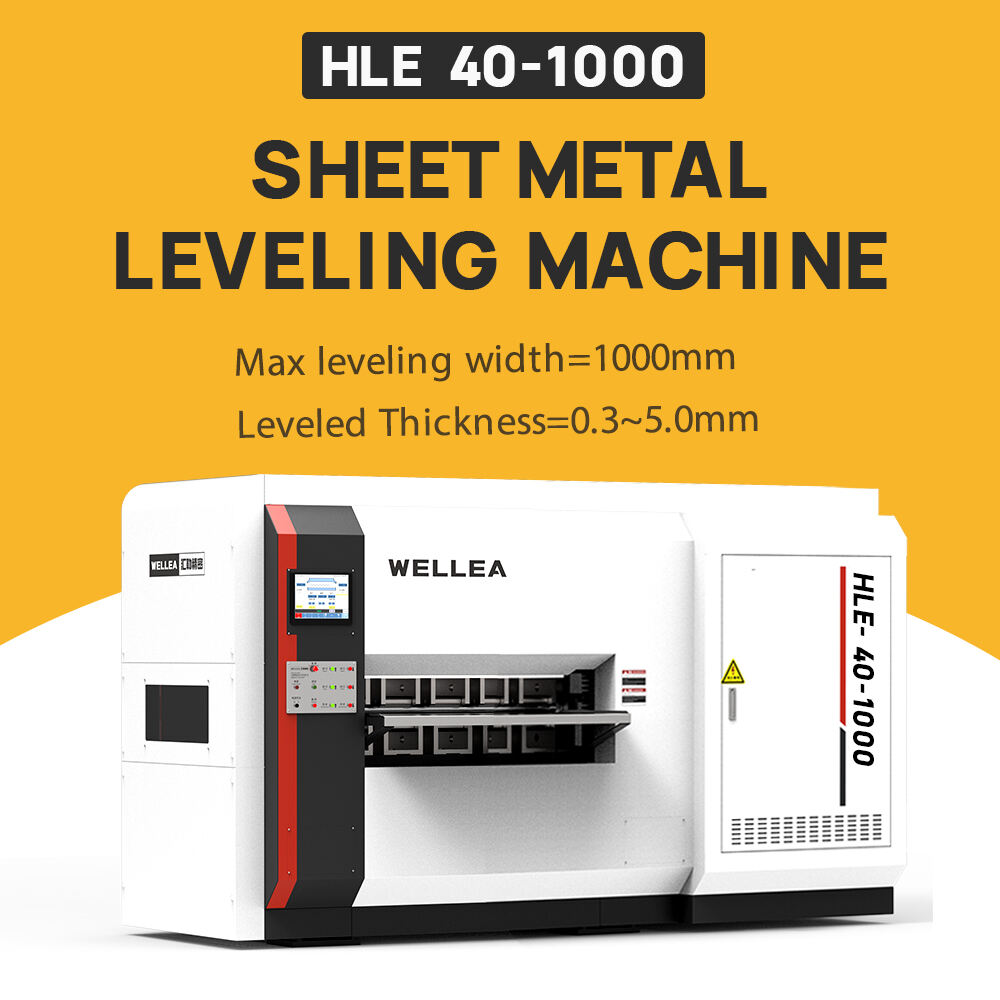
The multiroller leveling machine stands as a sophisticated industrial solution designed to achieve precise metal sheet flattening and surface conditioning across various manufacturing sectors. This advanced equipment utilizes multiple rollers arranged in a strategic configuration to eliminate material deformations, residual stresses, and surface irregularities that commonly occur during metal processing operations. The fundamental operation involves feeding metal sheets through a series of precisely calibrated rollers that apply controlled pressure and bending forces, effectively removing warpage, coil set, and other dimensional inconsistencies. Modern multiroller leveling machines incorporate advanced hydraulic systems, computerized controls, and variable roller positioning mechanisms that enable operators to process materials ranging from thin gauge aluminum to heavy steel plates with exceptional accuracy. The machine's core functionality centers on its ability to subject metal workpieces to alternating bending stresses through sequential roller contact points, gradually reducing internal tensions while achieving superior flatness tolerances. Contemporary models feature sophisticated measurement systems that continuously monitor material thickness, surface quality, and dimensional parameters throughout the leveling process. The technological architecture includes programmable logic controllers, servo-driven positioning systems, and real-time feedback mechanisms that optimize processing parameters based on material characteristics and desired outcomes. These machines accommodate various material types including carbon steel, stainless steel, aluminum alloys, copper, and specialized metal composites used in automotive, aerospace, construction, and appliance manufacturing. The multiroller leveling machine represents an essential component in modern metal processing facilities, delivering consistent results while minimizing material waste and reducing downstream processing requirements. Advanced safety features, ergonomic operator interfaces, and automated material handling capabilities enhance operational efficiency while ensuring workplace safety standards are maintained throughout production cycles.
 EN
EN