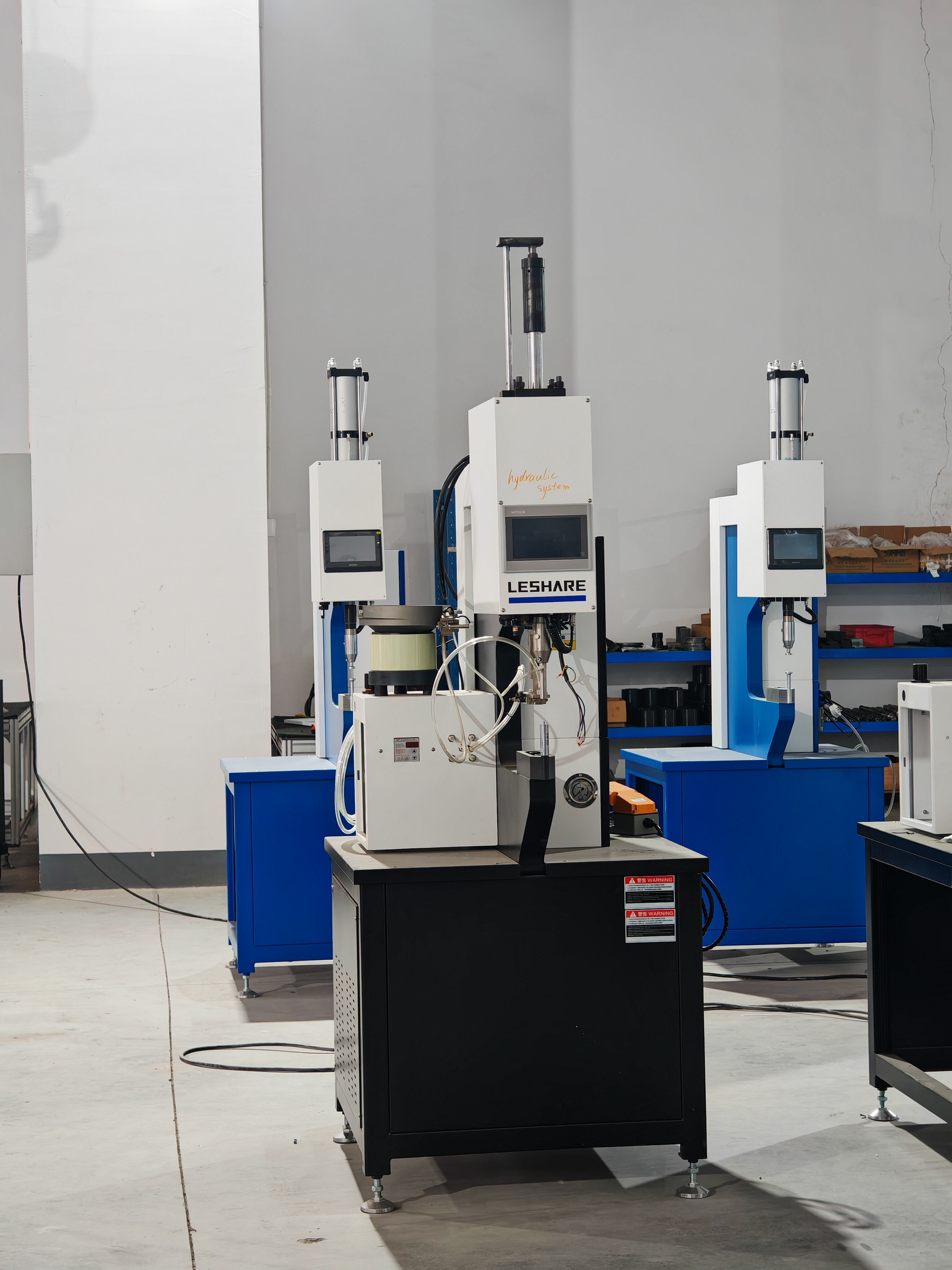
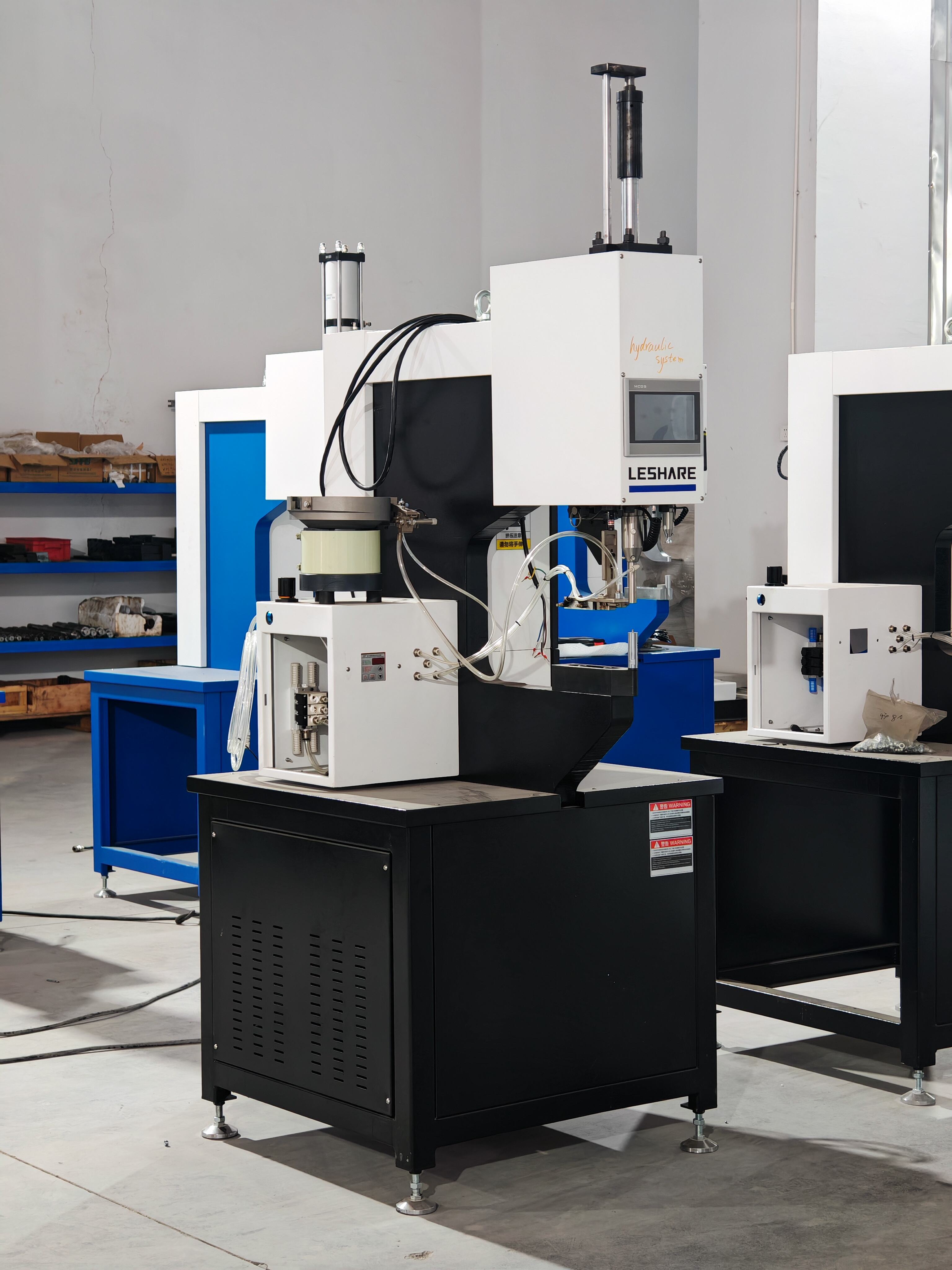
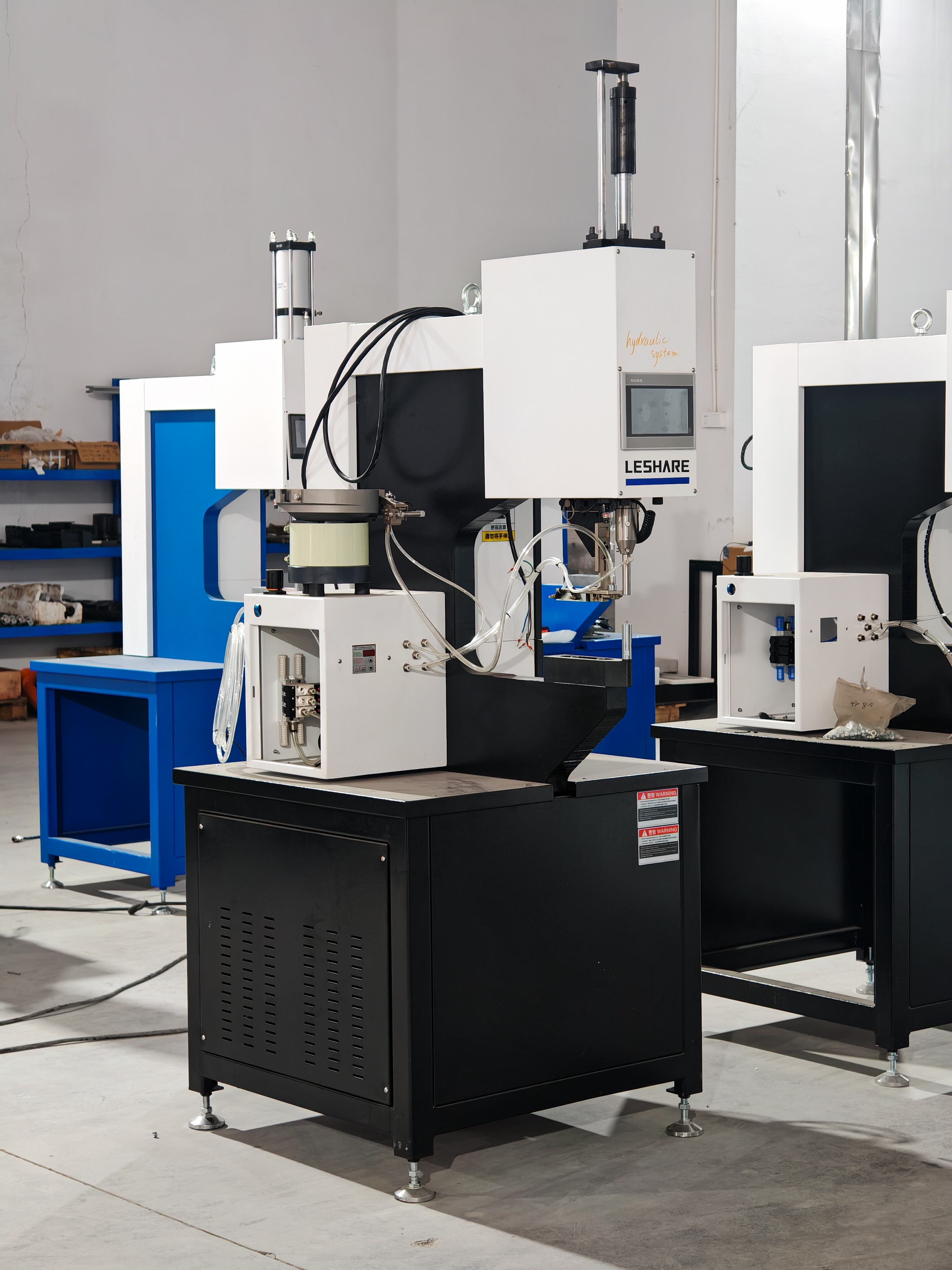
TopDown Pressing Fastener Insertion Machine: Advanced Automated Assembly Solutions for Industrial Manufacturing

Get a Free Quote

Our representative will contact you soon.
Email
Name
Company Name
Message
0/1000

topdown pressing fastener insertion machine

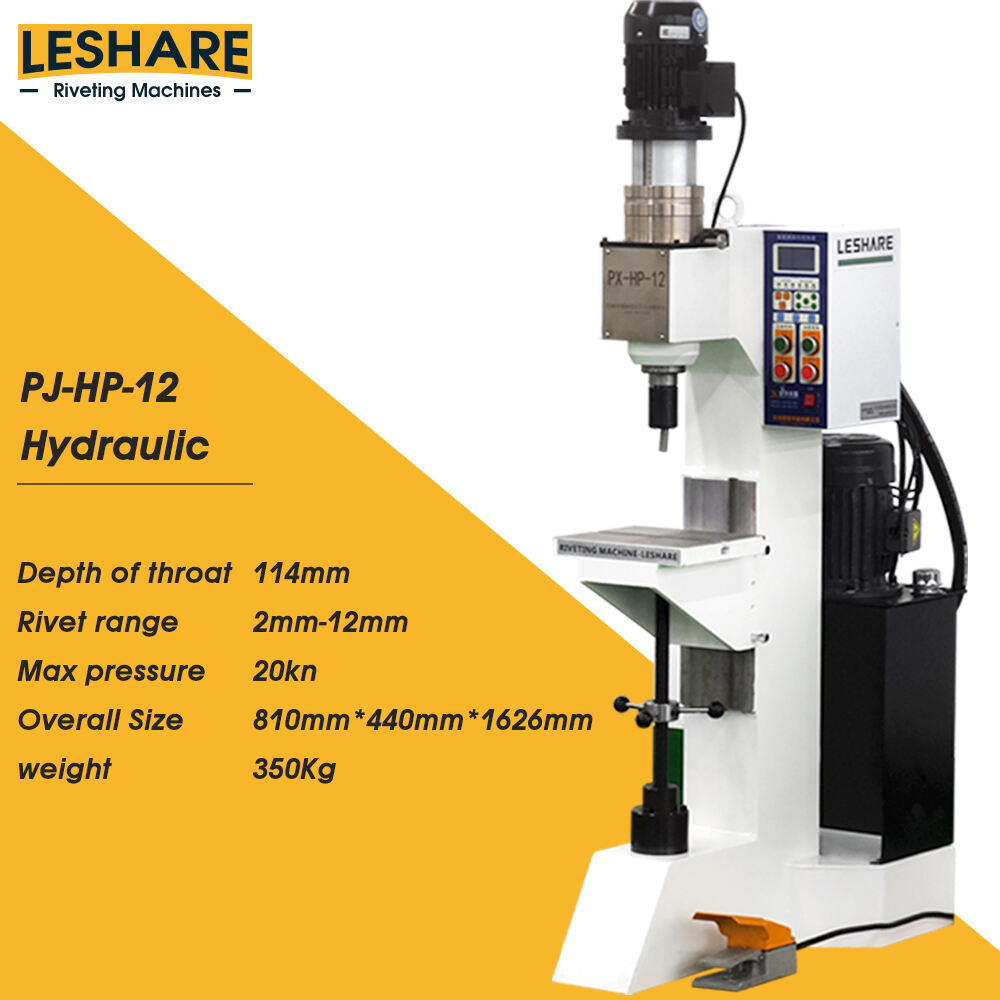
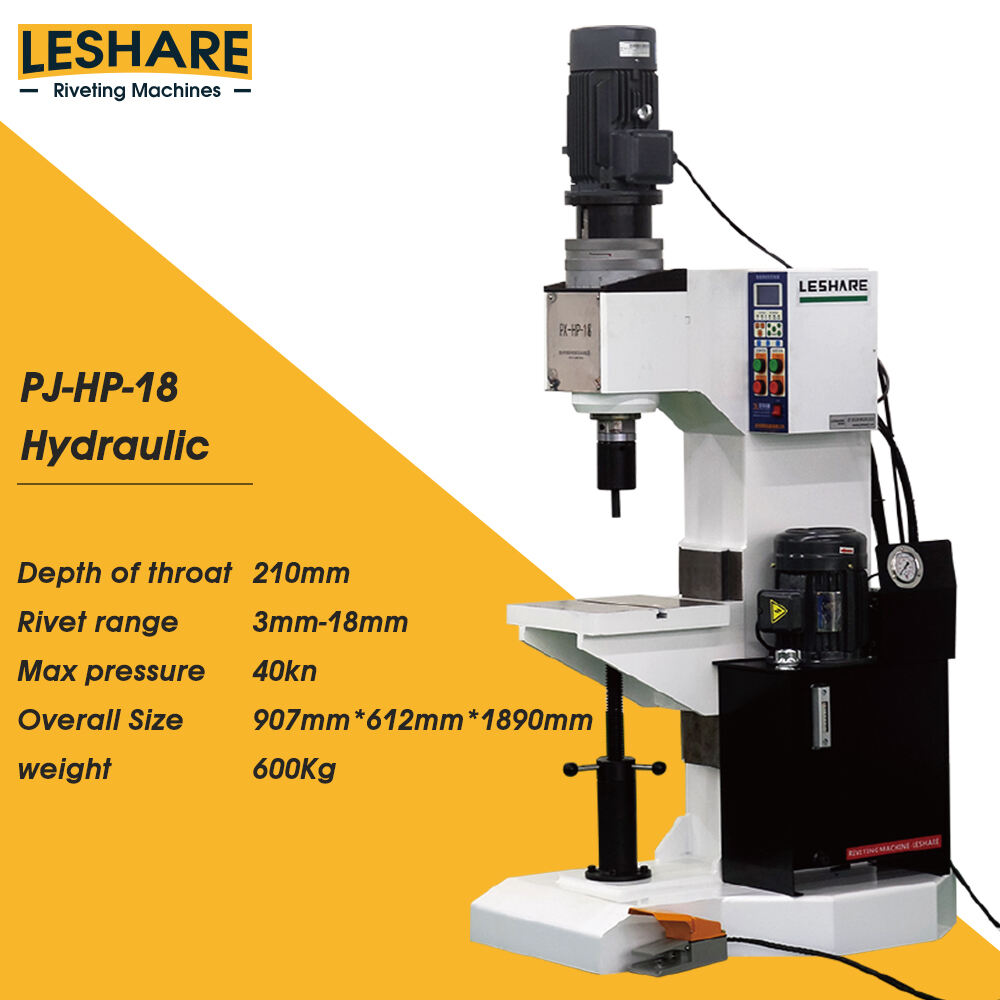
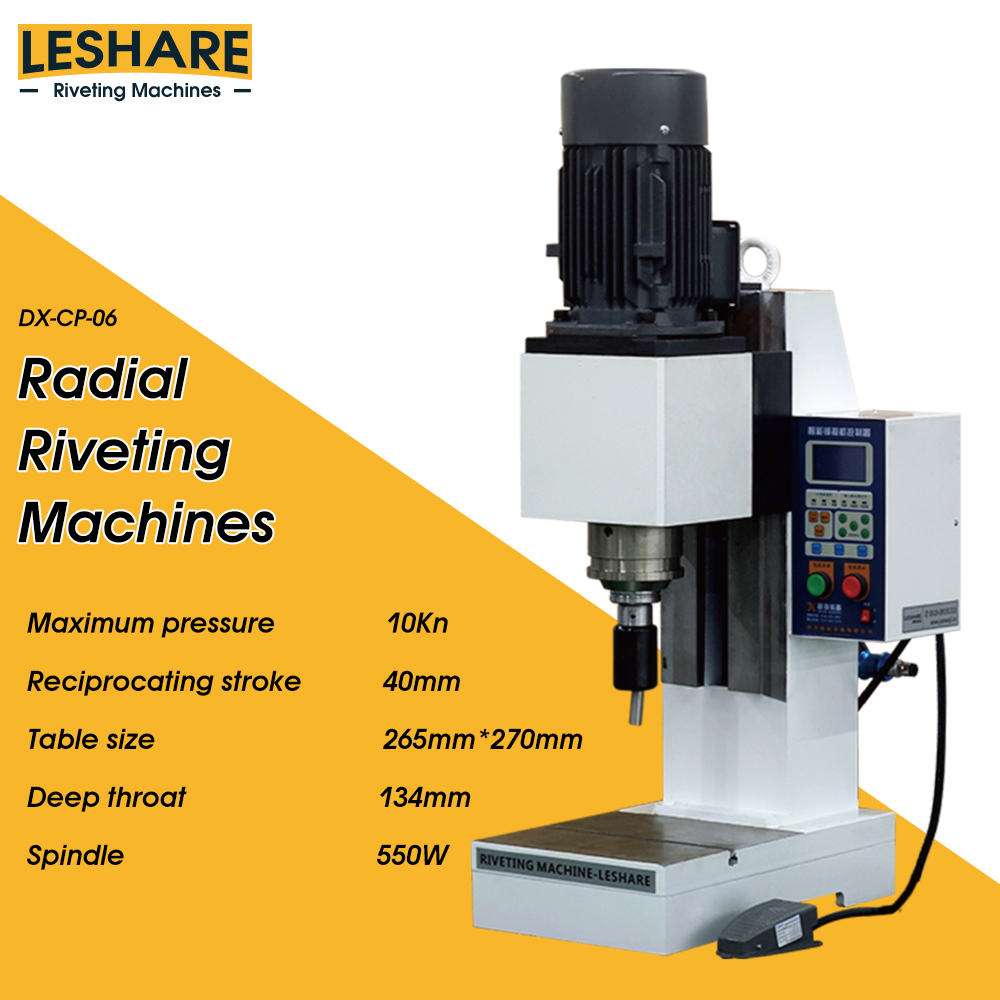
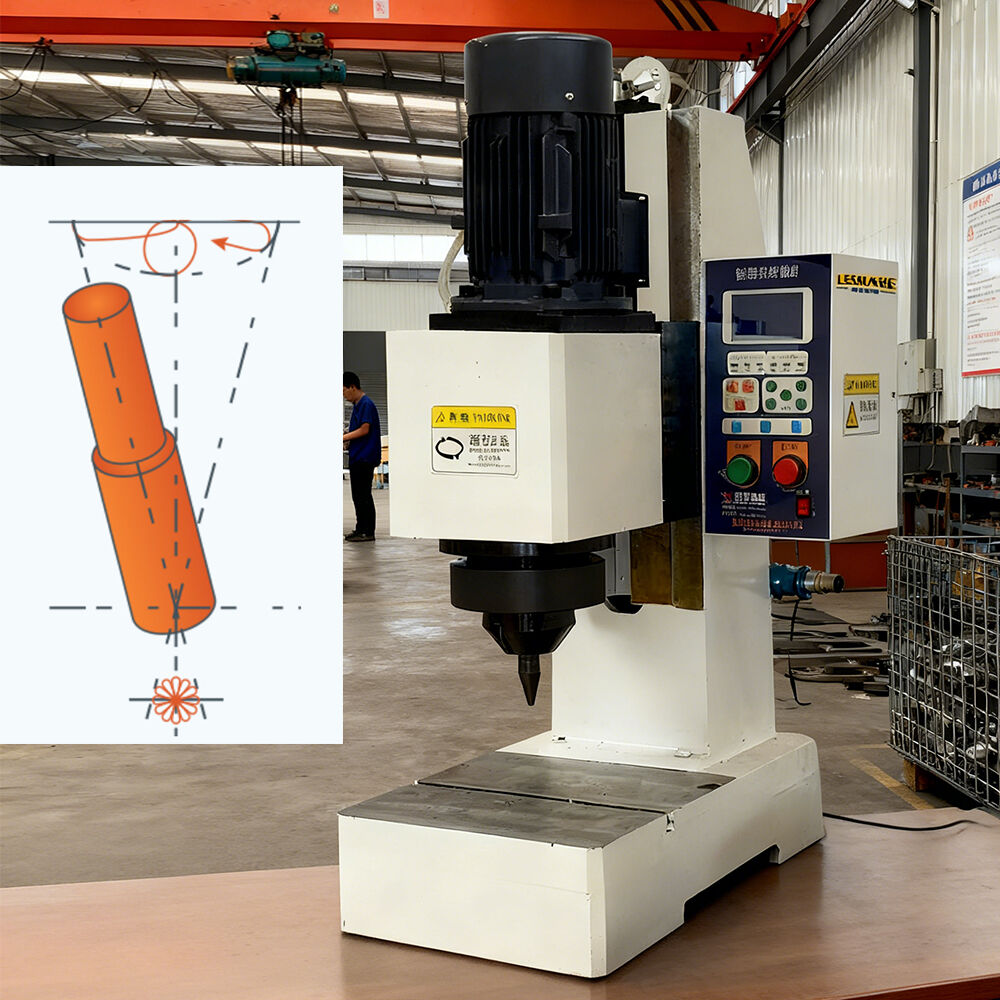
The topdown pressing fastener insertion machine represents a revolutionary advancement in automated assembly technology, designed to streamline the process of installing various types of fasteners into materials with exceptional precision and efficiency. This sophisticated piece of equipment utilizes a vertical downward pressing mechanism to insert fasteners such as rivets, grommets, snaps, eyelets, and other mechanical joining elements into textiles, leather, plastics, and composite materials. The machine operates through a computerized control system that ensures consistent pressure application and accurate positioning during each insertion cycle. Its robust construction features heavy-duty steel framework capable of withstanding continuous industrial operations while maintaining dimensional stability and alignment accuracy. The topdown pressing fastener insertion machine incorporates advanced servo motor technology that provides precise control over insertion depth, speed, and force application. This technological integration allows operators to customize settings for different fastener types and material combinations, ensuring optimal results across diverse manufacturing applications. The equipment includes safety features such as emergency stop mechanisms, protective barriers, and operator presence sensors to maintain workplace safety standards. Modern versions of the topdown pressing fastener insertion machine often feature touchscreen interfaces that simplify operation and provide real-time monitoring of production metrics. The machine's versatility extends to its ability to handle various fastener sizes and configurations through interchangeable tooling systems. Quality control sensors integrated into the system can detect improper insertions and automatically reject defective parts, maintaining high production standards. The topdown pressing fastener insertion machine finds extensive use in automotive manufacturing, apparel production, luggage fabrication, marine equipment assembly, and furniture upholstery operations, where reliable fastener installation is crucial for product durability and performance.

New Product Recommendations

The topdown pressing fastener insertion machine delivers substantial operational benefits that directly impact manufacturing efficiency and product quality. First, this equipment significantly reduces labor costs by automating what traditionally required manual insertion processes. Workers can operate multiple machines simultaneously, increasing overall productivity while reducing the physical strain associated with repetitive fastener installation tasks. The machine provides consistent insertion quality that eliminates human error variations, ensuring every fastener achieves proper seating depth and alignment. This consistency translates into improved product reliability and reduced warranty claims for manufacturers. Speed advantages are immediately apparent, as the topdown pressing fastener insertion machine can complete insertion cycles in seconds compared to minutes required for manual operations. Production throughput increases dramatically, allowing manufacturers to meet tight delivery schedules and handle larger order volumes without proportional increases in labor requirements. The equipment offers exceptional flexibility through programmable settings that accommodate different fastener specifications and material types. Operators can quickly switch between production runs by loading preset parameters, minimizing changeover times and maximizing machine utilization. Quality control capabilities built into the machine provide real-time feedback on insertion parameters, enabling immediate corrections before defective products advance through the production line. This proactive quality management reduces waste and rework costs significantly. The topdown pressing fastener insertion machine operates with minimal maintenance requirements due to its robust design and high-quality components. Routine maintenance tasks are straightforward and can be performed by existing maintenance staff without specialized training. Energy efficiency represents another key advantage, as modern machines utilize optimized power consumption profiles that reduce operating costs compared to older pneumatic or hydraulic systems. The equipment's compact footprint allows efficient factory floor utilization, and its modular design permits easy integration into existing production lines. Return on investment is typically achieved within eighteen to twenty-four months through labor savings, quality improvements, and increased production capacity. Long-term operational benefits include improved worker satisfaction due to reduced repetitive stress, enhanced production planning predictability, and the ability to accept more complex projects requiring precise fastener placement.

Practical Tips

What to consider when sourcing nonrotating shaft radial riveter systems?

26

Feb

What to consider when sourcing nonrotating shaft radial riveter systems?

Manufacturing precision and assembly efficiency depend heavily on selecting the right fastening equipment for your production line. When evaluating nonrotating shaft radial riveter systems, understanding the critical factors that influence performanc...
View More
How Does an Orbital Riveting Machine Improve Assembly Efficiency?

26

Feb

How Does an Orbital Riveting Machine Improve Assembly Efficiency?

Manufacturing industries constantly seek innovative solutions to enhance assembly efficiency while maintaining superior product quality. An orbital riveting machine represents a breakthrough technology that revolutionizes traditional fastening method...
View More
What Industries Benefit from Automatic Riveting Machines?

18

Mar

What Industries Benefit from Automatic Riveting Machines?

Modern manufacturing demands precision, speed, and reliability in every assembly process. Automatic riveting machines have emerged as essential tools across numerous industries, revolutionizing how manufacturers approach fastening operations. These s...
View More
How to Choose the Right Automatic Riveting Machine for Your Line?

18

Mar

How to Choose the Right Automatic Riveting Machine for Your Line?

Manufacturing efficiency depends heavily on selecting the right equipment for your production line. An automatic riveting machine represents a critical investment that can significantly impact your operational productivity, product quality, and overa...
View More

Get a Free Quote

Our representative will contact you soon.
Email
Name
Company Name
Message
0/1000

topdown pressing fastener insertion machine

Precision Control Technology for Superior Fastener Placement

Precision Control Technology for Superior Fastener Placement

The topdown pressing fastener insertion machine incorporates cutting-edge precision control technology that revolutionizes fastener installation accuracy and repeatability. This advanced system utilizes high-resolution servo motors combined with sophisticated feedback mechanisms to achieve insertion tolerances within thousandths of an inch. The technology employs real-time position monitoring that continuously tracks the insertion tool's location throughout the entire cycle, making micro-adjustments as needed to maintain perfect alignment. This level of precision ensures that each fastener is placed at exactly the correct depth and angle, eliminating the variations that commonly occur with manual installation methods. The control system features adaptive force management that automatically adjusts pressure based on material resistance, preventing over-insertion that could damage substrates while ensuring adequate penetration for secure fastening. Operators benefit from intuitive programming interfaces that allow them to define specific insertion parameters for different fastener and material combinations. These parameters are stored in the machine's memory and can be recalled instantly when switching between production runs. The precision control technology also includes collision detection capabilities that immediately halt operation if unexpected resistance is encountered, protecting both the equipment and workpieces from damage. Quality assurance features integrated into the control system continuously monitor insertion parameters and generate detailed reports for production tracking and quality certification purposes. This technology enables manufacturers to achieve consistent results regardless of operator skill level, as the machine automatically compensates for minor positioning errors and material variations. The precision control system supports various fastener types including standard rivets, blind rivets, grommets, snaps, and specialized aerospace fasteners, making it suitable for diverse manufacturing applications. Advanced diagnostics capabilities provide predictive maintenance alerts that help prevent unexpected downtime and extend equipment service life. The technology's flexibility allows for future upgrades and customization to meet evolving production requirements.
Enhanced Productivity Through Automated Operation Cycles

Enhanced Productivity Through Automated Operation Cycles

The topdown pressing fastener insertion machine dramatically transforms manufacturing productivity through its sophisticated automated operation cycles that eliminate bottlenecks and maximize throughput. This automation capability allows continuous operation with minimal human intervention, enabling manufacturers to achieve production rates that far exceed manual assembly methods. The machine's automated cycles incorporate intelligent sequencing that optimizes each step of the insertion process, from fastener feeding and positioning to final installation and quality verification. This systematic approach reduces cycle times significantly while maintaining consistent quality standards throughout extended production runs. The automation system includes adaptive learning algorithms that analyze production patterns and automatically optimize operating parameters to improve efficiency over time. Operators can configure the machine to handle various production scenarios, from high-volume runs of identical fasteners to mixed batches requiring different specifications. The automated operation cycles feature sophisticated material handling capabilities that coordinate fastener delivery, workpiece positioning, and finished product removal without manual assistance. This integration eliminates the delays typically associated with manual material handling and reduces the risk of contamination or damage during transfer operations. Quality control integration within the automated cycles ensures that each inserted fastener meets specified requirements before the workpiece advances to the next production stage. Defective installations are automatically identified and removed from the production stream, maintaining consistent output quality. The machine's automation extends to tool changes and setup procedures, with automated tool changers that can switch between different fastener types in seconds rather than the minutes required for manual changeovers. Production monitoring systems provide real-time visibility into machine performance, allowing supervisors to identify optimization opportunities and address potential issues before they impact productivity. The automated operation cycles support lights-out manufacturing scenarios where the machine can operate unattended during off-shifts, maximizing equipment utilization and reducing labor requirements. Statistical process control features automatically adjust operating parameters based on quality feedback, ensuring optimal performance throughout the production run.
Versatile Material and Fastener Compatibility for Diverse Applications

Versatile Material and Fastener Compatibility for Diverse Applications

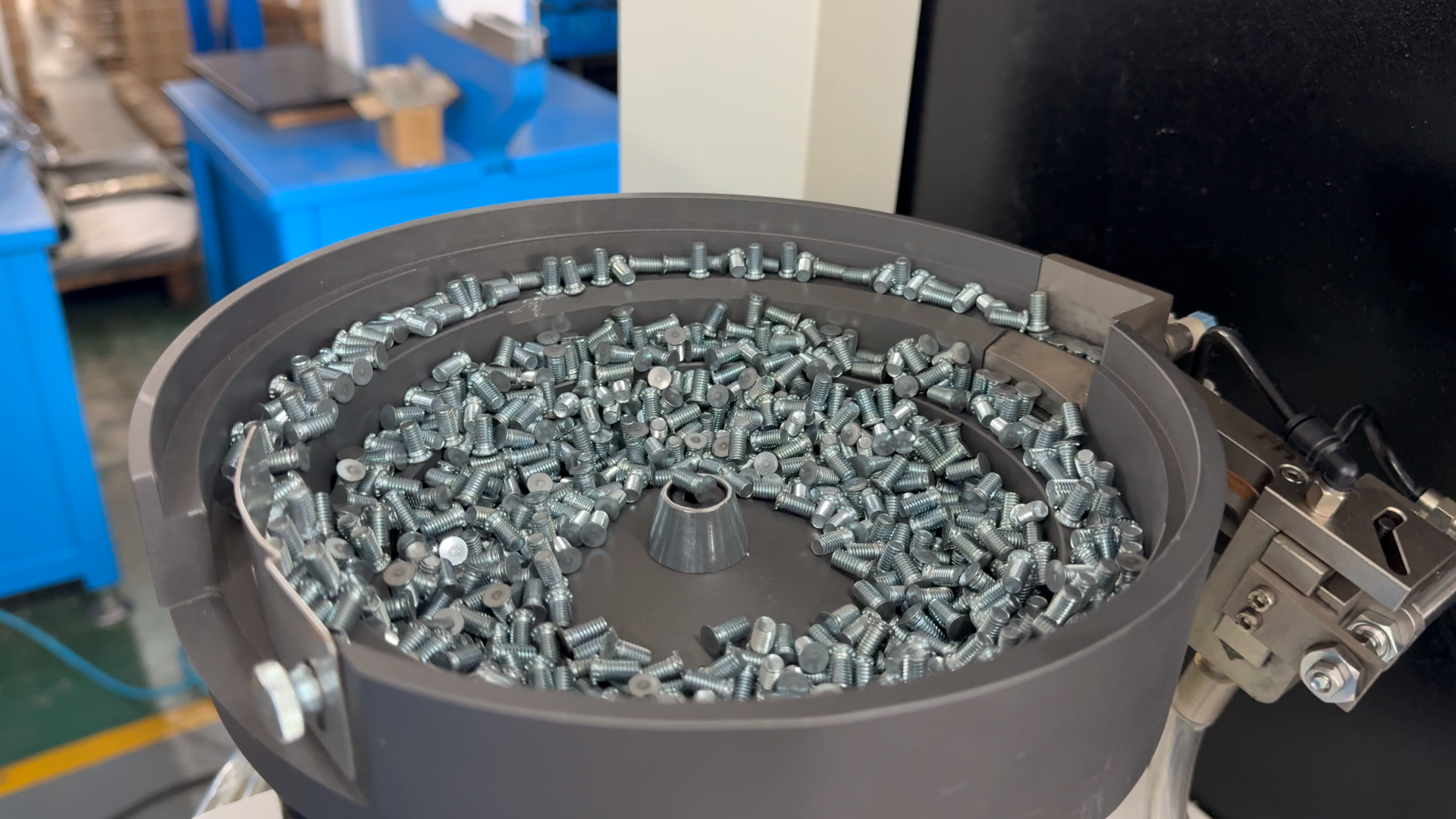
The topdown pressing fastener insertion machine demonstrates exceptional versatility through its comprehensive material and fastener compatibility, making it an invaluable asset for manufacturers serving multiple industries and applications. This versatility stems from the machine's sophisticated tooling system that accommodates an extensive range of fastener types, sizes, and configurations without requiring significant modifications or additional equipment investments. The machine effectively handles traditional rivets, blind rivets, grommets, snaps, eyelets, and specialized fasteners used in aerospace, automotive, and marine applications. Material compatibility extends across textiles, leather, vinyl, plastics, composites, and thin metals, allowing manufacturers to serve diverse market segments with a single piece of equipment. The tooling system features quick-change capabilities that enable operators to switch between different fastener specifications in minutes rather than hours, minimizing production downtime and maximizing equipment utilization. Each tooling configuration is precisely engineered to provide optimal insertion characteristics for specific fastener and material combinations, ensuring reliable results across the full range of applications. The machine's force control system automatically adjusts to accommodate different material thicknesses and densities, preventing damage to delicate substrates while ensuring adequate penetration in tougher materials. This adaptability eliminates the need for separate machines dedicated to specific applications, reducing equipment costs and factory floor space requirements. Advanced material detection sensors identify substrate properties and automatically select appropriate insertion parameters, simplifying operator training and reducing setup errors. The versatility extends to workpiece geometries, as the machine can accommodate flat panels, curved surfaces, and complex three-dimensional shapes through adjustable work holding fixtures. Custom tooling options allow manufacturers to address unique application requirements without compromising standard production capabilities. The machine's compatibility with various fastener delivery systems, including vibratory bowl feeders, tape-fed systems, and bulk hoppers, provides flexibility in material handling approaches. Quality assurance features verify proper fastener seating across all material and fastener combinations, maintaining consistent standards regardless of application complexity. This comprehensive versatility enables manufacturers to accept diverse customer requirements while maintaining efficient production operations and competitive pricing structures.

Get a Free Quote

Our representative will contact you soon.
Email
Name
Company Name
Message
0/1000