Advanced Automatic Riveting Machine: Precision, Speed, and Reliability for Modern Manufacturing

Get a Free Quote

Our representative will contact you soon.
Email
Name
Company Name
Message
0/1000

automatic riveting machine

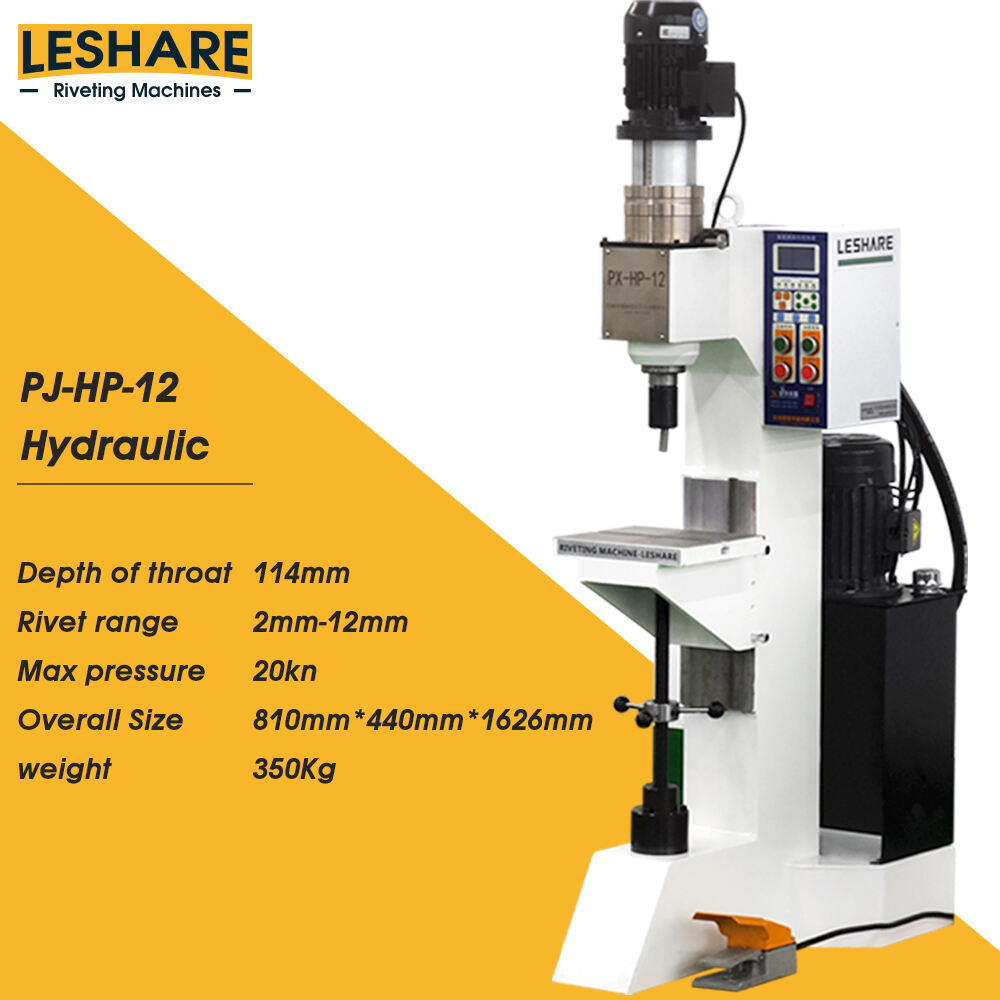
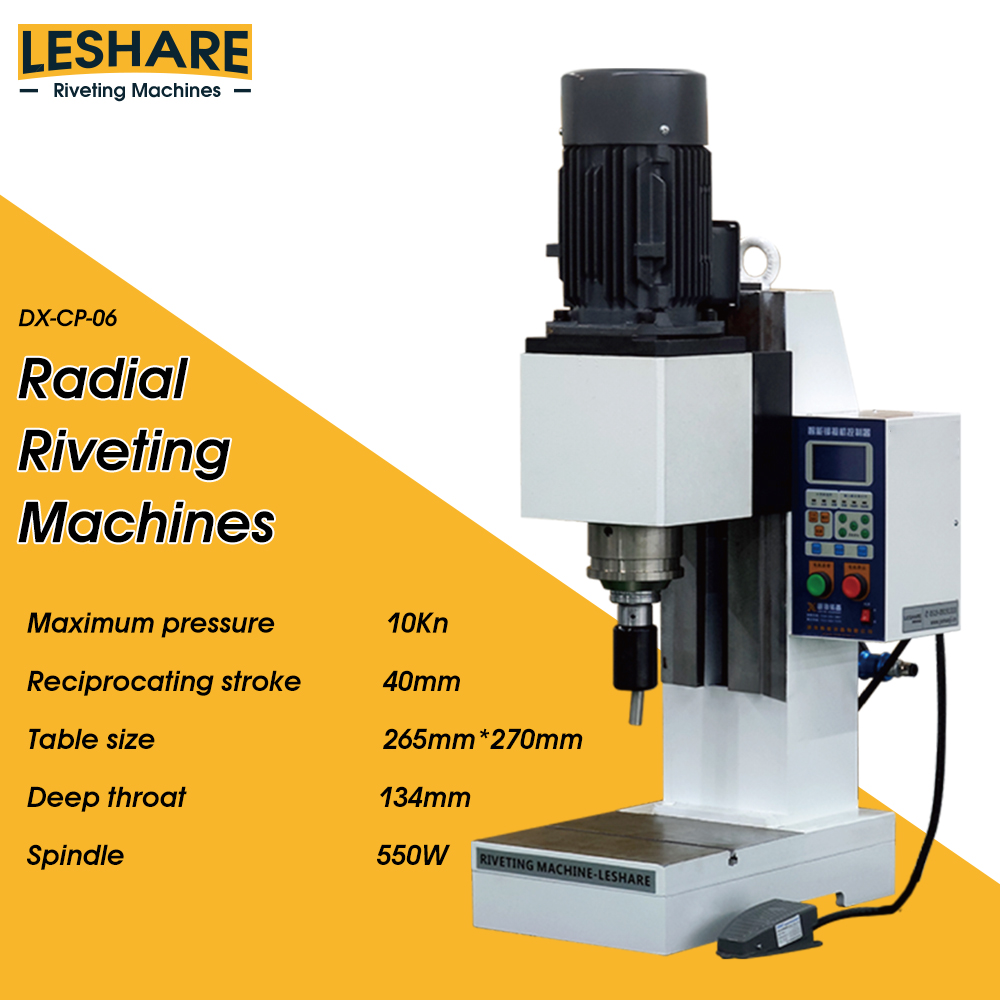
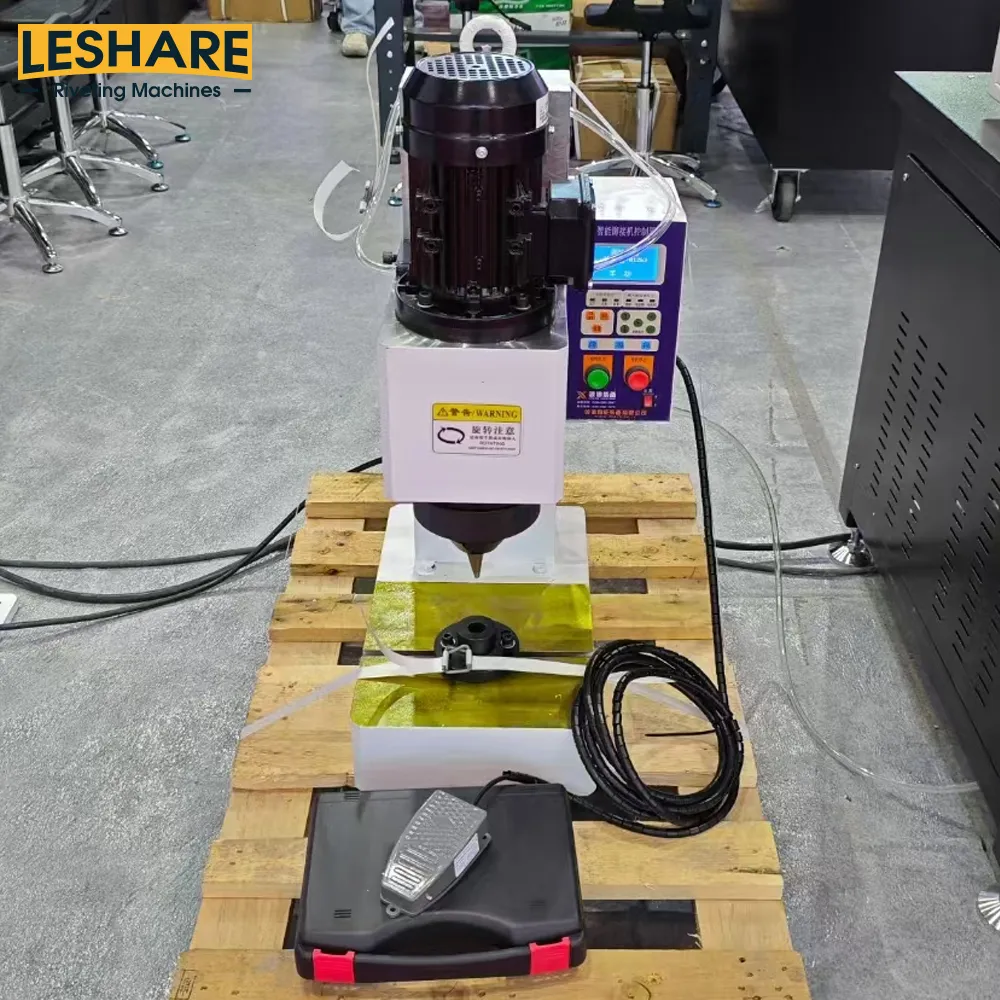
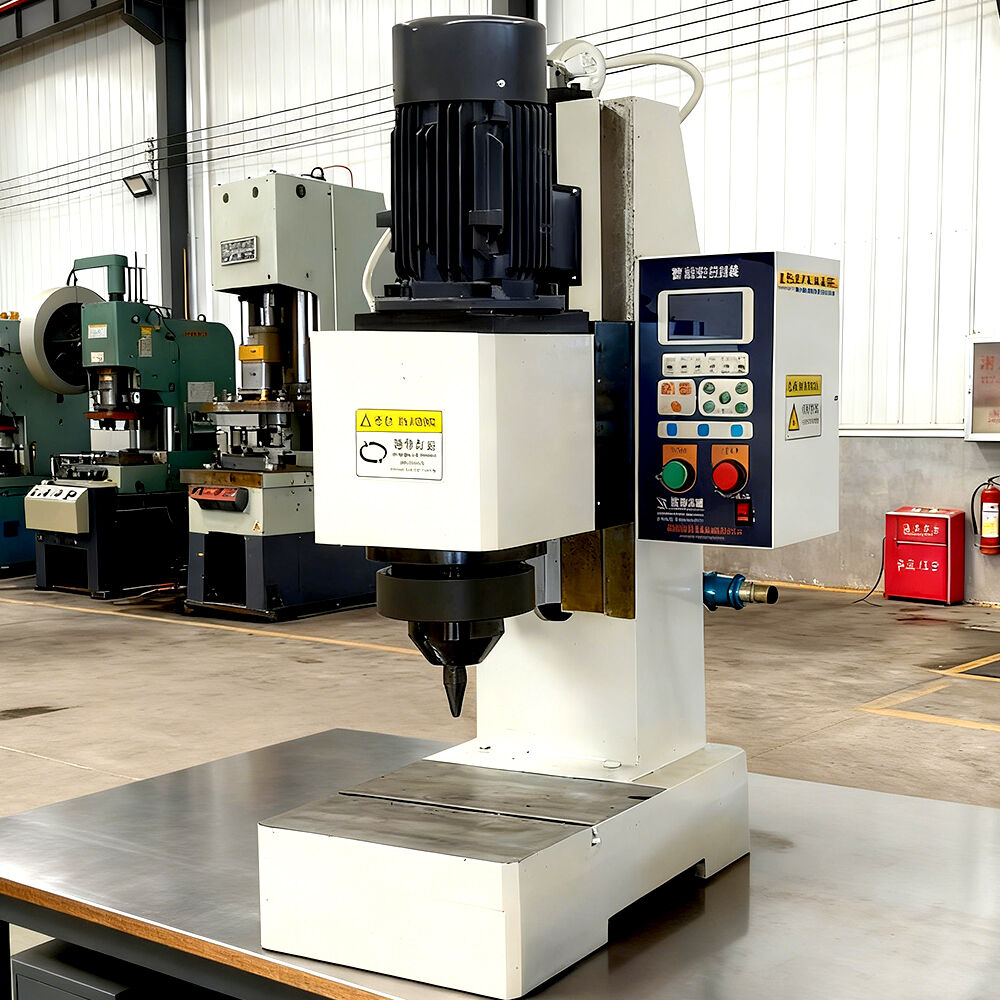
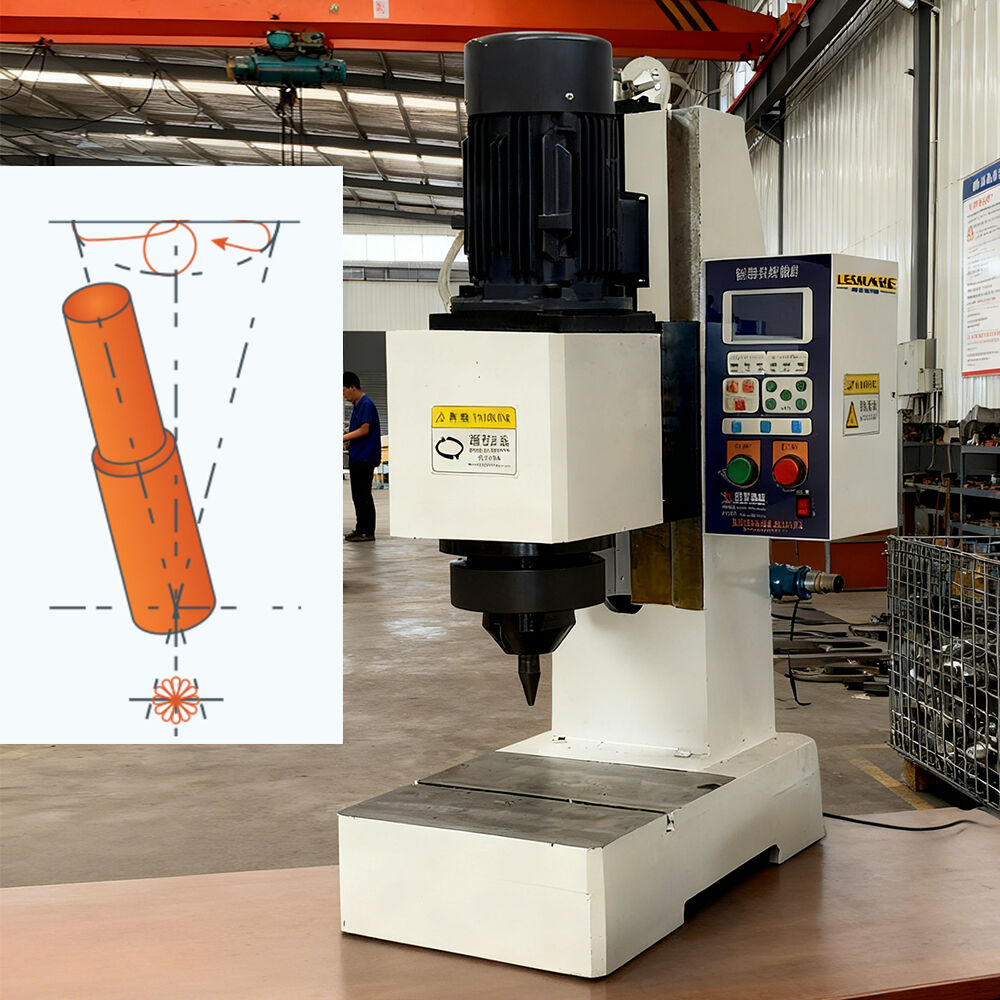
The automatic riveting machine represents a revolutionary advancement in fastening technology that transforms traditional manual riveting processes into precise, efficient automated operations. This sophisticated equipment utilizes computer-controlled mechanisms to deliver consistent, high-quality riveting results across various industrial applications. Modern automatic riveting machines integrate advanced pneumatic or hydraulic systems with programmable logic controllers to ensure optimal performance and reliability. The technology behind these machines combines precision engineering with user-friendly interfaces, enabling operators to achieve superior joint quality while maintaining exceptional production speeds. These systems feature adjustable force settings, customizable cycle times, and multiple rivet size compatibility to accommodate diverse manufacturing requirements. The automatic riveting machine incorporates real-time monitoring capabilities that track performance metrics and detect potential issues before they impact production quality. Safety features include emergency stop functions, protective guards, and operator presence sensors that ensure workplace security during operation. The machines support various rivet materials including aluminum, steel, stainless steel, and specialized alloys, making them versatile solutions for aerospace, automotive, construction, and electronics industries. Advanced models offer servo-driven positioning systems that provide precise rivet placement with repeatability tolerances measured in micrometers. The integration of vision systems in premium automatic riveting machines enables quality inspection and verification during the riveting process. These machines reduce material waste through accurate rivet feeding mechanisms and eliminate the inconsistencies associated with manual riveting techniques. Temperature compensation features ensure consistent performance across varying environmental conditions, while modular designs facilitate easy maintenance and component replacement. The automatic riveting machine delivers exceptional value through reduced labor costs, improved product quality, and enhanced production capacity that meets demanding manufacturing schedules.

New Product Recommendations

The automatic riveting machine delivers substantial operational benefits that transform manufacturing efficiency and product quality across multiple dimensions. Companies implementing these systems experience immediate improvements in production throughput, with many facilities reporting productivity increases of 200-400 percent compared to manual riveting methods. The consistent force application and precise positioning capabilities eliminate human error variations, resulting in uniform joint quality that meets stringent engineering specifications. Labor cost reductions represent another significant advantage, as a single operator can supervise multiple automatic riveting machines simultaneously, optimizing workforce allocation and reducing per-unit production costs. The automatic riveting machine enhances workplace safety by removing operators from repetitive stress positions and eliminating exposure to pneumatic tools that can cause long-term health issues. Quality control improvements stem from the machine's ability to maintain consistent riveting parameters throughout extended production runs, ensuring that every joint meets predetermined specifications without deviation. Flexibility advantages include quick changeover capabilities between different rivet sizes and materials, enabling manufacturers to respond rapidly to varying production requirements without extensive downtime. The machines integrate seamlessly with existing production lines and manufacturing execution systems, providing real-time data collection for process optimization and quality tracking. Maintenance requirements are minimal due to robust construction and self-diagnostic capabilities that alert operators to potential issues before they cause production interruptions. Energy efficiency benefits result from optimized pneumatic or hydraulic systems that consume power only during active riveting cycles, reducing operational costs and environmental impact. The automatic riveting machine supports lean manufacturing principles by eliminating waste associated with rework, defective joints, and excessive material consumption. Return on investment typically occurs within 12-18 months through combined savings in labor costs, improved quality, and increased production capacity. Advanced features such as programmable riveting sequences and adaptive force control ensure optimal performance across varying material thicknesses and joint configurations, maximizing versatility and operational effectiveness.

Tips And Tricks

How to select a nonrotating shaft radial riveter for precision components?

28

Jan

How to select a nonrotating shaft radial riveter for precision components?

Precision manufacturing demands exceptional reliability and accuracy in every assembly process. When working with delicate electronic components, aerospace assemblies, or medical devices, selecting the right nonrotating shaft radial riveter becomes c...
View More
What to consider when sourcing nonrotating shaft radial riveter systems?

26

Feb

What to consider when sourcing nonrotating shaft radial riveter systems?

Manufacturing precision and assembly efficiency depend heavily on selecting the right fastening equipment for your production line. When evaluating nonrotating shaft radial riveter systems, understanding the critical factors that influence performanc...
View More
How do radial riveting machines integrate with modern production systems?

26

Feb

How do radial riveting machines integrate with modern production systems?

Modern manufacturing environments demand precision, efficiency, and seamless integration across all production processes. Radial riveting machines have emerged as essential equipment for achieving reliable fastening solutions in industries ranging fr...
View More
How to Choose the Right Automatic Riveting Machine for Your Line?

18

Mar

How to Choose the Right Automatic Riveting Machine for Your Line?

Manufacturing efficiency depends heavily on selecting the right equipment for your production line. An automatic riveting machine represents a critical investment that can significantly impact your operational productivity, product quality, and overa...
View More

Get a Free Quote

Our representative will contact you soon.
Email
Name
Company Name
Message
0/1000

automatic riveting machine

Precision Control Technology for Superior Joint Quality

Precision Control Technology for Superior Joint Quality

The automatic riveting machine incorporates state-of-the-art precision control technology that revolutionizes joint quality and consistency in manufacturing operations. This advanced system utilizes servo-driven actuators combined with high-resolution encoders to achieve positioning accuracy within ±0.01mm, ensuring that every rivet is placed exactly where engineering specifications require. The force control system employs real-time feedback mechanisms that continuously monitor and adjust riveting pressure throughout the entire cycle, compensating for material variations and ensuring optimal joint formation regardless of substrate conditions. Advanced algorithms process multiple sensor inputs simultaneously, including position feedback, force measurement, and displacement monitoring, to create perfectly formed joints with consistent mechanical properties. The precision control technology features adaptive learning capabilities that automatically optimize riveting parameters based on material characteristics and joint requirements, reducing setup time and eliminating guesswork from the riveting process. Multi-axis coordination ensures that complex riveting patterns and angled joints are executed with the same precision as standard perpendicular applications, expanding the range of possible applications for the automatic riveting machine. The system maintains detailed process records for every rivet installed, providing complete traceability and quality documentation that meets aerospace and automotive industry standards. Temperature compensation algorithms adjust control parameters automatically to maintain consistent performance across varying environmental conditions, ensuring reliable operation in diverse manufacturing environments. The precision control technology includes predictive maintenance features that monitor system performance and component wear, scheduling maintenance activities before they impact production quality or equipment reliability. This sophisticated control system enables the automatic riveting machine to handle delicate materials and thin substrates that would be damaged by conventional riveting methods, expanding application possibilities and improving product design flexibility. Quality validation occurs in real-time through integrated monitoring systems that verify joint formation and detect anomalies instantly, preventing defective products from proceeding through the production line.
High-Speed Production Capability with Consistent Output

High-Speed Production Capability with Consistent Output

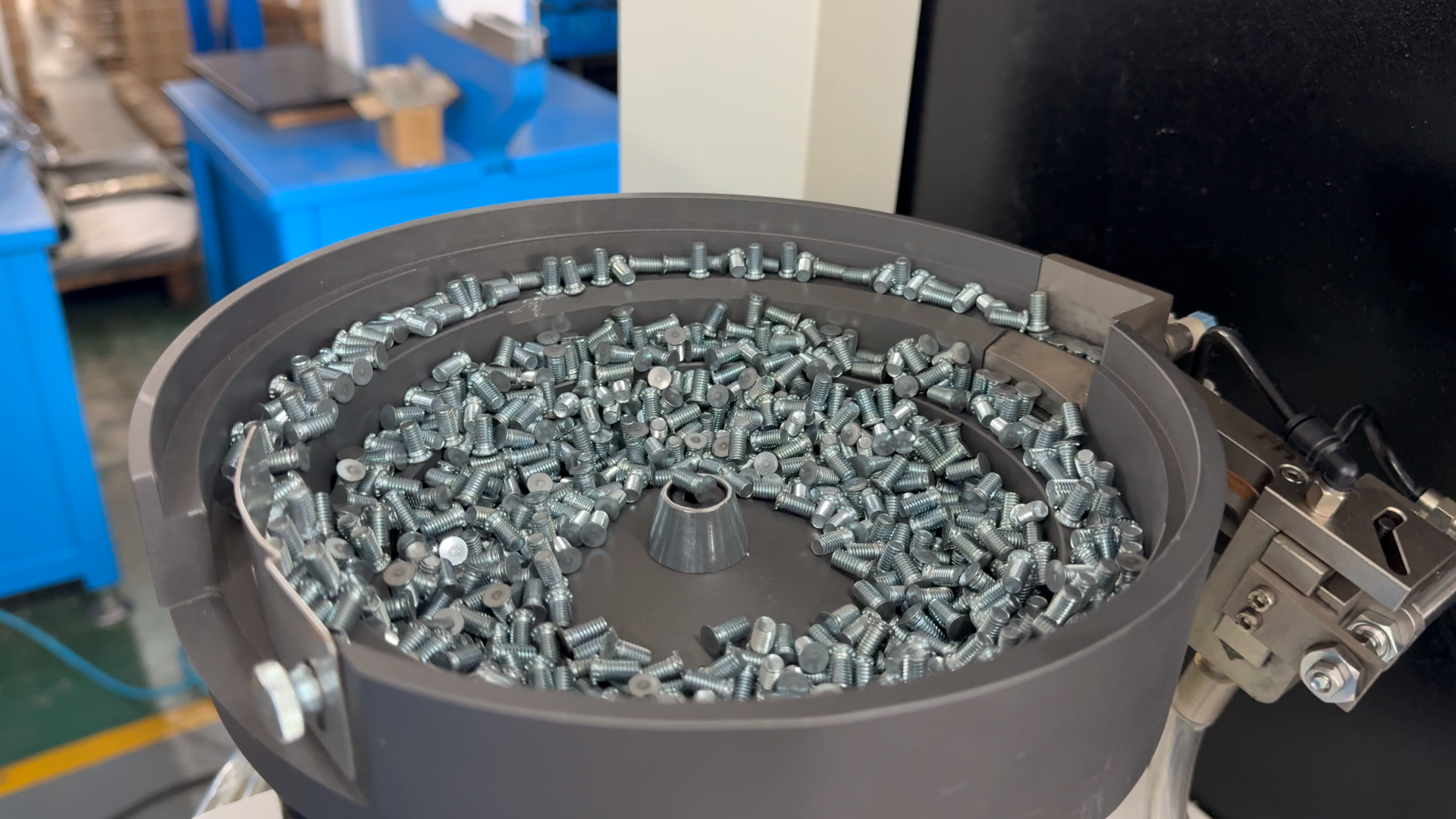
The automatic riveting machine delivers exceptional high-speed production capability that transforms manufacturing efficiency while maintaining unwavering quality standards throughout extended production runs. Modern systems achieve cycle times as fast as 1.5 seconds per rivet, including material feeding, positioning, riveting, and quality verification, enabling production rates that far exceed manual methods while eliminating operator fatigue factors. The high-speed capability stems from optimized mechanical designs that minimize unnecessary motion and maximize productive time, utilizing rapid-traverse positioning systems that move between rivet locations at maximum safe speeds. Advanced material handling systems ensure continuous rivet supply without interruption, featuring bulk feeding mechanisms and automatic size changeover capabilities that maintain production flow during material transitions. The automatic riveting machine incorporates parallel processing capabilities where multiple operations occur simultaneously, such as rivet feeding while the previous joint undergoes quality inspection, maximizing overall system throughput. Programmable sequencing allows operators to optimize rivet installation patterns for minimum tool path distances and maximum efficiency, reducing non-productive time and increasing overall equipment effectiveness. The high-speed production capability includes intelligent buffering systems that accommodate varying upstream and downstream production rates, ensuring smooth integration with existing manufacturing lines without creating bottlenecks. Quality remains consistent at maximum production speeds through robust control systems that maintain precise parameter control regardless of cycle time, ensuring that speed improvements never compromise joint integrity. The system features rapid tooling changeover mechanisms that enable quick transitions between different product configurations without extended downtime, supporting flexible manufacturing requirements and just-in-time production strategies. Continuous operation capabilities include automatic lubrication systems, self-cleaning mechanisms, and predictive maintenance scheduling that minimize unplanned downtime and maximize productive hours. The automatic riveting machine supports lights-out manufacturing through autonomous operation capabilities that require minimal human intervention during extended production runs, enabling 24-hour operation and maximizing capital equipment utilization for improved return on investment.
Versatile Material Compatibility and Application Flexibility

Versatile Material Compatibility and Application Flexibility

The automatic riveting machine demonstrates remarkable versatility through its comprehensive material compatibility and application flexibility that addresses diverse manufacturing requirements across multiple industries and product types. This advanced system accommodates an extensive range of rivet materials including aluminum, steel, stainless steel, titanium, and specialized alloys, each requiring unique handling characteristics and installation parameters that the machine manages seamlessly through programmable material profiles. The versatility extends to substrate materials, successfully joining combinations of metals, composites, plastics, and hybrid materials that present varying challenges in terms of thermal expansion, mechanical properties, and surface characteristics. Advanced gripping systems adjust automatically to different material thicknesses and surface textures, ensuring secure workpiece positioning regardless of component geometry or material composition. The automatic riveting machine features modular tooling systems that enable rapid reconfiguration for different rivet types, sizes, and installation methods, supporting everything from solid rivets to blind rivets and specialized fasteners with minimal changeover time. Joint configuration flexibility includes straight-through riveting, offset installations, angled joints, and multi-layer assemblies that require precise force distribution and positioning accuracy across complex geometries. The system accommodates varying production volumes efficiently, from prototype quantities requiring frequent setup changes to high-volume production runs demanding consistent output over extended periods. Application flexibility extends to integration capabilities, with the automatic riveting machine easily incorporating into existing production lines, robotic cells, or standalone workstations depending on manufacturing requirements and facility constraints. Advanced programming interfaces enable operators to create and store unlimited rivet patterns and process parameters, facilitating quick product changeovers and supporting diverse manufacturing schedules without extensive reprogramming efforts. The versatile design includes adjustable work envelope configurations that accommodate components ranging from small electronic assemblies to large structural panels, maximizing equipment utilization across diverse product portfolios. Quality control flexibility allows customization of inspection parameters and acceptance criteria for different applications, ensuring that each product type receives appropriate quality verification suited to its specific requirements and industry standards. This comprehensive versatility makes the automatic riveting machine an invaluable asset for manufacturers seeking to consolidate multiple fastening operations into a single, efficient system that adapts to evolving production needs and market demands.

Get a Free Quote

Our representative will contact you soon.
Email
Name
Company Name
Message
0/1000