Superior Precision and Quality Control
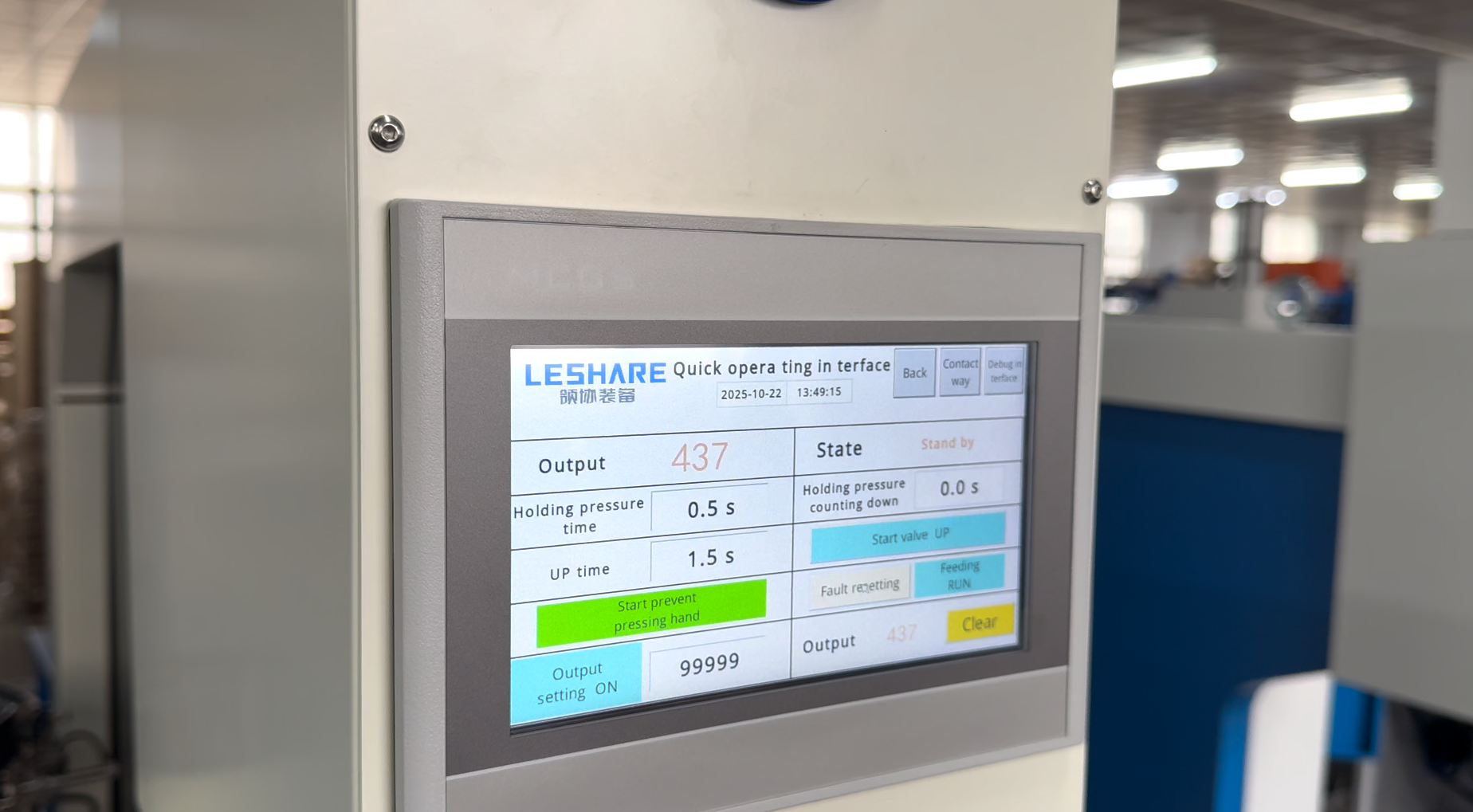
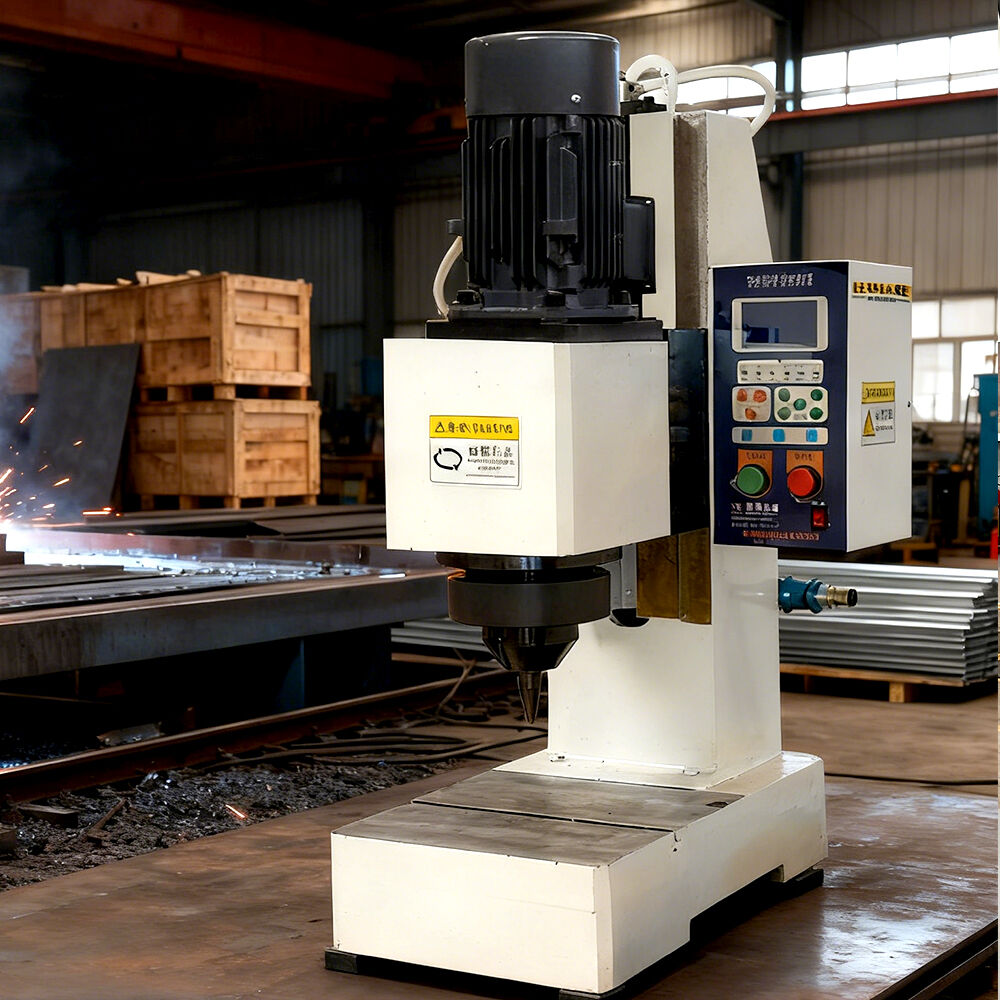
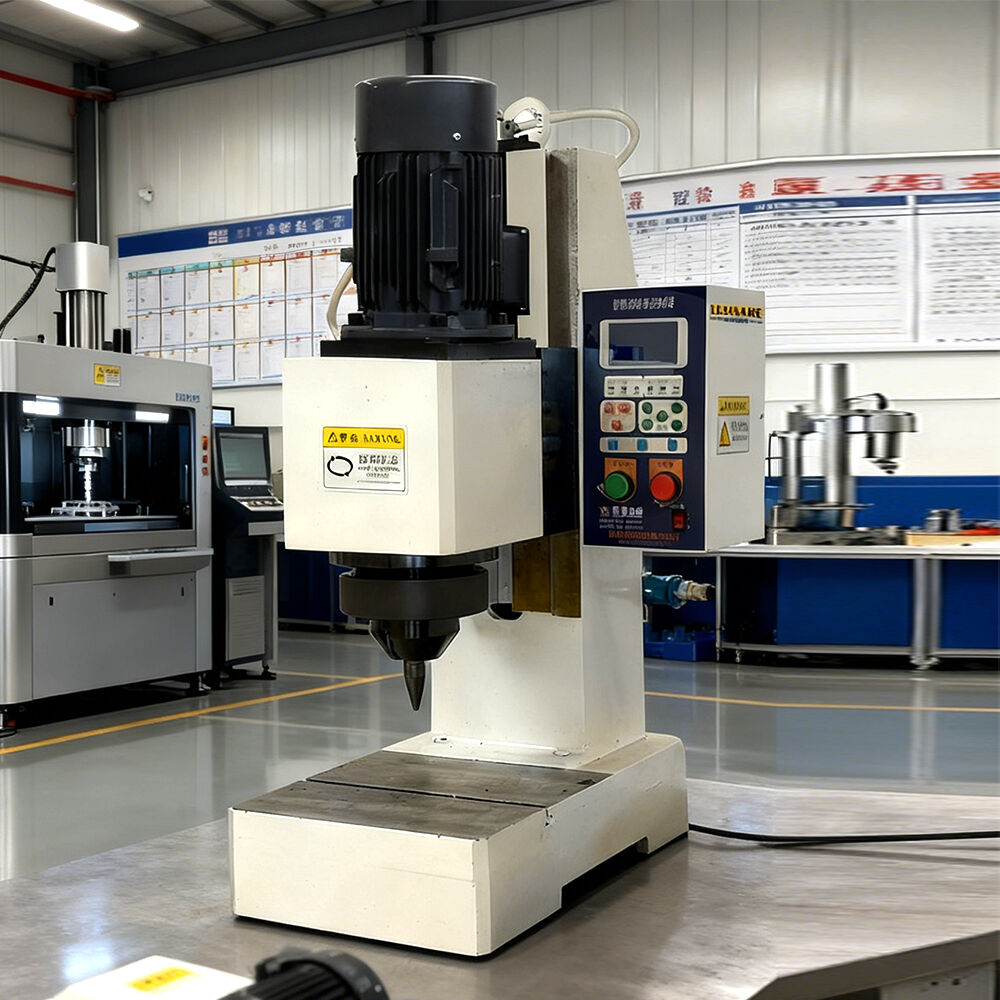
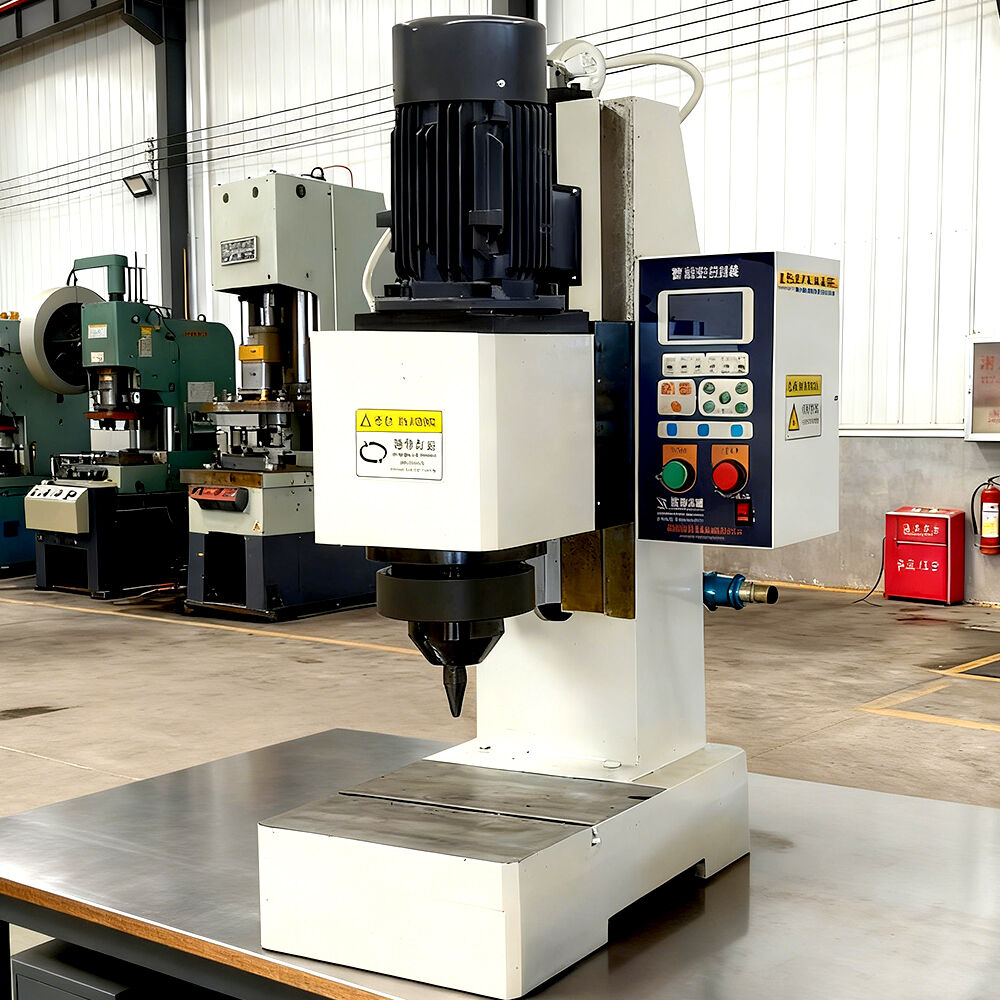
The low noise riveting system excels in delivering unprecedented precision and quality control capabilities that significantly surpass traditional riveting methods, making it an invaluable asset for industries requiring exceptional joint integrity and consistency. This precision stems from advanced servo-controlled actuation systems that provide micro-level force adjustment and positional accuracy throughout the riveting cycle. The system utilizes high-resolution force feedback sensors that monitor applied pressure in real-time, automatically compensating for material variations and ensuring uniform rivet deformation across diverse applications. These sensors detect minute changes in material resistance, allowing the system to adjust force application dynamically to achieve optimal rivet formation regardless of material thickness variations or hardness differences. The precision control extends to positioning accuracy, with advanced guidance systems ensuring perfect rivet alignment and consistent spacing between multiple fasteners. Integrated vision systems can verify proper rivet placement before actuation, preventing costly mistakes and reducing waste. Quality assurance features include comprehensive data logging capabilities that record detailed parameters for every rivet installation, creating traceable quality records for regulatory compliance and process improvement initiatives. The system maintains detailed databases of optimal settings for various material combinations, rivet specifications, and joint configurations, enabling consistent results across different operators and production shifts. Statistical process control algorithms analyze performance trends and identify potential quality issues before they impact production output. Real-time quality monitoring includes measurement of rivet head formation, shank expansion, and joint tightness, with automatic rejection of substandard installations. The precision capabilities enable successful riveting of exotic materials and thin substrates that would be impossible with conventional systems, expanding application possibilities and design flexibility. Repeatability specifications typically achieve tolerances within micrometers, ensuring identical joint characteristics across high-volume production runs while maintaining the acoustic advantages that distinguish low noise riveting systems from traditional alternatives.
 EN
EN