servo riveting machine
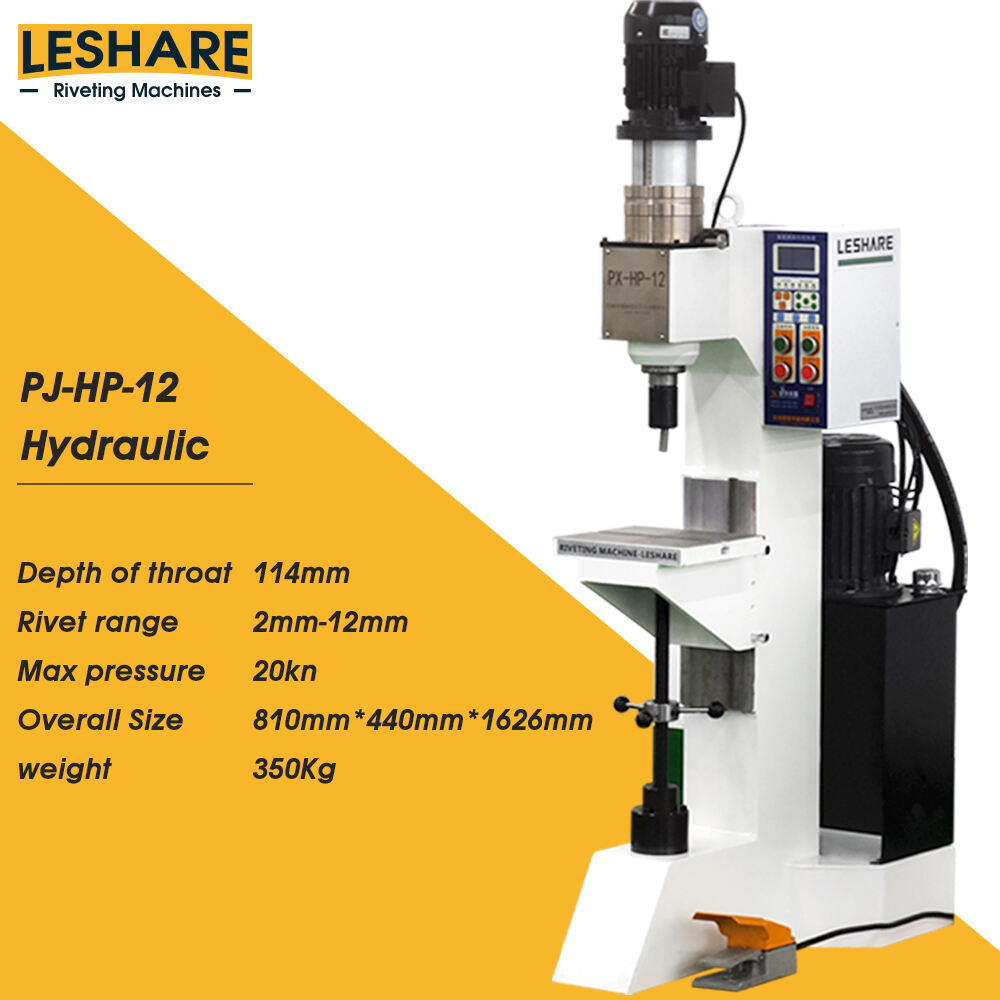
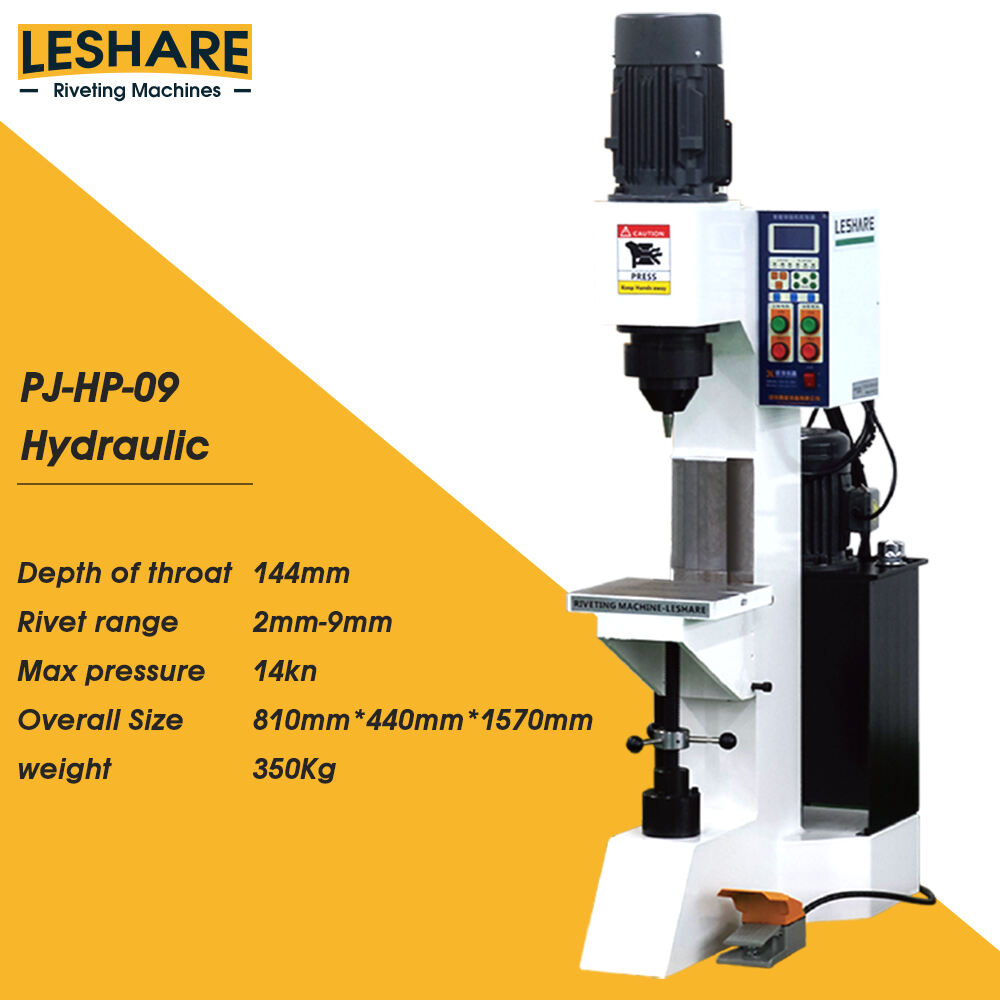
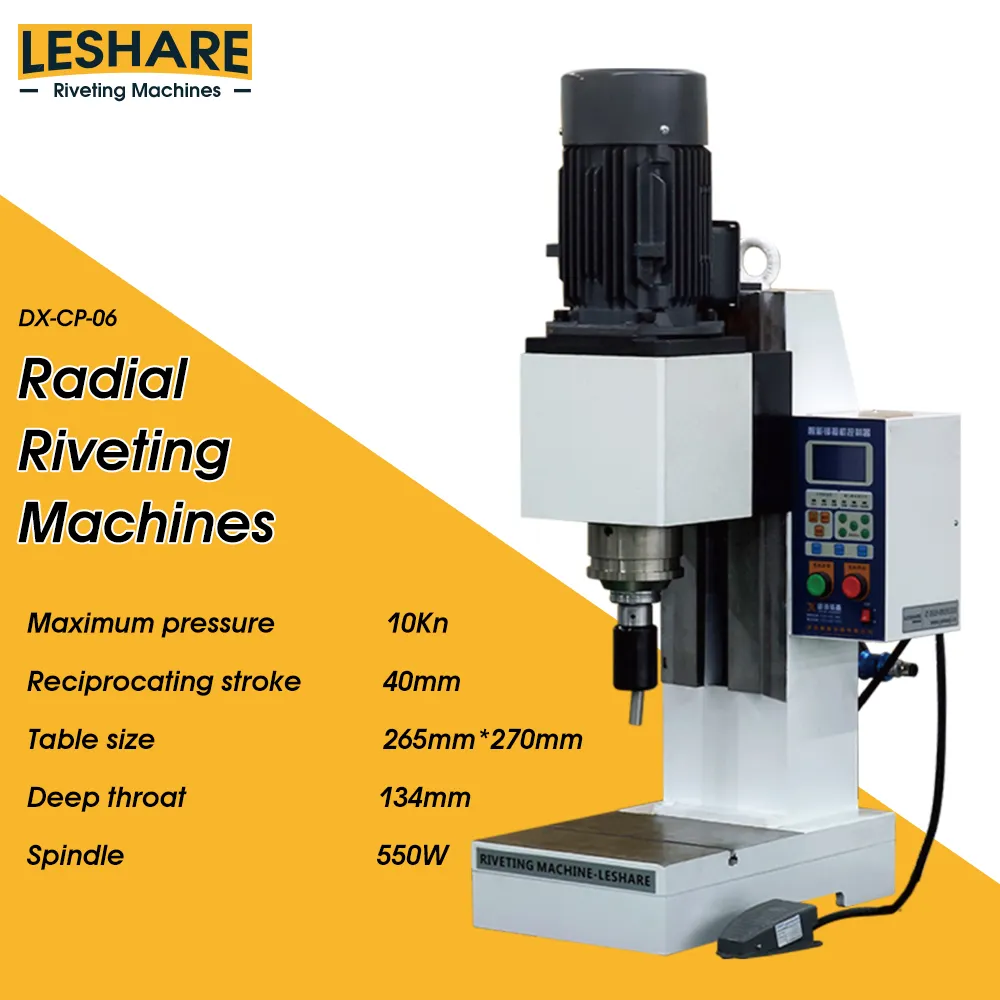
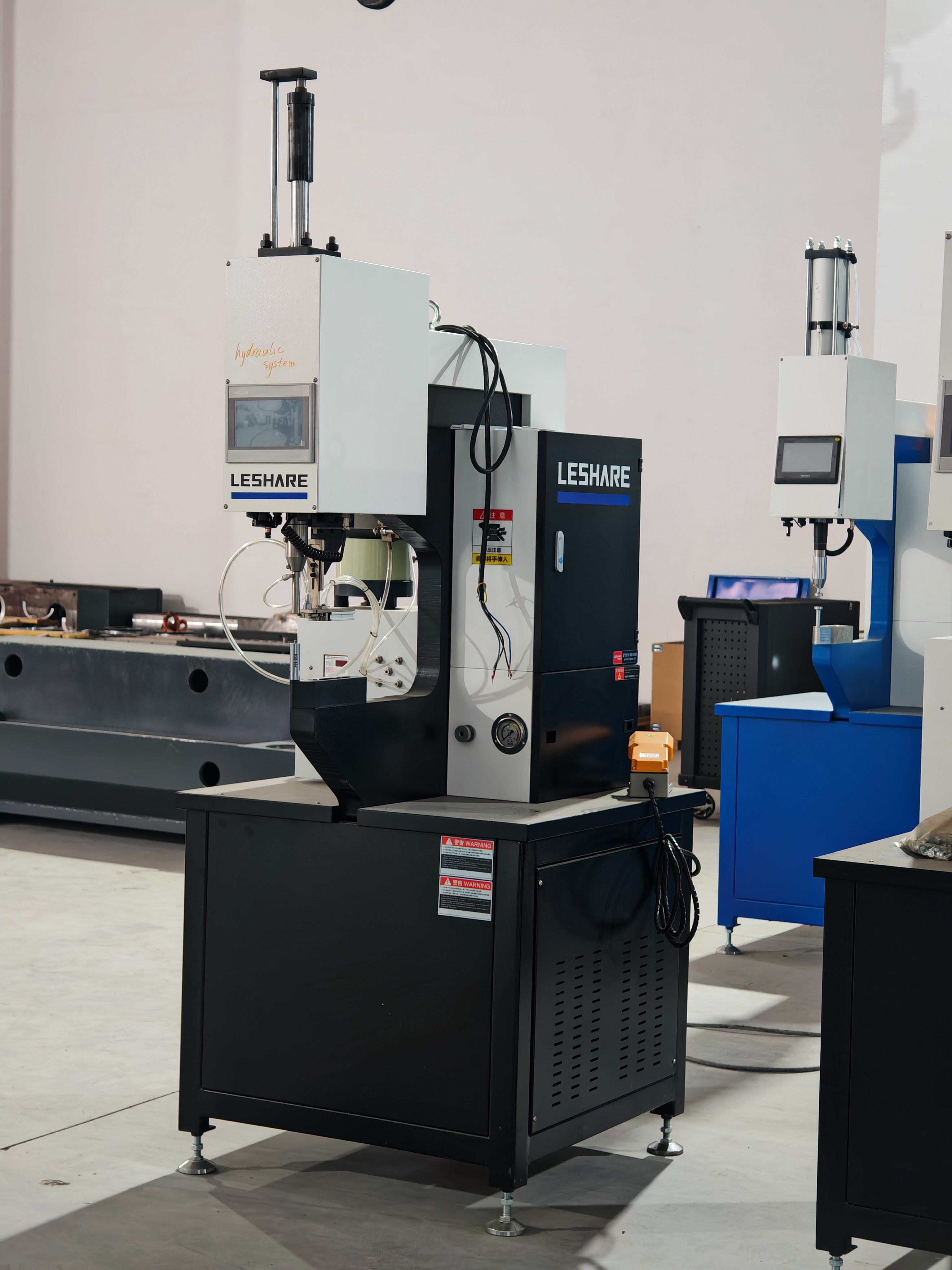
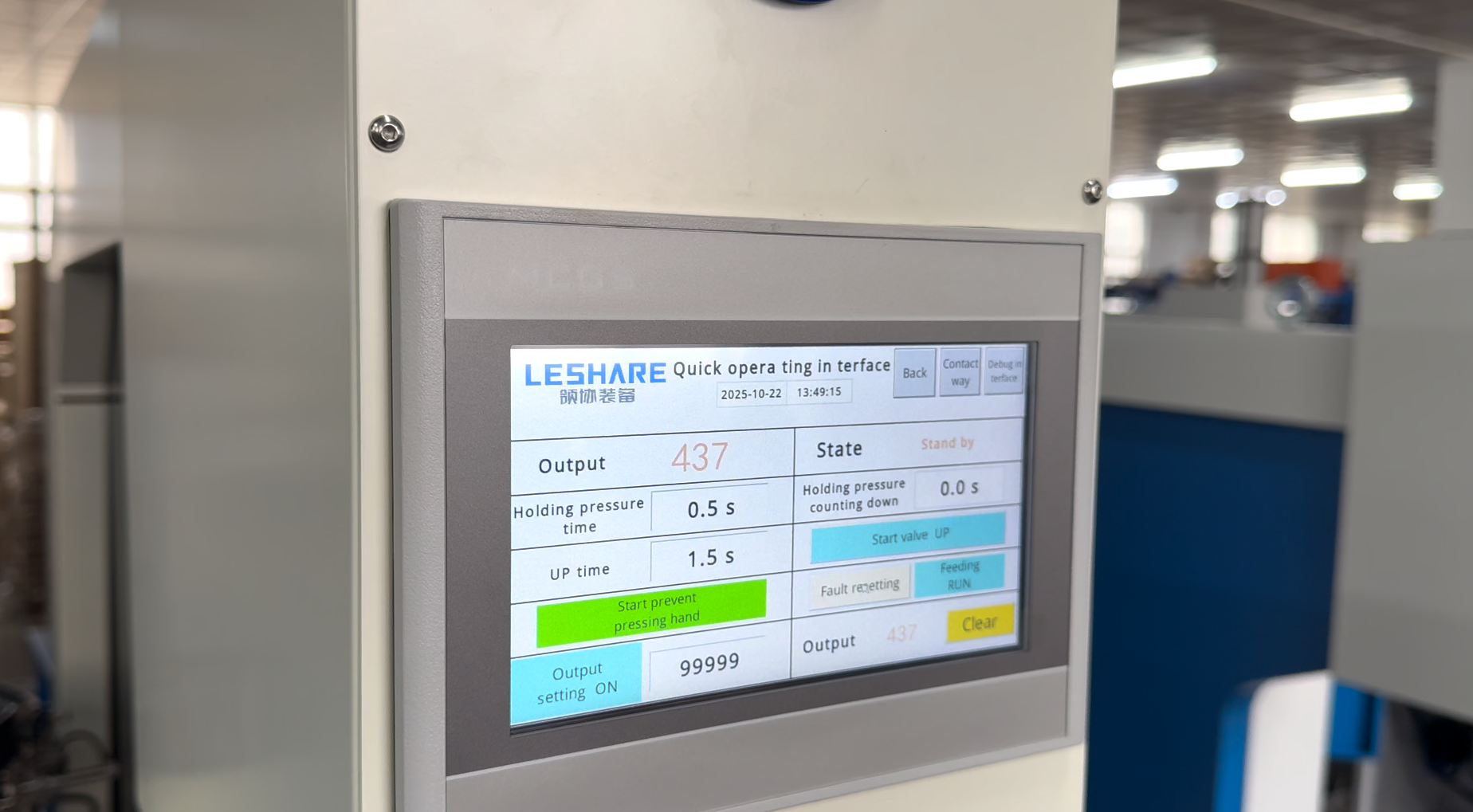
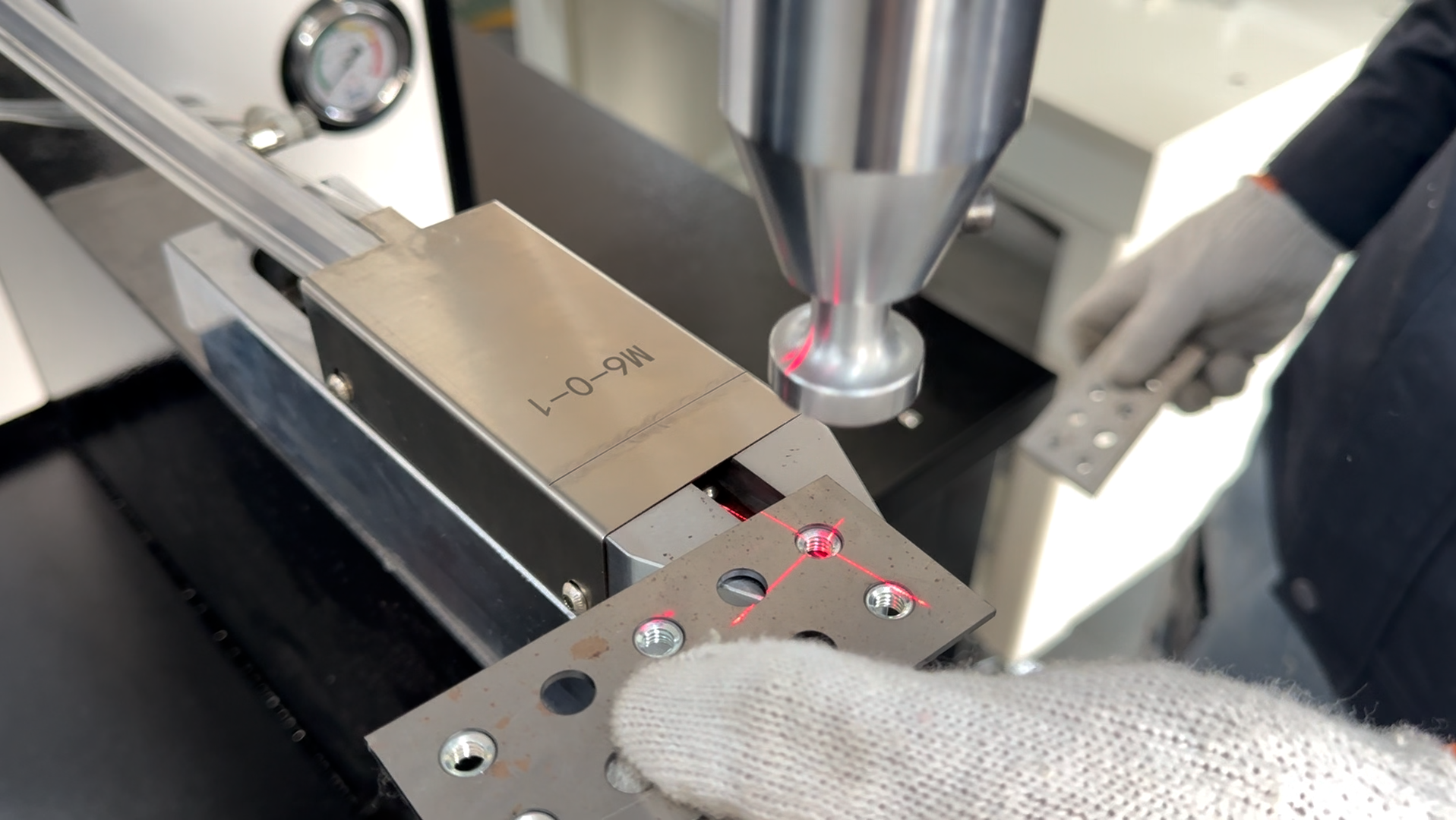
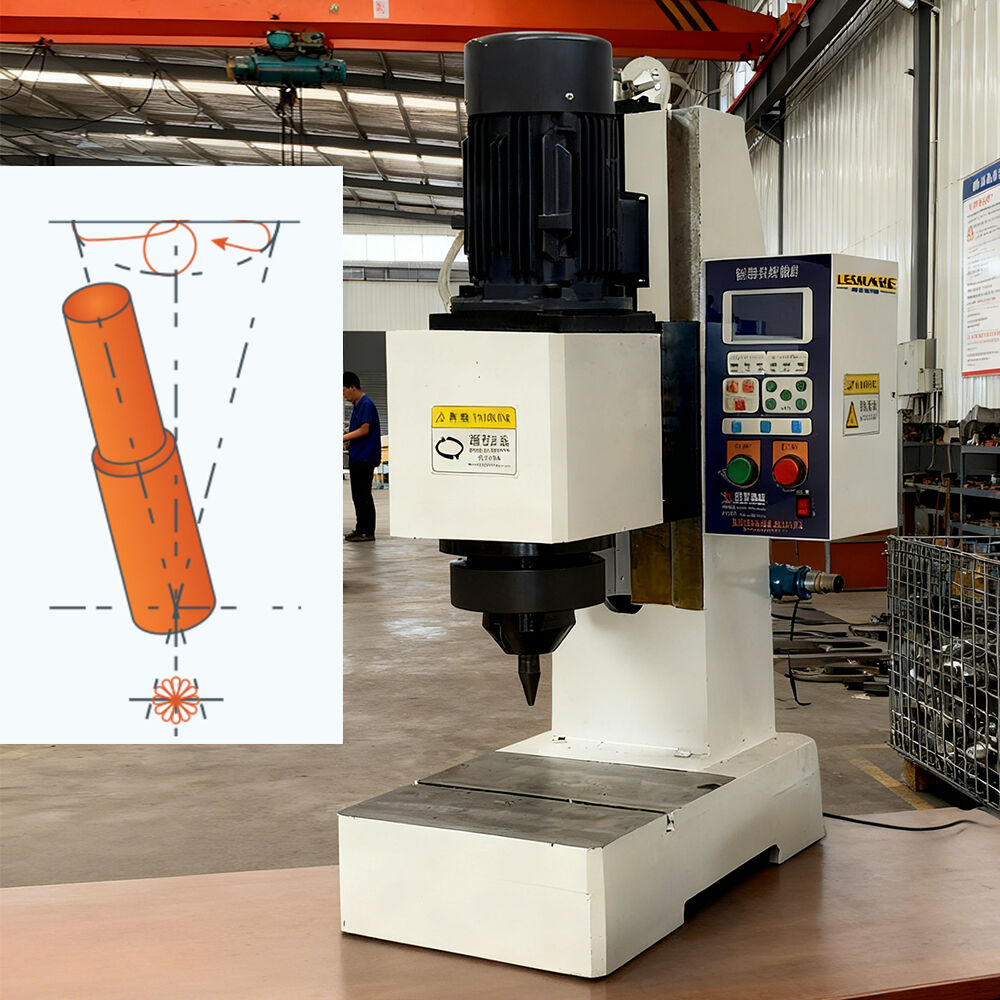
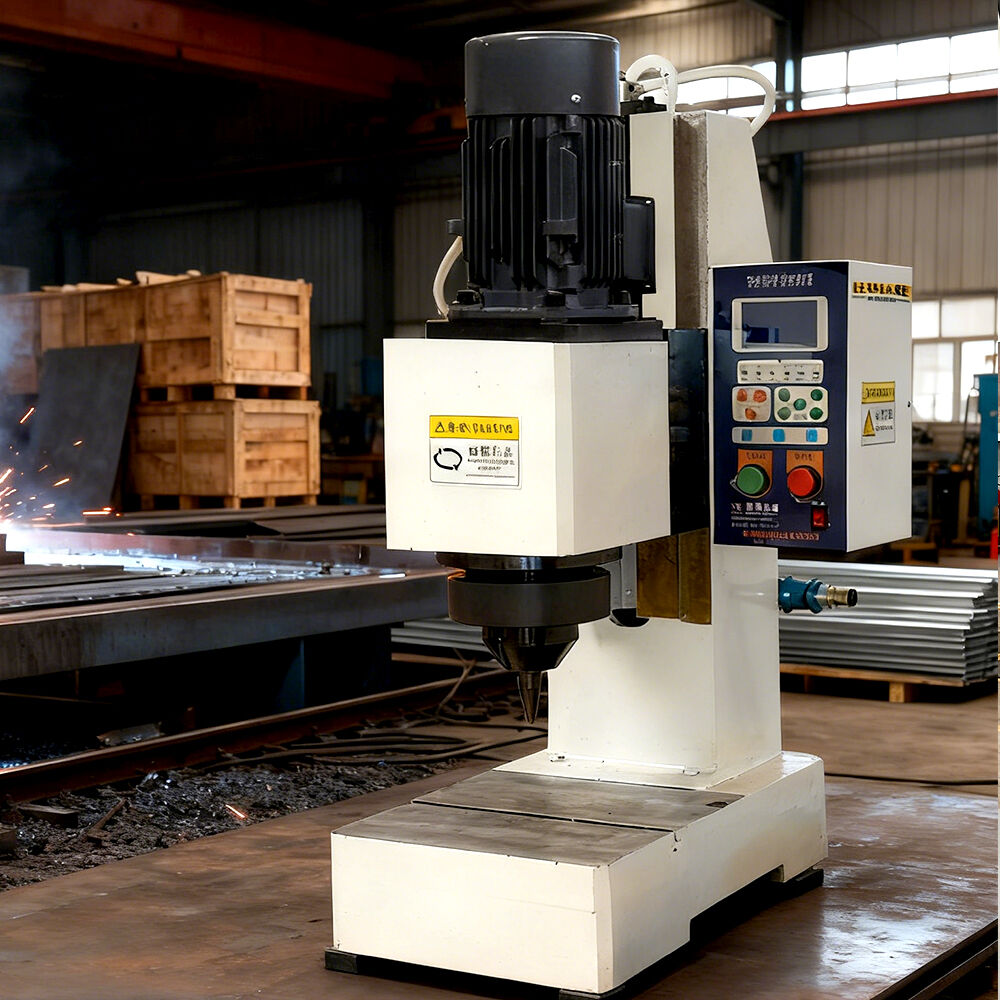
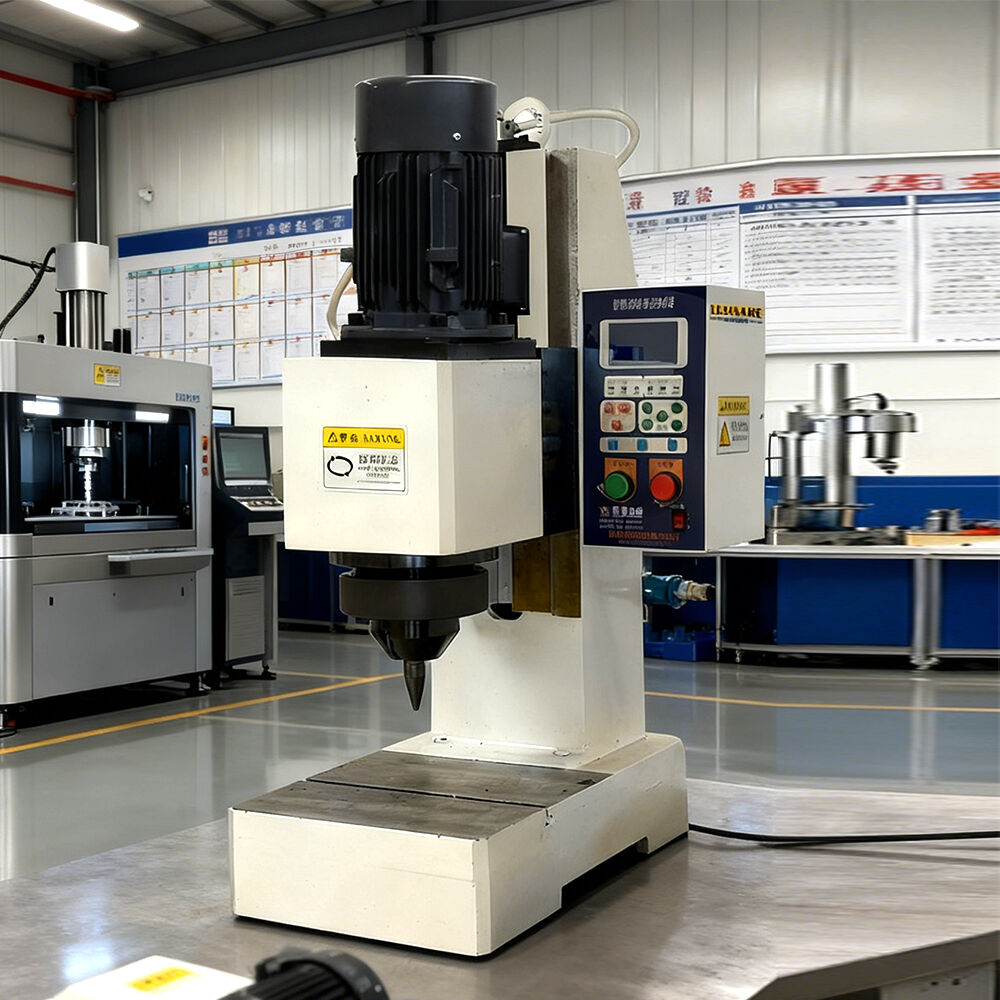
The servo riveting machine represents a cutting-edge advancement in automated fastening technology, designed to deliver precision joining solutions across diverse manufacturing sectors. This sophisticated equipment integrates servo motor control systems with hydraulic or pneumatic actuators to create permanent connections between materials through controlled deformation processes. Unlike conventional riveting systems, the servo riveting machine operates with exceptional accuracy, monitoring force, displacement, and time parameters throughout each cycle to ensure consistent quality results. The machine's primary function involves inserting metal fasteners through pre-drilled holes in overlapping materials, then applying precise pressure to deform the rivet tail, creating a permanent mechanical bond. Modern servo riveting machines feature programmable control interfaces that allow operators to customize settings for different material combinations, rivet sizes, and application requirements. The technology incorporates real-time feedback mechanisms that continuously adjust parameters during operation, compensating for material variations and environmental factors. These machines typically include safety systems such as light curtains, emergency stops, and protective enclosures to ensure operator protection during high-force operations. The servo riveting machine finds extensive applications in automotive assembly lines, aerospace component manufacturing, appliance production, and construction equipment fabrication. Key technological features include digital force monitoring, position control accuracy within micrometers, data logging capabilities for quality traceability, and integration compatibility with existing production systems. The equipment supports various rivet types including solid, semi-tubular, and blind rivets, accommodating material thicknesses from thin sheet metal to heavy structural components. Advanced models incorporate vision systems for automatic rivet positioning and quality verification, reducing manual intervention requirements and enhancing production throughput while maintaining superior joint integrity standards.
 EN
EN