Fast Cycle Riveting Machine - High-Speed Automated Riveting Solutions for Manufacturing

Get a Free Quote

Our representative will contact you soon.
Email
Name
Company Name
Message
0/1000

fast cycle riveting machine

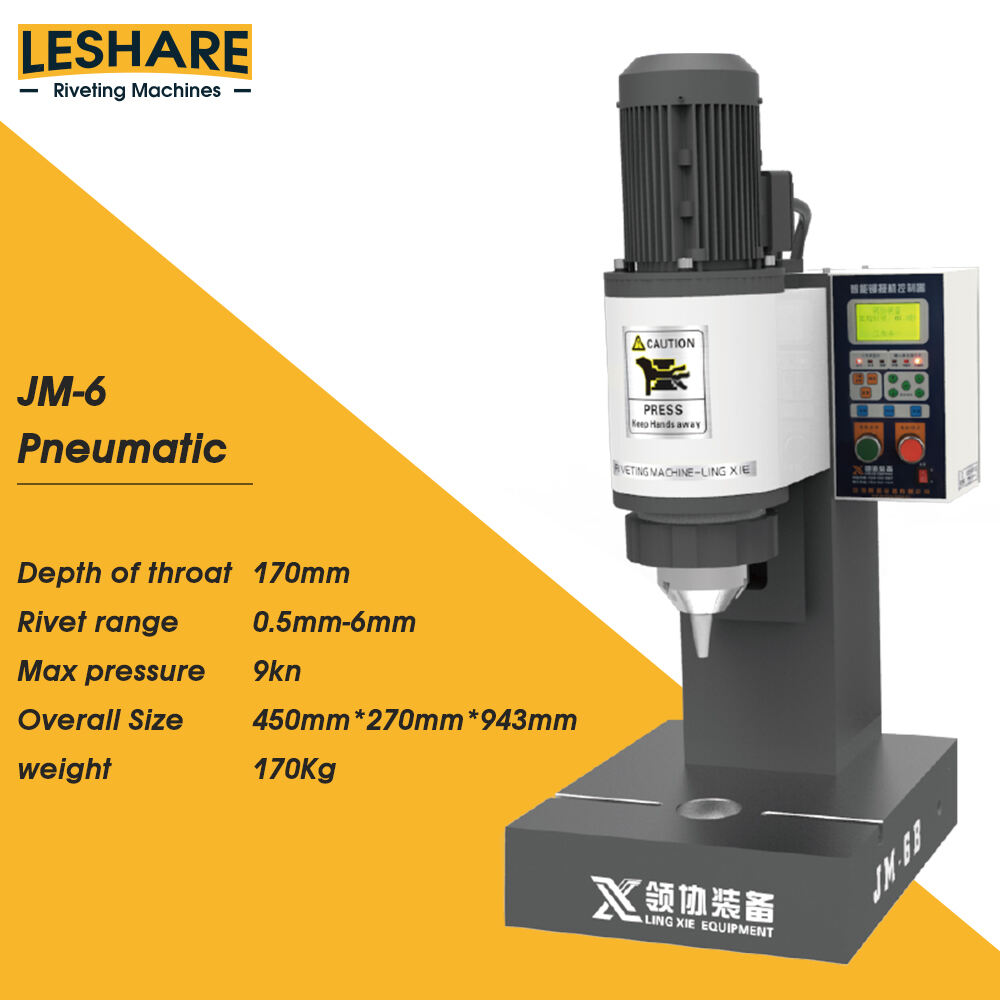
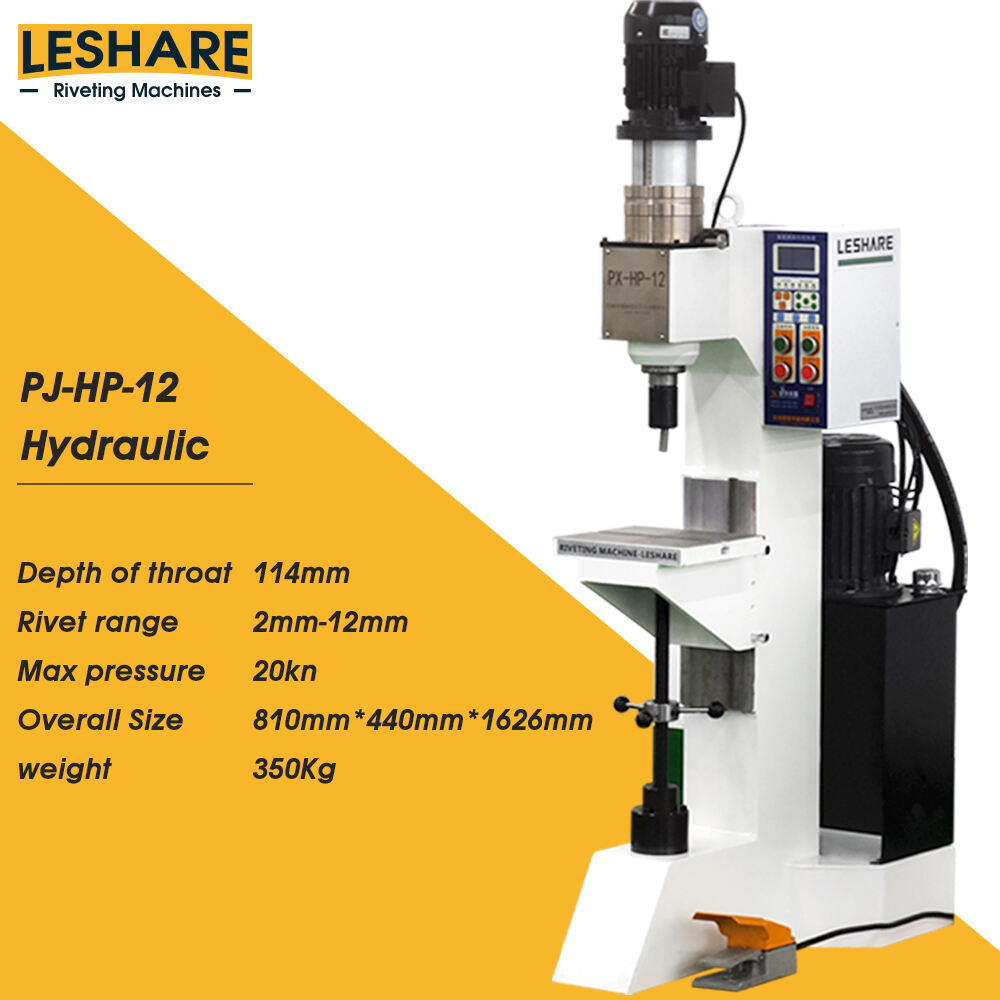
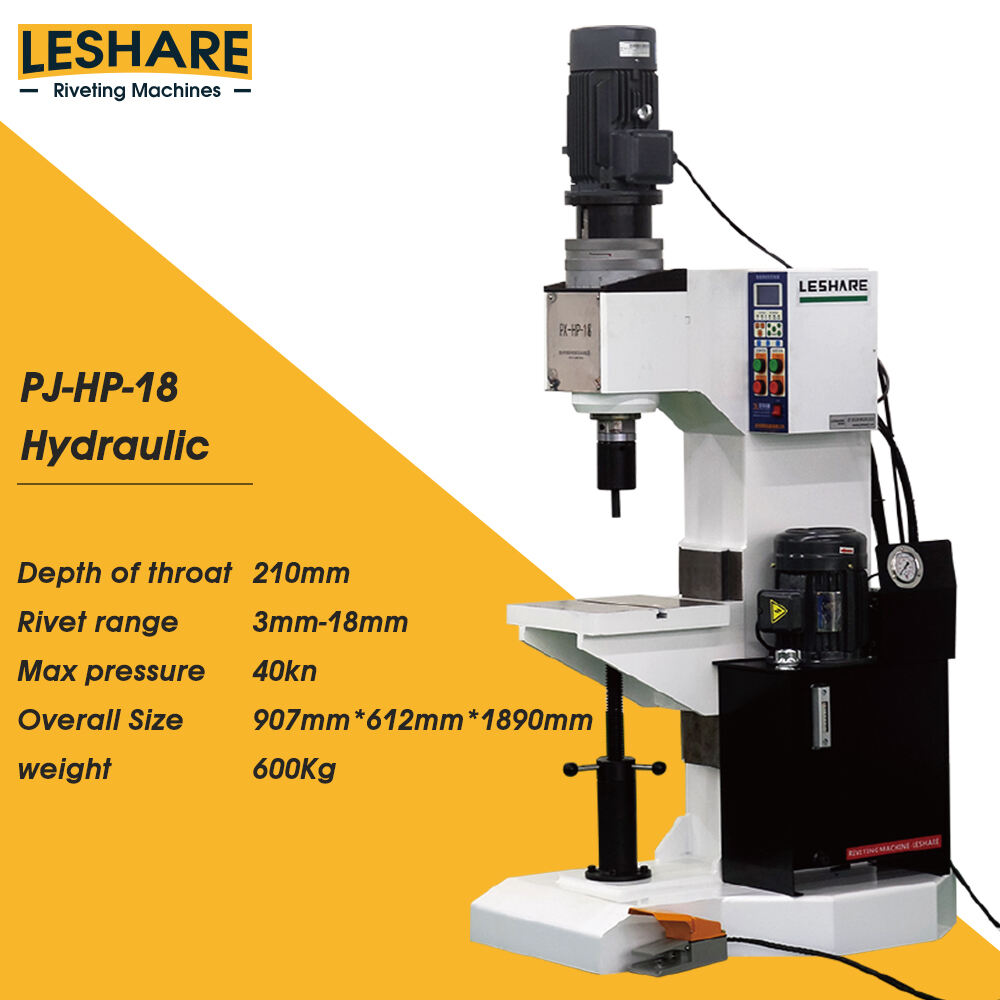
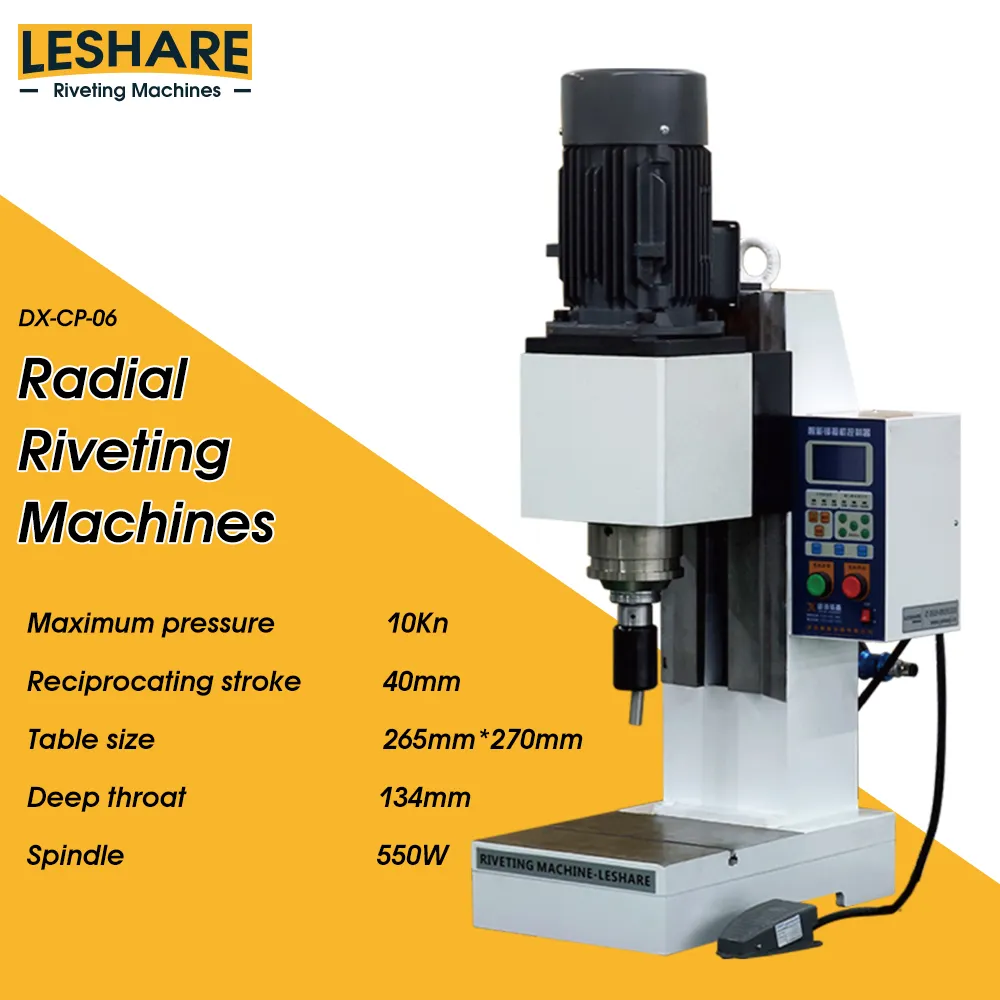
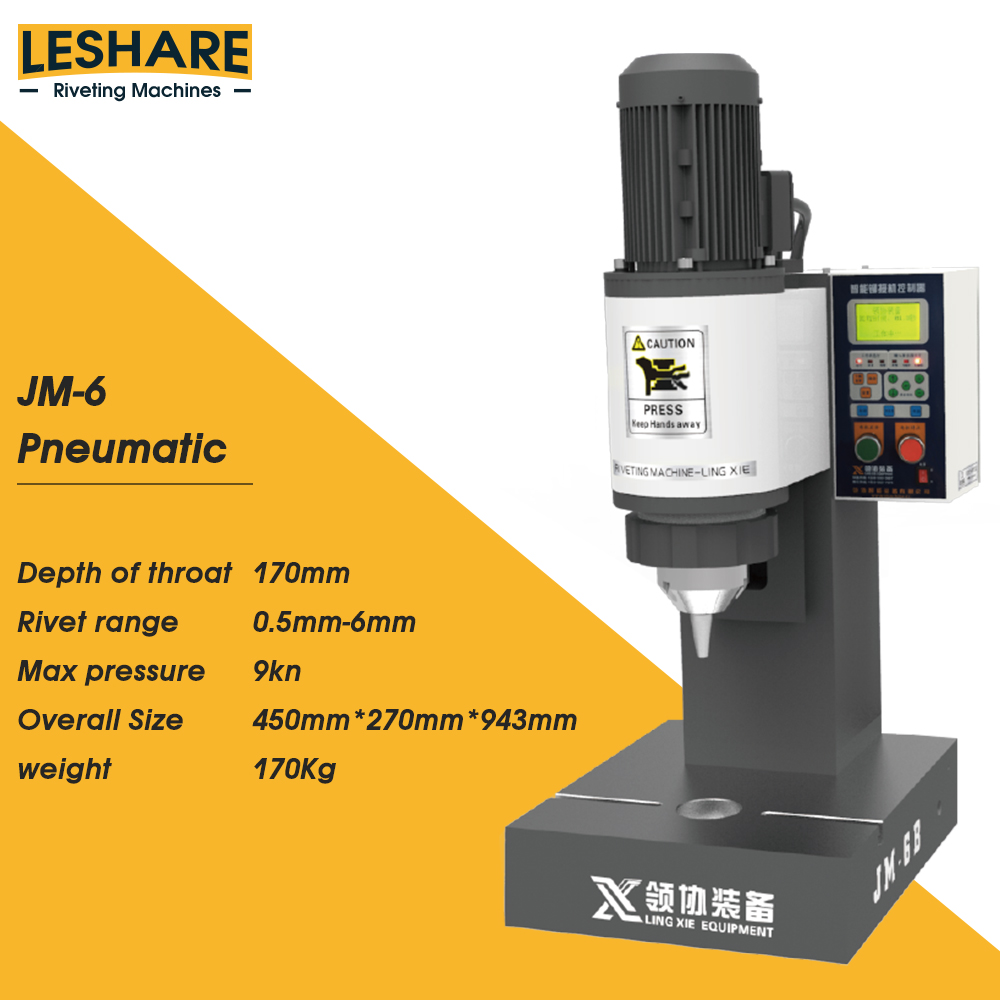
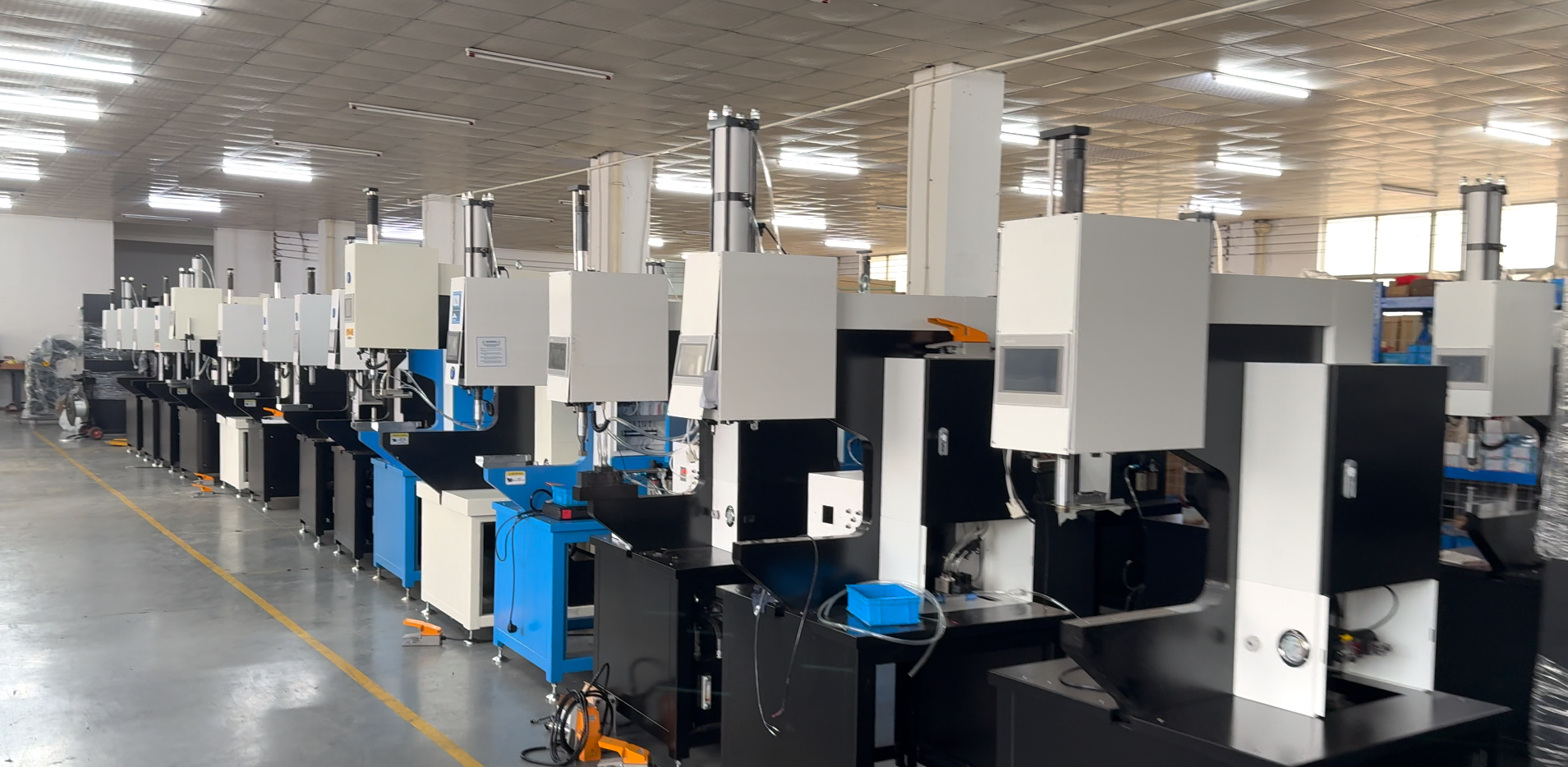
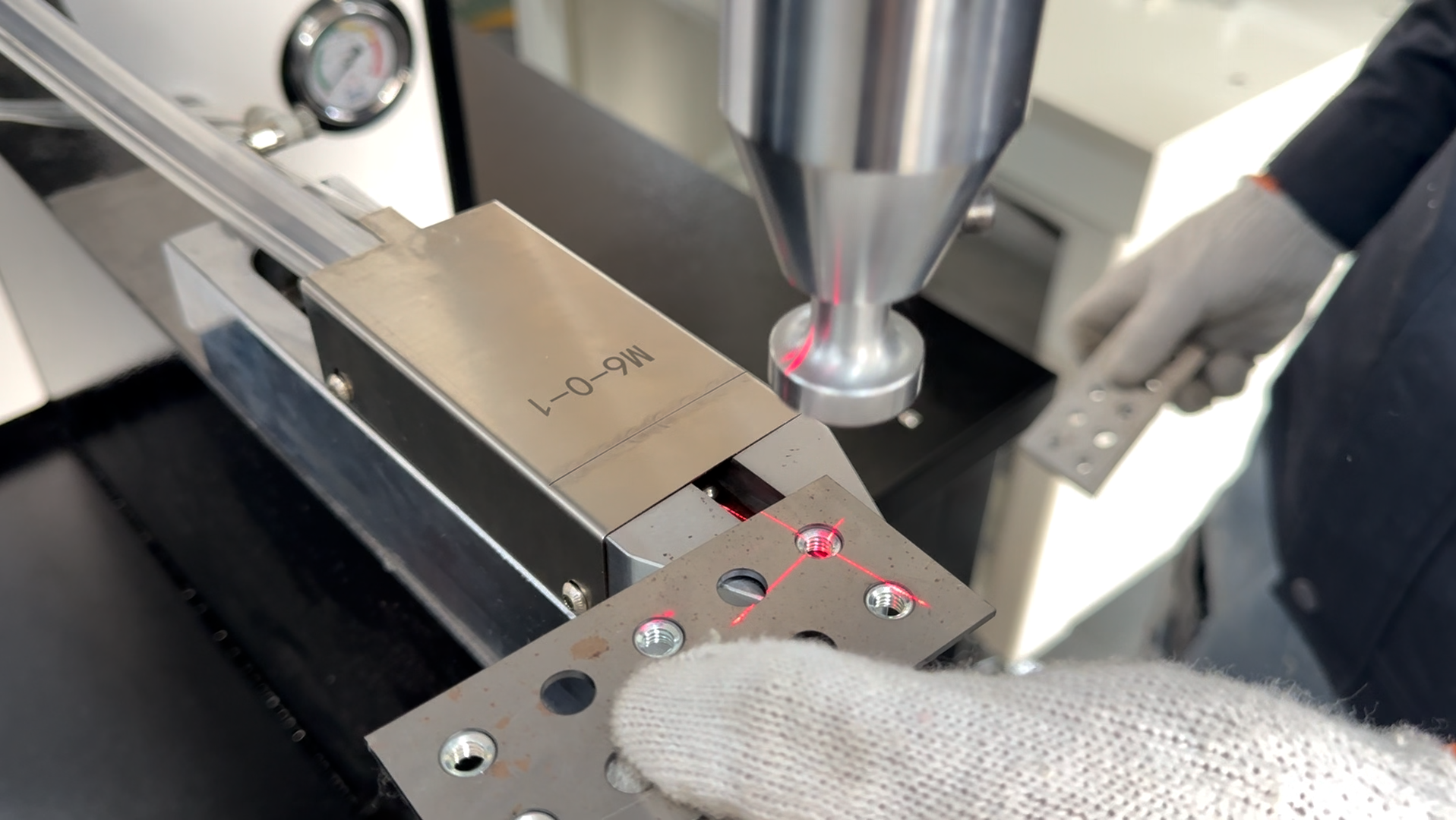
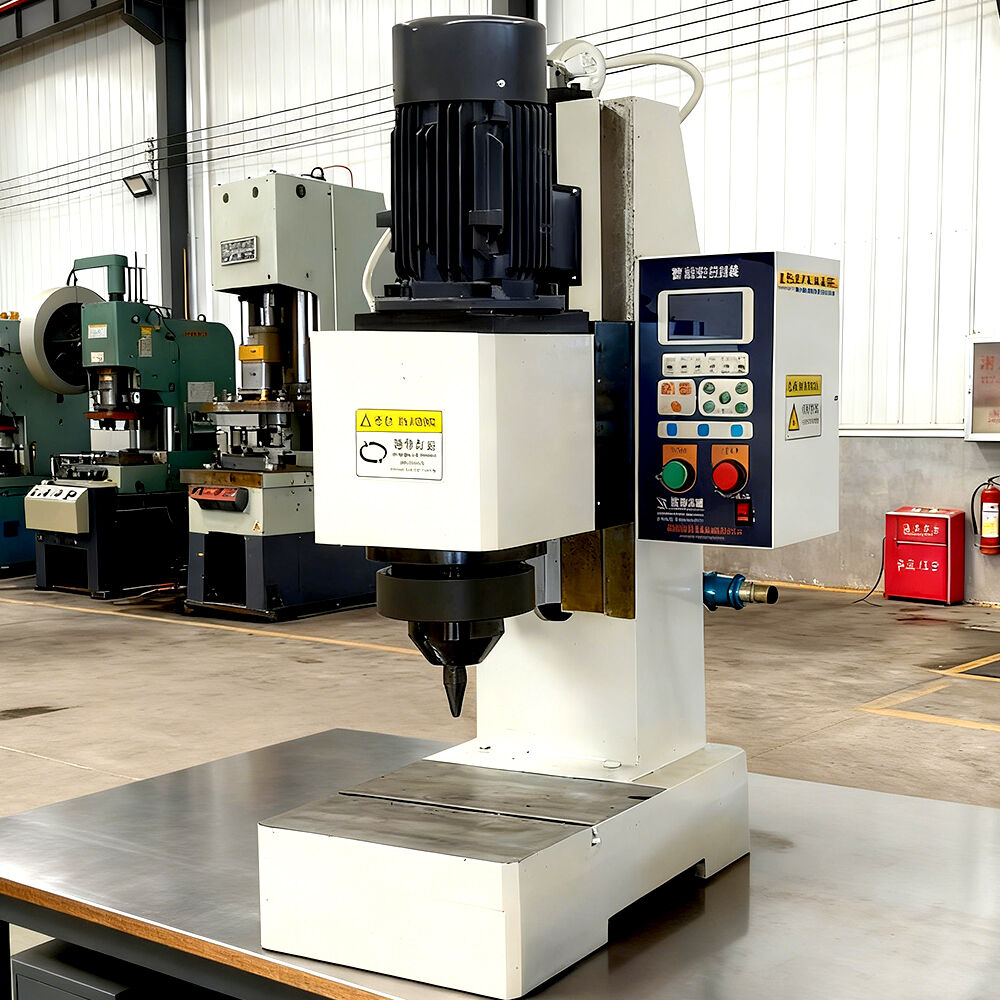
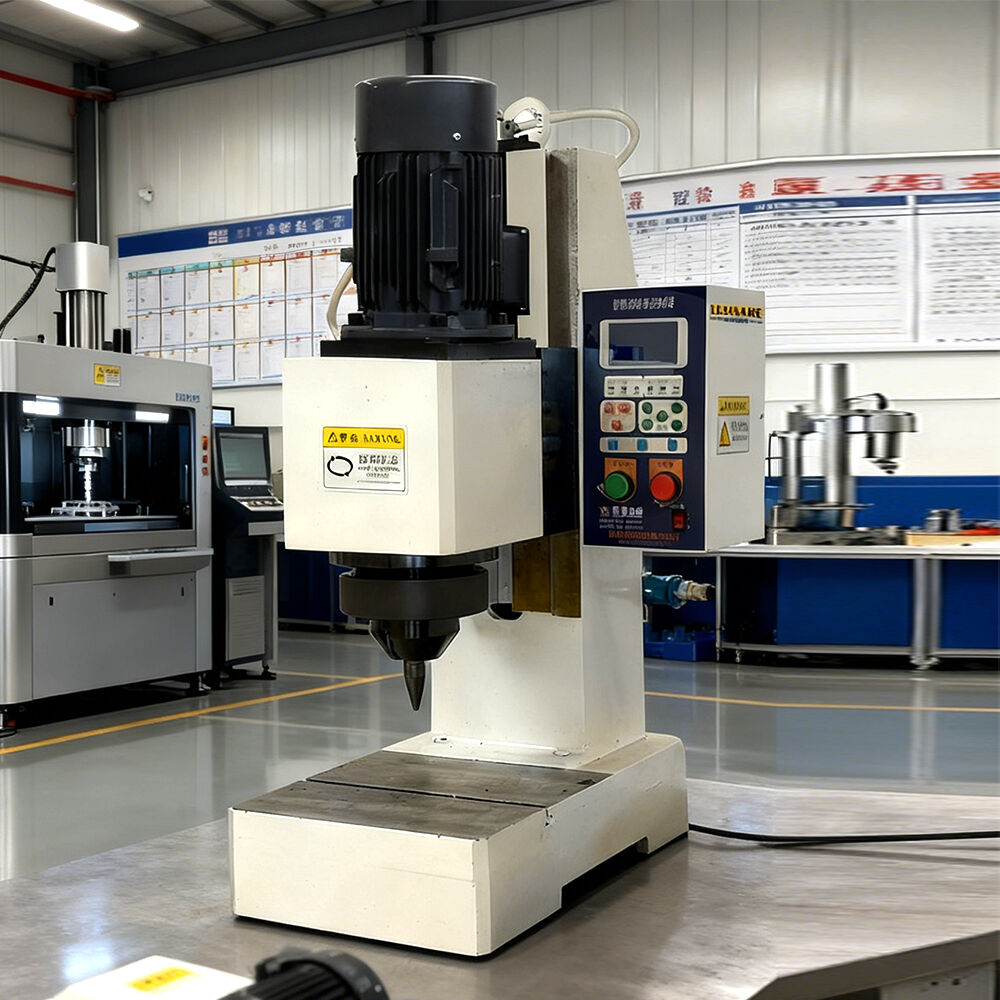
The fast cycle riveting machine represents a revolutionary advancement in automated fastening technology, designed to deliver exceptional speed and precision in industrial assembly operations. This sophisticated equipment combines cutting-edge hydraulic or pneumatic systems with intelligent control mechanisms to achieve rapid riveting cycles while maintaining consistent quality standards. The machine operates through a streamlined process that positions, forms, and sets rivets in significantly reduced timeframes compared to conventional riveting equipment. Its primary function centers on creating permanent mechanical joints between multiple material layers using solid rivets, tubular rivets, or specialized fasteners. The fast cycle riveting machine incorporates advanced servo motor technology and programmable logic controllers that enable precise force control, position monitoring, and cycle timing optimization. These technological features ensure repeatable results across thousands of riveting operations while minimizing material waste and operator fatigue. The equipment typically features modular construction allowing customization for specific applications, from lightweight aerospace components to heavy-duty automotive assemblies. Modern fast cycle riveting machines integrate seamlessly with existing production lines through standardized interfaces and communication protocols. They accommodate various rivet materials including aluminum, steel, copper, and specialized alloys, with automatic feeding systems that reduce manual handling requirements. Quality assurance capabilities include real-time monitoring of rivet formation parameters, automatic rejection of defective joints, and comprehensive data logging for traceability purposes. The machines excel in high-volume manufacturing environments where consistency, speed, and reliability are paramount concerns for production managers and quality engineers.

New Products

Fast cycle riveting machines deliver substantial operational benefits that directly impact manufacturing efficiency and profitability. These systems dramatically reduce cycle times by up to 70 percent compared to traditional riveting methods, enabling manufacturers to achieve higher throughput rates without compromising joint quality. The automated operation eliminates manual positioning errors and ensures consistent rivet placement across every production cycle, resulting in superior product reliability and reduced warranty claims. Operators benefit from significantly reduced physical strain since the machine handles all heavy lifting, positioning, and force application tasks automatically. This ergonomic advantage leads to improved worker safety, reduced injury rates, and enhanced job satisfaction in manufacturing environments. The precise force control capabilities of fast cycle riveting machines prevent over-compression or under-compression of riveted joints, ensuring optimal structural integrity while minimizing material stress concentrations. Energy efficiency represents another crucial advantage, as these machines optimize power consumption through intelligent control systems that apply force only when necessary. The reduced energy requirements translate to lower operational costs and improved environmental sustainability metrics. Quality consistency emerges as a primary benefit since automated systems eliminate human variability factors that can affect joint strength and appearance. Real-time monitoring capabilities provide immediate feedback on rivet formation quality, enabling instant corrections and preventing defective products from progressing through the production line. Maintenance requirements are minimized through robust construction and predictive maintenance algorithms that alert operators to potential issues before failures occur. The machines adapt easily to different product configurations through programmable settings, eliminating time-consuming manual adjustments between production runs. Cost savings accumulate through reduced labor requirements, decreased material waste, improved first-pass quality rates, and extended equipment lifespan. Return on investment typically occurs within 18 to 24 months due to these combined operational improvements and cost reductions.

Tips And Tricks

Why Are Automotive Suppliers Increasingly Relying on Clinching Machines?

11

Dec

Why Are Automotive Suppliers Increasingly Relying on Clinching Machines?

The automotive manufacturing industry has witnessed a remarkable transformation in recent years, driven by the need for lighter, stronger, and more cost-effective production methods. Among the various technological advancements reshaping the sector, ...
View More
How can radial riveting machines reduce failure rates in mass production?

28

Jan

How can radial riveting machines reduce failure rates in mass production?

Manufacturing industries constantly seek solutions to minimize production failures and enhance product reliability. Radial riveting machines have emerged as a critical technology for achieving superior joint quality in mass production environments. T...
View More
What Industries Benefit from Automatic Riveting Machines?

18

Mar

What Industries Benefit from Automatic Riveting Machines?

Modern manufacturing demands precision, speed, and reliability in every assembly process. Automatic riveting machines have emerged as essential tools across numerous industries, revolutionizing how manufacturers approach fastening operations. These s...
View More
What Types of Fasteners Work with Insertion Machines?

18

Mar

What Types of Fasteners Work with Insertion Machines?

Insertion Machines play a critical role in today’s automated manufacturing environments, enabling precise, efficient, and repeatable installation of a wide range of fasteners. From sheet metal fabrication to automotive assembly lines, these mac...
View More

Get a Free Quote

Our representative will contact you soon.
Email
Name
Company Name
Message
0/1000

fast cycle riveting machine

Advanced Servo Motor Control Technology

Advanced Servo Motor Control Technology

The fast cycle riveting machine incorporates state-of-the-art servo motor control technology that revolutionizes precision and repeatability in automated riveting operations. This sophisticated control system utilizes high-resolution encoders and advanced feedback algorithms to monitor and adjust rivet formation parameters in real-time, ensuring optimal joint quality across thousands of production cycles. The servo motor technology enables precise force modulation throughout the entire riveting process, applying exactly the required pressure at each stage of rivet deformation while preventing over-compression that could damage sensitive components or under-compression that might compromise joint strength. This intelligent force control adapts automatically to variations in material thickness, rivet hardness, and environmental conditions, maintaining consistent results regardless of production variables. The system features programmable force profiles that can be customized for different rivet types and material combinations, storing multiple recipes for quick changeover between product lines. Position accuracy reaches sub-millimeter precision levels, ensuring perfect rivet alignment even in complex assemblies with tight tolerance requirements. The servo control system integrates seamlessly with quality monitoring equipment, providing real-time data on rivet formation parameters, joint integrity metrics, and cycle completion status. This comprehensive monitoring capability enables predictive maintenance scheduling, quality trend analysis, and immediate detection of process deviations. Manufacturers benefit from reduced setup times, eliminated manual calibration requirements, and consistent performance across multiple shifts and operators. The technology supports various communication protocols including Ethernet/IP, Profibus, and CANbus, facilitating integration with existing factory automation systems and enabling remote monitoring capabilities for improved production oversight.
High-Speed Pneumatic Actuation System

High-Speed Pneumatic Actuation System

The high-speed pneumatic actuation system represents a cornerstone feature of the fast cycle riveting machine, delivering exceptional cycle speed without compromising operational safety or joint quality. This advanced pneumatic architecture utilizes precision-engineered cylinders, high-flow valve assemblies, and optimized air distribution networks to achieve riveting cycles as fast as 2-3 seconds per joint, significantly outperforming conventional hydraulic systems. The pneumatic design offers inherent advantages including rapid acceleration and deceleration capabilities, precise force control through pressure regulation, and exceptional responsiveness to control signals. The system incorporates dual-stage pressure regulation that provides coarse and fine force adjustment capabilities, enabling optimal rivet formation across diverse material combinations and thickness variations. Advanced air preparation systems ensure consistent compressed air quality through integrated filtration, moisture removal, and pressure stabilization components that prevent contamination-related performance degradation. The pneumatic actuation system features intelligent exhaust control that minimizes noise levels while maximizing cycle speed, creating a more comfortable working environment for operators and nearby personnel. Safety interlocks prevent accidental activation and ensure proper workpiece positioning before initiating riveting cycles, protecting both equipment and operators from potential hazards. The modular pneumatic design simplifies maintenance procedures and reduces downtime through quick-disconnect fittings, easily replaceable wear components, and diagnostic capabilities that identify potential issues before failures occur. Energy efficiency optimization algorithms adjust air consumption based on actual riveting requirements, reducing compressed air usage by up to 30 percent compared to standard pneumatic systems. The system supports various rivet types including solid, semi-tubular, and blind rivets with automatic parameter adjustment for each fastener category, eliminating manual setup requirements and reducing operator training needs.
Integrated Quality Monitoring and Data Analytics

Integrated Quality Monitoring and Data Analytics

The integrated quality monitoring and data analytics capabilities of the fast cycle riveting machine provide unprecedented visibility into riveting process performance and joint quality metrics. This comprehensive monitoring system employs multiple sensor technologies including force transducers, position encoders, vibration monitors, and acoustic sensors to capture detailed information about every riveting cycle. The data analytics platform processes this information in real-time, identifying quality trends, predicting potential issues, and optimizing process parameters for maximum efficiency and reliability. Statistical process control algorithms continuously analyze rivet formation data, automatically detecting variations that could indicate tooling wear, material inconsistencies, or process drift before defective joints are produced. The system generates detailed quality reports that include force-displacement curves, cycle time analysis, rejection rates, and trend charts that help production managers identify improvement opportunities and validate process capabilities. Traceability features record comprehensive data for each riveted joint, including operator identification, material lot numbers, process parameters, and quality measurements, supporting aerospace and automotive industry requirements for complete product documentation. The monitoring system interfaces with existing manufacturing execution systems and enterprise resource planning platforms, enabling seamless integration of quality data with production schedules, inventory management, and customer reporting requirements. Predictive maintenance algorithms analyze equipment performance data to forecast component wear, schedule maintenance activities, and prevent unexpected downtime that could disrupt production schedules. The user-friendly dashboard displays real-time process status, quality metrics, and performance indicators in intuitive graphical formats that enable quick assessment of production conditions. Remote monitoring capabilities allow quality engineers and production managers to observe multiple fast cycle riveting machines from centralized locations, improving oversight efficiency and enabling rapid response to process deviations. The data analytics platform supports continuous improvement initiatives by identifying correlation patterns between process variables and joint quality outcomes, enabling optimization of riveting parameters for enhanced performance and reduced variability.

Get a Free Quote

Our representative will contact you soon.
Email
Name
Company Name
Message
0/1000