Exceptional Versatility and Production Efficiency
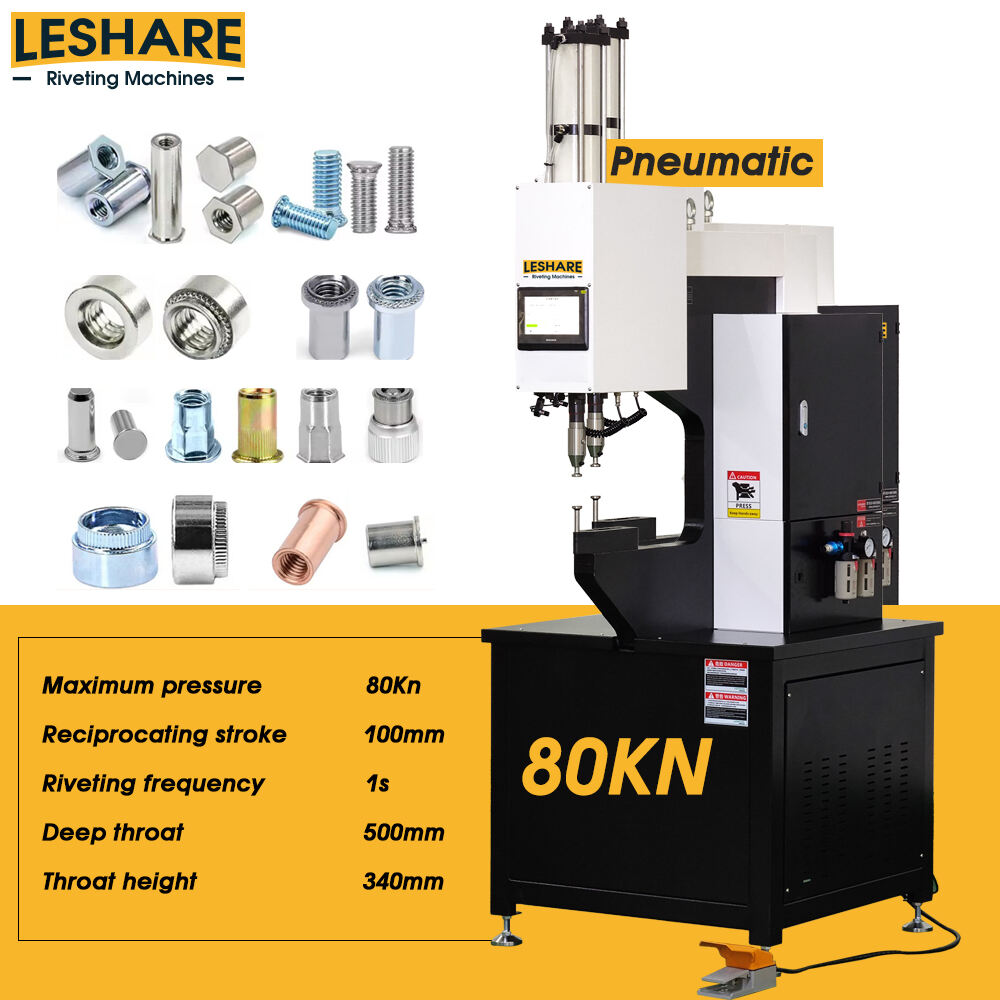
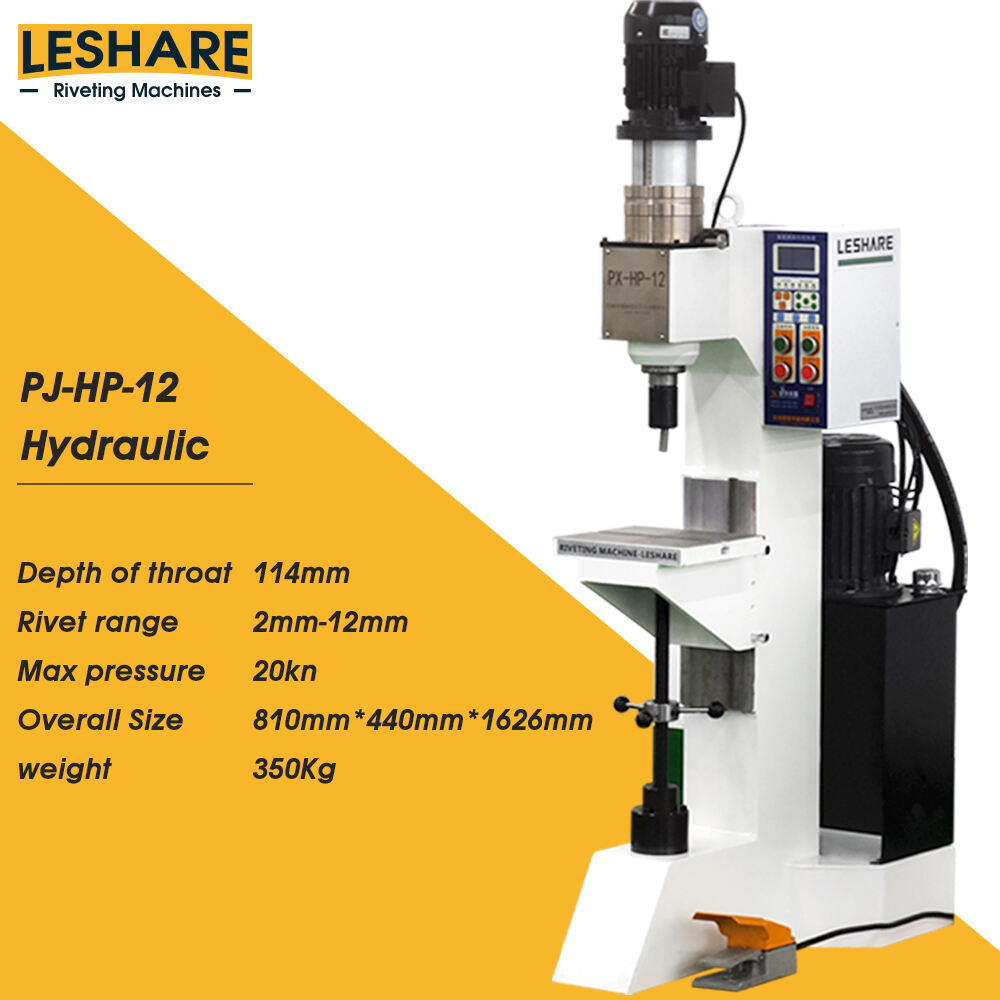
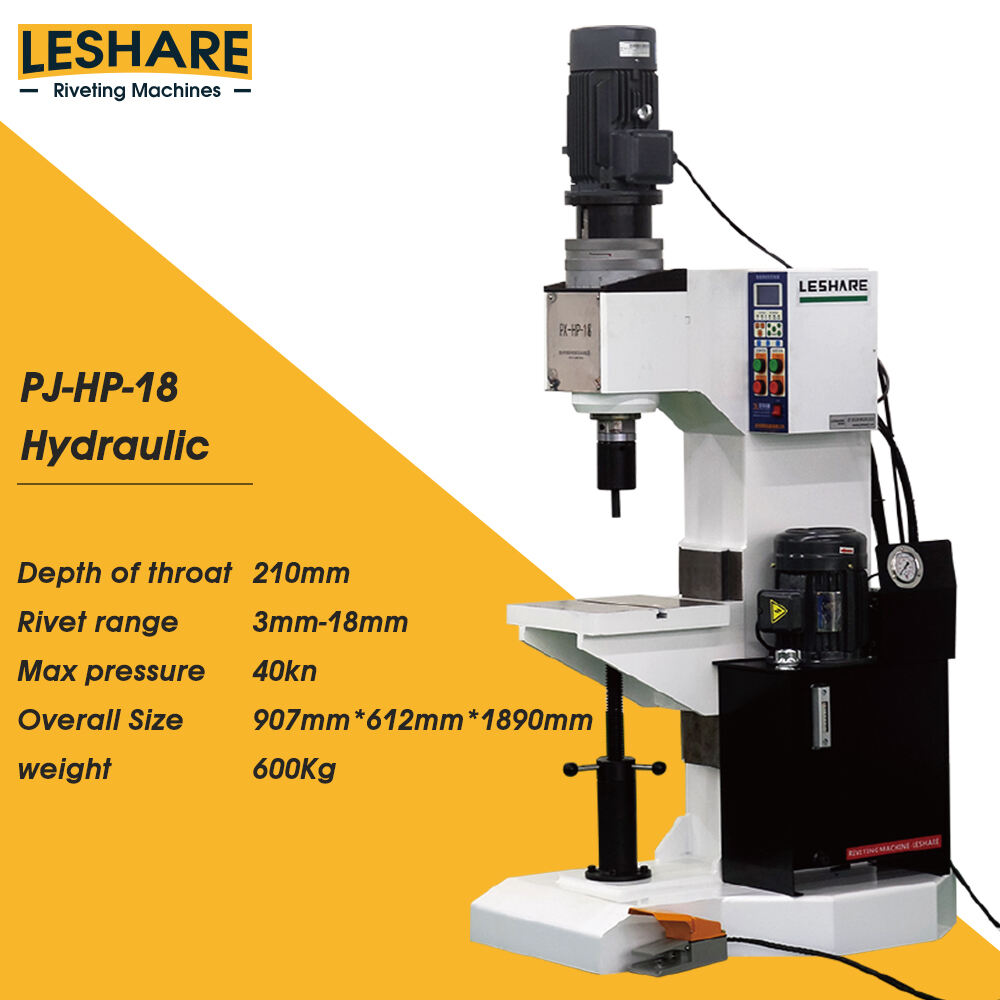
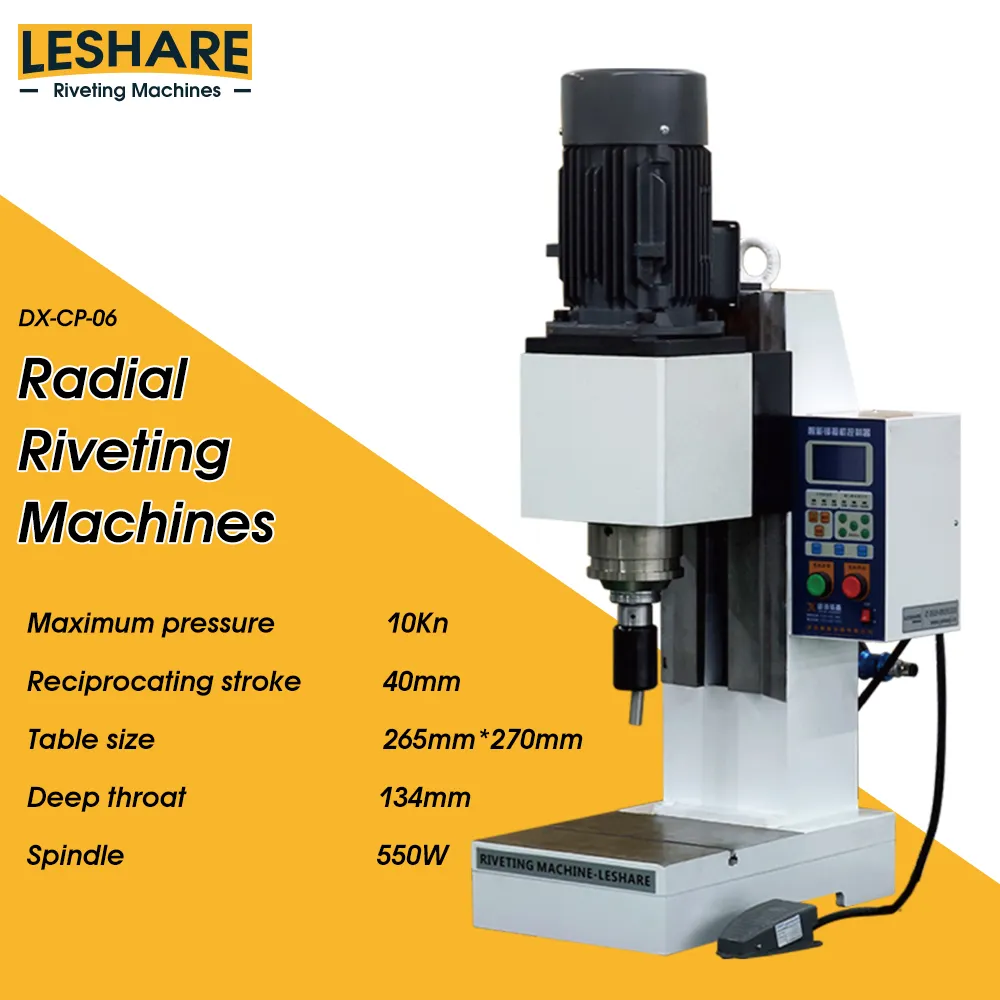
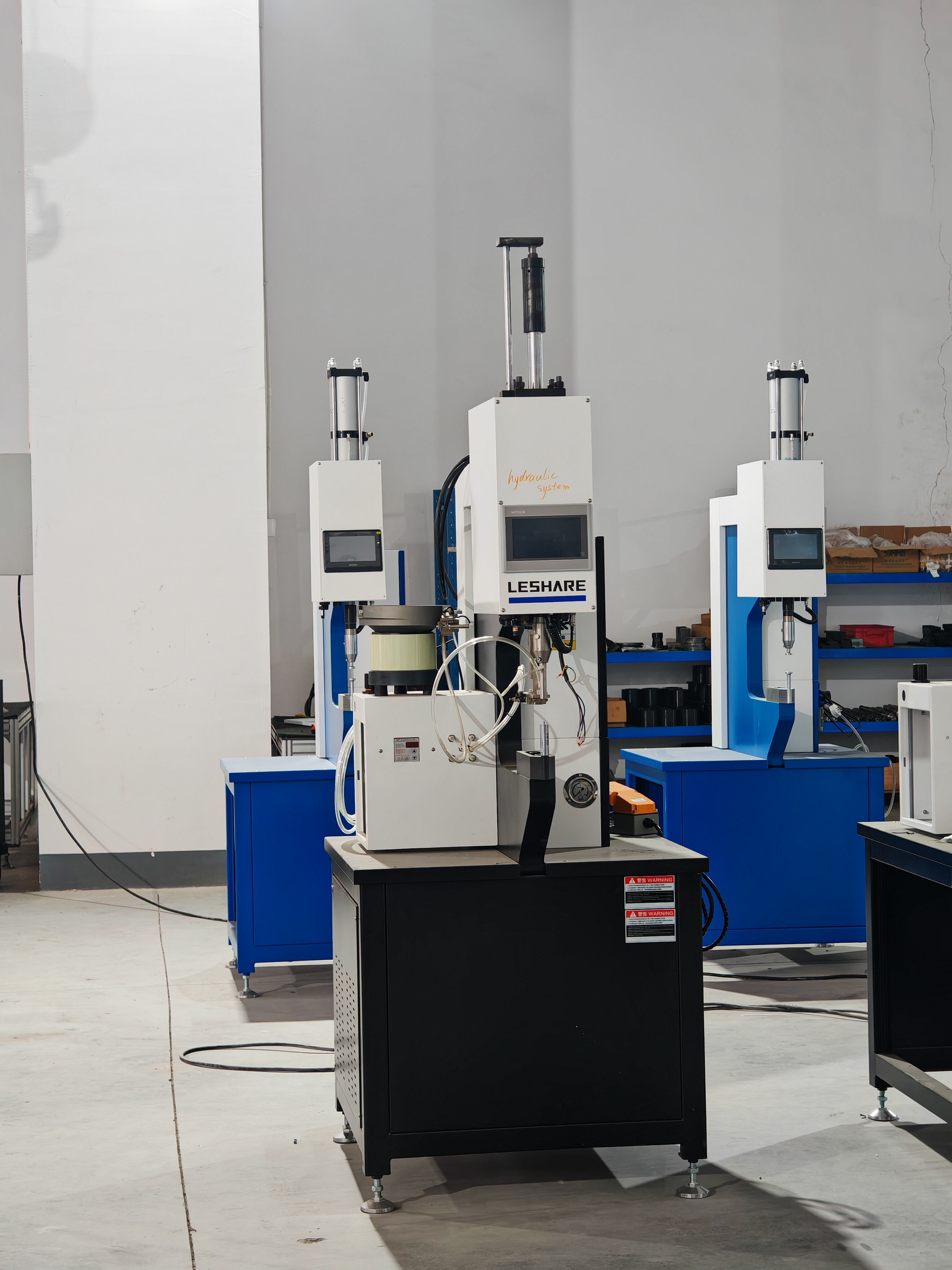
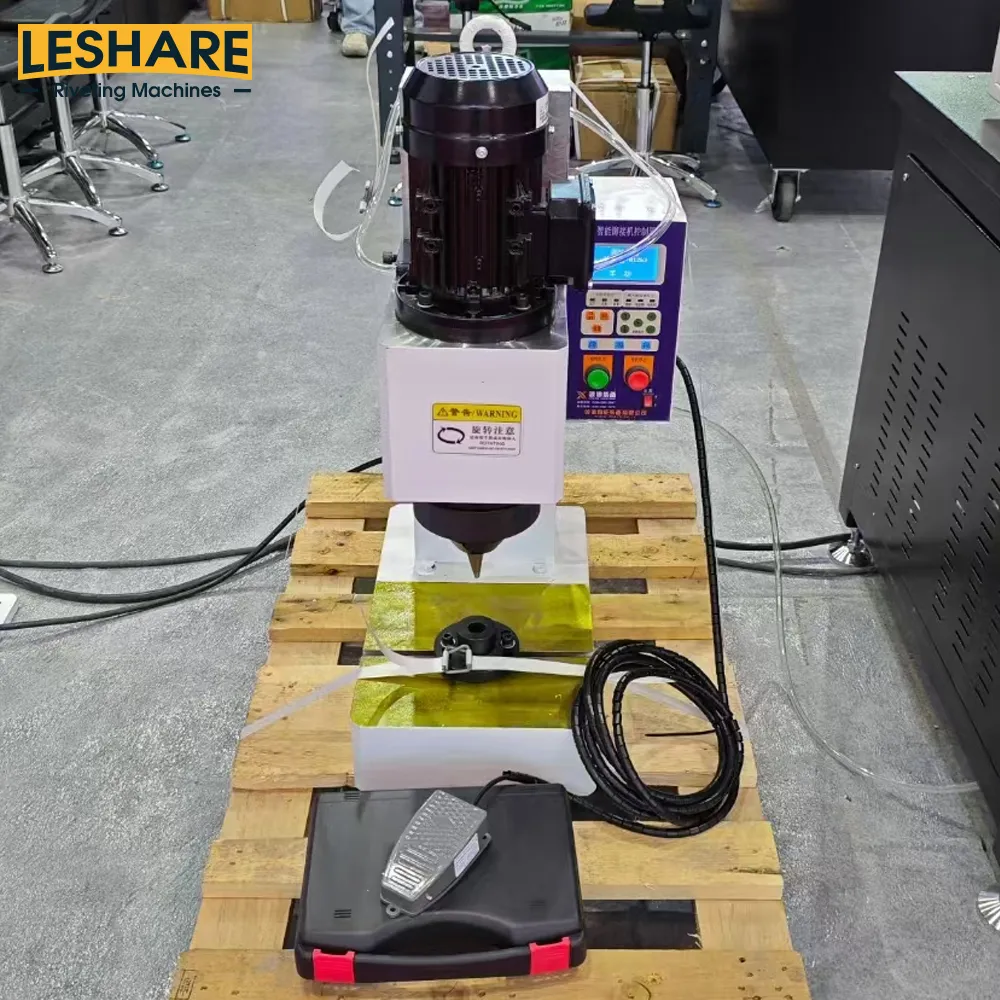
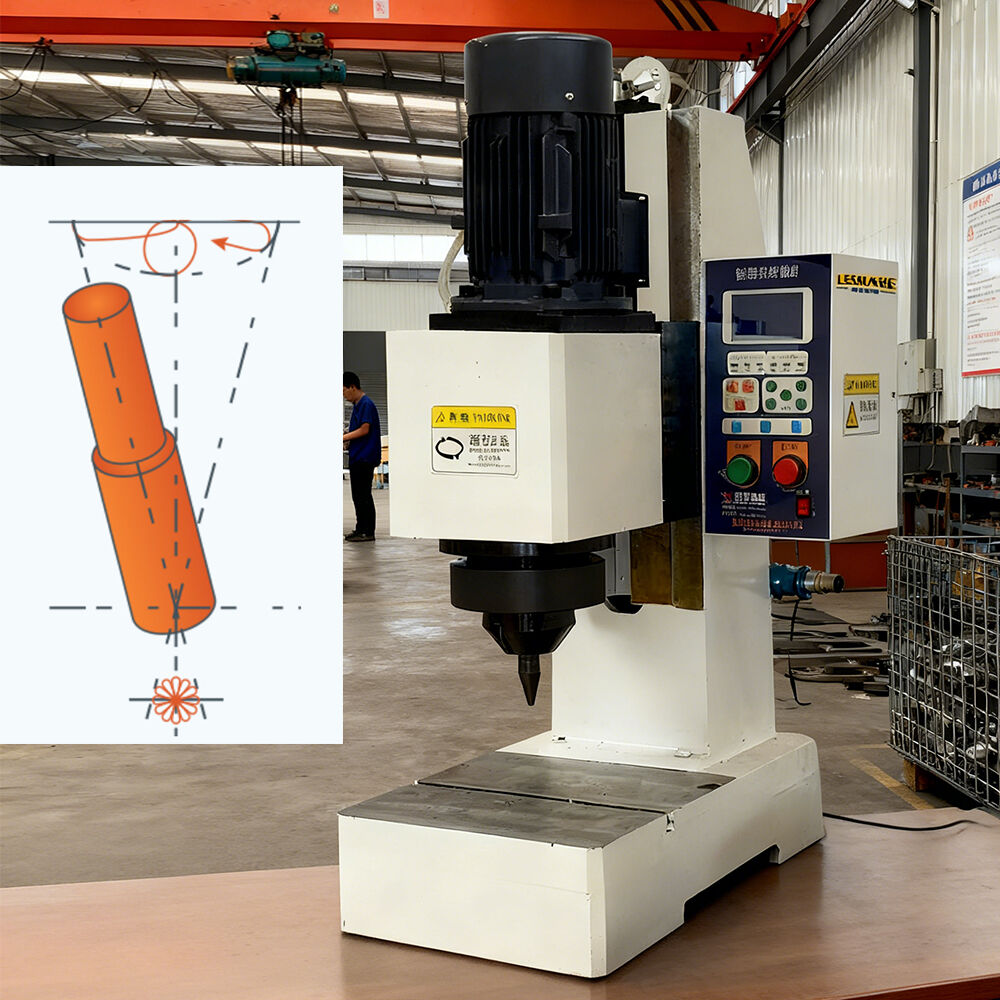
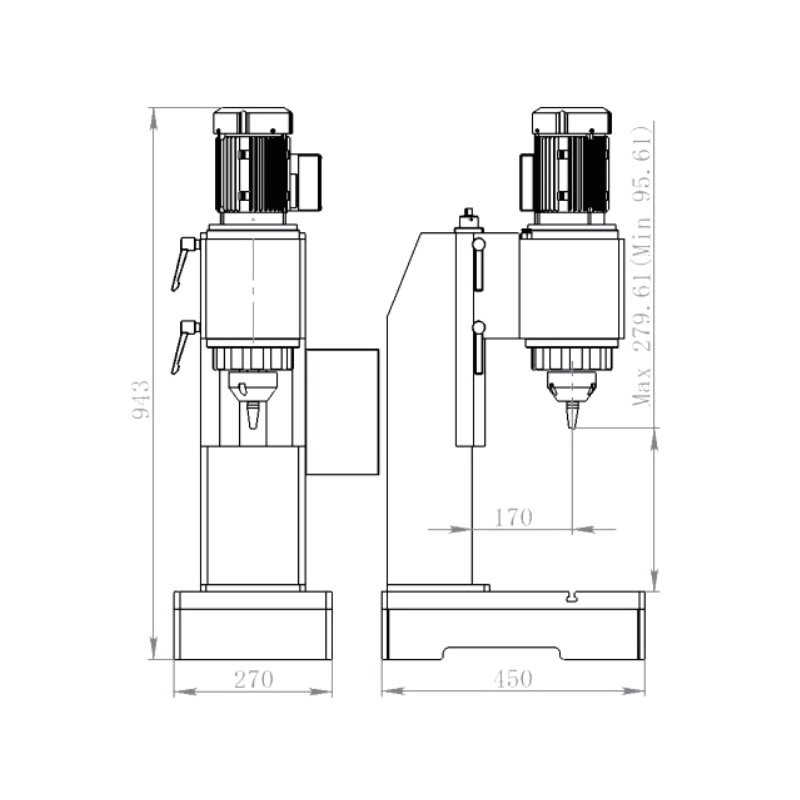
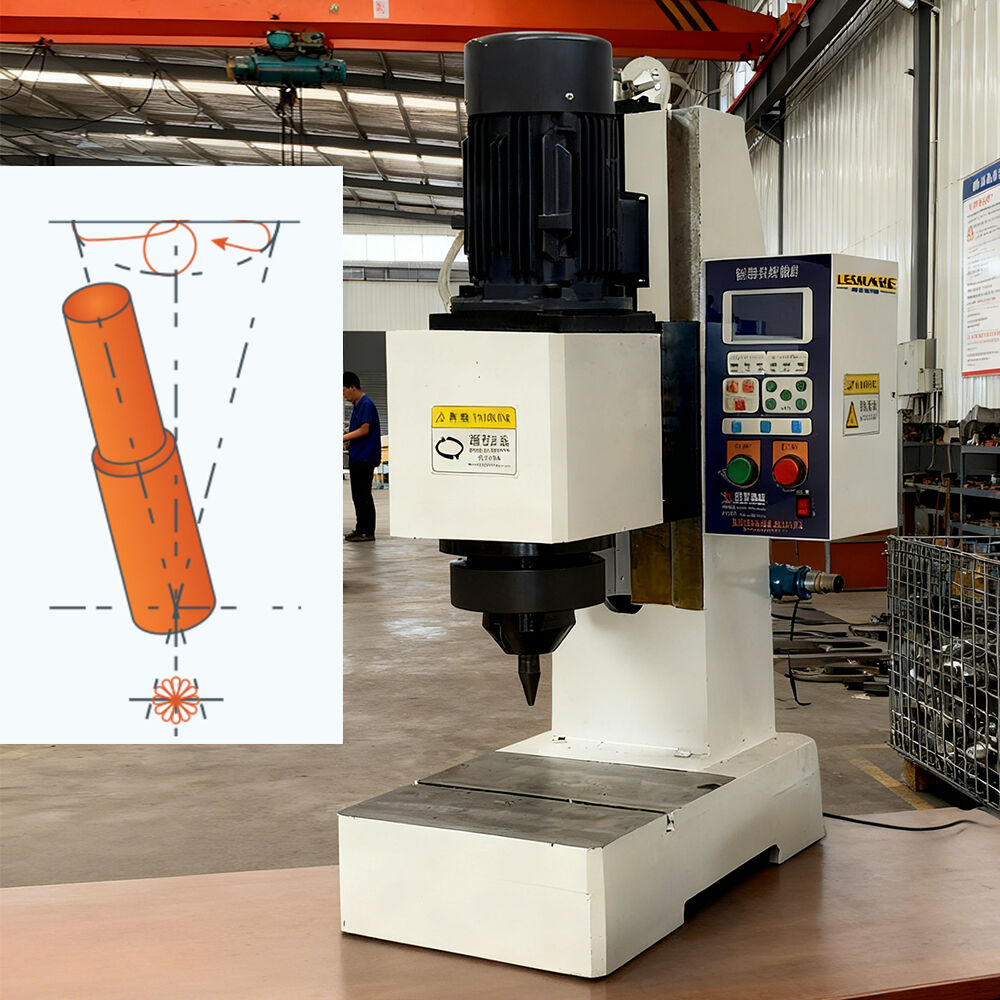
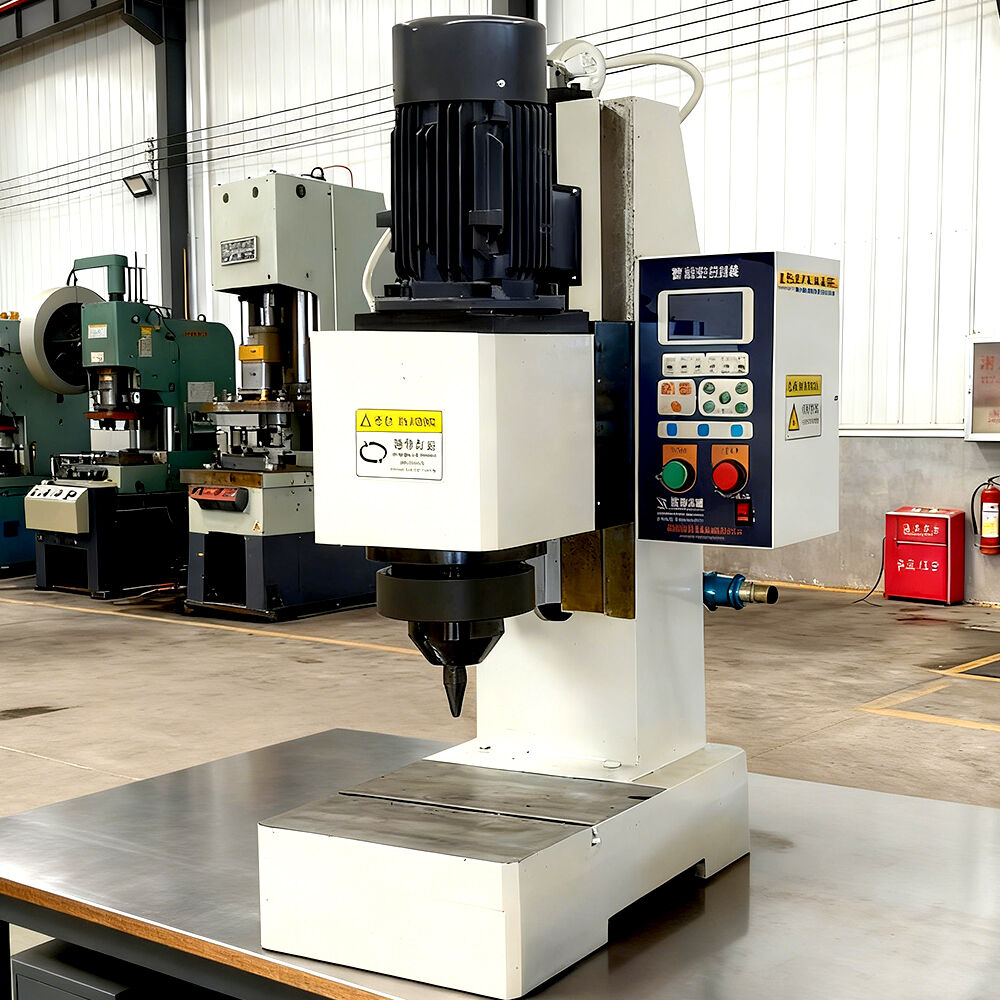
The vertical riveting machine demonstrates exceptional versatility that enables manufacturers to address diverse production requirements using single, integrated equipment solutions. This remarkable adaptability stems from sophisticated design features that accommodate wide ranges of rivet sizes, material types, and joint configurations without requiring extensive reconfiguration or additional tooling investments. The machine's adjustable parameters include stroke length, compression force, dwell time, and approach speed, providing precise control over every aspect of the riveting process regardless of material specifications. Quick-change tooling systems enable rapid transitions between different rivet types and sizes, minimizing changeover time and maximizing production efficiency across varied product lines. The vertical riveting machine excels in processing materials ranging from lightweight aluminum and composites to heavy-duty steel and exotic alloys, making it invaluable for manufacturers serving multiple market segments. Production efficiency reaches exceptional levels through automated feed systems that maintain consistent material flow while reducing manual handling requirements and associated labor costs. The machine's high-speed operation capabilities enable completion of thousands of riveting cycles per hour while maintaining precise quality standards, significantly improving throughput compared to manual or semi-automated alternatives. Integrated quality monitoring systems track every riveting operation, providing real-time feedback on process performance and automatically documenting compliance with specified requirements. This comprehensive monitoring eliminates the need for extensive post-production inspection procedures, reducing quality control costs and accelerating delivery schedules. The versatility extends to integration capabilities, as the vertical riveting machine seamlessly connects with existing production line equipment, robotic systems, and material handling automation. Programmable logic controllers enable coordination with upstream and downstream processes, optimizing overall line efficiency and reducing work-in-process inventory levels. The machine's robust construction ensures reliable performance across demanding production schedules, minimizing unplanned downtime and maintenance interruptions. Energy-efficient operation reduces utility costs while supporting sustainability initiatives, making the equipment attractive for environmentally conscious manufacturers. The exceptional versatility and production efficiency combine to deliver significant competitive advantages, enabling manufacturers to respond quickly to market demands while maintaining cost-effective operations that support profitable growth and market expansion opportunities.
 EN
EN