Enhanced Productivity and Operational Efficiency
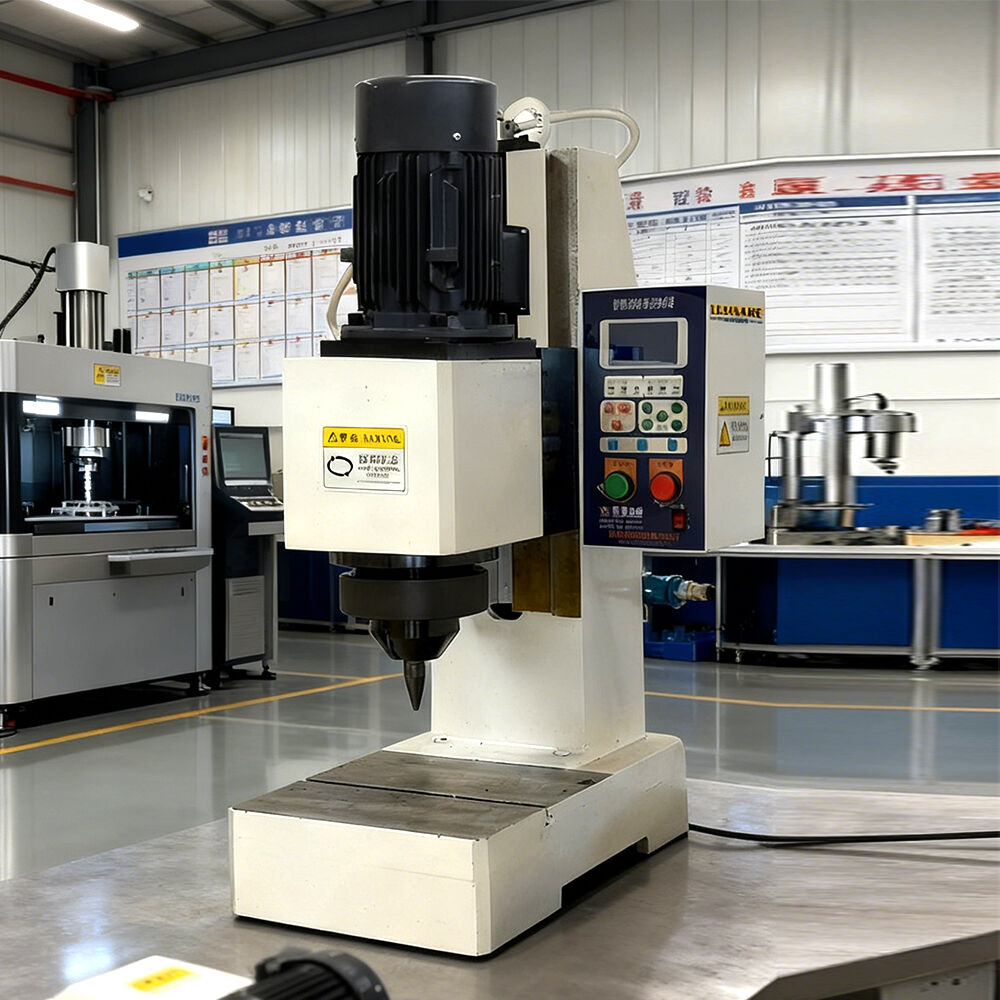
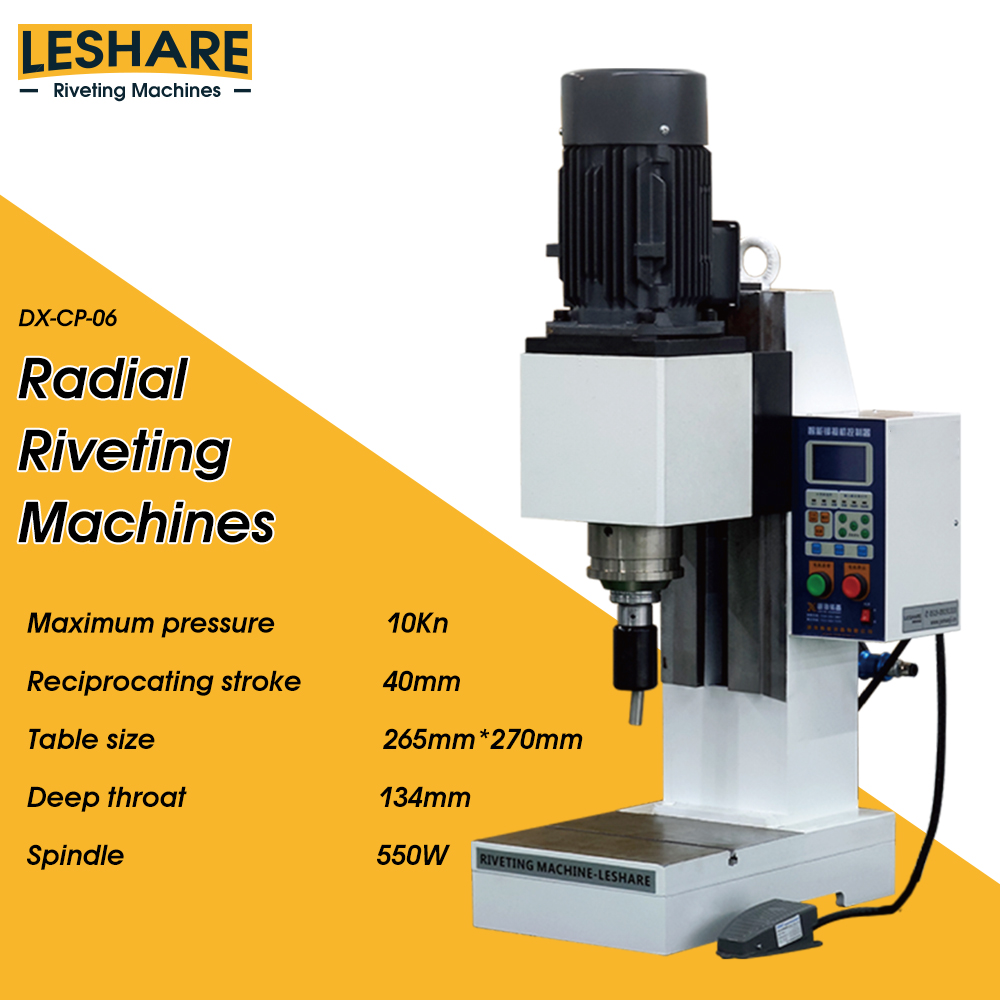
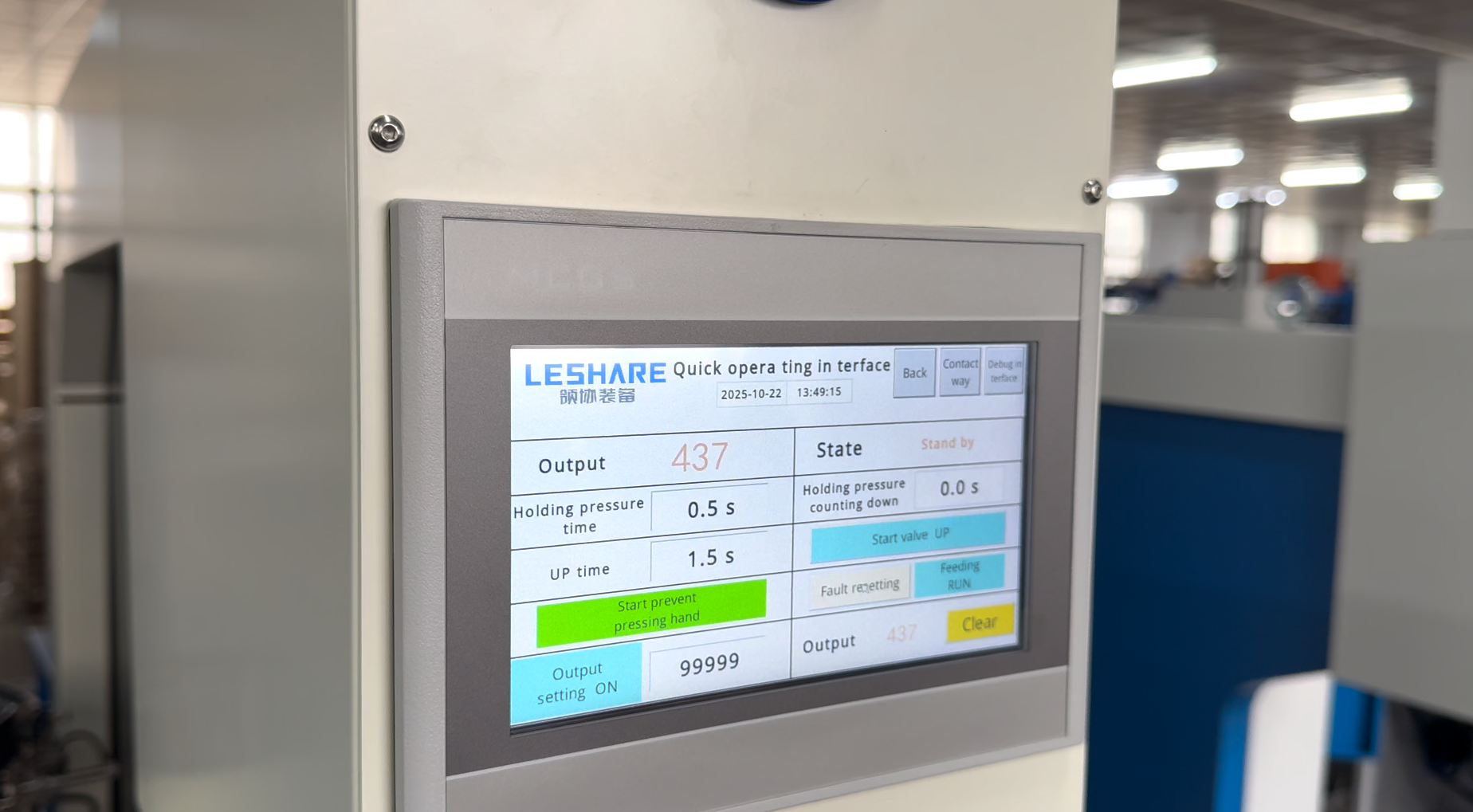
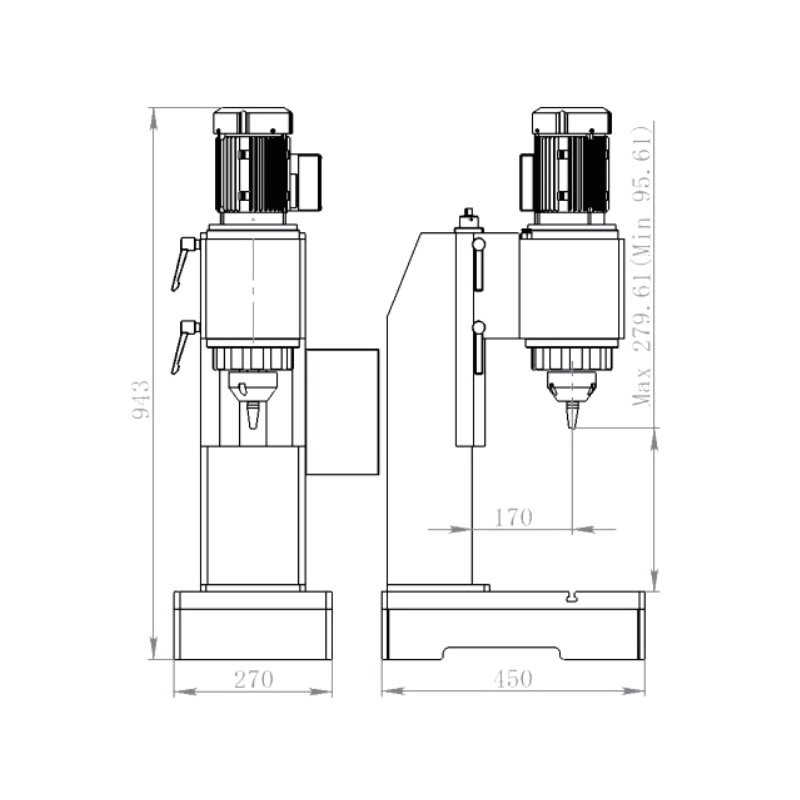
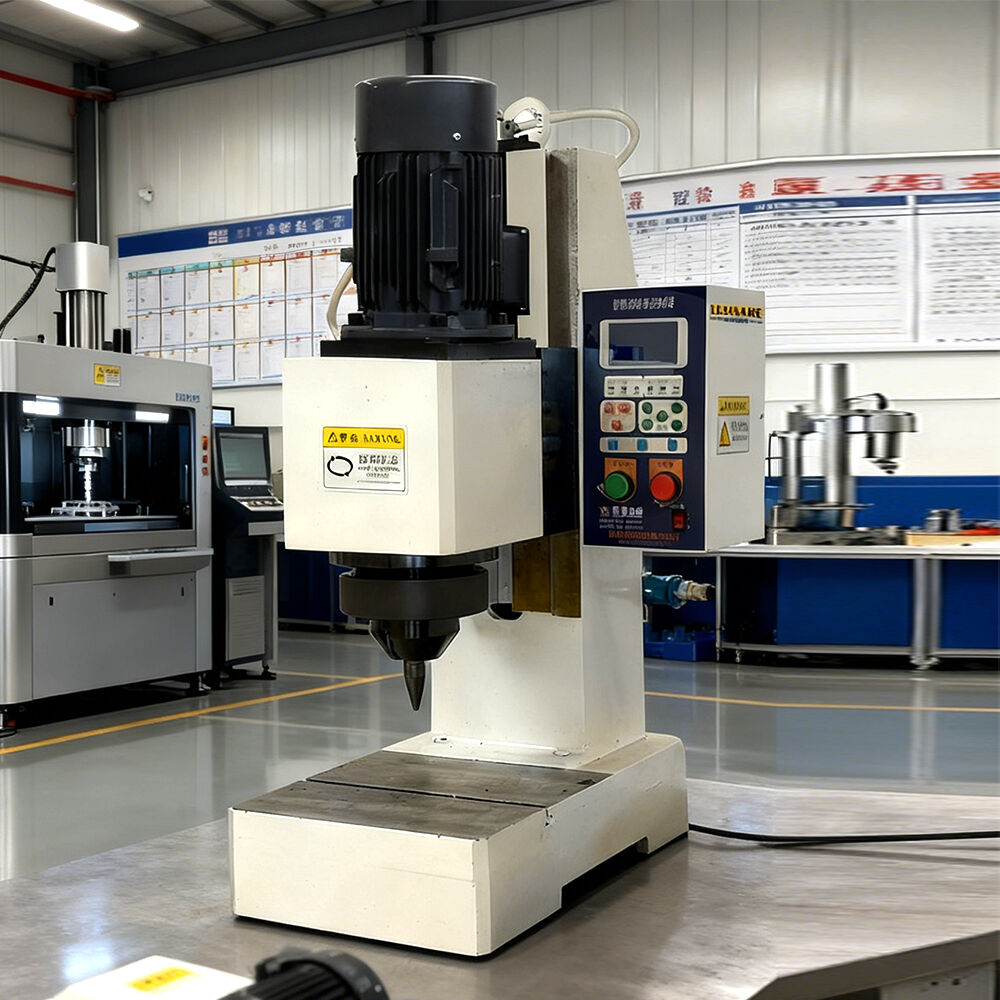
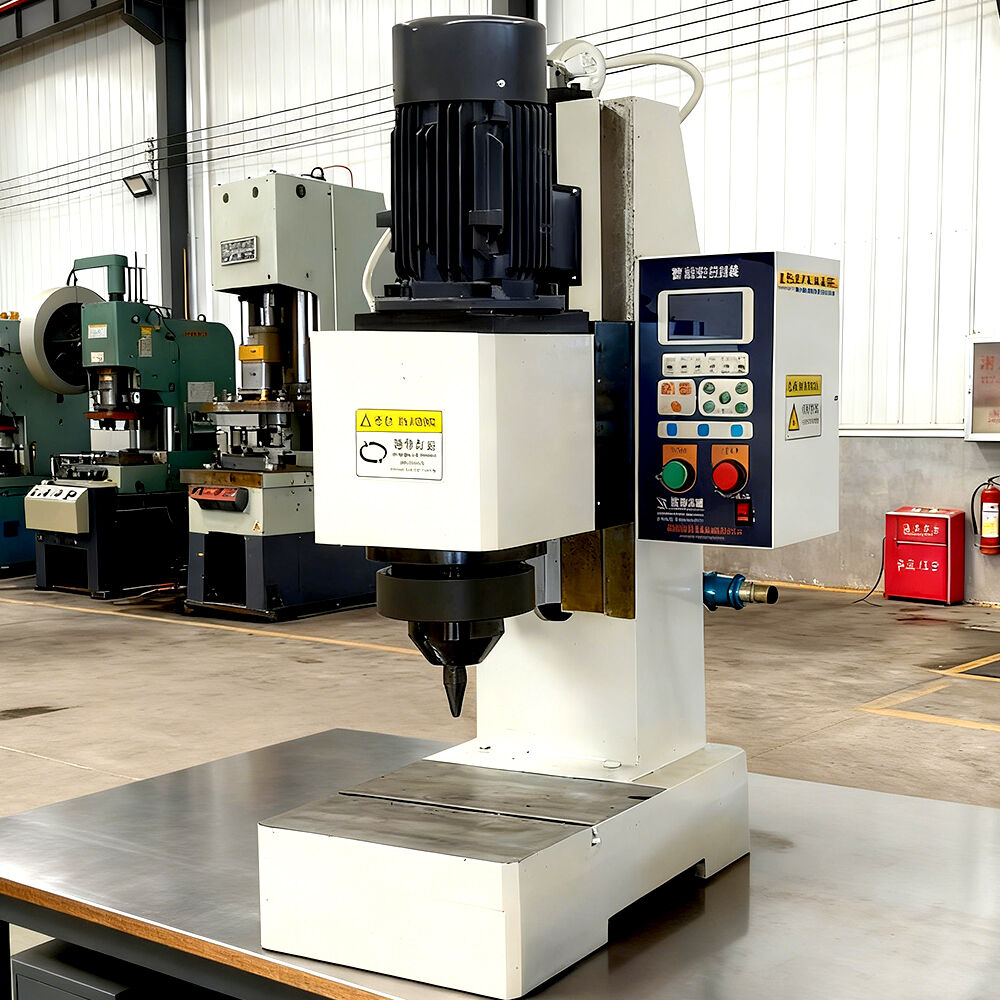
The orbital riveting machine transforms manufacturing operations by delivering unprecedented levels of productivity and operational efficiency that directly impact bottom-line performance and competitive positioning. Production throughput increases substantially due to faster cycle times enabled by the machine's efficient orbital motion and automated operation capabilities, allowing manufacturers to meet higher demand without proportional increases in labor costs or facility space. The technology's reliability ensures consistent uptime that exceeds traditional riveting equipment, with maintenance intervals measured in months rather than weeks, significantly reducing planned and unplanned downtime that disrupts production schedules. Automated operation capabilities reduce labor requirements while improving worker ergonomics by eliminating repetitive motions and physical strain associated with manual riveting processes, leading to reduced workplace injuries and improved employee satisfaction. The machine's intelligent control systems optimize cycle parameters automatically, ensuring maximum efficiency while maintaining quality standards, and providing real-time feedback that enables continuous process improvement initiatives. Energy efficiency represents a significant operational advantage as orbital riveting consumes substantially less power than hydraulic or pneumatic alternatives, contributing to reduced utility costs and supporting corporate sustainability goals. Setup time reductions are dramatic compared to traditional systems, with quick-change tooling and programmable parameters that enable rapid transitions between different products or production runs, maximizing equipment utilization rates. Integration capabilities with existing manufacturing execution systems provide seamless data flow for production tracking, quality monitoring, and predictive maintenance scheduling, supporting Industry 4.0 initiatives and smart manufacturing strategies. The orbital riveting machine's compact footprint optimizes factory floor space utilization while delivering high-volume production capacity, enabling manufacturers to increase output within existing facilities without costly expansions. Consistent quality output reduces inspection requirements and eliminates costly rework operations that consume valuable production time and resources, allowing facilities to maintain lean inventory levels while meeting delivery commitments. Training requirements are minimal due to the machine's intuitive operation and automated features, reducing the time and cost associated with workforce development while ensuring new operators can achieve full productivity quickly.
 EN
EN